

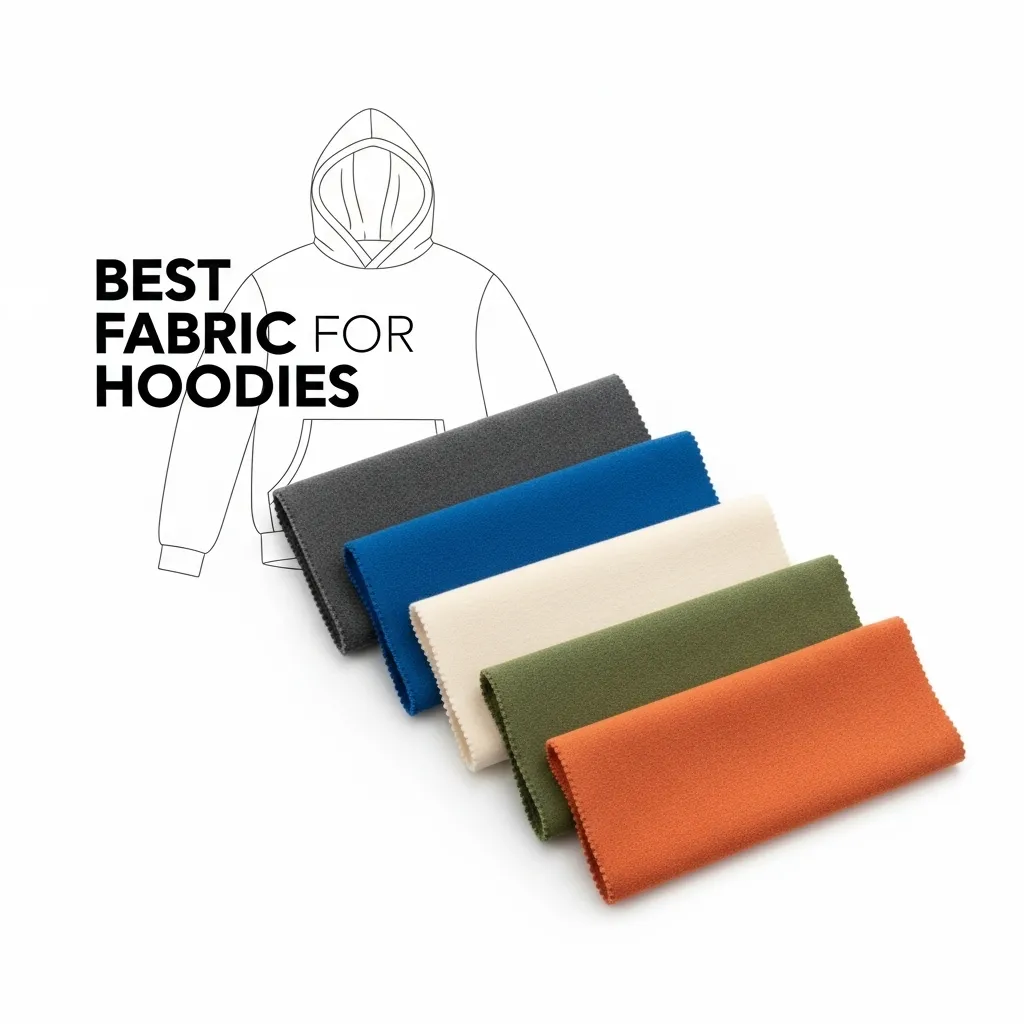
The Best Fabric for Hoodies: Top 10 Materials You Should Know

Choosing the right fabric is the heart of a great hoodie. The material determines warmth, skin-feel, durability, and the overall premium look of your brand. A high-quality hoodie fabric must keep its shape, hold color well, and remain comfortable even after many washes. Below are the top 10 best fabrics for hoodies, explained to help you make the best production choices.
Quick Takeaways:
- Cotton & Blends: Remain the top choices for comfort and streetwear, typically between 280–360 GSM.
- Fleece & French Terry: Essential for seasonal warmth and layering.
- Sustainable Options: Bamboo and rPET (Recycled Polyester) are rising fast in consumer demand for 2026.

Top 10 Fabrics for Hoodie Production
1. 100% Cotton
Cotton is the timeless choice for streetwear. It is natural, highly breathable, and provides a soft touch that consumers love. It is also the best surface for high-quality screen printing or embroidery.
- Common Weight: 280–360 GSM.
- Best For: Casual streetwear and premium basic collections.
=> Related Article: 100% Cotton Fabric: Pure Cotton Yarn
2. Cotton Fleece
By adding a brushed inner surface, cotton fleece provides superior insulation while maintaining softness. The fuzzy interior traps air to keep the wearer warm on cold days without feeling overly heavy.
- Common Weight: 320–420 GSM.
- Best For: Winter hoodies and heavy-weight premium styles.
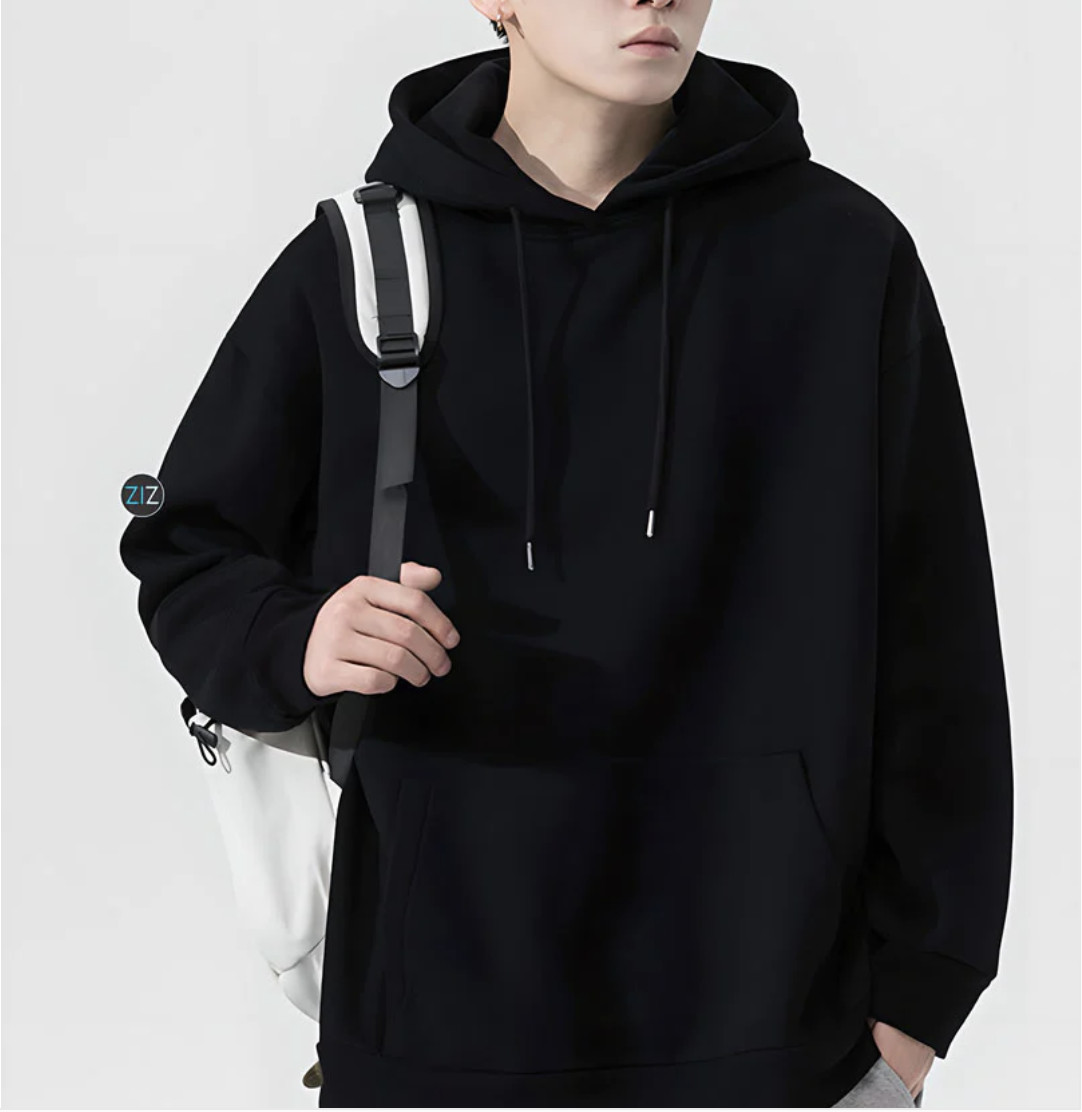
3. Poly-Cotton Blends (CVC & TC)
Mixing cotton with polyester gives you the “best of both worlds.” You retain the softness of cotton while gaining the durability, colorfastness, and wrinkle-resistance of polyester. Common ratios include 60/40 or 50/50.
- Common Weight: 280–380 GSM.
- Best For: Mass-market apparel and durable brand merchandise.
4. French Terry
Unlike fleece, French Terry has tiny loops on the inside. It is lighter and less bulky, making it the ideal choice for spring collections or active lifestyle hoodies that require breathability and moisture absorption.
- Common Weight: 240–320 GSM.
- Best For: All-season wear and lightweight layering.
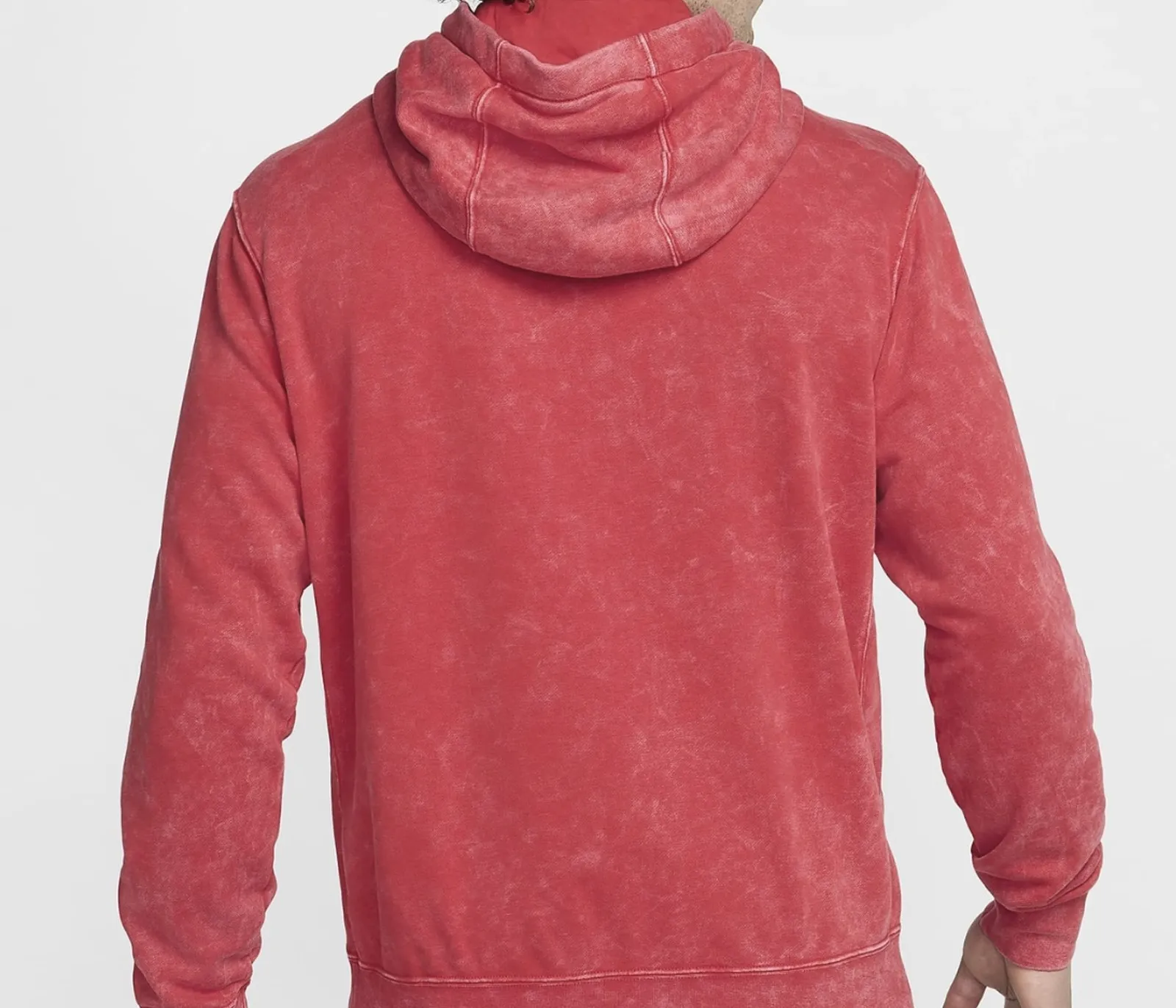
5. Polyester (Performance)
Known for extreme strength and quick-drying properties, 100% polyester is the standard for sports hoodies. It resists shrinking and holds vibrant colors through intense use.
- Common Weight: 250–350 GSM.
- Best For: Athletic wear, gym hoodies, and team uniforms.
6. Wool Blends
Combining wool with cotton or polyester creates a luxury feel with exceptional temperature regulation. These hoodies are odor-resistant and perfect for high-end fashion brands in colder climates.
7. Sherpa Fleece
Characterized by its thick, fluffy “sheep-like” texture, Sherpa is often used as a lining or for outer-facing cozy hoodies. It provides maximum warmth for extreme cold.
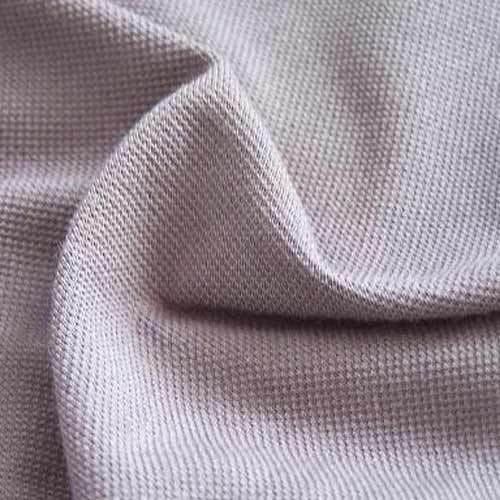
8. Bamboo Fabric
A leading eco-friendly option. Bamboo is naturally anti-bacterial, incredibly soft (similar to silk), and highly sustainable. Often blended with a touch of Spandex for flexibility.
=> Related Article: Bamboo Fabric: The Future of Sustainable Fashion
9. Recycled Polyester (rPET)
Made from repurposed plastic bottles, rPET offers the same durability as virgin polyester but with a much lower environmental footprint. A favorite for modern, eco-conscious activewear brands.
10. Spandex / Elastane Blends
Usually added in small amounts (2-5%) to other fabrics. This adds essential stretch and “bounce-back” capability, ensuring the hoodie maintains its shape at the cuffs and hem over time.
How to Choose the Right Fabric for Your Brand
To select the perfect material, always evaluate these four pillars:
- Climate: Will the wearer be in a tropical zone (French Terry) or a freezing one (Cotton Fleece/Sherpa)?
- Market Position: Are you targeting budget-friendly promo gear (Polyester) or luxury fashion (Wool/Bamboo)?
- Durability: How often will the garment be washed? (Poly-cotton blends are most resilient).
- Sustainability: Does your brand mission require rPET or Organic Cotton certifications?

Conclusion

A great hoodie starts with an informed fabric choice. Whether you prioritize the natural comfort of 100% cotton or the high-tech sustainability of recycled polyester, the right material builds customer trust and brand longevity. At Mekong Garment, we specialize in sourcing and manufacturing premium hoodies across all these fabric categories, ensuring your 2026 collections meet the highest global standards.
FAQs About the Best Fabric for Hoodies
What fabric is best for a hoodie?
There’s no single “best” fabric! it depends on purpose. Cotton gives comfort, fleece gives warmth, and blends or performance fabrics balance durability and care. The right choice matches the season, style, and what your customer values most (comfort, warmth, sustainability, etc.)
Is 100% cotton good for hoodies?
Yes! cotton is soft, breathable, and feels natural on the skin. It’s ideal for everyday casual hoodies. But pure cotton can shrink if not treated and isn’t as durable as blends in heavy use environments.
What’s the difference between cotton fleece and French terry?
Cotton fleece has a brushed, fluffy inner surface that traps heat, making it warmer, great for cold weather. French terry has loops, not a full brush, so it’s lighter, more breathable, and better for all-season or layered hoodies.
Are polyester hoodies good?
Yes! especially for performance wear. Polyester resists shrinking and wrinkles, dries fast, and keeps shape well. But it doesn’t breathe as well as cotton, so it can feel less comfortable in warm conditions.
Why use a cotton-polyester blend?
Blends combine the softness of cotton with the durability of polyester. They wash well, resist wrinkles and shrinkage, and are often easier to care for. That’s why most basic and branded hoodies use these blends.
Is bamboo fabric really eco-friendly?
Bamboo can have sustainability appeal because it’s a fast-growing plant, and bamboo blends offer softness and breathability. But not all bamboo textiles are processed equally, the sourcing and manufacturing matter for true eco benefits
What does recycled polyester (rPET) offer?
Recycled polyester uses plastic waste (often bottles) turned into fiber. It performs like regular polyester durable, color-fast, and easy to wash but with a smaller environmental footprint. It’s ideal for eco-aware brands.