
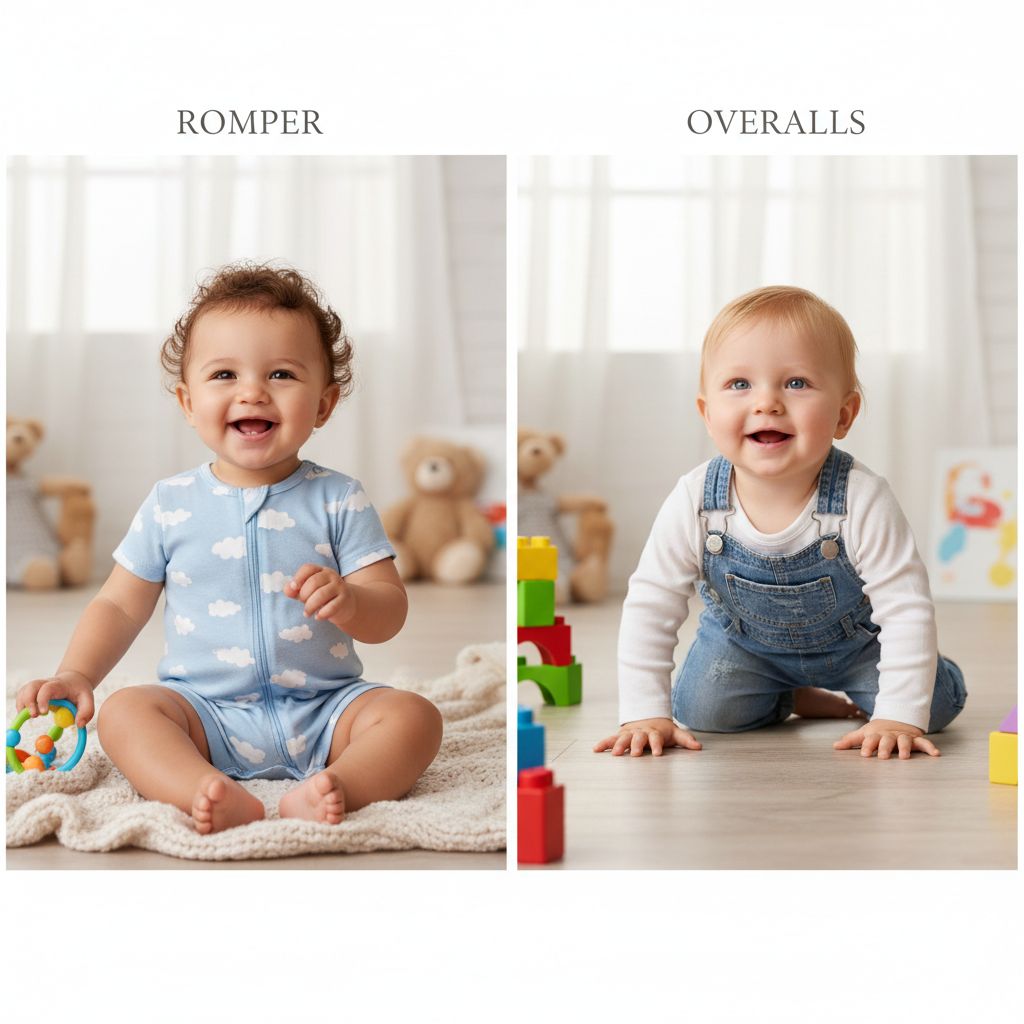
Rompers and overalls are often grouped together because both are one-piece garments, but they are not exactly the same. That distinction matters. A lot of fashion content treats them like interchangeable terms, and that is sloppy. A romper is usually a one-piece outfit that combines a top with shorts or sometimes short leg coverage, while an overall is more often a separate one-piece layer with straps, worn over another garment. Still, they belong in the same conversation because both offer comfort, easy styling, and a practical all-in-one look.
What Are Rompers?
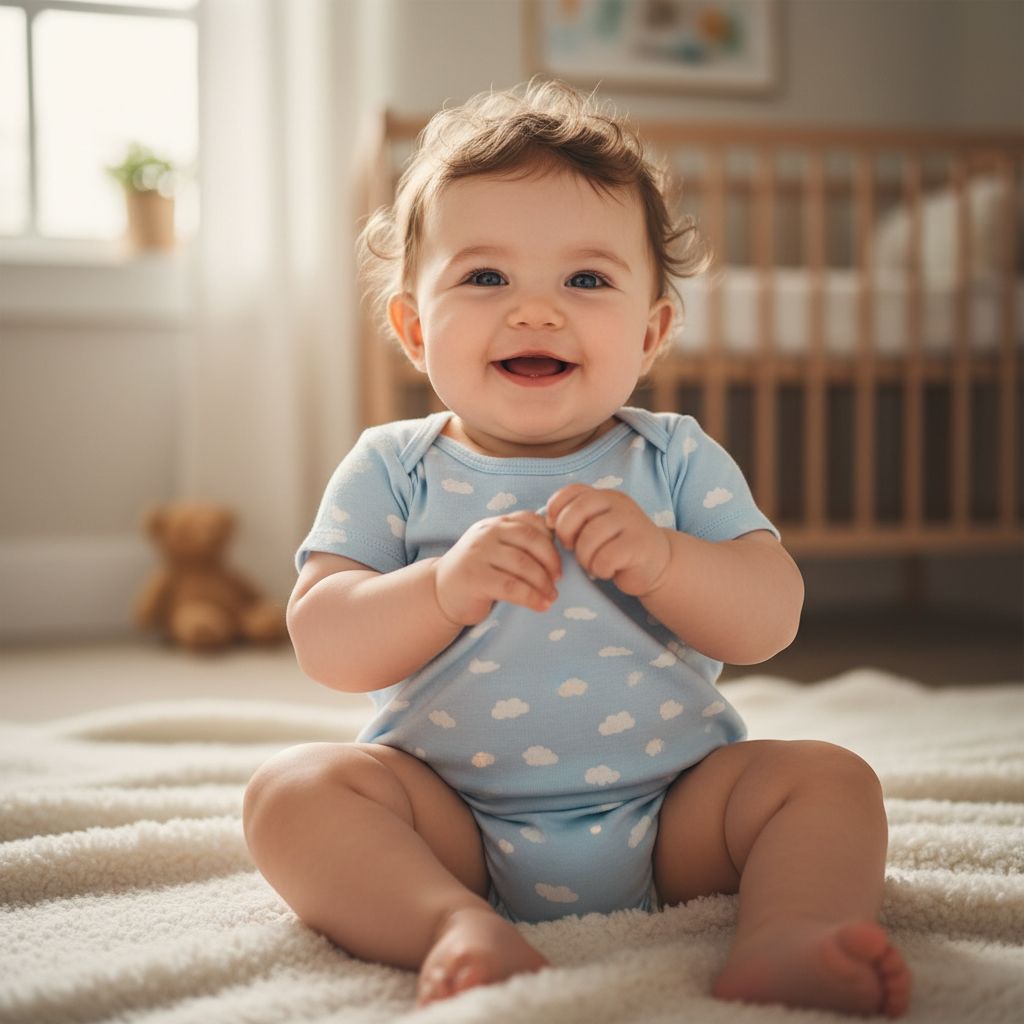
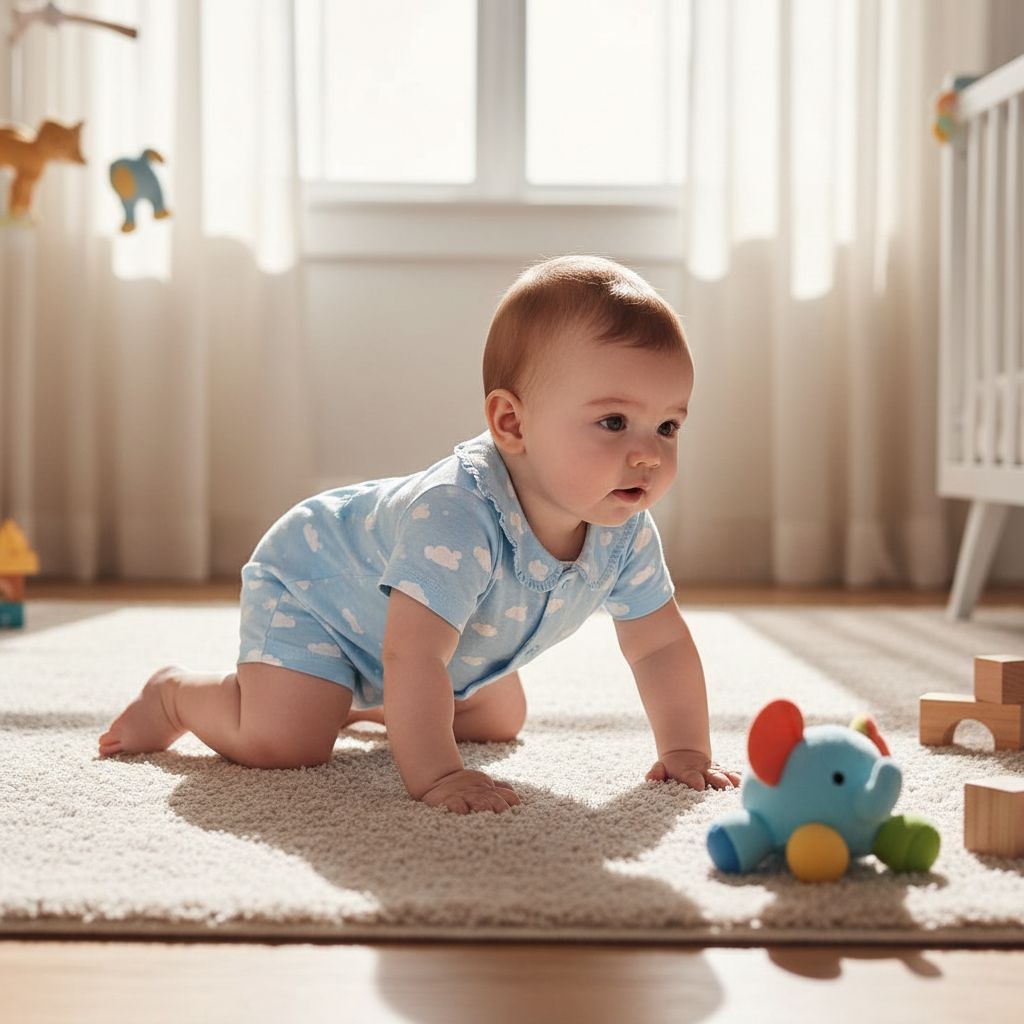
A romper is a one-piece garment that joins the upper body and lower body into one outfit. It is usually designed as a complete look on its own. Rompers can be casual, playful, polished, or even dressy depending on the cut, fabric, and finish. Most rompers feature:
- A connected top and bottom
- Short or mid-length leg coverage
- Easy movement
- A light, simple silhouette
Rompers are popular in warm weather because they feel easy and breathable. They are often chosen for casual outings, vacations, daywear, and relaxed styling.
What Are Overalls?
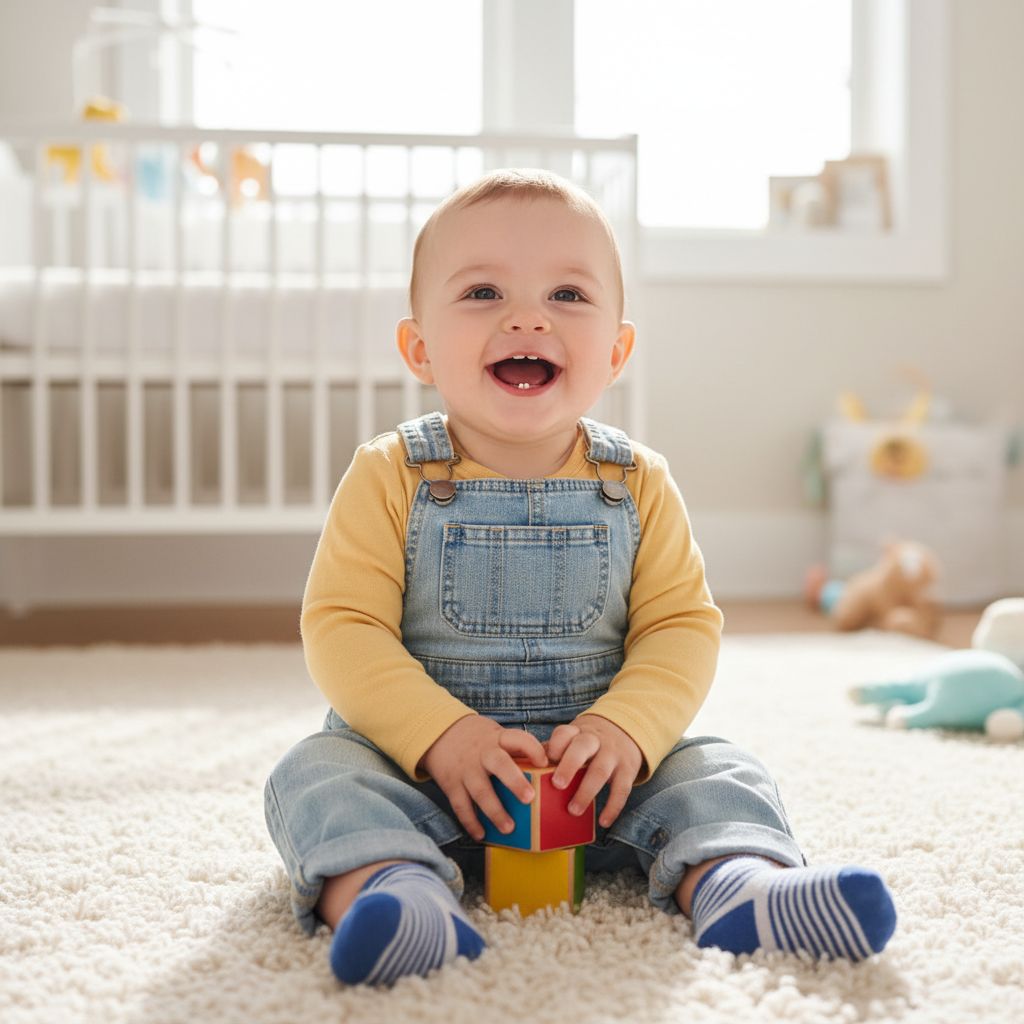
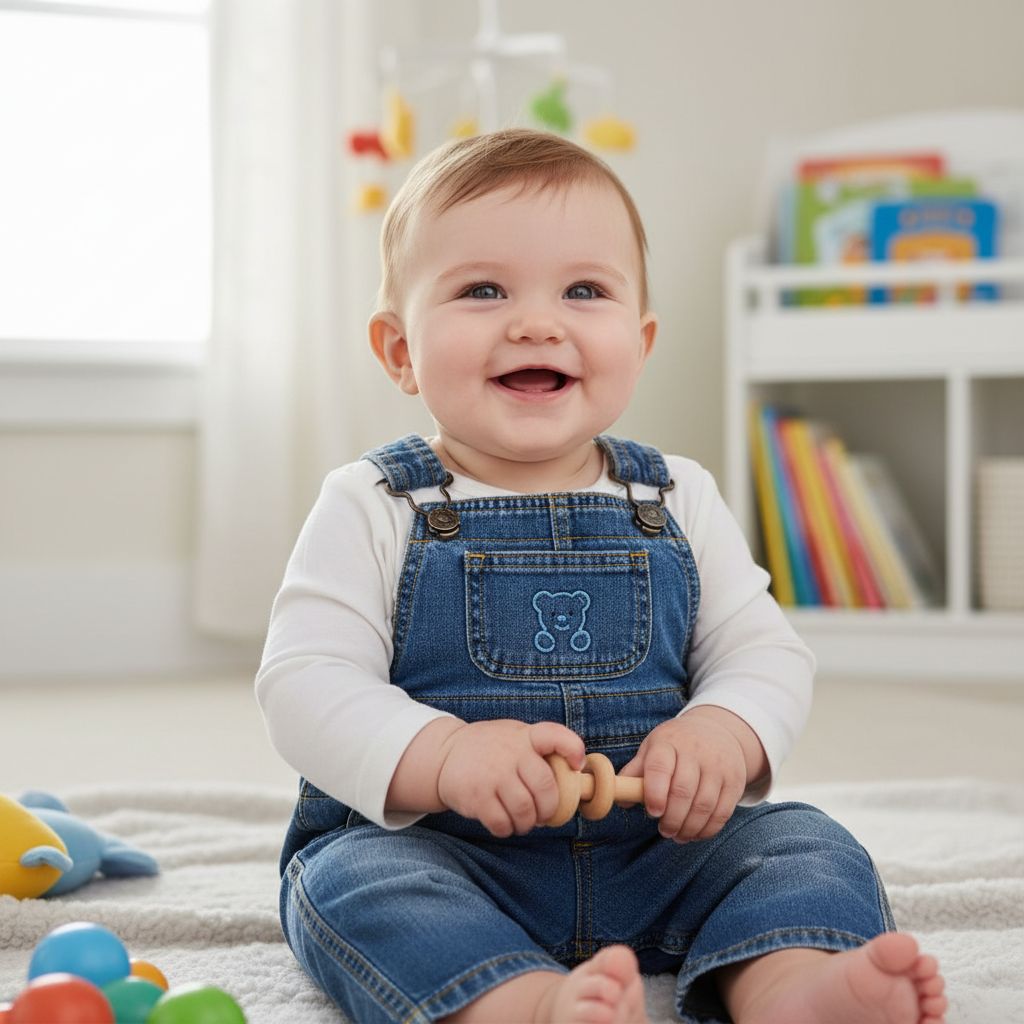
Overalls are also one-piece garments, but they usually function more like a layering piece than a complete outfit by themselves. Traditional overalls have shoulder straps, a bib front, and a lower section that can be shorts, cropped legs, or full-length pants. They are often worn over T-shirts, tank tops, blouses, or sweaters. Common features of overalls include:
- Shoulder straps
- Bib-style front
- Structured shape
- Functional pockets
- Adjustable hardware such as buckles or buttons
Overalls started as workwear because they were durable and practical. Over time, they became a fashion staple for both kids and adults.

Key Difference Between Rompers and Overalls
This is where many articles get fuzzy, so let’s make it clear.
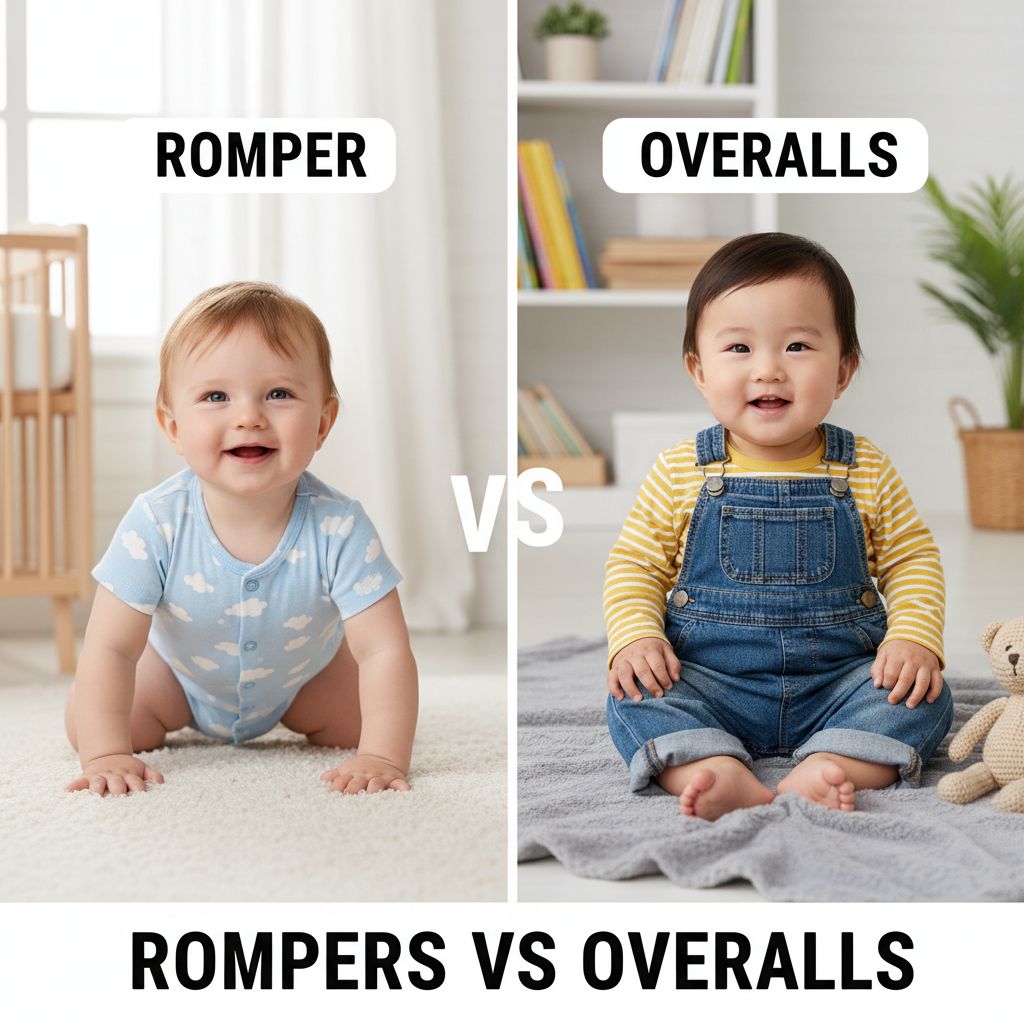
- Rompers are usually meant to be worn alone as a finished outfit.
- Overalls are usually worn over another top and styled as a layered garment.
That does not mean every design follows the rule perfectly, but it is the most useful way to separate the two. If you ignore that difference, your product description, buying guide, or styling advice can become confusing fast.
Why Rompers and Overalls Stay Popular
Their popularity is not hard to explain. People like clothes that save time, feel comfortable, and still look stylish. One-piece garments do exactly that.
- 1. Easy to Wear: You do not need to match a top and bottom. That cuts down styling time and makes dressing simpler.
- 2. Comfortable for Movement: Because they are designed as one unit, they often move well with the body. That makes them practical for daily wear, travel, and active lifestyles.
- 3. Stylish With Little Effort: A romper can look polished with sandals or sneakers. Overalls can look cool and casual with a basic T-shirt. Neither requires much effort to create a complete look.
- 4. Good for Many Ages: Rompers and overalls work for babies, children, teens, and adults. Few garment categories have that kind of range.
- 5. Flexible Across Seasons: Light cotton rompers are great in hot weather, while denim overalls layered with knitwear can work in cooler months.
Common Fabrics Used
Fabric changes everything. The same pattern can feel playful, premium, rugged, or soft depending on the material.
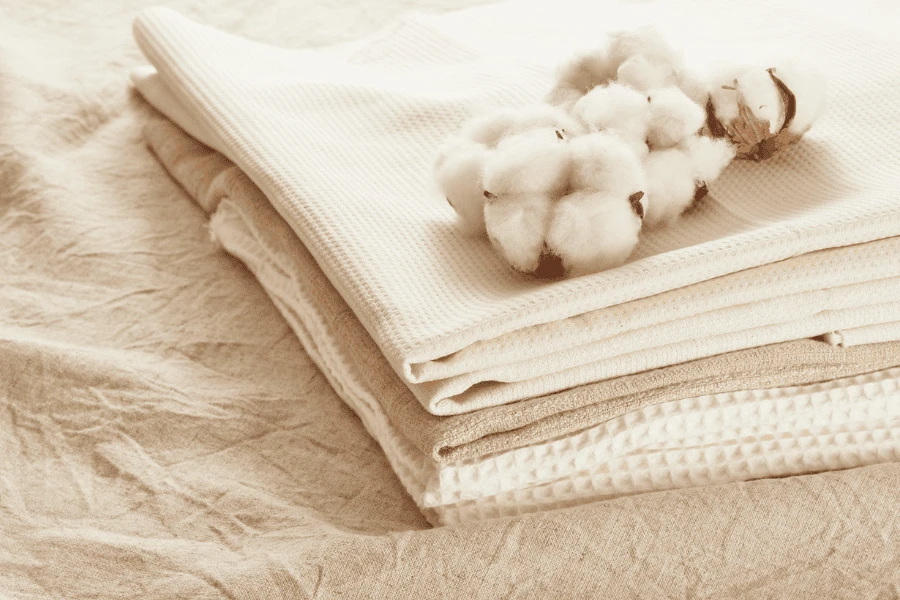
- Cotton: Cotton is breathable, soft, and easy to wear. It is one of the most common choices for casual rompers and lightweight overalls.
- Denim: Denim is strongly associated with overalls. It gives structure, durability, and a classic casual look.
- Linen: Linen is ideal for warm climates because it feels airy and relaxed. Linen rompers often have a clean, easy summer look.
- Twill: Twill gives more structure than plain cotton and works well for utility-inspired overalls.
- Stretch Blends: A small amount of spandex or elastane can improve comfort and movement, especially in fitted rompers.
- Corduroy: Corduroy overalls offer texture and warmth, making them a popular option for cooler seasons.

Popular Types of Rompers
Not all rompers look the same. The category includes many styles.
- Casual Rompers: These are designed for daily wear and usually come in soft fabrics with simple cuts.
- Dressy Rompers: These use more refined fabrics, shaped waists, or elegant details. They are often worn for parties, dinners, or events.
- Utility Rompers: These include functional details like patch pockets, belts, zippers, or workwear-inspired shapes.
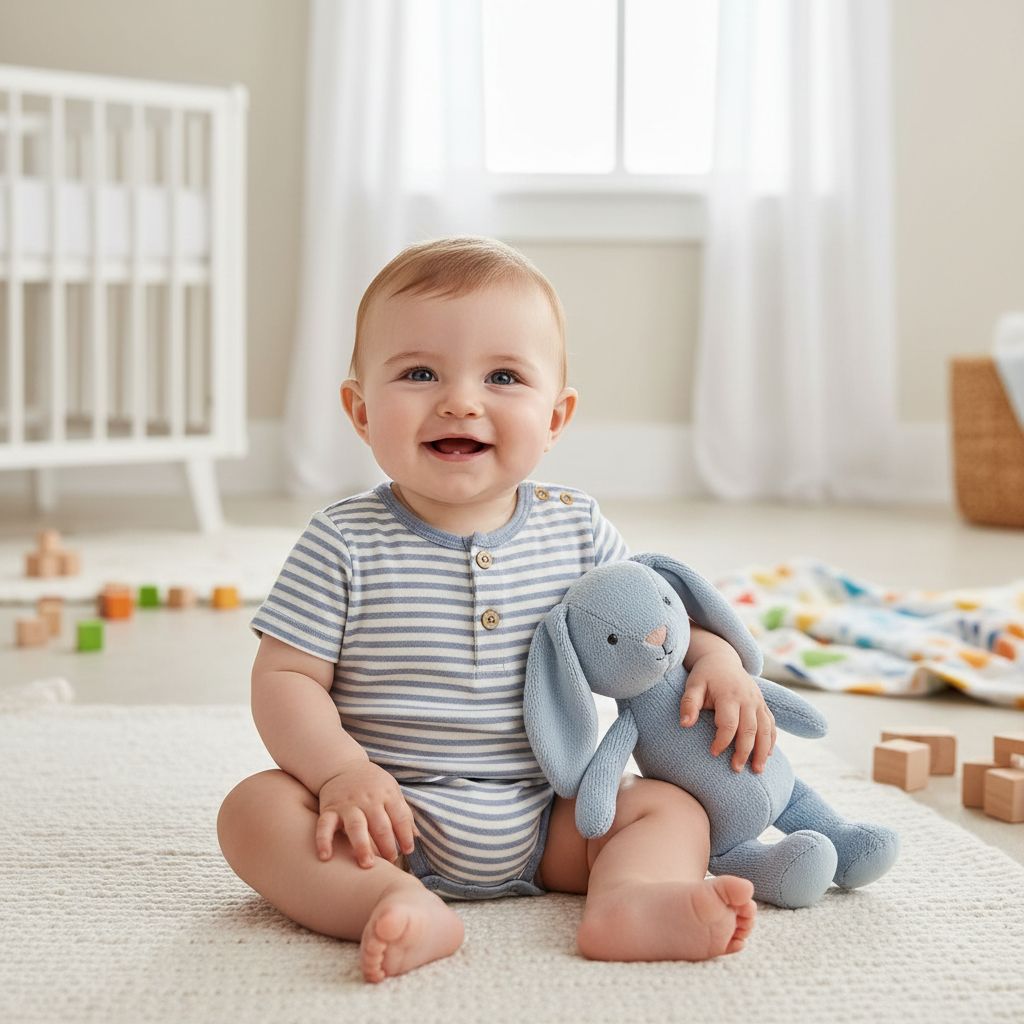
- Kids’ Rompers: These focus on comfort, movement, and easy dressing. Soft fabrics and simple closures matter a lot here.
Popular Types of Overalls
Overalls also come in several forms, and each creates a different look.
- Classic Denim Overalls: This is the most familiar version. It is timeless, durable, and easy to style.
- Short Overalls: These have short legs instead of full pants. They feel lighter and are great for warm weather.
- Wide-Leg Overalls: These create a relaxed, fashion-forward silhouette and pair well with fitted tops.
- Slim-Fit Overalls: These offer a cleaner, more shaped appearance and can look more modern than loose traditional versions.
- Workwear Overalls: These focus on function, durability, and utility details more than trend styling.
How to Style Rompers
Rompers are easy, but that does not mean every styling choice works equally well.
- Keep Footwear Balanced: Flat sandals, sneakers, ankle boots, or simple heels can all work. The best choice depends on the romper’s fabric and shape.
- Use Accessories Carefully: Because the outfit is already one piece, too many accessories can make it feel busy. A bag, belt, or simple jewelry is often enough.
- Think About Fit: A romper that is too tight can look awkward and feel restrictive. A romper that is too loose may lose shape. Balance matters.
- Layer When Needed: A light jacket, cardigan, or blazer can make a romper more practical for changing weather.
What to Look for When Buying
A smart buyer should go beyond appearance.
- Fit: Check waist placement, rise length, torso length, and leg shape. This is especially important in rompers, where poor fit can become uncomfortable.
- Fabric: Think about weather, comfort, drape, and care requirements.
- Closures: Buttons, zippers, snaps, and adjustable straps should be easy to use and durable.
- Movement: Sit, bend, and walk comfortably. A one-piece garment that restricts movement defeats its own purpose.
- Care: Some fabrics are easy wash-and-wear options. Others wrinkle, shrink, or require special care.
Conclusion / Final Words
Rompers and overalls remain popular because they combine function, comfort, and style in a simple format. Rompers are usually self-contained outfits, while overalls are usually layering pieces with straps and a more structured feel. That difference is worth remembering because it affects how they are worn, styled, described, and sold. Both garments offer strong appeal across ages and settings. From casual summer rompers to classic denim overalls, they continue to adapt to fashion trends without losing their practical value. The best versions are not just cute or trendy. They fit well, move well, and make getting dressed easier.