
In garment manufacturing, production speed is closely tied to delivery performance, labor efficiency, and overall factory profitability. When production runs smoothly, orders can be completed on time and shipped as planned. But when problems appear in pattern making, cutting, sewing, or quality control, the entire line can slow down.
A drop in garment production does not usually come from one big issue alone. In most factories, lower output is caused by a combination of technical mistakes, poor planning, machine problems, and operator-related challenges. Even a small problem at one stage can create delays in the next process and reduce daily production significantly. This article explains the key factors that decrease garments production and how they affect factory performance.
Why Garments Production Decreases
Garments production decreases when workflow is interrupted, materials are not prepared correctly, or sewing lines cannot run at the planned capacity. In simple terms, production falls when operators spend more time correcting mistakes, waiting for input, handling rework, or dealing with breakdowns instead of sewing garments efficiently.
The main factors that decrease garments production usually come from the following areas:
- Pattern problems
- Fabric spreading problems
- Fabric cutting problems
- Sewing floor problems
- Quality failures during production
Each of these factors can reduce line efficiency, increase rework, and cause shipment delays.
Pattern Problems
Pattern accuracy is one of the first requirements for smooth garment production. If the pattern is wrong, incomplete, or not properly checked before bulk production starts, problems will continue throughout the entire manufacturing process.
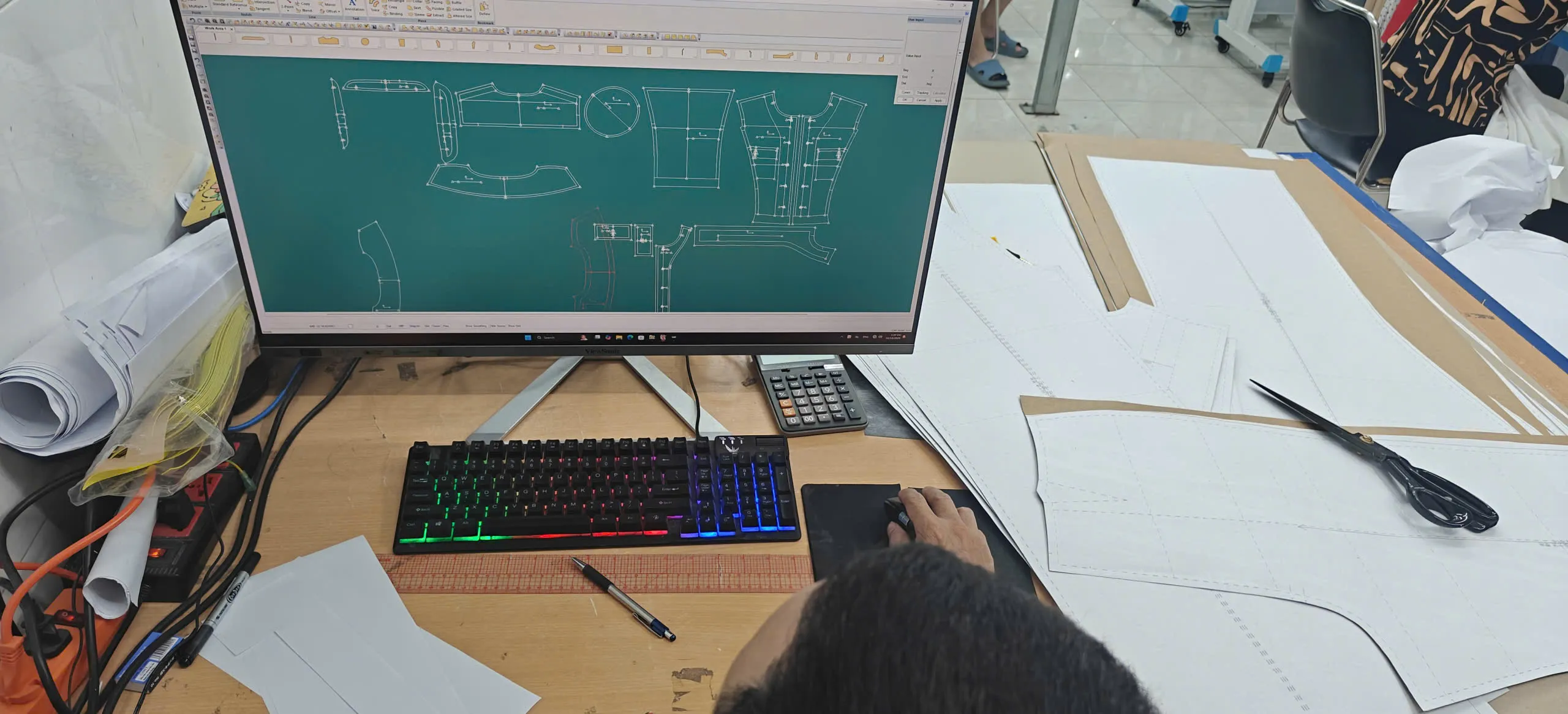
A common issue is missing pattern pieces. This can happen when the marker does not include all garment parts or when sizes are mixed incorrectly during marker preparation. As a result, some cut panels may be missing, mismatched, or incorrectly shaped. When pattern problems are found after cutting or during sewing, production slows down immediately. Operators cannot continue their work properly, supervisors must stop the process to investigate the issue, and replacement panels may need to be cut again. This wastes time, fabric, and labor.
Fabric Spreading Problems
Fabric spreading is another critical stage that directly affects production output. If the fabric is not spread correctly, the cut components may not match the required measurement or shape.
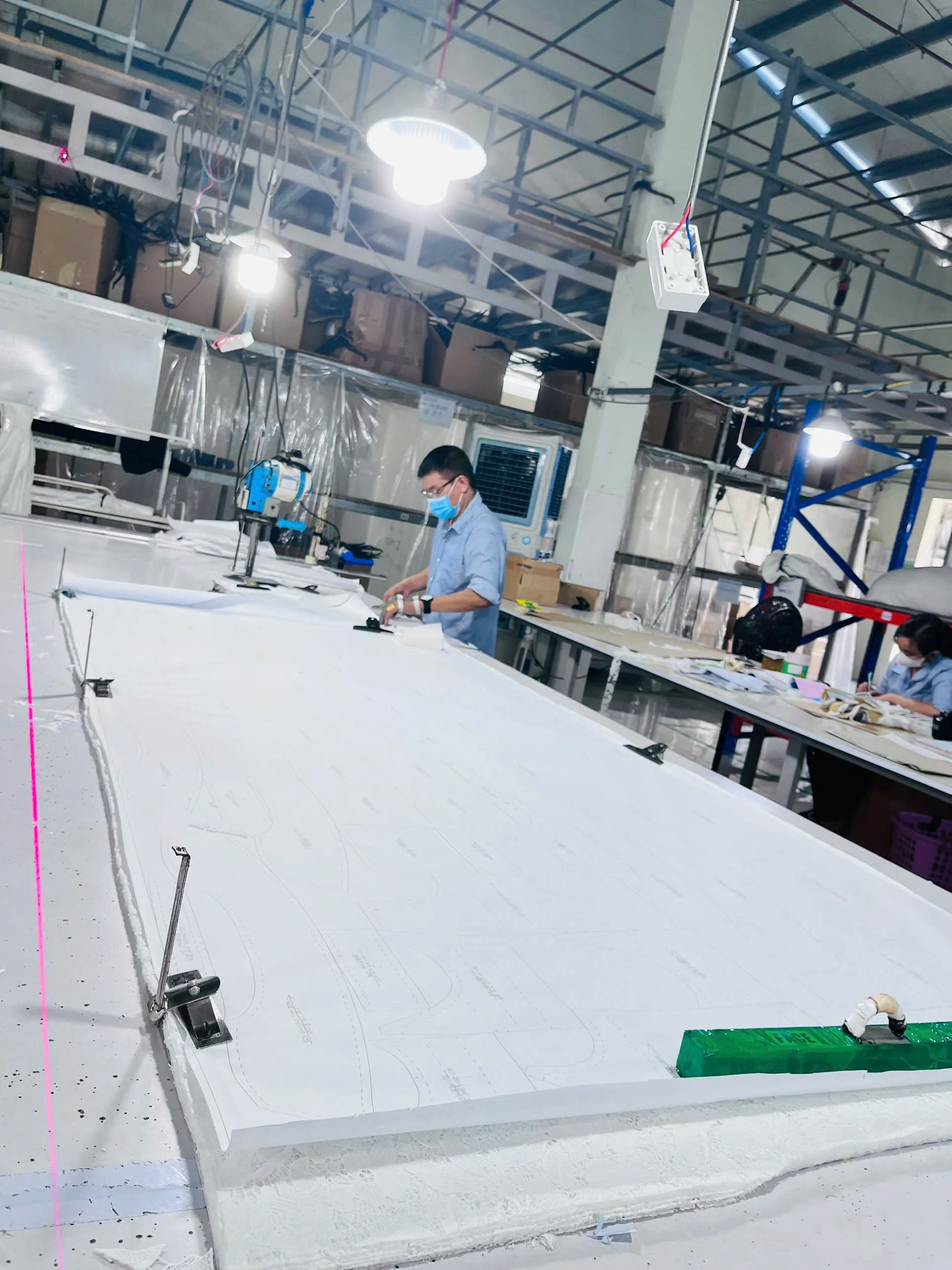
One of the most common spreading problems is incorrect ply tension. When the fabric is spread too tightly, the plies may relax after cutting and change size. When the fabric is spread too loosely, the layers may shift during cutting. In both cases, garment parts may not match properly during sewing. This creates fitting issues, measurement problems, and sewing difficulty. Operators may need extra time to adjust parts, while quality defects become more likely. In severe cases, panels must be replaced, and rejected bundles will reduce line productivity.

Fabric spreading problems also increase the risk of shade variation, fabric distortion, and poor alignment, especially in stretch fabrics or sensitive materials. In many cases, a pattern problem seems small at first, but it creates a chain reaction that affects cutting, bundling, sewing, inspection, and finishing.
Fabric Cutting Problems
Accurate cutting is essential for maintaining production speed and garment quality. If cutting is not done properly, the sewing line will receive defective parts, and output will drop. A common cutting problem happens when the operator fails to follow the marker lines accurately. This can cause garment panels to become misshaped or off-size. Another issue occurs when the straight knife leans during cutting, which can make the top and bottom plies different in size. Round knife cutting at excessive speed can also damage panel accuracy.
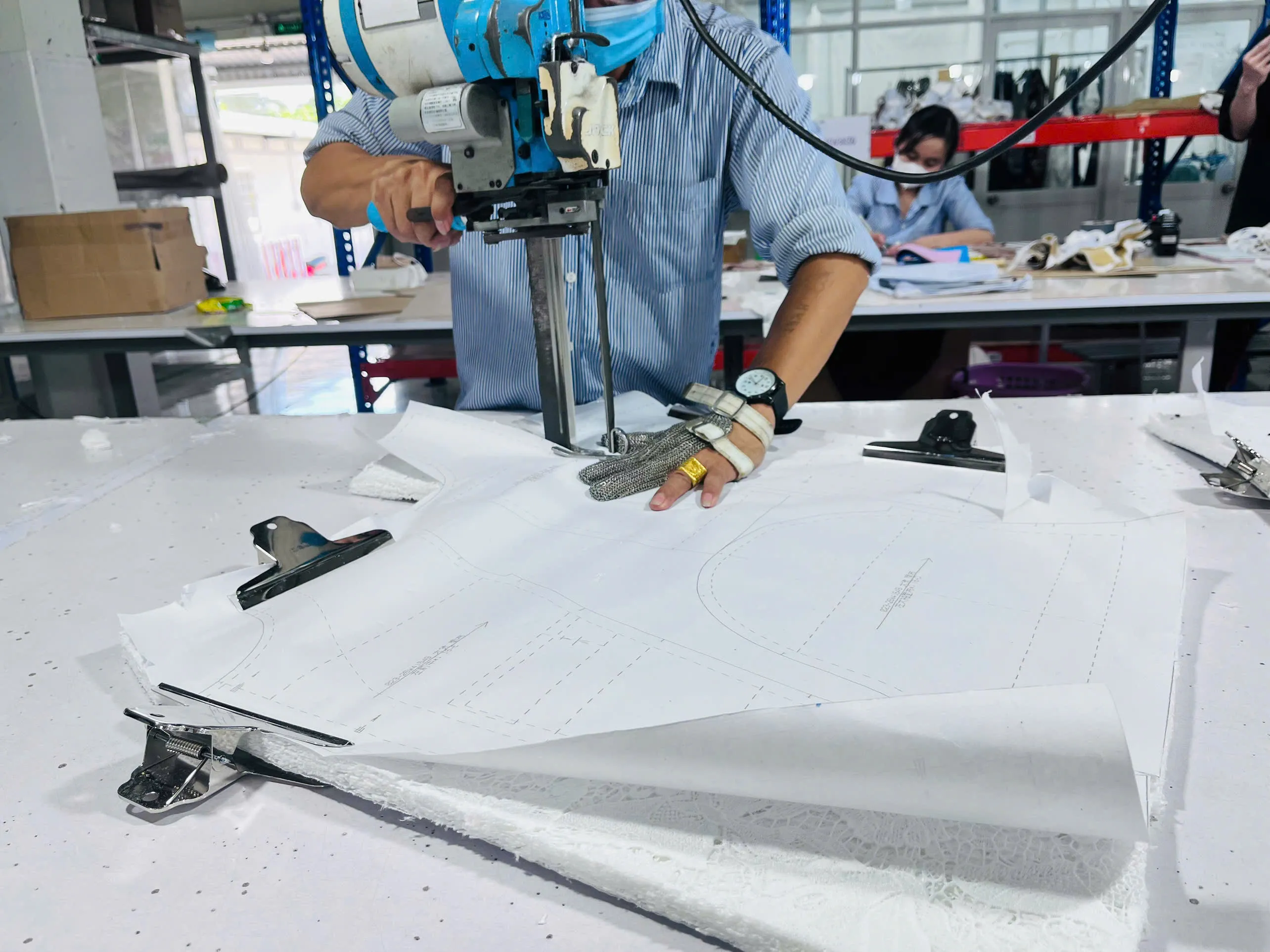
These cutting mistakes may not be noticed immediately. Often, the problem appears later in sewing, when operators find that panels do not match, seams do not align, or measurements fall outside tolerance. When this happens, sewing efficiency drops because operators must spend extra time handling difficult parts. Rework increases, inspection failure rises, and the line cannot achieve its target output.

Sewing Problems
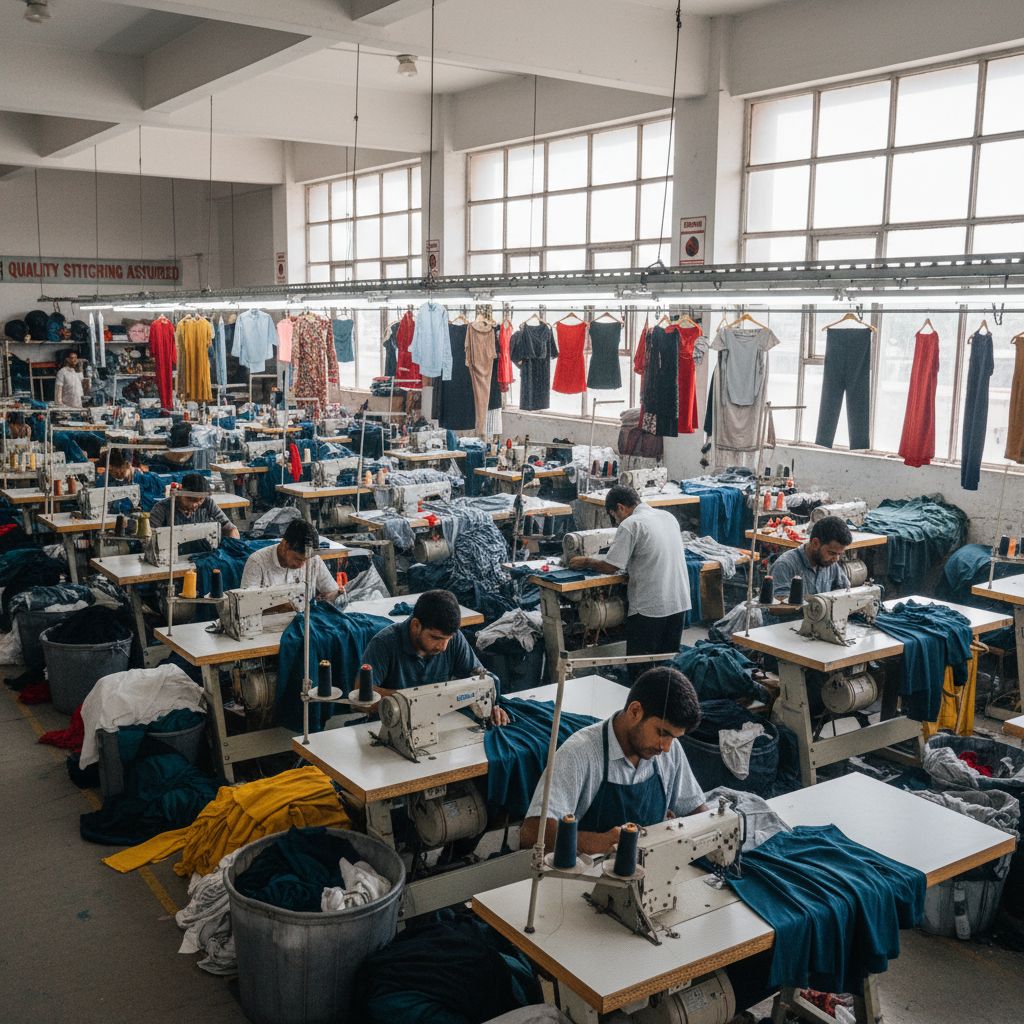
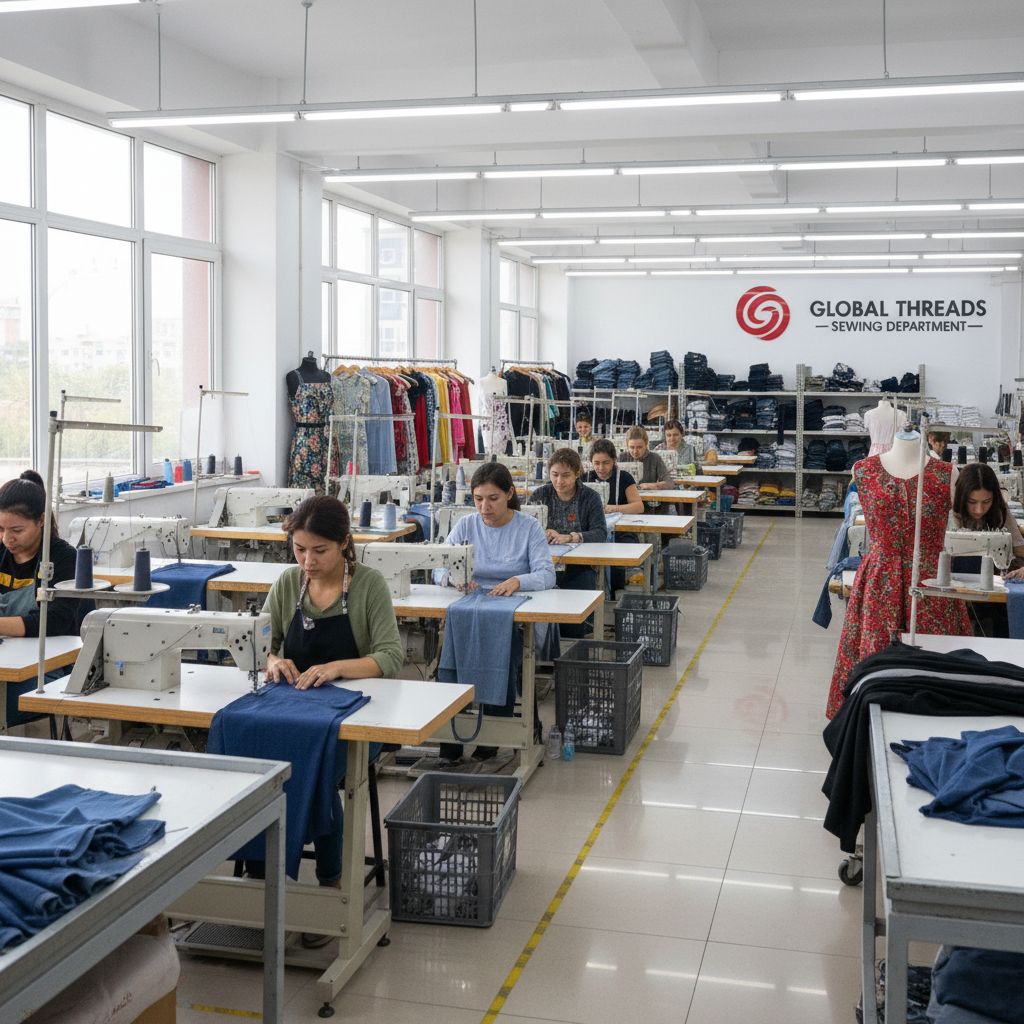
The sewing section is the heart of garment production. Even if pattern making, spreading, and cutting are done correctly, output can still fall sharply if the sewing floor is not managed well. Many of the biggest causes of production loss happen in sewing. These include machine breakdown, machine stoppage, line imbalance, poor layout planning, uneven operator performance, operator absence, and quality rejection during inline inspection.

Machine Breakdown
Machine breakdown is one of the most common reasons for low production in a garment factory. When a sewing machine stops working, the affected operation stops immediately. This delays not only one process but also the next operations in the line.

Needle breakage, motor failure, tension problems, feed issues, and poor machine condition can all reduce production speed. If maintenance support is slow, operators remain idle and line efficiency drops further. Frequent machine breakdown also causes inconsistency in stitch quality, which leads to repair work and extra quality problems.
Machine Stoppage
Machine stoppage is slightly different from machine breakdown. A machine may be technically working, but production still stops because the operator has no work to sew, no bundle to receive, or no support from the feeder or helper.
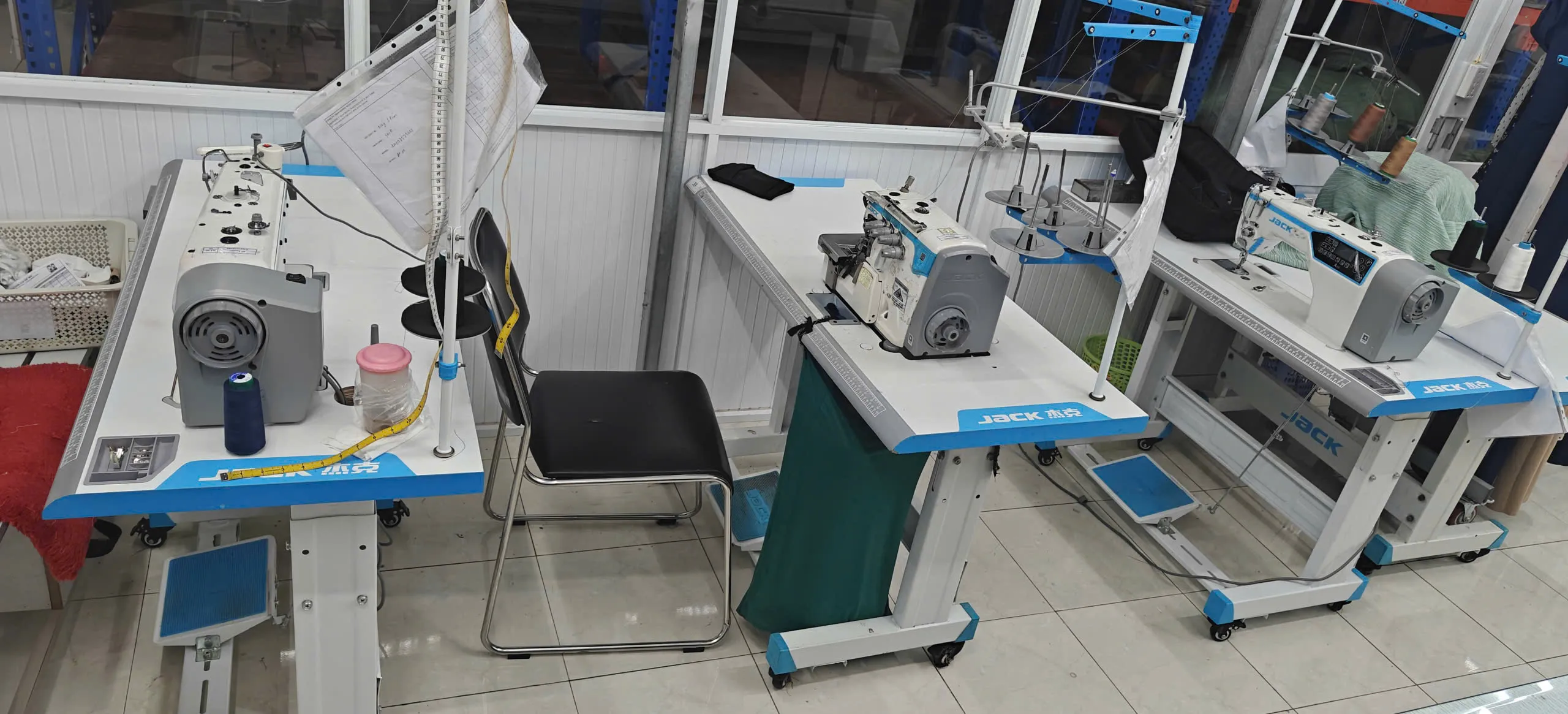
This is a serious issue because a line cannot achieve high output unless machines run continuously. When machines stop too often, the lost minutes accumulate throughout the day and reduce total production sharply. Machine stoppage is often linked to poor bundle flow, weak supervision, delayed input from previous operations, or poor coordination between sections.
Imbalance in the Sewing Line
Line balancing is essential for smooth garment production. If one operation is much slower than the others, that point becomes a bottleneck. Work piles up before that operation, while downstream operators may sit idle waiting for input.

An imbalanced line creates uneven workload, operator frustration, longer waiting time, and reduced hourly output. Even if most operators work efficiently, one bottleneck can prevent the entire line from reaching its target. Proper operation breakdown, skill matching, and continuous line study are necessary to avoid this problem.
Poor Layout Planning
Layout planning has a direct effect on line movement, communication, and handling efficiency. If machines are placed poorly, bundles travel unnecessarily, supervisors cannot monitor the line effectively, and helper movement becomes inefficient.

A bad layout can increase motion waste, delay bundle feeding, and make it harder to solve production issues quickly. In contrast, a well-planned layout supports smooth workflow, better supervision, and faster output. Poor layout planning is often ignored because it is less visible than machine breakdown, but its impact on production can be significant over time.
Uneven Operator Performance
In many garment factories, operator skill levels are not the same. Some operators work quickly and consistently, while others need more time or produce more defects.
This difference in individual performance can reduce total line efficiency, especially when slower operators are placed in critical operations. Fast operators may finish early and wait for input, while slow operators create bottlenecks and slow down the whole line. Uneven performance is not only a labor issue. It is also a planning and training issue. Without proper operator allocation, skill development, and performance follow-up, the line will struggle to maintain stable output.
Operator Absence
Operator absence is a major production risk in garment manufacturing. When a key operator is absent, the line may lose capacity immediately. Replacing that person is not always easy, especially if the operation requires specific skill or experience.

A sudden absence puts extra pressure on other operators, line leaders, and supervisors. It may force the factory to reshuffle operators, reduce line speed, or allow work-in-progress to build up. In some cases, quality also drops because substitute operators are less familiar with the operation. High absenteeism is often linked to weak attendance control, poor worker engagement, health issues, or lack of backup manpower planning.
Quality Failure During Online QC Check
Quality problems found during inline or online QC inspection can reduce production in a very direct way. When garments fail inspection, they are sent back for repair or rework. This adds extra handling, consumes more labor time, and interrupts normal line flow.
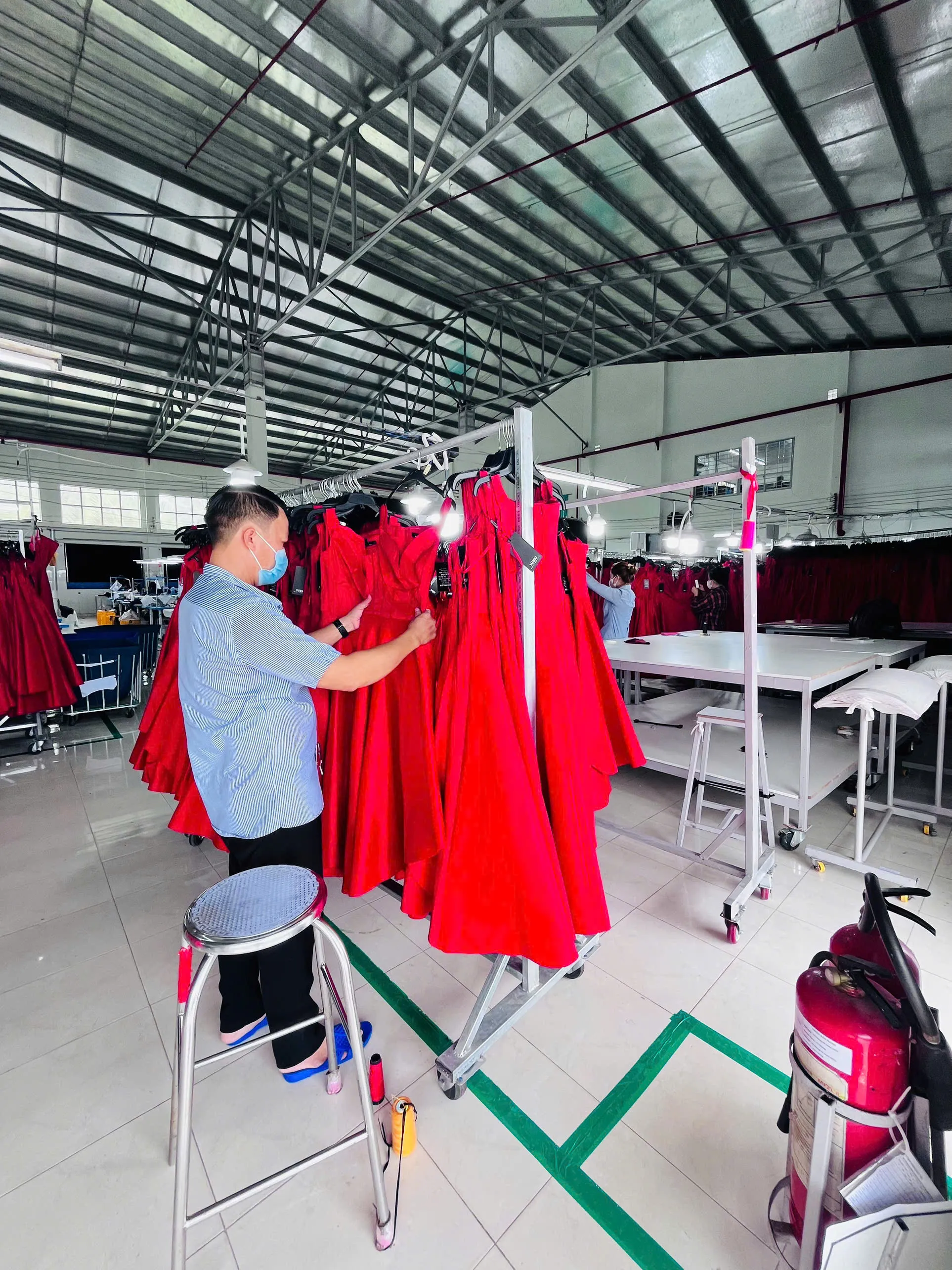
Repeated defects also reduce operator confidence and increase supervisory pressure. If the defect rate is high, line output may fall sharply because operators spend more time fixing mistakes than producing new pieces. Common causes include incorrect stitching, poor seam appearance, skipped stitches, puckering, measurement issues, mismatched panels, and improper attachment of components. A sewing line cannot maintain high production if quality is unstable. In reality, output and quality are not separate. Poor quality always reduces real production.
How These Problems Affect Shipment Performance
When production decreases, the effect is not limited to the sewing floor. Lower output creates pressure across the whole order timeline. Cutting replacement may be needed, rework may increase, finishing may be delayed, and final inspection may miss the planned date. As a result, shipment schedules become harder to achieve. Delayed production can also increase overtime cost, reduce buyer confidence, and damage the factory’s reputation. This is why production loss must be treated as a factory-wide issue, not just a sewing problem.
How to Reduce the Factors That Decrease Garments Production
Factories can reduce production loss by improving control in both technical and management areas. The most practical actions include checking patterns carefully before bulk cutting, ensuring proper fabric spreading tension, improving cutting accuracy, maintaining machines regularly, balancing lines correctly, and monitoring quality in real time.
It is also important to support operators with proper training, backup manpower planning, and efficient layout design. Strong production control depends on prevention, not only correction. A factory that reacts only after problems appear will always struggle to maintain high output. A factory that builds control into each process has a much better chance of reaching shipment targets consistently.
Conclusion / Final Words
Garments production can decrease for many reasons, but the main causes usually come from pattern errors, spreading faults, cutting defects, sewing floor inefficiency, and poor quality performance. These issues reduce line efficiency, increase rework, and delay shipments. To improve output, factories need to control every stage of production carefully. Accurate preparation, proper machine maintenance, balanced sewing lines, skilled operators, and stable quality control are all essential for achieving higher garment production. In garment manufacturing, production is not only about speed. It is about keeping every process stable, efficient, and under control.