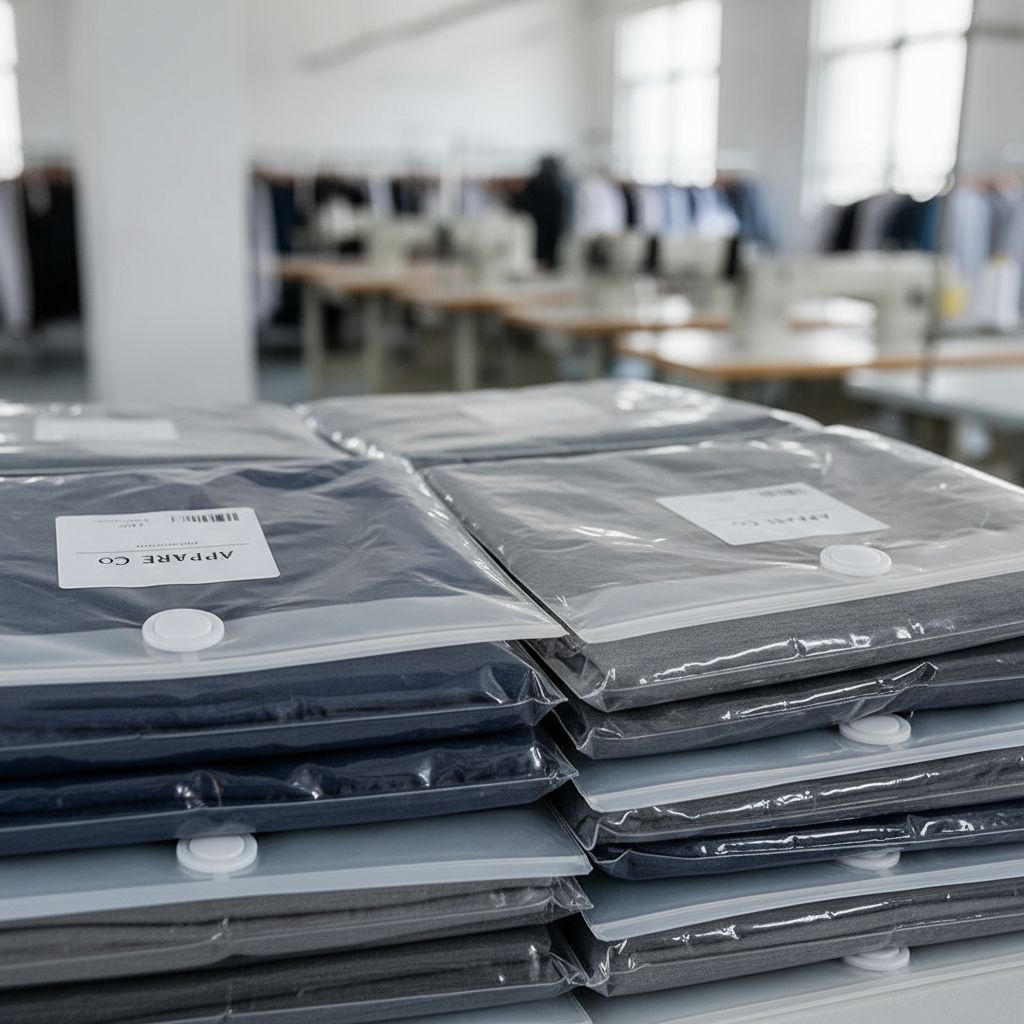





All-day comfort isn’t luck—it’s something you can test. With a few simple checks, you can spot itchy fabrics, tight seams, poor breathability, and clothes that lose shape after one wash. By following these professional guidelines, you ensure your wardrobe works for your body, not against it.
Check the Fabric Tag (Fiber Percentages Matter)
Before anything else, the fabric tag gives you a quick picture of how the garment will feel on your skin. Different fibers handle heat, sweat, and movement in very different ways. Knowing the blend helps you predict softness, stretch, and breathability before you even leave the fitting room.
- Natural Fibers (Cotton, Linen, Bamboo, Modal, Lyocell): Breathe well and feel soft; ideal for heat and sensitive skin.
- Blends (Cotton-Spandex, Polyester-Rayon): Offer better stretch and help the garment retain its shape longer.
- Synthetics (Polyester, Nylon): Durable and wrinkle-resistant, but high percentages may trap heat and odors.
Pro Tip on Moisture Regain:
Cotton’s moisture regain (~8.5%) makes it absorbent and cool, while polyester’s low regain (~0.4–0.8%) dries quickly but can trap heat. For the best balance of comfort and stretch, look for 1–5% spandex/elastane in the blend.
Do a 1 – 2 Minute Movement Test
Clothes can look perfect on a hanger, but real comfort shows when you start moving. A short movement test helps you see if the garment pulls, squeezes, or rides up. If you feel discomfort now, it will feel ten times worse after a full day of wear.

Try these quick motions:
- Sit and Stand: Ensure the waistband doesn’t dig in and buttons don’t gap.
- Raise Arms Overhead: Check for pulling at the armholes or if the hem rides up more than 1 inch.
- Bend Forward: Mimic tying your shoes to see if the fabric strains across the back or thighs.
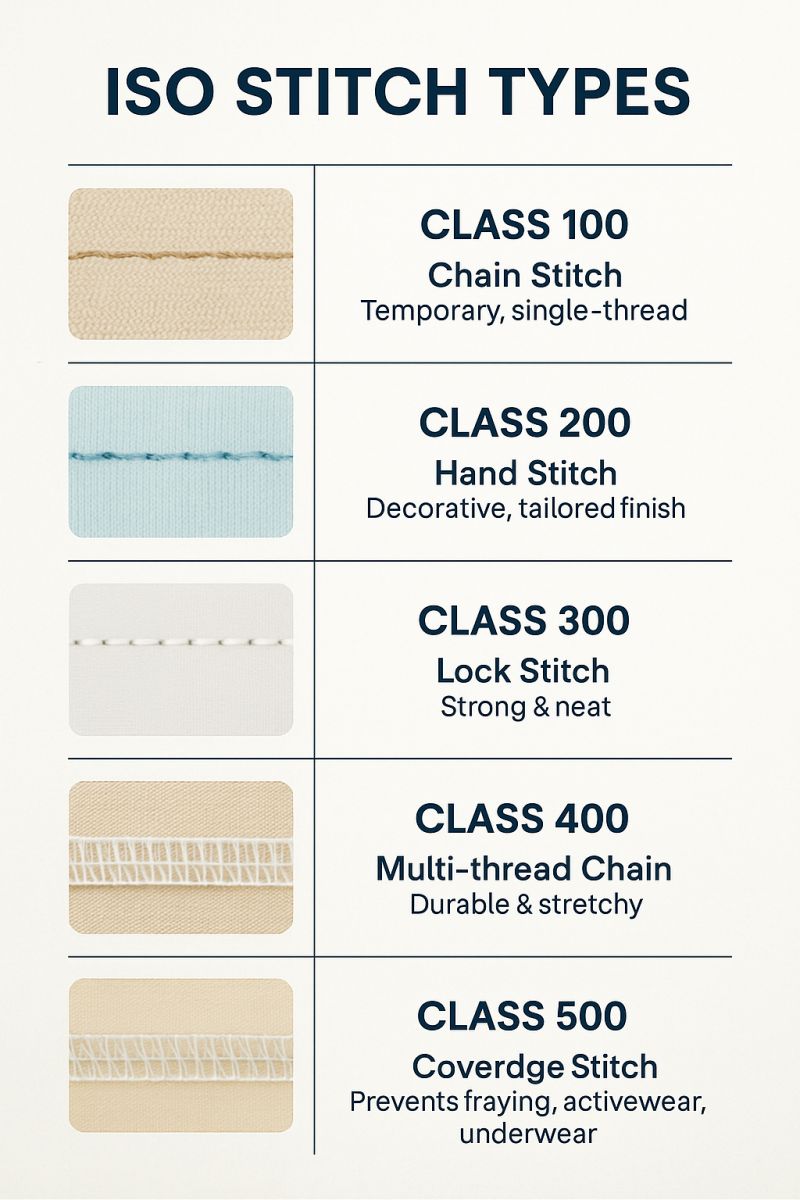
Inspect Stitching, Seams, and Pocket Placement
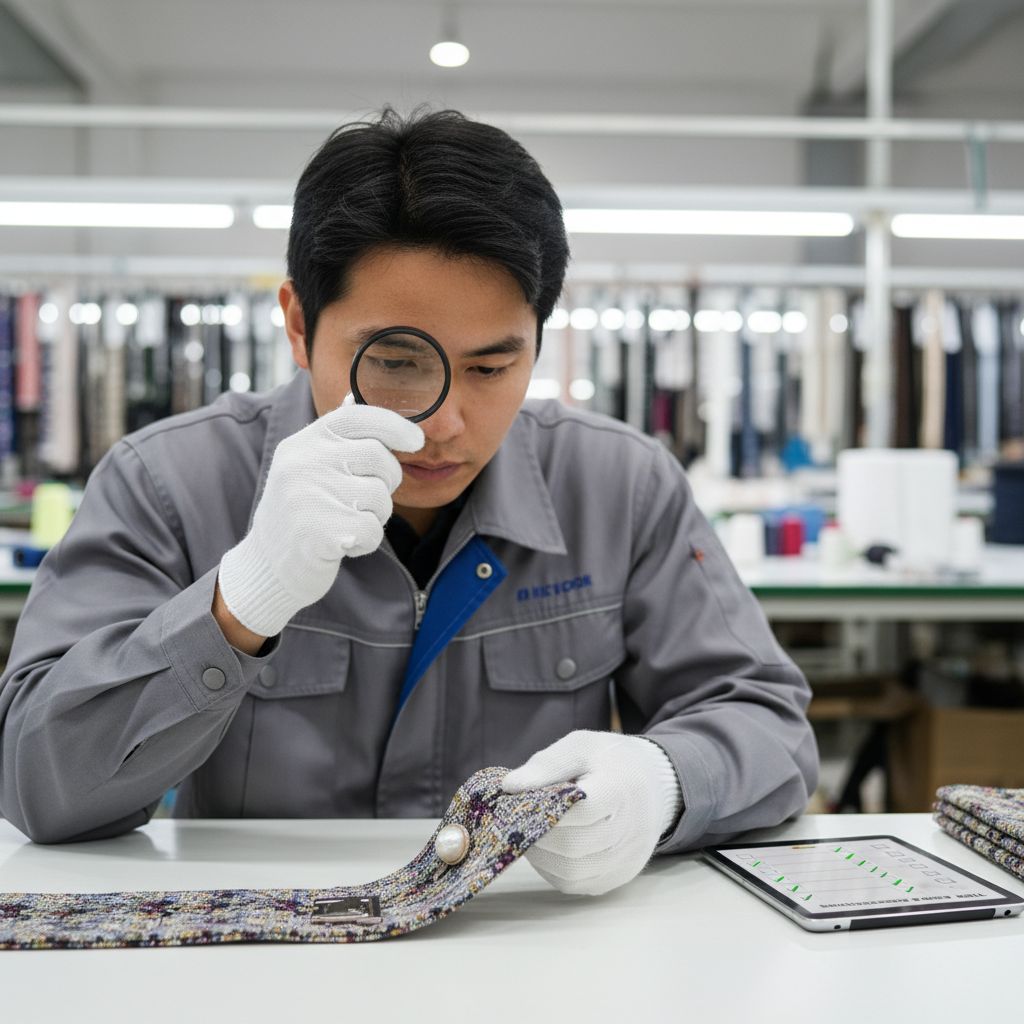
Even the softest fabric can feel awful if the seams are bulky or placed incorrectly. Run your hand along the inside—it should feel smooth and flat against your skin.


- Check for thick seams that might rub your inner arms or thighs.
- Look for rough threads or exposed raw edges that could cause itching.
- Ensure back-pocket placement doesn’t create uncomfortable pressure points when sitting.
Test Breathability and Odor Control
Breathability is what keeps you fresh when the day gets busy. If your skin feels warm or stuffy under the fabric within just a few minutes, it lacks proper airflow. Natural fiber blends (like Cotton-Modal or Cotton-Bamboo) typically perform best for odor control compared to 100% synthetic materials.

Think Ahead About Shape Retention
Comfort also depends on how the garment behaves after washing. Gently stretch the fabric with your hands; it should snap back to its original shape immediately. If it stays loose or warped, it will likely sag and become uncomfortable by mid-day.

Conclusion
Choosing clothes that stay comfortable is about being proactive. By checking fiber content, testing movement, and inspecting internal construction before you buy, you protect yourself from “buyer’s remorse.” At Mekong Garment, we prioritize these comfort benchmarks in every production run, ensuring that our garments feel as good as they look. Choose pieces that work for your routine, and let your confidence grow from the ease of your attire.
FAQs About Choosing Comfortable Clothes
In short, How do I know if a fabric will stay comfortable all day?
Fabric type affects heat, breathability, softness, and how your skin feels after hours of wear. Natural fibers like cotton, bamboo, modal, and lyocell let air move through easily, so your skin stays cool and dry. Blended fabrics with a little spandex help the garment stretch with your body, making long wear more comfortable. If a fabric is mostly polyester, it may trap heat and sweat, making it feel sticky or heavy later in the day.
How can I tell if the fit will still feel good after long wear?
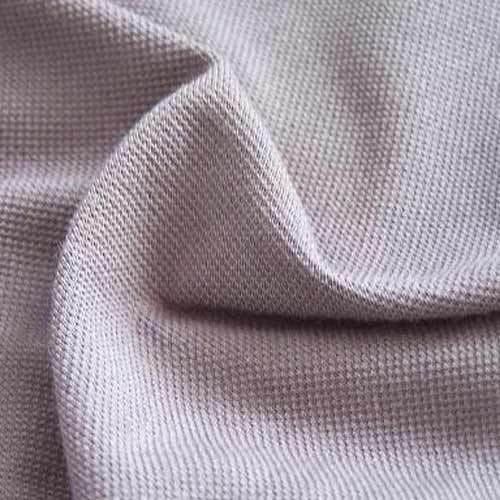
A quick fitting-room moment often hides real discomfort. When you move, different parts of your body stretch the garment in ways standing still cannot show. Doing a short movement test sit, squat slightly, lift your arms, and bend forward helps reveal tight spots, fabric pulling, and pressure points. If something feels even a little uncomfortable now, it will likely feel much worse after 8–10 hours.
Should I worry about seams and stitching?
Yes, because seams sit directly against your skin and can rub all day long. Thick seams under your arms, around your thighs, or along your shoulders can create irritation, redness, or even small burns in hot weather. Rough threads or poorly finished edges can scratch you the entire time you wear the garment. Gently checking the inside with your hand helps you find hidden issues before buying.
How do I test breathability in the store?
Breathability affects how hot and sweaty you feel. A simple air-blow test shows how easily air passes through the fabric if you can blow air through it without much effort, it’s likely to stay cool on your skin. Wearing the garment for a minute or two also helps you sense if heat builds up quickly. Fabrics that trap heat will feel warm almost right away.
How can I check for potential odor issues?
Odor control matters if you sweat or move a lot during the day. Fabrics that allow air to circulate, like cotton, modal, and lyocell, usually handle sweat better and smell fresher longer. Polyester and nylon, while durable, often hold onto sweat and odor because they don’t breathe well. If you know you’ll be active or in warm weather, choosing breathable materials helps prevent unwanted smells.
Why does pocket placement matter for comfort?
Pockets add layers of fabric, and those layers can press against your skin when you sit or walk. Back pockets on pants can hit the wrong spot and cause discomfort, especially if you carry items like a phone or wallet. Front pockets can bunch up and create friction near your hips or thighs. Checking pocket thickness and placement ensures the garment supports your movement instead of fighting it.
How do I know if the garment will hold its shape after washing?
Some fabrics stretch out and sag after the first wash, making them less comfortable and less flattering. By gently stretching a small section of the fabric with your fingertips, you can see whether it bounces back or stays loose. Good fabrics return to shape quickly, meaning they’ll stay supportive all day. Loose or floppy fabrics tend to lose form and feel baggy after a few wears.
Are washing instructions important for comfort?
Yes! clothes that shrink or stiffen after washing become uncomfortable fast. If the label says “hand wash only” or alerts you to shrinkage, the fabric may tighten or change shape after care. Some delicate fabrics feel soft at first but lose smoothness over time if washed too harshly. Choosing items that match your usual laundry habits helps them stay comfortable for months, not days.
What should I check when buying clothing online?
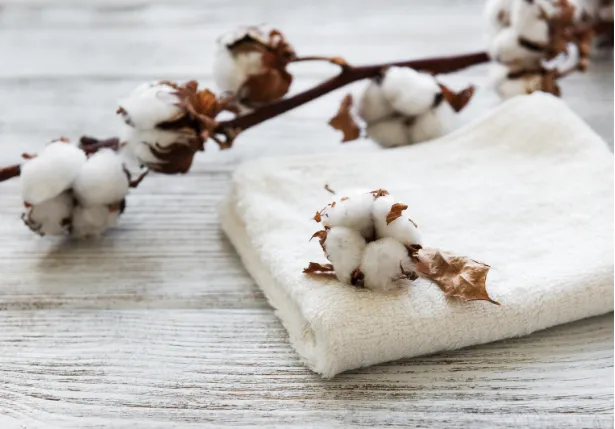
Online shopping means you can’t feel the fabric or test the fit yourself. That’s why clear fiber percentages, real customer reviews, and detailed product photos are so important. Look for photos showing the garment stretched, close-ups of seams, and reviews about breathability and comfort. Also, a good return policy acts as your “safety net” in case the item feels different in real life.
Is it normal for clothes to feel slightly tight when new?
A small amount of snugness is normal, especially in stretchy garments, but it should never feel restrictive. If the waistband digs in, if your shoulders pull, or if you can’t take a deep breath comfortably, the discomfort will get worse over time. Clothes should feel relaxed and flexible when you move. If you start feeling pressure during a short try-on, skip it.
What’s the quickest test to avoid buying uncomfortable clothes?
Do the 1 – 2 minute movement test. This short routine sit, stand, reach, bend, and walk exposes issues that you might miss while standing still. Tightness, rubbing, or pulling will show up fast. If the garment passes this test without discomfort, you’re much more likely to enjoy wearing it all day.