
Cotton Nylon Blends (60/40) Fabric: Pros and Cons
Cotton-nylon 60/40 is a “best of both worlds” shell fabric. It tries to keep cotton’s natural feel, while borrowing nylon’s toughness. This blend became famous in classic mountain parkas before modern waterproof membranes took over, because it handled wind, light weather, and daily wear surprisingly well. people say “60/40 cloth” in different ways. Most commonly it means 60% cotton / 40% nylon, but you’ll also see the reverse written in some places. So always check the spec sheet, not the nickname
What “60/40” Cotton Nylon Fabric Really Is?
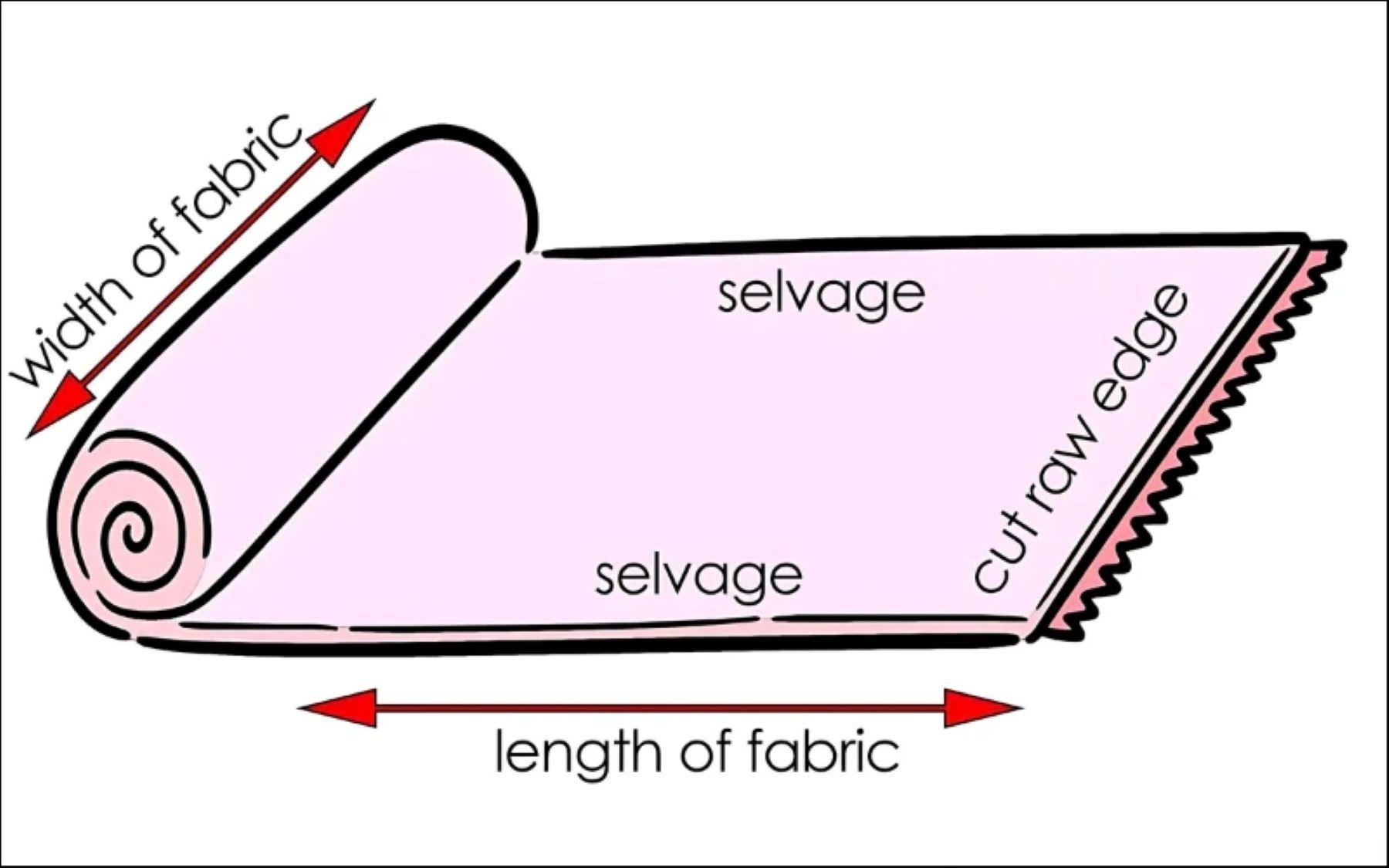
60/40 is usually a tightly woven cotton-nylon fabric used for outer shells. The tight weave is the whole game. The nylon boosts abrasion strength and helps the fabric keep its shape, while cotton brings comfort and that “quiet” hand feel. A classic claim to fame is how it behaves in light rain: cotton fibers can swell a bit when damp, tightening the weave and helping it shed drizzle better than you’d expect from “cotton.” But don’t let that turn into a myth. It’s not magic armor; it’s still not a true rain-shell in long, heavy rain.
| Blend Ratio | Polyester (%) | Nylon (%) | Tensile Strength (N/m) | Abrasion Resistance (rubs) | Shrinkage (%) |
|---|---|---|---|---|---|
| 80/20 | 80 | 20 | 2,800–3,200 | 50,000+ | <1 |
| 70/30 | 70 | 30 | 3,000–3,500 | 55,000 | <1 |
| 60/40 | 60 | 40 | 3,200–3,800 | 60,000 | <1 |

Pros and Cons of Cotton Nylon 60/40
Cotton nylon 60/40 is a fabric with two personalities in one jacket. It gives you cotton’s soft, “natural” comfort, plus nylon’s extra strength for daily wear. That mix can feel perfect for windy commutes and light, on-and-off weather, especially when the weave is tight and the finish is good. But the trade-off is real: because cotton can hold water, 60/40 is not the best choice for long, heavy rain or fast-dry needs.
Pros of Fabric
Pros are where this fabric earns its reputation in real life. It’s the kind of material that feels good on the body, looks more “natural” than many shiny synthetics, and still brings practical performance like wind resistance and everyday toughness. In other words, it tries to give you the comfort and character of cotton, while borrowing strength and utility from nylon. The points below explain where it shines most, and why people keep coming back to it for daily jackets.

Comfort and “natural” hand feel
If you hate the loud, plasticky feel of many synthetics, 60/40 feels like a breath of fresh air. It’s softer, quieter, and more “lived-in” than many all-nylon shells. It also drapes nicely, so it can look more classic and less “techwear,” even when used in outerwear. if your jacket is comfortable, you wear it more. And worn gear beats perfect gear sitting in a closet.
Stronger than pure cotton
Nylon adds real durability: better tear resistance and abrasion resistance than all-cotton shells. That’s why this blend became a workhorse for parkas that got scraped, stuffed, and dragged through real life. it’s tougher than cotton, yes, but it still won’t match heavy-duty 100% nylon or Cordura-style fabrics for pure abrasion performance. If you expect brutal use, don’t oversell 60/40.
Wind resistance without feeling like a plastic bag
Because it’s usually tightly woven, 60/40 tends to be very wind resistant. Many people feel it breathes more naturally than coated “hard shells,” especially in stop-and-go city wear. “Breathable” here means “better than fully coated rain fabric,” not “air flows like a mesh tee.”
Weatherproof enough” for daily life
In light rain or mist, 60/40 can perform well, especially with a good DWR or similar finish. Some of its reputation comes from that cotton-swelling effect that can help tighten the weave when damp. This is not the same as waterproof. It’s closer to “shrugs off annoyance-weather.”
Aged-in style
This one is hard to measure in a lab, but easy to see in real life: many 60/40 jackets develop character. The fabric can soften, fade nicely, and look more personal with wear. If your brand promise is “looks crisp forever,” 60/40 might fight you. It’s a storyteller fabric, not a perfect-polished one.
Cons of Fabric
Cons are the “gotchas” that show up after the honeymoon. This fabric can feel amazing and look timeless, but it isn’t magic: it won’t behave like a true waterproof shell, and it won’t take endless abrasion like heavy-duty nylon. In wet weather, high heat, or rough use, the weaknesses become clearer. The points below help you spot where this fabric may fall short, so you don’t sell it or buy it for the wrong job.

Water absorption and wet weight
Cotton can absorb water. So if the finish wears off, the fabric can start to wet out, feel heavier, and get cold in damp weather. This is the main trade-off you already pointed out, and it’s the one that matters most. If your customer needs real rain protection, membranes (or coated shells) win.
Not truly waterproof in prolonged rain
Even fans admit the limit: 60/40 can handle showers, but in sustained rain, water can push through seams, zipper areas, and eventually the fabric itself. So if someone says “it’s waterproof,” challenge that. Ask: for how long, under what rain, with what finish, and what seam construction?
Drying time can be slower than full synthetics
Because cotton holds moisture, 60/40 often dries slower than 100% nylon or polyester shells. That matters on travel days or multi-day wear.
Finish maintenance is part of the deal
To keep performance, you usually need to maintain the water-repellent finish (DWR or other treatments). Over time, dirt, oils, and washing can reduce it, and you may need to reapply. This isn’t “high-maintenance,” but it’s not carefree either.
Can wrinkle more than many synthetic shells
Cotton brings a more natural look, but also more wrinkling than many polyester-heavy shells. If the goal is a sharp, always-smooth commuter jacket, polyester blends often win that battle.
Best Uses for 60/40 Cotton Nylon Fabric
60/40 cotton-nylon is at its best when you want a jacket that feels natural, looks classic, and still handles real daily wear. Thanks to its tight weave, it blocks wind well and can handle light, annoying weather, especially with a good finish. But here’s the catch: it’s not built for long, heavy rain like a true waterproof shell. So the “best uses” are the places where comfort, durability, and everyday weather resistance matter more than extreme storm protection.
- Classic parkas and anoraks (heritage outdoor style)
- City jackets where comfort, quiet fabric, and style matter
- Travel shells for cool, windy, light-rain conditions
- Everyday “weather resistant” outerwear, not storm shells
Not ideal for: heavy rain, ultralight packability goals, or situations where fast-dry is critical.

What to Look For When Sourcing or Buying
When you source or buy 60/40 cotton-nylon, the blend ratio is only the headline, not the whole story. Two fabrics can both be “60/40” but perform very differently because the weave, finishing, and garment build change everything. If you only trust the label, you can end up with a jacket that wets out fast or feels weak in wind. So, focus on the details that control real-world performance, not just the name.
- Tight weave (this drives wind and weather resistance)
- Good finishing (DWR or equivalent if you want better rain performance)
- Solid construction: seam quality, zipper choice, storm flaps, hood design
- Honest positioning: call it “weather resistant,” not “waterproof,” unless you add a true waterproof system

Final Words / Conclusion
60/40 cotton-nylon is a “real life” fabric, not a superhero cape. It wins when you want a jacket that feels natural, wears tough, blocks wind well, and looks better with time. But don’t ignore its limit: without the right finish and construction, it can soak up water and dry slowly, and even at its best it is not a true storm-shell. If you position it honestly as weather-resistant and choose a tight weave with solid finishing, 60/40 becomes the kind of fabric people reach for again and again.
Our Contact Information – MEKONG GARMENT FACTORY
- Vietnam Phone: +84 947 729 829
- WeChat: +84 947 729 829
- WhatsApp: +84 947 729 829
- Email: hanh@kimmy.vn