CM Garment Production: Step by Step CM Process in Garment Manufacturing

The CM model (Cut and Make) is one of the simplest and most traditional production methods in the garment industry. In this setup, the factory’s role is focused purely on technical execution—cutting and sewing—while the buyer provides almost everything else, from raw materials to technical specifications. This model is ideal for brands that want to maintain direct control over fabric quality, costs, and trim details.
=> Read More: What Different Between CM, CMT and CMPT in the Garment Industry
How the CM Garment Production Process Works
A successful CM order requires close coordination between the buyer and factory. The buyer must prepare a complete production package before the factory can begin cutting and sewing.
| Step | Process Stage |
|---|---|
| 1 | Product Requirements |
| 2 | Technical Package Preparation |
| 3 | Golden Sample Approval |
| 4 | Pattern and Grading |
| 5 | Material Sourcing |
| 6 | Material Delivery |
| 7 | Material Inspection |
| 8 | Pre-Production Review |
| 9 | Fabric Preparation |
| 10 | Marker Making and Cutting |
| 11 | Bundling and Preparation |
| 12 | Sewing Line Setup |
| 13 | Garment Sewing |
| 14 | In-Line Quality Control |
| 15 | End-Line Inspection |
| 16 | Finishing and Packing |
| 17 | Final Approval |
| 18 | Delivery |
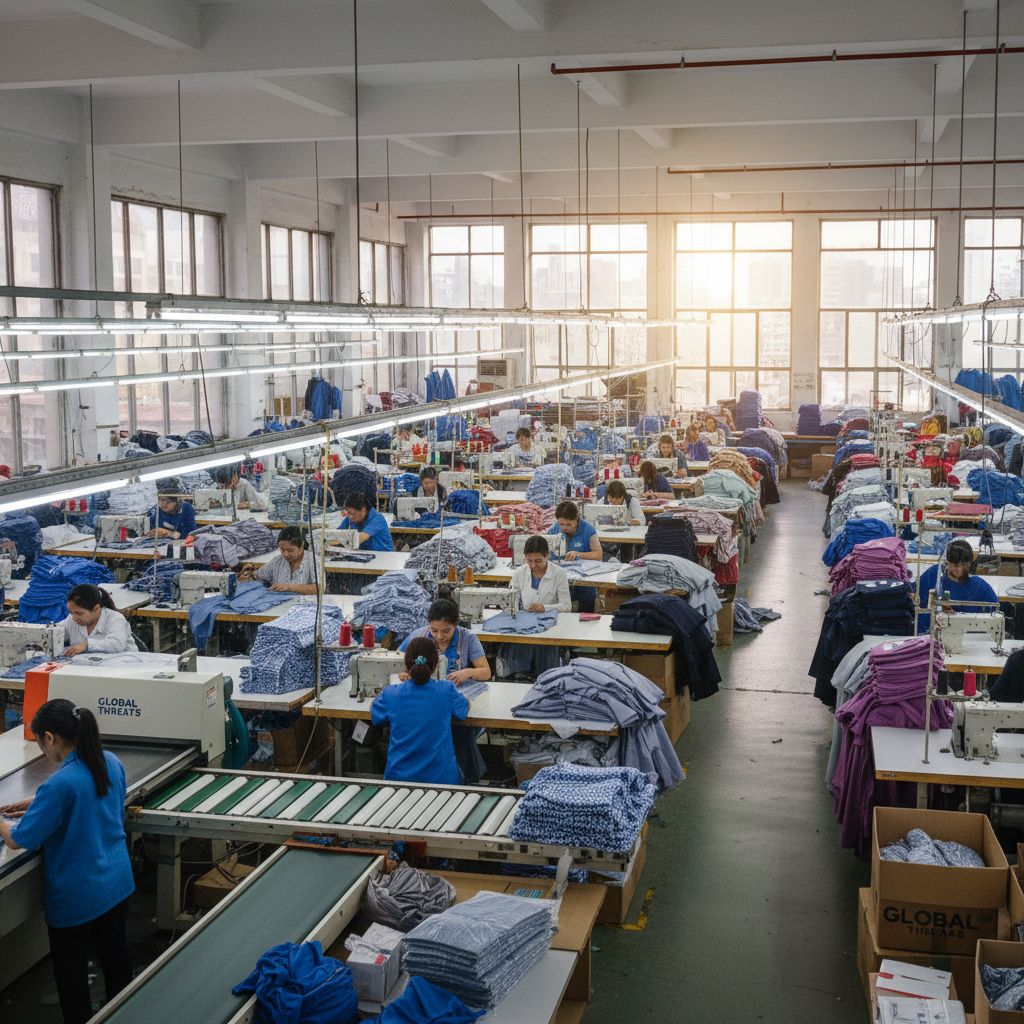
CMT stands for in textile mean Cut and Make
FACTORY: What the Factory Does
Under the CM model, the factory’s expertise lies in skilled labor and production efficiency.
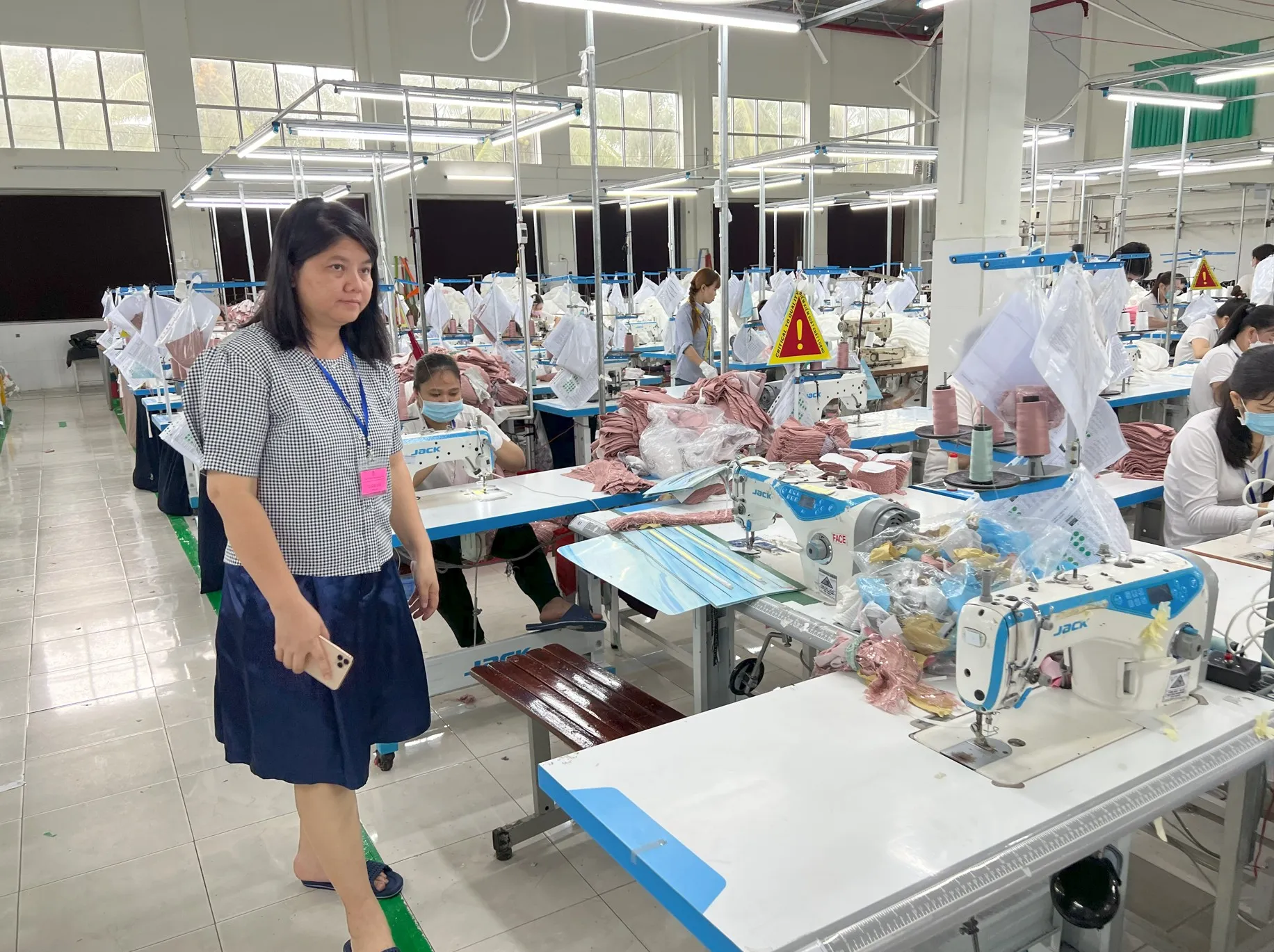
Factory responsibility is strictly limited to the manufacturing process:
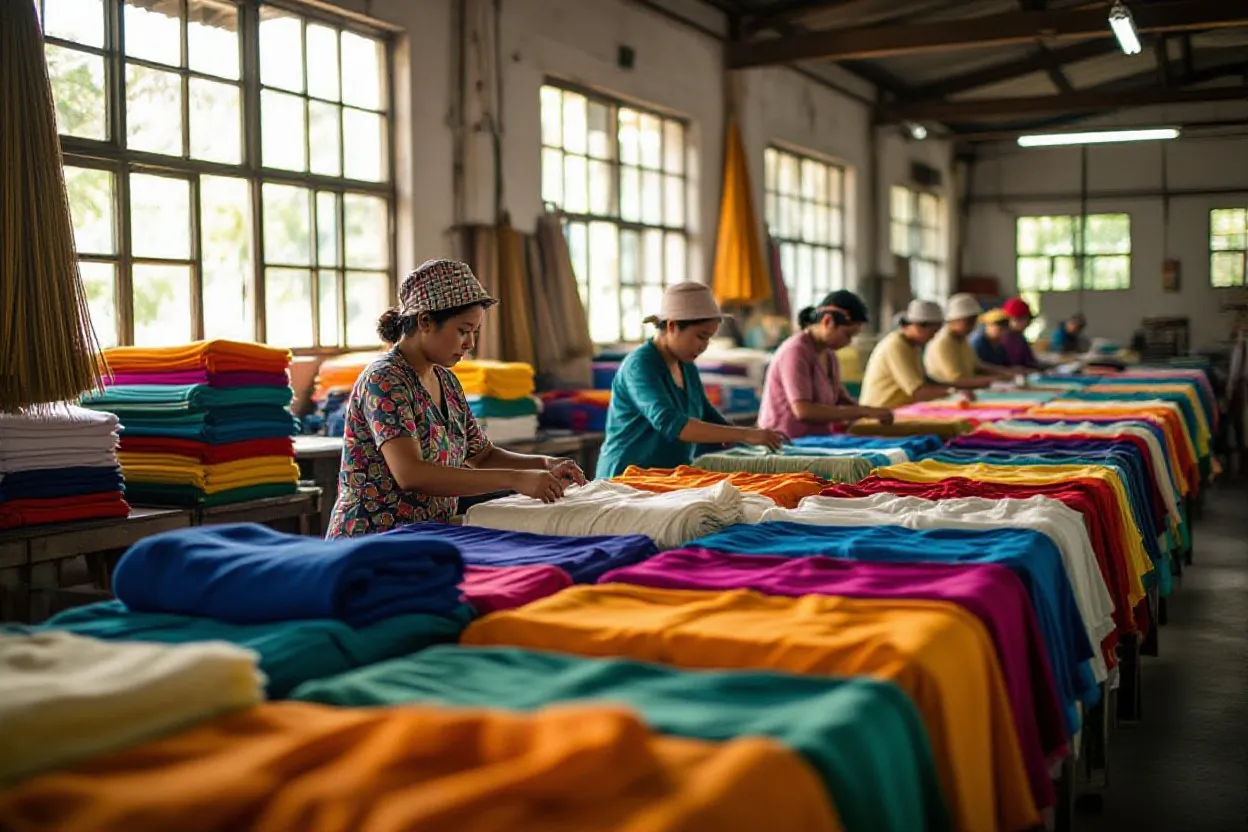
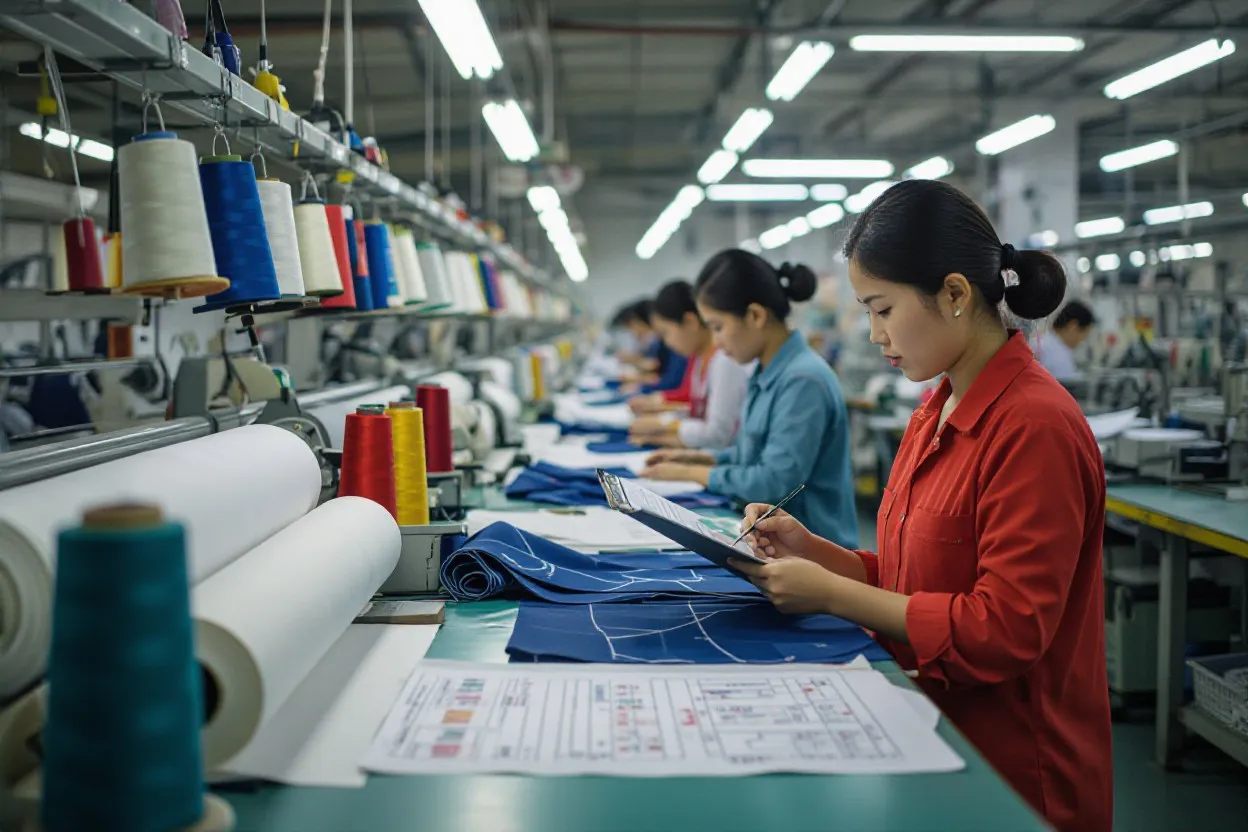
- Fabric Cutting: The factory receives fabric rolls and cuts them based on the buyer’s patterns. Precision is vital to reduce waste and ensure correct fit.
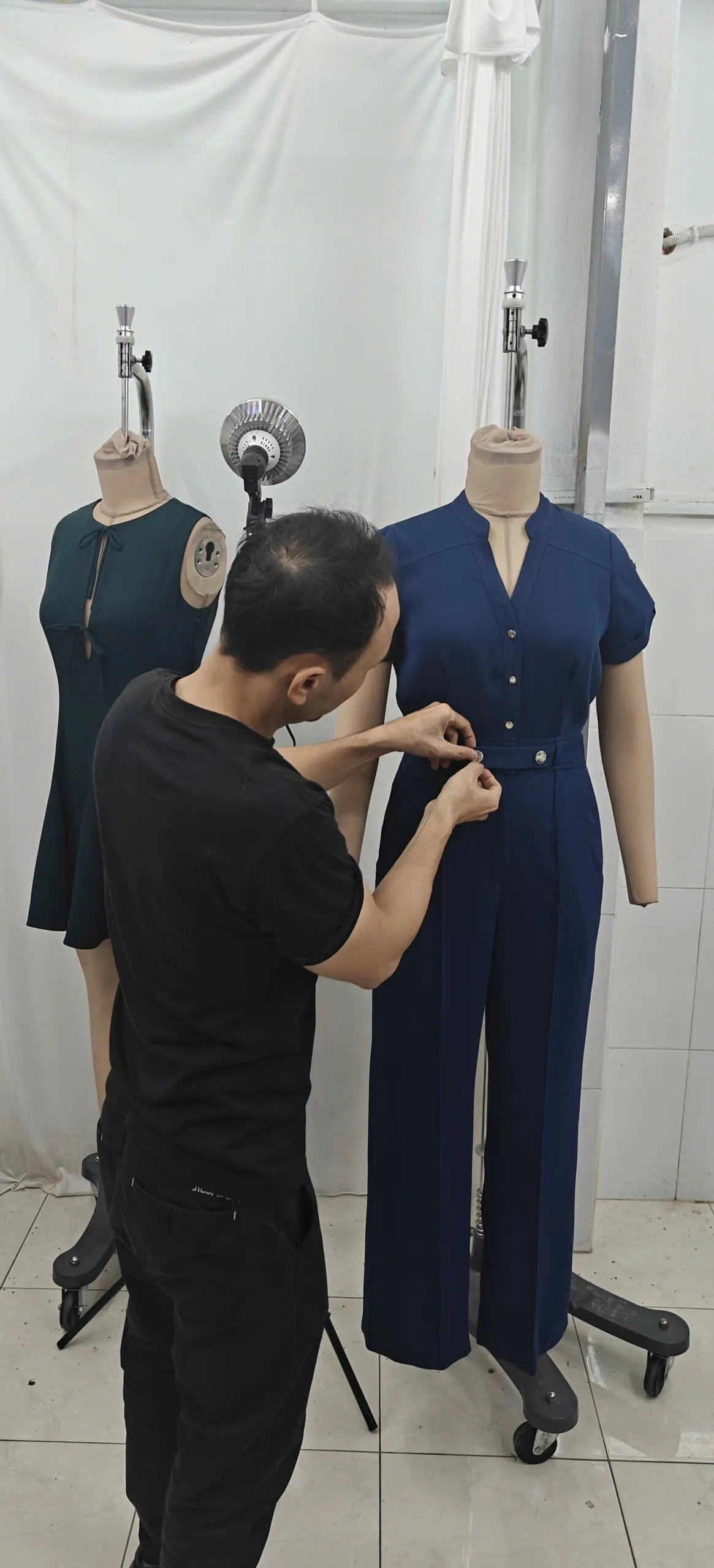
- Sewing / Assembly: Assemblage of the cut pieces into finished garments following the buyer’s stitching diagrams and quality standards.
- In-line Quality Control: Basic checks during the assembly process to ensure consistent seam strength and alignment.
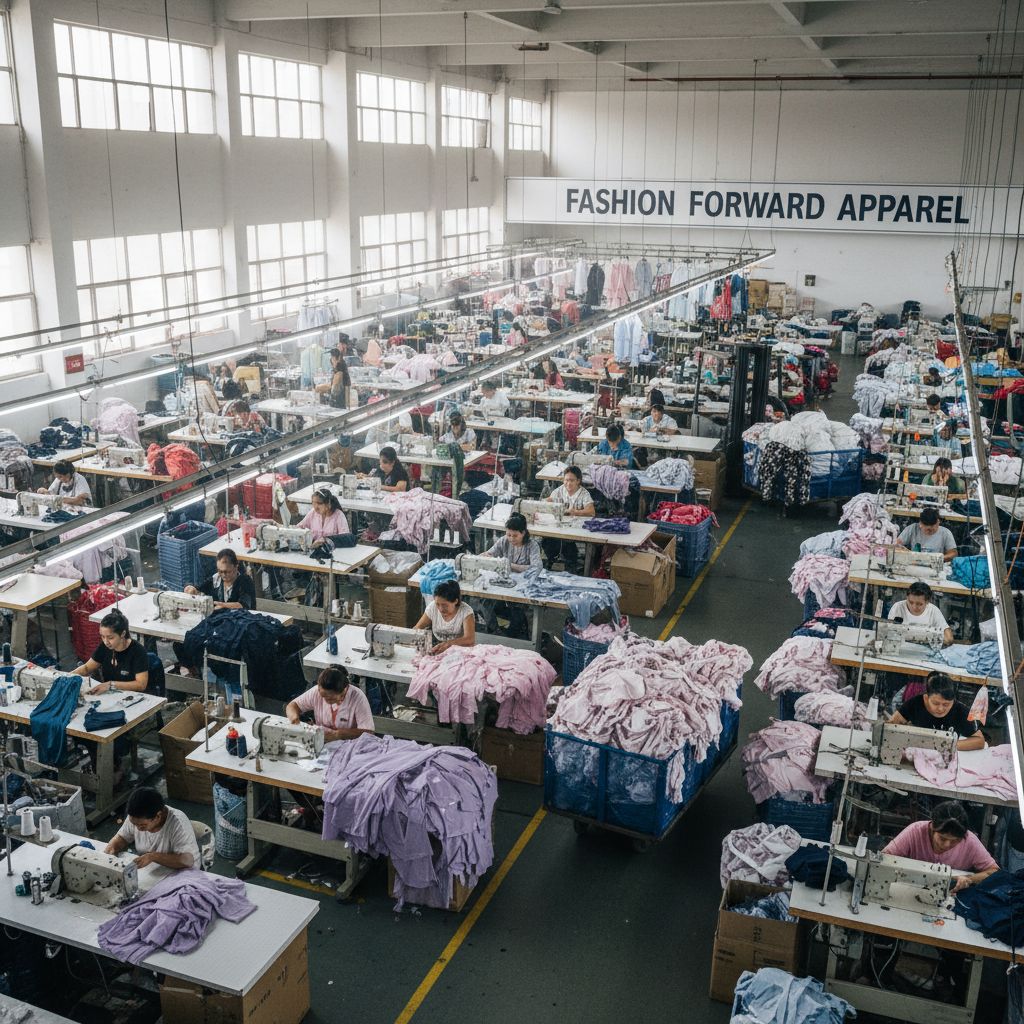

Under CM production, the factory’s expertise is mainly focused on skilled labor, equipment, and manufacturing efficiency.
BUYER: What the Buyer Supplies
In the CM system, the buyer is the supply chain manager.
To start production, the buyer must provide a complete “production tech package”:
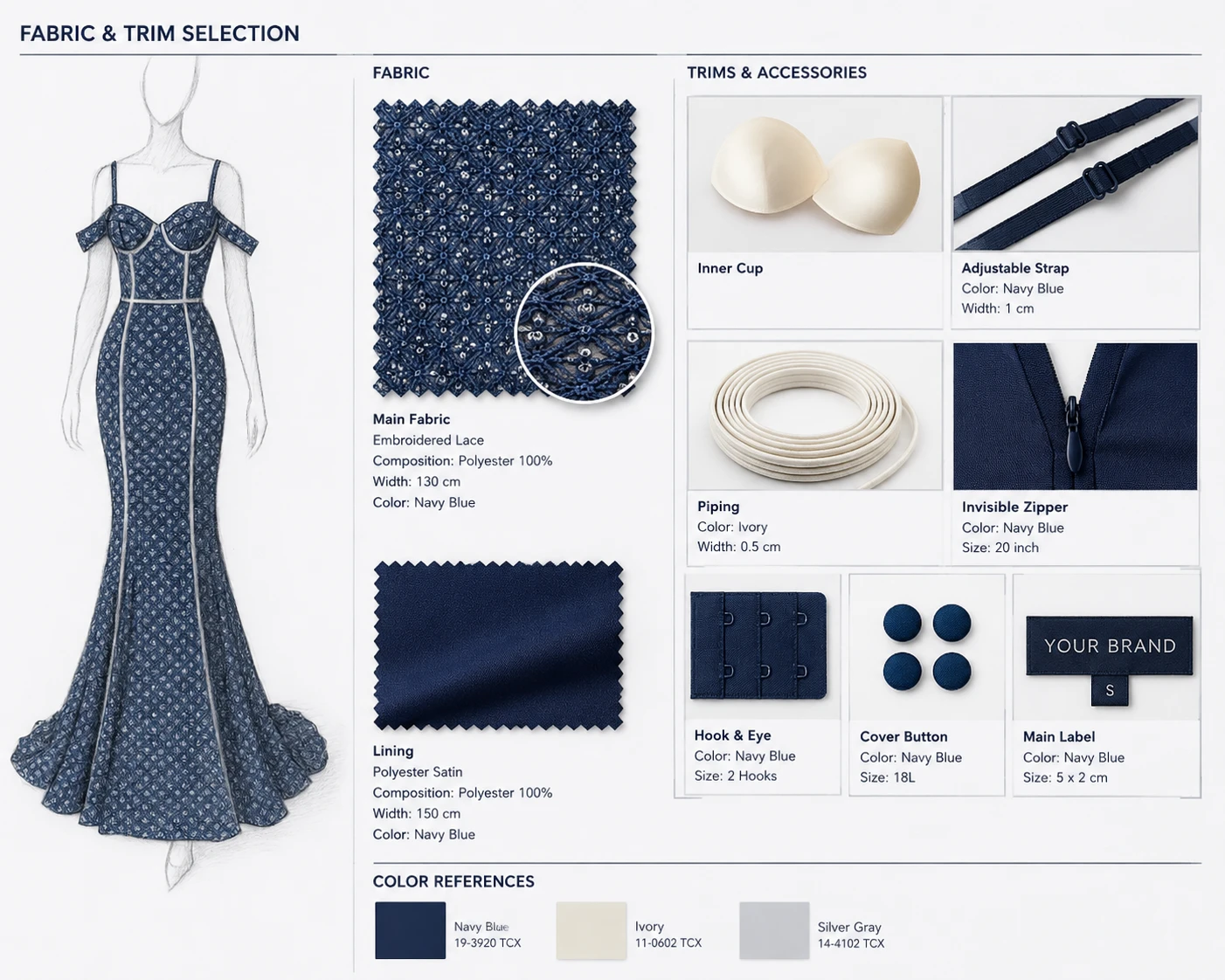
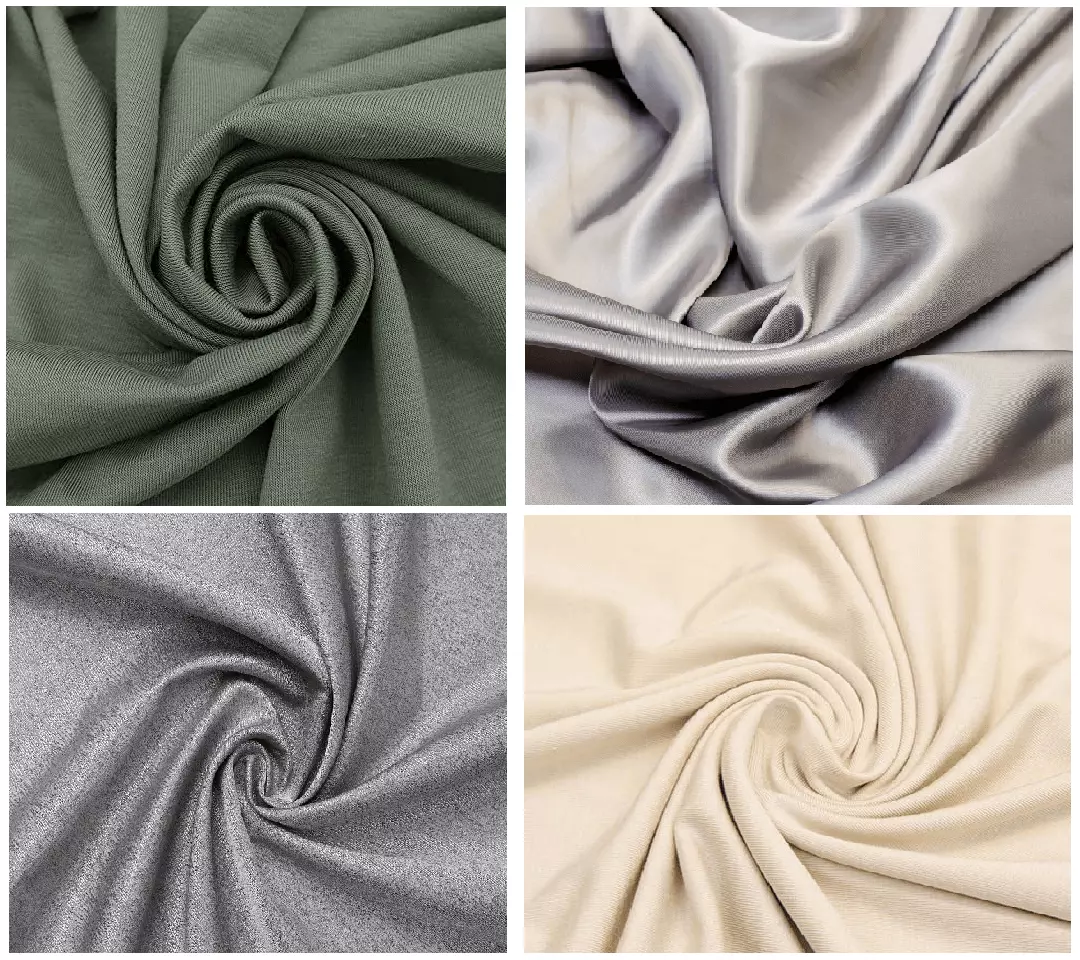
- All Raw Materials: Fabric, thread, buttons, zippers, labels, and interlining. Even specialized packing materials are often provided by the buyer.
- The Tech Pack: Detailed technical documents including measurement charts, grading rules, and stitching instructions.
- The Golden Sample: An approved physical sample that serves as the quality benchmark for the factory to follow.
- Packing Instructions: Specific guidelines on how garments should be folded, tagged, and packed for retail or export.

In the CM system, the buyer acts as the product owner and supply-chain manager.
Pros and Cons of the CM (Cut & Make) Model
The CM garment production model can be highly effective for buyers who already have reliable material suppliers and strong production management experience. It offers greater control over fabric quality, trims, branding details, and sourcing costs because the buyer provides most production inputs. However, this control also comes with added responsibility, including supplier coordination, material delivery, logistics, and production preparation. Understanding both the advantages and limitations of the CM model helps brands decide whether it fits their budget, internal capabilities, and supply-chain strategy.
Advantages:
- Direct Control Over Materials: The buyer selects the fabric, trims, labels, and accessories. This provides greater control over: Material quality, Color, Branding, Supplier selection, Purchase price, Sustainability requirements,
- Lower Factory Service Cost: The factory mainly charges for cutting, sewing, labor, machinery, and agreed overhead. Because sourcing is handled by the buyer, CM normally has a lower factory service price than broader production models.
- Supplier Flexibility: Buyers can purchase materials from preferred suppliers and may distribute production among multiple CM factories.
- Better Protection of Brand Details: The buyer controls important branding elements such as labels, buttons, colors, packaging, and trims.
- Suitable for Established Supply Chains: Brands with experienced sourcing teams can use existing supplier relationships while relying on the factory for manufacturing execution.
Limitations:
- High Buyer Workload: The buyer must coordinate multiple suppliers, materials, approvals, transportation, and production schedules.
- Material Delivery Risk: Late or incomplete materials may leave the sewing line idle and delay shipment.
- Greater Logistics Responsibility: The buyer may need to arrange transport for materials entering the factory and finished goods leaving it.
- More Complex Coordination: Fabric, trims, technical information, patterns, and samples must all arrive in the correct condition and at the correct time.
- Limited Suitability for Beginners: New brands without sourcing experience may struggle to manage the number of decisions and suppliers involved.
- Responsibility for Material Problems: When buyer-supplied fabric or trims are defective, the factory may not be responsible for the resulting production loss unless the agreement states otherwise.
When to Use the CM (Cut & Make) Model?
The CM model works best for experienced importers, established fashion labels, or buyers who own their own fabric mills. If you want to keep manufacturing costs low while ensuring your brand’s strict quality standards are met through hands-on material selection, CM is your most reliable choice.
The CM model works best for buyers that:
- Have reliable fabric and trim suppliers
- Employ an experienced sourcing team
- Want direct control over materials
- Can manage domestic or international logistics
- Have complete technical documentation
- Understand garment production
- Need mainly cutting and sewing services
- Want to keep factory service costs lower

CM may be particularly suitable for:
- Established fashion labels
- Apparel importers
- Uniform suppliers
- Buyers with their own textile mills
- Brands using proprietary fabrics
- Companies producing repeat styles
For new brands that require material sourcing, product development, packing, and broader supply-chain support, another manufacturing model may be easier to manage.
Conclusion / Final Words
In the CM model, the partnership is distinct: The factory provides the hands executing the technical work while the buyer provides the brains and materials deciding exactly how the product is built. While it requires seamless coordination, it remains a powerful, lean approach for brands that prioritize material integrity. At Mekong Garment, our skilled production teams are ready to transform your provided materials into high quality finished collections with precision.
FAQs About the CM Production Process
In Short, What CM Mean?
CM, or Cut and Make, is a production method where the buyer controls nearly every part of the supply chain except the sewing. The buyer sends all materials and instructions to the factory, and the factory focuses only on cutting the fabric and stitching the garment together. This model gives the buyer strong oversight of fabric quality, trims, and overall style, while the factory provides skilled labor to turn those materials into finished clothing.
What does the factory do in a CM model?
In the CM model, the factory’s role is centered on labor. Once the materials arrive, the factory cuts the fabric according to the pattern and measurements that the buyer prepares. After cutting, the factory assembles the pieces through sewing and ensures that every garment follows the required construction. Before the goods leave the facility, the factory also performs basic quality checks to make sure each piece is neat and consistent. Since the buyer supplies everything, the factory does not purchase fabric, accessories, or packaging under this model.
What does the buyer need to provide?
The buyer is responsible for supplying every material required to make the garment. This includes the main fabric, trims, labels, zippers, threads, and any special accessories. Along with the materials, the buyer also sends a complete technical package containing measurements, grading rules, sewing instructions, and construction details. A confirmed sample, often called the golden sample, is also included so the factory knows exactly what the final product should look like. The buyer also provides clear guidelines on how to check quality and how to pack, fold, and label the finished products.