What Is a Top Production Sample (TOP Sample), and Why Brand Owners Actually Need It

In mass garment production, quality is rarely lost at the design stage. It’s lost on the production floor, when machines run faster, workers change shifts, and small deviations start to multiply. That’s exactly why the Top Production Sample (TOP Sample) exists. Many brand owners assume that once a Pre-Production (PP) sample is approved, production can safely begin. That assumption is risky, and often expensive. This article explains what a Top Production Sample really is, how it differs from other samples, and why skipping it puts your entire order at risk.
=> Related Article: 8 Types of Garment Samples You Need for Bulk Orders
Types of Garment Samples In Garments Factory:
- Prototype Sample in Garment Production? (And How to Make One Step-by-Step)
- Fit Sample and Why You Need It in Garment Production.
- Size Set Sample: What It Is, Why You Need It.
- Counter Sample in Garment Manufacturing? (And Why Brand Owners Need It)
- Salesman Sample, And When Do You Really Need One?
- Pre-Production Sample (PP Sample) in Garment Manufacturing, and Why It Matters More Than You Think
- Top Production Sample (TOP Sample), and Why Brand Owners Actually Need It
- Shipment Sample in Garment Manufacturing?
What Is a Top Production Sample?
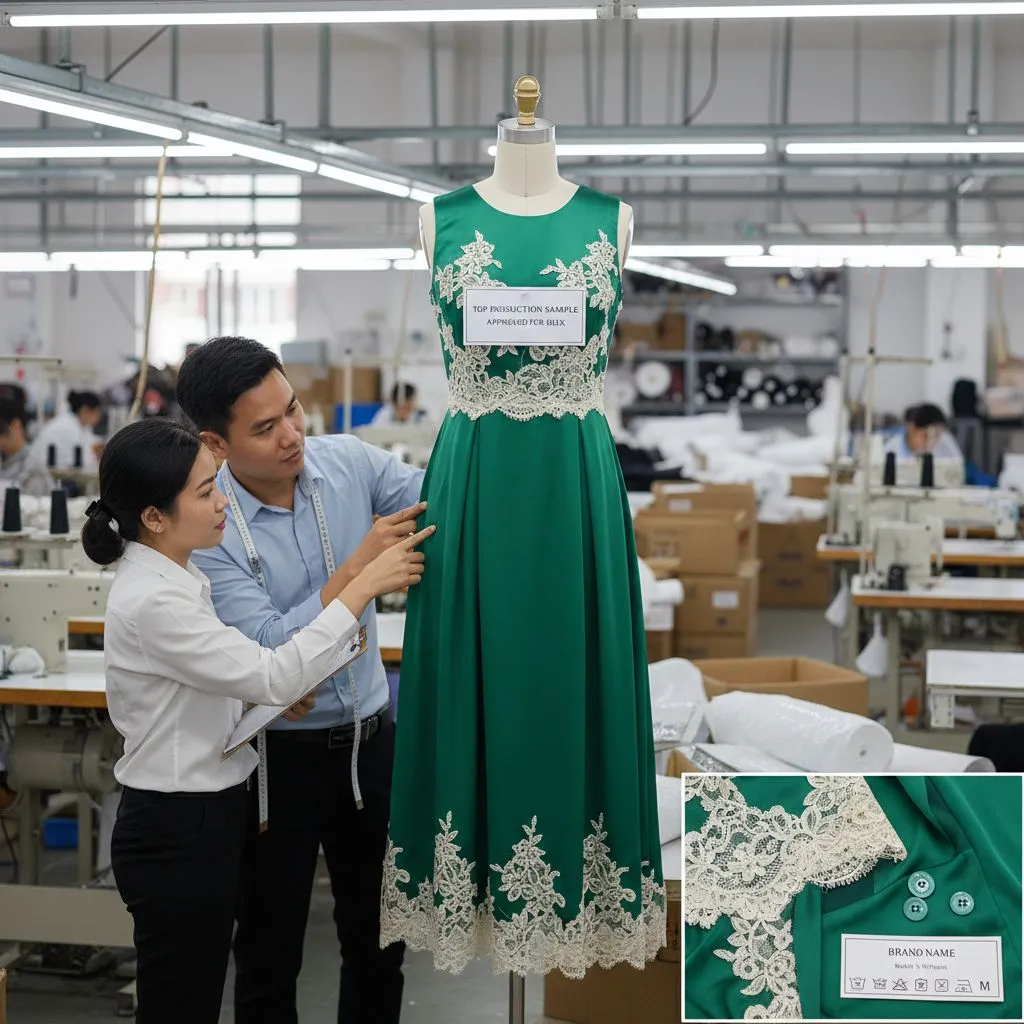
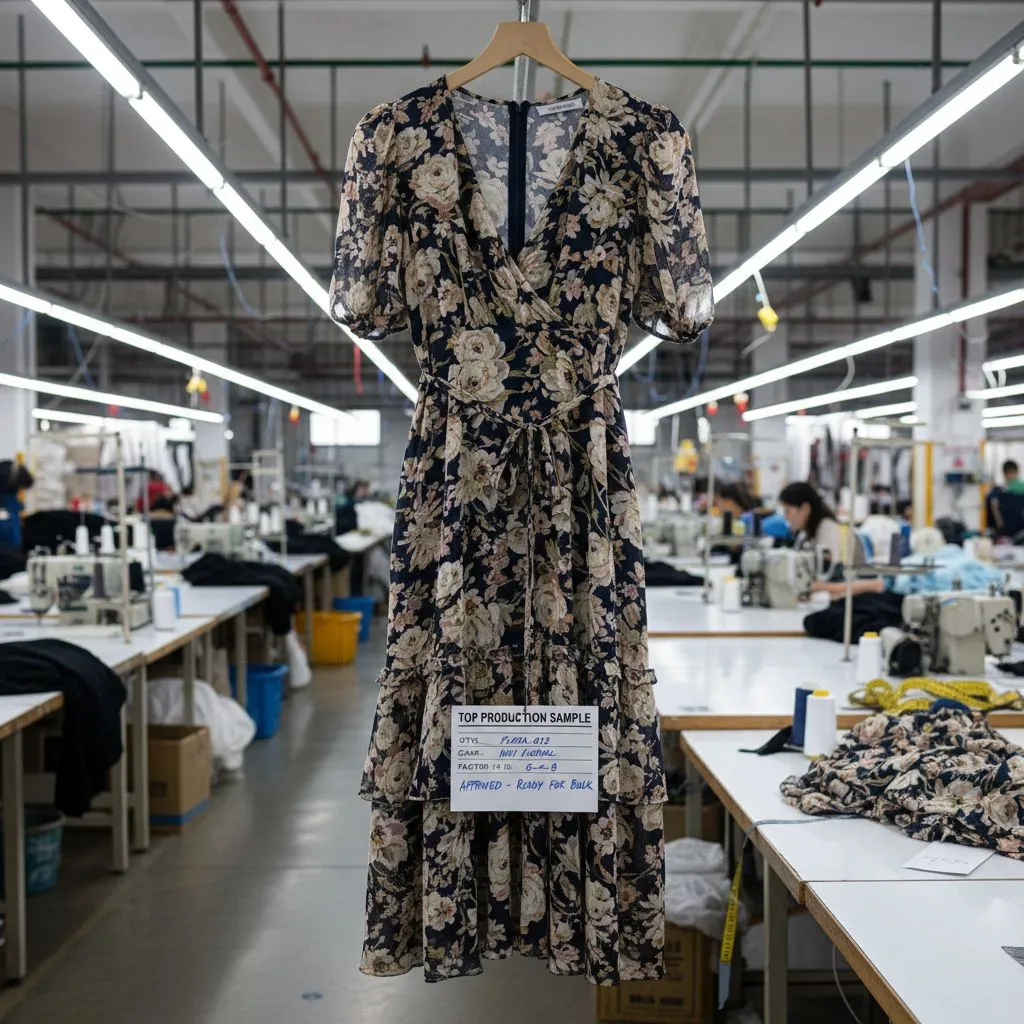
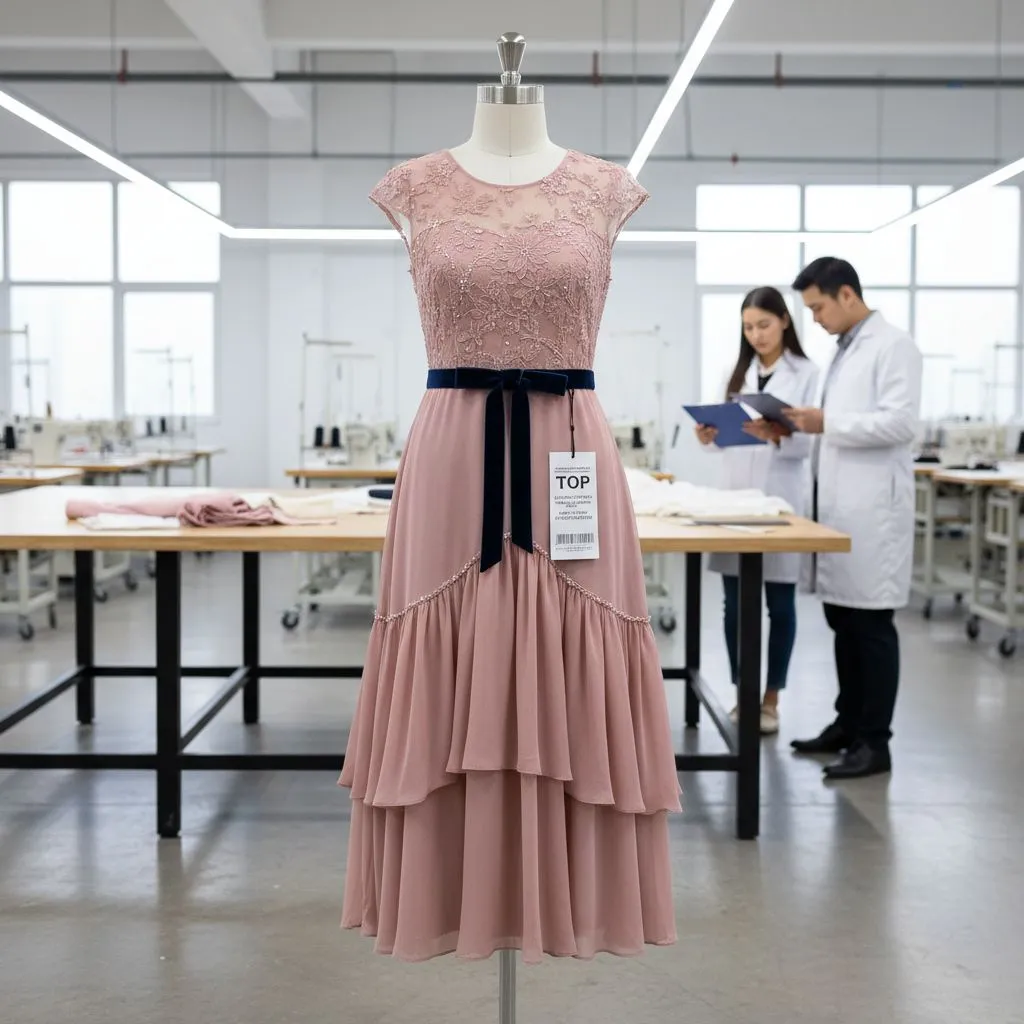
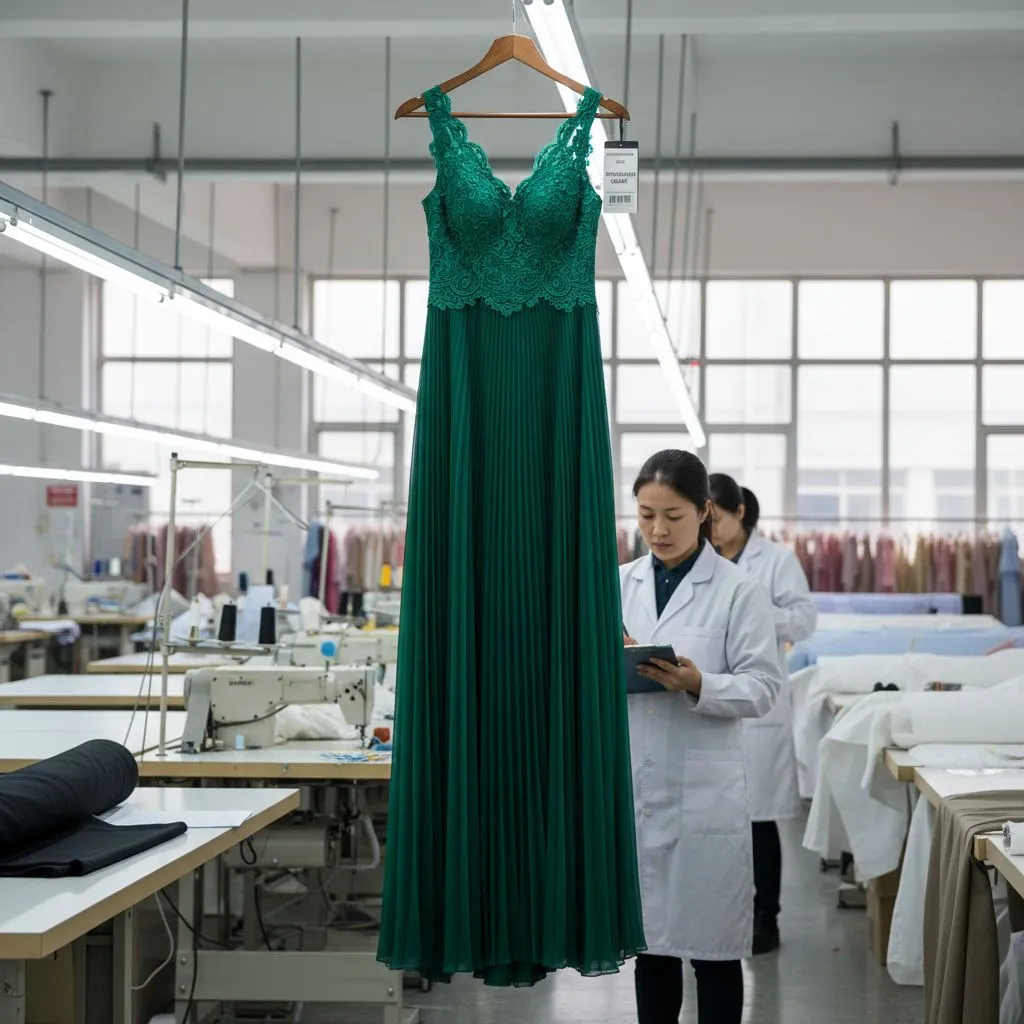
A Top Production Sample, often called a TOP sample, is the first finished garment taken directly from the actual production line right when bulk manufacturing is about to begin. It is not a display sample and not a “best-case” version made by a sample room. Instead, it reflects real production conditions, with real operators, real machines, and real production speed. For brand owners, this makes the TOP sample especially important. It answers a simple but critical question: “Is the factory truly ready to produce my order at scale, with this exact quality?” Unlike earlier samples that show intention or capability, a TOP sample shows reality and that’s why it becomes the final reference point before full production moves forward. A Top Production Sample (TOP Sample) is the first finished garment taken directly from the actual production line, made under real production conditions.
Unlike other samples, a TOP sample is:
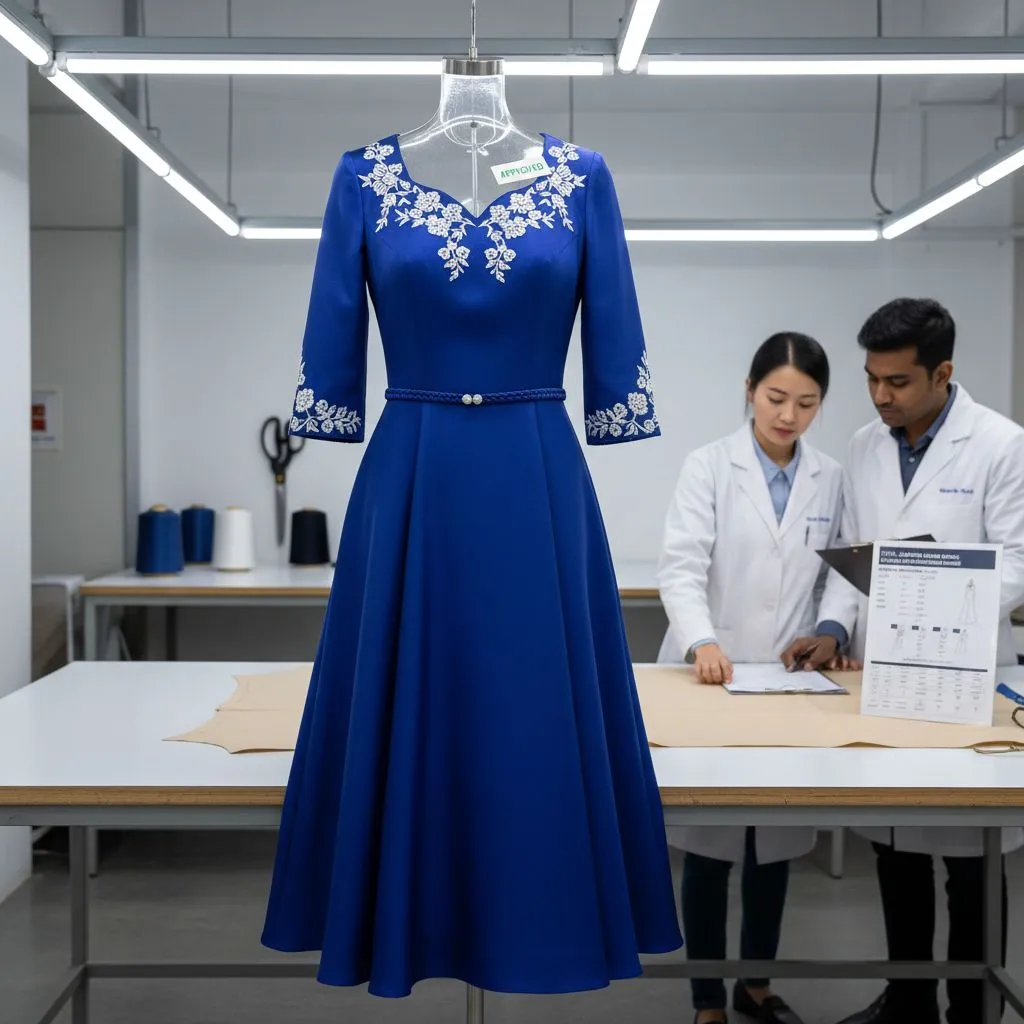
- Made on the official sewing line, not in the sample room
- Produced using actual machines, operators, speed, and workflow
- Sewn with final approved materials, trims, labels, and packaging

In simple terms: A TOP sample shows you what the factory will actually deliver — not what it intends to deliver. It is the first real output of bulk production.
Do You Always Need a TOP Sample?
For very simple, repeat styles, sometimes no. But you absolutely need a TOP sample if: It’s a new style or fabric, it’s a new factory, the order volume is large, the design has tight tolerances, or your brand has strict quality standards. In most export and private-label production, TOP samples are not optional.
Not every order requires the same level of sampling. Some buyers may skip a separate TOP Sample for a simple repeat order when:
- The same factory is used
- The same style has been produced many times
- The same fabric and trims are used
- The sewing process is stable
- The supplier has a strong quality history
However, skipping a TOP Sample is still a risk decision. A TOP Sample is especially valuable when:
- The style is new
- The factory is new
- The fabric is new or difficult to sew
- The order quantity is large
- The garment has complex construction
- Measurements have tight tolerances
- The style contains detailed prints or embroidery
- The product has high retail value
- The brand has strict quality standards
The greater the risk of something going wrong, the more useful the TOP Sample becomes.
Why a TOP Sample Matters More Than You Think
It’s easy to assume a TOP sample is just another box to tick especially if you already approved the PP sample. But here’s the uncomfortable truth: PP approval proves the factory can make one great piece. It does not prove they can repeat that same standard all day, across multiple operators, shifts, and production speed. A TOP sample is the first real “truth test” of bulk production. It reveals the kinds of problems that only show up on the line—small shortcuts, stitching inconsistency, trim placement drift, finishing changes, even packing mistakes. And once those issues enter bulk, they don’t stay small—they spread fast. That’s why, for brand owners, a TOP sample isn’t paperwork. It’s your last low-cost chance to prevent a high-cost mess.
Not always:
- A PP sample proves the factory can make the product.
- A TOP sample proves the factory will consistently make it that way.
1. PP Approval Does NOT Guarantee Production Accuracy
PP samples are usually made by senior operators at slow speed. Bulk production is different, involving multiple operators and higher speed. A TOP sample exposes: Stitch inconsistencies, operator interpretation errors, tolerance drift, and assembly shortcuts. If there’s a problem, this is your last safe moment to stop it.
2. A TOP Sample Prevents “We Understood It Differently”
Many production disputes start with one sentence: “But this is how we understood the approved sample.” A TOP sample becomes: The final physical reference, the QA/QC benchmark, and the dispute-proof standard. Once approved, there is no ambiguity about stitch quality, label placement, or finishing levels.
3. It Protects You From Bulk Rework Costs
Fixing one TOP sample costs minutes. Fixing 5,000 garments costs weeks, plus money, delays, and stress. Approving bulk production without a TOP sample is essentially approving rework risk and delivery delays.
What Happens If a TOP Sample Is Rejected?
A rejected TOP Sample does not automatically mean the order has failed. In fact, discovering a problem early is exactly what the process is designed to do.
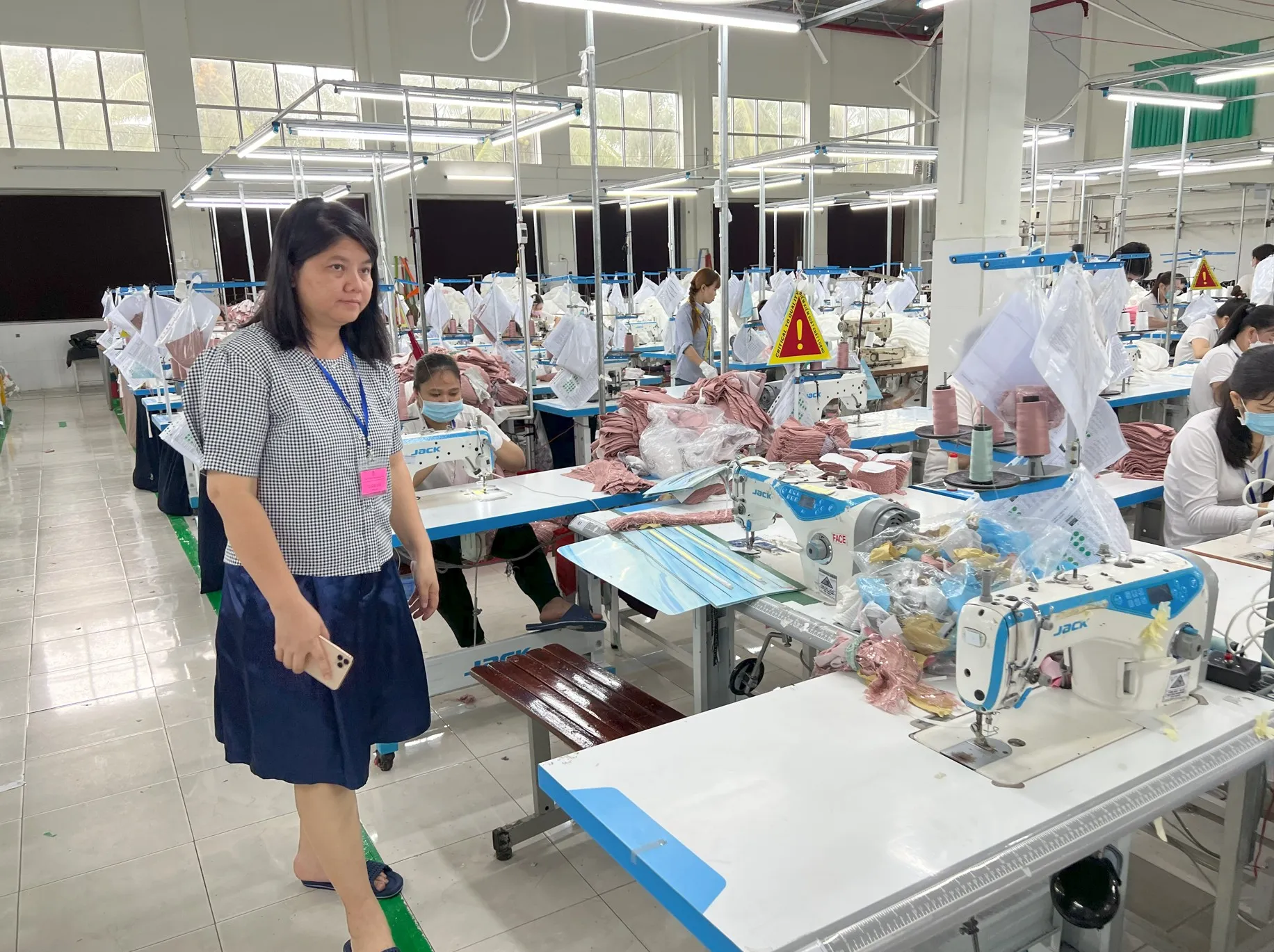
The factory should determine:
- What is wrong
- Why it happened
- How many garments may be affected
- How the problem will be corrected
- Whether completed garments require rework
- Whether a new TOP Sample is required
Correcting only the submitted sample is not enough. The actual production process must also be corrected.
Where the TOP Sample Fits in the Sampling Process
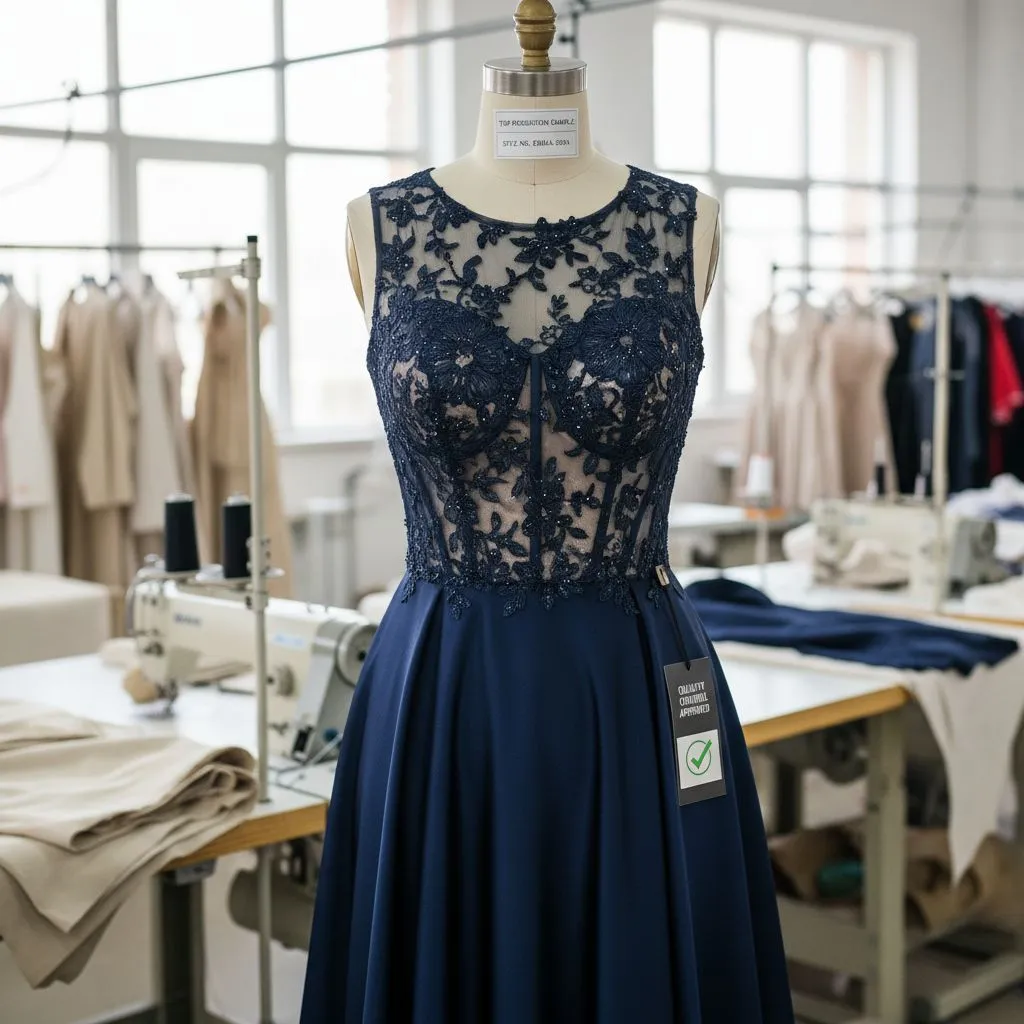
In the full garment sampling journey, the TOP sample sits at a very specific — and very strategic — point. It comes after all design and technical decisions are supposedly “final,” but before production is allowed to run freely. Timing is not accidental. The TOP sample is the bridge between planning and reality.
| Sample Type | Made Where | Purpose | When Used |
|---|---|---|---|
| Prototype Sample | Sample room | Visual concept | Early development |
| Fit Sample | Sample room | Fit and sizing | Product development |
| Salesman Sample | Sample room | Marketing & sales | Before order |
| Pre-Production (PP) Sample | Sample room | Technical approval | Before production |
| Top Production Sample | Actual production line | Bulk quality confirmation | At line start |
How a Top Production Sample Is Made (Step by Step)
A TOP sample shows you the true factory output. This process helps brand owners understand when the TOP sample should be taken and what must happen before the line runs full speed.
- Step 1: Set Up the Production Line – The factory prepares machines, operators, guides, folders, attachments, and workstations for the approved style.
- Step 2: Start Bulk Production – Production begins using the approved bulk materials, trims, thread, labels, and accessories.
- Step 3: Select Garments From Early Production – Several garments are selected from normal production output. They should not be specially prepared by the sample room just to look perfect.
- Step 4: Inspect the TOP Samples – The samples are checked against the approved PP Sample, tech pack, measurement chart, and other specifications.
- Step 5: Correct Any Problems – If defects are found, the factory should determine the root cause and correct the sewing line. This may involve adjusting machines, retraining operators, changing guides, correcting measurements, or improving finishing.
- Step 6: Approve the TOP Sample – Once the sample meets the approved standard, it can be used as an additional reference for continued production and QC.
What Brand Owners Should Check on a TOP Sample
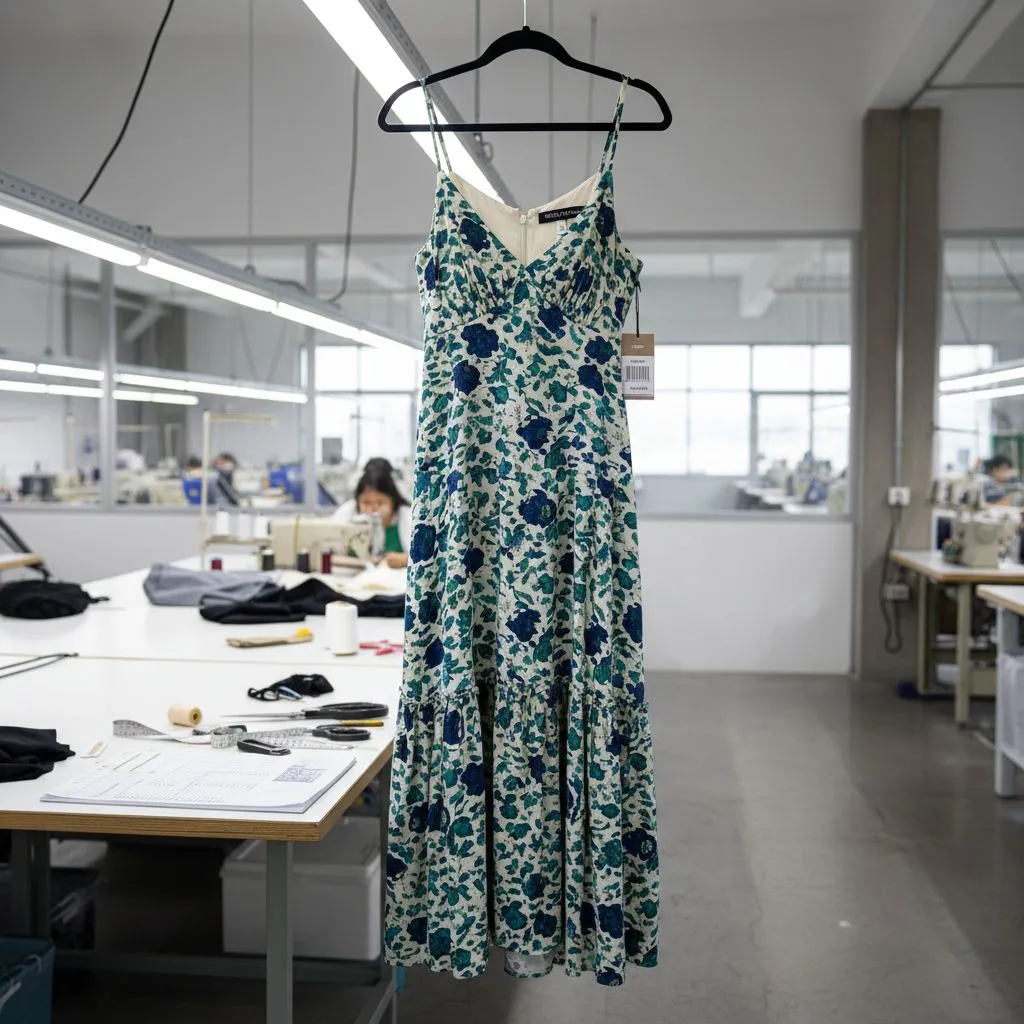
This is your clearest preview of what the factory will repeat thousands of times. The goal is to verify if they can reproduce the standard consistently.
- Construction & Workmanship: Stitch density, seam alignment, and finishing.
- Fit & Measurement: Tolerance limits and drape.
- Materials & Trims: Color lot consistency and approved accessories.
- Consistency Risk: Can this quality be repeated 1,000 times consistently?

Measurements
Compare important points of measurement with the approved specification. Examples include:
- Chest
- Waist
- Hip
- Body length
- Sleeve length
- Shoulder width
- Inseam
- Leg opening
Construction and Workmanship
Check:
- Seam type
- Stitch type
- Stitch density
- Seam allowance
- Stitch tension
- Hem quality
- Reinforcement
- Loose threads
Fabric
Review:
- Color and shade
- Surface quality
- Stretch
- Hand feel
- Pattern direction
- Pattern matching
- Visible defects
Trims and Accessories
Make sure production is using the approved:
- Buttons
- Zippers
- Snaps
- Elastic
- Drawcords
- Labels
- Patches
- Thread
- Hangtags
Print and Embroidery
Check:
- Position
- Size
- Color
- Alignment
- Embroidery density
- Print quality
Finishing
Look for:
- Loose threads
- Stains
- Needle marks
- Poor pressing
- Unwanted shine
- Creases
- Uneven shape
Packaging
If packaging is part of the TOP approval, check:
- Folding
- Polybag
- Hangtags
- Barcodes
- Stickers
- Size markings
- Carton requirements
Common Mistakes Brand Owners Make With TOP Samples
- Skipping TOP approval due to tight deadlines.
- Approving based on photos instead of physical samples.
- Treating TOP as a formality, not a checkpoint.
- Allowing production to run before feedback arrives.
Can a TOP Sample Be Approved From Photos?
Sometimes. Photos and videos can be useful when buyers and factories are located in different countries.
Digital TOP approval may include:
- Detailed photos
- Close-up images
- Measurement reports
- Inspection reports
- Video inspection
However, photos cannot fully show fabric hand feel, garment drape, construction details, or some measurement issues. For a new supplier, complex garment, or high-risk order, a physical sample may provide better control.
Final Thoughts / Conclusion
A Top Production Sample connects product development with real manufacturing. The PP Sample tells you what the factory should produce. The TOP Sample tells you what the factory is actually producing. That difference matters because real production introduces variables that do not exist in the sample room. New operators, machine settings, sewing speed, material handling, pressing, finishing, and packing can all affect the final garment. For a simple repeat order with a trusted supplier, a brand may decide that formal TOP approval is not necessary. But for new styles, new factories, large orders, complex garments, or strict quality requirements, skipping the TOP Sample can create unnecessary risk.
FAQs for What Is a Top Production Sample
In Short, What is a TOP sample?
A TOP sample (Top Production Sample) is the first finished garment taken from the real production line right when bulk production is about to begin. It shows what the factory will actually deliver under real line conditions
When do you take the TOP sample?
You take it at the start of the sewing line run, before production is allowed to run at full scale. It is meant to be the last checkpoint before bulk continues
How is a TOP sample different from a PP sample?
A PP sample shows the factory can make one great piece in controlled conditions. A TOP sample shows the factory will make it the same way in real production, across speed, shifts, and many operators.
Where is a TOP sample made?
It is made on the production sewing line, not the sample room. That’s important because the sewing line introduces real variables: operator skill differences, workflow handoffs, bundle handling, inline pressing, trimming speed, and even how parts are stacked or transported. Many bulk problems don’t exist in sample room output TOP is designed to expose those “line-only” issues.
What key question does a TOP sample answer?
It answers: “Is the factory truly ready to produce at scale with the exact quality we expect?” That includes not only sewing, but also measurement tolerance control, finishing, labeling, and packing. If the TOP sample is correct, you reduce the chance of mass defects. If it’s wrong, it’s an early warning that bulk output will likely be wrong too just multiplied.
Do I always need a TOP sample?
Not always, but skipping it is a calculated risk. If you’re repeating a very simple style with a proven factory, stable fabric, and stable trims and your tolerance and QC standards are relaxed some brands choose to skip. However, the page strongly argues that in most private-label/export situations, TOP is worth it because the cost of one extra checkpoint is tiny compared to the cost of fixing thousands of units later. If the order matters to your brand reputation, TOP is a smart insurance step.