How Much Does It Cost to Start a Clothing Line?

Starting a clothing line sounds glamorous. Sketches become garments. Garments become a brand. A brand becomes a business. That’s the dream. The reality is harsher: most clothing brands don’t fail because of bad design they fail because founders misunderstand costs. Not just how much money they need to start, but how long that money must last. So how much does it really cost to start a clothing line? => The honest answer is uncomfortable: Anywhere from $2,000 to $100,000+ and most people still run out of money anyway. Let’s break down why.

The Wrong Question Most Beginners Ask

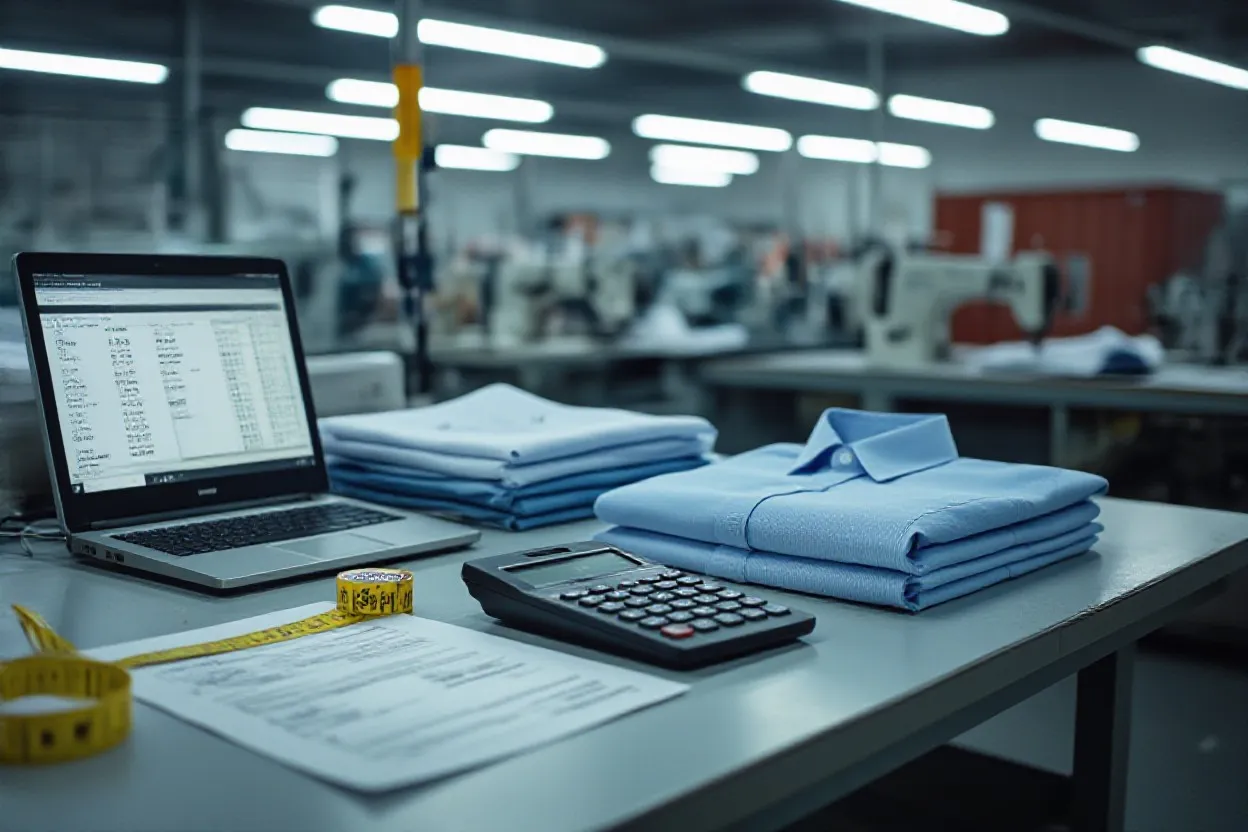
Most beginners ask, “How much money do I need to start a clothing line?” but that question can trick you into planning the wrong way. Startup cost matters, yet it’s not the real danger running out of cash before you prove demand is. A better question is, “How long can my budget keep the brand alive until sales become predictable?” Two brands can start with the same amount and still end up opposite results if one sells fast and the other sells slowly. So before you pick a number, you need to think in time, cash flow, and margin not just a one-time launch budget.

Most people ask: “How much money do I need to start?” => The better question is: “How much money do I need before my brand proves it can sell?” Startup cost without time, cash flow, and margin is meaningless. Two brands can start with the same $10,000 and end very differently:

  • Brand A sells out in 30 days → survives
  • Brand B sells slowly over 9 months → dies

Same budget. Opposite outcome.

The 5 Factors That Actually Dictate Your Cost

Your startup cost isn’t a fixed number because it changes based on a few core choices you make from day one. The same brand idea can cost wildly different amounts depending on how you produce, what you sell, and how you deliver it. That’s why guessing a budget without understanding the drivers is risky you might overpay for things you don’t need or underfund the parts that keep you alive. These five factors act like “cost levers” that push your budget up or down fast. If you understand them early, you can design a launch plan that matches your cash, your timeline, and your quality goals.

1. Business Model

Your business model determines when you pay and how you make money, not just how much you spend. Whether you use print-on-demand, small-batch production, or full-scale manufacturing changes your cash risk, margins, and control. Choosing the wrong model can drain your budget even if sales look promising on paper.

  • Print-on-demand
  • Small-batch manufacturing
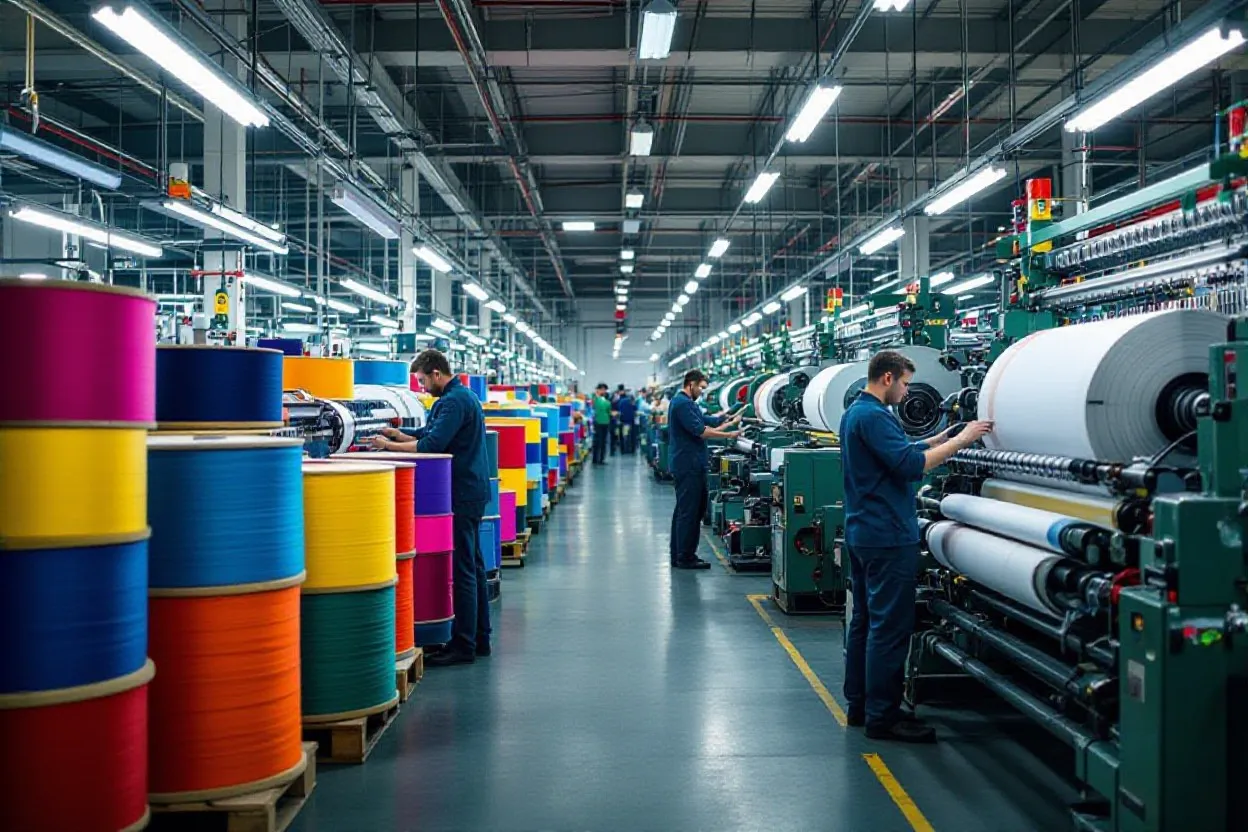
  • Full-scale production

Each has very different risk profiles, not just costs.

2. Product Complexity

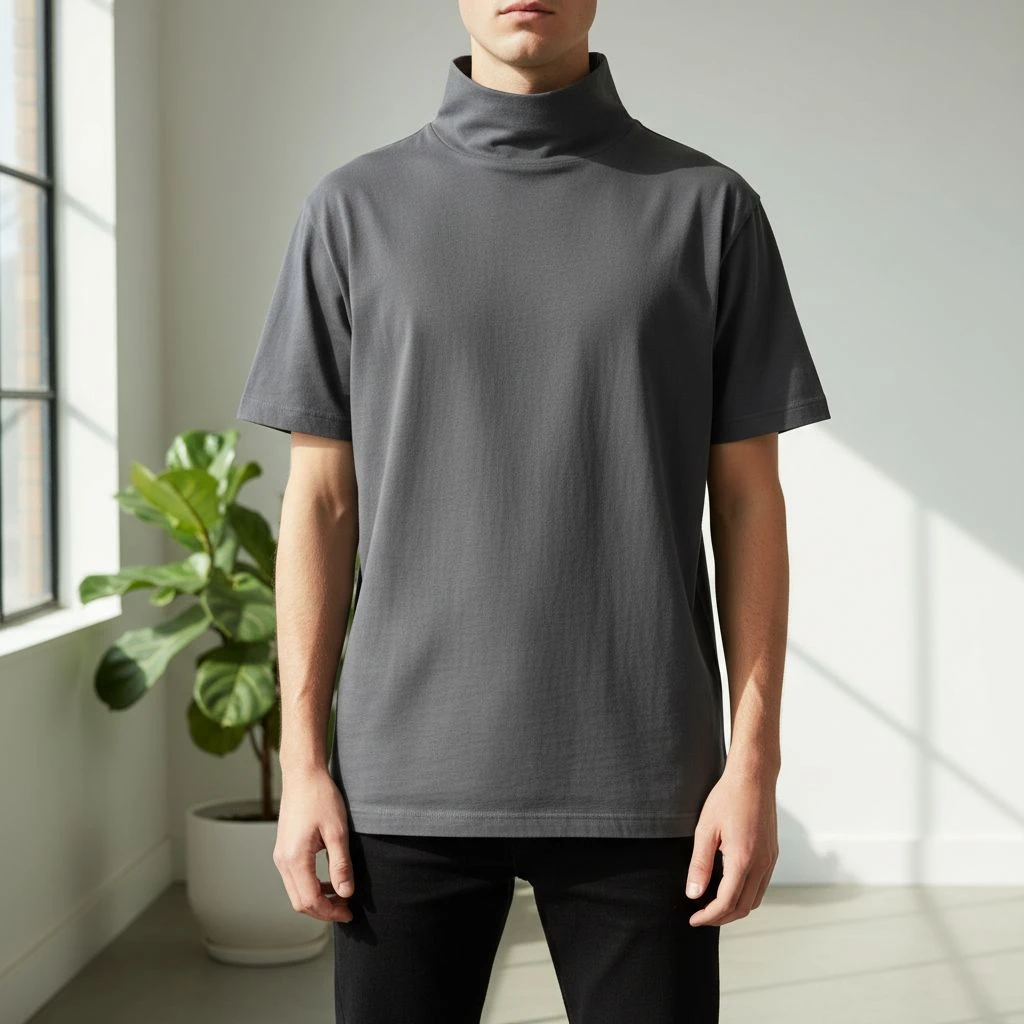
Product complexity decides how many steps, materials, and fixes your item will require before it’s sell-ready. A simple tee is cheap to develop, while a jacket or dress can trigger multiple sampling rounds, extra trims, and higher labor costs. The more complex the product, the easier it is for small mistakes to become expensive delays.

A graphic T-shirt is not the same as:

  • Tailored jackets
  • Dresses with linings
  • Multi-fabric designs

Complexity multiplies cost silently.

3. Inventory Strategy

Your inventory strategy decides how much cash you lock up before a single sale happens. Holding stock can speed up fulfillment but increases risk if products don’t sell, while made-to-order reduces inventory risk but raises unit costs and wait times. Many new brands fail not from lack of sales, but from buying the wrong inventory too early.

  • Hold inventory (cash-heavy, risky)
  • Made-to-order (lower inventory, higher unit cost)

Inventory is not an asset it’s frozen cash.

4. Manufacturing Location

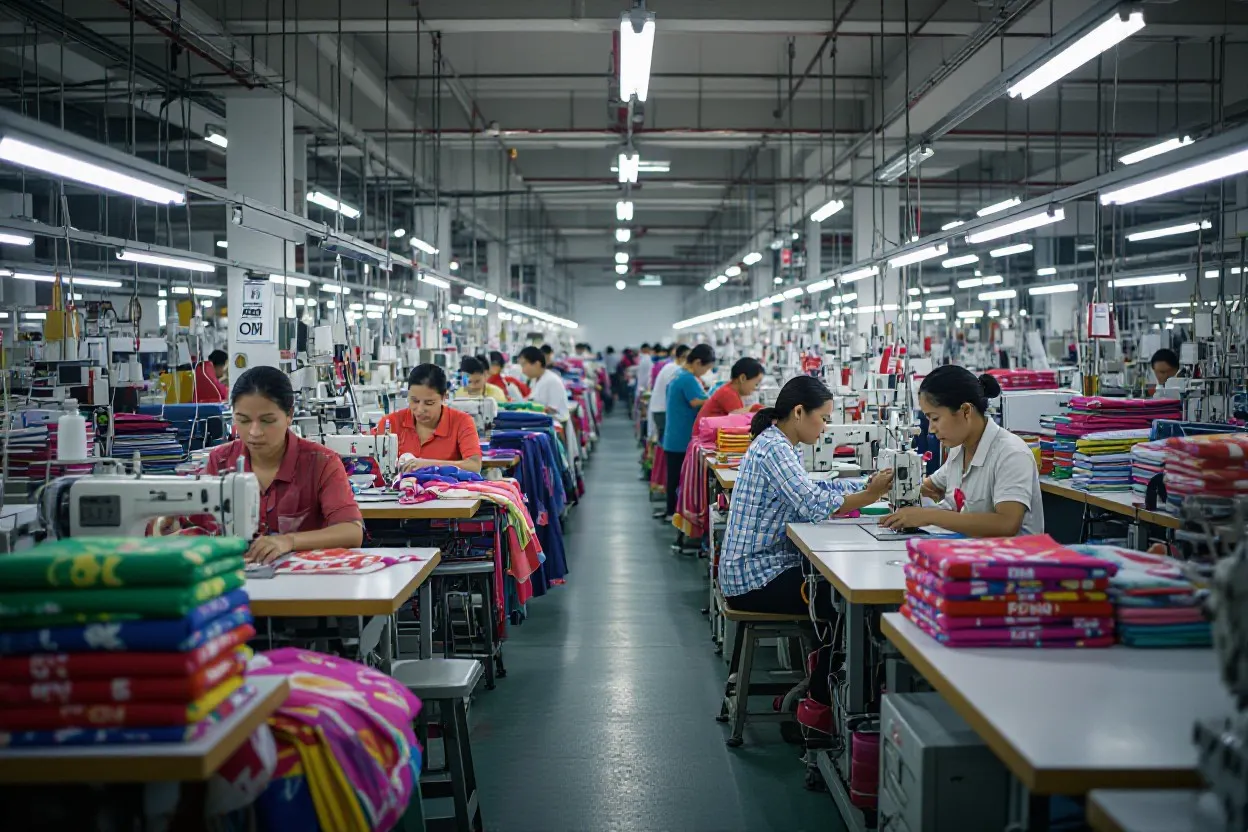
Manufacturing location affects more than unit price it changes your speed, quality control, and logistics complexity. Local production may cost more per piece but can be easier to manage and fix fast, while overseas production can be cheaper yet adds longer lead times and more risk. “Lower cost” isn’t always better if delays or defects slow your sales.`

  • Local: higher labor, better control
  • Overseas: lower unit cost, higher complexity

Cheaper per unit does not mean cheaper overall.

5. Brand Positioning

Brand positioning sets what customers expect from you price, quality, and the overall experience and that directly controls your costs. A budget brand must keep production and marketing lean, while a premium or luxury brand needs higher materials, better finishing, and stronger branding. If your costs don’t match your position, you either price too high to sell or too low to survive.

  • Budget streetwear
  • Mid-range lifestyle
  • Premium or luxury

Your price point decides whether your costs are survivable.

Low Budget to High End Start

Can You Really Start With $3,000?

Yes! but call it what it is. You’re starting a validation experiment, not a scalable brand. To make it work:

  • Hyper-niche product
  • One hero item
  • Blank garments + customization
  • Sell first, scale later
  • Use platforms like Etsy or marketplaces

$3,000 buys proof, not growth.

Low-Budget Start: $5,000–$10,000

Testing demand, not building an empire

Option A: Print-on-Demand ($4,000–$5,000)

What you pay for:

  • Design software: $20–$50/month
  • Samples & testing: $200–$500
  • E-commerce platform: $30–$50/month
  • Marketing & ads: $500–$3,000

The hard truth:

POD lowers inventory risk but kills margins. Many POD brands make less than 30% gross margin sometimes less after ads. If ads cost more than profit per unit, you scale losses.

Option B: Small-Batch Manufacturing ($5,000–$10,000)

Costs include:

  • Fabric & trims: $500–$2,000
  • Pattern making & samples: $800–$2,000
  • Manufacturing (low MOQ): $2,000–$5,000
  • Branding & packaging: $500–$1,000
  • Basic website: $500–$1,000

=> Reality check: This budget works only if you keep styles minimal and accept slower growth.

Mid-Range Start: $10,000–$50,000

Where most “serious” brands begin and most still fail

Production & Operations:

  • Custom fabrics: $3,000–$10,000
  • Manufacturing (medium run): $10,000–$25,000
  • Sampling rounds: $1,000–$3,000
  • Inventory: $5,000–$15,000
  • Workspace or storage: $500–$2,000/month

Branding & Marketing:

  • Logo & brand identity: $500–$2,000
  • Professional photography: $500–$3,000
  • Paid ads & content: $3,000–$10,000

Common mistake:

  • Founders spend heavily on production before confirming demand.
  • Good-looking inventory does not equal sales.

High-End Start: $50,000–$100,000+

Luxury ambition, luxury risk

Manufacturing & Supply Chain:

  • Bulk production: $25,000–$50,000
  • Custom fabrics & trims: $10,000–$20,000
  • Quality control & compliance: $2,000–$5,000
  • Warehousing: $1,000–$5,000/month

Marketing & Brand Building:

  • Influencer campaigns: $5,000–$20,000
  • Custom website or app: $5,000–$20,000
  • Pop-up stores or events: $5,000–$15,000

Warning:

  • High budget does not reduce failure risk.
  • It often accelerates failure at a higher cost.

Final Thoughts / Conclusion

Starting a clothing line can cost anywhere from a few thousand dollars to six figures, but the real deciding factor is whether your budget can last long enough to prove demand. The smartest path is to start small, control inventory risk, and scale only after sales are consistent. If you treat cash flow like your runway, you’ll make better choices and your brand will have a real chance to grow.

Starting a clothing line can cost:

  • $2,000 to test an idea
  • $10,000 to launch carefully
  • $50,000+ to scale aggressively

But no budget guarantees success.

The brands that survive:

  • Start small
  • Validate early
  • Control inventory
  • Respect cash flow
  • Grow only after demand is proven

Fashion rewards creativity but business rewards discipline.

Related posts