Start a Gym Clothing Brand: The Pros and Cons Explained

Starting a gym clothing brand sounds simple: design a few sets, post on social media, and sell online. In reality, it is more akin to building a mini supply chain and a media company simultaneously. While the activewear market offers significant opportunities, new brands can lose capital quickly without operational discipline. This guide provides a data-backed technical perspective to help you navigate the activewear manufacturing landscape.
The Market Opportunity: Activewear & Athleisure Trends
The demand for activewear continues to grow globally, with projections reaching over $670 billion by 2030. However, market growth alone doesn’t guarantee success; large incumbents dominate distribution and ad budgets. To win, a new brand must move beyond generic “premium” claims and solve specific technical problems.
Pros: Why You Should Start an Activewear Brand
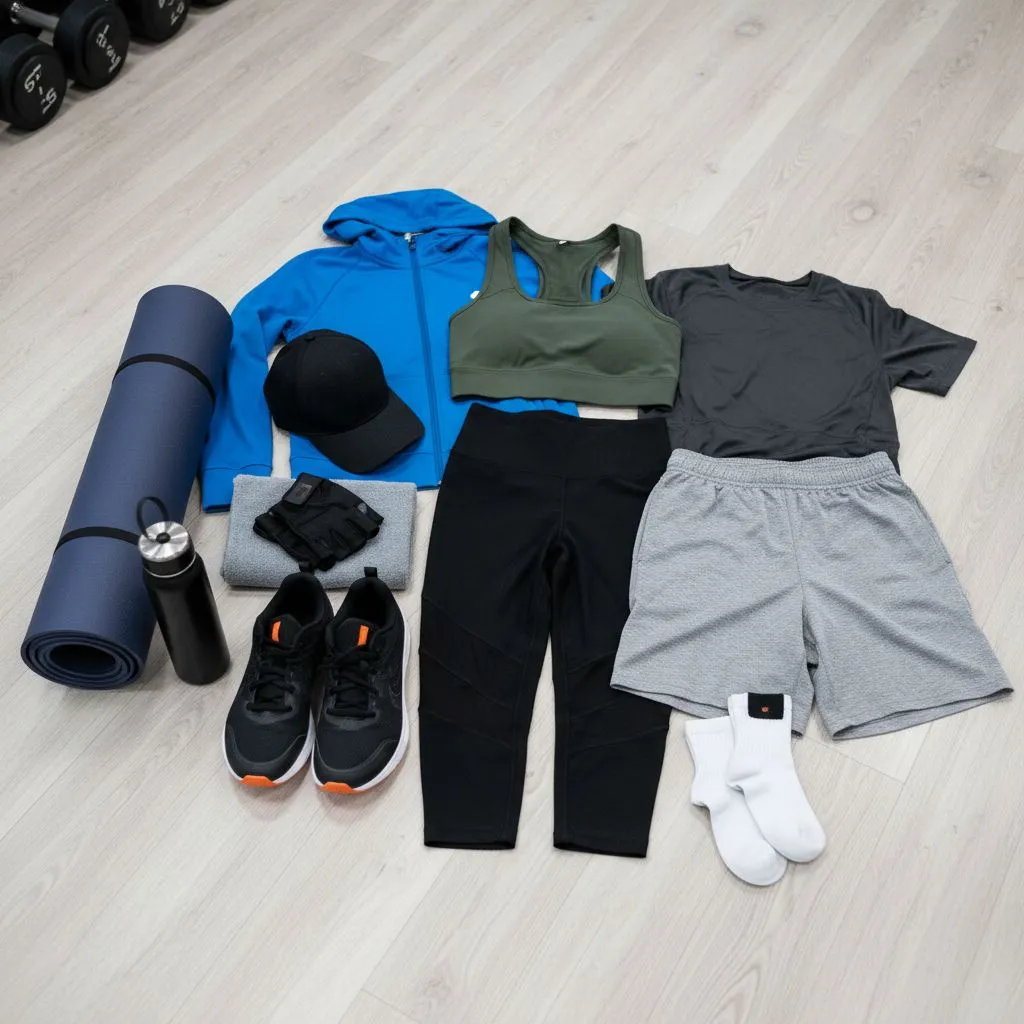
1. Gym Wear as “Daily Wear”
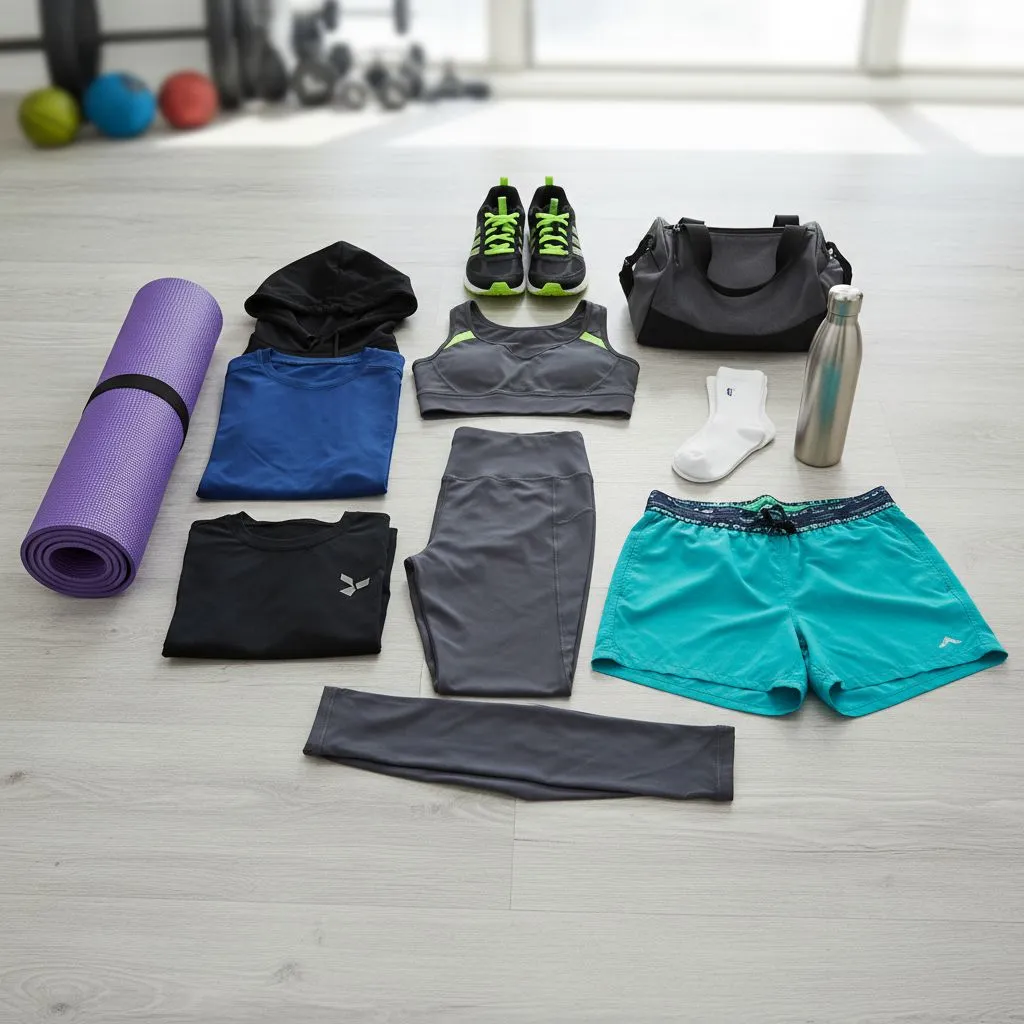
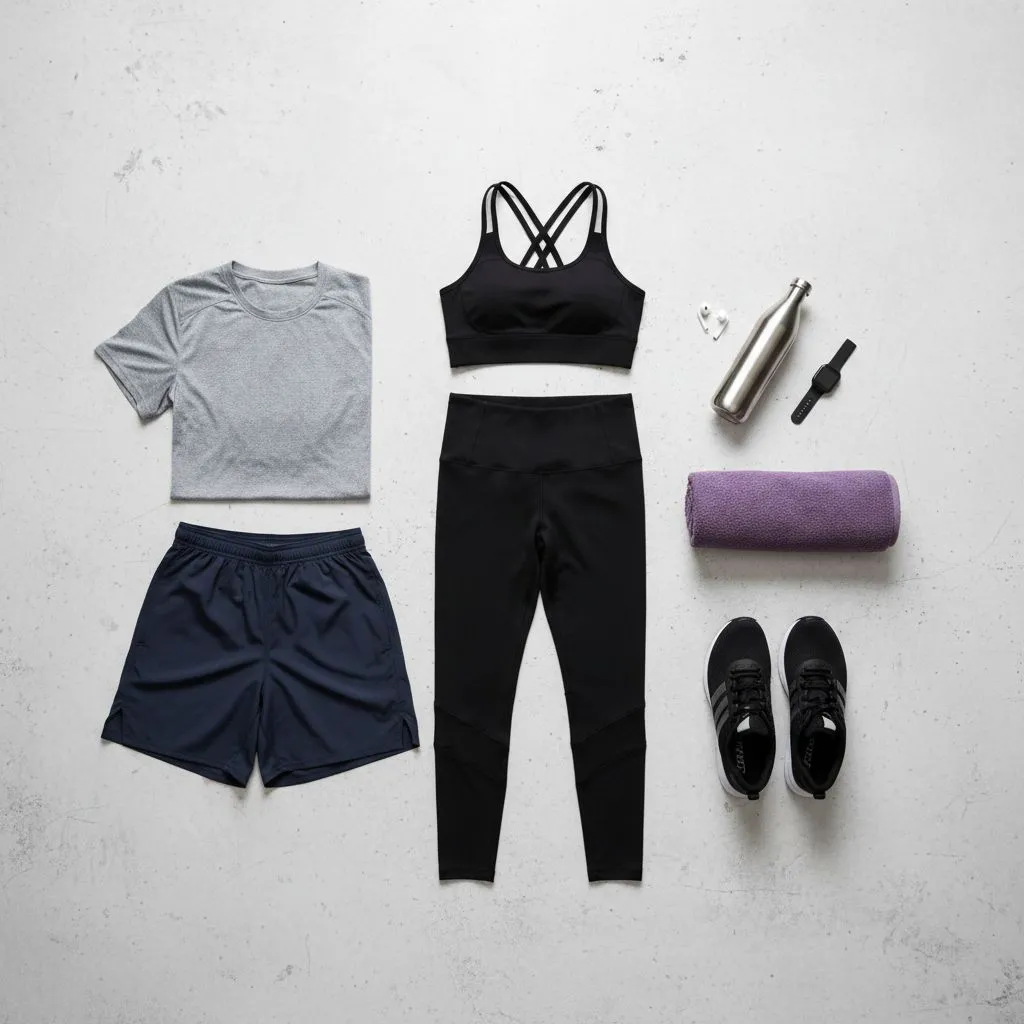
The athleisure trend has turned workout gear into daily lifestyle apparel. This supports a wider range of styles, from high-intensity training sets to yoga-to-office wear. Success here depends on versatile fabric choices that offer both comfort and performance.
2. Solving Technical Pain Points
A niche brand can outperform giants by focusing on specific fit and performance issues, such as:
- Sizing Precision: Addressing petite/tall proportions or high-support requirements.
- Squat-Proof Opacity: Ensuring zero transparency under full stretch.
- Climate Engineering: Utilizing rapid-dry fabrics specifically for high-humidity markets.

Cons: The Harsh Realities of Apparel Sourcing
1. Intense Global Competition
You aren’t just competing with Nike; you are competing with thousands of fast-moving DTC (Direct-to-Consumer) brands. “Good quality” is no longer a differentiator—it is a baseline requirement. To survive, you need a unique value proposition tied to product function.
2. The “Return Rate” Profit Killer
Online apparel returns can range from 24% to over 40% in some categories. Fit confusion and performance dissatisfaction drive these numbers. Without a rigorous sizing and fit system, shipping and logistics costs for returns can quickly erase your profit margins.
3. Forgiving Performance Standards
Gym wear is judged by movement. Seam strength, stretch recovery (Elastane content), and moisture-wicking are non-negotiable. A single batch of flawed fabric or poor stitching can result in mass refunds and permanent damage to your brand reputation.
Operational Roadmap for Success
For those ready to launch, success depends on meticulous planning rather than just aesthetics:
- Focus on Niche: Target a specific problem, such as hot-climate training gear that dries instantly.
- Systemize Fit: Use clear measurement charts and consistent grading rules to reduce returns.
- Validate Fabric: Conduct wash tests (shrinkage, pilling, color bleed) before bulk production.
- Control Complexity: Launch with fewer SKUs. Start narrow with core styles to learn faster and manage cash flow.
Conclusion
Starting an activewear brand is a high-reward venture only if you can solve a meaningful problem better than existing options. Precision in material selection, fit systems, and supply chain control are far more important than ad spend alone. Move beyond the “influencer brand” model toward a performance-first approach to ensure long-term sustainability.