Can Cotton Thread Be Used for Stretch Fabrics?

When people ask, “Can cotton thread be used for stretch fabrics?” the usual answer is no. The common logic is that cotton thread doesn’t stretch, so when the fabric expands, the thread snaps. While this is partly true, it misses the technical nuance of garment construction. Understanding the relationship between fiber elasticity, stitch type, and seam stress is essential for professional apparel manufacturing.
What Exactly is Stretch Fabric?
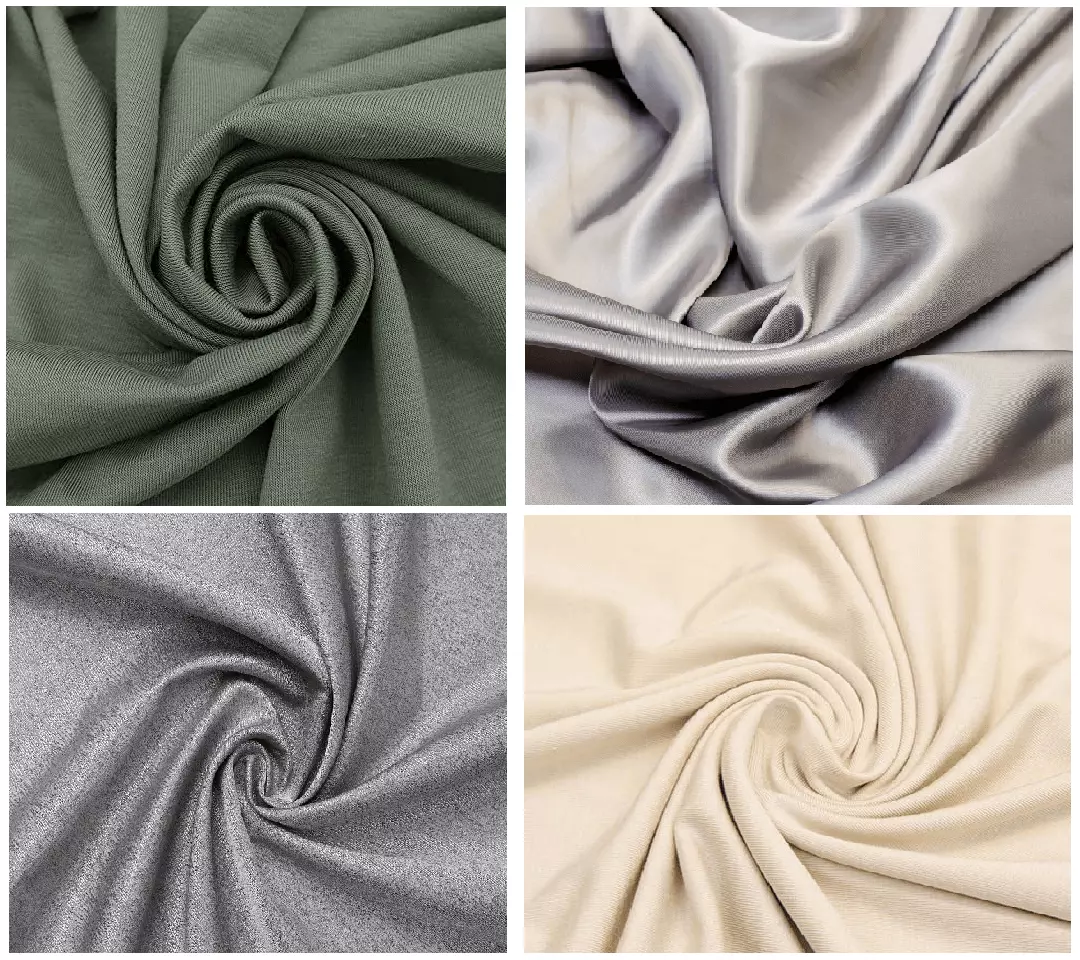
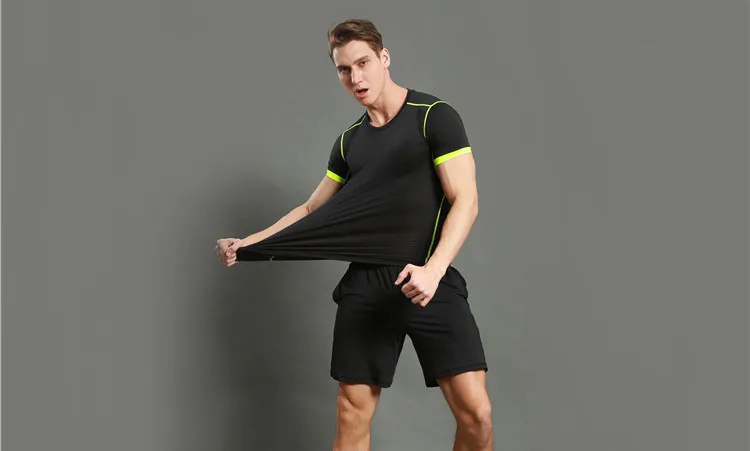
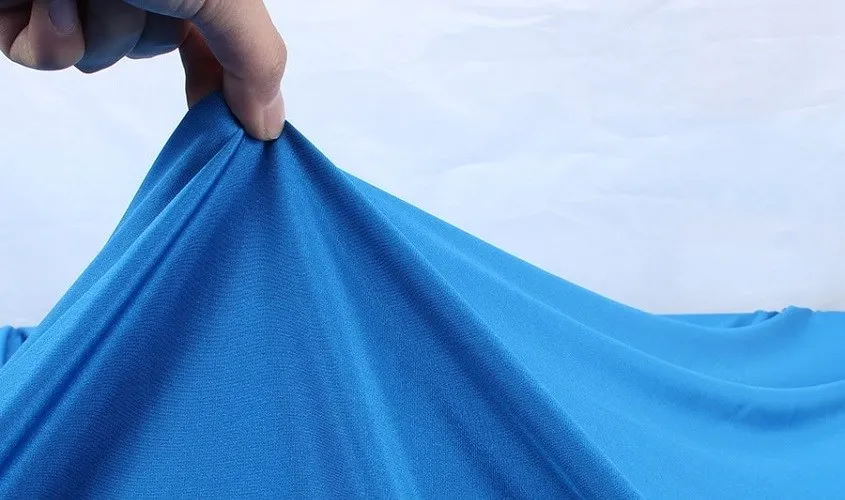
Stretch fabrics are engineered to move with the body and bounce back into shape. This elasticity comes from either the physical structure (like knits) or elastic fibers like Spandex/Lycra. Because these materials expand significantly during wear, the seams must be able to handle repeated pulling without failure. This makes thread choice a critical quality factor.
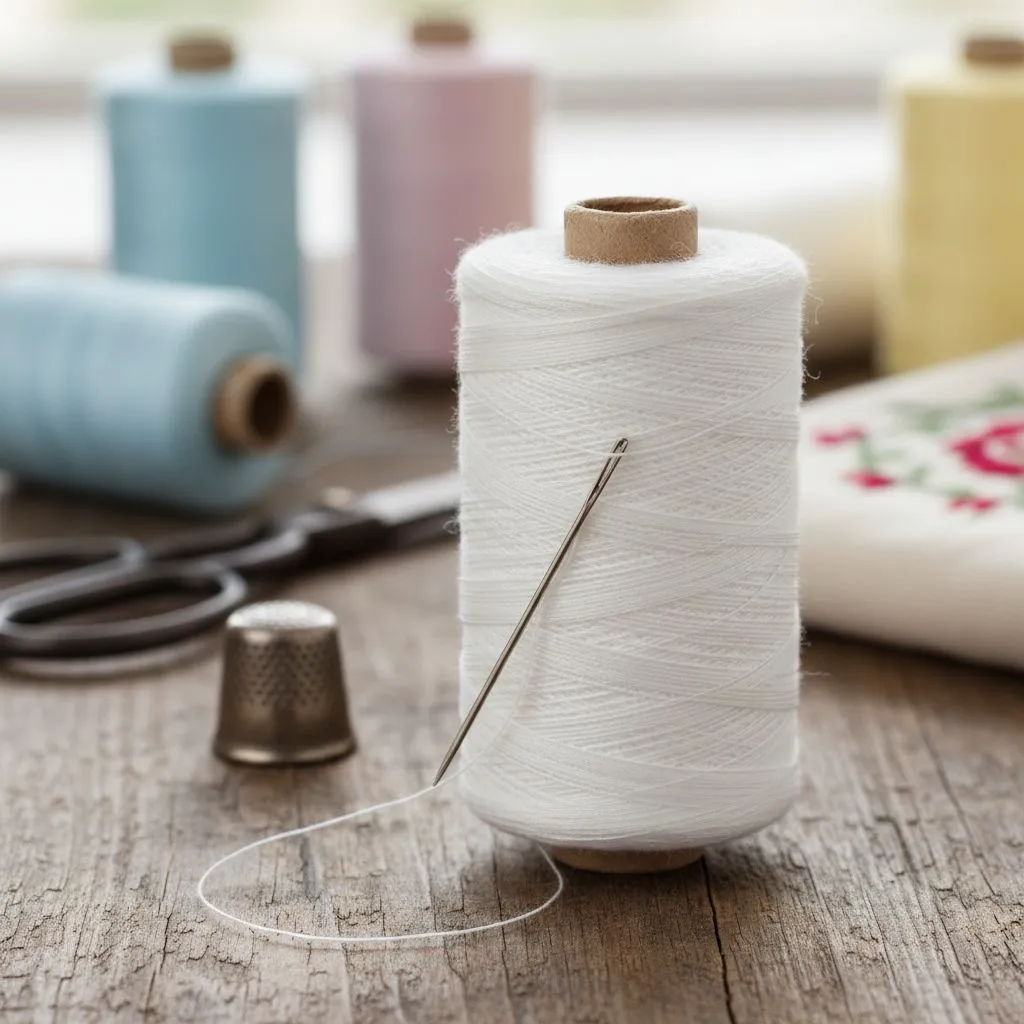
Cotton thread is a natural fiber product valued for its soft hand-feel and matte appearance. However, it is inherently non-elastic. When a seam is forced to stretch beyond the thread’s limit, the stress leads directly to popped stitches. In professional production, regular cotton thread is typically reserved for stable woven fabrics rather than high-performance activewear.
Stretch From Fabric Construction
Many knitted fabrics naturally stretch because of their looped structure. Examples include:
- Single jersey
- Rib knit
- Interlock
- Some double knits
Even if these fabrics contain no elastane, their knitted loops can provide mechanical stretch.
Stretch From Elastic Fibers
Other fabrics contain elastic fibers such as:
- Elastane
- Spandex
- Lycra

These fibers can substantially increase stretch and recovery. A fabric containing elastane may stretch much farther than a basic cotton jersey, which creates greater demand on the seams.
Why Stretch Fabric Needs Stretch-Friendly Seams
Most sewing standards advise against cotton thread for stretch materials because the thread cannot “give” along with the fabric. This failure is most common at high-stress points such as waistbands, underarms, and crotch seams. If the garment is intended for high-movement activities like yoga or swimming, using 100% cotton thread is a major production risk.

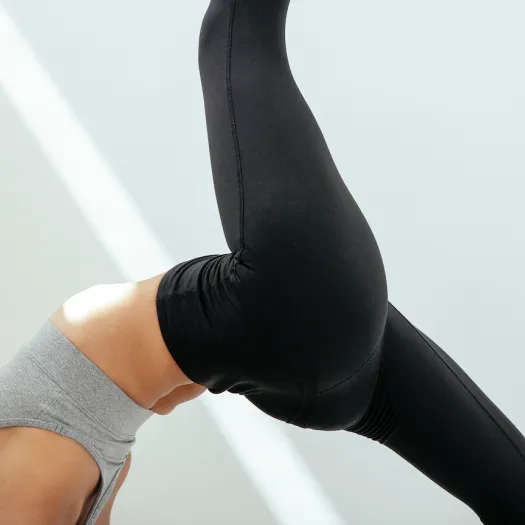
A garment does not only need fabric stretch. Its seams must also stretch enough. Imagine a pair of leggings. When the wearer bends, walks, or squats, the fabric stretches around:
- Hips
- Thighs
- Knees
- Crotch
- Waistband
If the fabric stretches but the seam cannot, the thread carries excessive stress.
The result may be:
- Popped stitches
- Broken thread
- Open seams
- Distorted seams
- Reduced garment life
This is why professional garment development should consider seam extensibility, not just fabric elasticity.
Why the General Rule Is “Avoid Cotton Thread for Stretch Fabrics”
Manufacturers often recommend polyester or other synthetic sewing threads for stretch garments because they generally provide better combinations of:
- Strength
- Elongation
- Abrasion resistance
- Sewability
- Recovery
- Durability
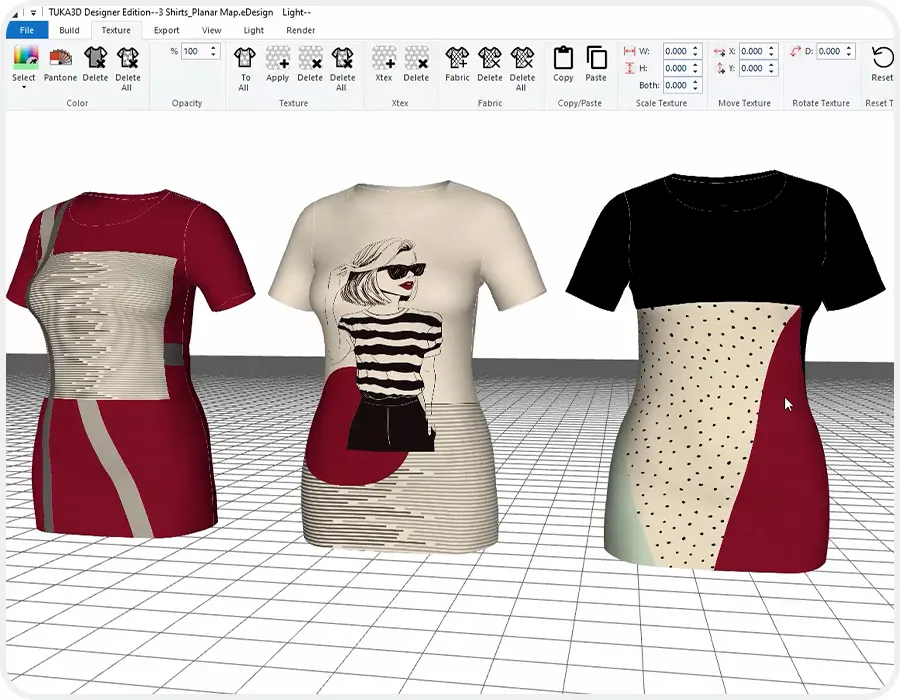
Cotton thread is usually riskier in areas that experience repeated stretching.
Common high-stress areas include:
- Crotch seams
- Waistbands
- Underarms
- Side seams
- Armholes
- Seat seams
- Leg openings
The problem becomes especially important in garments designed for intense body movement.
Where Cotton Thread Becomes Particularly Risky
Activewear
Activewear experiences frequent and repeated movement. Examples include:
- Yoga leggings
- Compression tops
- Cycling apparel
- Gym clothing
These garments often require seams with substantial extensibility. Regular cotton thread is generally not the preferred choice.
Swimwear
Swimwear combines high stretch with additional exposure to:
- Water
- Chlorinated pools
- Salt
- UV
- Repeated body movement
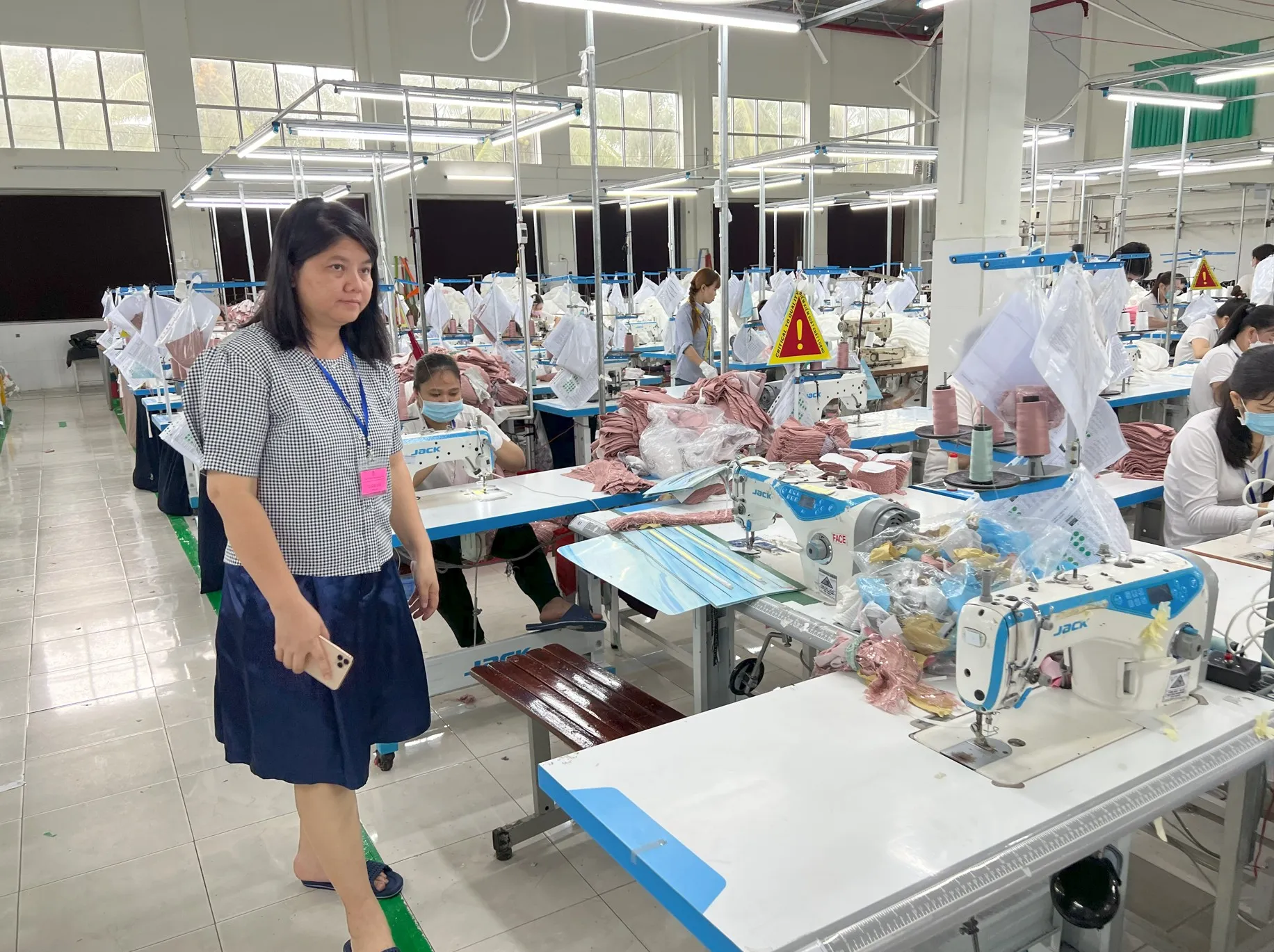
Thread selection therefore needs to consider more than just stretch.
Underwear
Underwear often includes:
- Elastane fabrics
- Elastic edges
- High-stretch seams
- Close body fit
Seam extensibility is critical for both comfort and durability.
Leggings
Leggings can place significant stress on:
- Crotch seams
- Seat seams
- Waist seams
- Inseams
A low-extensibility seam may fail even when the fabric itself performs well.
Can Cotton Thread Ever Work on Stretch Fabric? Challenging the Rule – Technical Exceptions
Yes. The answer depends on how much the fabric stretches and how much stress the seam actually experiences during wear. Cotton thread may sometimes work in:
- Loose knit garments
- Low-stretch jersey
- Decorative seams
- Low-stress locations
- Casual garments with generous ease
The key is that the seam must not be forced beyond its safe extension.
1. Low-Stretch Knits
Not every knit is extremely stretchy. A stable jersey may stretch only moderately during normal wear. If the garment is also loose fitting, seam stress may remain relatively low. In this situation, cotton thread can sometimes perform adequately.
2. Loose-Fitting Garments
Garment fit affects seam stress significantly.
- Compare: Loose T-Shirt + Moderate-Stretch Jersey
- with: Compression Top + High-Elastane Jersey

The first garment may place very little tension on the seams. The second may stretch its seams repeatedly throughout wear. Therefore: Same Fabric Type isn’t Same Seam Requirement Garment fit matters.
3. Decorative Topstitching
Cotton thread can sometimes be used where appearance is more important than seam stretch. Examples may include:
- Decorative topstitching
- Logo details
- Low-stress external seams
However, decorative thread should not automatically be used for load-bearing seams.
Stitch Type Can Change the Answer
One of the most important points is that thread stretch and seam stretch are not the same thing. A thread may have relatively low elongation, while the stitch geometry allows the seam to extend.
Lockstitch
The common 301 lockstitch creates a relatively stable seam. It works very well for many woven garments. However, it generally provides less seam extensibility than several chain or overedge stitch classes. That can make it less suitable for high-stretch areas unless the garment and fabric demand only limited extension.
Zigzag Stitch
A zigzag stitch moves from side to side rather than forming a straight line. When the fabric stretches, the zigzag can open slightly. This gives the seam more mechanical extensibility. That is why zigzag stitches are commonly used in home sewing for some stretch fabrics. However, industrial knit garments usually rely on more specialized stitch types.
Overlock Stitch
Overlock stitches are widely used for knitted garments. Common examples include:
- 3-thread overedge
- 4-thread overedge
- Safety stitch combinations
The looped stitch structure can provide more extensibility than a conventional straight lockstitch. This helps the seam move with knitted fabric.
Coverstitch
Coverstitch is commonly used for:
- T-shirt hems
- Sleeve hems
- Sportswear
- Stretch garments
Its multi-thread structure provides both coverage and useful extensibility. This makes it especially suitable for many knit applications.
Chainstitch
Chainstitches can provide more extensibility than standard lockstitches in many applications. They are commonly used in industrial garment construction where flexibility and productivity are important.
Recommended Threads for Stretch Fabrics
For reliable, export-quality seams, professional manufacturers typically move away from pure cotton in favor of synthetic or hybrid options.
| Thread Type | Stretch Ability | Best Application | Technical Pro |
|---|---|---|---|
| Polyester | Medium | Jersey, Rib knits | Durable and widely available. |
| Nylon | High | Swimwear, Activewear | Excellent flex and recovery. |
| Core-Spun | Medium-High | Industrial apparel | Strength of poly + look of cotton. |
| Textured Poly | Very High | Leggings, Underwear | Soft seams with loop elasticity. |
Recommended Thread by Garment Type
| Garment | Typical Thread Direction | Main Concern |
|---|---|---|
| Basic cotton T-shirt | Polyester / core-spun | General durability |
| Stretch jersey top | Polyester / core-spun | Seam extension |
| Leggings | Polyester + textured polyester | High stretch |
| Activewear | Polyester / specialized synthetic | Movement and durability |
| Underwear | Textured polyester / polyester | Soft, extensible seams |
| Swimwear | Suitable synthetic thread | Stretch + water exposure |
| Decorative topstitching | Cotton may be possible | Appearance |
| Stable woven shirt | Cotton or polyester depending specification | Lower seam stretch demand |
Conclusion / Final Words
Should you use cotton thread for stretch fabrics? Not as a primary choice for performance garments. However, the blanket “no” misses the importance of stitch engineering. If you are producing low-stress casual wear, high-quality cotton thread paired with a stretch-friendly stitch can work. But for high-stretch applications, polyester, nylon, or core-spun threads remain the industry standard for ensuring seam longevity and customer satisfaction.
FAQs: Cotton Thread and Stretch Fabric Performance
In Short, Can cotton thread be used for stretch fabrics?
In most cases, it’s not recommended. Cotton thread has very little elasticity, so it doesn’t move well when the fabric stretches. This can cause seams to pop or threads to break over time. That said, on low-stress knit garments with the right stitch, cotton thread may still work. The real issue isn’t just the fabric it’s how much the seam is forced to stretch during wear.
In Short, Why does cotton thread break on stretch fabric?
Cotton fibers don’t stretch much before reaching their breaking point. When a stretch fabric is pulled, the fabric expands but the thread resists. All that tension concentrates on the thread instead of being shared by the seam. Over repeated movement and washing, this leads to snapped thread or popped stitches. It’s a mechanical problem, not a sewing skill problem.
Is polyester thread stretchy enough for knit fabrics?
Polyester thread is not highly elastic, but it has more give and strength than cotton. More importantly, it tolerates repeated stress without breaking easily. When combined with zigzag or stretch stitches, polyester thread performs very well on knits. That’s why it’s the most common recommendation for stretch fabrics. It’s a balance of strength, flexibility, and durability.
Is nylon thread better than polyester for stretch fabrics?
Not always. Nylon is very strong and flexible, but it can be too stretchy or slippery for some home sewing projects. It’s excellent for swimwear, lingerie, and performance garments. For everyday knit sewing, polyester is often easier to control and more stable. So “stronger” doesn’t always mean “better” for every use.
What is core-spun thread, and why is it recommended?
Core-spun thread has a polyester core wrapped with cotton fibers. The polyester core provides strength and some stretch tolerance. The cotton wrap improves heat resistance and surface feel. This combination makes it popular in industrial sewing and ready-to-wear production. It’s a smart compromise when you want durability without a synthetic look.
Does stitch type matter more than thread type?
Many people underestimate stitch type—and that’s a mistake. A zigzag or stretch stitch can stretch even when the thread itself doesn’t. A straight stitch offers almost no give, no matter how good the thread is. In many seam failures, the stitch choice is the real culprit. Thread and stitch must work together.
Can I use cotton thread if I sew with a zigzag stitch?
Sometimes, yes but with limits. A zigzag stitch allows the seam to open and close, reducing stress on the thread. On lightweight knits with low stretch demand, this can be enough. However, on tight or high-stretch garments, cotton thread may still fail. It’s a risk-management decision, not a rule-breaker.
Why does my seam look fine but break after wearing or washing?
A seam can look perfect at rest and still fail in real use. Stretch stress happens during movement, sitting, bending, and pulling the garment on and off. Washing and drying also weaken cotton fibers over time. So first impressions don’t tell the whole story. Durability shows up after use, not at the sewing table.
What thread do professionals use for stretch garments?
Most professionals use polyester or core-spun thread. Factories prioritize seam durability, speed, and low failure rates. They also pair the thread with appropriate stitch types and machines. Cotton thread is rarely used for stretch seams in mass production. That alone tells you what works best in the long run.
What is the safest rule for beginners?
If the fabric stretches, don’t use cotton thread. Use polyester thread and a stretch-friendly stitch. This rule prevents most beginner frustration and seam failures. You can experiment later once you understand stress points. Safe defaults are better than learning the hard way.