
If you want softer clothes, less static, and a light “clean” smell without the waxy coating traditional softeners leave behind, there are several effective natural swaps. These alternatives work in diverse ways: some dissolve the mineral residue that makes fabric feel stiff, while others physically improve airflow during the drying process. Below are the most reliable natural solutions—vinegar, baking soda, liquid castile soap, and wool dryer balls—with clear steps for each.
1. Vinegar Rinse (Best for Residue & Static)
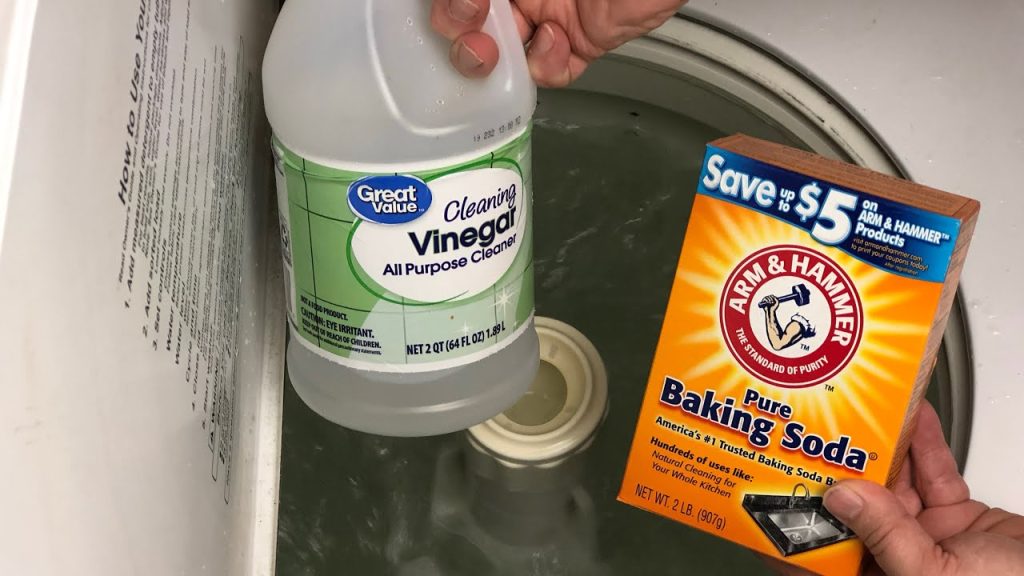
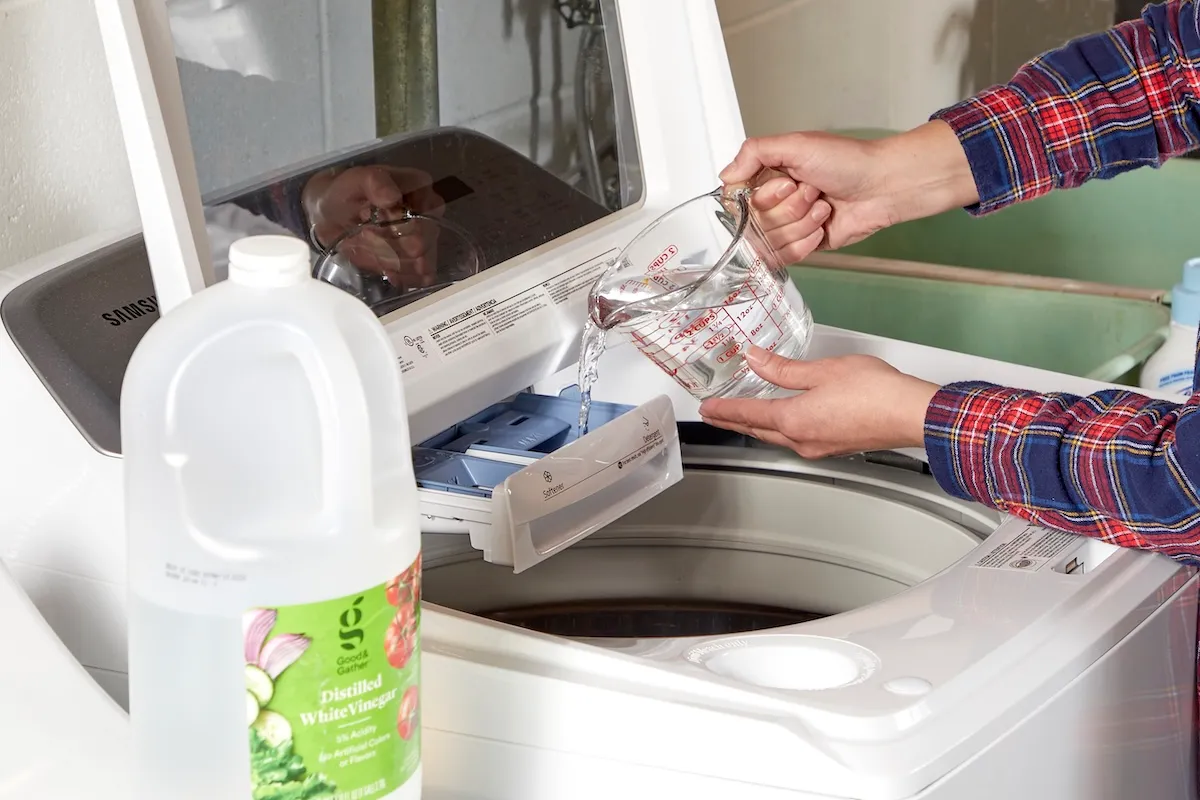
White vinegar is a powerhouse because it doesn’t “coat” the fabric; instead, it strips away the buildup that makes fibers feel rough. In the rinse cycle, it helps lift leftover detergent, hard water minerals, and trapped odors. This chemical-free rinse often leaves clothes feeling softer and significantly reduces static cling.
- Benefits: Eco-friendly, disinfects naturally, and is safe for all machine types.
- How to use: Add 1/2 cup of white vinegar to the fabric softener compartment. The scent will disappear once the garments are dry.
- Safety Note: Never mix vinegar with bleach.
2. Baking Soda (Best for Deodorizing & Softening)
Baking soda supports the cleaning process by regulating pH levels in the wash water. It is especially effective for activewear or towels that have become stiff from sweat and grime. Think of it as a laundry helper that lets your detergent perform better, leaving fabric clean and naturally supple.
- Benefits: Non-toxic, inexpensive, and excellent for sensitive skin.
- How to use: Add 1/4 cup of baking soda directly into the drum with your detergent during the wash cycle.
3. Liquid Castile Soap (Best for Delicates)
Unscented liquid castile soap is a vegetable-based formula that provides a very mild softening effect. It is the preferred choice for silk, lace, and infant garments because it is biodegradable and contains zero harsh fragrances or waxy buildup.
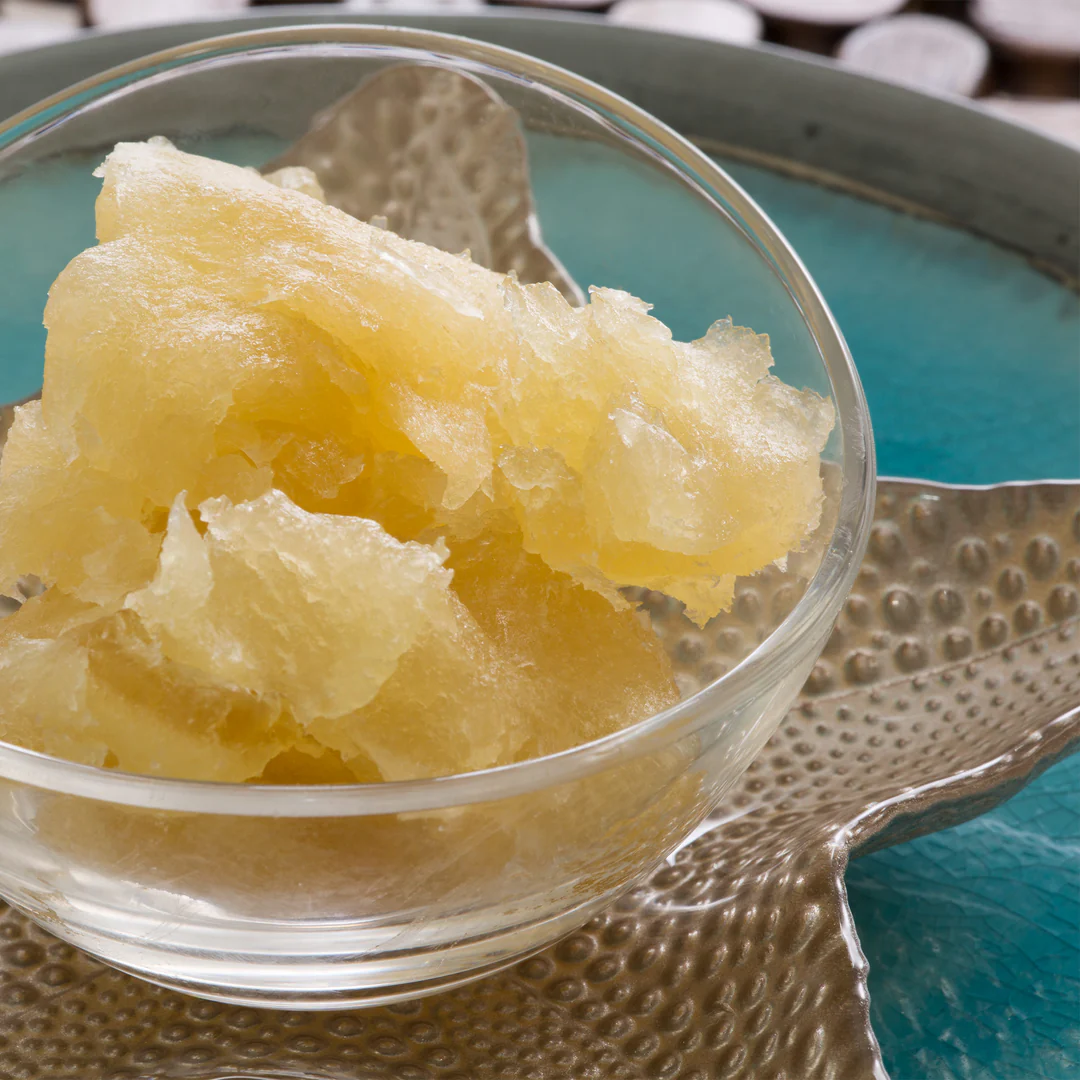
- Benefits: dermatologically gentle and completely biodegradable.
- How to use: Add 1–2 tbsp to the rinse cycle for high-end casual tops or intimates.
4. Wool Dryer Balls (Best Overall Alternative)
Wool dryer balls are the ultimate “one-swap” replacement for dryer sheets. As they bounce, they gently agitate the fabric, allowing hot air to circulate more efficiently. This reduces drying time by up to 25% and naturally neutralizes static charges without any chemicals.
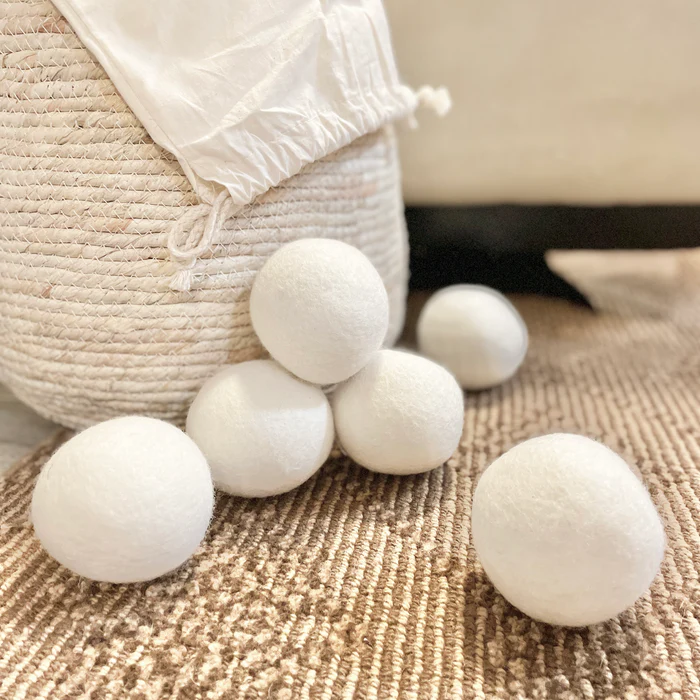
- Benefits: Reusable for over 1,000 loads; hypoallergenic; reduces wrinkles.
- How to use: Toss 3 to 6 balls into the dryer per load.
- Pro Tip: Lightly spray the balls with lavender or citrus essential oil for a natural, premium scent.
Conclusion
Switching to natural fabric softener alternatives protects both your garments and your health. If you are looking for a complete replacement, wool dryer balls are the best all-around investment. For removing heavy buildup and static, white vinegar remains the industry secret. At Mekong Garment, we recommend these methods to our partners to ensure the premium quality of our manufactured apparel lasts for years of wear.
Contact Mekong Garment Factory
- VN Phone/WhatsApp/WeChat: +84 947 729 829
- Email: hanh@kimmy.vn