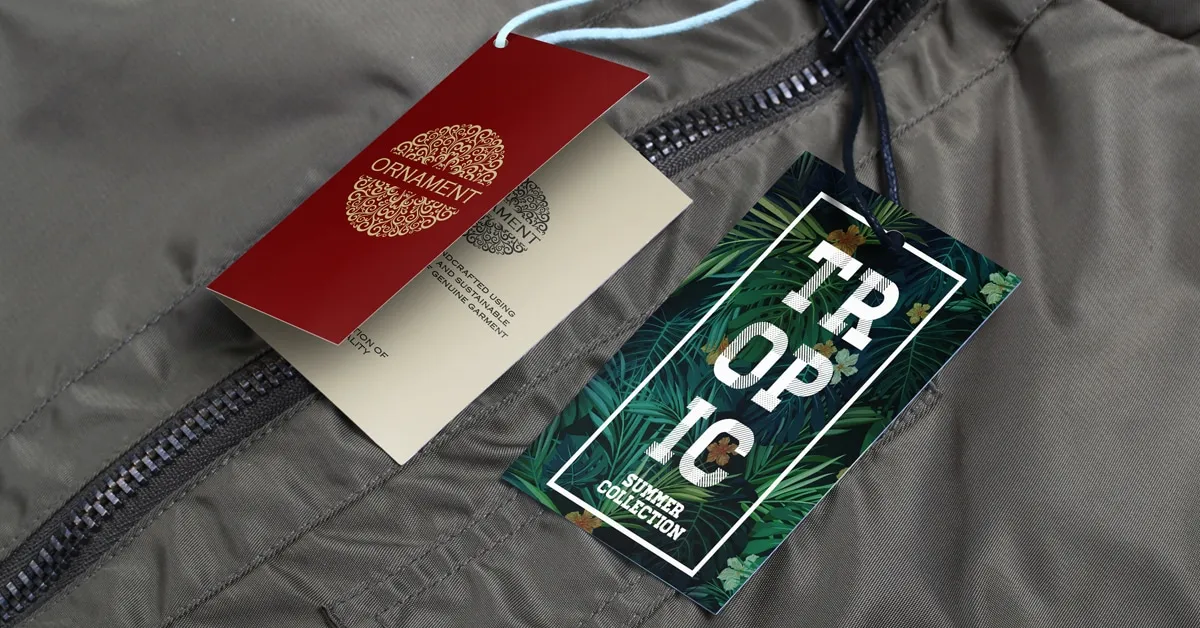
Swing Tags for Clothing: Purpose, Design, Materials, and Best Practices

A swing tag is a small detail with a big impact. Commonly seen hanging from garments, bags, and retail products, it is the tag that carries your brand name, product story, and essential information before the customer even tries the item on. Though simple in appearance, a swing tag can significantly influence how shoppers perceive your product’s quality and value.
What Is a Swing Tag?
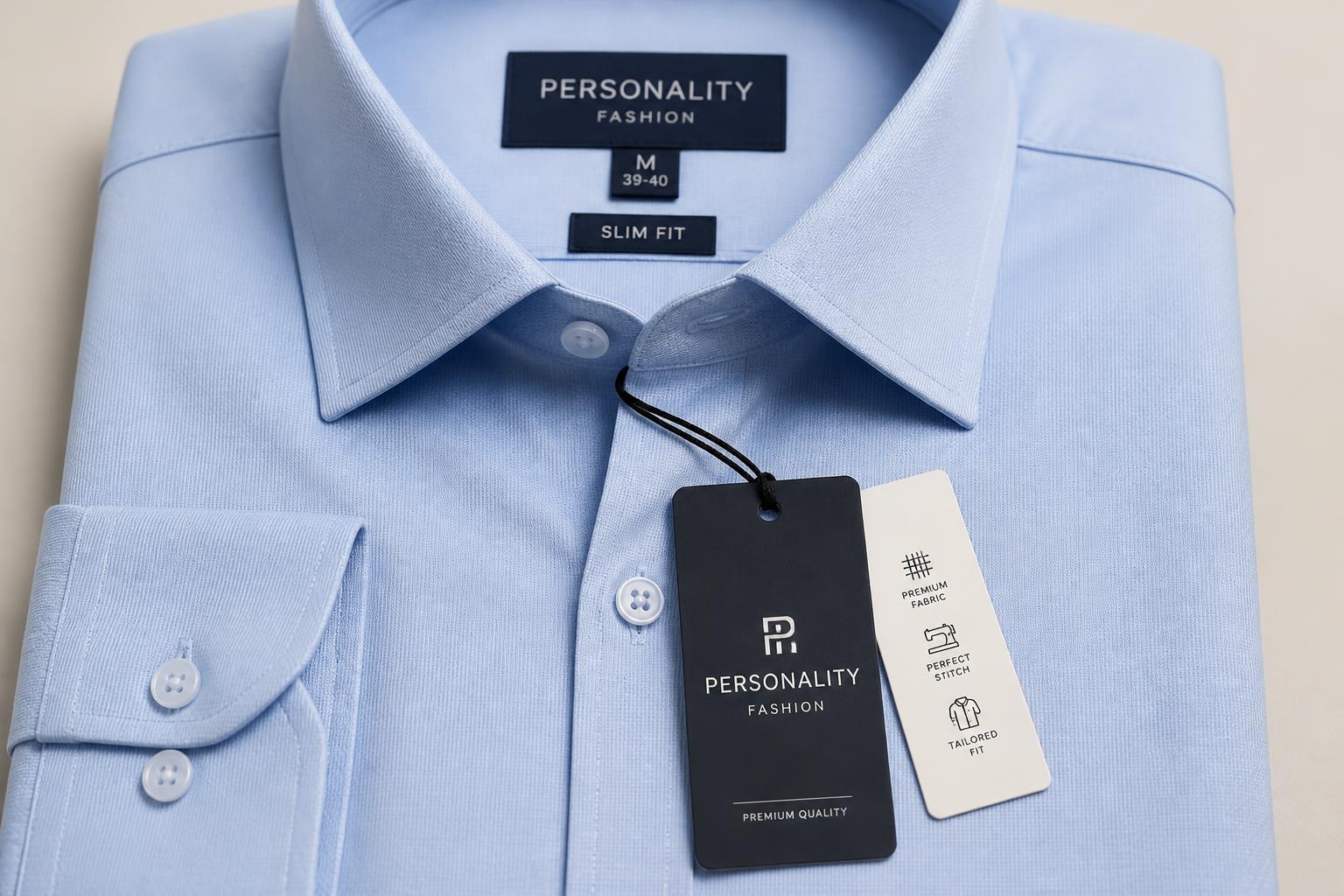
A swing tag (also commonly called a hang tag) is a non-adhesive label attached to a product—most often clothing or accessories—by a string, cord, or plastic barb. While it doesn’t stay on the garment during wear, it plays a key role in branding, retail compliance, and consumer perception. It serves as both a functional information carrier and a powerful visual branding tool.
=> Related Article: 6 Types Of Tag Printing Techniques For Your Apparel Brands
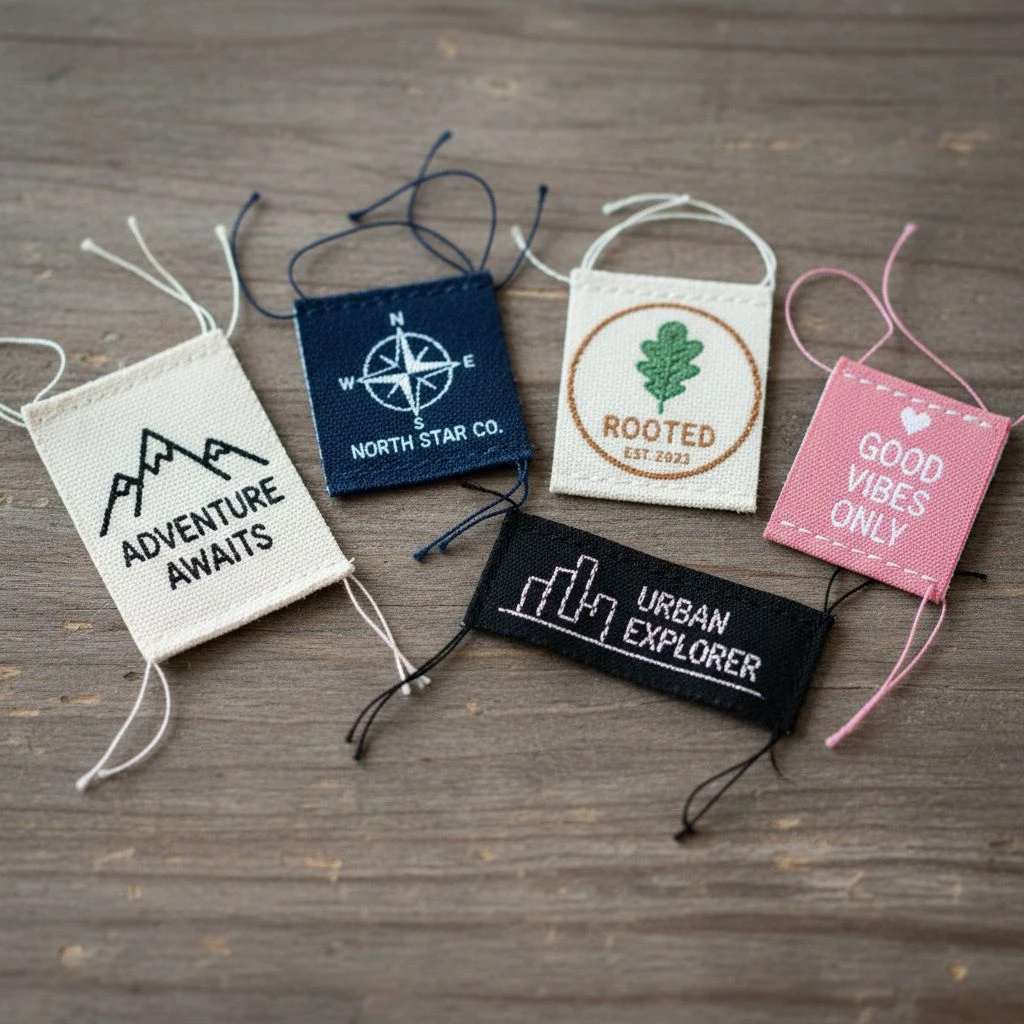
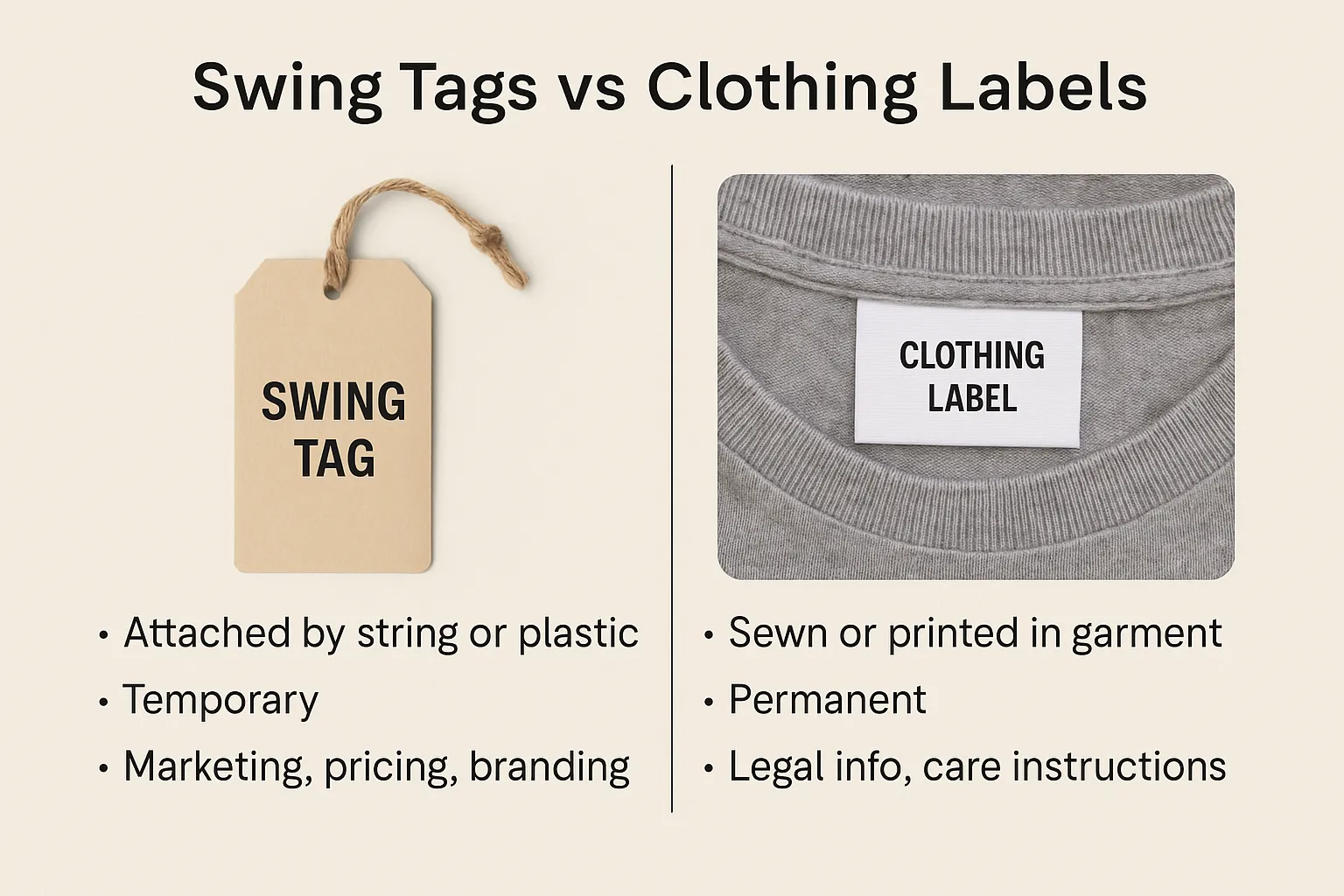
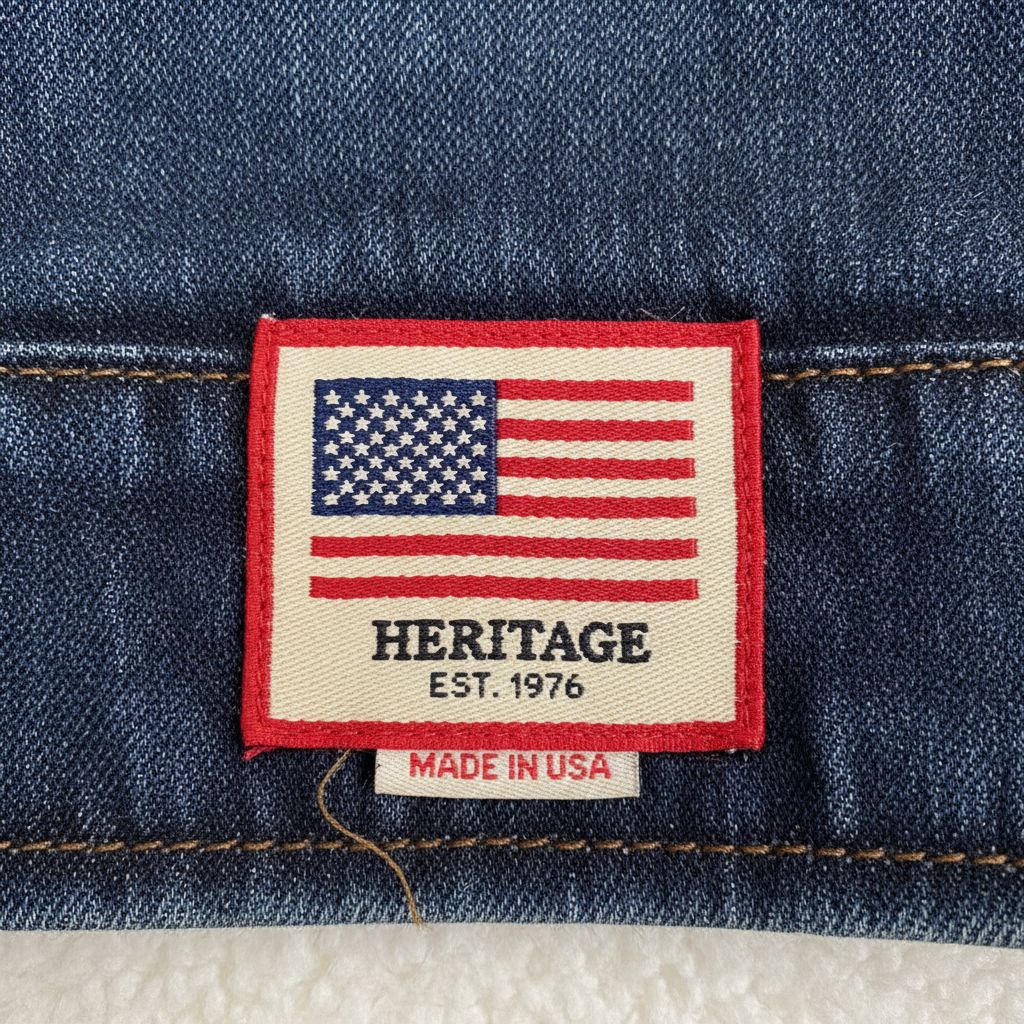
Unlike a woven label or printed care label sewn permanently into a garment, a swing tag is normally attached using:
- Cotton string
- Polyester cord
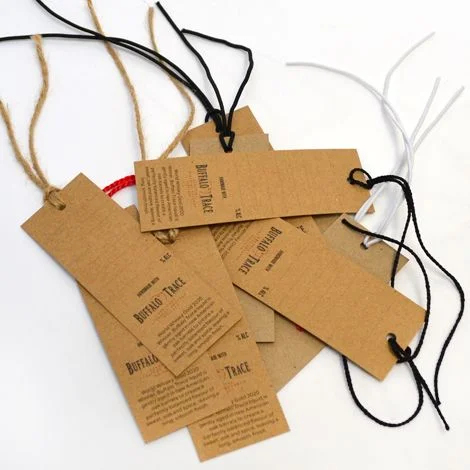
- Jute string
- Plastic fastener
- Safety pin
- Metal pin
- Eyelet and cord
- Custom tag seal
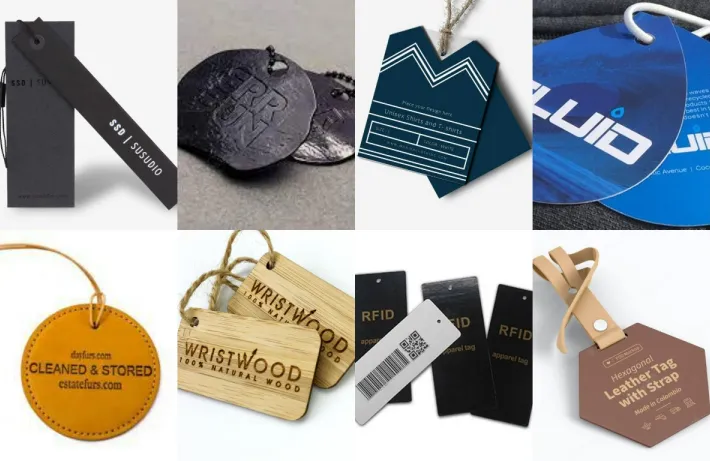
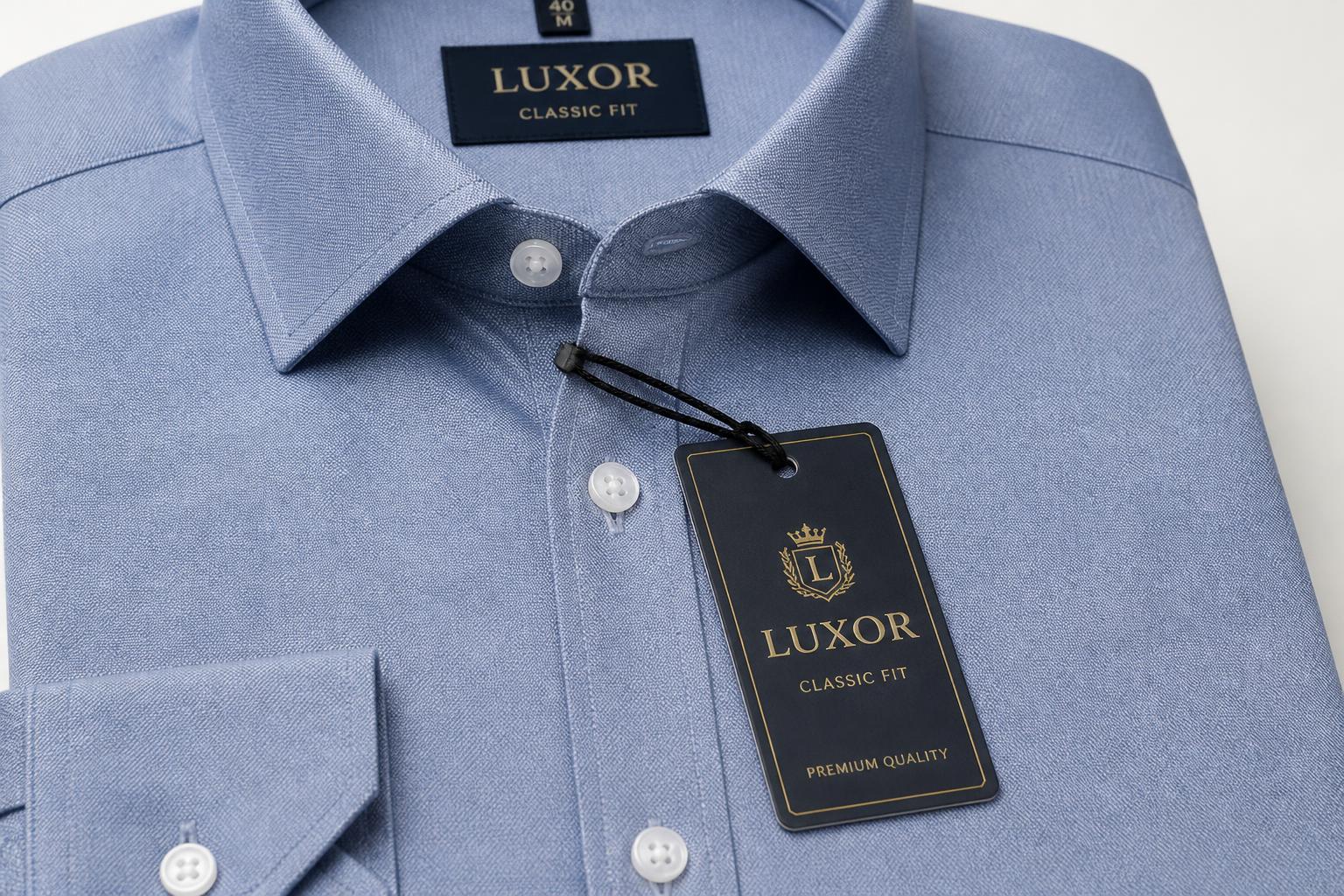
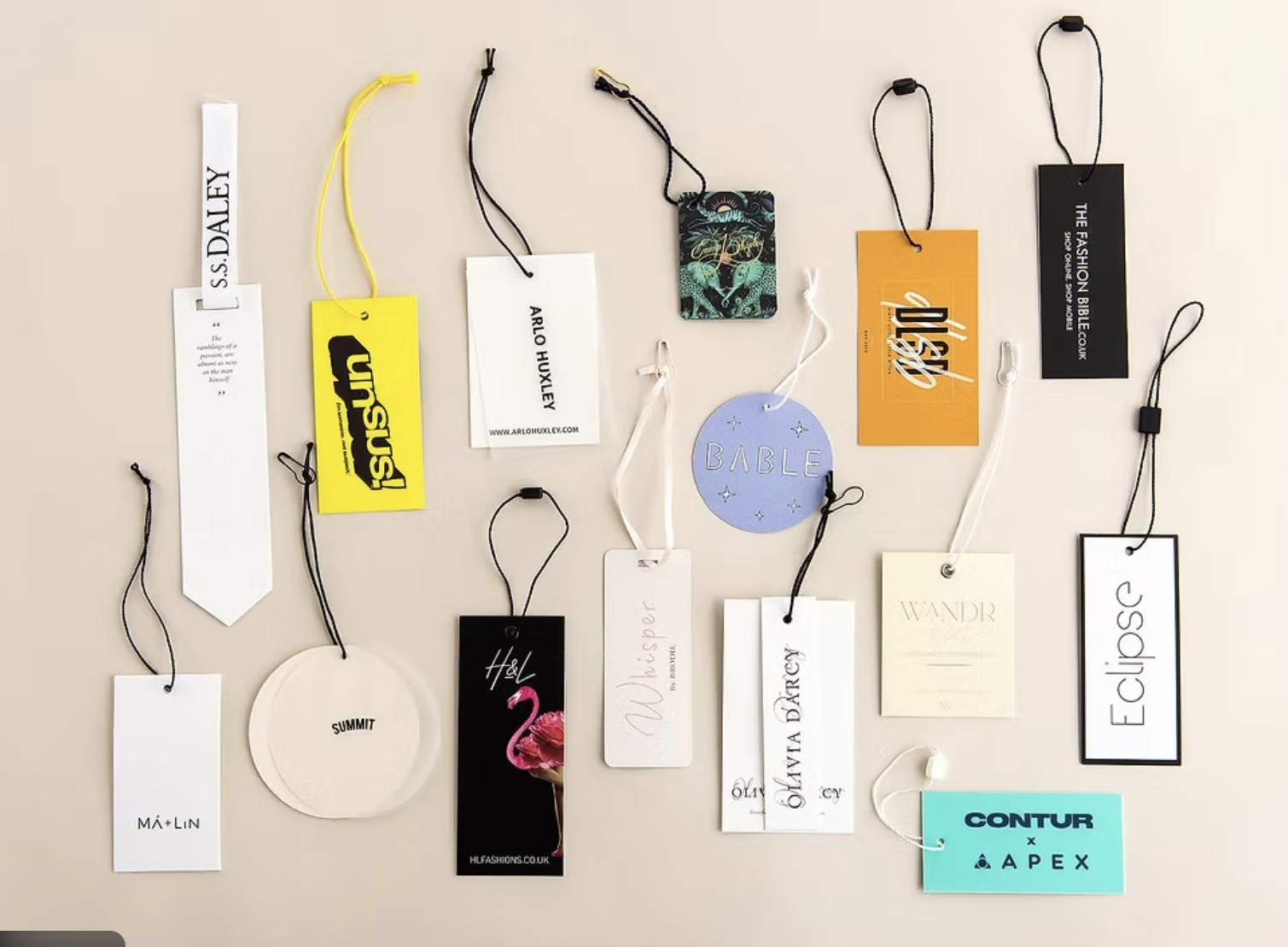
The tag hangs freely from the product and is normally removed by the customer before the garment is worn. Swing tags can be produced in many shapes, sizes, materials, and finishes. A simple clothing brand may use a small printed cardstock tag, while a premium fashion label may use thick textured paper, embossing, foil stamping, custom die cutting, or multiple layered tags.
Construction, Materials & Attachment
The physical build of your tag reflects your brand’s attention to detail. Key considerations include:
- Material: Choices range from standard paperboard (cost-effective) to recycled kraft paper (eco-friendly) or even synthetic films for rugged use.
- Thickness (GSM): Heavier cardstock provides a sturdier, more luxury feel compared to thin paper.
- Finishes: Options like matte/gloss lamination, UV varnish, or metallic foil impact both durability and aesthetic appeal.
- Attachment: Uses punched holes with reinforced eyelets/grommets for cotton strings, jute cords, or plastic fasteners.
Why Swing Tags Matter
At first glance, a swing tag might seem like just a piece of card, but it is one of the first physical touchpoints between your brand and the buyer. Swing tags matter for several reasons:
- Branding: A prime space for your logo and visual identity to create a strong first impression.
- Information & Compliance: Delivers essential details like size, fiber content, care instructions, and country of origin.
- Perceived Value: Premium materials and finishes (like foil or embossing) elevate the product’s image and support higher pricing.
- Retail Logistics: Includes barcodes and SKUs for easy tracking and inventory management at the point of sale.

Strengthen Brand Identity
The swing tag is another opportunity to show customers who your brand is. It can carry elements such as:
- Brand logo
- Brand colors
- Typography
- Slogan
- Brand message
- Website
- Social media information
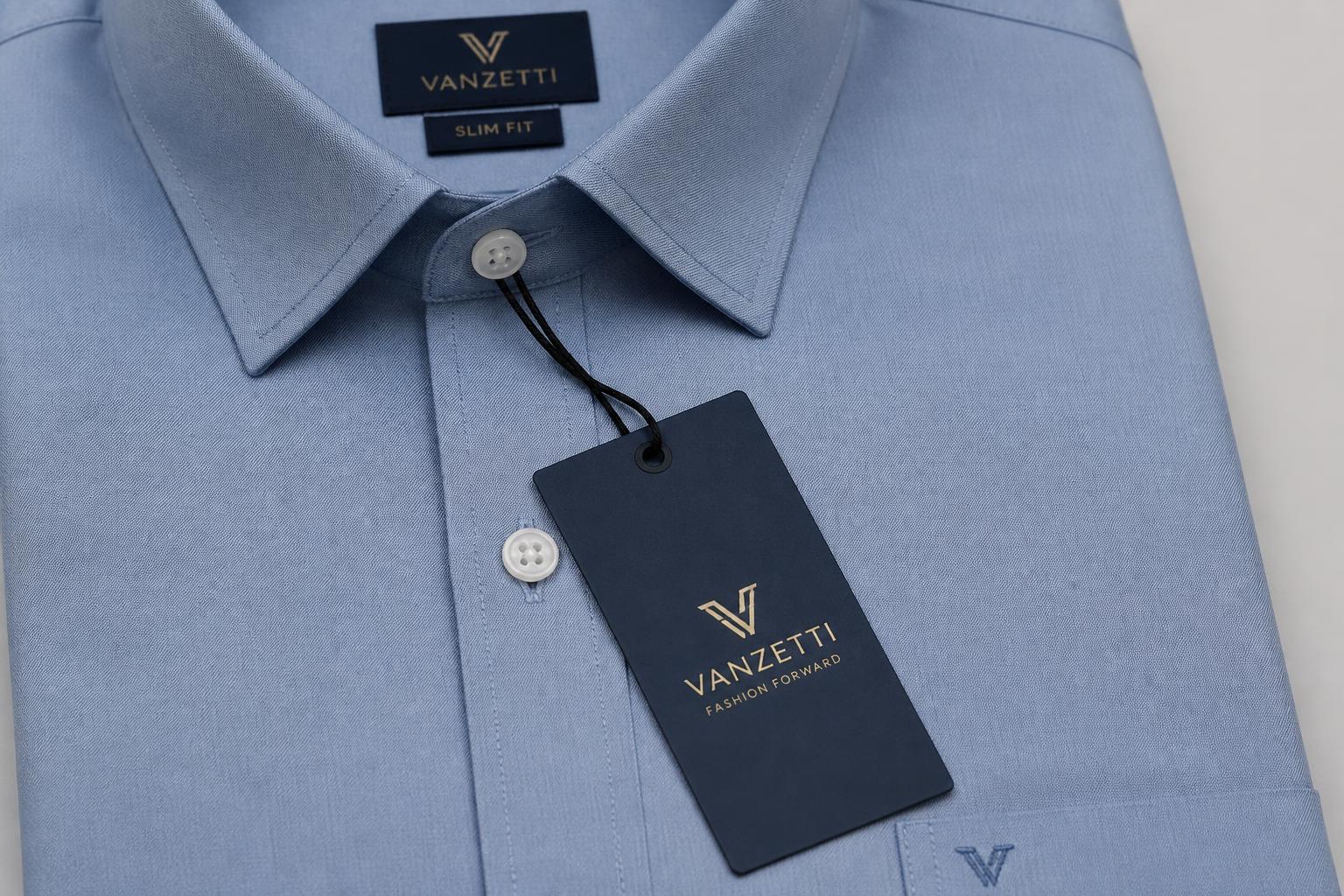
Consistency matters. If your garment, packaging, labels, and swing tags all follow the same visual style, the product feels more complete and professional. For a premium clothing brand, for example, a thick matte tag with simple typography may support a clean luxury image. For an outdoor brand, recycled kraft paper, natural cord, and earthy colors may communicate durability and sustainability. The design should match the personality of the clothing.
Communicate Important Product Information
Customers often look at tags before deciding whether to buy. A swing tag can quickly provide useful product information such as:
- Product name
- Size
- Color
- Style number
- SKU
- Collection name
- Retail price
- Material highlights
- Product features
Instead of forcing customers to search for this information elsewhere, the tag places it directly next to the product. Clear information can make the shopping experience easier and reduce confusion at the point of sale.
Support Retail and Inventory Management
Swing tags are also practical tools for retailers. They often contain:
- Barcode
- SKU
- QR code
- Style number
- Product variant
- Price
- Inventory reference
These details allow stores, warehouses, and distribution teams to identify and track products more efficiently. For brands selling several sizes and colors of the same style, accurate swing tag information becomes especially important. A wrong barcode or SKU can cause inventory problems, shipping errors, and checkout issues.
Increase Perceived Product Value
Presentation affects how customers judge a product. Two identical garments can feel very different depending on how they are presented. A thin, poorly printed tag may make a product appear inexpensive. A carefully designed tag with quality paper, clean printing, and good finishing can create a much stronger impression.
Premium finishing options may include:
- Embossing
- Debossing
- Gold or silver foil
- Spot UV
- Matte lamination
- Gloss lamination
- Textured paper
- Die-cut shapes
- Metallic eyelets
These details should be used carefully. More finishing does not automatically mean better design. In many cases, a simple tag with good paper, strong typography, and balanced spacing looks more premium than a tag filled with decorative effects.
Essential Information to Include
The goal is to provide facts at a glance while reinforcing your identity. Common elements include:
- Brand Identity: Logo, tagline, and brand mission snippet.
- Product Data: Size, color name, SKU, and collection name.
- Operational Data: Barcodes, QR codes, and retail pricing.
- Storytelling: Highlight sustainable materials or the craftsmanship behind the piece.
- Legal Text: Country of origin and regulatory fiber composition.
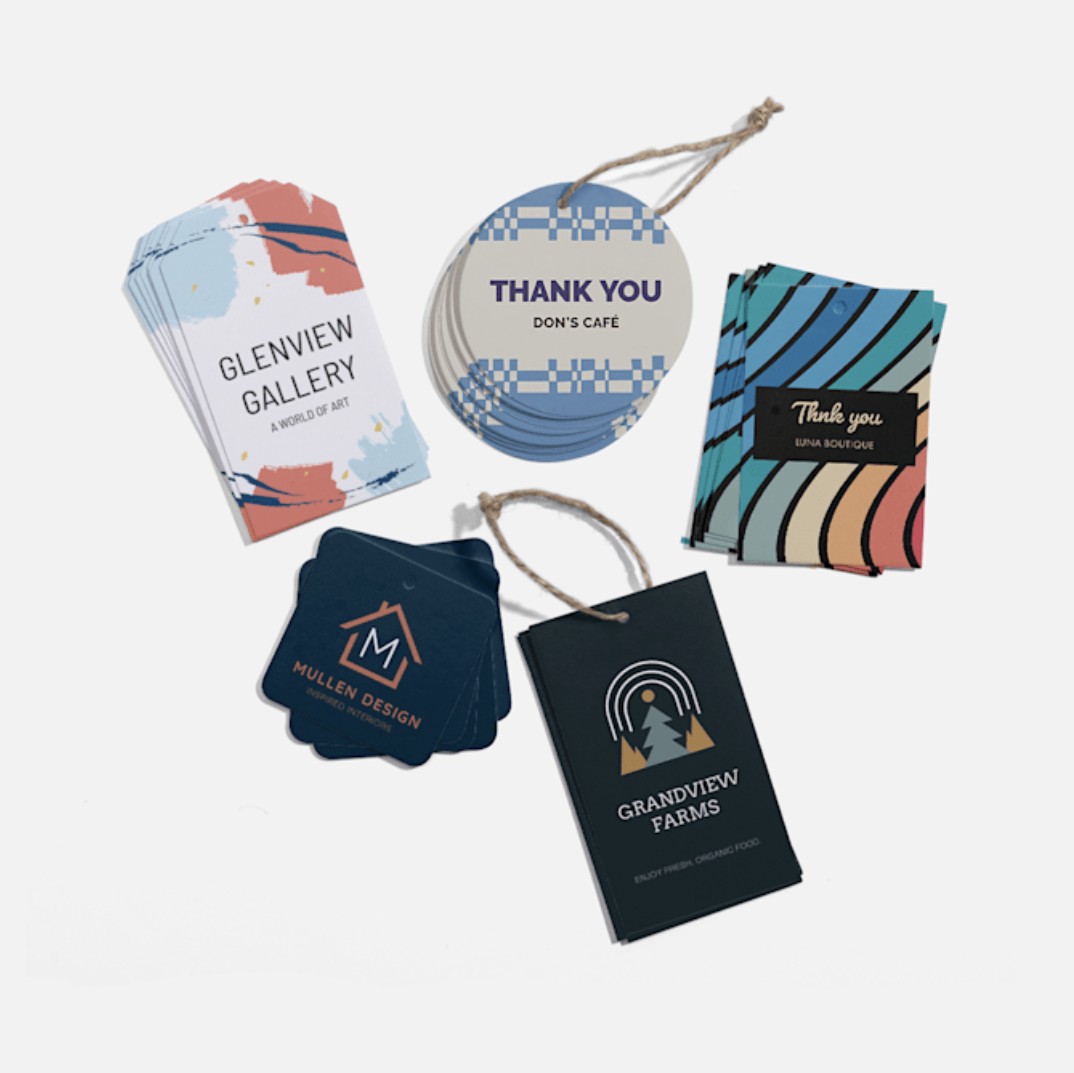
Brand Information
This may include:
- Logo
- Brand name
- Tagline
- Website
- Social media account
The front of the tag is often kept simple, with only the logo or brand name. More detailed information can be placed on the back.
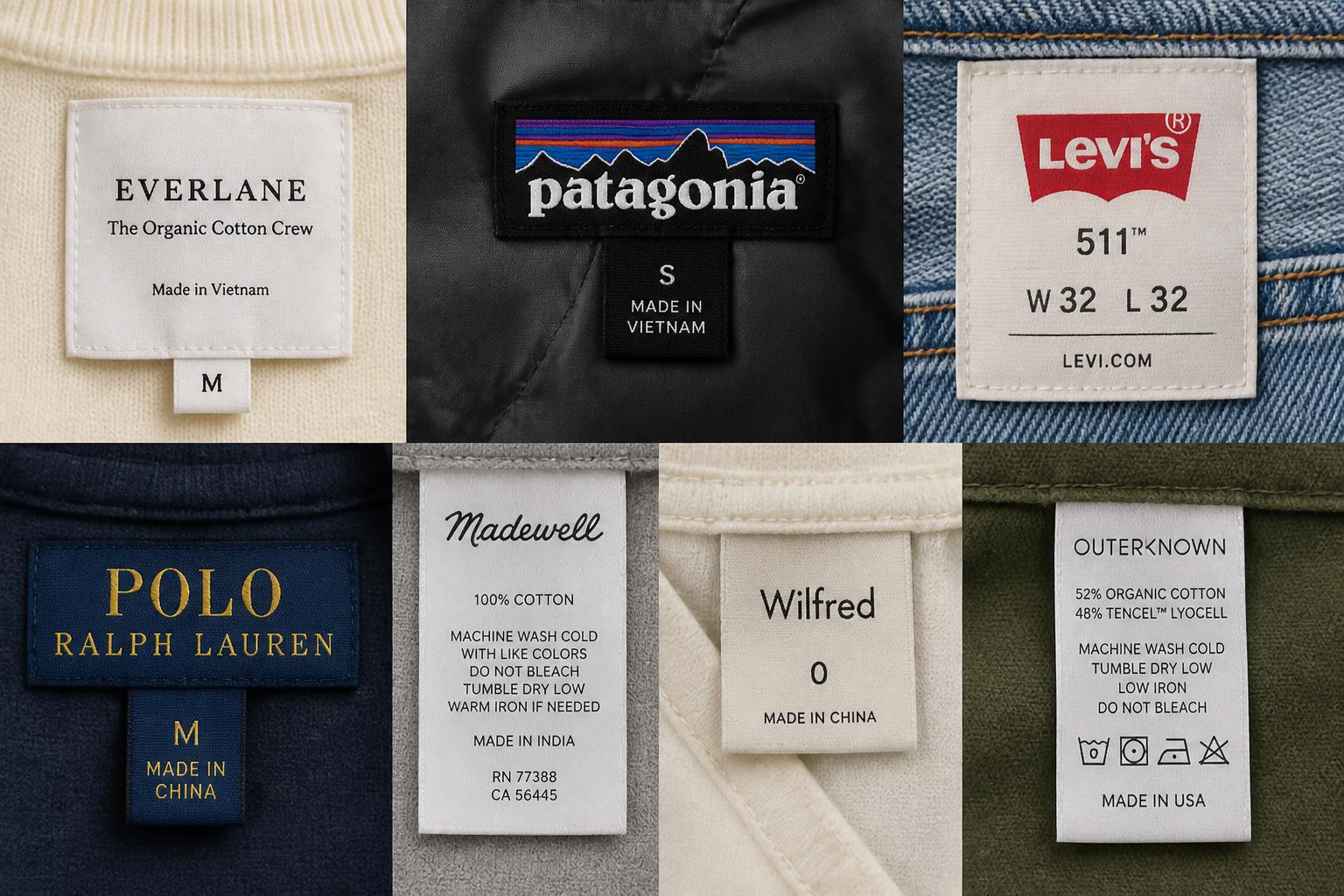
Product Information

Depending on the product, you may include:
- Product name
- Style number
- Size
- Color
- Collection
- SKU
Make sure this information matches the garment, packaging, purchase order, and retail system.
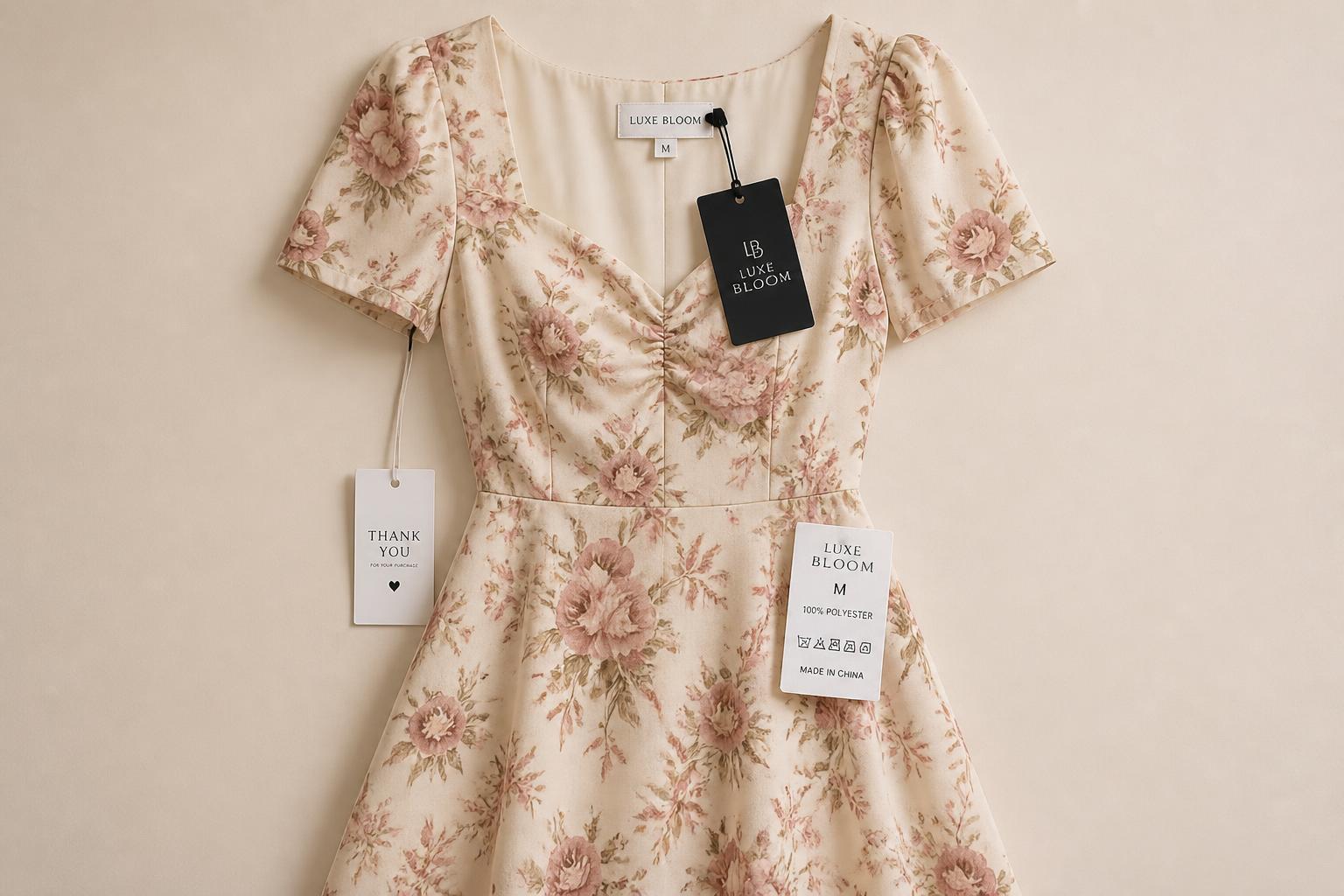
Barcode and Price
Retail products often require barcodes for scanning and inventory control. Leave enough blank space around the barcode and avoid placing it over complex patterns or dark backgrounds. Always test printed barcodes before bulk production. A barcode that looks correct on a computer screen may still fail when scanned after printing.
QR Code
QR codes can connect physical garments with digital content. For example, a QR code may lead customers to:
- Product pages
- Brand websites
- Size guides
- Styling ideas
- Sustainability information
- Product registration
- Social media pages
- Care guides
Before printing thousands of tags, test the QR code using several phones and make sure the destination URL will remain active.
Brand Story
Swing tags can also help explain what makes a garment different. A short message may highlight:
- Fabric selection
- Craftsmanship
- Sustainable materials
- Local production
- Special washing techniques
- Product inspiration
- Brand values
Keep the message short. A swing tag has limited space, so it is usually better to provide one memorable message instead of a long paragraph.
Design & Production Strategy
Your swing tag is a miniature billboard. A luxury label might favor thick matte cards with gold foil, while a sustainable brand opts for earthy tones on recycled stock. Keep these cost factors in mind:
- Print Run Size: Smaller batches usually have higher per-unit costs.
- Lead Times: Custom die-cuts or special finishes can increase production time; plan early to avoid delaying the whole garment shipment.
- Versatility: Design a “universal” tag that works across seasons to reduce inventory risk.
Retail-Ready Checklist
- Ensure barcodes are sharp and easily scannable.
- Double-check all spelling and legal compliance details.
- Test the attachment method to ensure it doesn’t damage the fabric.
- Coordinate delivery so tags arrive at the factory before the final packaging phase begins.

Conclusion / Final Words
A swing tag may be small, but it has an important job. It introduces the brand, communicates product information, supports retail operations, and contributes to the customer’s first impression of a garment. The best swing tags are not necessarily the most expensive or complicated. They are the ones that combine clear information, strong branding, suitable materials, accurate production, and practical attachment. For apparel brands, the key is to treat swing tags as part of the garment development process rather than something added at the last minute. When the garment, labels, swing tags, packaging, and presentation all work together, the finished product feels more consistent and retail-ready.
FAQs About Swing Tags
What is the main purpose of a swing tag?
A swing tag provides key information about a product such as brand name, size, price, fabric composition, or care details while enhancing the item’s presentation. It helps customers quickly understand product features and supports brand recognition before purchase. For apparel and retail brands, swing tags are both functional and a strong visual marketing tool.
Are swing tags the same as clothing labels?
No. Clothing labels are sewn or printed directly onto garments and stay with the product after purchase. Swing tags, on the other hand, are temporary and attached by a string or plastic fastener. They’re removed before wearing but serve as the first point of contact for customers during shopping.
What materials are commonly used for swing tags?

Swing tags are typically made from paperboard, kraft card, or recycled paper, depending on the brand’s look and sustainability goals. Premium brands may use textured cardstock, foil accents, or even wood, metal, or fabric tags for a luxury feel. Eco-friendly options such as FSC-certified or recycled paper are increasingly popular.
What information should appear on a swing tag?
Common details include the brand logo, product name or code, price, size, barcode or QR code, care instructions, and country of origin. Many brands also include sustainability messages or social media links to boost engagement. The goal is to combine essential product information with brand storytelling in one compact space.
How are swing tags attached to products?
They’re usually attached using cotton strings, jute cords, or plastic fasteners inserted through a small punched hole. The attachment must be strong enough to handle shipping and in-store handling but easy for customers to remove. Some high-end brands use custom embossed cords or metal clips for a distinctive touch.
What size should a swing tag be?
There’s no fixed rule, but most swing tags measure between 50 × 90 mm and 70 × 120 mm. The ideal size depends on how much information you need to include and your product type. Larger tags allow for storytelling and visuals, while smaller tags suit minimalist designs or delicate items.
How can swing tags help in marketing?
A creative swing tag does more than inform it communicates brand personality. Through design, texture, and message, it reinforces brand value and creates an emotional connection with shoppers. Adding QR codes or website links can also drive online traffic and post-purchase engagement.