What Is Denim Fabric? Types of Denim Fabrics and Their Pros and Cons

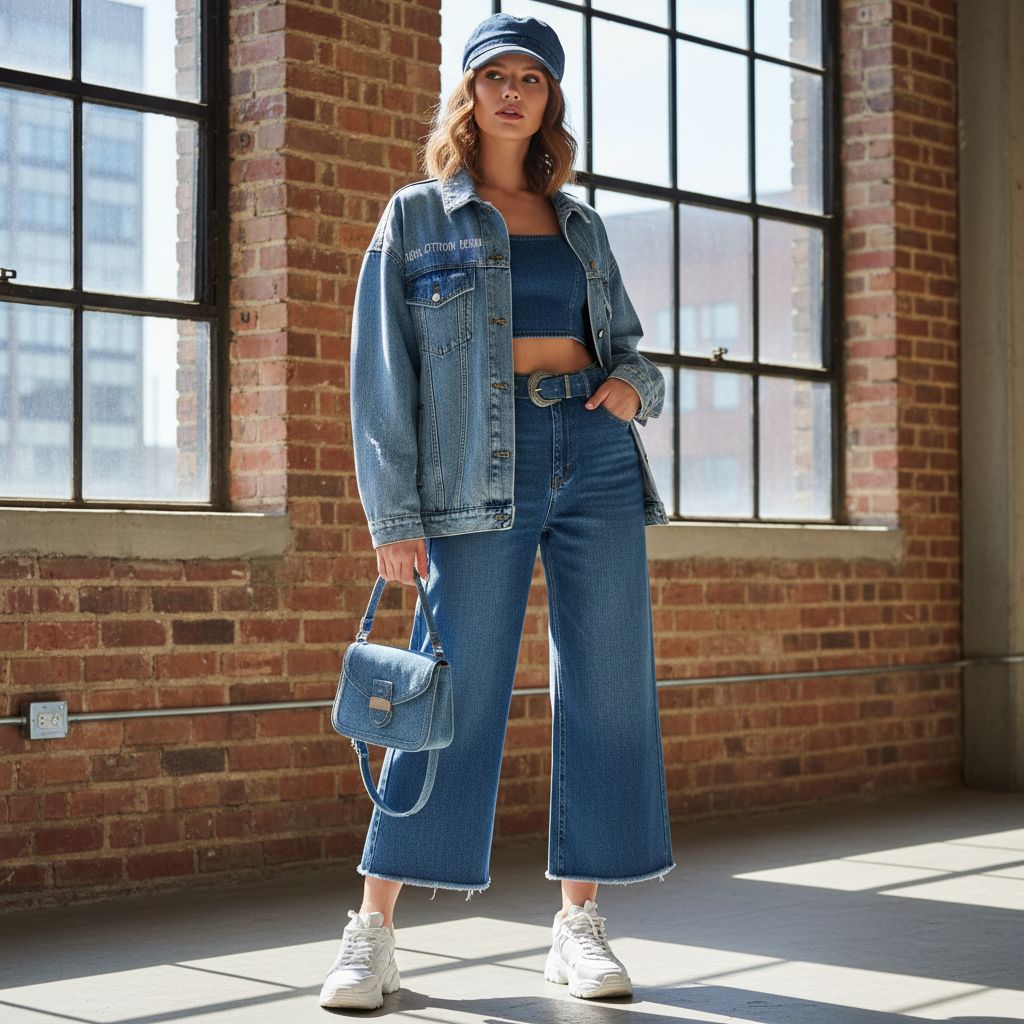
Denim fabric is one of the most popular and widely used materials in the fashion industry. From jeans and jackets to skirts and bags, this fabric has maintained its appeal for decades. It is valued not only for its durability, but also for its youthful, stylish, and versatile look. Let’s explore in detail below.
=> Related Article: Is Denim the Same as Jeans? Fabric vs. Finished Garment
What Is Denim Fabric?
Denim, also commonly referred to as jean fabric, is a sturdy and durable textile usually made from cotton yarn and woven in a twill structure. This fabric is known for its diagonal ribbing, firm texture, and high resistance to wear and tear. One of the most recognizable features is that the warp yarns are typically dyed with indigo, while the weft yarns remain white.
Denim is a durable woven fabric traditionally made from 100% cotton using a 3/1 twill weave. This weaving method creates the distinctive diagonal lines visible on the fabric surface, giving denim its strength and resistance to wear – Traditional indigo dyed denim fabric
The Origin: A Brief History of Denim
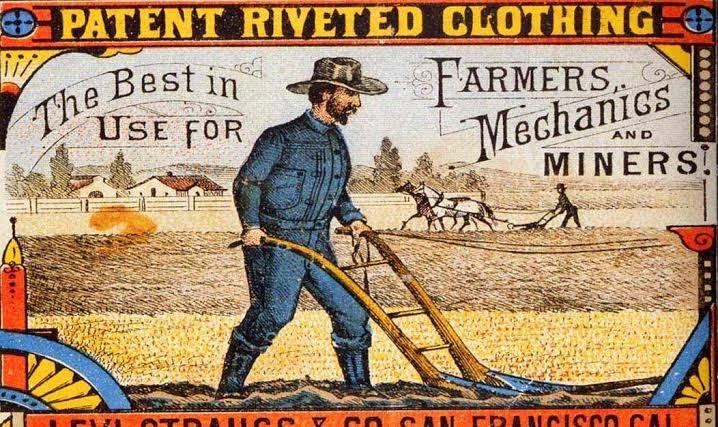
The word “denim” originated from the French phrase Serge de Nîmes, referring to a strong fabric produced in the city of Nîmes, France. Denim gained worldwide popularity during the late 19th century when it became the preferred material for durable workwear. Over time, it evolved from practical clothing into a global fashion staple worn by people of every age and lifestyle. Today, denim remains one of the world’s best-selling apparel fabrics.
The production process involves fiber preparation, spinning yarns, yarn dyeing (indigo), and weaving into a twill pattern.
Production Process: How Denim Fabric Is Made
The manufacturing process involves several important steps:
- Cotton fibers are cleaned and spun into yarn.
- Warp yarns are dyed using indigo or sulfur dyes.
- The yarns are woven into a twill structure.
- The fabric is finished through treatments such as sanforizing, washing, brushing, coating, or enzyme finishing.
- The finished denim is inspected before garment production.
Modern mills also use environmentally friendly technologies that reduce water consumption, chemical usage, and energy during production.
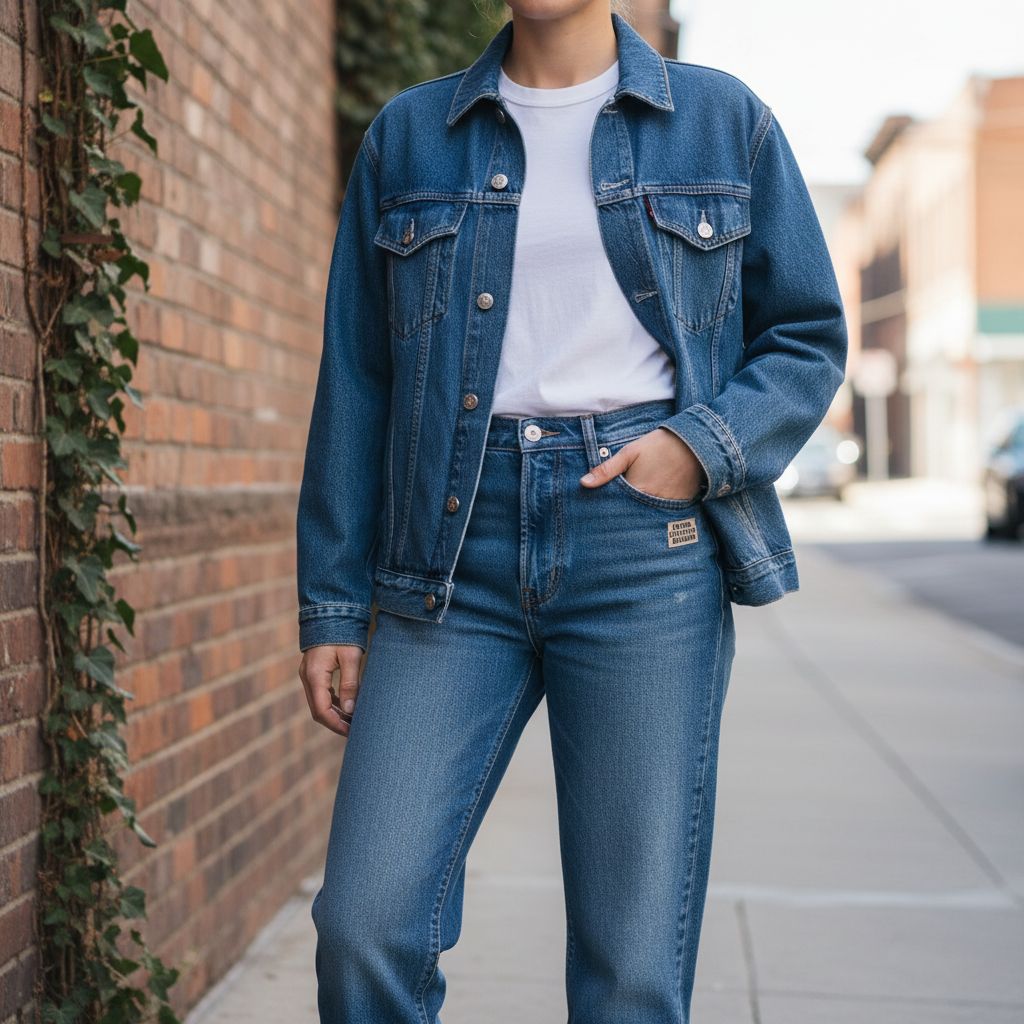
Denim has moved far beyond its workwear roots to become a global fashion icon. Modern treatments like softening or preshrinking are often added to lower production costs and improve comfort – Industrial denim weaving process – Industrial denim weaving process
What Makes Denim Fabric Unique?
Denim fabric has earned its place as one of the most iconic materials in the fashion industry. Its combination of durability, versatility, and timeless appeal makes it a favorite for clothing manufacturers, fashion brands, and consumers around the world. Unlike many fabrics that fall in and out of fashion, denim continues to evolve while maintaining its classic character.
- High Durability: Dense weave resists abrasion and tearing.
- Good Shape Retention: Garments look structured and neat.
- Timeless Appeal: Stays relevant regardless of fashion trends.
- Versatile Colors: Available in indigo, black, gray, and washed finishes.
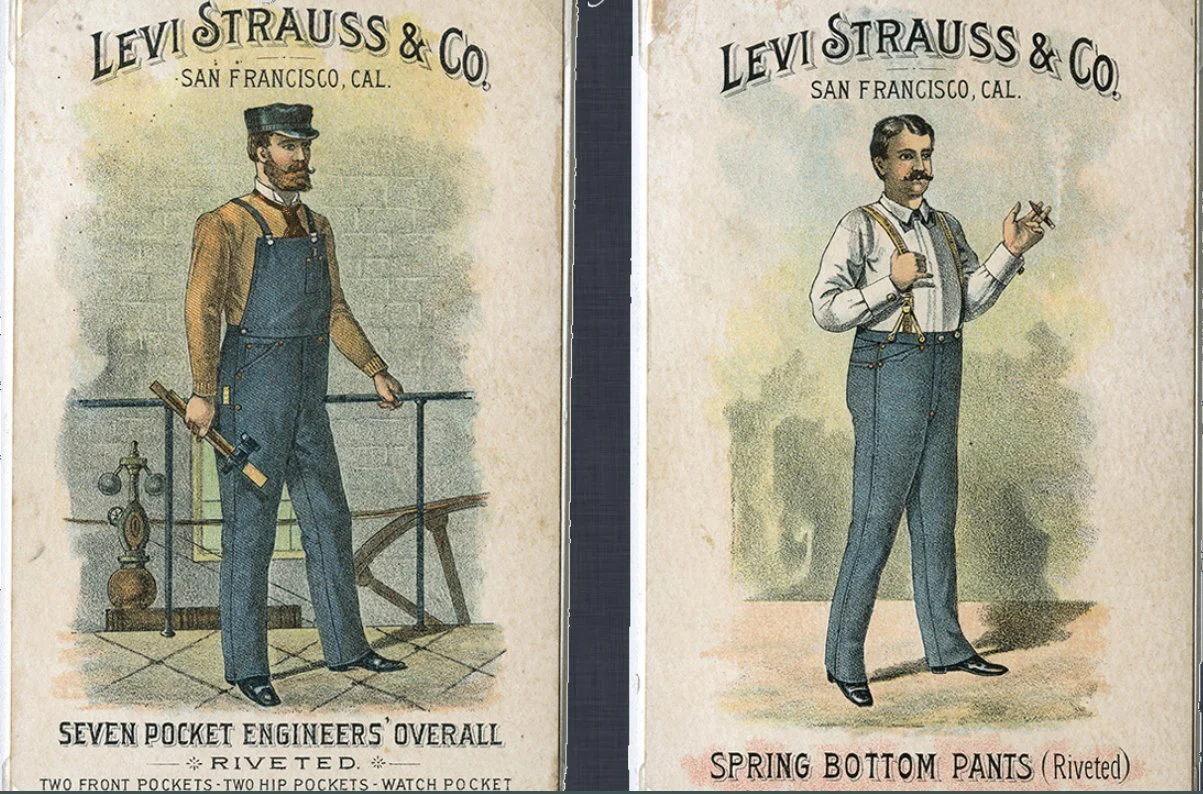
Exceptional Durability
One of the biggest advantages of denim fabric is its outstanding durability. Thanks to its twill weave construction, denim is highly resistant to abrasion, tearing, and everyday wear. This makes it an excellent choice for garments that are designed for frequent use, such as jeans, jackets, and workwear.
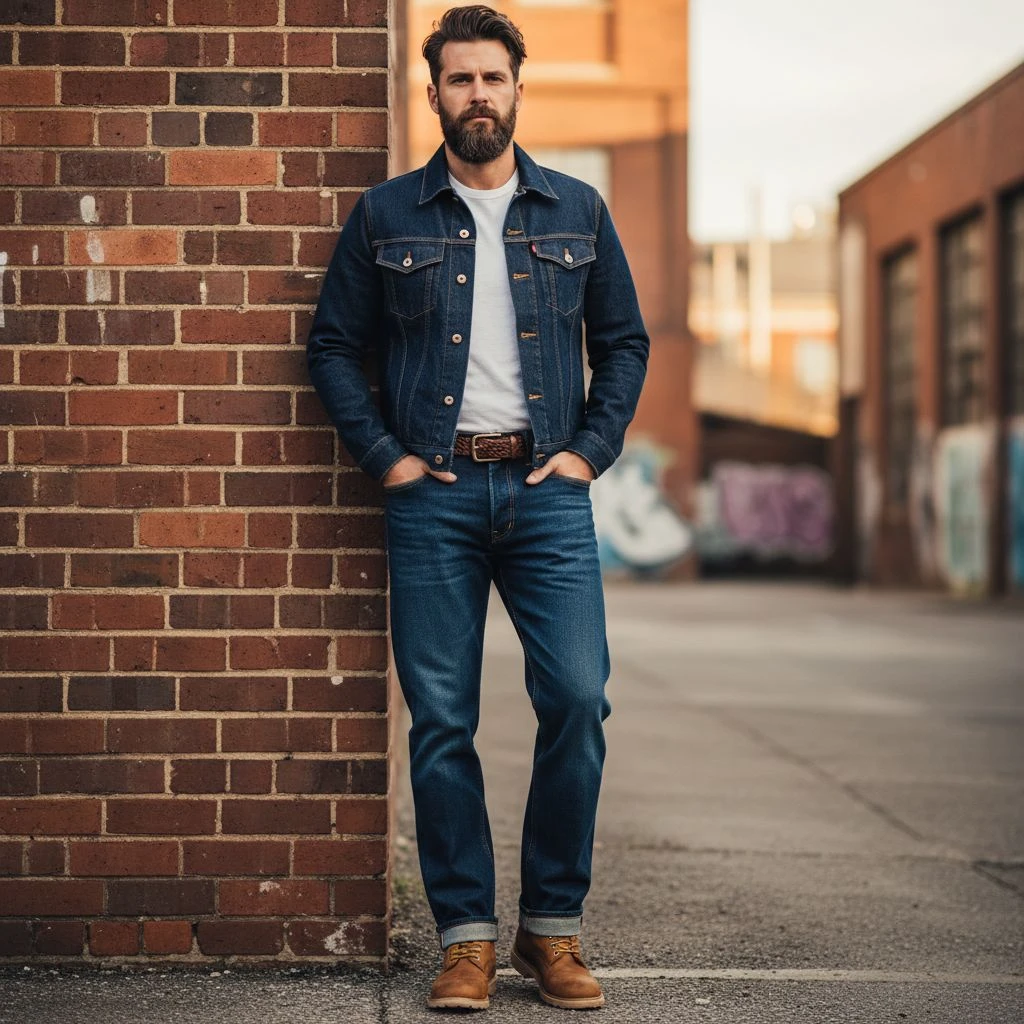
Timeless Fashion Appeal
Fashion trends change every season, but denim never goes out of style. Whether featured in classic blue jeans, modern streetwear, or luxury designer collections, denim remains a wardrobe essential for people of all ages. Its enduring popularity makes it a smart investment for both brands and consumers.
Comfortable Over Time
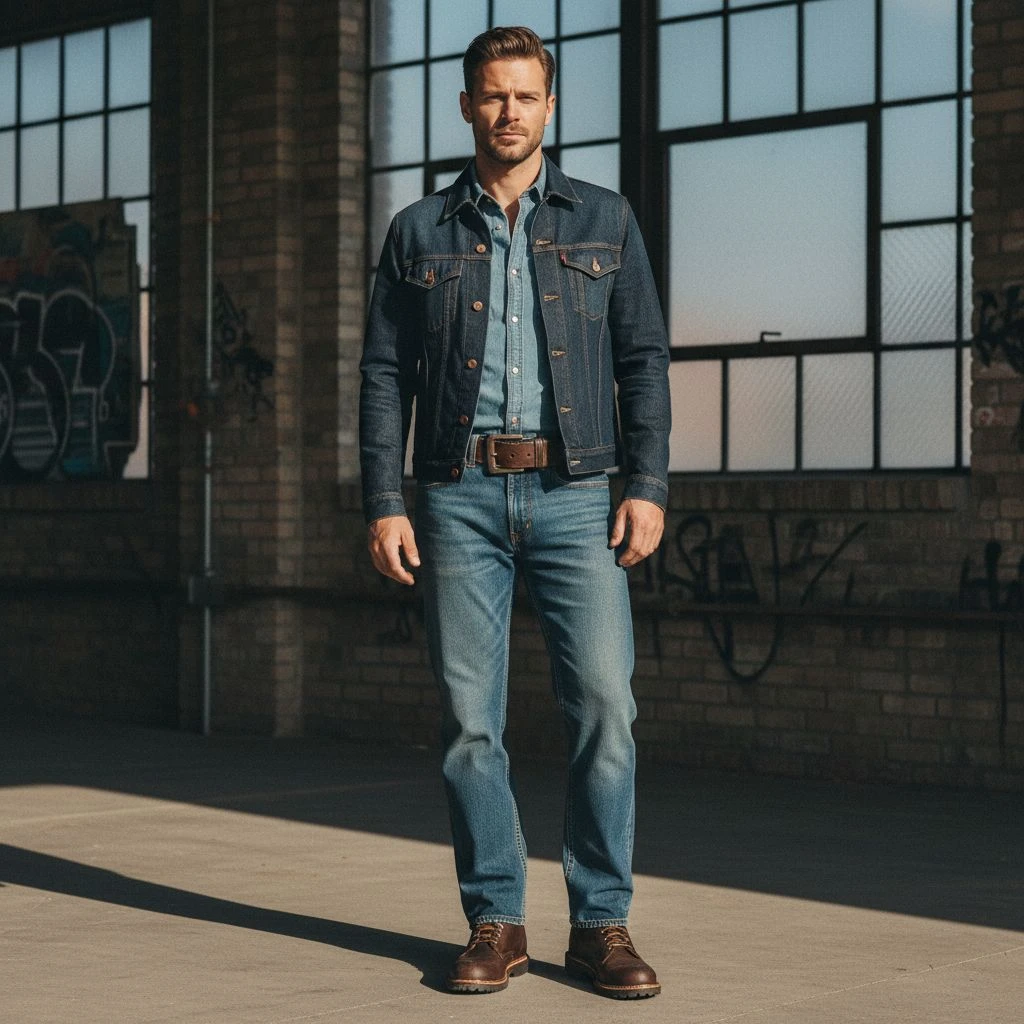
Although new denim may feel firm at first, it becomes softer and more comfortable with regular wear. High-quality denim gradually adapts to the wearer’s body, creating a personalized fit while maintaining its shape and strength.
Versatile for Every Style
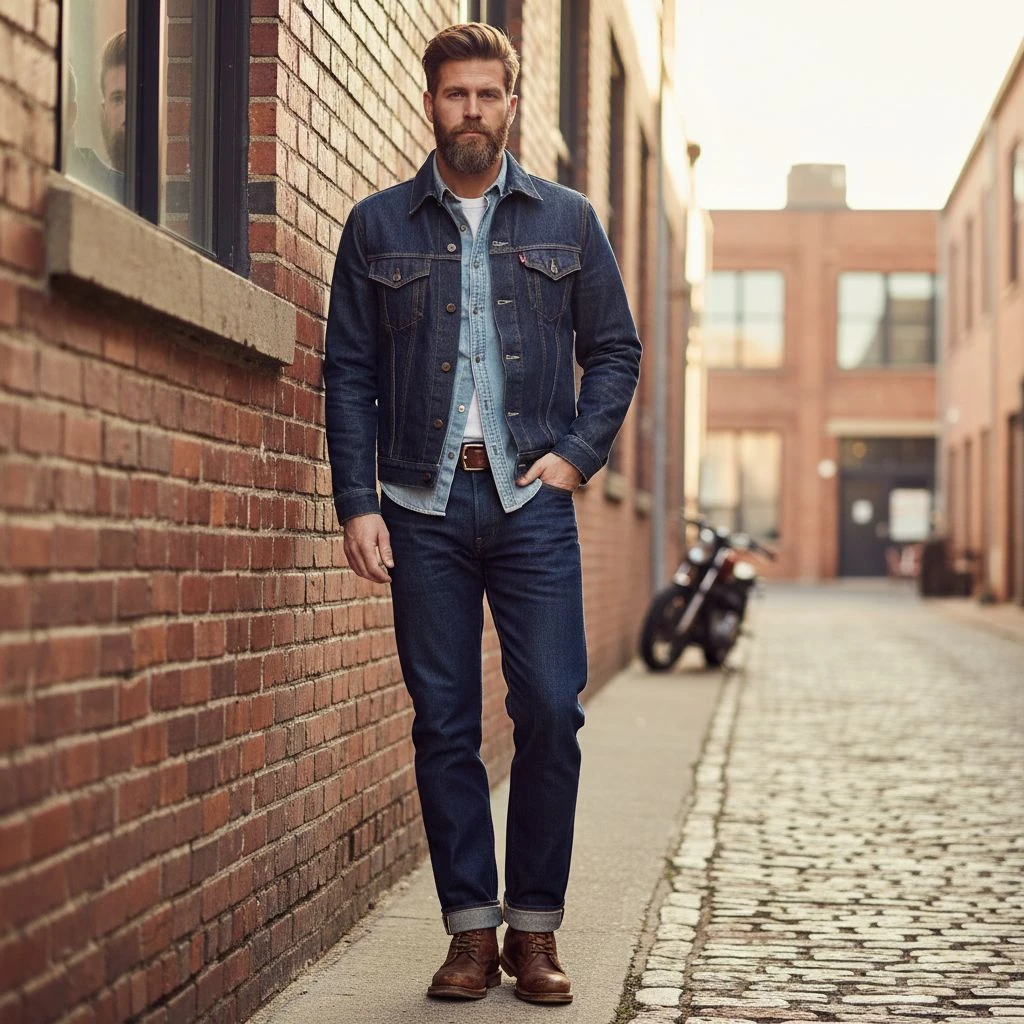
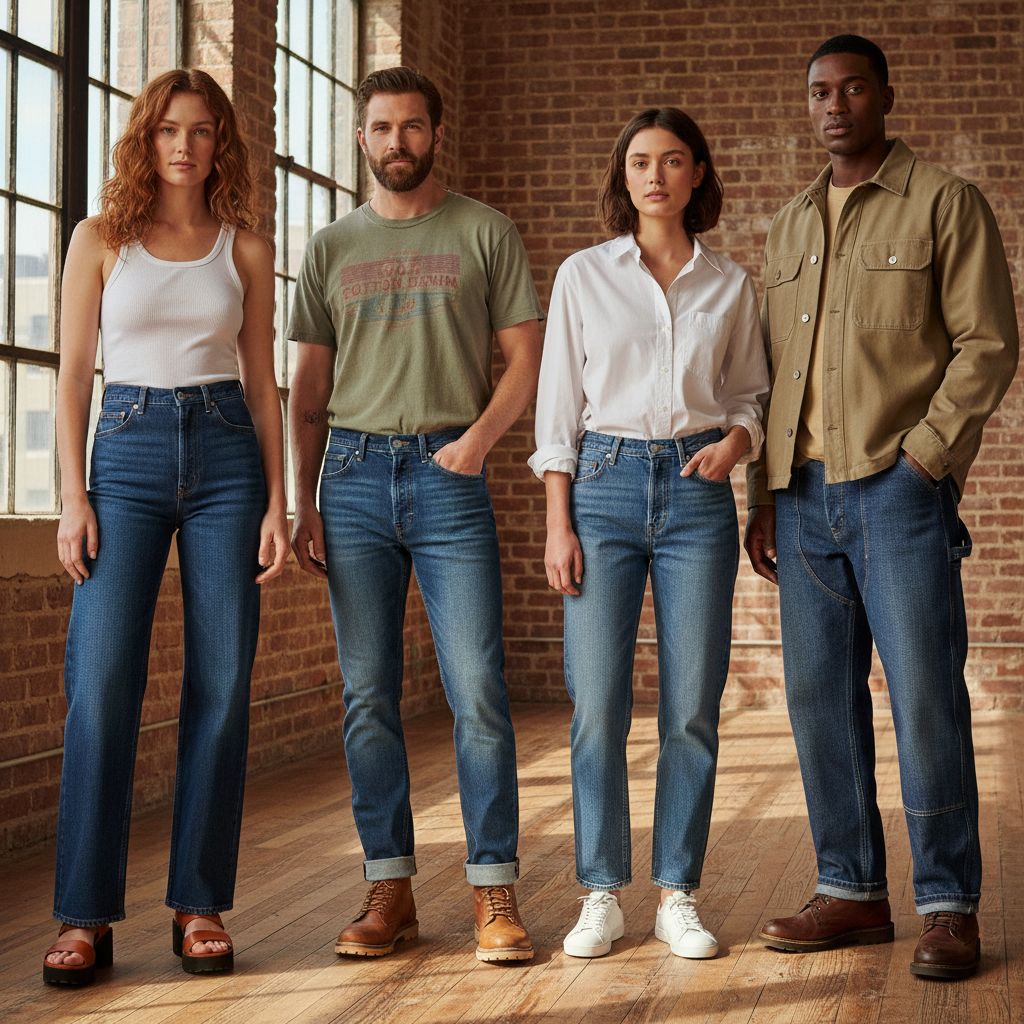
Denim is one of the most versatile fabrics available. It can be used to create a wide variety of apparel, including jeans, jackets, shirts, dresses, skirts, shorts, uniforms, and accessories. From casual everyday outfits to premium fashion collections, denim easily adapts to different styles and occasions.
Endless Design Possibilities
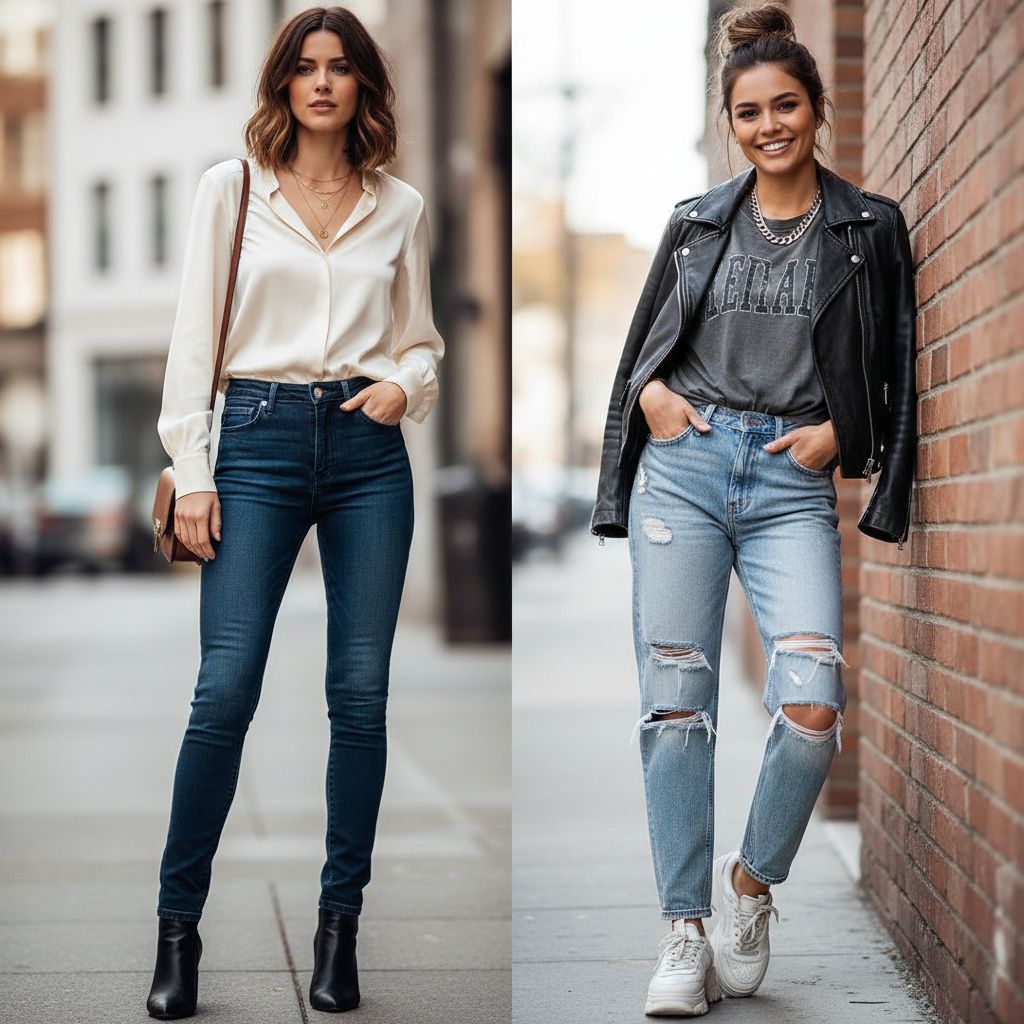
Modern manufacturing techniques allow denim to be finished in countless ways. Stone washing, enzyme washing, acid washing, distressed effects, laser finishing, and coating treatments enable designers to create unique textures, colors, and fashion statements while preserving the fabric’s signature durability.
Available in Different Types
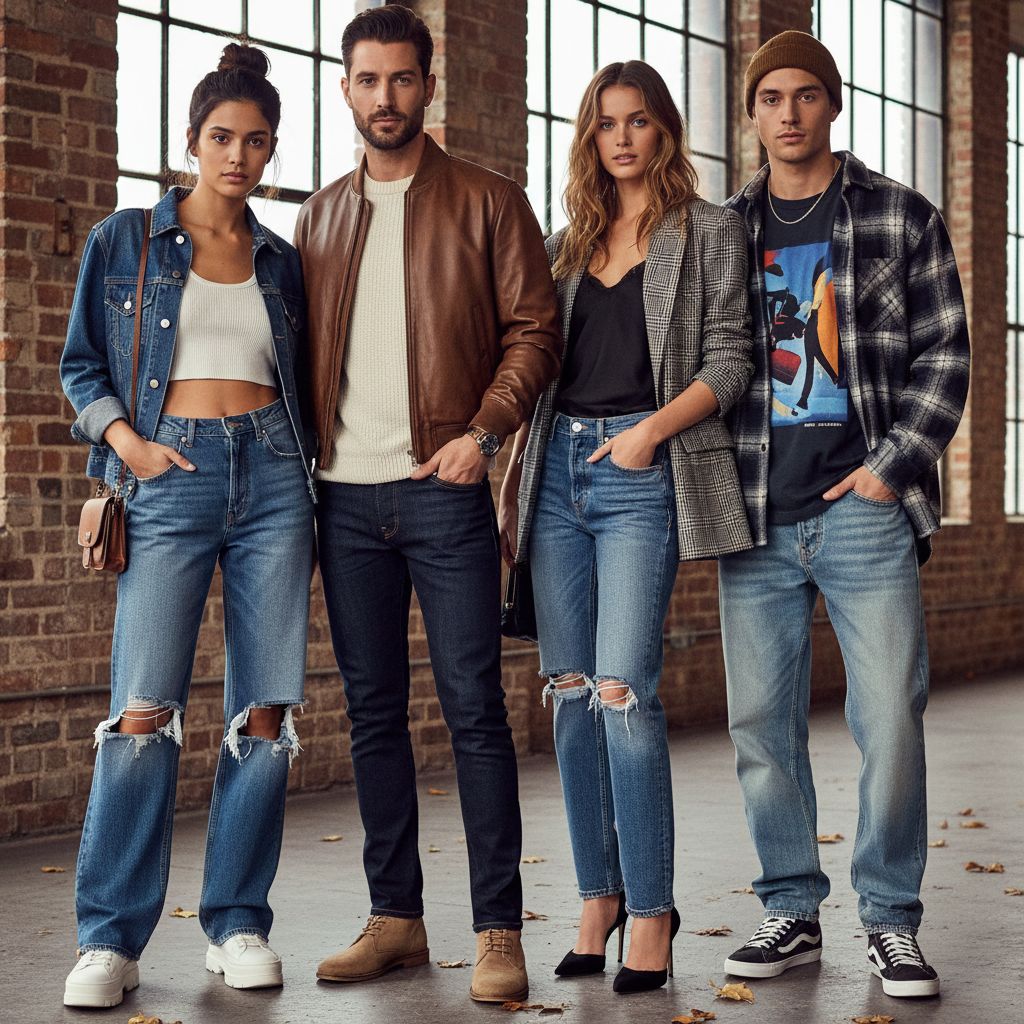
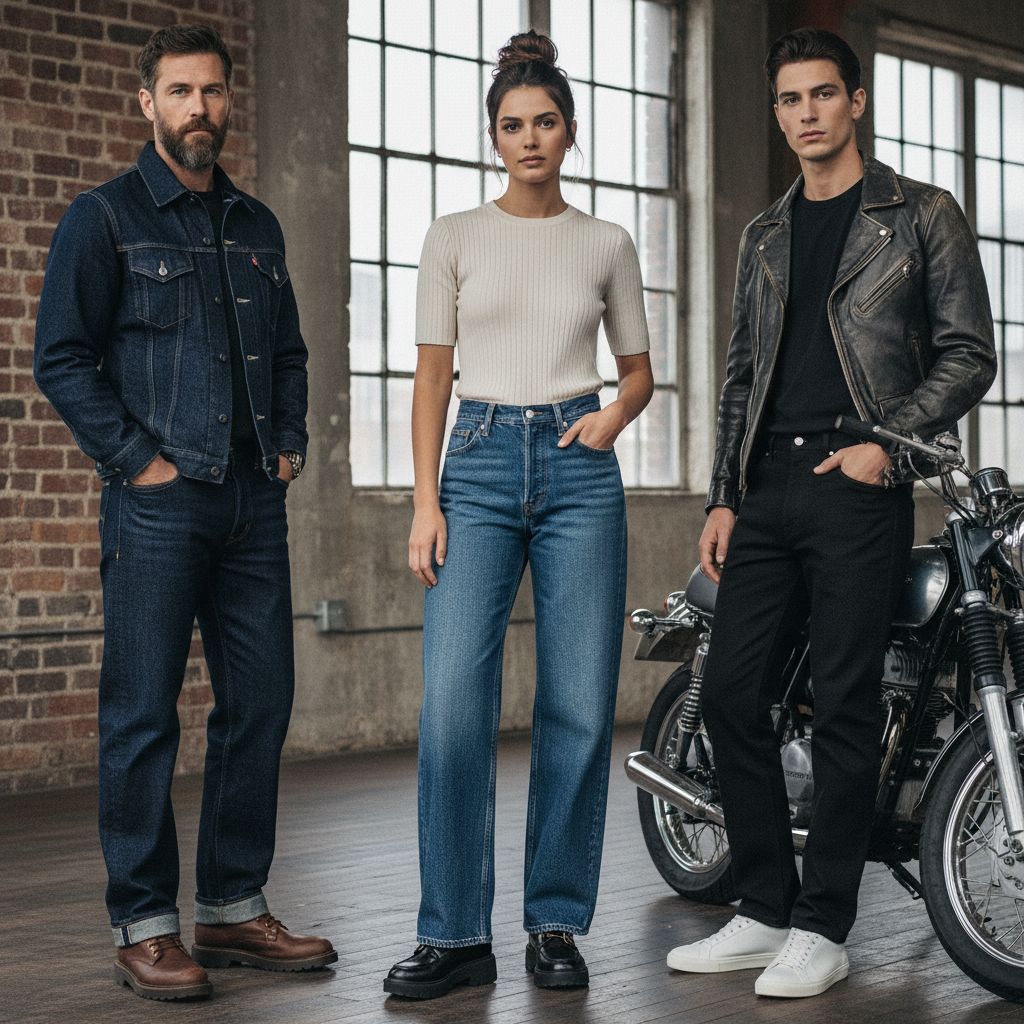
Today’s denim is available in many variations to meet different performance and design requirements. Traditional 100% cotton denim offers an authentic look, stretch denim provides greater flexibility, lightweight denim improves comfort in warm climates, while selvedge and raw denim appeal to premium fashion markets. Recycled denim also supports the growing demand for sustainable apparel.
Built for Long-Lasting Value
Denim garments are known for their long service life. With proper care, quality denim can maintain its appearance and performance for many years, making it a practical and cost-effective choice for consumers. Its durability also helps reduce clothing waste by extending the lifespan of each garment.
Types of Denim Fabrics Today
Denim fabric offers the perfect balance of strength, comfort, style, and versatility. Whether you are designing a classic pair of jeans, a fashionable jacket, or durable workwear, denim provides reliable performance and lasting appeal. Its ability to adapt to changing fashion trends while maintaining exceptional durability is what makes denim one of the world’s most trusted and widely used fabrics.
1. 100% Cotton
100% Cotton Denim is the original and most traditional form of denim. Made entirely from natural cotton fibers, this fabric is known for its authentic appearance, rigid structure, and exceptional durability. Over time, it gradually softens and develops natural fading patterns that give each garment a unique character.
- Pros: Extremely durable, Authentic denim appearance, Ages beautifully with natural fading, Breathable, Long service life.
- Cons: Limited flexibility, Can feel stiff initially, May shrink if not pre-treated.
- Common Uses: Traditional jeans, Denim jackets, Workwear, Vintage collections.
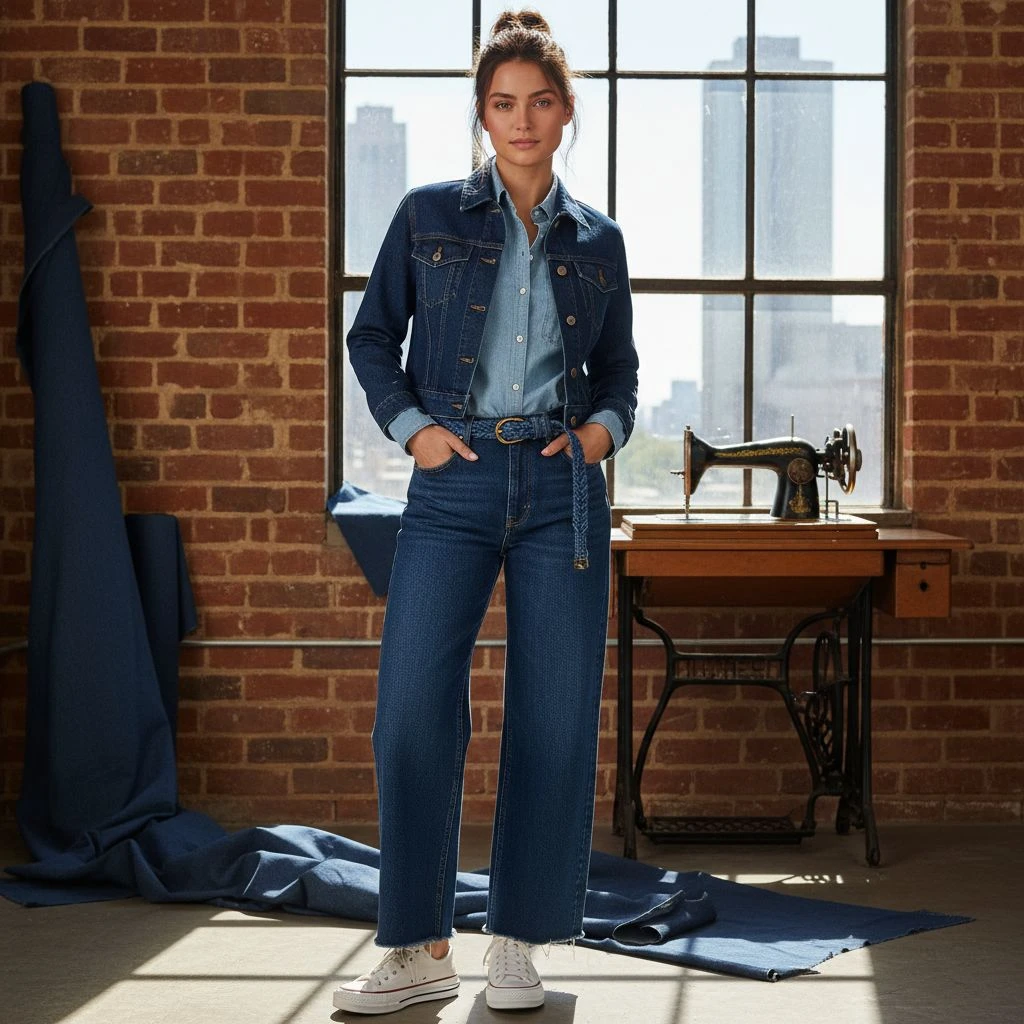
This fabric is known for its strength, breathability, and authentic denim appearance. It may feel stiff when new, but it becomes softer with regular wear.
2. Stretch Denim
Stretch Denim combines cotton with a small percentage of elastane (spandex) or other elastic fibers to improve flexibility and comfort. It has become one of the most popular denim fabrics for modern fashion because it offers a closer fit without restricting movement.
- Pros: Excellent comfort and flexibility Better freedom of movement Maintains a fitted silhouette Suitable for everyday wear
- Cons: Elastic fibers may lose recovery over time Less traditional appearance than rigid denim Generally has a shorter lifespan than 100% cotton denim
- Common Applications: Skinny jeans Slim-fit jeans Women’s apparel Children’s clothing
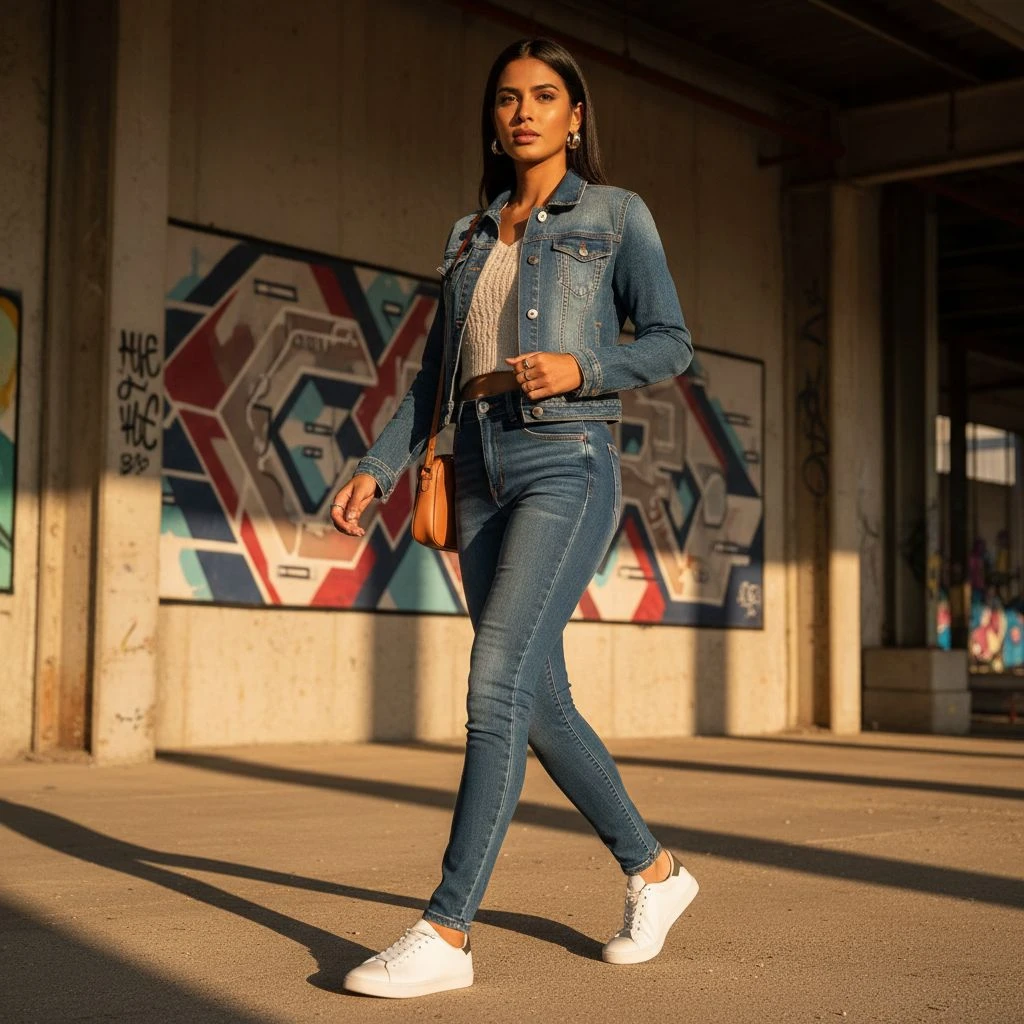
It is a popular choice for fitted clothing because it offers better comfort and flexibility than rigid denim. However, the elastic fibers may weaken after long periods of wear or repeated washing.
3. Lightweight Denim
Lightweight Denim is produced using finer yarns and lower fabric weight, making it softer and more breathable than traditional denim. It provides the appearance of denim while offering greater comfort in warm weather.
- Pros: Lightweight and breathable, Soft and comfortable, Easy to sew and drape, Ideal for spring and summer clothing
- Cons: Less durable than heavyweight denim, Provides less structure, More susceptible to wear with frequent use
- Common Applications: Denim shirts, Dresses, Skirts, Lightweight jackets

Breathable and easy to wear, lightweight denim is especially suitable for warm climates. However, it is less resistant to heavy wear than thicker denim.
4 . Heavyweight Denim
Heavyweight Denim is woven with thicker yarns to create a dense, durable fabric that can withstand demanding use. It is commonly selected for premium jeans and industrial workwear where maximum durability is required.
- Pros: Exceptional strength, Excellent abrasion resistance, Retains its shape well, Long product lifespan
- Cons: Heavier and less breathable, Requires a longer break-in period, Higher production cost
- Common Applications: Premium jeans, Workwear, Motorcycle apparel, Utility clothing
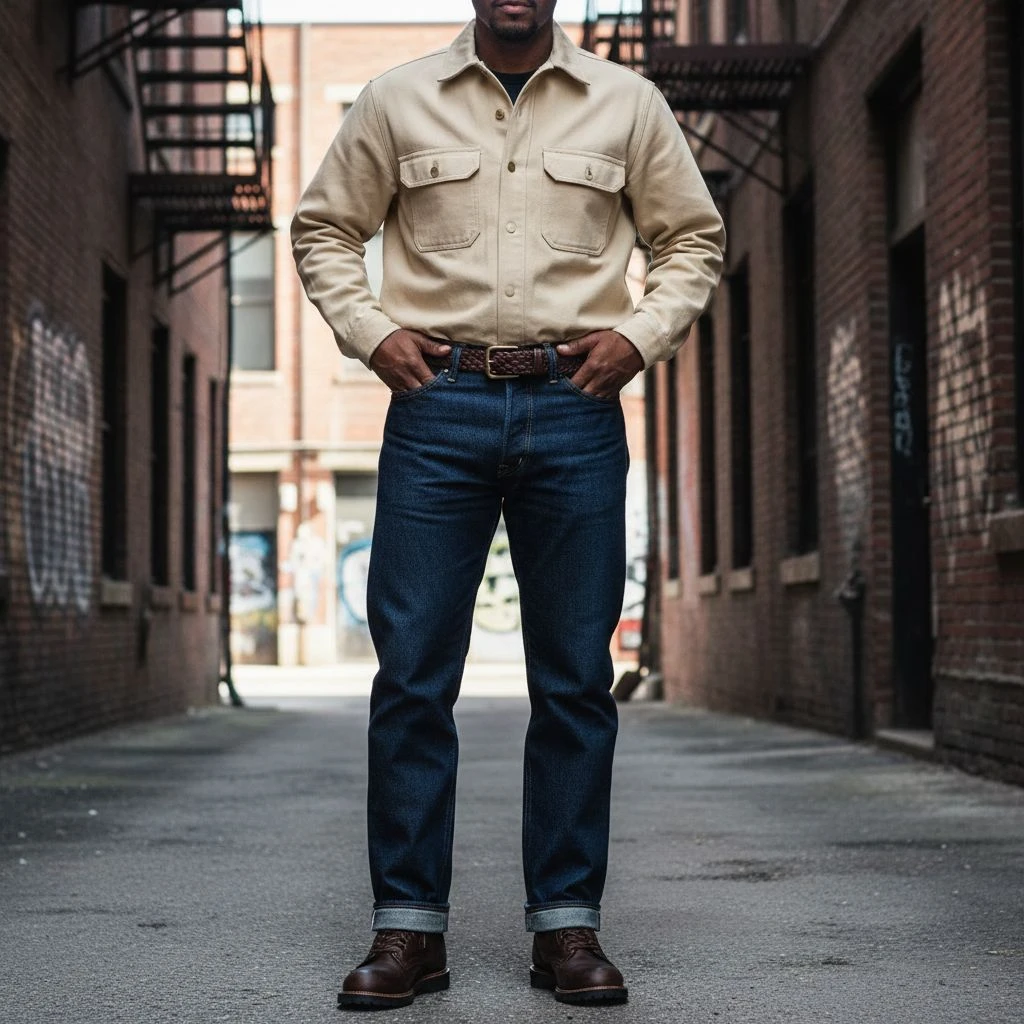
Made with thicker yarns and a dense weave. It has a firm structure and offers excellent resistance to abrasion.
5. Raw Denim
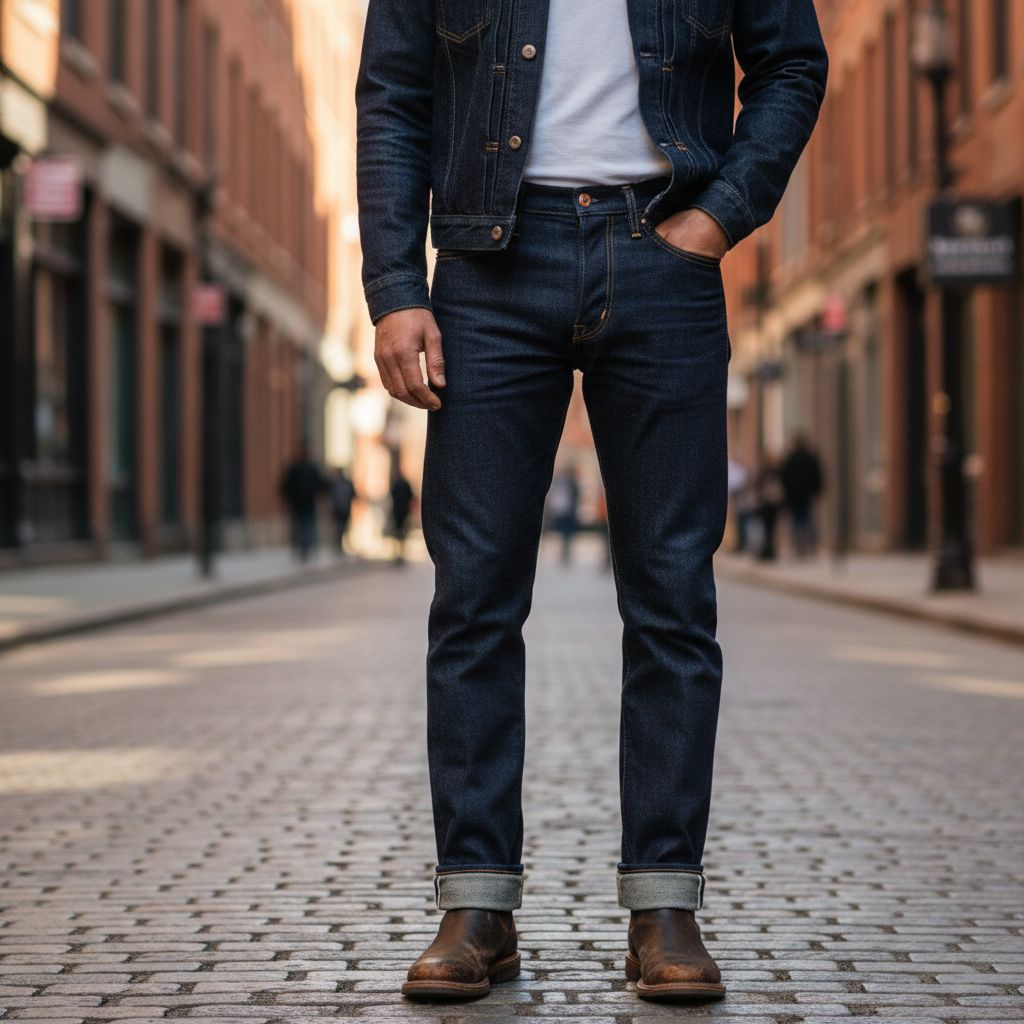
Raw Denim, also known as dry denim, is denim that has not been washed or treated after weaving. It retains its original indigo color and firm texture, allowing the fabric to develop personalized fading patterns based on the wearer’s lifestyle.
- Pros: Rich, deep indigo color, Creates unique fades over time, Highly durable, Popular among denim enthusiasts
- Cons: Stiff during initial wear, Dye may transfer onto other fabrics, Requires careful washing and maintenance
- Common Applications: Premium denim collections, Heritage brands, High-end jeans
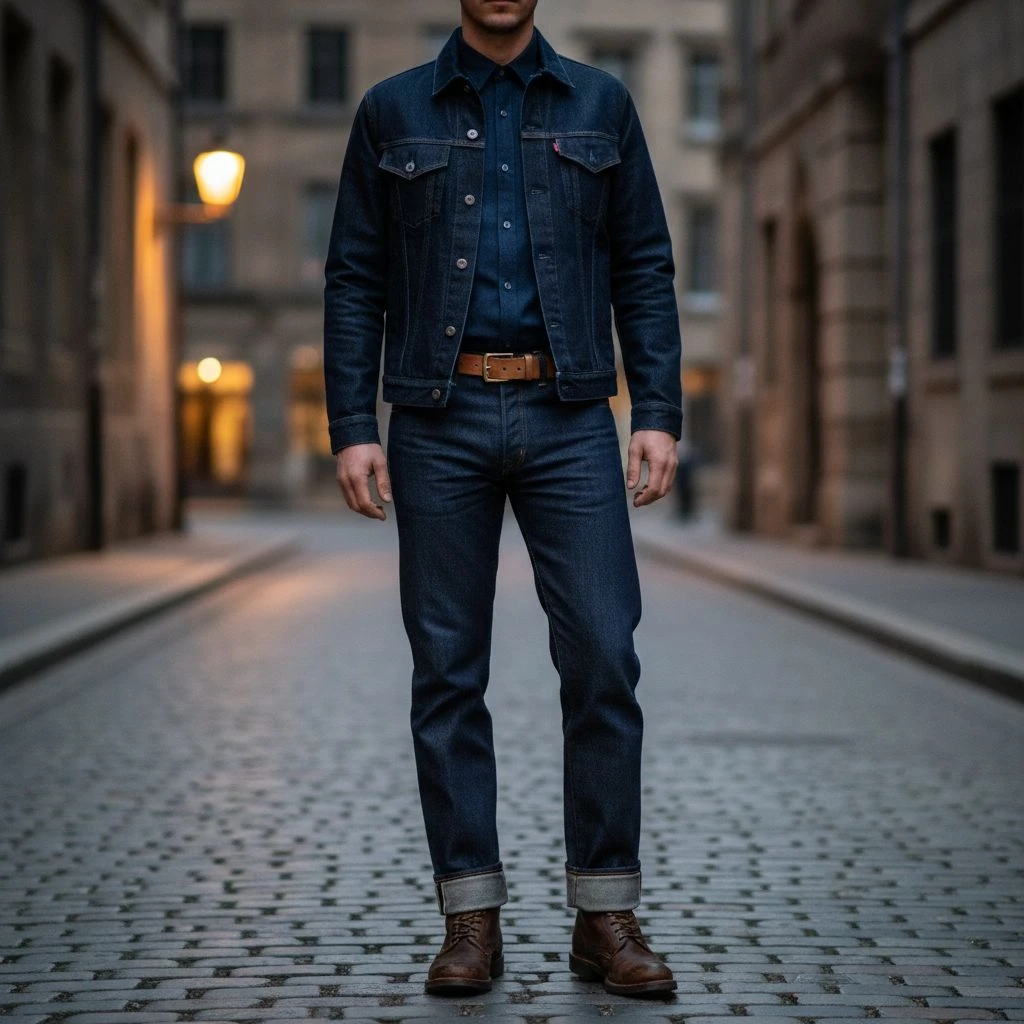
Raw Denim, also called dry denim, has not been washed or treated after weaving. It usually has a deep indigo color and a firm surface.
6. Washed Denim
Washed Denim undergoes finishing treatments after weaving to create a softer feel and a worn-in appearance. Depending on the desired effect, manufacturers may use stone washing, enzyme washing, acid washing, or other finishing techniques.
- Pros: Soft and comfortable from the first wear, Available in many fashionable finishes, Reduced shrinkage, Wide variety of colors and textures.
- Cons: Some washing methods may slightly reduce fabric strength, Certain finishing processes consume more water and chemicals.
- Common Applications: Casual jeans, Denim jackets, Fashion collections, Everyday apparel.
Different washing methods can also create faded, vintage, or distressed effects.
7. Selvedge Denim
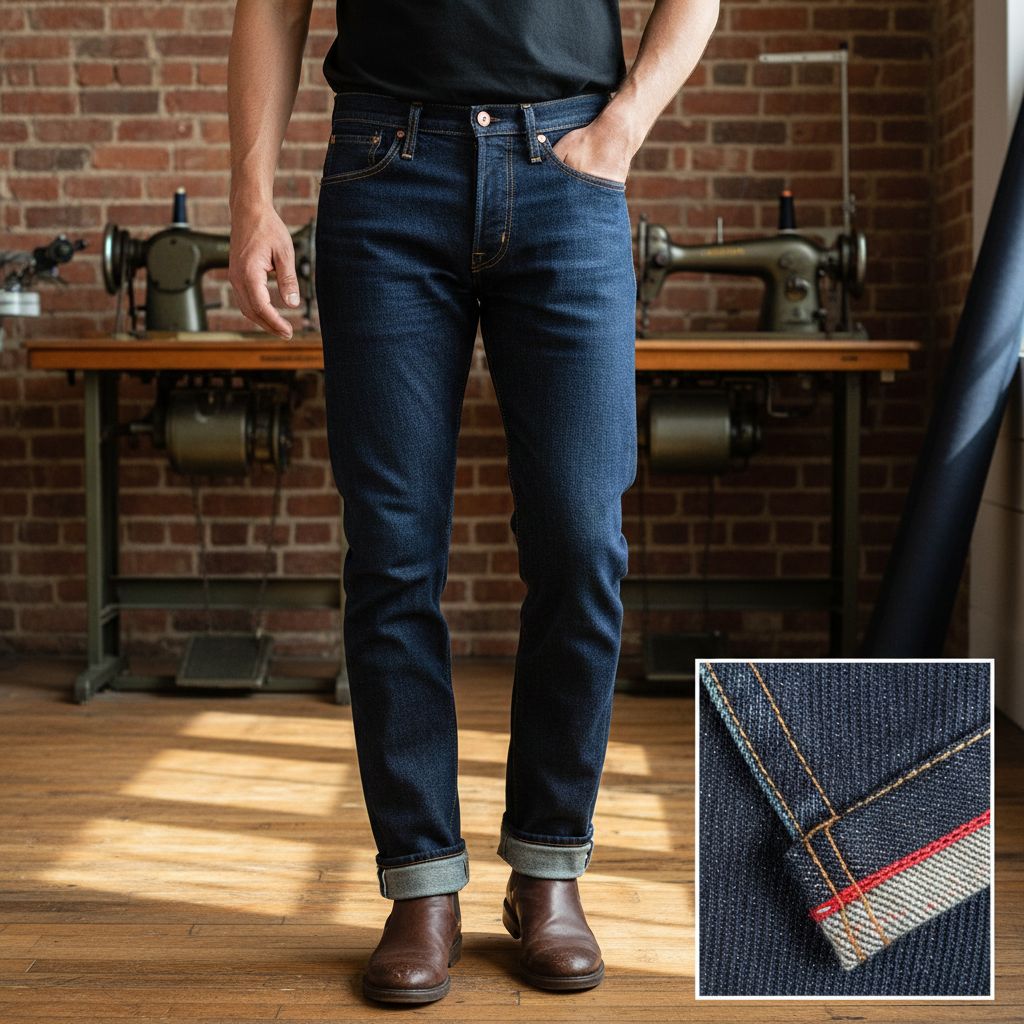
Selvedge Denim is woven on traditional shuttle looms, producing tightly finished edges that prevent fraying. Because of its craftsmanship and limited production, it is considered one of the highest-quality denim fabrics available.
- Pros: Premium craftsmanship, Strong finished edges, Outstanding durability, Highly valued by denim collectors
- Cons: Higher manufacturing cost, Lower production efficiency, Premium retail pricing
- Common Applications: Luxury denim brands, Premium jeans, Heritage collections
It is often viewed as a premium denim because it takes longer to produce and is linked with careful craftsmanship.
8. Recycled Denim
Recycled Denim is manufactured using reclaimed cotton fibers from post-industrial or post-consumer textile waste. It supports sustainable manufacturing by reducing the need for virgin cotton and minimizing textile waste.
- Pros: Environmentally friendly, Conserves natural resources, Reduces textile waste, Supports sustainable fashion initiatives
- Cons: Fiber quality depends on recycled materials, Often blended with virgin cotton for improved performance, Quality may vary between manufacturers
- Common Applications: Sustainable fashion collections, Eco-friendly apparel, Corporate sustainability programs.
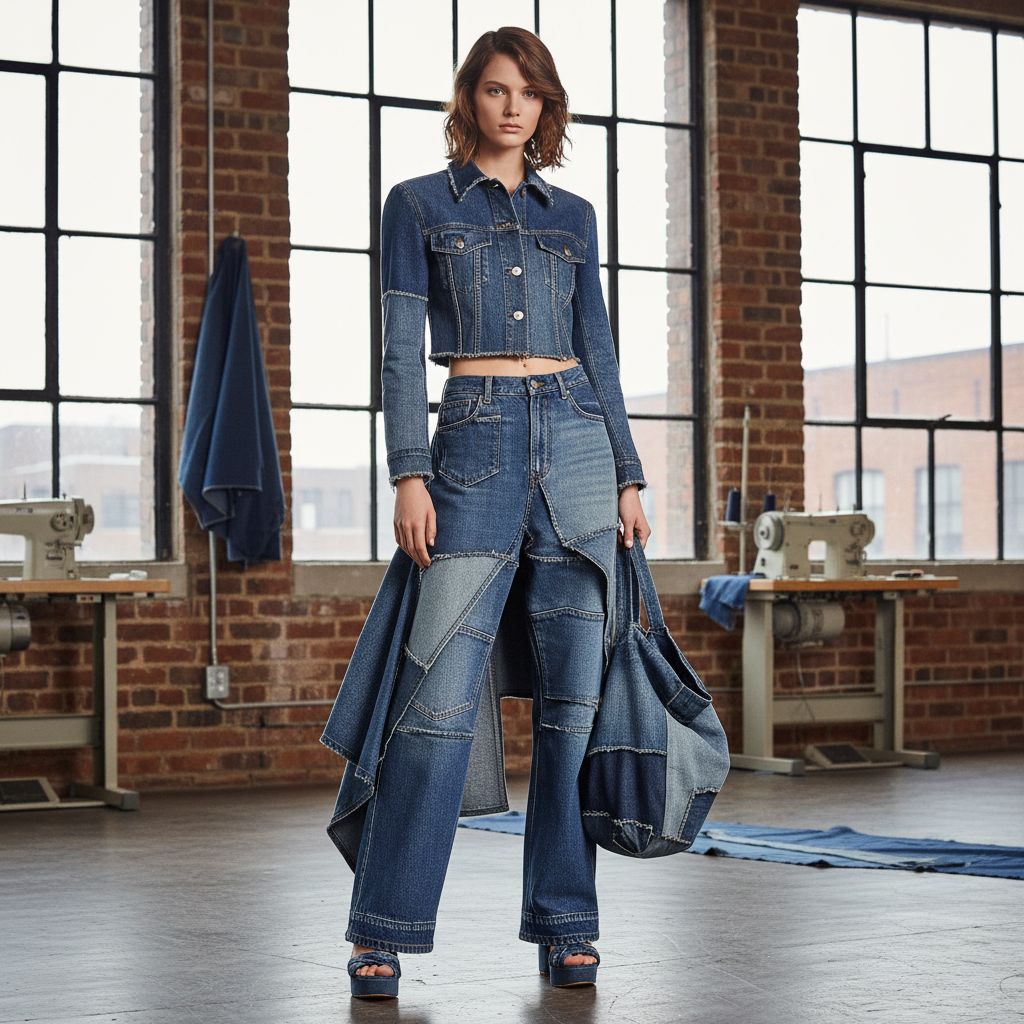
Recycled Denim contains fibers recovered from textile waste, old garments, or factory scraps. It helps reduce waste and lowers the demand for new cotton.
Comparison of Common Denim Types
| Denim Type | Durability | Comfort | Stretch | Typical Cost | Best For |
|---|---|---|---|---|---|
| 100% Cotton | Excellent | Moderate | None | Medium | Classic jeans |
| Stretch | Good | Excellent | High | Medium | Slim-fit apparel |
| Lightweight | Moderate | Excellent | Optional | Medium | Shirts and dresses |
| Heavyweight | Excellent | Moderate | None | High | Premium workwear |
| Raw | Excellent | Moderate | None | High | Heritage collections |
| Washed | Good | Excellent | Optional | Medium | Casual fashion |
| Selvedge | Excellent | Good | None | Premium | Luxury denim |
| Recycled | Good | Good | Optional | Medium-High | Sustainable fashion |
How to Care for Denim
You can identify denim types by checking thickness, testing stretch, and reading the fiber label (cotton vs blended). To preserve color, turn garments inside out before washing and avoid harsh bleach.
| Type | Recognition | Best Use |
|---|---|---|
| Rigid Denim | Firm, no stretch | Traditional jeans |
| Stretch Denim | Noticeable pull | Skinny fit jeans |
| Selvedge | Finished edge | Premium collections |
Conclusion / Final Words
Denim is a durable, stylish, and practical fabric with wide applications in the garment industry. Understanding the characteristics of each type allows brands to create products that are both functional and fashionable. From raw to recycled, denim remains a reliable foundation for global apparel.