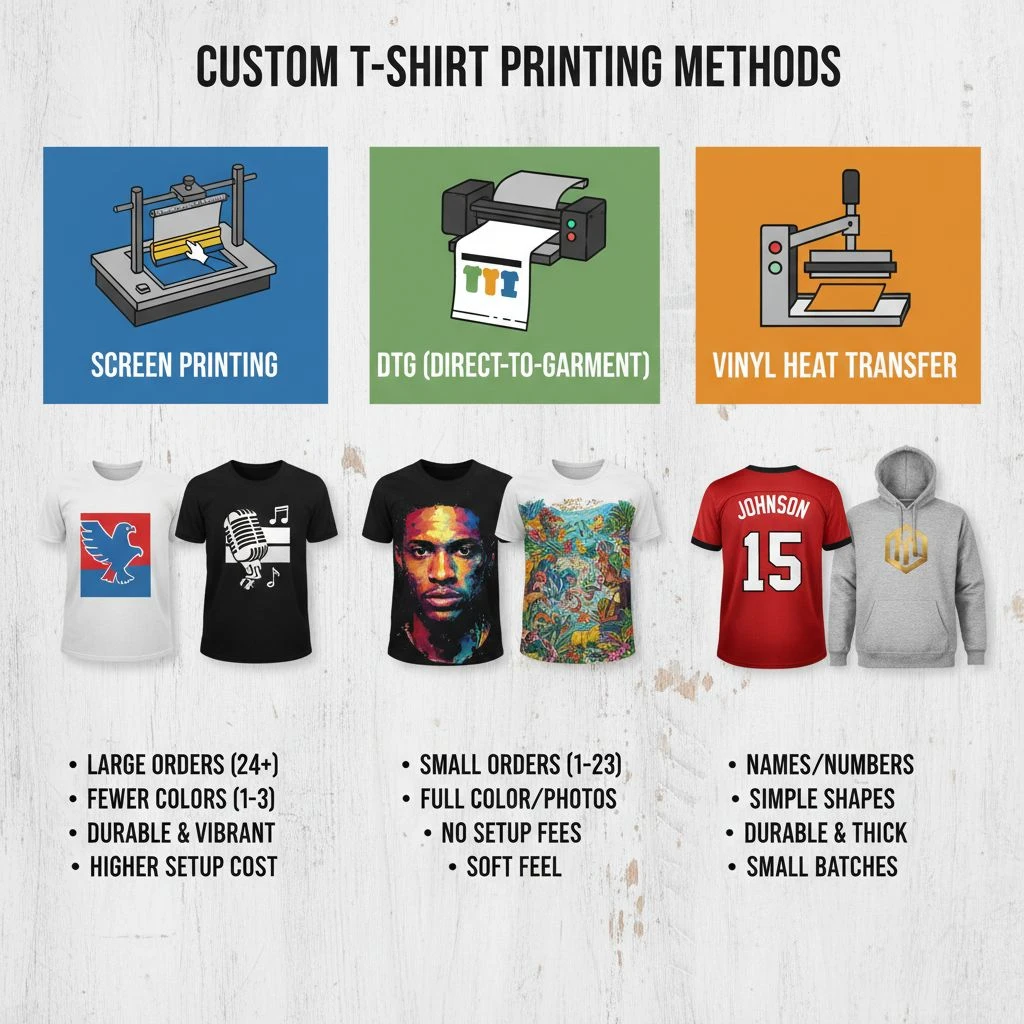


Estimating garment production accurately is one of the most important tasks in apparel manufacturing. A good production estimate helps factories plan manpower, machine loading, and shipment dates more effectively. It also helps merchandisers and buyers stay aligned on what can realistically be achieved within a given timeline. In most cases, five key factors have the strongest impact on garment production estimation: standard allowed minutes, number of operators, daily production line running time, average line efficiency, and total break time. Understanding these factors can help improve planning accuracy and reduce the risk of shipment delays.
=> Related Article: How to Calculate Output of Sewing Line in Garment Factory

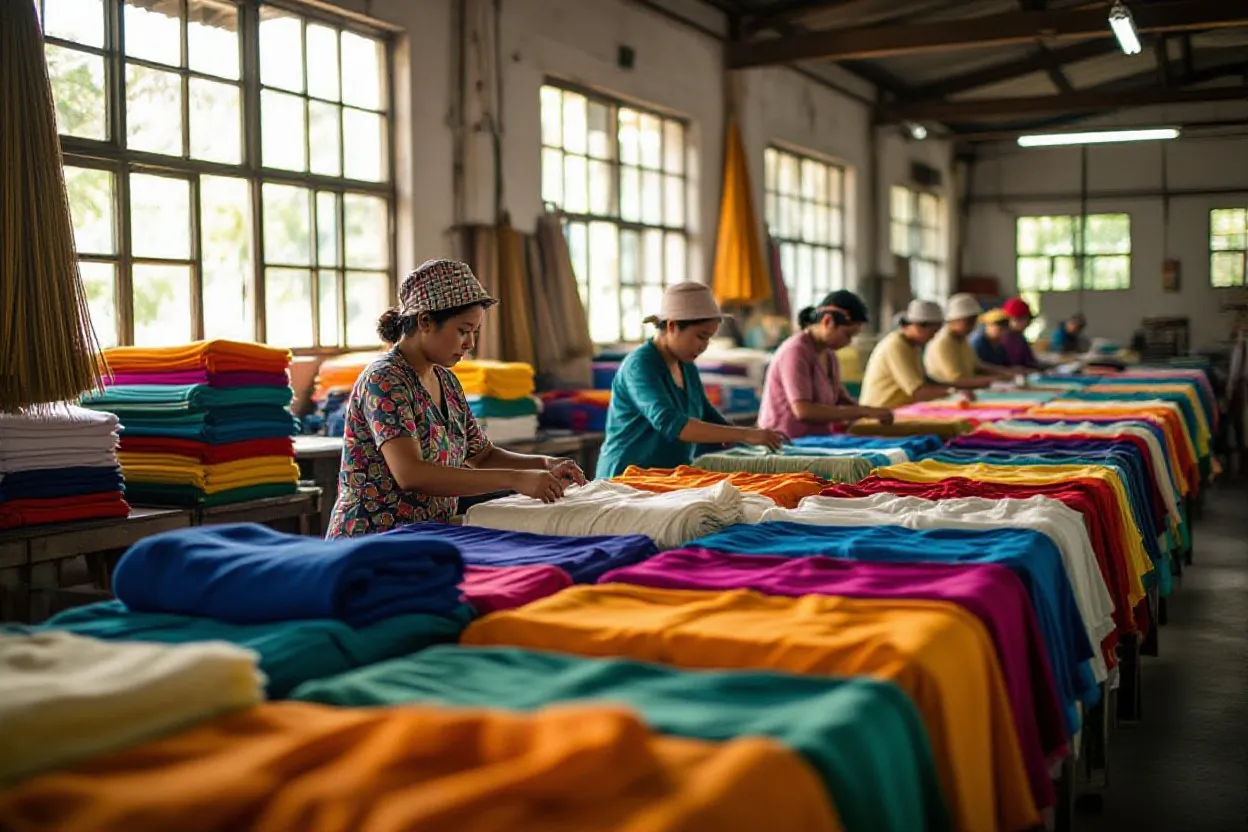
Estimating garment production involves more than applying a simple formula. Several operational factors influence the final production capacity of a sewing line – Garment production estimation and factory planning
Why Production Estimation Is Important
Production estimation supports capacity booking, labor allocation, and delivery commitment. If the estimation is too high, the factory may fail to meet the shipment date. If it’s too low, capacity is wasted. Evaluating these factors carefully before confirming schedules is essential for customer satisfaction and factory profitability.
Reliable estimates help factories:
- Plan sewing line capacity
- Allocate operators effectively
- Schedule production orders
- Calculate delivery dates
- Improve machine utilization
- Reduce overtime
- Support accurate costing
- Minimize shipment delays
Without realistic production estimates, factories may either overload their production lines or leave valuable capacity unused.

=> Related Article:
Production estimation is essential for both operational planning and customer satisfaction – Production planning factors in apparel industry
5 Factors Affecting Garments Production Estimation
1. Standard Allowed Minutes (SAM)
SAM is the time required to produce one complete garment under normal conditions. It is determined through time studies or motion systems. A higher SAM means each piece takes more time, lowering total output. SAM must be accurate; if this figure is wrong, the entire plan will be misleading.
For example:
- T-shirt: 10 SAM
- Polo shirt: 18–22 SAM
- Jacket: 45–70 SAM
The higher the SAM, the lower the expected daily production.
Best Practices:
- Use approved industrial engineering studies.
- Review SAM after sample approval.
- Avoid estimating SAM without time studies.
- Update SAM when construction methods change.
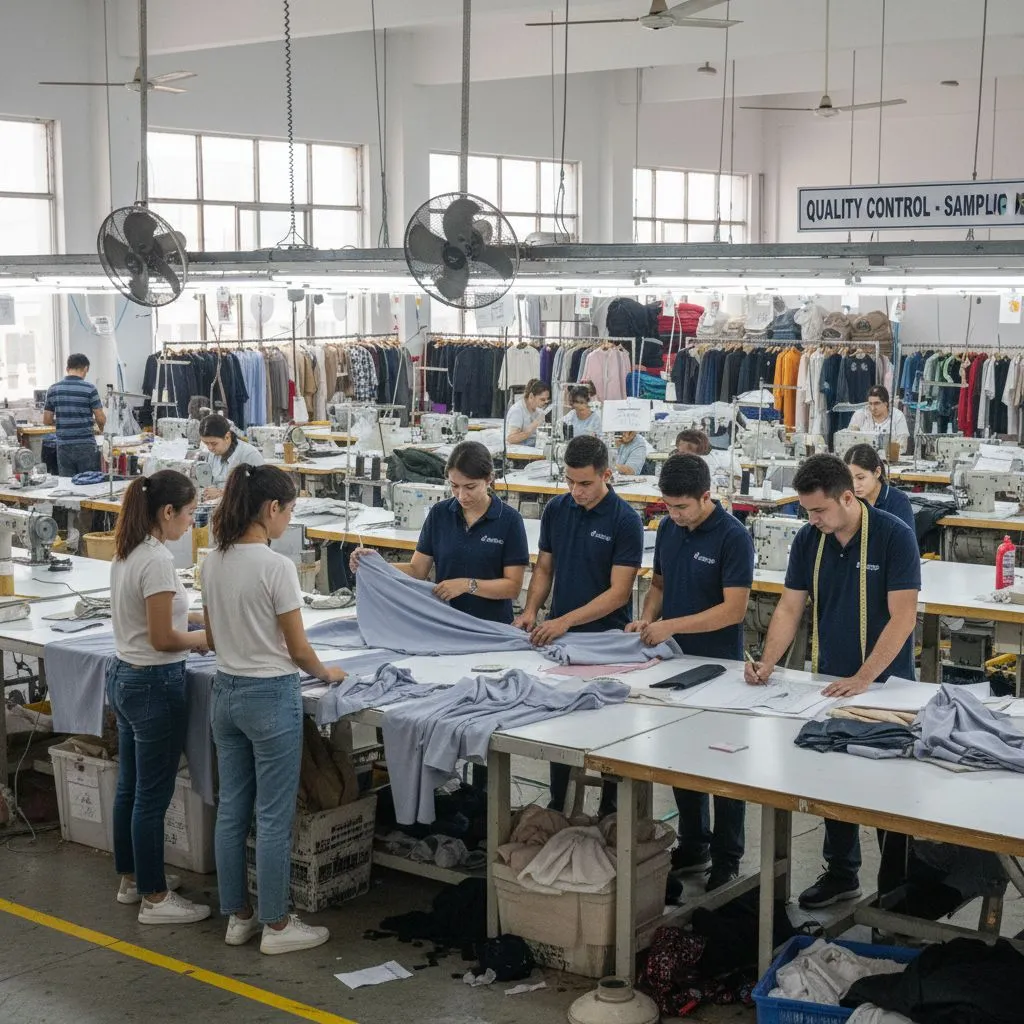
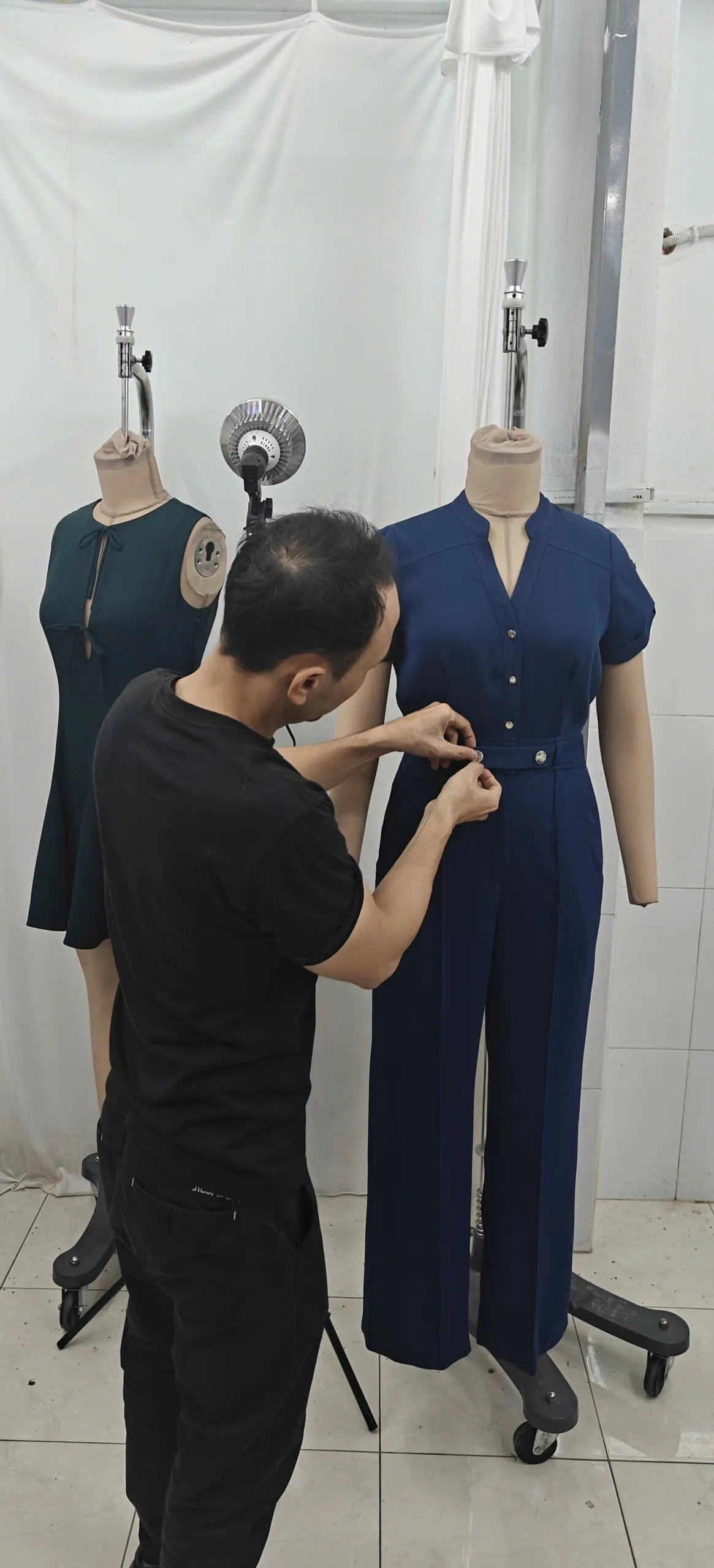
A garment with a higher SAM requires more production time, reducing the number of garments that can be completed during a shift – Time study and SAM calculation in garment factory
2. Number of Operators and Running Time
The number of operators directly affects potential output, provided the line is balanced. Additionally, the daily running time (net available minutes) determines how much can be produced. It is vital to use net available working time, excluding breaks and interruptions, rather than just official duty hours. Factors need to consider:
- Operator skill levels
- Multi-skilled workers
- Helper allocation
- Operator absenteeism
- Line balancing

More operators generally increase production capacity, but only if the sewing line is properly balanced – Sewing line operators and manpower allocation
3. Average Line Efficiency
Efficiency shows how well a line performs against its target. It is affected by machine breakdowns, absenteeism, and quality rework. A line with 75% efficiency will vastly outproduce one at 45%, even with the same manpower. Planners must use realistic rates based on historical performance and style complexity.
| Efficiency | Production Capacity |
|---|---|
| 45% | Low |
| 60% | Average |
| 75% | Good |
| 85% | Excellent |
Efficiency varies according to:
- Operator experience
- Machine condition
- Line balancing
- Style complexity
- Quality performance
- Material availability
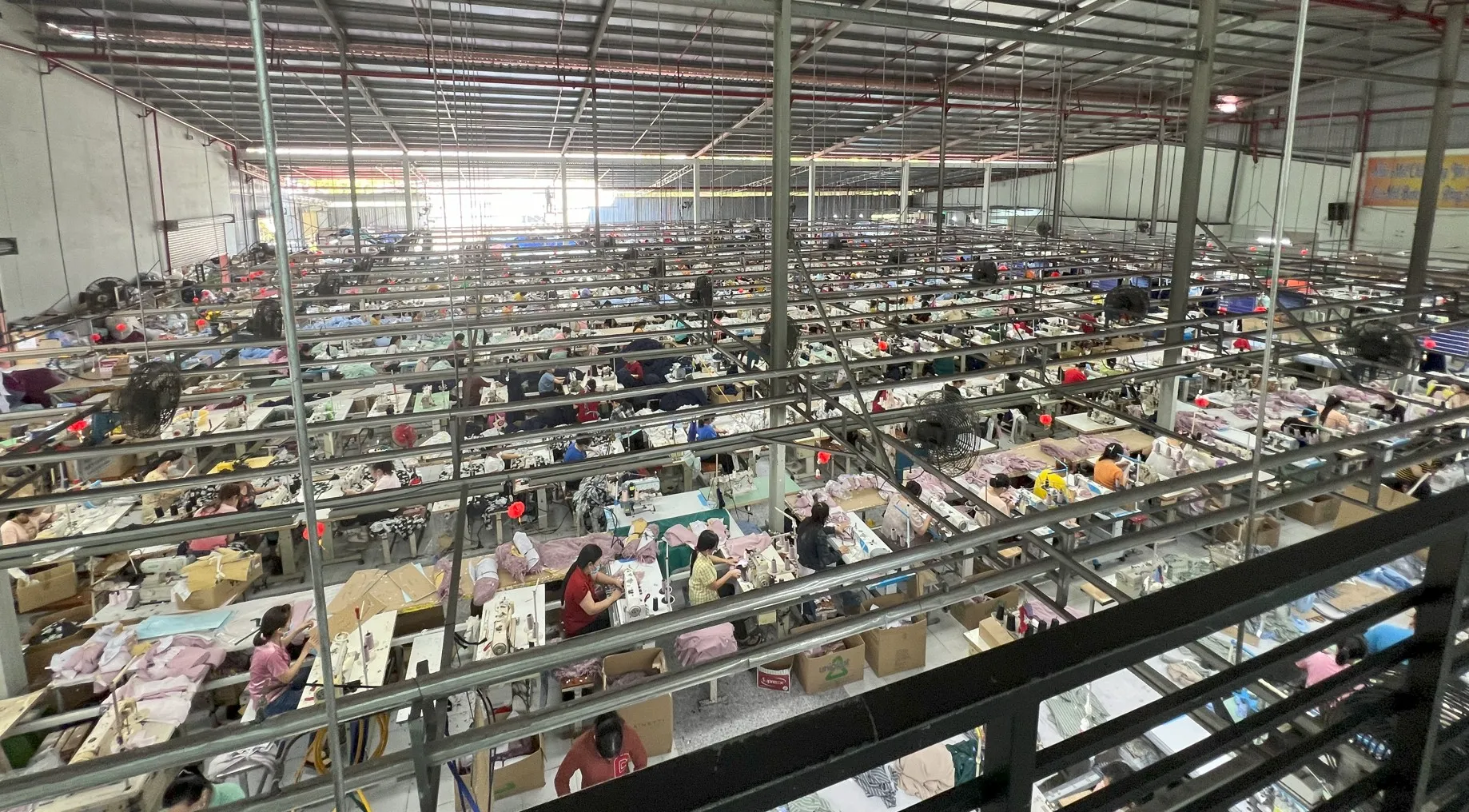
Line efficiency measures how closely actual production matches theoretical production.
4. Daily Running Time
Daily running time refers to the actual production time available during a working day. It is calculated using net production minutes rather than scheduled working hours. For example:
- Shift duration: 8 hours
- Total minutes: 480
- Lunch break: 45 minutes
- Tea break: 15 minutes
Net production time: 480 − 60 = 420 minutes. Using gross working hours instead of net available minutes can significantly overestimate production capacity.

Daily running time refers to the actual production time available during a working day.
5. Total Break Time
Break time reduces the available sewing minutes. Fixed periods for lunch or rest must be deducted to find the net working time. Ignoring this leads to overestimating production and creating unrealistic daily targets.
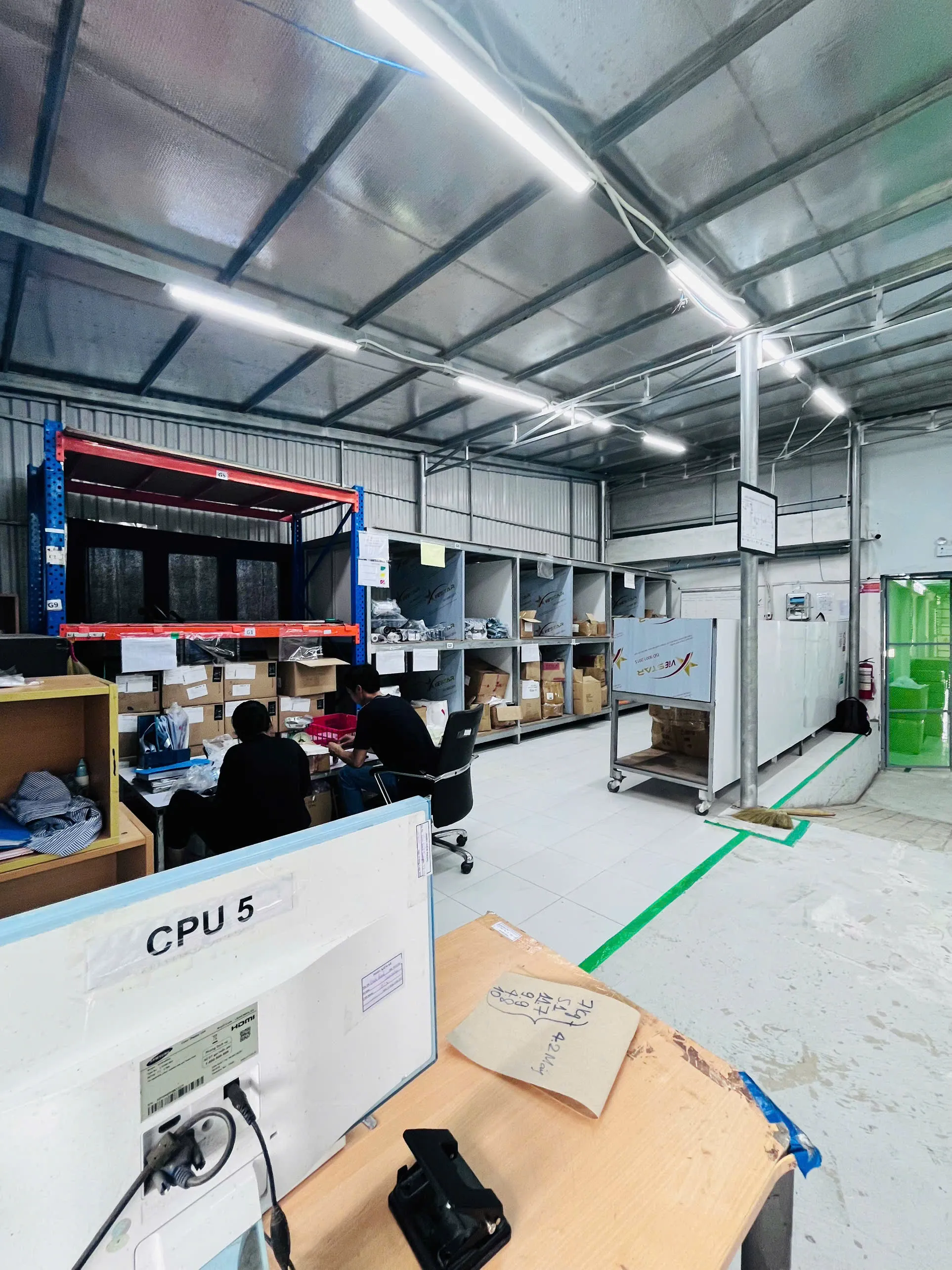
Break time reduces the actual production minutes available during a shift.
Typical breaks include:
- Lunch
- Tea breaks
- Daily meetings
- Cleaning
- Machine setup
- Planned maintenance
These periods should always be deducted before calculating production. Ignoring break time creates unrealistic production targets that are difficult to achieve.
How to Avoid Errors in Garment Production Estimation
To improve estimation accuracy:
- Verify the approved SAM before planning.
- Use net available working minutes.
- Apply realistic line efficiency.
- Review historical production data.
- Balance sewing lines regularly.
- Monitor production hourly.
- Update estimates when production conditions change.
- Include expected downtime in planning.
Accurate production estimates require both reliable calculations and continuous shop-floor monitoring.
=> Related Article: Top 8 Garments Production Problems That May Affect Your Factory Output.
Conclusion / Final Words
Accurate production estimation is the backbone of on-time shipment. By correctly calculating SAM, manpower, running time, efficiency, and breaks, garment factories can create reliable plans and reduce the risk of missing critical deadlines. Success in garment manufacturing depends on keeping these five variables under control. Factories that understand and control these variables can develop realistic production schedules, improve resource utilization, reduce delivery risks, and increase overall productivity. By combining accurate production data with continuous monitoring and regular planning adjustments, garment manufacturers can make more informed decisions and consistently deliver orders on time.