
Keeping production costs under control is one of the biggest challenges when creating custom T-shirts. Many brands assume that the only way to reduce costs is to choose cheaper fabric or lower-quality printing. In reality, that approach often leads to customer complaints, poor durability, and lower repeat sales. The better strategy is to optimize every stage of production while maintaining the quality your customers expect. Smart material choices, efficient manufacturing, and thoughtful design decisions can significantly reduce costs without making your T-shirts feel cheap. In this guide, we’ll explore practical ways to save money on custom T-shirts while still producing garments that customers are proud to wear.
=> Related Article: T Shirts Manufacturing Vietnam | Mekong Garment Factory
Start by Defining Your Goals
Before choosing fabric, printing, or packaging, ask a simple question: Who is this T-shirt for? A promotional giveaway, retail fashion brand, corporate uniform, and premium streetwear collection all require different specifications. Choosing materials that match your product’s purpose helps avoid paying for features your customers may never notice. Consider factors such as:
- Target audience
- Selling price
- Climate
- Expected lifespan
- Brand positioning
Choose the Right Fabric Weight
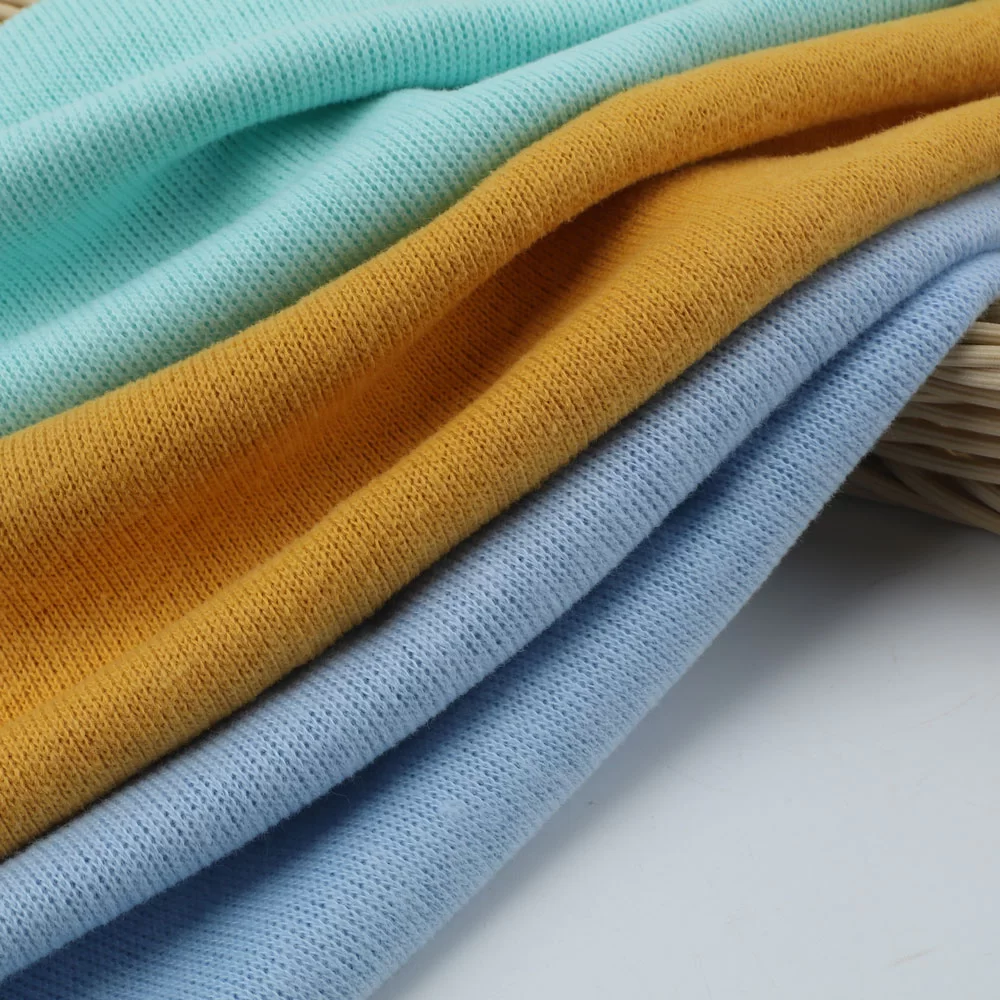
T-shirt weight refers to how dense the fabric is. It is usually measured in GSM (grams per square meter) or ounces per square yard (oz/yd²). One of the easiest ways to control production cost is selecting the appropriate fabric weight. Many new brands believe heavier fabric automatically means higher quality. That is not always true. A well-made 170 GSM cotton T-shirt may feel more comfortable and last longer than a poorly constructed 220 GSM shirt.
Here is a practical breakdown of how weight translates to feel:
| Category | GSM Range | Typical Feel |
|---|---|---|
| Ultra Lightweight | 120–140 GSM | Very thin, airy |
| Lightweight | 140–160 GSM | Soft, breathable |
| Midweight | 160–180 GSM | Balanced, everyday |
| Heavyweight | 180–220 GSM | Thick, structured |
| Premium Heavy | 220+ GSM | Dense, durable |
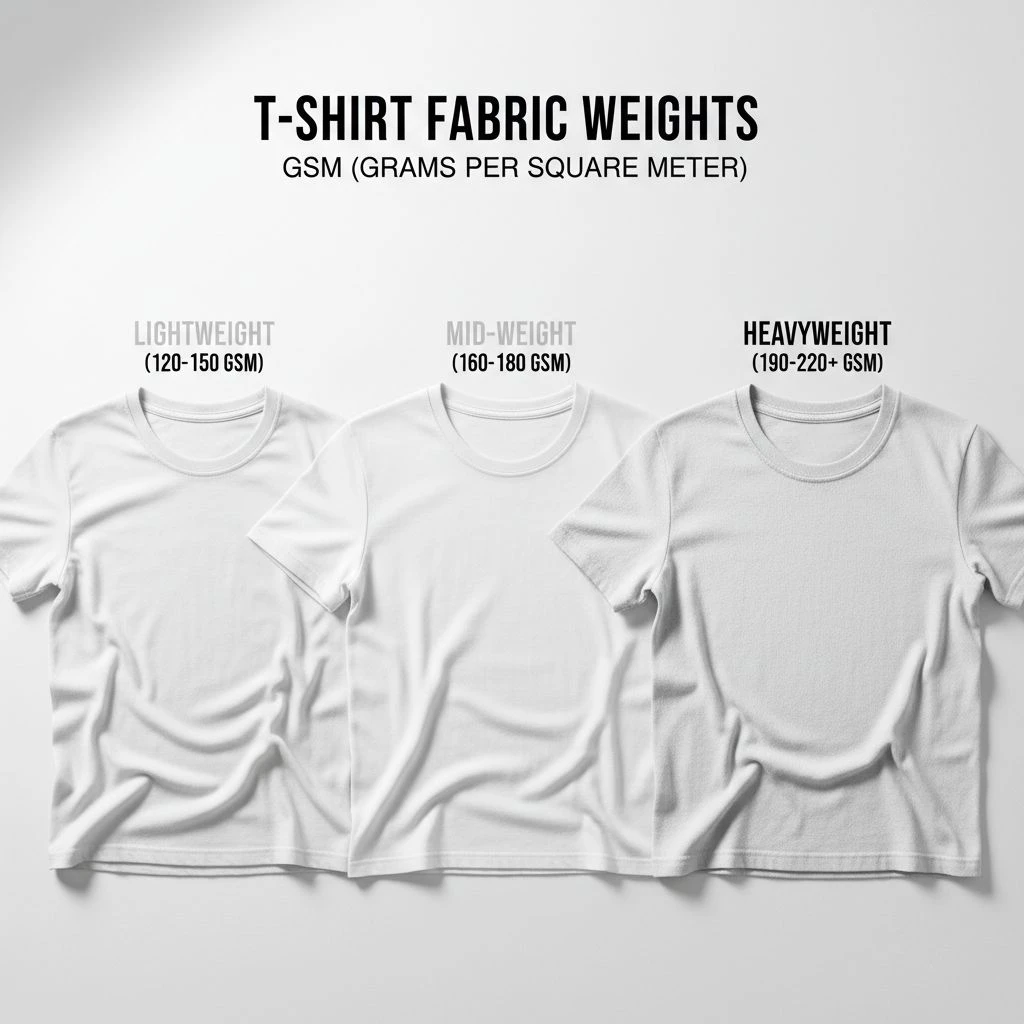
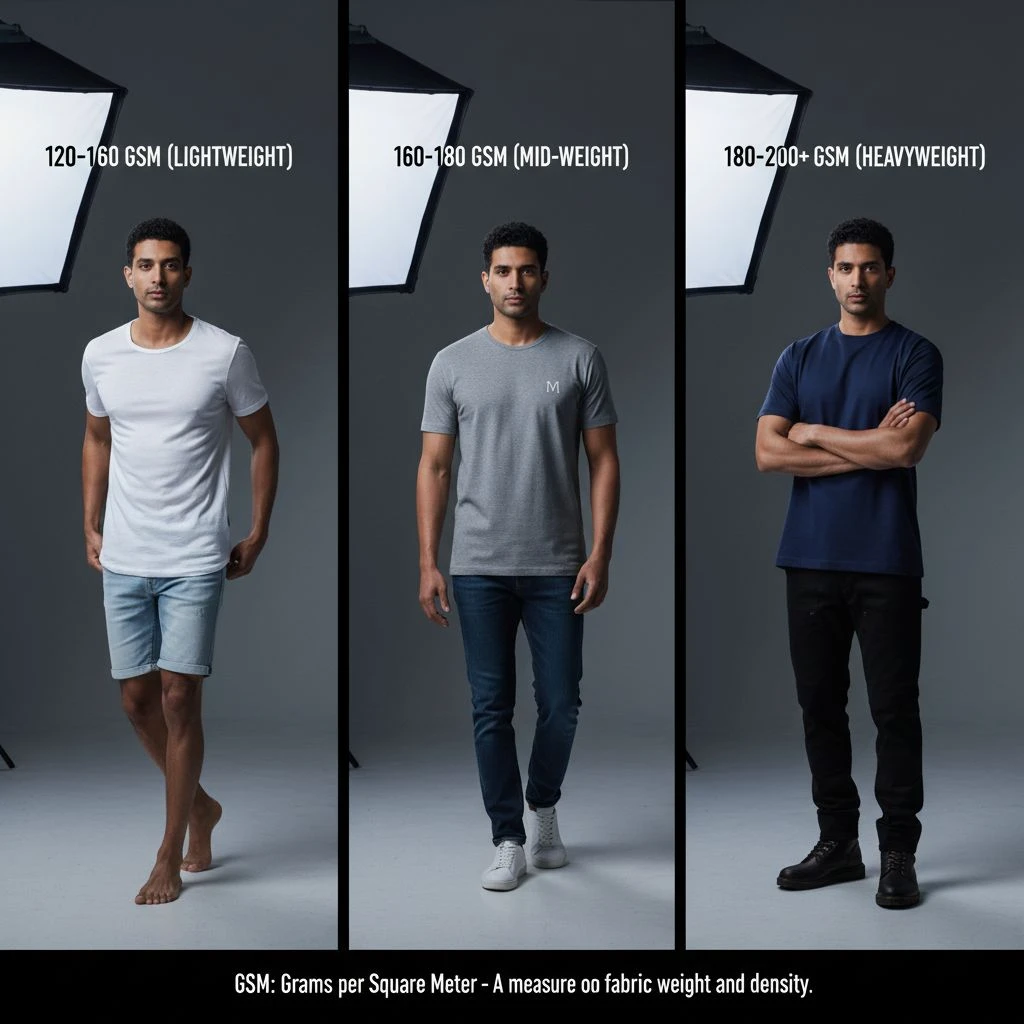
For many clothing brands, 160–180 GSM provides the best balance between comfort, durability, and manufacturing cost. – T-shirt fabric weight categories and GSM explanation
Select Better Fabric Instead of Simply Heavier Fabric
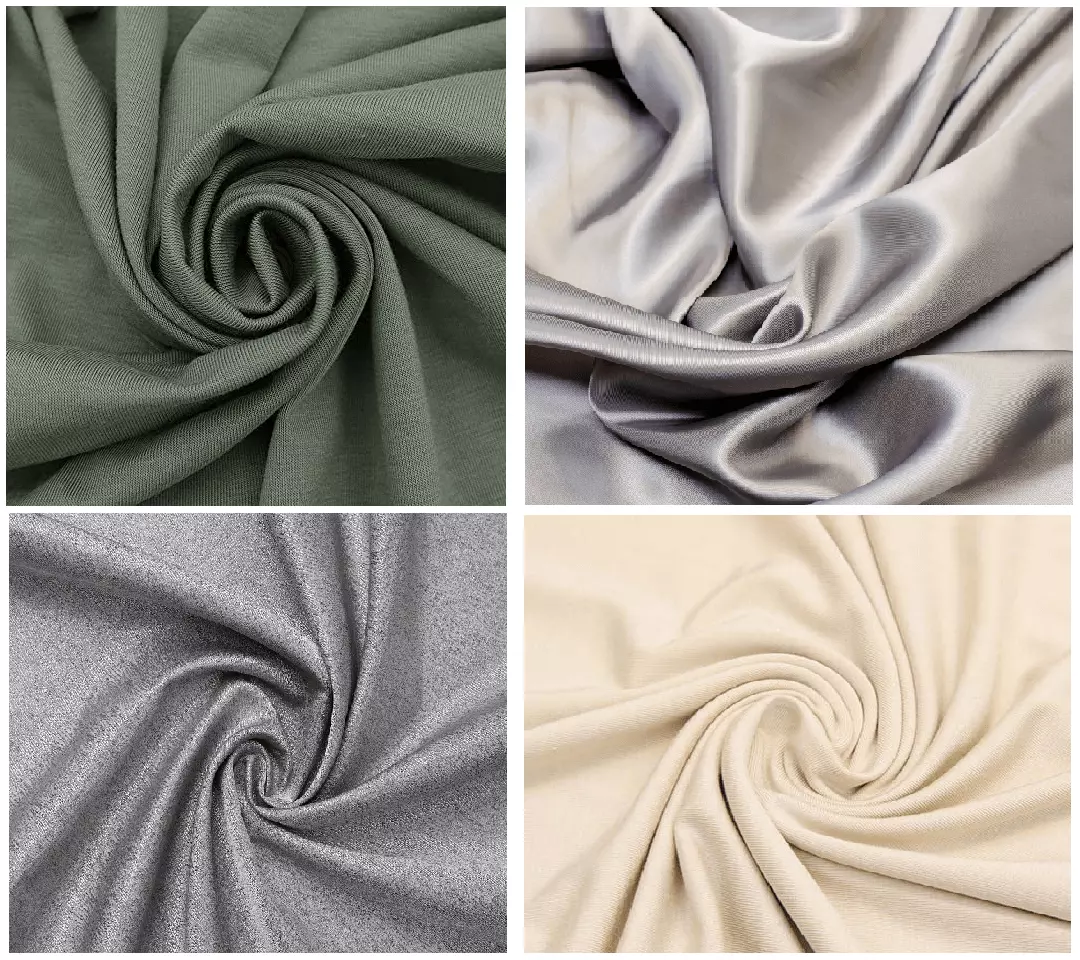
Many buyers assume heavier fabric automatically means better quality. In reality, fiber quality, yarn construction, and finishing often have a greater impact on how a T-shirt feels and performs than weight alone. Fabric quality depends on much more than weight. When comparing materials, consider:
- Fiber quality
- Combed or carded cotton
- Yarn consistency
- Fabric construction
- Shrinkage control
- Colorfastness

Using higher-quality yarn at a moderate weight often delivers better customer satisfaction than choosing the heaviest fabric available.
Keep the Design Simple
A clean, well-executed design often looks more premium than one filled with unnecessary details. Simplifying graphics, decoration, and garment construction can reduce production costs while creating a stronger, more timeless product. Every additional production step increases manufacturing costs. For example:
- Large front-and-back prints require more ink.
- Multiple embroidery locations increase labor time.
- Specialty finishes add extra processing.
- Complex packaging raises fulfillment costs.
A clean design with one high-quality print can look more premium than an overcrowded graphic.

Choose the Right Printing Method
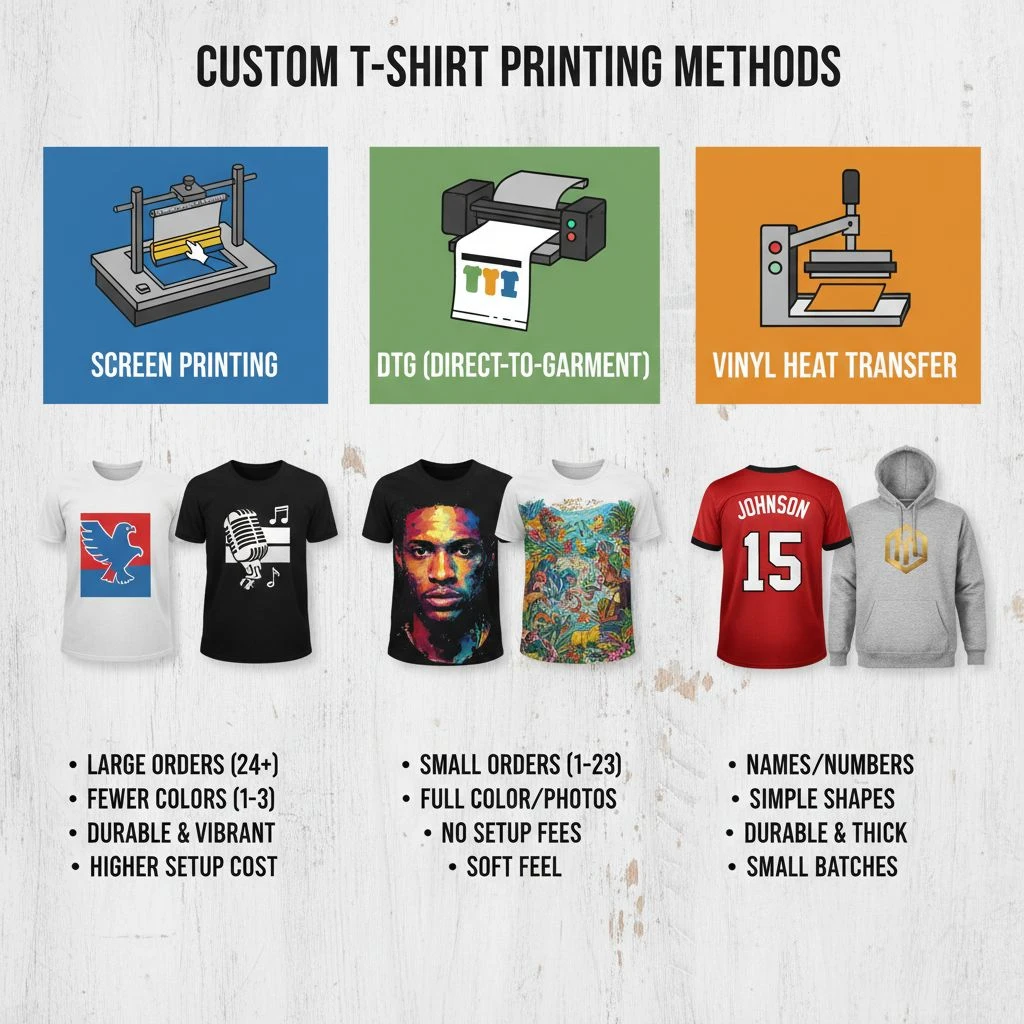
Not every printing technique is suitable for every project. The most cost-effective method depends on your artwork, order quantity, fabric type, and the finish you want customers to see and feel. The cheapest printing method is not always the most economical. Different decoration techniques suit different order sizes.
| Printing Method | Best For |
|---|---|
| Screen Printing | Large production runs |
| DTG Printing | Small orders and detailed artwork |
| Embroidery | Logos and premium branding |
| Heat Transfer | Short-term promotional products |
Select the method that matches both your artwork and production volume.

Order Smarter Quantities
Production costs are influenced not only by what you make but also by how many units you produce. Understanding how order quantity affects manufacturing efficiency can help lower the cost per T-shirt. Ordering too few garments often increases the cost per piece. Larger production runs spread fixed costs such as:
- Pattern preparation
- Screen setup
- Machine calibration
- Quality inspection
- Packing preparation
If your sales forecast supports it, increasing order quantities can reduce unit costs significantly.
Standardize Colors and Sizes
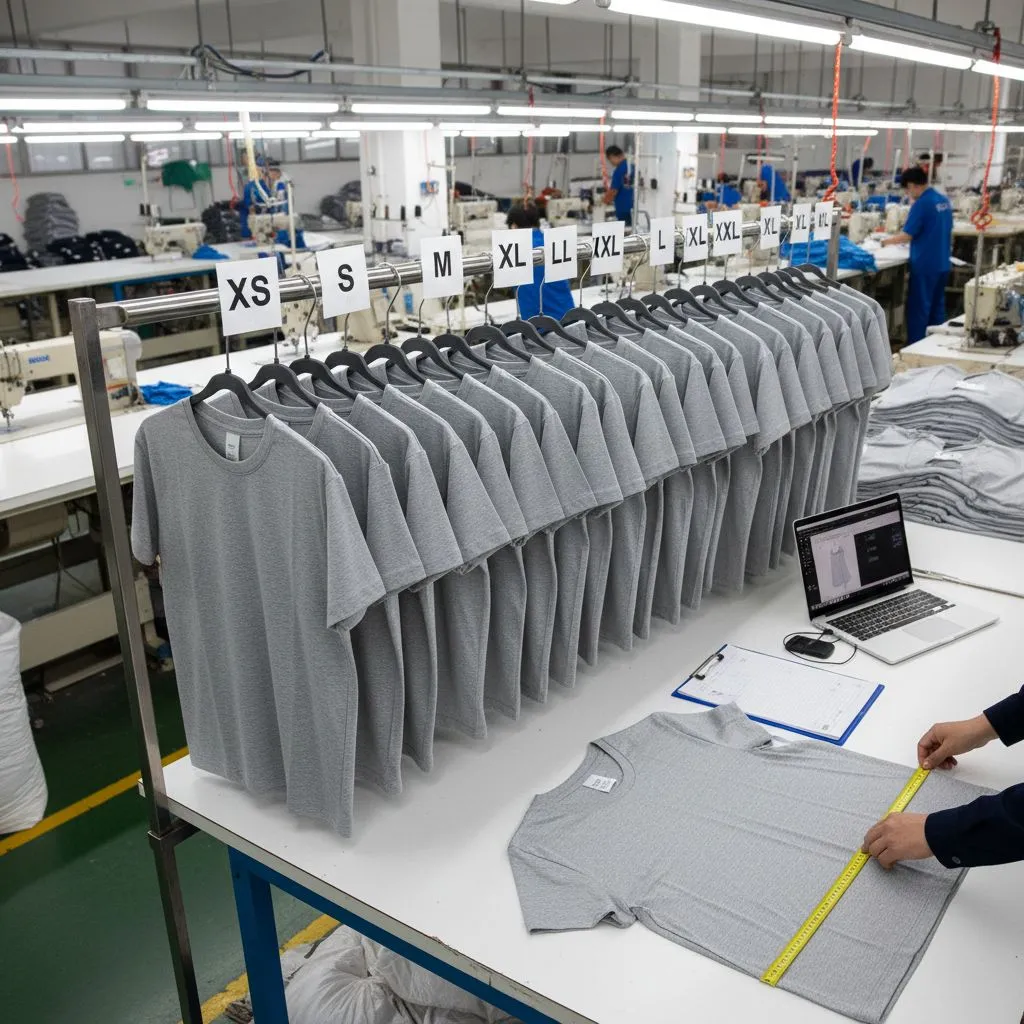
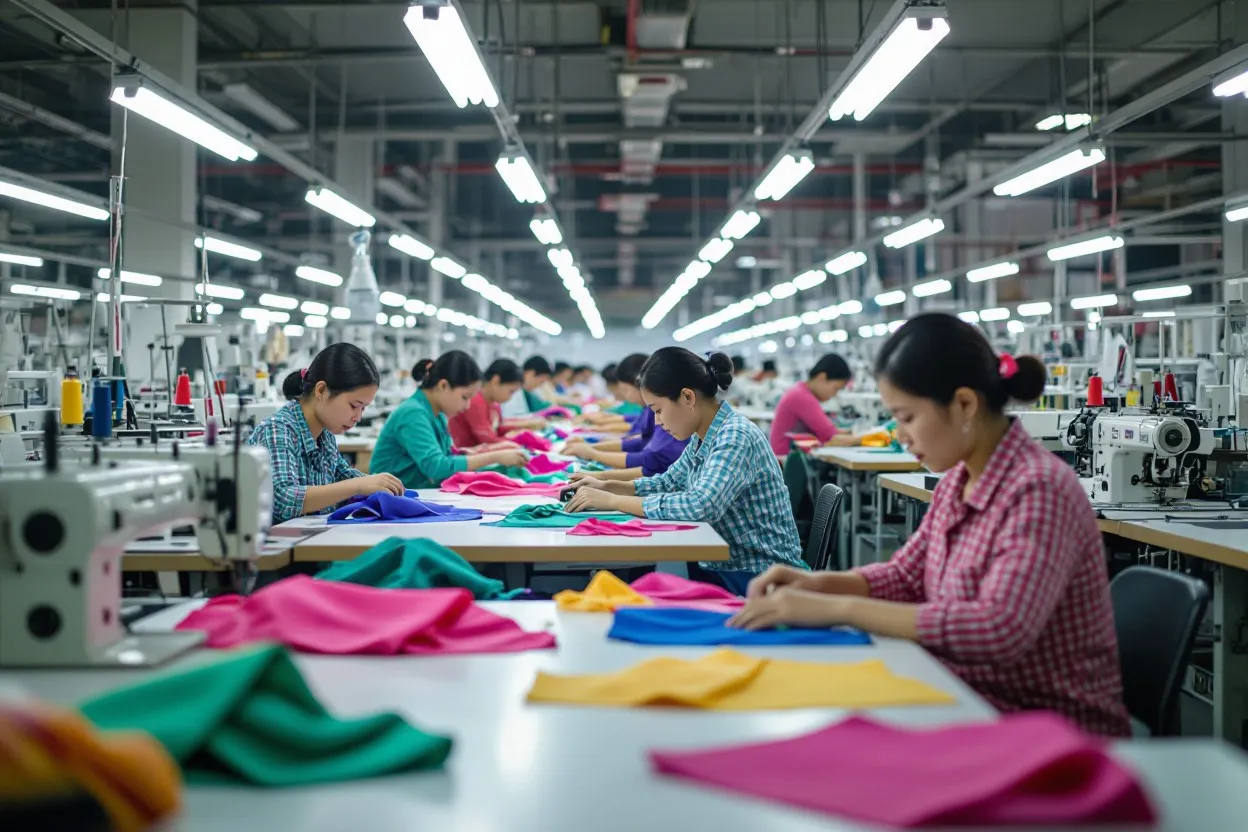
Offering too many color or size variations may seem attractive, but it often increases production complexity and inventory costs. Starting with a focused product range makes manufacturing more efficient and easier to manage. Offering too many variations creates unnecessary production complexity.
Instead of launching:
- 12 colors
- 8 print designs
- Multiple fabric weights
Consider starting with:
- 3–5 core colors
- One or two signature graphics
- A consistent fabric specification
This simplifies inventory management while improving production efficiency.
Reduce Waste During Product Development
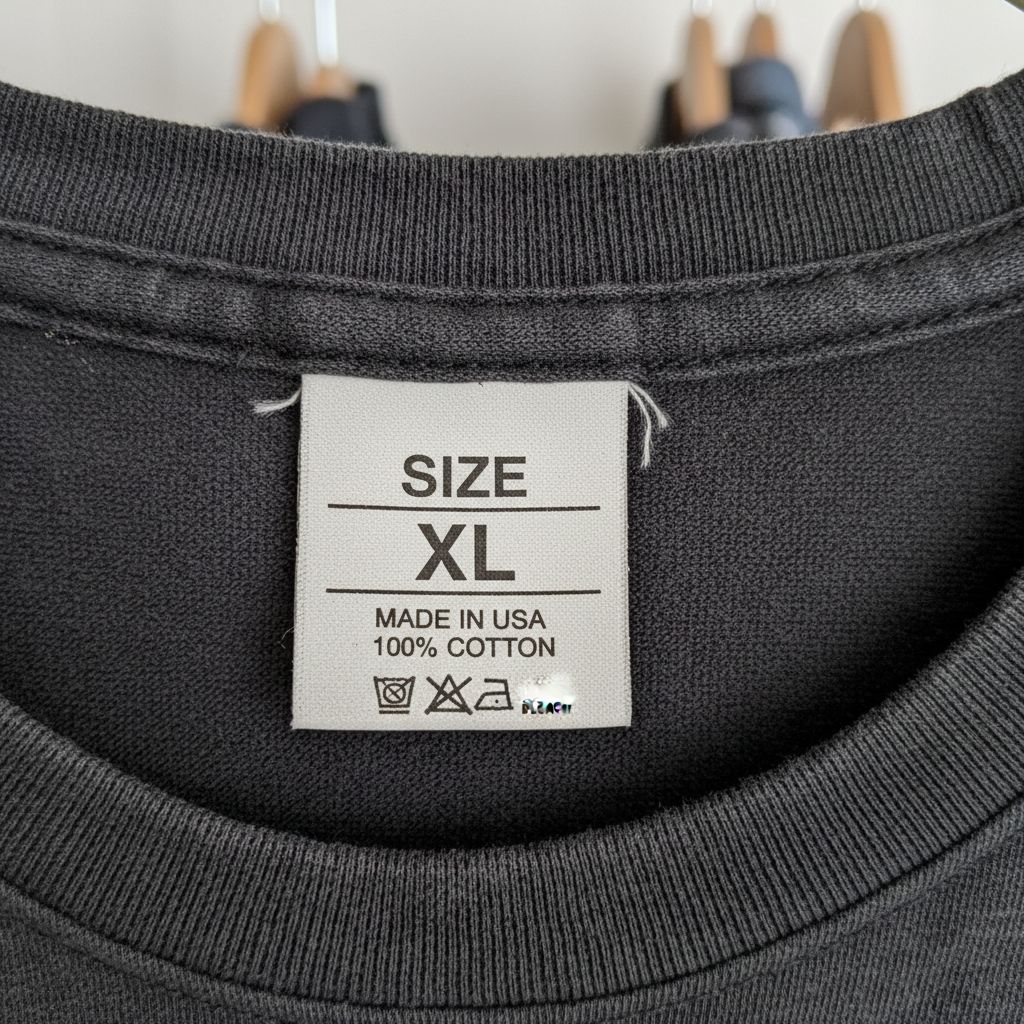
Mistakes made before production can become expensive once manufacturing begins. Careful planning and clear technical information help reduce unnecessary sampling, revisions, and material waste. Frequent design revisions and repeated sampling increase both time and cost. Before approving production, prepare:
- Final artwork
- Accurate size specifications
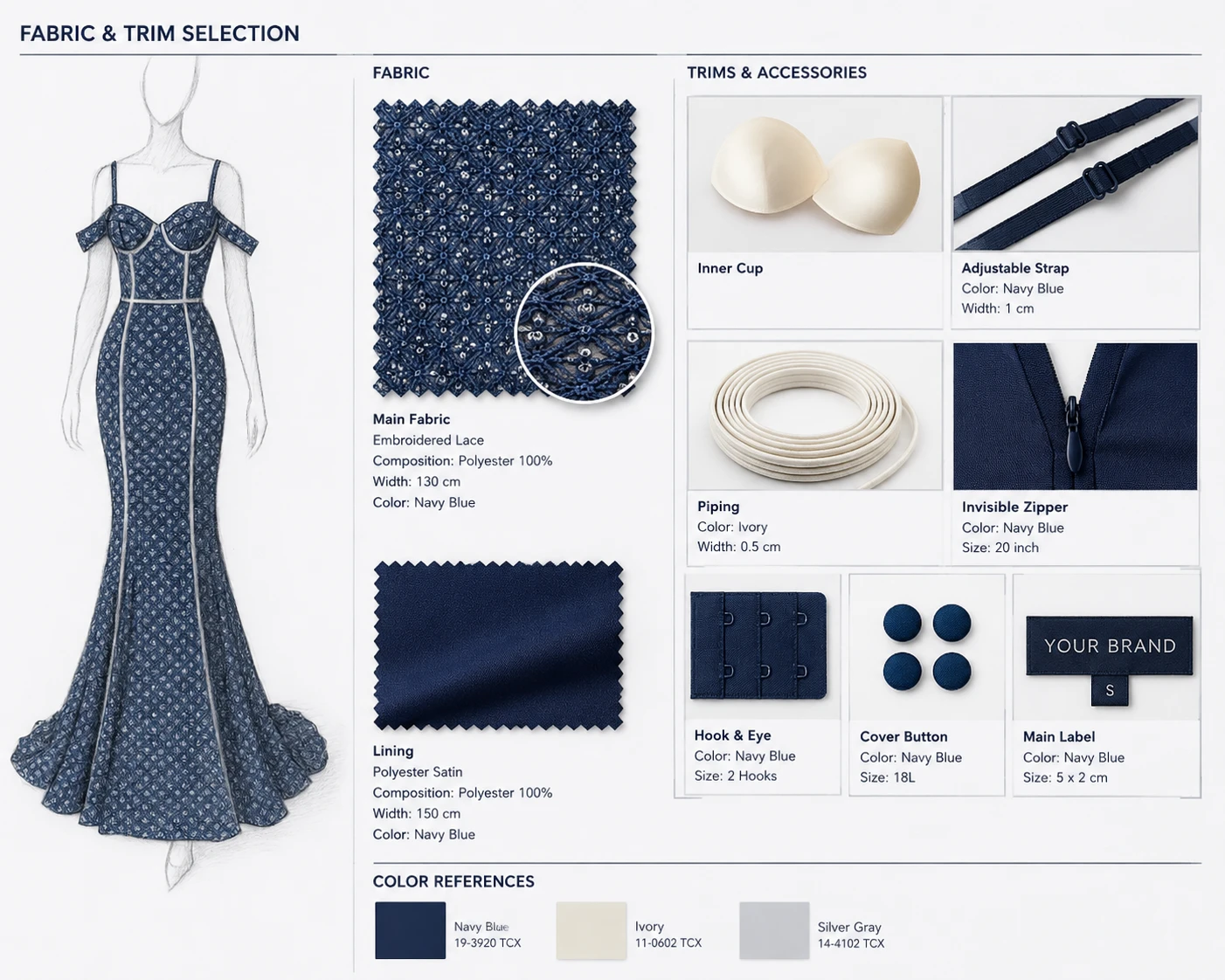
- Color references
- Print placement guides
- Packaging requirements
Clear technical information helps manufacturers avoid mistakes and reduces expensive revisions.
Work with an Experienced Manufacturer
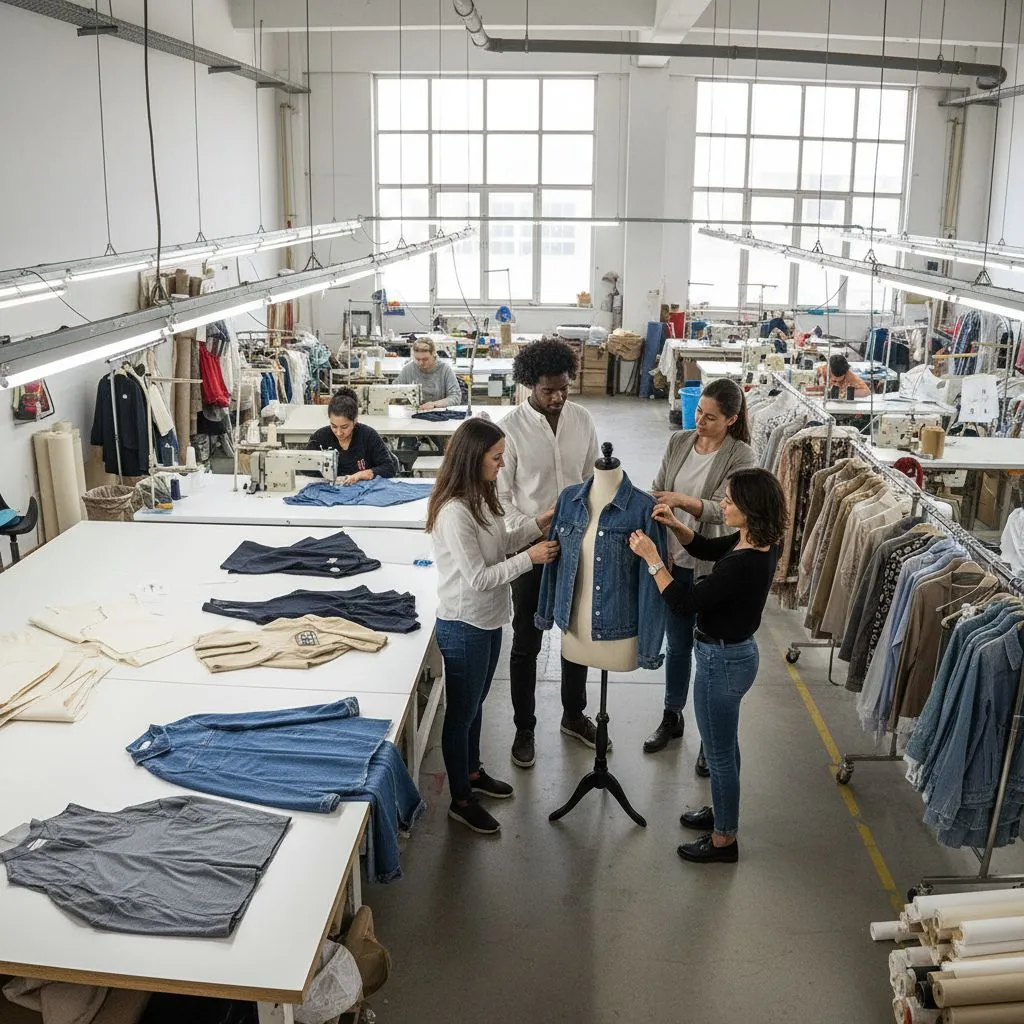
A knowledgeable manufacturing partner does more than produce garments. They can recommend practical improvements that reduce costs, improve quality, and streamline production without compromising your product. A reliable factory can often recommend ways to reduce production costs without lowering quality. Experienced manufacturers may suggest:
- Alternative fabric constructions
- More efficient marker layouts
- Better sewing methods
- Cost-effective trims
- Packaging improvements
- Production optimizations
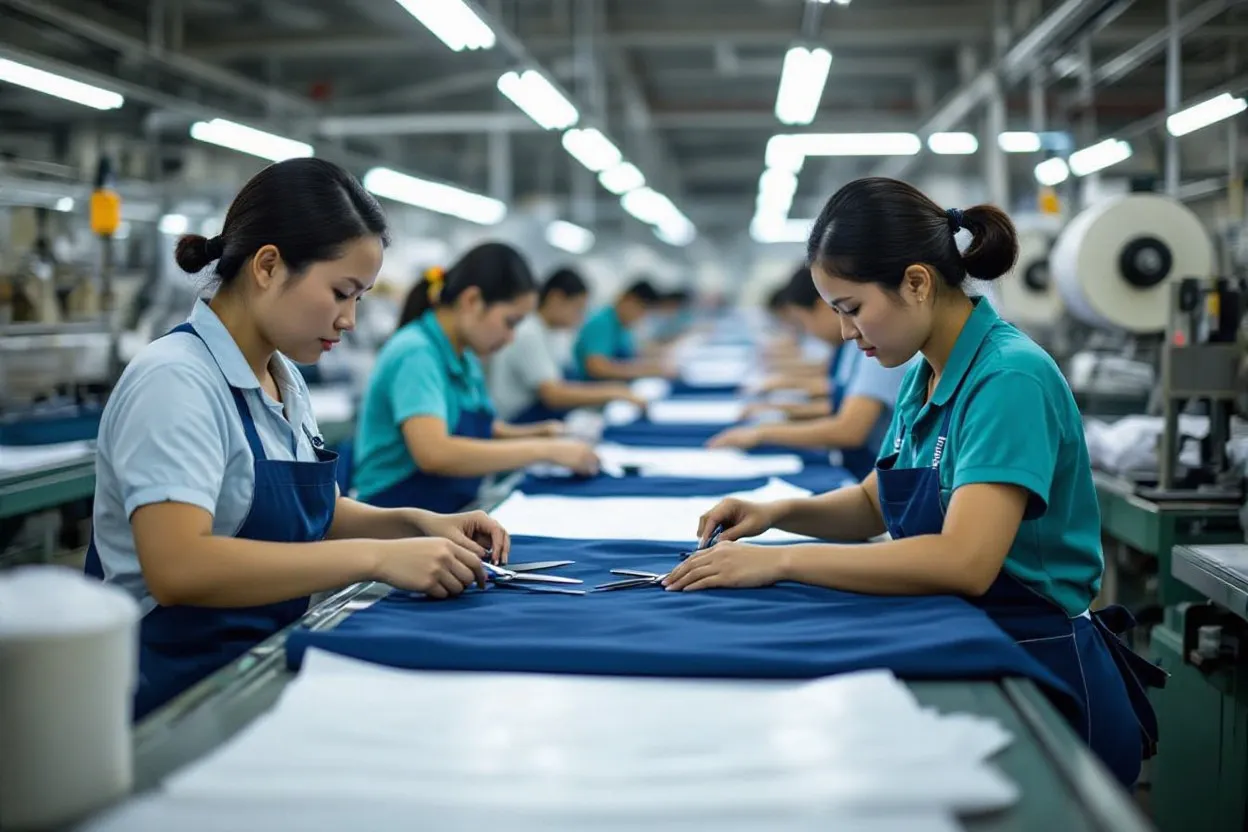
These small improvements can create meaningful savings across large production runs.
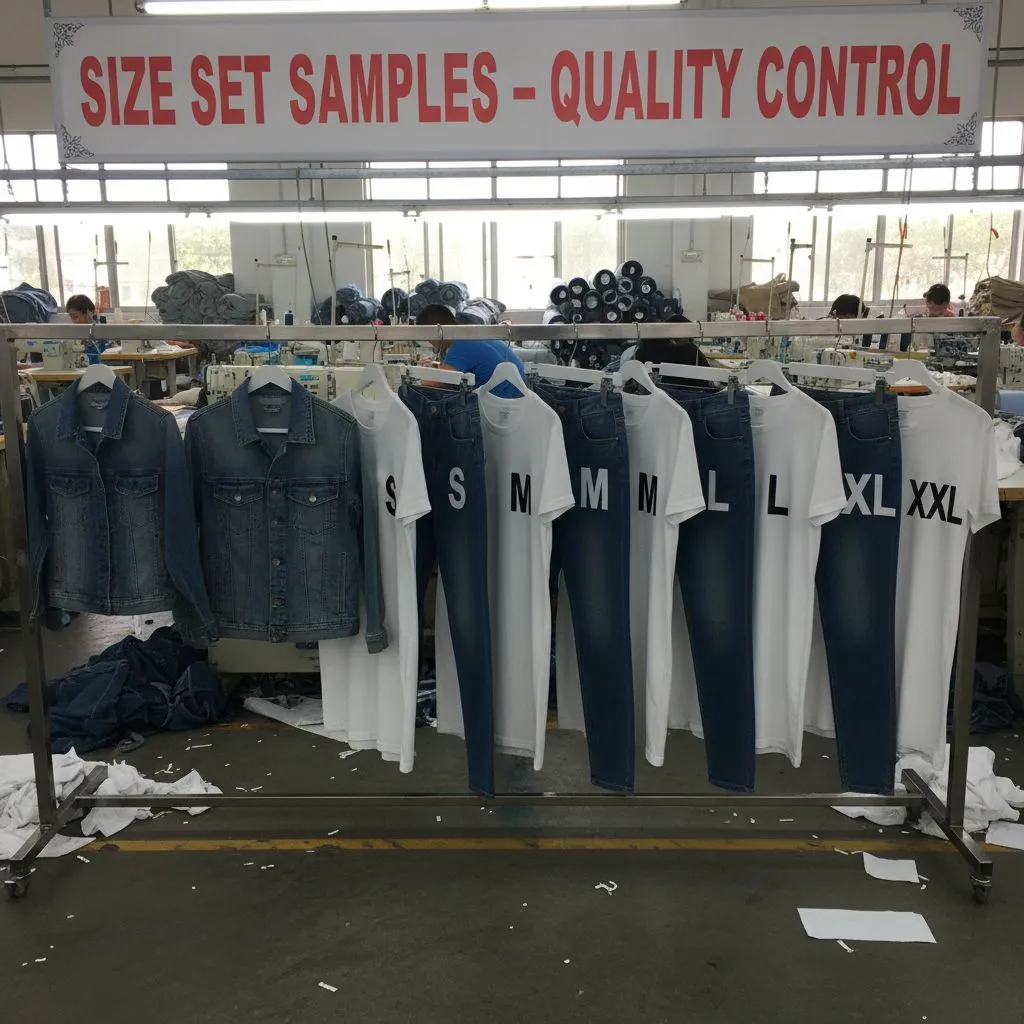
Don’t Focus Only on the Lowest Price
The lowest quotation is not always the best business decision. Looking beyond the initial price helps you evaluate overall value, including quality, consistency, reliability, and long-term customer satisfaction. The cheapest quotation is not always the lowest overall cost. Poor-quality garments can result in:
- Customer complaints
- Product returns
- Negative reviews
- Replacement costs
- Damage to your brand reputation
Instead of comparing only the price per shirt, evaluate the total value, including quality, consistency, production reliability, and after-sales support.
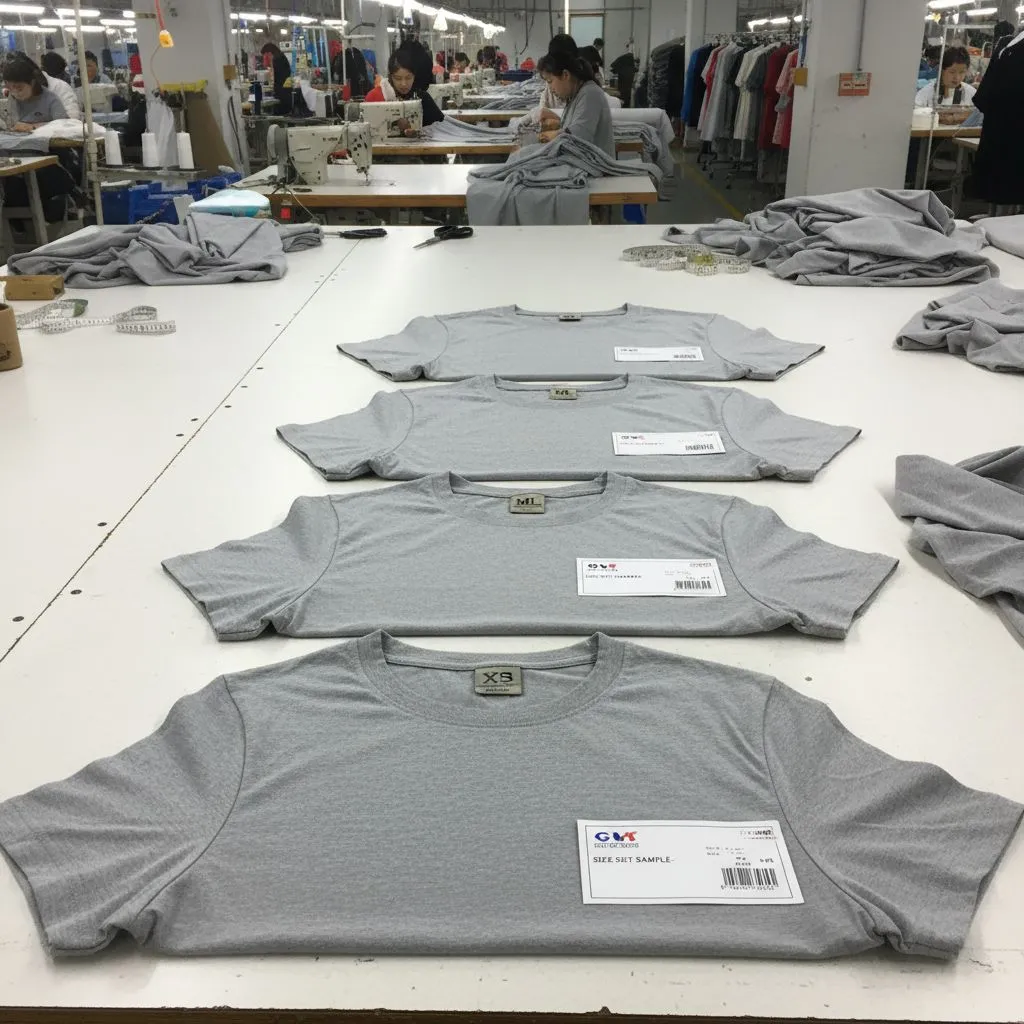
Build Long-Term Supplier Relationships
Strong supplier relationships often lead to better communication, more consistent quality, and greater pricing stability. Working together over time creates efficiencies that benefit both your business and your manufacturing partner. Long-term partnerships often create better pricing opportunities than constantly changing suppliers. Manufacturers are more likely to offer:
- Better material pricing
- Priority production scheduling
- Improved payment terms
- Faster communication
- Greater production consistency
A stable partnership benefits both the buyer and the manufacturer over time.
Final Thoughts / Conclusion
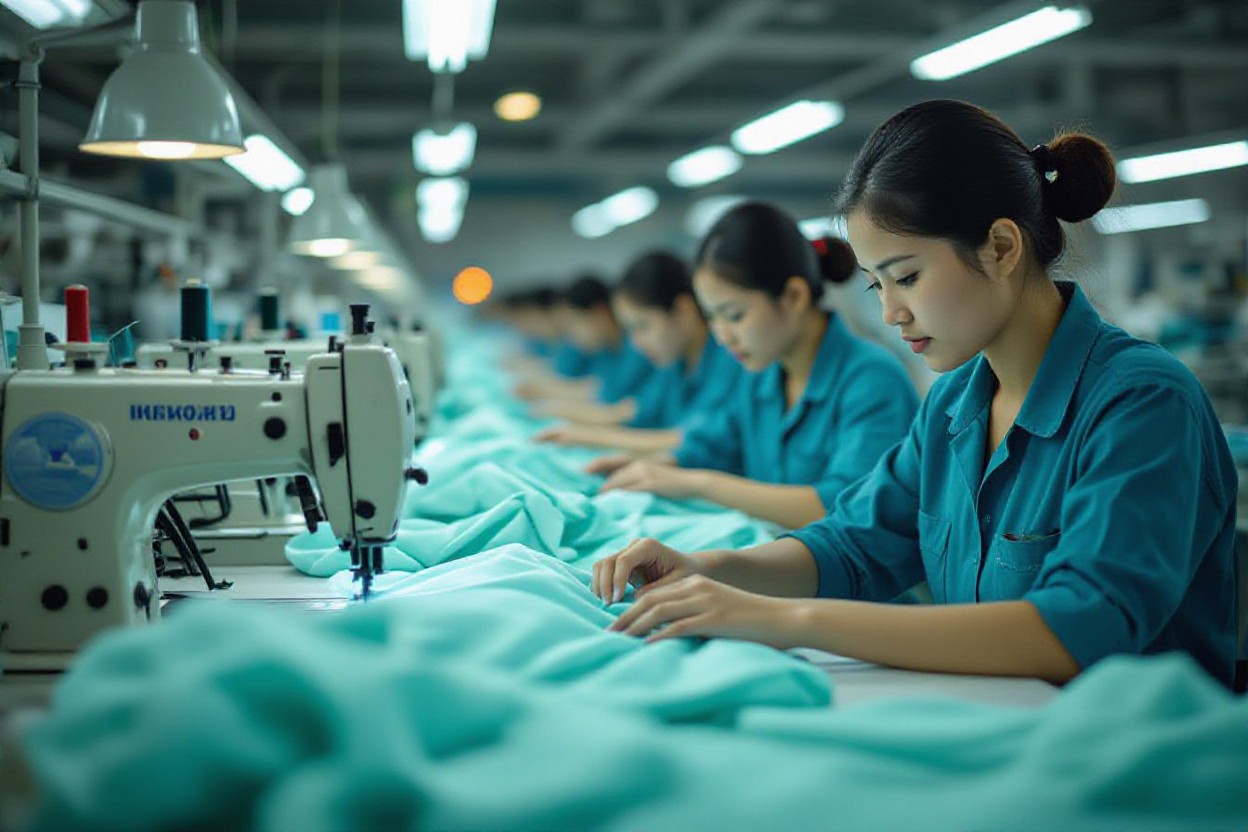
Saving money on custom T-shirts does not mean sacrificing quality. The smartest brands reduce costs by making better decisions rather than simply choosing cheaper materials. Select the right fabric weight, simplify your designs, use the most suitable printing method, optimize production quantities, and partner with an experienced manufacturer. These strategies help control costs while delivering T-shirts that customers enjoy wearing. In the end, the goal is not to create the cheapest product—it is to create the best value. A well-made custom T-shirt that fits your target market will always outperform one that saves money at the expense of quality.