
Abayas are no longer just about modesty. Today, they sit at the intersection of fashion, comfort, and personal identity. A beautifully designed abaya can still fail if the fabric choice is wrong. The truth is simple: fabric determines how an abaya looks, feels, moves, and survives daily life. Many buyers focus only on appearance. That’s a mistake. A fabric that looks stunning in photos can feel unbearable in heat, wrinkle beyond repair, or lose shape after a few washes. Below is a practical, honest guide to 12 essential abaya fabrics, including where each one shines and where it doesn’t.
Nidha
Nidha is one of the most popular abaya fabrics for a reason: it feels soft, smooth, and lightweight, with a drape that looks instantly elegant. Many people choose Nidha for formal abayas because it flows beautifully and stays comfortable in warm weather. When you want an abaya that looks polished without feeling heavy, Nidha is often the first fabric people look for.
- Why it works: Nidha drapes elegantly without clinging, making it ideal for formal abayas and hot climates. It feels smooth against the skin and maintains a polished look throughout the day.
- Reality check: Not all Nidha is equal. Lower-grade versions pill easily and lose softness after washing.
- Best for: Formal wear, warm weather, elegant silhouettes
- Not ideal for: Rough daily use, careless washing
Crepe
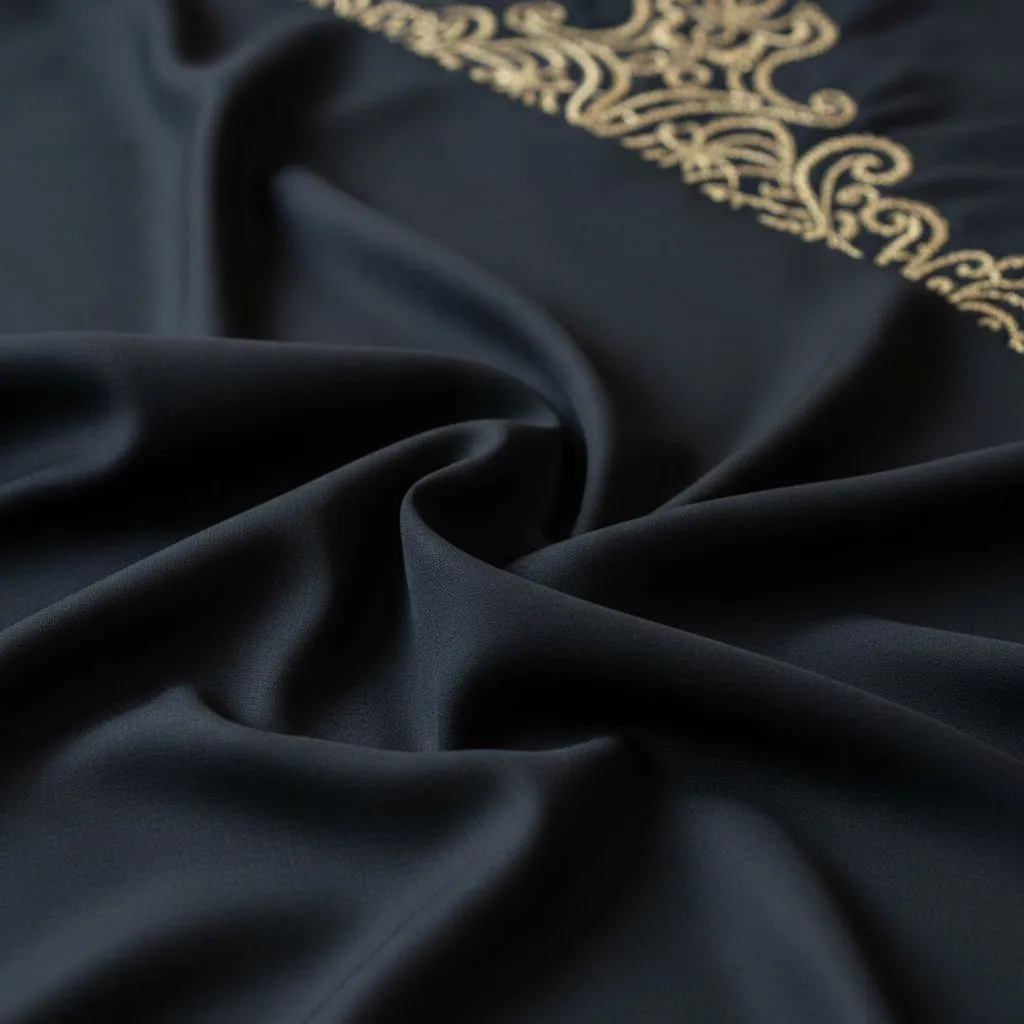
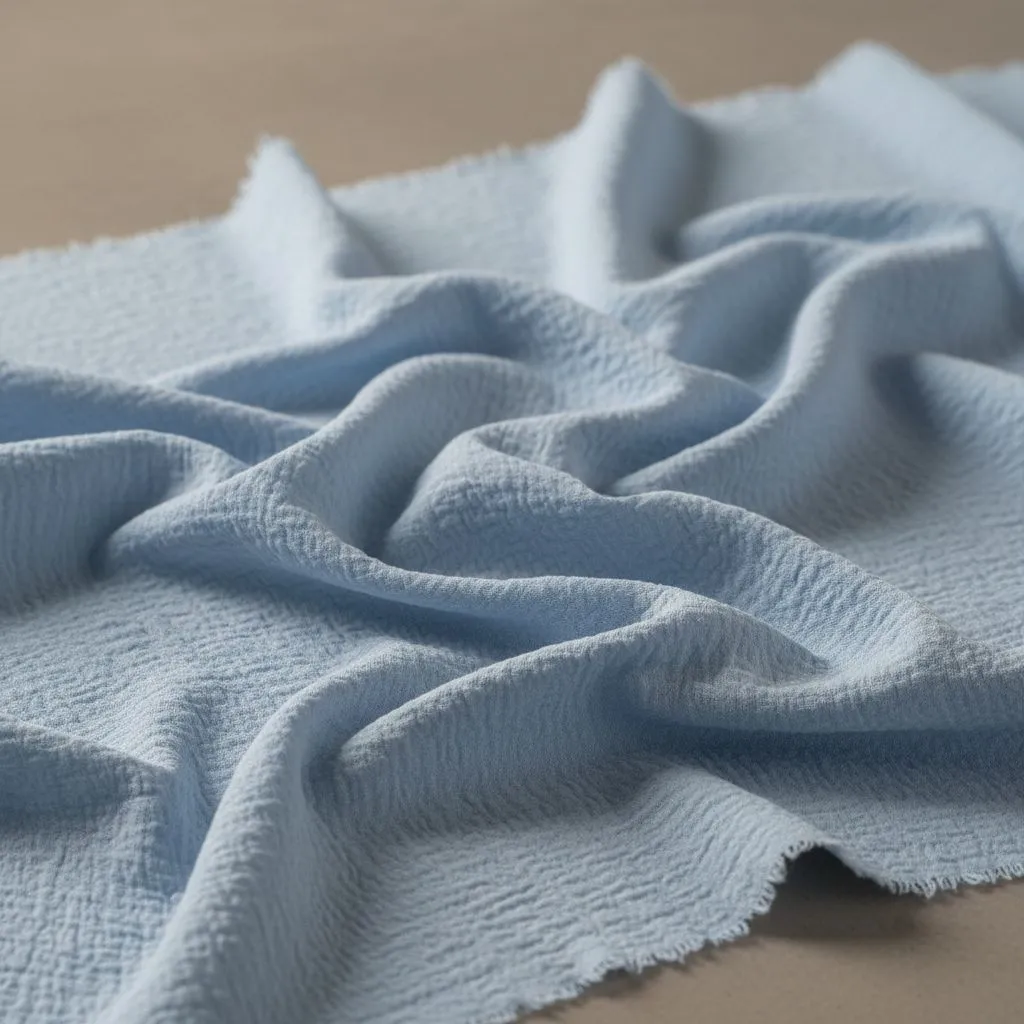
Crepe is one of the most reliable and versatile fabrics used for abayas today. Its slightly textured surface helps the garment keep its shape while hiding wrinkles, making it a practical choice for everyday wear. Crepe drapes well without clinging to the body, offering both comfort and modesty. Depending on its weight, crepe can work for casual, work, or semi-formal abayas, which is why many women choose it for daily use.
- Why it works: Crepe holds its shape, resists wrinkles, and works for both casual and semi-formal designs. It’s forgiving on different body types.
- Reality check: Heavier crepes can trap heat, making them uncomfortable in very hot climates.
- Best for: Daily wear, work abayas
- Not ideal for: Extreme heat if fabric weight is high
Chiffon
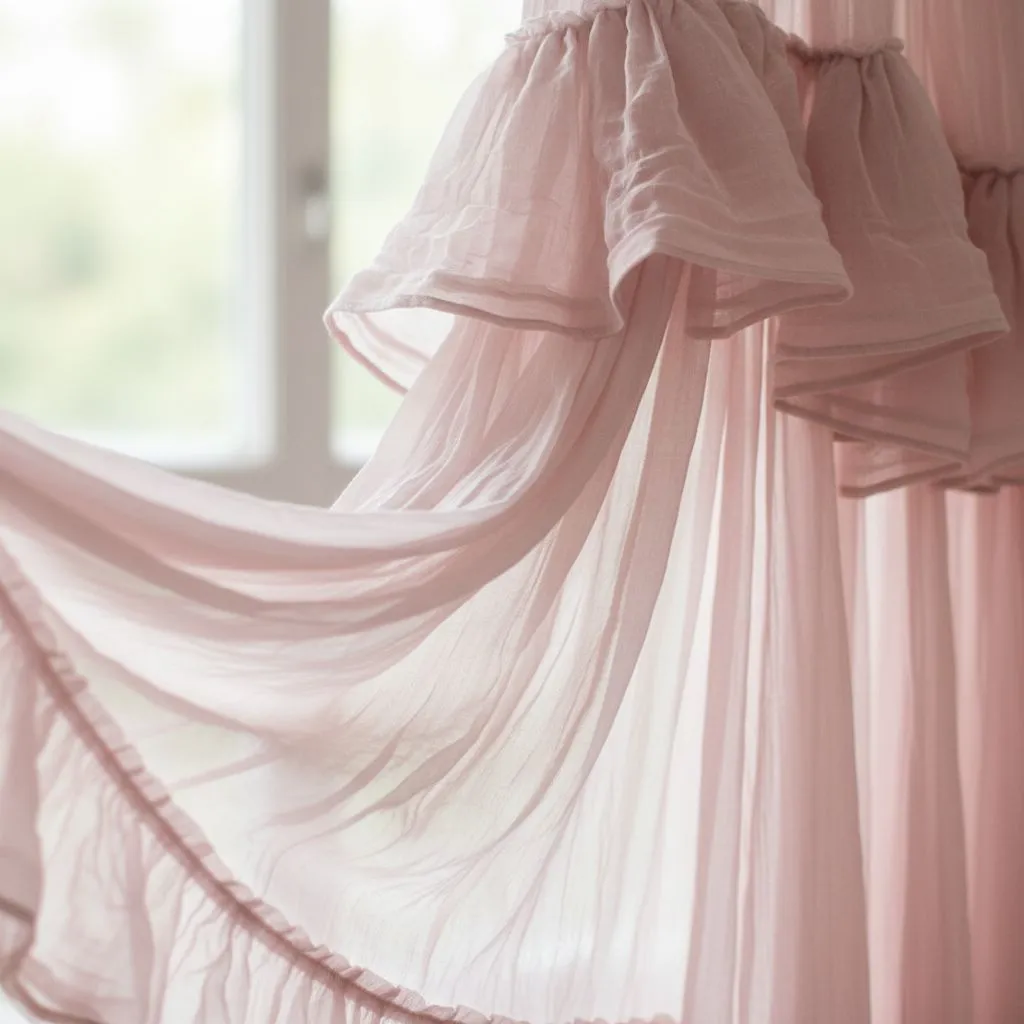
Chiffon is a lightweight, sheer fabric known for its soft flow and graceful movement. It adds a delicate, feminine touch to abayas, making it especially popular for formal and layered designs. Because chiffon is transparent, it is usually paired with an inner lining to maintain modesty. While it looks elegant and airy, chiffon requires careful handling and is best suited for special occasions rather than everyday wear.
- Why it works: It adds movement and femininity. When layered properly, chiffon creates an elegant, flowing look.
- Reality check: Chiffon alone is not practical. It always needs lining, which adds cost and warmth.
- Best for: Evening wear, layered designs
- Not ideal for: Everyday wear, low-maintenance users

Linen
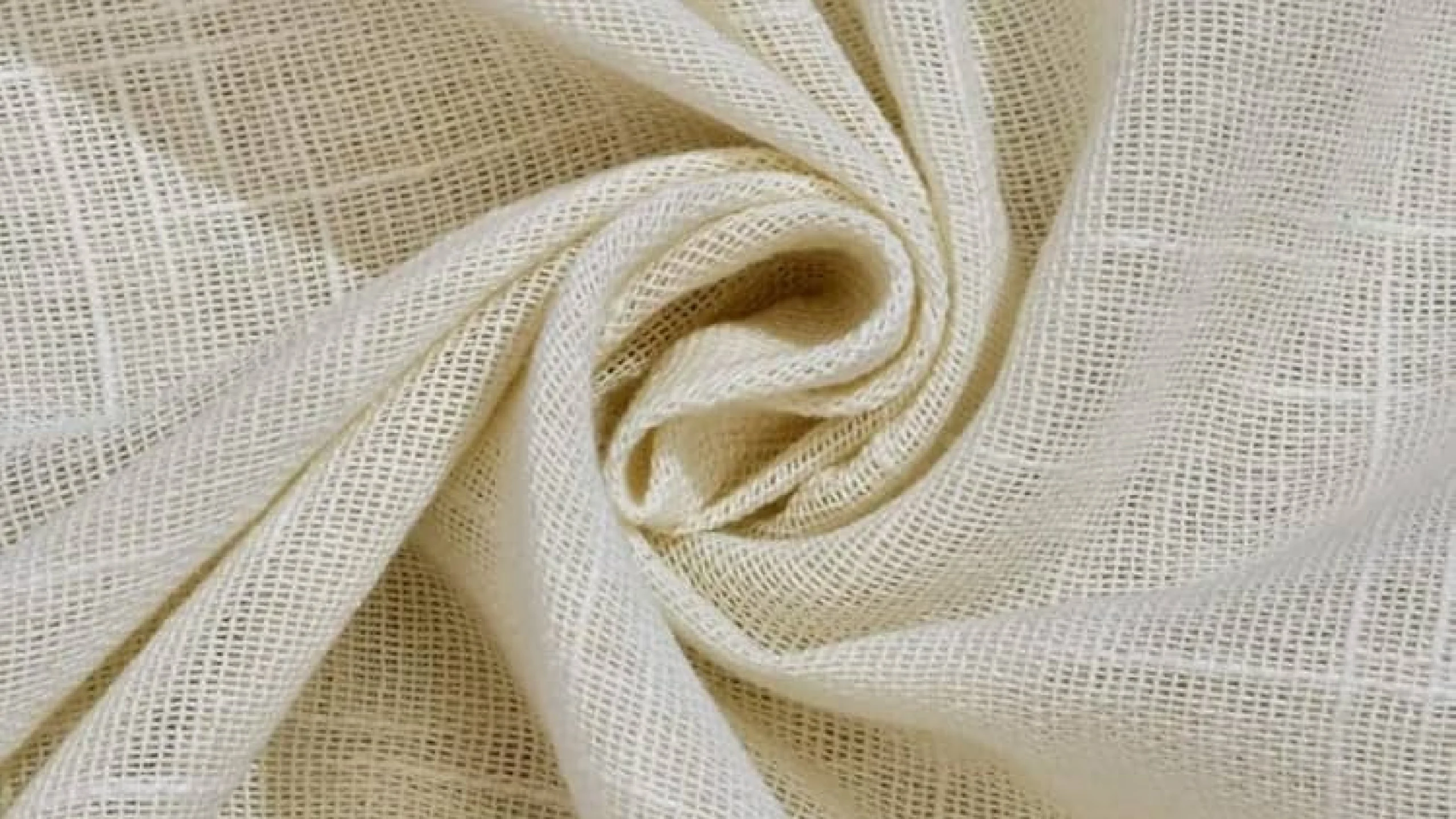
Linen gives abayas a natural, relaxed elegance that feels effortless. It’s highly breathable and helps you stay comfortable in warm weather because it allows air to move and absorbs moisture well. Linen also has a distinct texture that looks clean and modern, even with simple designs. If you like a minimal, earthy style, linen is a strong choice.
- Why it works: It keeps the body cool, absorbs moisture, and feels fresh in hot weather.
- Reality check: Wrinkling is unavoidable. If you expect a crisp, polished look all day, linen will disappoint.
- Best for: Casual abayas, summer climates
- Not ideal for: Formal settings, wrinkle-free expectations
Satin
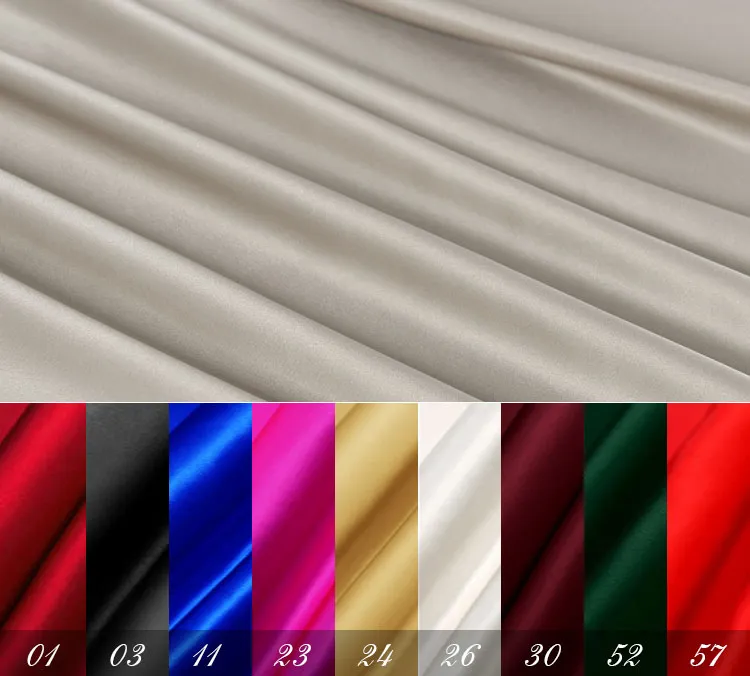
Satin is known for its smooth surface and natural shine, giving abayas a glamorous and refined look. The fabric reflects light beautifully, making even simple designs feel luxurious and eye-catching. Satin drapes well and creates a flowing silhouette, which is why it’s often chosen for evening and special-occasion abayas. However, because of its glossy finish, satin requires careful wear and maintenance to keep it looking polished.
- Why it works: It reflects light beautifully and elevates simple designs into statement pieces.
- Reality check: Satin shows sweat, oil marks, and creases easily. One bad wash can ruin it.
- Best for: Evening events, special occasions
- Not ideal for: Daily wear, hot climates
Cotton
Cotton is one of the most practical and comfortable fabrics used for abayas. It is soft, breathable, and gentle on the skin, making it ideal for daily wear, especially in hot or humid climates. Cotton abayas are easy to care for and suitable for long hours of wear. While cotton may not look as glossy as luxury fabrics, it offers reliable comfort and timeless simplicity.
- Why it works: It is breathable, soft, hypoallergenic, and easy to maintain. Cotton abayas are comfortable for long wear.
- Reality check: Pure cotton wrinkles easily and may lack the elegance of synthetic blends.
- Best for: Daily wear, sensitive skin
- Not ideal for: High-end formal looks without blending

Jersey

Jersey is a soft, knit fabric known for its stretch and comfort, making it a popular choice for casual abayas. It moves easily with the body and feels relaxed, which is ideal for long wear or travel. Jersey also resists wrinkles and drapes naturally without feeling stiff. However, because of its stretch, it can cling to the body, so the cut and thickness matter for modest wear.
- Why it works: It allows freedom of movement and drapes naturally over the body.
- Reality check: Jersey can cling and reveal body contours, which some may find unsuitable for modest wear.
- Best for: Casual, travel, everyday abayas
- Not ideal for: Structured or formal designs
Silk
Silk is considered one of the most luxurious fabrics used for abayas. It has a naturally smooth texture, a soft sheen, and a beautiful drape that makes the garment look refined and graceful. Silk feels cool against the skin, which adds to its comfort in warm settings. However, silk is delicate and requires careful handling, making it best suited for special occasions rather than everyday wear.
- Why it works: It is lightweight, naturally cool, and has an unmatched sheen and drape.
- Reality check: Silk is expensive and fragile. It demands careful handling and professional cleaning.
- Best for: High-end occasions
- Not ideal for: Budget buyers, daily use
Rayon
Rayon is a popular fabric choice for abayas because it feels soft, smooth, and comfortable on the skin. It drapes well and gives a flattering flow, making abayas look elegant without feeling heavy. Rayon is also breathable and absorbs moisture, which helps in warm climates. While it offers good value for money, rayon needs proper care, as it can weaken or shrink if washed incorrectly.
- Why it works: It drapes well, feels soft, and is breathable, making it a popular everyday option.
- Reality check: Rayon can shrink and weaken if washed improperly.
- Best for: Stylish daily abayas
- Not ideal for: Rough washing, long-term durability without care
Georgette
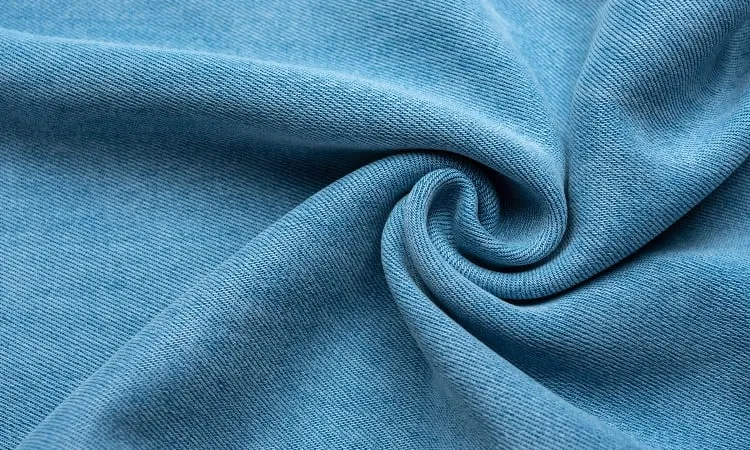
Georgette is a lightweight fabric with a slightly crinkled texture and a graceful, flowing drape. It looks similar to chiffon but feels a bit heavier, which gives better coverage and structure in abayas. Georgette moves beautifully without clinging to the body, making it suitable for modest and elegant designs. Because it is still slightly sheer, georgette abayas usually require lining for full comfort and coverage.
- Why it works: It flows beautifully while offering better coverage and durability than chiffon.
- Reality check: Still requires lining and careful sewing to avoid pulling.
- Best for: Elegant, layered designs
- Not ideal for: Minimalist, single-layer abayas
Tencel (Lyocell)
Tencel (Lyocell) is a smooth, breathable fabric known for its soft feel and elegant drape, making it a strong choice for chic abayas. It handles moisture well, so it can feel cooler and fresher than many synthetics in warm weather. Tencel also has a clean, refined look that works beautifully for minimalist, modern designs. However, it often costs more than cotton and may not be as easy to find, depending on your market.
- Why it works: It is breathable, smooth, moisture-absorbing, and environmentally responsible.
- Reality check: It’s more expensive than cotton and not widely available in all markets.
- Best for: Sustainable fashion lovers
- Not ideal for: Budget-focused production
Polyester Blends
Polyester blends are widely used in abayas because they are durable, wrinkle-resistant, and easy to maintain. When blended well, they hold color, keep their shape, and drape better than pure polyester. These fabrics are often chosen for travel or daily wear because they require minimal care. However, the comfort level depends heavily on the blend ratio, as low-quality blends can trap heat and feel less breathable.
- Why it works: They resist wrinkles, hold color well, and are easy to care for.
- Reality check: Low-quality blends trap heat and feel uncomfortable in hot weather.
- Best for: Travel, low-maintenance wear
- Not ideal for: Extreme heat unless blended carefully