

Think of the BOM as the definitive shopping list for your production run. Its primary function is cost control and sourcing accuracy. It dictates every single physical component required to assemble the final product, from the main fabric down to the packing tape. By locking down suppliers and specific item codes here, you prevent the factory from substituting cheaper alternatives that look similar but perform poorly. Without this specific document, your production costs become a moving target and quality becomes a gamble.
A Strong BOM Clearly States:
- Fabric composition and weight
- Weave or knit type
- Finish or treatment
- Trim type (buttons, zippers, elastic, thread)
- Color codes and supplier references (if required)
A detailed BOM protects consistency. Every unit looks, feels, and performs the same. A functional BOM goes far beyond generic descriptions. It must be an exhaustive table where every item has a specific identity. At a minimum, your data should include the item category, placement, supplier name, and consumption per unit. You need to list the main fabric, secondary fabrics (like pocket lining), all trims (buttons, zippers, rivets), threads, labels, and packaging materials. If a component is attached to the garment or used to ship it, it belongs on this list.
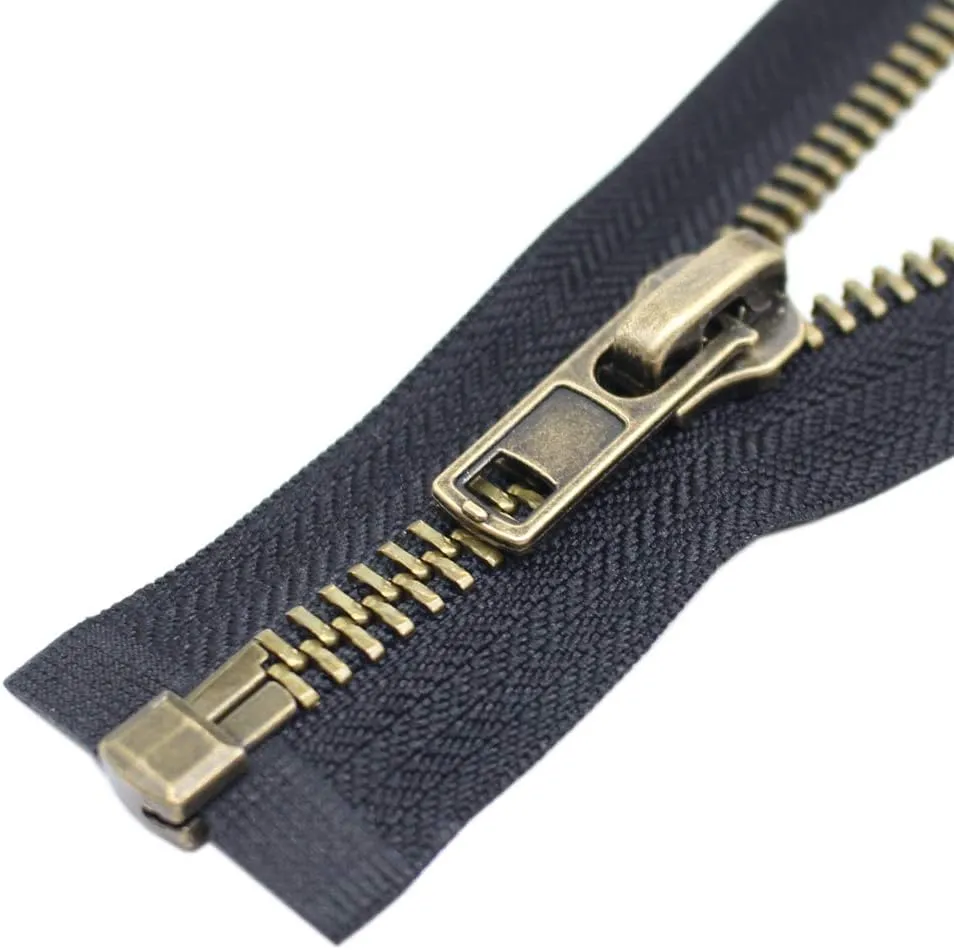
Vagueness here is the enemy of quality. Simply listing“black zipper” is an invitation for errors; the factory might source a cheap plastic coil zipper instead of the sturdy metal hardware you intended. Instead, specify “YKK #5 Metal Zipper, Semi-Auto Lock, Gunmetal Finish, Tape Color 580.” This level of precision forces the sourcing team to procure the exact component you approved during sampling. By defining the supplier and the specific article number, you effectively remove the factory’s ability to guess or cut corners on material quality.
Fabric composition and weight
This tells you exactly what the main material is made of (e.g., 97% cotton + 3% elastane) and how heavy it is per square meter or per ounce.
Why it matters:
- The fiber content affects feel, stretch, durability, washing behavior, and price.
- Weight affects drape, warmth, and how much fabric you need — heavy fabric can cost more and change production choices.
- Without precise details, a factory might pick a cheaper fabric with similar color but totally different performance.

Production impact:
- Helps calculate accurate fabric consumption.
- Ensures suppliers send the right quality material.
- Supports consistent finished feel across all sizes.
Think of this as the “type and quality of flour” in a recipe, it determines the final result.

Weave or knit type
This is about how the fabric is constructed. For woven fabrics, is it twill, plain, satin? For knits, is it jersey, rib, interlock?
Why it matters:
- Weave/knit changes stretch, feel, appearance, and production handling.
- Pattern cutting, sewing machines, and even thread use can change based on knit vs woven.

Production impact:
- Aligns the cutting process to fabric behavior — knits stretch, wovens don’t.
- Prevents quality issues like puckering, distortion, or wrong seam choice.
- Helps production plan workload and machine allocation.
It’s like knowing whether you’re baking with cake flour or bread flour, the structure changes everything.

Finish or treatment
This includes things like enzyme wash, resin finish, water-repellent coating, enzyme sanding, etc.
Why it matters:
- A treatment can change feel, durability, colorfastness, and care instructions.
- Some finishes require special handling in production or additional approvals from buyers.

Production impact:
- Affects how you handle fabric in cutting/sewing.
- Affects buyer expectations for look & wash care labels.
- Can add cost — and if untreated fabric arrives, it changes the product entirely.
Finish / treatment is like marinating before cooking, it changes the final flavor and texture.

Trim type (buttons, zippers, elastic, thread)
This lists every additional component attached to the garment — zipper type, button brand/size, elastic width/stretch, thread type/color.
Why it matters:
- Small trims change product appearance and performance.
- The wrong zipper or cheap thread can lead to returns or breakage after a few washes.
- Trim selection often has specific brand names like “YKK” — that’s intentional for quality.

Production impact:
- Ensures production orders the exact trims needed before cutting.
- Prevents line stoppages because parts aren’t available.
- Supports accurate cost calculation and supplier ordering.
Trims are the “seasonings and garnishes” small but essential.

Color codes and supplier references (if required)
This means exact color codes (Pantone, supplier color IDs) and which supplier to buy each item from.
Why it matters:
- “Black” is too vague — there are many shades. Without a code, factories guess.
- Supplier references prevent them from swapping to cheaper but wrong items.

Production impact:
- Keeps color consistency on fabric and trims across batches.
- Allows exact ordering and planning — no mistaken colors or late corrections.
- Gives traceability — if a batch looks off, you know exactly which supplier part was used.
It’s like giving an exact paint code instead of saying “blue-ish.”

Final Words / Conclusion
A strong Bill of Materials is not just paperwork. It is the bridge between your idea and the finished garment in your customer’s hands. Every detail you list fabric, trims, colors, finishes, and suppliers removes guesswork from the production process. When a BOM is clear and complete, factories can plan better, buyers can cost more accurately, and quality stays consistent from sample to bulk. Problems are solved before they happen, not after goods are shipped. That saves time, money, and relationships. If you want smoother production, fewer revisions, and predictable results, treat your BOM as a core production tool, not an afterthought. A well-built BOM doesn’t slow you down it protects your brand and helps your products come out right, every single time.
Our Contact Information – MEKONG GARMENT FACTORY
- Vietnam Phone: +84 947 729 829
- WeChat: +84 947 729 829
- WhatsApp: +84 947 729 829
- Email: hanh@kimmy.vn