
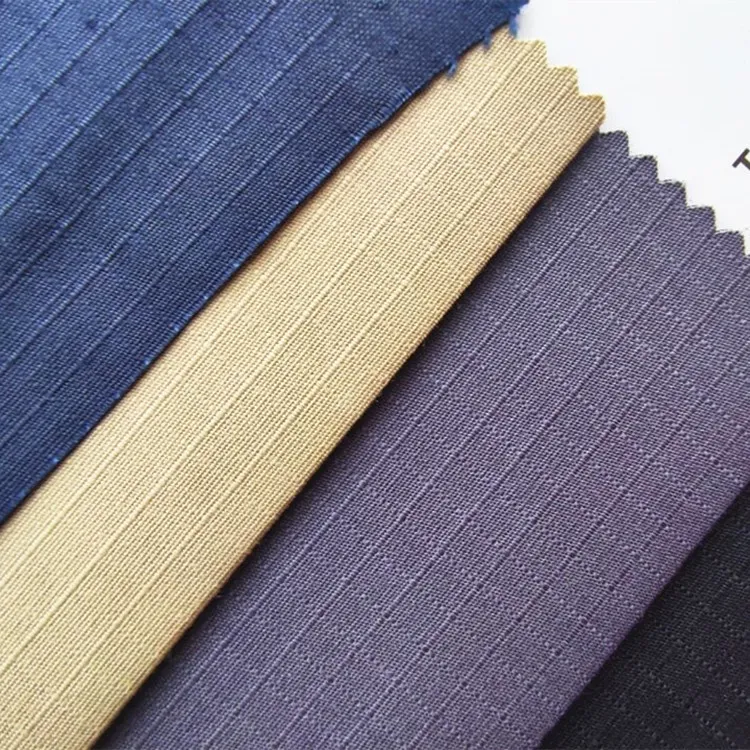
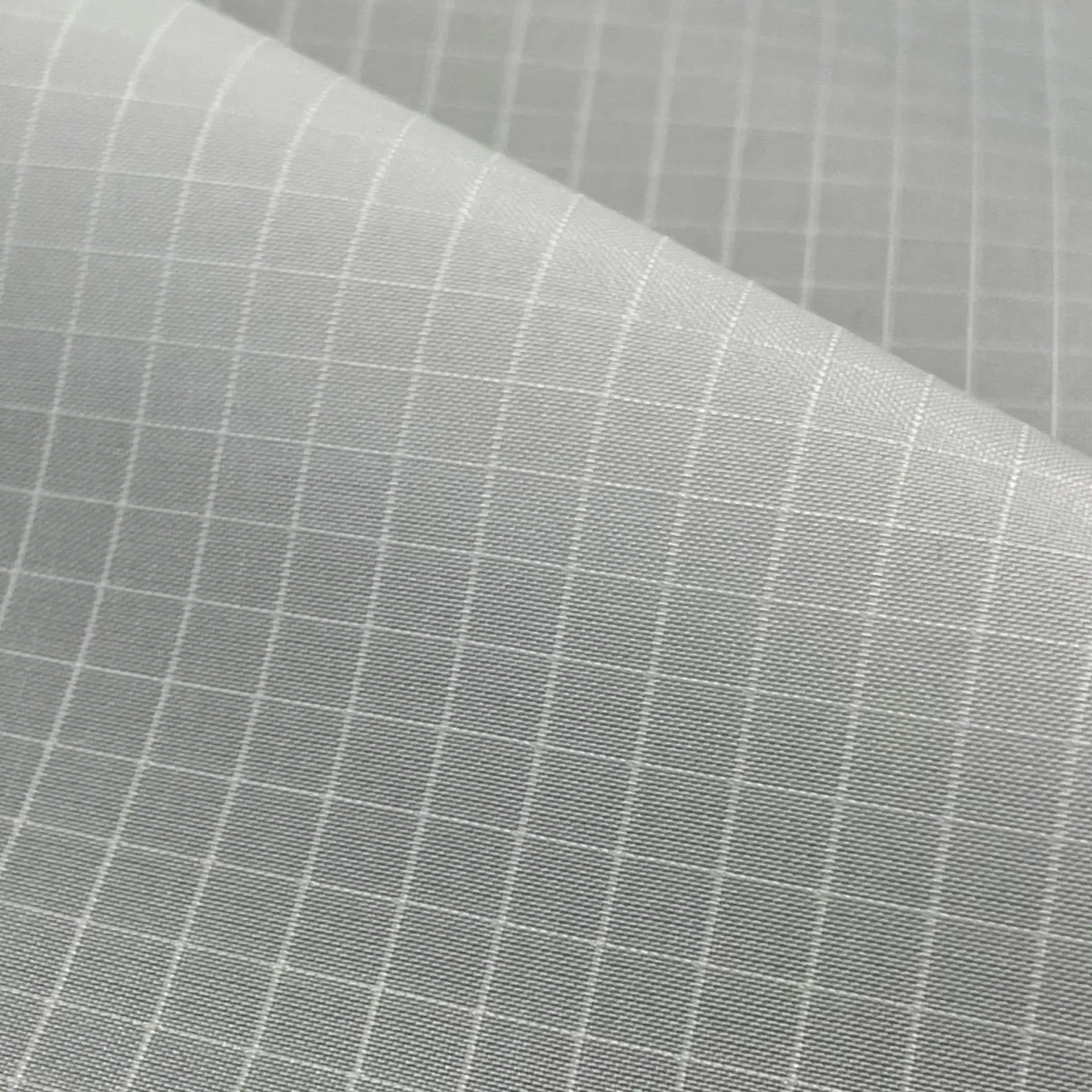
Ripstop nylon is a nylon fabric woven with a built-in “stop-the-tear” grid. During weaving, the mill adds thicker, stronger yarns at regular spacing (often a few millimeters apart). Those stronger yarns make a faint crosshatch pattern. If the fabric gets a tiny cut, that grid helps keep the tear from racing across the whole panel. One quick pushback, though: “ripstop” is a weave pattern, not a magic material. You can find ripstop in nylon, but also in polyester, cotton blends, and more. So don’t assume “ripstop = nylon” every time.
Why People Choose Ripstop Nylon
When weight matters, ripstop nylon is a common winner. It gives strength without making your product bulky. That is why you often see it in outdoor gear and packable jackets. It also works well for hard-use clothing that gets scraped or pulled. But “popular” does not always mean “best for every job.” Ripstop nylon is popular when you need low weight + real strength, like:
- Windbreakers and lightweight shells
- Hiking and camping gear (tents, sleeping bags, packs)
- Tactical clothing (field shirts, cargo pants, uniforms)
- Covers, kites, flags, and sports gear
Pros & Cons of Ripstop Nylon
Pros & Benefits
Ripstop nylon has a few strengths that make brands pick it again and again. First, it can limit tearing better than many plain woven fabrics. Next, it stays lightweight, which is great for travel and outdoor products. It also dries fast and usually blocks wind well. Even so, each “pro” depends on the fabric weight and finish you choose.
- Better tear control: The big win – small damage stays small more often than with plain weaves. Great for brushy trails, rough use, and gear that gets stuffed and scraped.
- Lightweight for the strength: Many ripstop nylons feel thin, yet hold up well. That’s why brands love it for packable jackets and outdoor gear.
- Dries fast, low moisture pickup: Nylon doesn’t soak up much water compared to many natural fibers, so it dries quicker.
- Wind resistance (often): Many ripstop nylons block wind well, especially if they are tightly woven and finished.
- Finish options: Ripstop nylon can be treated with things like DWR (water-repellent finish) or coatings to improve water resistance.
Cons & Disadvance
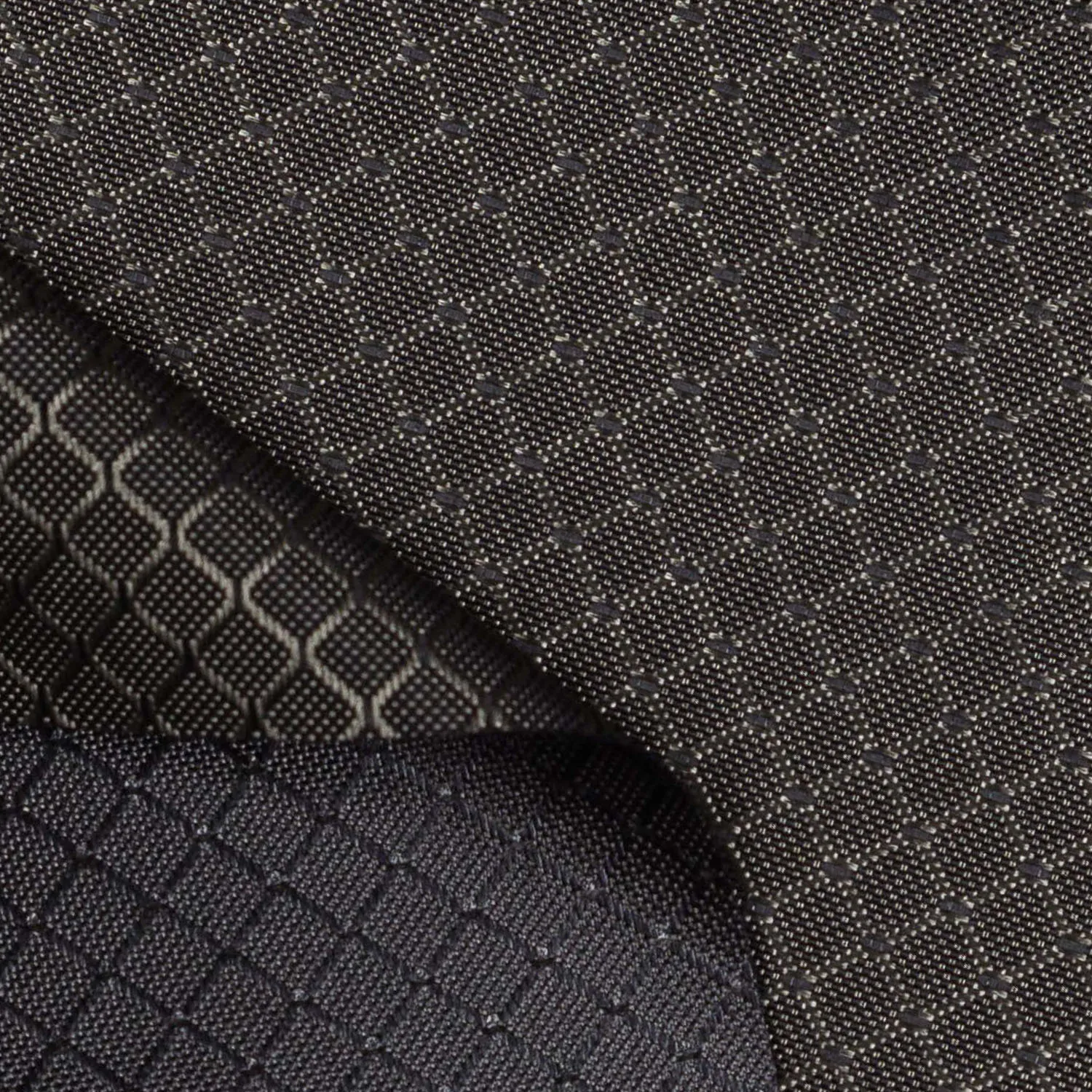
Ripstop nylon has trade-offs that people often ignore. Many think it is always waterproof, but that is not true. Some versions can feel stiff or noisy, and cheaper ones may wrinkle easily. Nylon also dislikes high heat and can be weaker after long sun exposure. If you skip these downsides, you may pick the wrong fabric and regret it later.
- Not always waterproof: This is the biggest misunderstanding. DWR is not the same as waterproof. DWR helps water bead up, but heavy rain can still push through unless there’s a proper coating or membrane.
- Hand feel can be less “cozy”: Ripstop can feel: crinkly, slightly stiff, less soft than cotton or brushed fabrics (Especially in cheaper versions.)
- Can wrinkle, and the grid can look “technical”: Some people love the grid look. Some hate it. Also, lower-quality ripstop can wrinkle and look tired fast.
- Heat sensitivity: Nylon can melt under high heat. That matters near: hot exhaust pipes, open flames, high-heat industrial areas
- UV aging (real-world issue): nylon can weaken with long sun exposure. If something lives outdoors (tarps, covers), you may want UV-stabilized fabric or consider alternatives.
Ripstop Nylon vs Regular Nylon
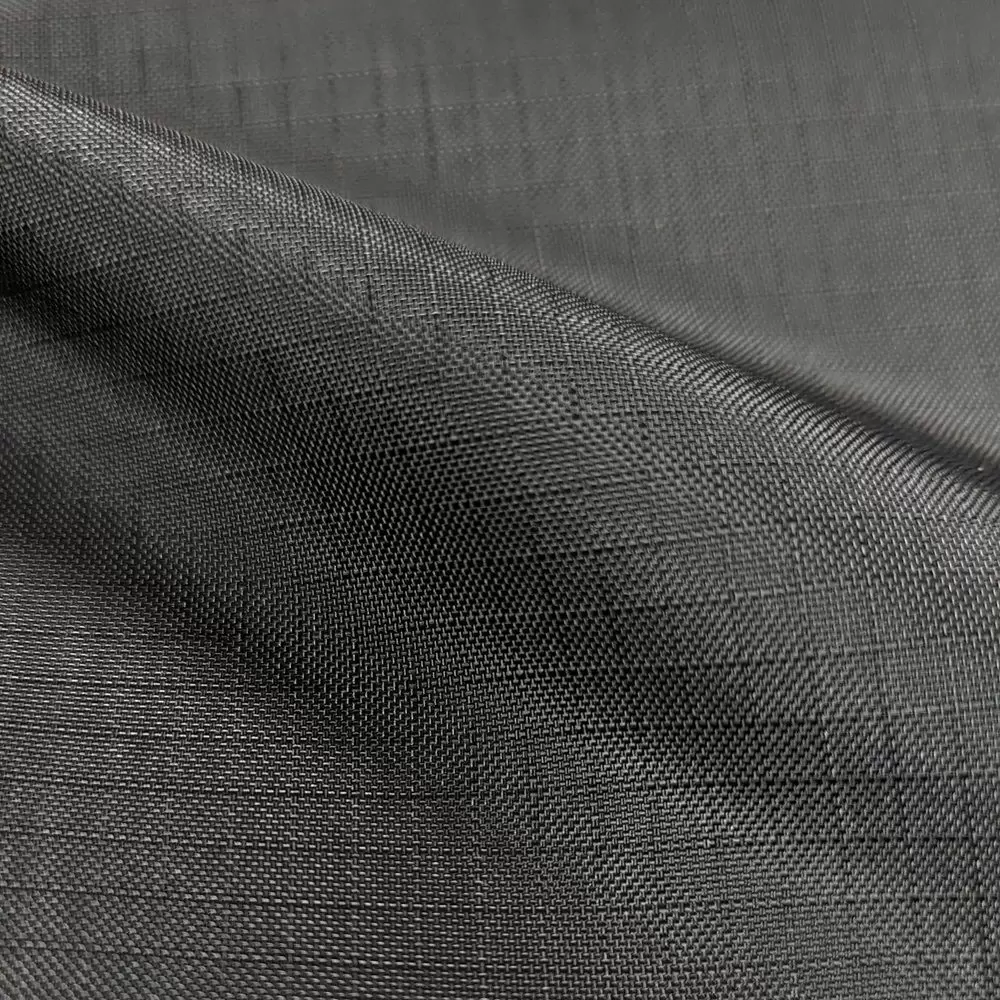
Ripstop nylon and regular nylon can look similar, but they behave differently when damaged. Regular nylon can be strong, yet a small rip may spread fast. Ripstop adds a grid that helps stop that spread. This is why ripstop shows up so much in outdoor and tactical products. Still, ripstop does not stop holes from happening, it mainly controls the tear after.
- Regular nylon (plain weave): smooth and strong, but if it tears, the tear can spread faster.
- Ripstop nylon: adds a grid that helps slow or stop tear growth.
But don’t overpromise it: ripstop doesn’t prevent holes. It mainly helps limit the damage after a hole starts.
Bottom Line / Final Words
Ripstop nylon is a smart choice when you need tough-for-its-weight fabric that can handle rough use. The grid weave helps keep small tears from becoming big disasters. Just don’t let the word “ripstop” sell you a fantasy: it’s not automatically waterproof, not always soft, and not invincible under heat or long sun exposure. If you tell me what you’re making (windbreaker, rain jacket, tarp cover, backpack, etc.), I can recommend the right ripstop type and finishes for that job.
Our Contact Information – MEKONG GARMENT FACTORY
- Vietnam Phone: +84 947 729 829
- WeChat: +84 947 729 829
- WhatsApp: +84 947 729 829
- Email: hanh@kimmy.vn