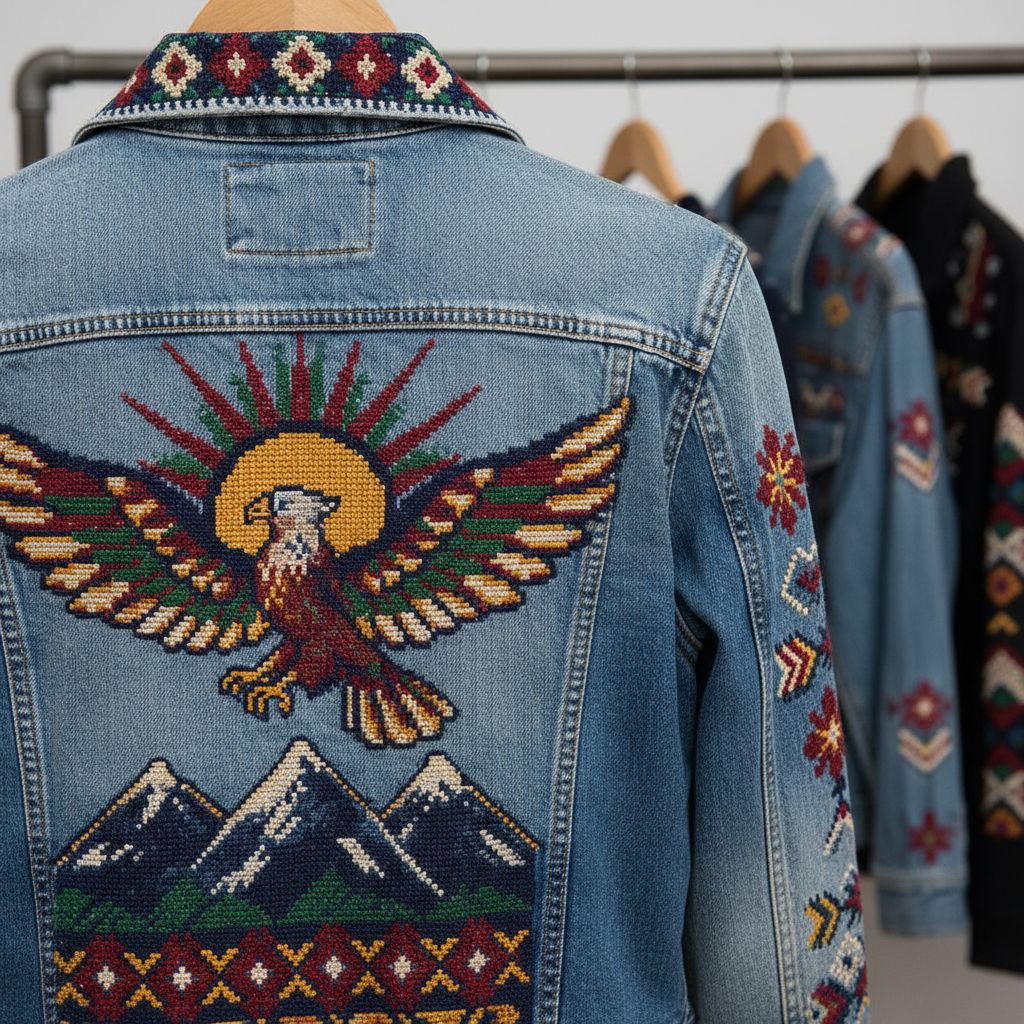

Denim fabric is one of the most popular and widely used materials in the fashion industry. From jeans and jackets to skirts and bags, this fabric has maintained its appeal for decades. It is valued not only for its durability, but also for its youthful, stylish, and versatile look. So, what is denim fabric, what types of denim are available today, and what are the advantages and disadvantages of this material? Let’s explore in detail below.
What Is Denim Fabric?
Denim, also commonly referred to as jean fabric, is a sturdy and durable textile usually made from cotton yarn and woven in a twill structure. This fabric is known for its diagonal ribbing, firm texture, and high resistance to wear and tear.
One of the most recognizable features of denim is that the warp yarns are typically dyed with indigo, while the weft yarns remain white or undyed. Because of this structure, denim often has a darker outer surface and a lighter inside face. Today, in addition to traditional cotton denim, the market also offers many blended denim fabrics designed to improve stretch, reduce wrinkling, or lower production costs.
The Origin of Denim Fabric
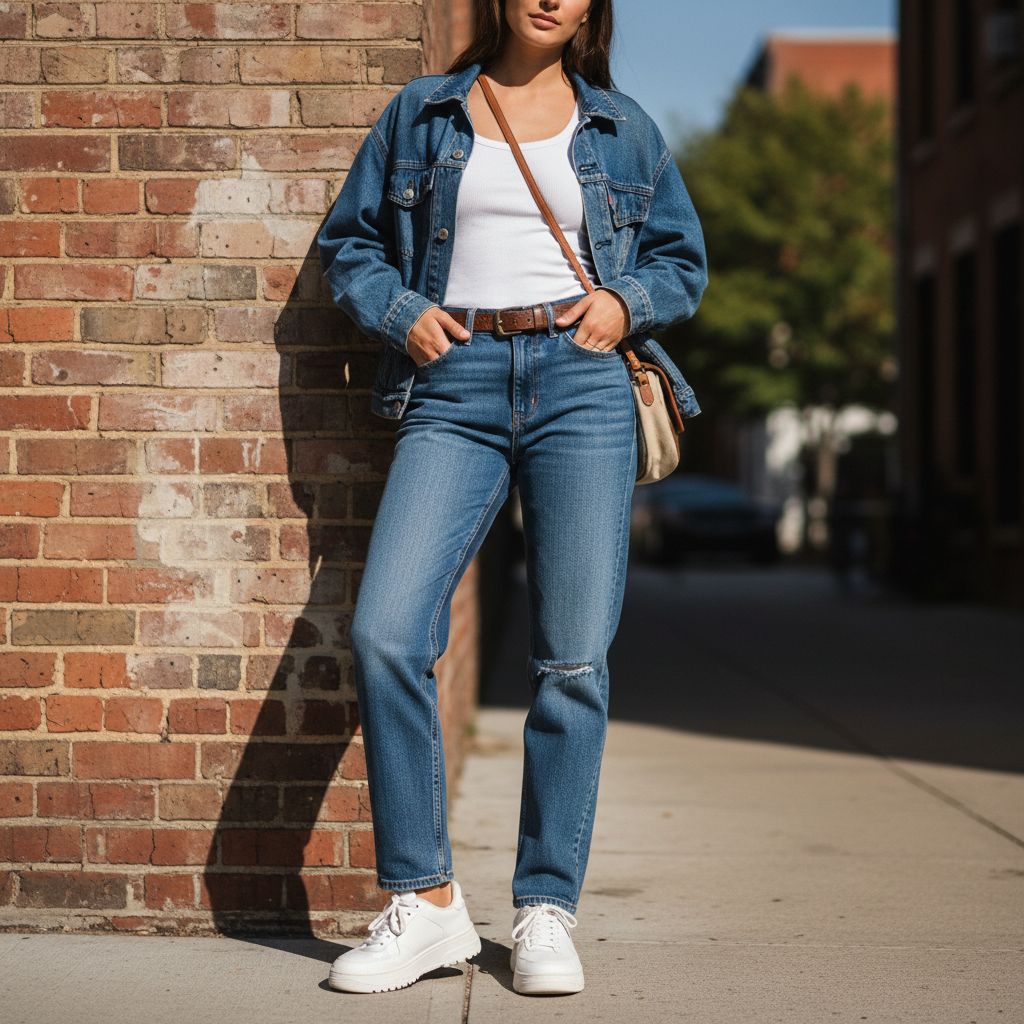
Denim has a long history and is closely tied to the development of the global garment industry. In the beginning, this material was mainly used for workwear because of its durability and strength.
By the 19th century, denim became more widely known when it was used to make trousers for workers, miners, and laborers. Over time, as fashion evolved, denim clothing became a symbol of youth, individuality, and a dynamic lifestyle. Through many stages of development, denim has moved far beyond its workwear roots and has become one of the most beloved fashion fabrics in the world.

Denim Fabric Production Process
The production of denim fabric usually involves several stages to create its signature texture, color, and durability.
- Cotton Fiber Preparation: Cotton is the most common raw material used to make denim. After harvesting, the cotton is cleaned, separated, and processed to prepare it for spinning.
- Spinning: The cleaned cotton fibers are spun into strong, even yarns. This step is essential for ensuring the quality of the final fabric.
- Yarn Dyeing: Some of the yarns, especially the warp yarns, are dyed. Indigo is the most traditional dye used, giving denim its iconic appearance.
- Weaving: After dyeing, the yarns are woven into fabric, usually in a twill pattern. This weave gives denim its diagonal texture and strength.
- Finishing and Surface Treatment: Once woven, the fabric may be washed, softened, preshrunk, or treated to create different surface effects before it is used to make garments.
Key Characteristics of Denim Fabric
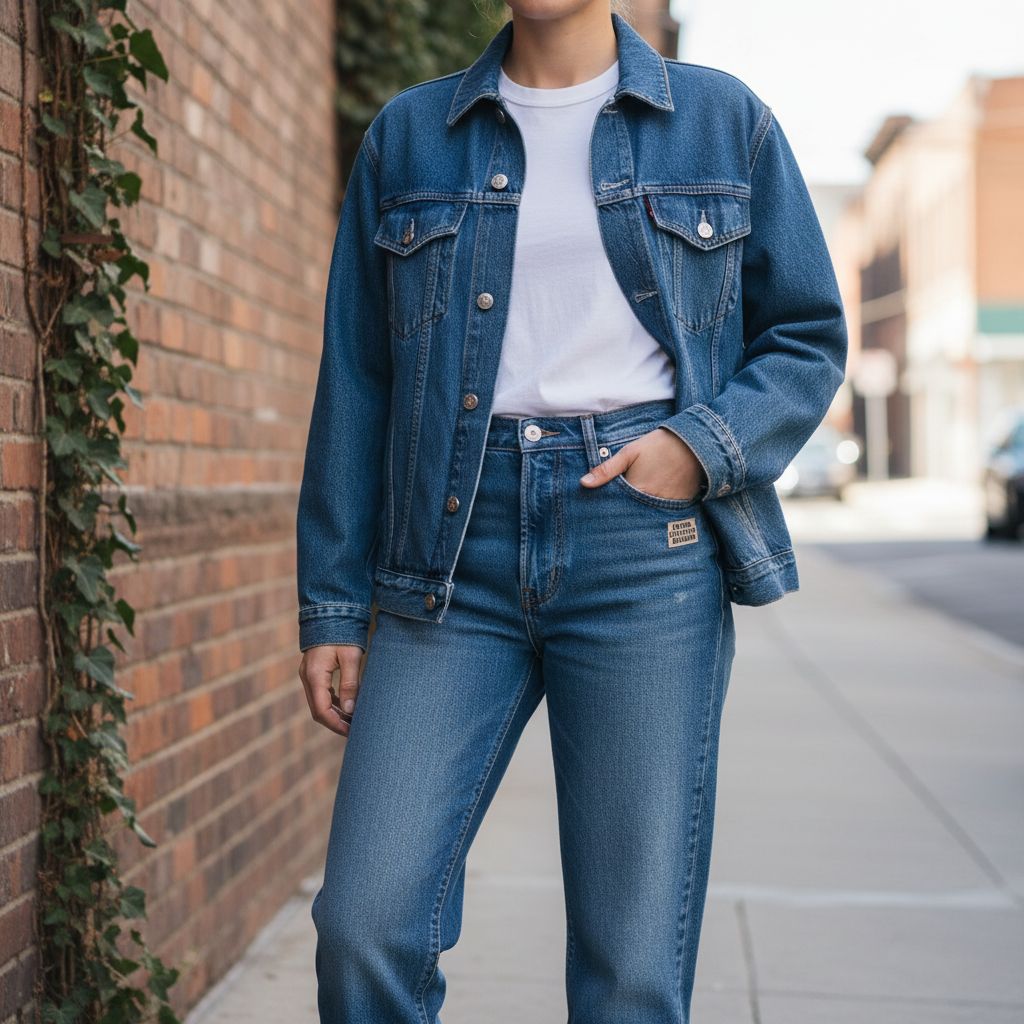
Denim is appreciated not only for its fashionable appearance but also for its practical qualities.
- High Durability: One of the most obvious advantages of denim is its excellent durability. Thanks to its dense weave and strong structure, denim resists abrasion well and does not tear easily under normal use.
- Good Shape Retention: Compared to many other fabrics, denim holds its shape quite well. Garments made from denim often look structured and neat, giving the wearer a strong and confident appearance.
- Strong Fashion Appeal: Denim is easy to style and works well with many different fashion looks. Whether the style is casual, edgy, or minimalist, denim can fit into many wardrobes and occasions.
- Wide Variety of Colors and Finishes: Besides the classic indigo blue, denim today also comes in black, gray, white, light blue, dark blue, and many other fashionable shades. It can also be washed or treated to create faded, distressed, or worn effects.
Advantages of Denim Fabric
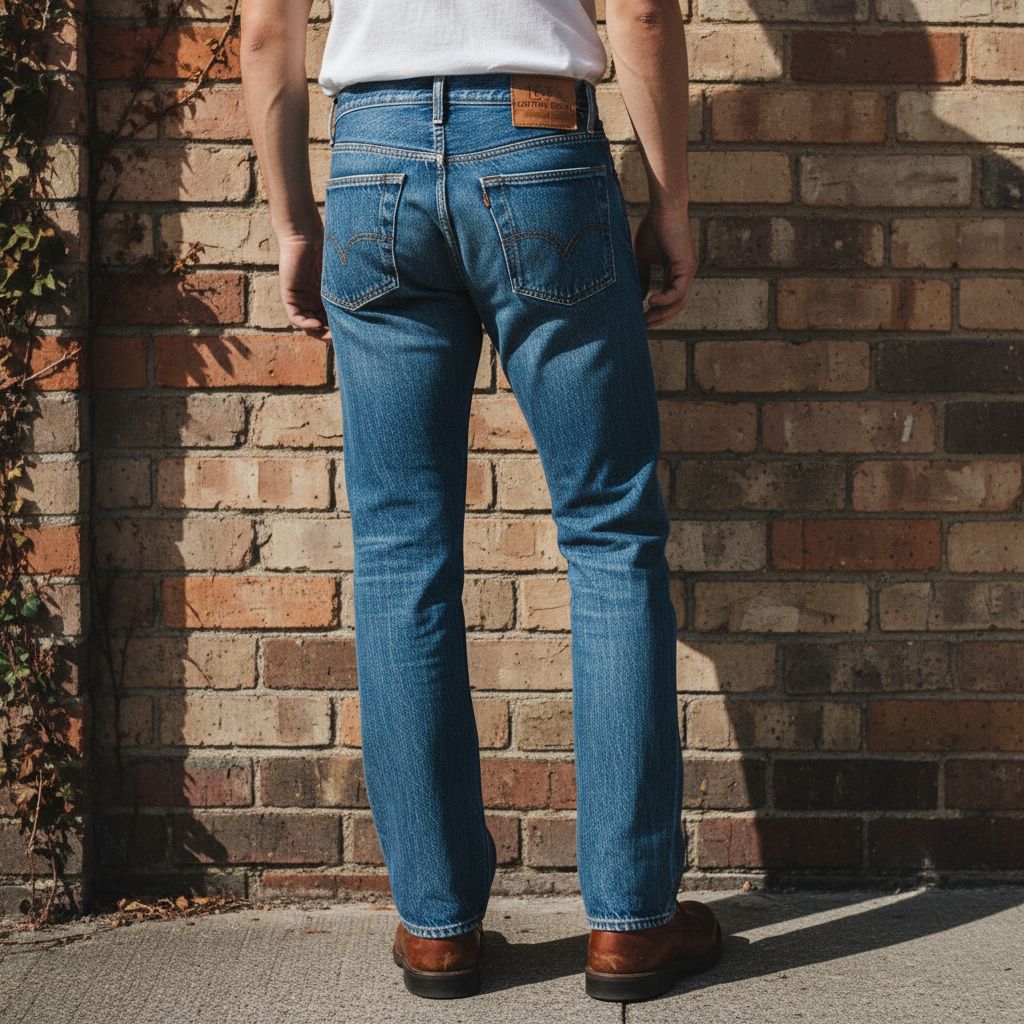
Denim remains one of the most loved materials in fashion because of its many practical benefits.
- Long-Lasting Durability: Denim garments can last for years if they are properly cared for. This makes denim a practical and cost-effective choice for many consumers.
- Easy to Style: Jeans, denim jackets, and denim skirts can be paired with a wide range of tops, shoes, and accessories.
- Youthful and Stylish Look: Denim is closely associated with energy, confidence, and modern style. It suits many age groups and fashion preferences.
- Timeless Appeal: Even as fashion trends change, denim garments continue to remain relevant and popular in the market.
- Relatively Easy to Care For: Compared with more delicate fabrics, denim is generally easy to wash and maintain, as long as care is taken to minimize fading and shrinkage.
Disadvantages of Denim Fabric

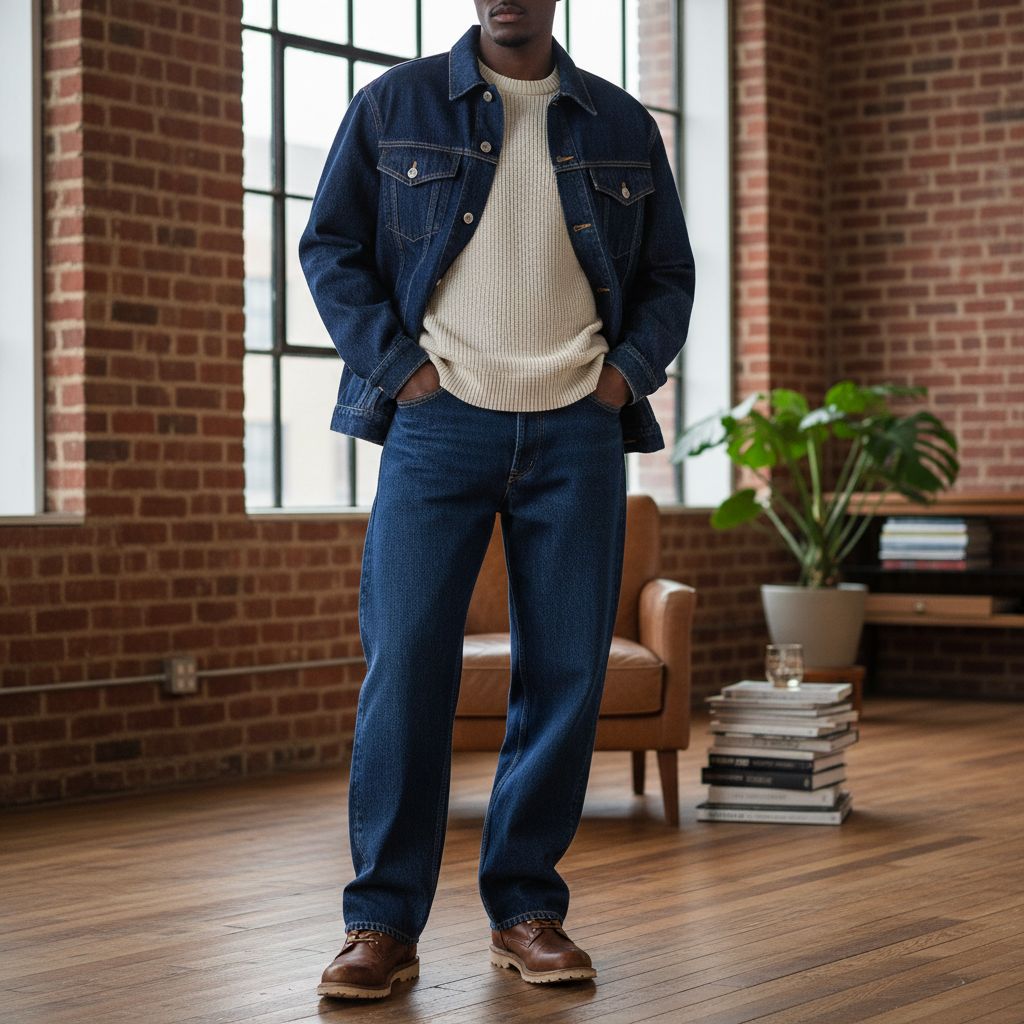
Along with its many strengths, denim also has a few drawbacks that users should keep in mind.
- Can Be Thick and Heavy: Many traditional denim fabrics are heavier than common fabrics, which can make them feel hot or uncomfortable in warm weather.
- Limited Stretch in Traditional Denim: 100% cotton denim usually has little to no stretch. This may feel restrictive in fitted garments or when the wearer needs greater freedom of movement.
- Color Fading: The dye used in denim, especially indigo, may fade after repeated washing if not cared for properly.
- Slow Drying Time: Because denim is often thick, it generally takes longer to dry after washing.
- Can Feel Stiff at First: Some denim fabrics, especially heavy or untreated denim, may feel rough and stiff when new and need time to soften with wear.
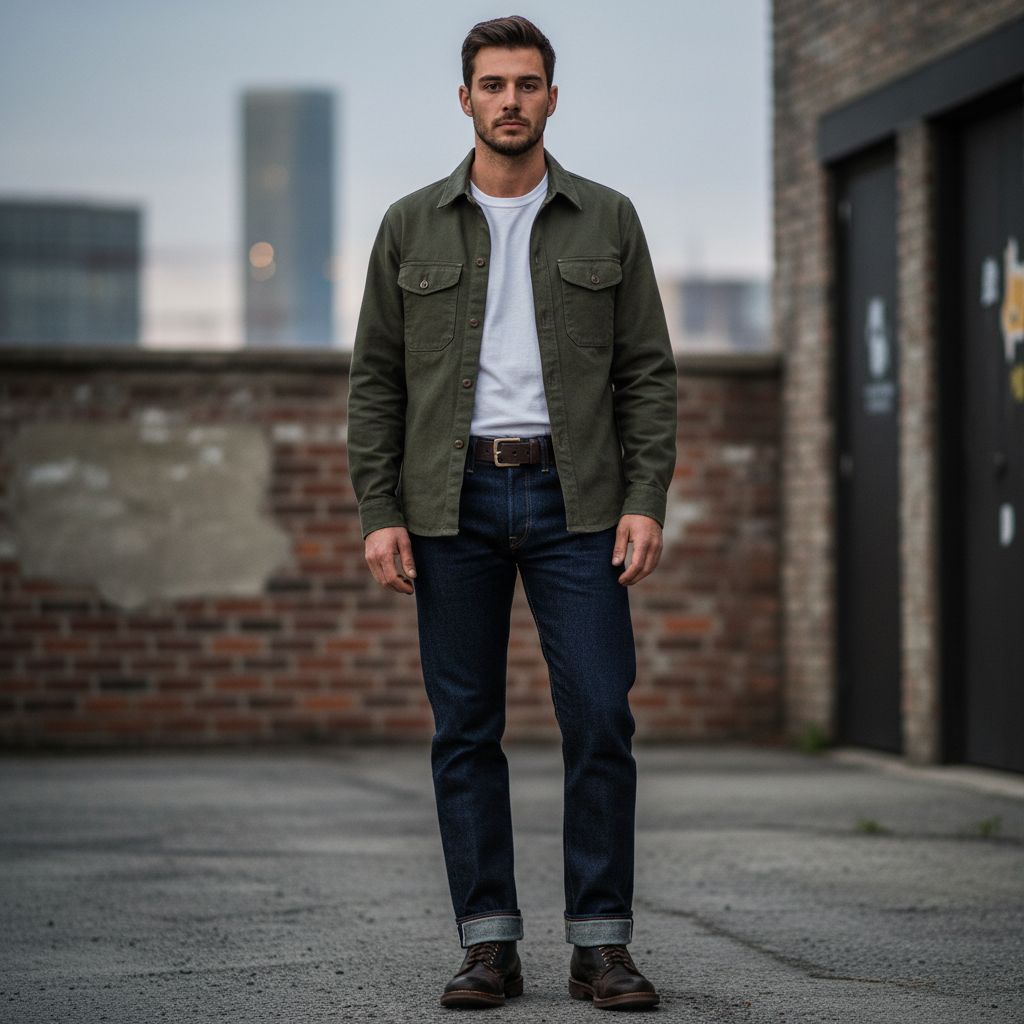
Types of Denim Fabrics Today
Today’s market offers a wide range of denim fabrics. In reality, denim can be classified by fiber content, stretch level, fabric weight, surface treatment, and intended use. Each type has its own characteristics in terms of comfort, durability, appearance, and cost. Below are the most common types of denim fabric used today.
1. 100% Cotton Denim
This is the most traditional type of denim, made entirely from natural cotton fibers. It usually has a firm surface, a structured feel, and little to no stretch.
- Its biggest advantages are durability, good shape retention, and a classic authentic denim look. It is ideal for traditional jeans, denim jackets, skirts, and garments that need a sturdy structure.
- However, 100% cotton denim can feel stiff, wrinkle more easily, and may be less comfortable in tight-fitting designs.
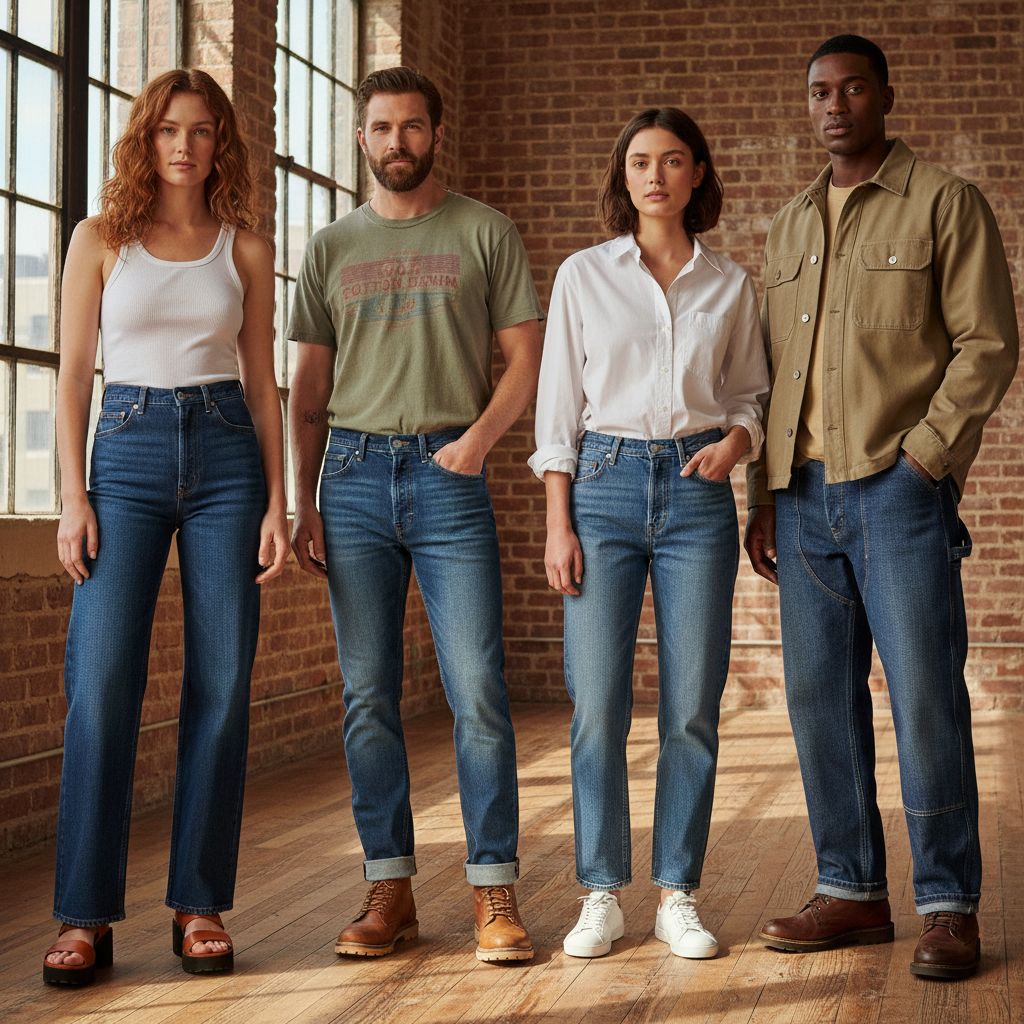
2. Stretch Denim
Stretch denim is blended with elastic fibers such as spandex or elastane. This gives the fabric more flexibility, softness, and ease of movement compared with traditional denim.
- This type is commonly used for skinny jeans, slim-fit jeans, women’s jeans, and body-hugging denim garments. It is popular because it offers better comfort in daily wear, especially for people who sit, bend, or move a lot.
- Its main drawback is that if the elastic fiber quality is poor or the stretch ratio is too high, the garment may lose shape over time.
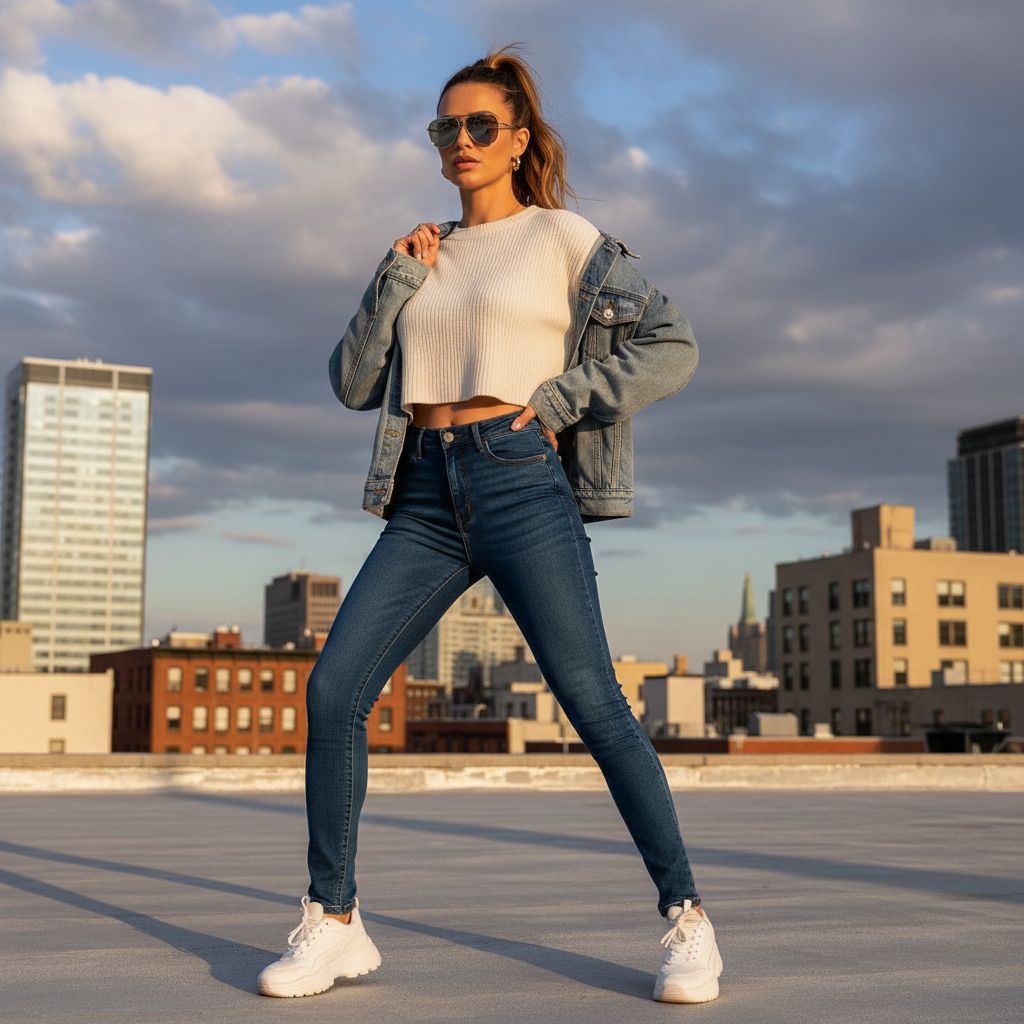
3. Polyester-Blended Denim
This denim combines cotton with polyester fibers. The main goal is to reduce wrinkling, improve color retention, and lower production cost.
- This type is widely used in mass-market fashion because it is affordable, easy to care for, and practical. Compared with 100% cotton denim, polyester-blended denim is often lighter and less prone to wrinkles.
- Still, when the polyester content is too high, the fabric may feel hot, less breathable, and less comfortable in humid weather.
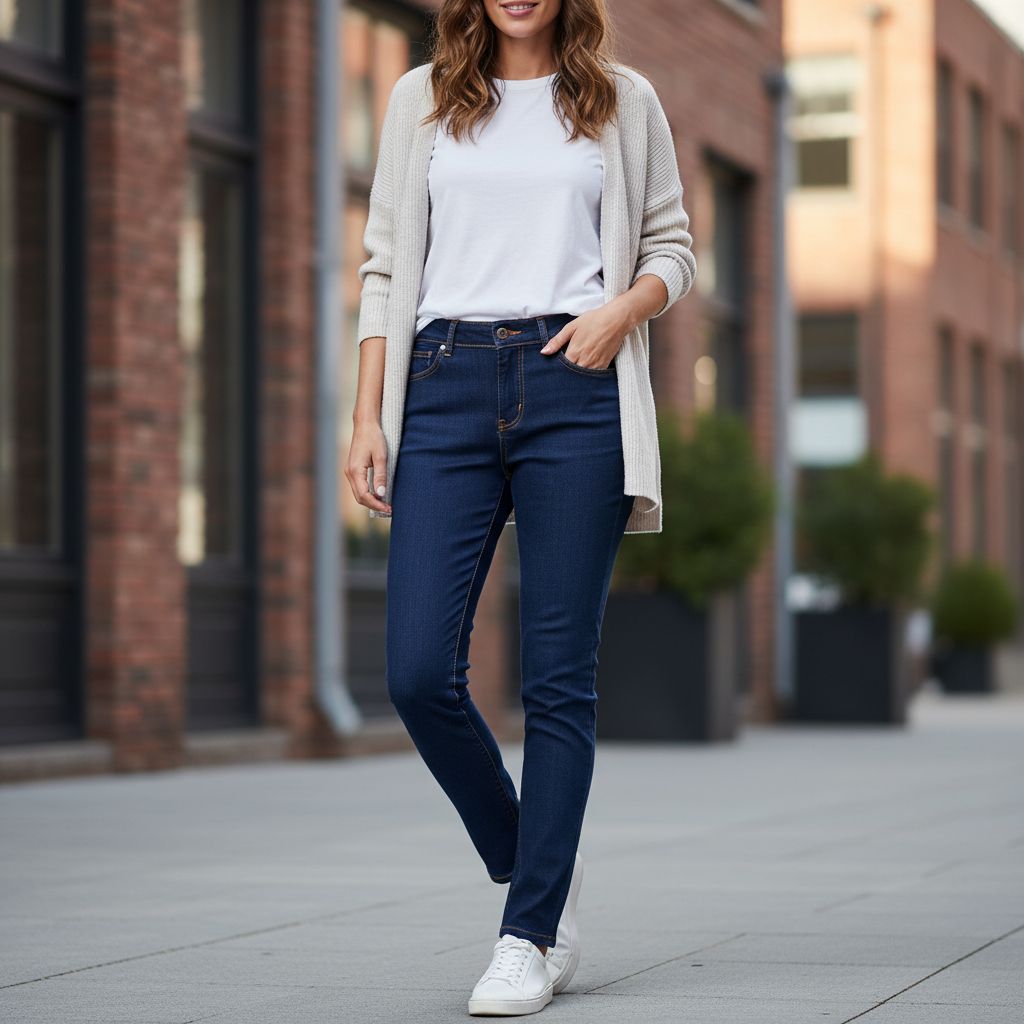
4. Spandex-Blended Denim
This type is similar to stretch denim, but the focus is more specifically on elasticity. Spandex-blended denim is ideal for fitted garments that require flexibility and body-hugging comfort.
- It is especially popular in women’s fashion, including skinny jeans, high-waisted jeans, and close-fitting silhouettes. It offers a softer feel and better movement than rigid denim.
- On the downside, stronger stretch often means a greater risk of losing shape if the material quality is not high enough. It is also usually more expensive than basic denim.
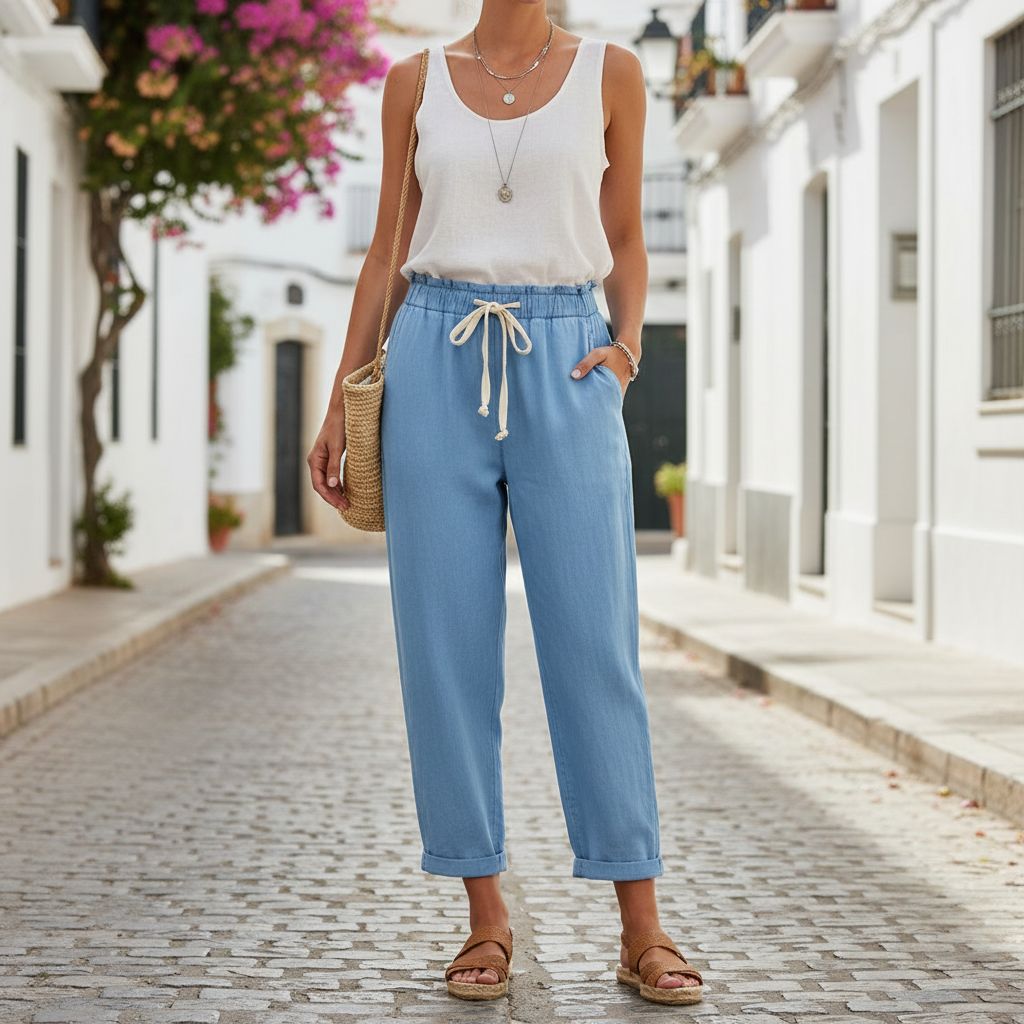
5. Lightweight Denim
Lightweight denim has a lower fabric weight than traditional denim. It is often used for denim shirts, summer dresses, lightweight skirts, and warm-weather jeans.
- Its advantages are comfort, breathability, and a lighter feel when worn. It is a good option for those who like the denim look but do not want the heaviness of classic denim.
- However, because it is thinner, it is usually less durable and does not hold shape as well as heavier denim.
6. Heavyweight Denim
Heavyweight denim is thick, firm, and noticeably heavier. It is often used for men’s jeans, denim jackets, and garments that require extra durability.
- Its strengths include excellent durability, strong shape retention, and a bold, rugged appearance. This is the type many people associate with classic denim.
- Its drawbacks are heat retention, longer drying time, and a heavier wearing experience, especially in hot climates.

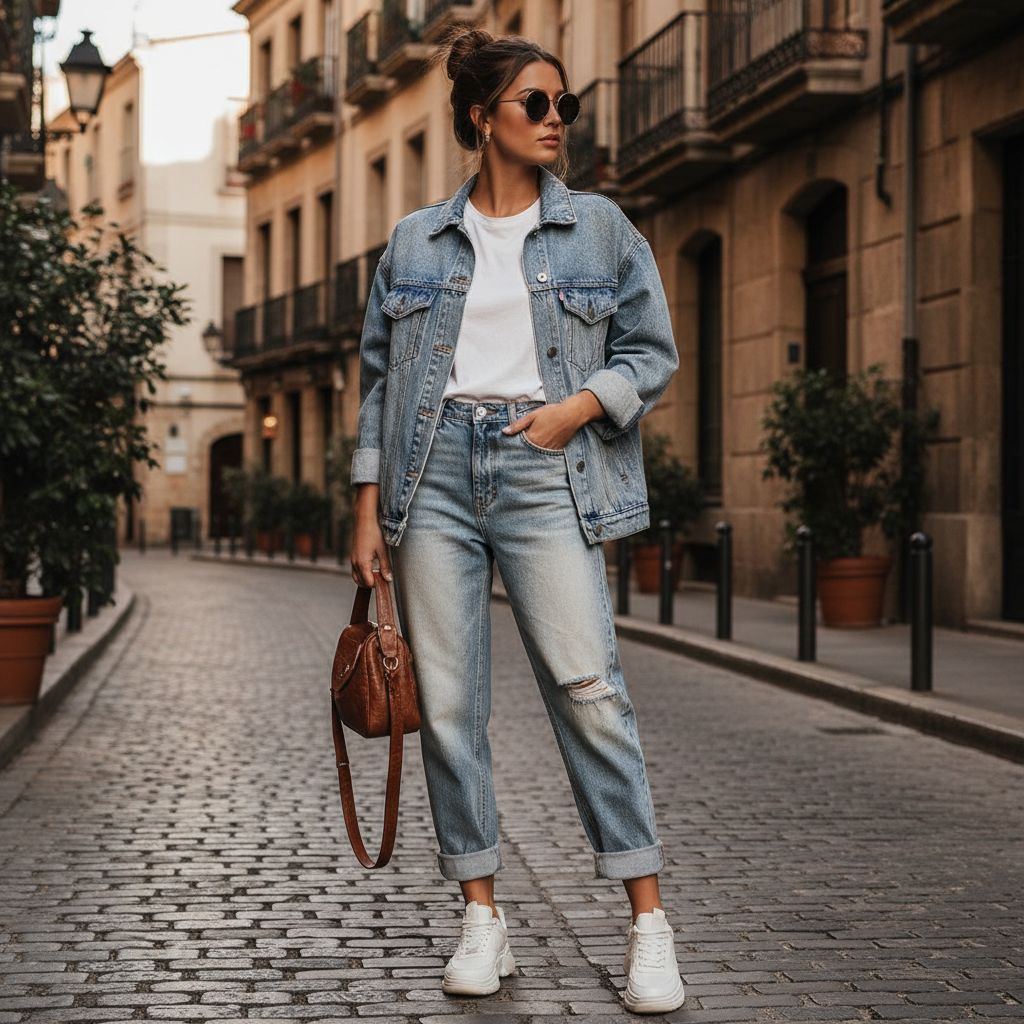
7. Washed Denim
Washed denim is denim that has gone through surface treatments after weaving or after the garment is made. Common treatments include stone wash, enzyme wash, and faded or distressed effects.
- This type is very popular because it feels softer, looks more fashionable, and is easier to wear from the beginning. Washed denim can create a casual, worn-in, or edgy style.
- However, if the wash treatment is too strong, it may weaken the fabric surface and reduce durability over time.
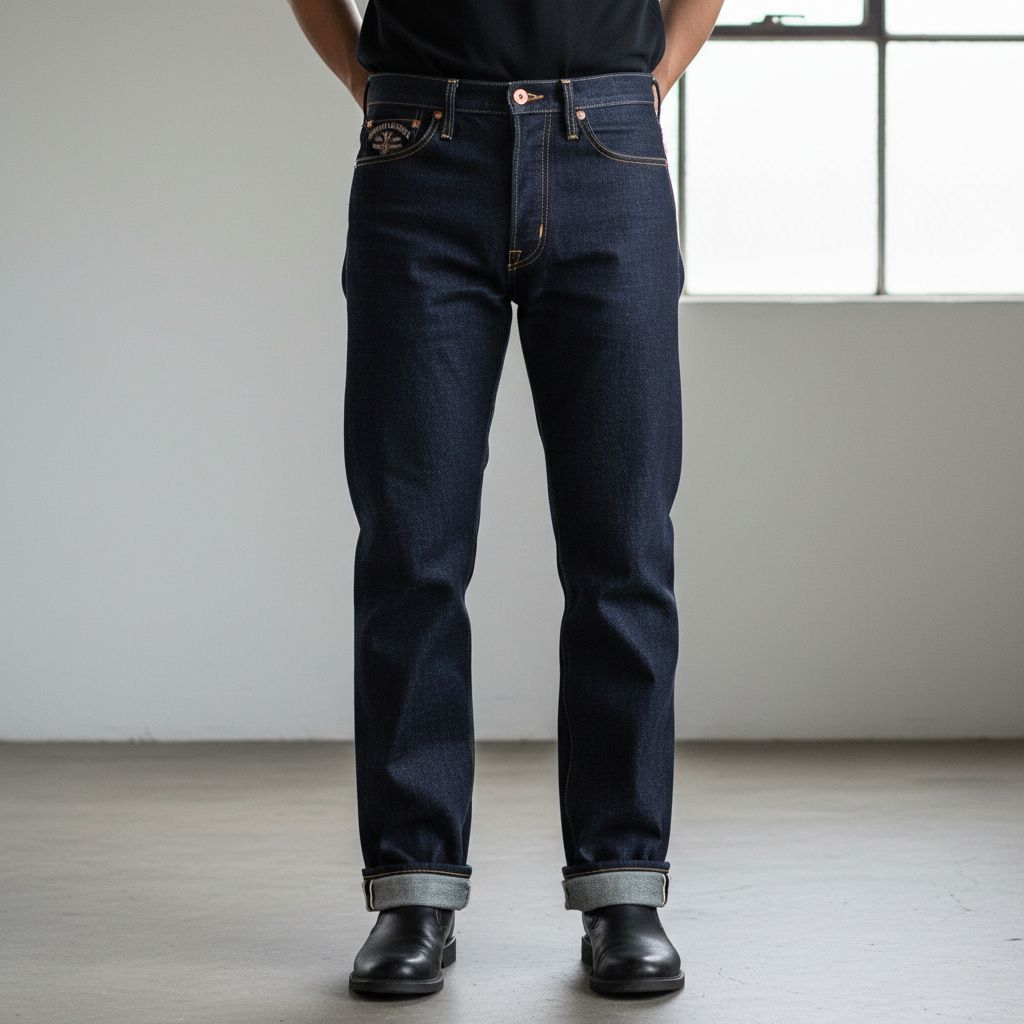
8. Raw Denim
Raw denim is denim that has not been industrially washed after weaving. It keeps its original dark color, firm texture, and stiff hand feel.
- This type is favored by denim enthusiasts because it develops unique fading patterns over time based on how the wearer uses it. That makes it highly personal and visually distinctive.
- Still, raw denim is not the easiest option for everyone. It can feel stiff at first, may bleed color, and takes time to break in.
9. Rigid Denim
Rigid denim is very close to traditional untreated denim and usually has no stretch. It offers a strong, authentic denim character and a more structured appearance.
- It is commonly chosen for classic denim products that aim for a tough, original look. Its strength and shape retention are excellent.
- The downside is that it may feel uncomfortable at first and is less forgiving for body movement than stretch denim.
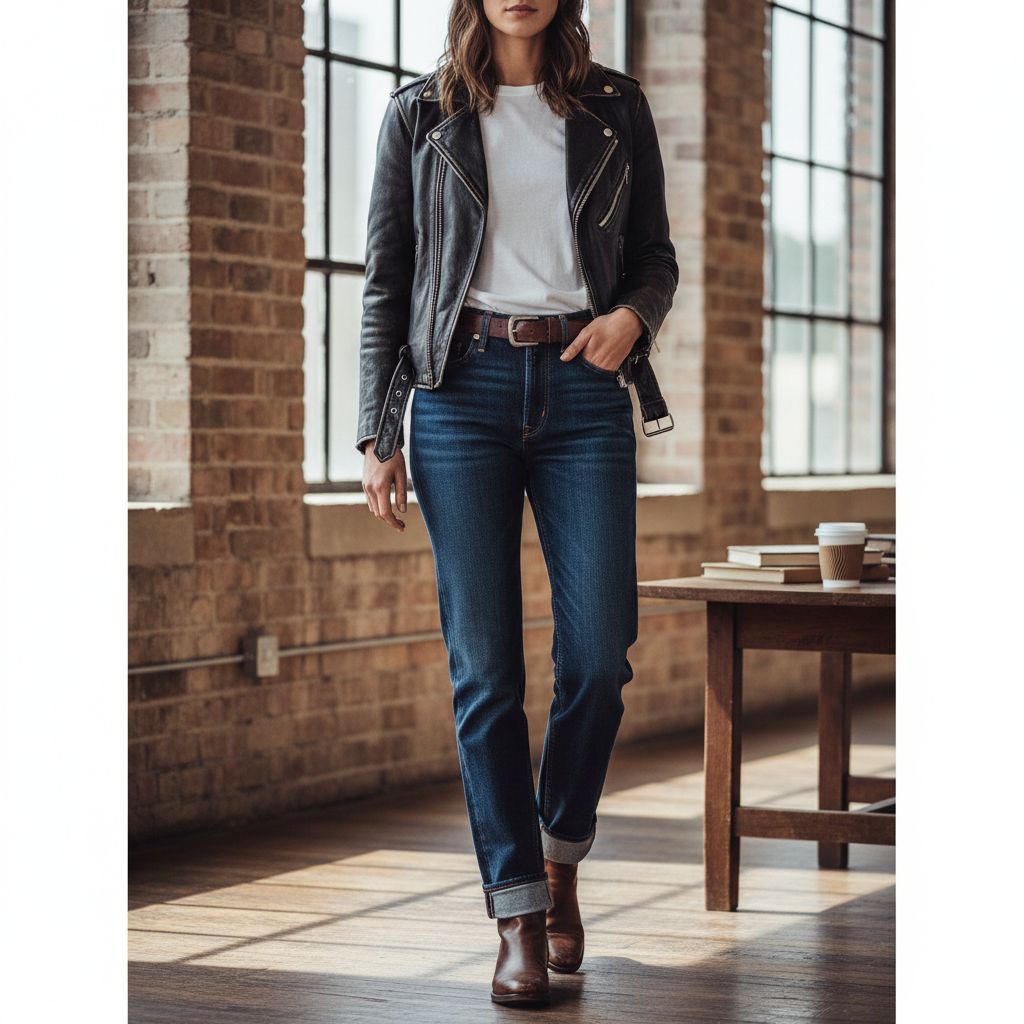
10. Recycled Denim
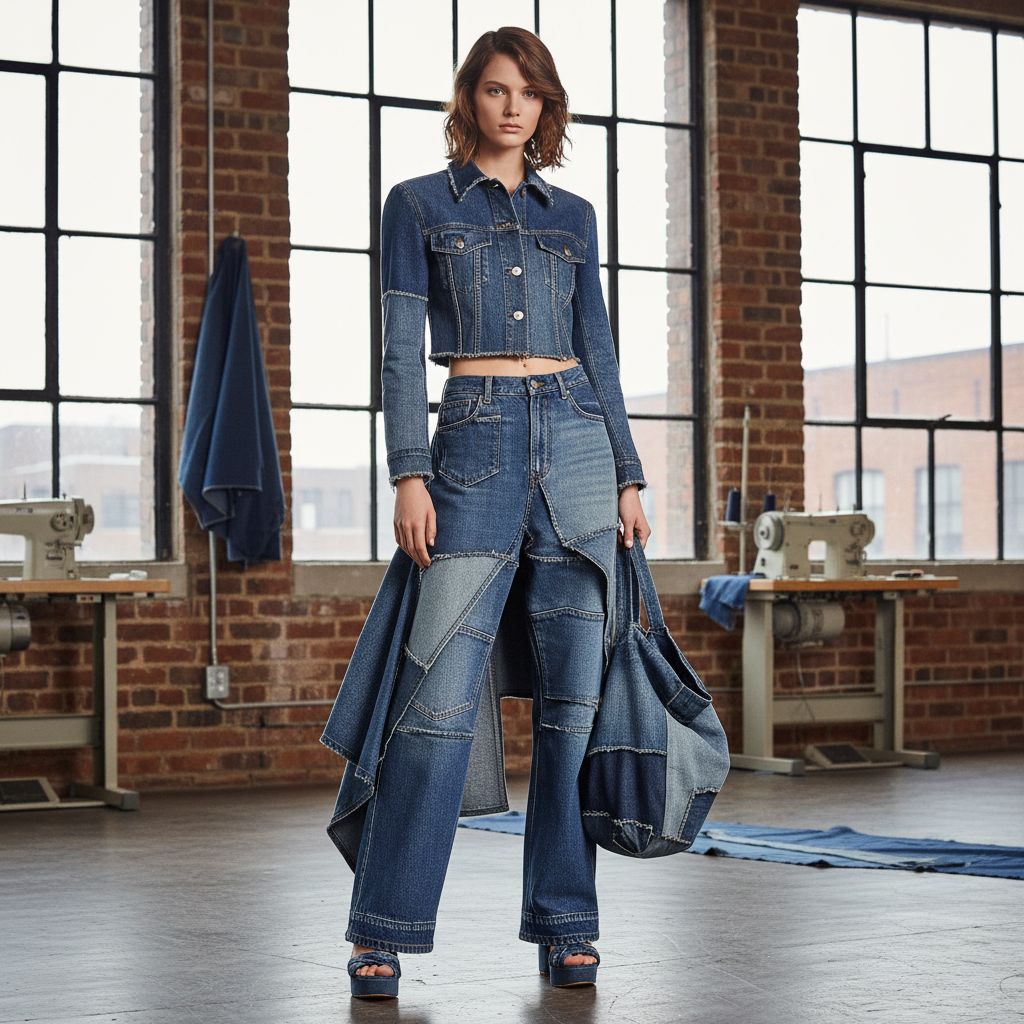
With the rise of sustainable fashion, recycled denim is becoming more common. This type is made from recycled cotton, reused denim fibers, or blended recycled materials.
- Its biggest advantage is environmental friendliness. It helps reduce textile waste and lowers the need for virgin raw materials.
- However, quality can vary depending on the recycling technology and material source. In some cases, recycled denim may not be as durable or smooth as fabric made from new fibers.
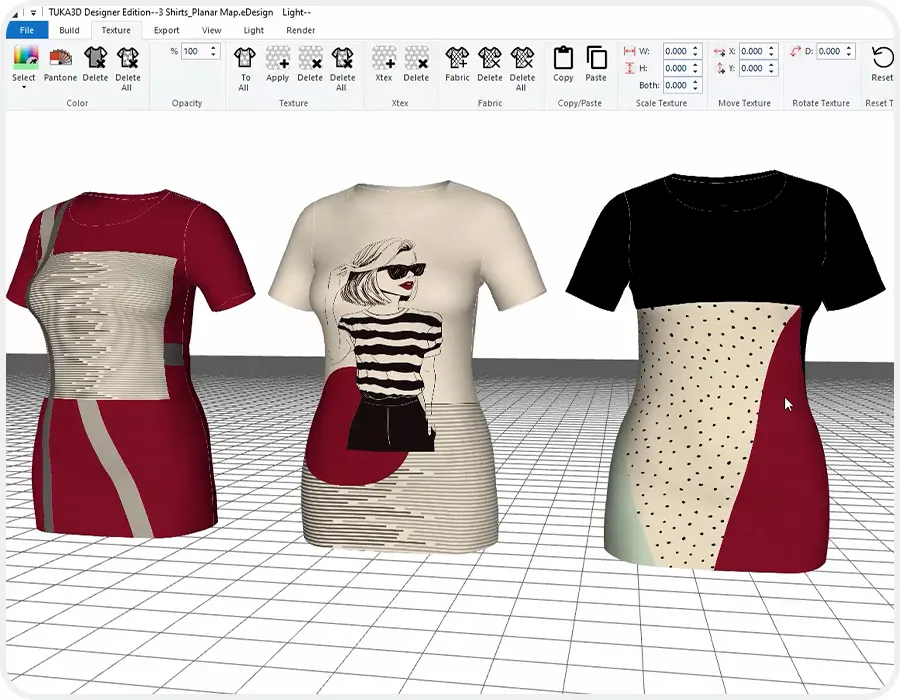
11. Colored Denim
When many people think of denim, they only imagine indigo blue. In reality, colored denim is also widely available in black, gray, white, light blue, dark blue, and many fashion shades.
- Colored denim gives designers and consumers more styling options. Black denim, for example, often feels sleek and modern, while white or gray denim can look clean and seasonal.
- Some dyed colors, however, may be more sensitive to washing and can fade if not properly cared for.

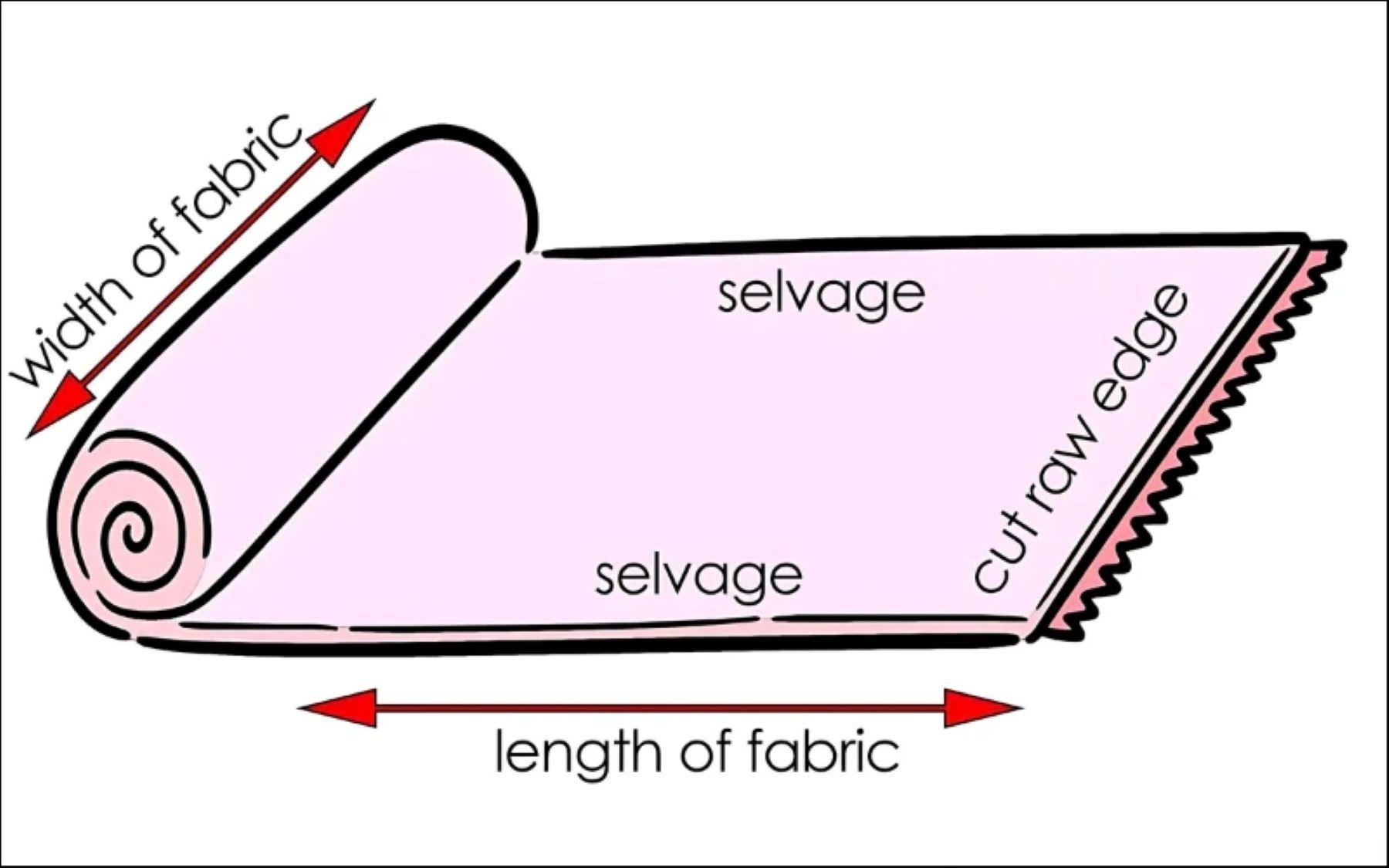
12. Selvedge Denim
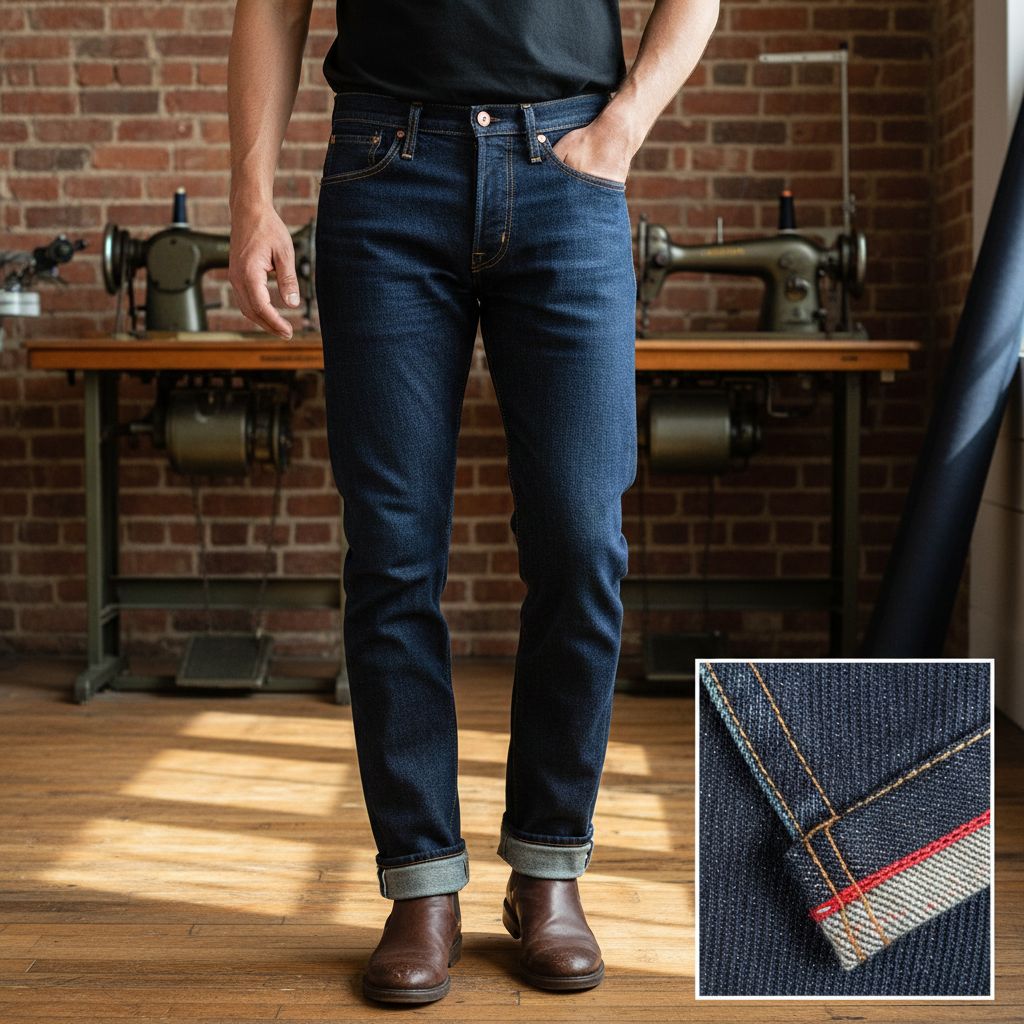
Selvedge denim is a premium denim fabric woven on traditional shuttle looms, creating a clean, tightly finished edge. It is often considered a high-end denim category.
- Its advantages include strong construction, excellent durability, and a refined aesthetic. Selvedge denim is especially appreciated by denim lovers and premium fashion buyers.
- Its main disadvantage is price. It is usually more expensive and less common in the mass market.
How to Distinguish Different Types of Denim Fabric
Because denim comes in many forms, it can be difficult to tell them apart at first glance. Learning how to identify the differences can help consumers, garment businesses, and manufacturers choose the right material for the right product.
| Type of Denim Fabric | How to Recognize It | Advantages | Disadvantages | Common Applications |
|---|---|---|---|---|
| 100% Cotton Denim | Thick, firm, little stretch, strong hand feel | Durable, holds shape well, breathable | Wrinkles easily, can feel stiff | Traditional jeans, denim jackets |
| Stretch Denim | Has noticeable stretch when pulled, softer than rigid denim | Comfortable, flexible, good fit | May lose shape over time | Skinny jeans, fitted jeans, skirts |
| Polyester-Blended Denim | Smoother surface, lighter feel, less wrinkling | Affordable, easy care, better color retention | Can feel hot if polyester content is high | Mass-market jeans, uniforms |
| Spandex-Blended Denim | More elastic, body-hugging fit | Good stretch, comfortable to move in | Less structured, may sag if low quality | Women’s jeans, high-waisted jeans |
| Lightweight Denim | Thinner, softer, less heavy in hand | Cooler to wear, suitable for hot weather | Less durable, weaker shape retention | Denim shirts, dresses, summer jeans |
| Heavyweight Denim | Thick, heavy, rigid, strong denim feel | Very durable, structured, rugged look | Hotter, slower to dry | Men’s jeans, jackets |
| Washed Denim | Softer surface, faded or worn effects | Fashionable, easy to wear, softer feel | Heavy washing may weaken fabric | Washed jeans, fashion jackets |
| Raw Denim | Dark, stiff, unwashed, original finish | Authentic, durable, develops unique fading | Stiff, may bleed color, takes time to soften | Premium jeans, classic denim |
| Rigid Denim | Firm, little to no stretch, traditional feel | Strong, holds shape, classic look | Less comfortable at first | Traditional jeans, jackets |
| Recycled Denim | Depends on the blend, may feel slightly different from virgin denim | Eco-friendly, supports sustainable fashion | Quality can vary | Sustainable apparel |
| Colored Denim | Comes in black, gray, white, and other shades | More styling options, modern appearance | Some colors may fade faster | Fashion jeans, skirts, jackets |
| Selvedge Denim | Clean woven edge, premium look and feel | Durable, high aesthetic value, premium quality | More expensive | High-end jeans |
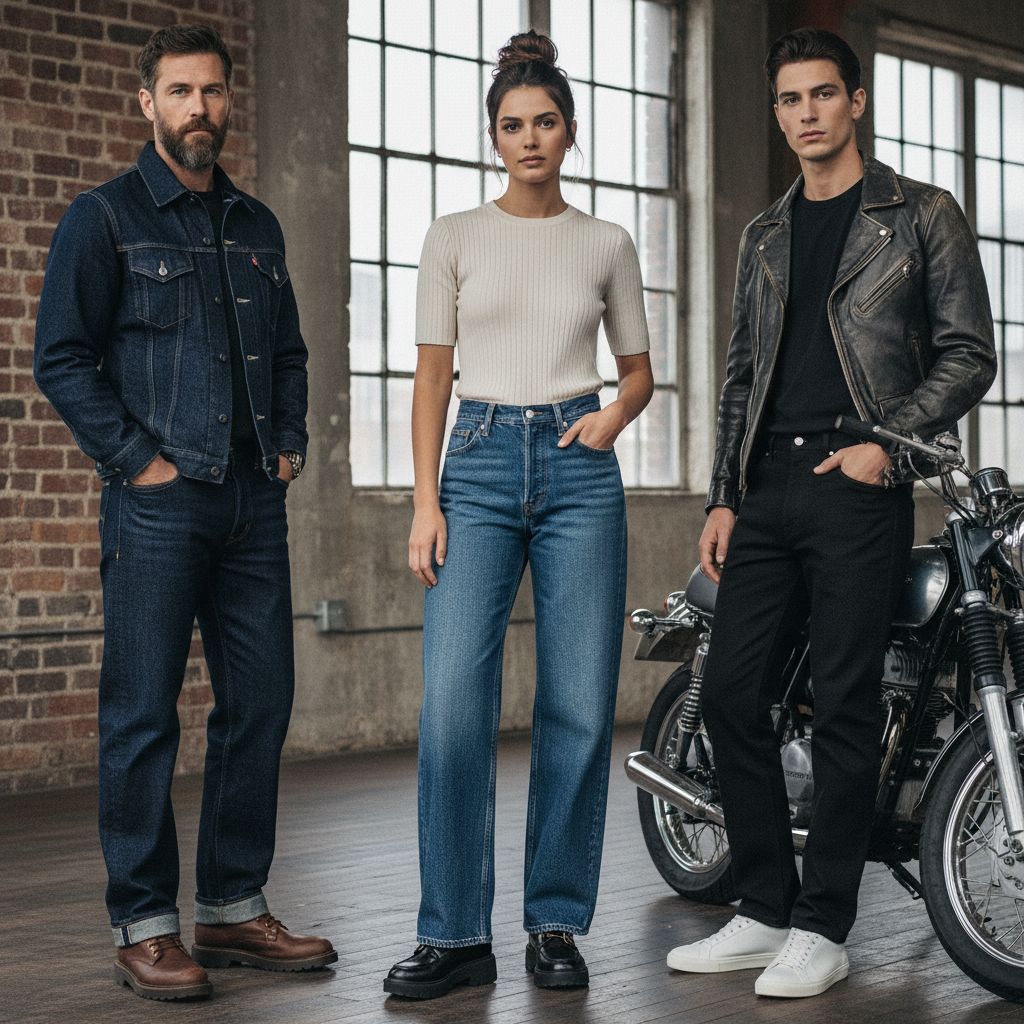
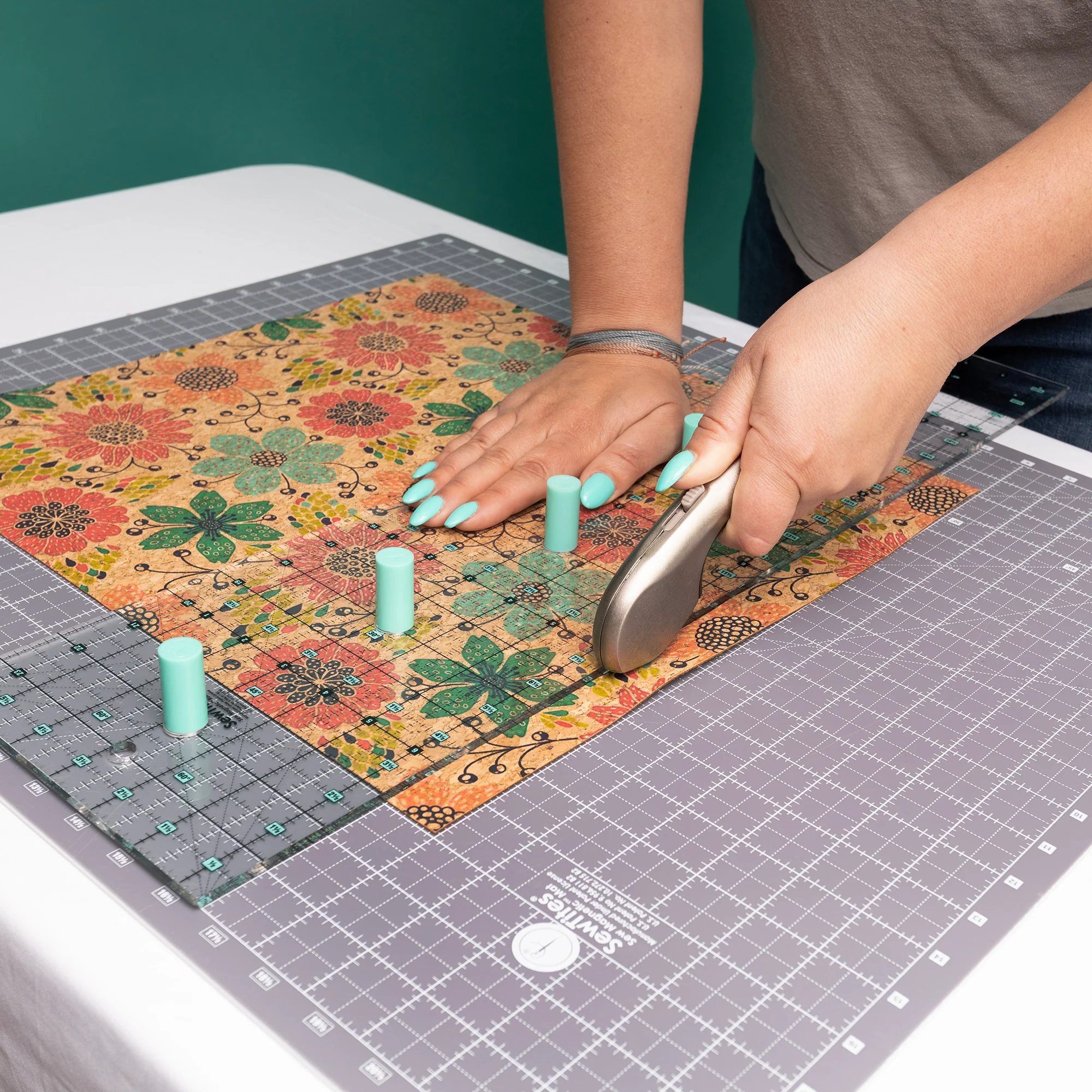
Below are some simple and practical ways to distinguish denim fabrics.
- Check the Fabric Thickness: Traditional or heavyweight denim usually feels thicker, firmer, and heavier in the hand. Lightweight denim feels softer and less dense.
- Test the Stretch: Gently pull the fabric. If it stretches noticeably, it is likely stretch denim or spandex-blended denim.
- Feel the Surface: Cotton denim and raw denim usually feel firmer and rougher. Washed denim and blended denim often feel softer.
- Observe the Color Effect: Washed denim often has faded, worn, or distressed effects. Raw denim usually has a darker, more even surface.
- Read the Fiber Content Label: This is the most accurate way to know whether the fabric is made from cotton, polyester, spandex, or recycled fibers.
Applications of Denim Fabric in Daily Life
Denim has high practical value in both fashion and everyday products.
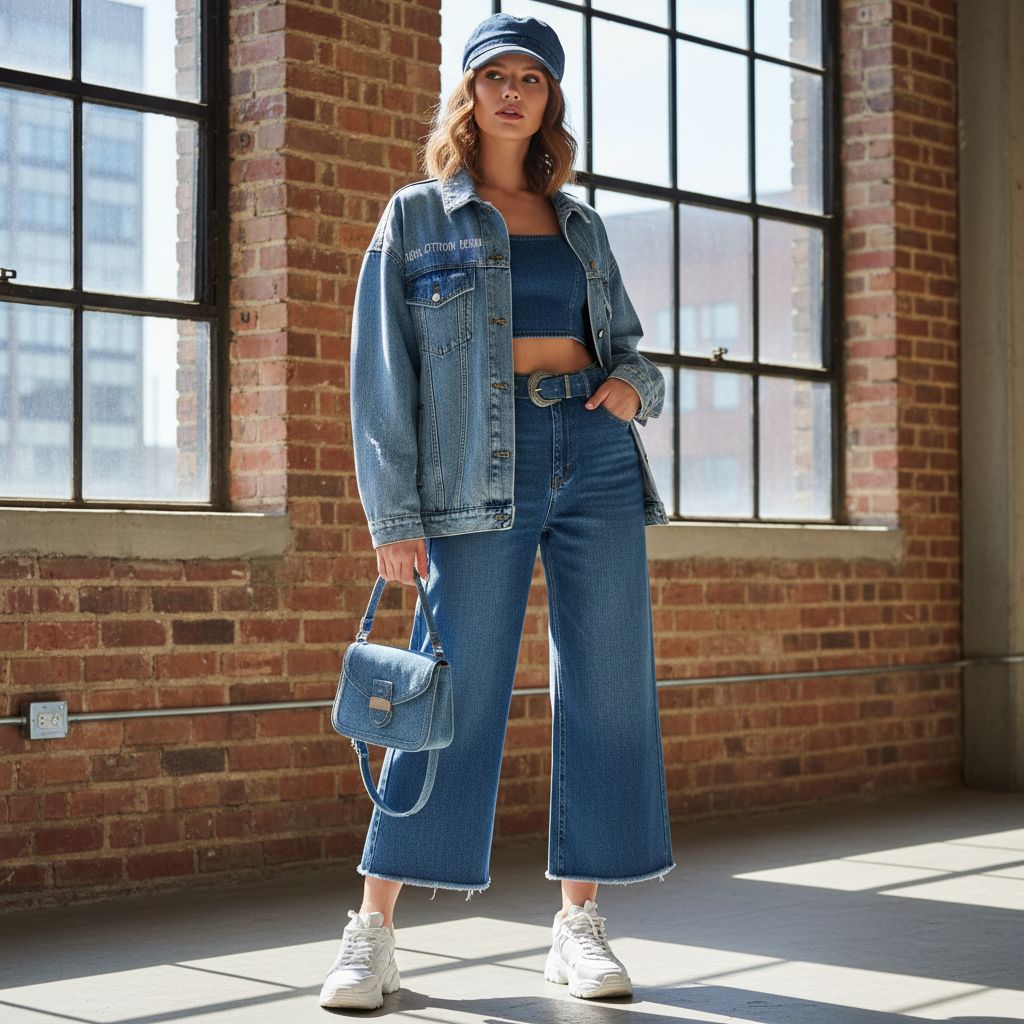
- In Fashion: This is the most common use of denim. It is widely used to make jeans, jackets, shirts, skirts, dresses, bags, hats, and many other accessories.
- In Uniforms: Some softer or blended denim fabrics are used to make aprons, fashion-forward uniforms, café uniforms, and retail staff outfits.
- In Decorative and Accessory Products: Besides apparel, denim is also used in tote bags, chair covers, handmade items, and many creative decorative products.
How to Care for Denim Fabric Properly
To keep denim garments looking good for longer, users should follow a few simple care tips.
- Avoid Washing Too Often: Denim does not need frequent washing unless it is truly dirty. Overwashing may cause faster fading and weaken the fabric.
- Turn Garments Inside Out Before Washing: This helps reduce friction on the outer surface and slows color fading.
- Avoid Harsh Detergents or Bleach: Strong chemicals can damage the dye and make denim lose color more quickly.
- Dry in a Well-Ventilated Area: It is best to dry denim in a breezy place and avoid harsh direct sunlight for long periods, as this can affect the color.
Conclusion / Final Words
Denim is a durable, stylish, and highly practical fabric with wide applications in the garment industry. Over the years, it has evolved far beyond traditional blue jeans and now includes many versions such as stretch denim, cotton denim, polyester-blended denim, recycled denim, raw denim, and selvedge denim.
Each type of denim has its own advantages and disadvantages. For that reason, choosing the right denim fabric depends on the intended use, comfort level, fit, durability, and climate conditions. When users understand the characteristics of each type, they can make better choices and create or buy denim products that are both functional and fashionable.