

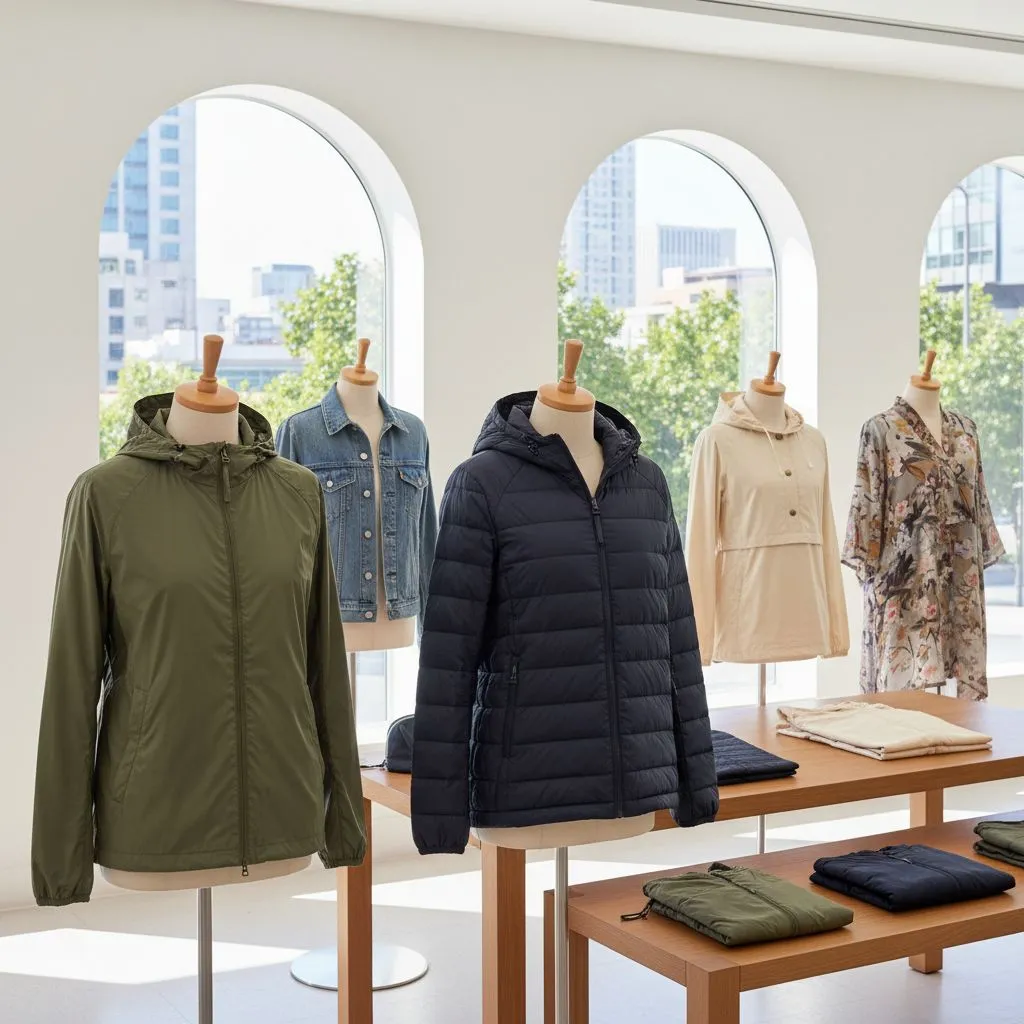

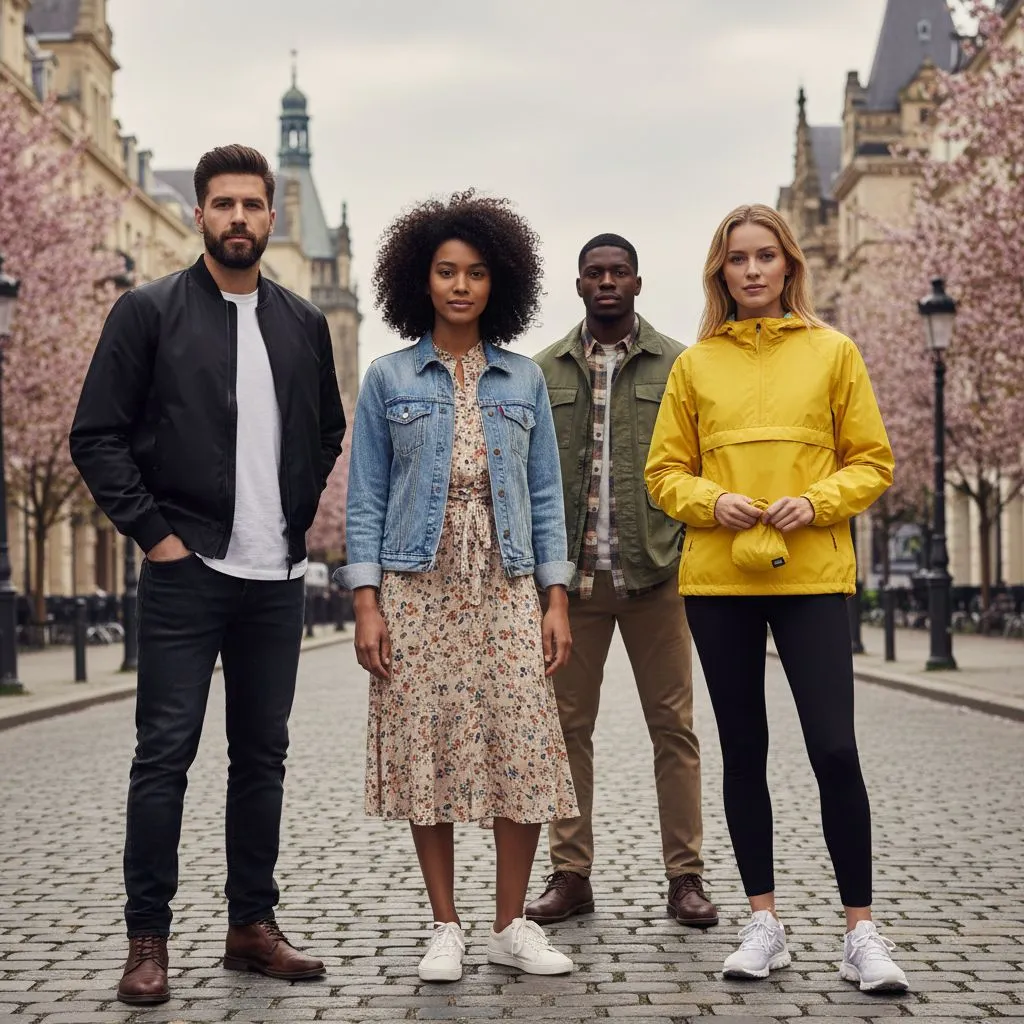
In apparel manufacturing, “best fabric” is not a single winner; it is about performance matching. A city commuter jacket requires a different “actor” than a high-altitude trail shell. Choosing the wrong material leads to immediate complaints: noisy fabric, lack of breathability, or poor weather protection. Instead of chasing a magic material, professional brands choose fabrics based on intended use, hand-feel, aesthetic look, and global compliance (especially with tightening PFAS regulations).
Technical Checkpoints Before Sourcing
Before selecting a fabric name, lock in these three technical benchmarks to prevent bulk production disasters:
- Weight & Structure: Consider yarn size (Denier) and weave tightness. A ripstop nylon can feel vastly different depending on whether it is calendered or brushed.
- Breathability (MVTR/RET): For waterproof shells, look for high MVTR (Moisture Vapor Transmission Rate) or low RET (Resistance to Evaporative Heat Transfer) numbers.
- Waterproof Rating (Hydrostatic Head): 10,000mm is the industry standard for “waterproof,” while higher numbers are required for heavy storm protection.
Top 9 Fabrics for Lightweight Jackets
1. Ripstop Nylon (The Packable Classic)
Ripstop is the go-to for windbreakers due to its high strength-to-weight ratio. The signature reinforcement grid stops small snags from spreading into large tears. Ideal for hiking shells and travel jackets where snagging is a risk.
=> Related Article: What Is Ripstop Nylon Fabric? Benefits, Pros and Cons
2. High-Tenacity Nylon (The Rugged Performer)
When durability is more important than ultralight weight, high-tenacity nylons (like CORDURA-type) win. They offer extreme abrasion resistance, making them perfect for commuter jackets that rub against backpacks daily.
3. Polyester Blends (The Urban Tailored Look)
Polyester wins in the city. It resists wrinkles, maintains sharp silhouettes, and dries faster than nylon. Adding mechanical stretch provides comfort without the recycling complexities of spandex.
4. Softshell (The Comfort King)
Softshell combines a durable outer face with a soft interior, focusing on mobility and quiet movement. It is the best choice when comfort matters more than “storm-proof” armor, ideal for golf, cycling, or light rain.
5. Cotton-Nylon 60/40 (The Heritage Choice)
The iconic 60/40 blend offers a natural aesthetic with added synthetic strength. It provides a soft, “lived-in” feel that is wind-resistant and perfect for streetwear parkas or heritage outdoor lines.
=> Related Article: Cotton Nylon Blends (60/40) Fabric: Pros and Cons
6. Performance Membranes (GORE-TEX/Pertex Type)
When “light rain” becomes a storm, you need membranes. These 2.5-layer or 3-layer systems offer the ultimate waterproof-breathable defense for high-performance rain shells.
7. Nylon Taslan (Matte and Wearable)
Taslan provides the performance of technical nylon but with a matte, cotton-like hand-feel. It is commonly used when brands want “stealth” outdoor function without the shiny “crunchy” vibe of traditional rainwear.
8. Tightly Woven Cotton (Premium Quiet Shells)
For hunting or premium lifestyle lines, extra-long-staple (ELS) cotton woven so tightly it becomes water-repellent is the gold standard. It is virtually silent, highly breathable, and 100% natural.
9. Recycled Polyester (rPET + GRS)
Essential for brands selling in the U.S. and EU, GRS-certified recycled polyester allows for verified sustainability claims without sacrificing performance in city and travel styles.
Conclusion
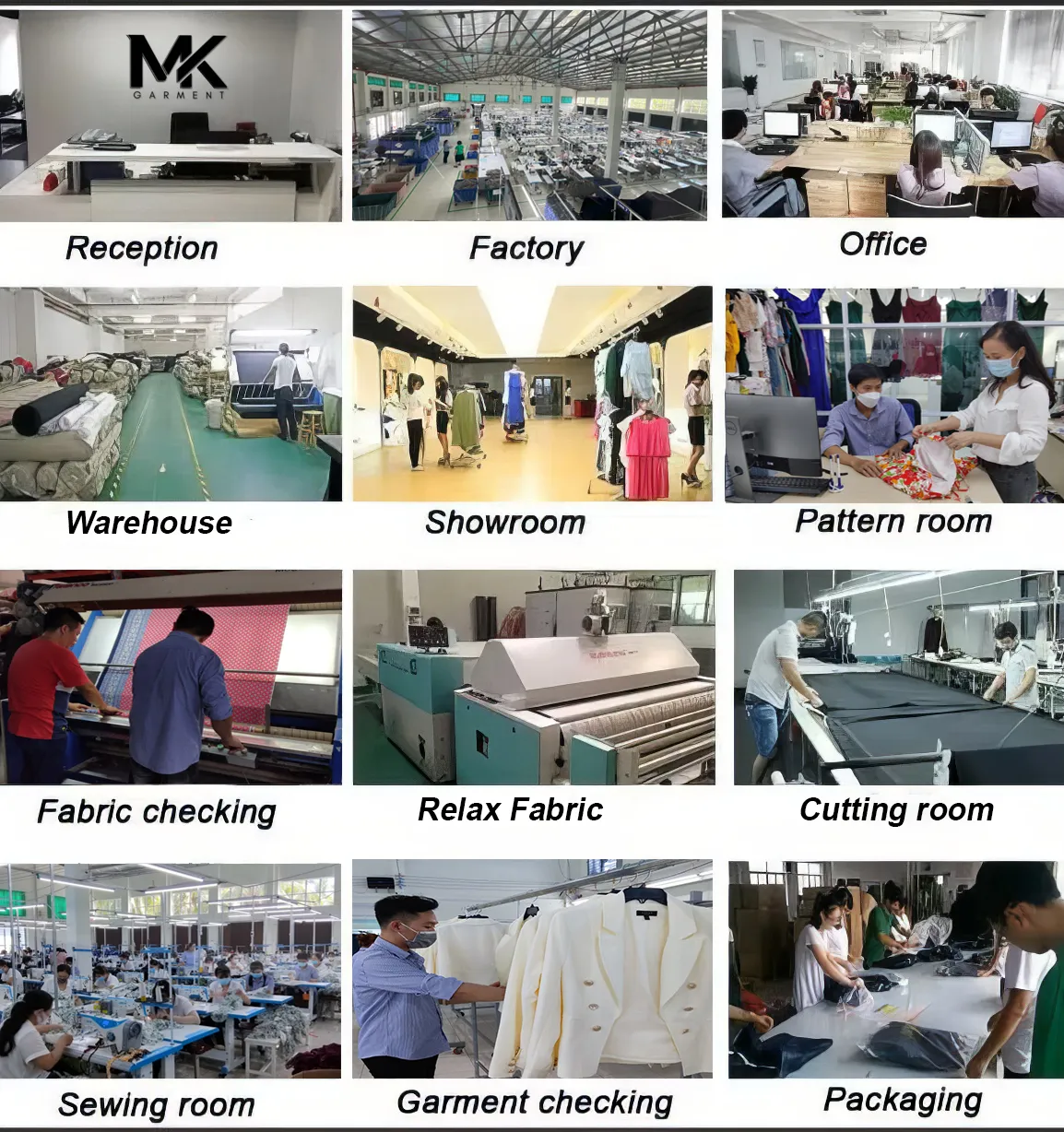
The “best” jacket fabric is the one that fulfills its specific mission. At Mekong Garment, we consult with our partners to match technical specs with design intent—whether that’s a silent hunting jacket or an ultralight packable windbreaker. By understanding denier, hydrostatic head, and compliance rules, we ensure your collection performs as good as it looks.
Contact Mekong Garment Factory
- VN Phone/WhatsApp/WeChat: +84 947 729 829
- Email: hanh@kimmy.vn
FAQs: Fabrics for Lightweight Jackets
In Short, What are the most important checks before picking a fabric for a lightweight jacket?
Before choosing a fabric, run six checks: weight and structure (how the fabric drapes and packs), intended protection (wind vs waterproof – they are different targets), breathability with real numbers (MVTR or RET rather than feel), waterproof rating (hydrostatic head; 10,000 mm is a common “waterproof” benchmark), DWR performance and how the face fabric wets out, and chemical compliance (PFAS/PFC restrictions in target markets). These checks stop the usual sample-vs-production surprises like noisy face fabrics, trapped moisture, or failing regulatory requirements.
When should I choose ripstop nylon and what are its limits?
Ripstop nylon is ideal for packable windbreakers and trail jackets because its grid weave resists tear propagation while staying light. It accepts coatings and DWR well, so it’s easy to tune for light rain and wind. Limitations: some finishes can be noisy, and breathability must be managed with design or vents; heavy coatings add weight. Use ripstop for travel, ultralight shells, and everyday packable layers where tear resistance matters.
Why pick high-tenacity nylon (CORDURA-type) over regular nylon?
High-tenacity nylons trade a bit of ultralight softness for much better abrasion and tear resistance. They’re chosen when durability matters – commuter jackets that rub against straps, or outdoor jackets exposed to rocks and rough use. Expect slightly higher weight, but far better longevity and less “one season and done” risk. Best for commuter, technical outdoor, and carry-heavy uses.
What advantages do polyester blends offer for urban and commuter jackets?
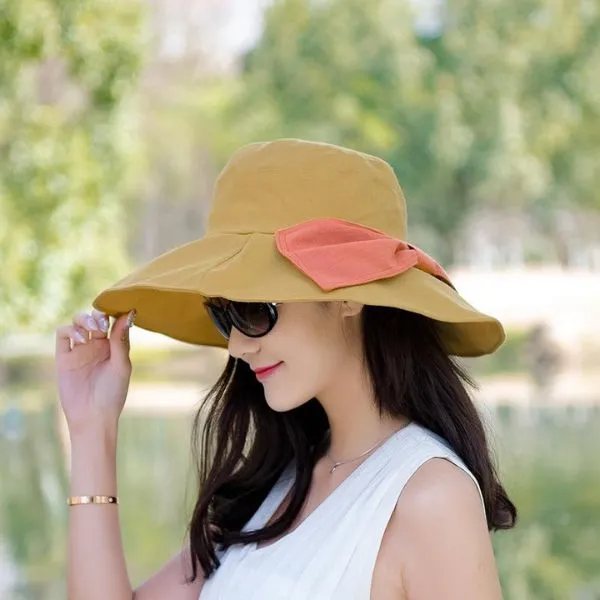
Polyester blends present a cleaner, wrinkle-resistant look, dry fast, and often absorb less water than nylon. Adding mechanical or elastane-based stretch improves comfort without ruining a tailored silhouette. The trade-off is hand feel: cheaper polyester shells can feel less premium unless you select the right yarn and finish. Use polyester blends for city travel, office-friendly outerwear, and low-care garments.
How do membranes, DWR, and layer builds affect real-world waterproof performance?
Membranes provide the waterproof-breathable function but must be paired with the right face fabric, DWR, seam taping, and zippers to perform. Layer builds: 2-layer (face + membrane) favors durability, 2.5-layer adds a print film backer for lightness, 3-layer laminates give the best durability and comfort for heavy use. Hydrostatic head benchmarks and breathability (MVTR/RET) are the real metrics; 10,000 mm HH is a common baseline for “waterproof,” with higher ratings for harsher rain. Without effective DWR, the face will wet out and breathability suffers even if the membrane is good.