

Polyethylene (PE) fabric is a versatile synthetic material that delivers high strength-to-weight ratios, reliable water resistance, and economical production. It is a preferred choice for outdoor gear, industrial covers, and tarps where durability and cost-efficiency are prioritized over softness or breathability. However, evaluating its suitability requires understanding its limitations in heat resistance, elasticity, and environmental impact.
Overview of Polyethylene Fabric
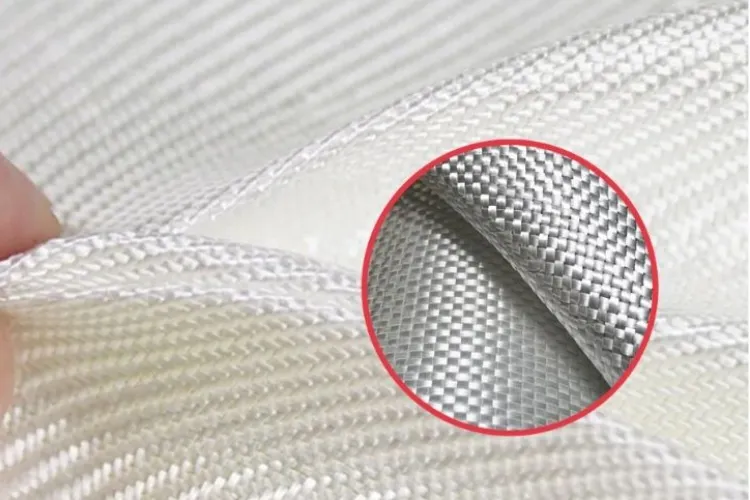
PE fabric is a synthetic thermoplastic made from polymerized ethylene. It is available in various forms, including woven, nonwoven, coated, or laminated sheets. Depending on the specific grade—such as LDPE, HDPE, or LLDPE—these fabrics offer different levels of stiffness, melting points, and puncture resistance.
| PE Grade | Technical Characteristics | Common Applications |
|---|---|---|
| LDPE | Flexible, good cold flexibility; 105-115°C melting point. | Films, coatings, flexible liners. |
| HDPE | Stiff, high tensile strength; 125-135°C melting point. | Woven sacks, tarps, geotextiles. |
| LLDPE | Superior tear and puncture resistance. | Stretch films, heavy-duty sheeting. |
| UHMWPE | Ultra-high strength; exceeds many steels in tenacity. | Ballistic vests, marine ropes. |
Advantages: What PE Fabric Excels At
1. Exceptional Strength-to-Weight Ratio
Because of its low density (0.91-0.96 g/cm³), PE fabric provides impressive durability without adding significant bulk. This makes it incredibly easy to handle, transport, and install, especially in large-scale applications like lifting slings or cargo tarps.
2. Consistent Waterproofing
Unlike natural fibers, PE is inherently hydrophobic. When laminated or coated, PE fabrics achieve true waterproofing. This makes them ideal for environments exposed to heavy rain, humidity, or constant moisture, such as pond liners or truck covers.
3. Chemical and Weather Resilience
PE is naturally resistant to many dilute acids, alkalis, and solvents. When treated with UV stabilizers or carbon black, it can withstand prolonged sun exposure and environmental degradation for several years, making it a “go-to” for agricultural and chemical containment.
Limitations and Challenges
- Poor Heat Resistance: PE softens at relatively low temperatures (starting at 105°C), limiting its use in hot industrial environments or near open flames.
- Non-Breathable: Because it forms an impermeable barrier, PE fabric traps heat and sweat, making it uncomfortable for everyday apparel.
- Low Elasticity: It has poor elastic recovery compared to nylon. Under sudden shock loads, it may undergo permanent deformation.
- Environmental Persistence: As a non-biodegradable plastic, PE products must be managed responsibly through recycling streams to avoid long-term pollution.
Conclusion
Polyethylene (PE) fabric offers a powerful combination of durability, waterproofing, and cost-efficiency for functional and industrial projects. While its lack of breathability and heat sensitivity makes it unsuitable for fashion garments, its performance in agriculture, construction, and logistics is nearly irreplaceable. At Mekong Garment Vietnam, we provide engineered PE solutions tailored to your specific load and environmental requirements. Base your choice on the intended lifecycle and end-of-use disposal to ensure a successful and sustainable project.
FAQs About PE Fabric Pros and Cons
In Short, What are the primary advantages of Polyethylene (PE) fabric
PE fabric combines a high strength-to-weight ratio with reliable water resistance, chemical and weather stability, and good tear/abrasion resistance. It is flexible in processing (woven, coated, laminated), cost-effective to produce, and adaptable across industries such as agriculture, packaging, construction, and outdoor equipment.
In Short, What common limitations should buyers consider when selecting PE fabric?
PE fabric has poor heat resistance and can soften under moderate to high temperatures, limited elasticity and stretch recovery under shock loads, and low breathability which makes it unsuitable for everyday apparel. It also lacks the hand-feel and drape of higher-end textiles and contributes to long-term plastic waste if not properly managed.
How durable and weather-resistant is PE fabric for outdoor use?
With proper coatings and UV stabilizers, PE fabric offers excellent resistance to water, mildew, chemicals, and many environmental factors, making it well suited for tarpaulins, covers, and outdoor gear. Durability against abrasion and puncture is strong but depends on weave, weight (gsm), and finishing.
What care and maintenance practices extend the life of PE fabric products?
Clean with mild soap and water; avoid harsh solvents that can damage coatings. Store items dry and out of prolonged direct sunlight when not in use. Repair small tears promptly with suitable patches or adhesives. Avoid prolonged heat exposure and sharp, concentrated impacts that can deform or puncture the material.
How environmentally friendly is PE fabric and what recycling options exist?
PE is a non-biodegradable thermoplastic; improper disposal contributes to plastic pollution. Many PE products can be mechanically recycled where collection and facilities exist. Choosing recycled-content PE, reducing single-use applications, and working with suppliers that offer take-back or recycling programs improves environmental outcomes.