

Modal Fabric: Pros, Cons, and Everyday Applications

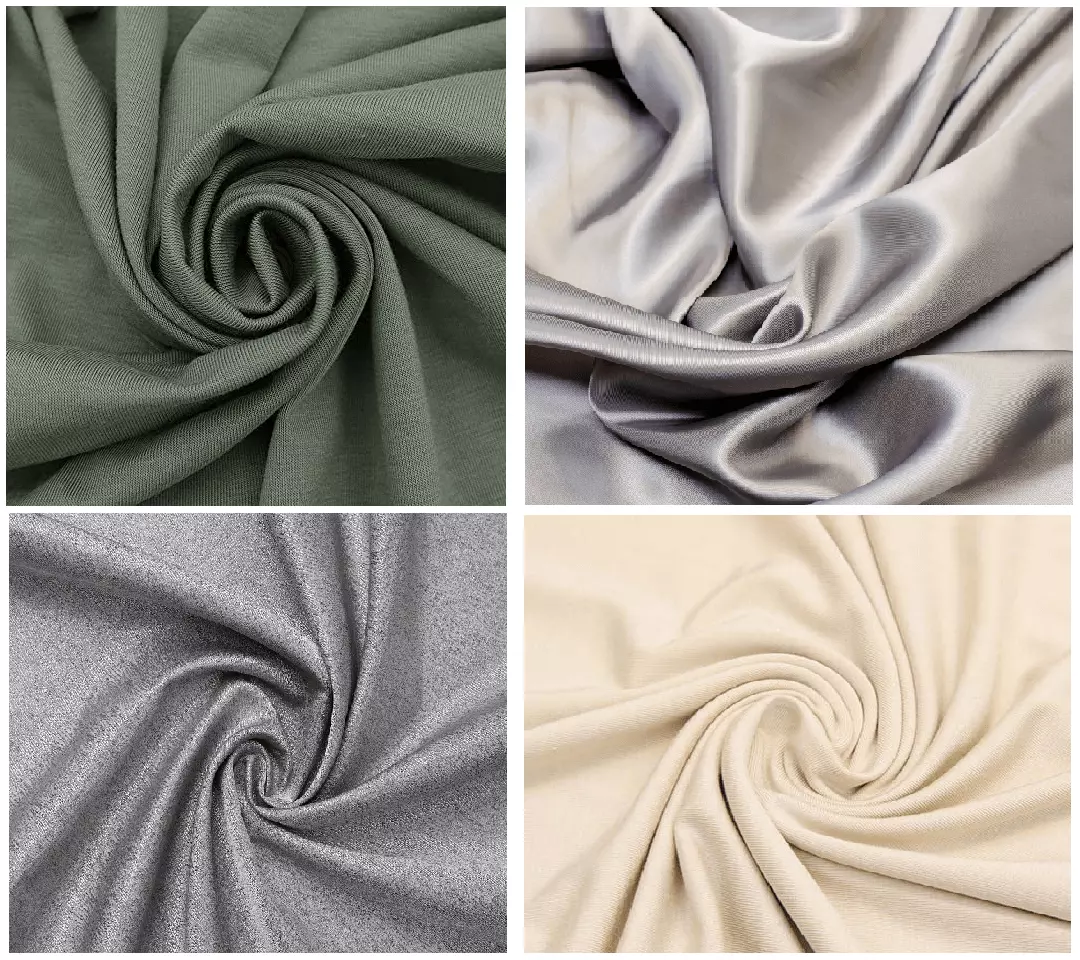
Modal fabric is loved for its soft feel, lightweight nature, and smooth drape. Derived from natural wood pulp but engineered to be stronger and more durable than regular rayon, it offers a perfect balance of comfort and practicality for everyday wear. This guide explores what modal fabric is, its production process, and why it has become a premier choice in modern fashion and textiles.
What Is Modal Fabric?
Modal is a soft, smooth semi-synthetic textile made from the cellulose of beech trees. While it begins as a natural material, it undergoes a specialized chemical process to transform fibers into a strong, silky yarn. This engineering allows modal to sit comfortably between natural and synthetic fabrics, offering a luxurious look with high-performance durability.
How Modal Fabric Is Made
The transition from beech wood to high-quality fabric involves several technical stages designed to strengthen the fibers:
- Harvesting: Beech wood is harvested and processed to extract pure cellulose.
- Dissolving: The cellulose is treated with chemicals like sodium hydroxide to create a spinning solution.
- Spinning: This solution is forced through a spinneret to create long fibers, which are then washed and spun into yarn.
Because of this chemical transformation, modal is classified as semi-synthetic, offering better shape retention than 100% natural rayon.
Key Traits of Modal Fabric
- Softness and Comfort: Modal is famous for being gentle on the skin. Its smooth surface makes it ideal for garments worn close to the body, such as underwear and sleepwear.
- Breathability: It allows air to circulate freely and absorbs moisture 50% more effectively than cotton, keeping the wearer cool and dry.
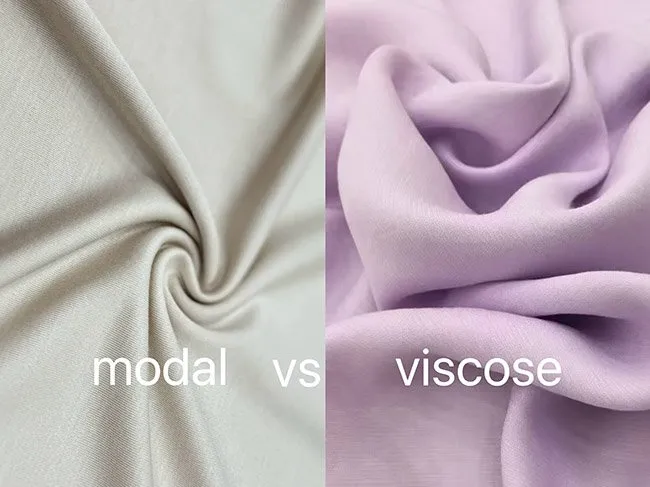
- Durability: Unlike standard viscose, modal resists shrinking, fading, and pilling. It maintains its shape even after frequent washing.
- Eco-Friendly Potential: Beech trees require significantly less water than cotton. When produced in closed-loop systems, chemicals are captured and reused, minimizing environmental impact.
Pros and Cons of Modal Fabric
| Advantages (Pros) | Limitations (Cons) |
|---|---|
| Luxuriously soft and silky hand-feel. | Higher production cost than cotton or polyester. |
| Excellent moisture-wicking properties. | Requires chemical processing (sustainability varies). |
| High resistance to pilling and fading. | Can be prone to stretching if not blended correctly. |
Modal vs. Other Fabrics
| Fabric | Feel | Breathability | Durability | Eco-Impact |
|---|---|---|---|---|
| Modal | Silky | Excellent | Strong | Moderate-High |
| Cotton | Soft | Good | Good | Varies |
| Rayon | Smooth | Good | Lower | Lower |
| Lyocell | Very Soft | Excellent | High | High |
Common Uses of Modal
Due to its versatility, modal is a staple in both casual and premium sectors:
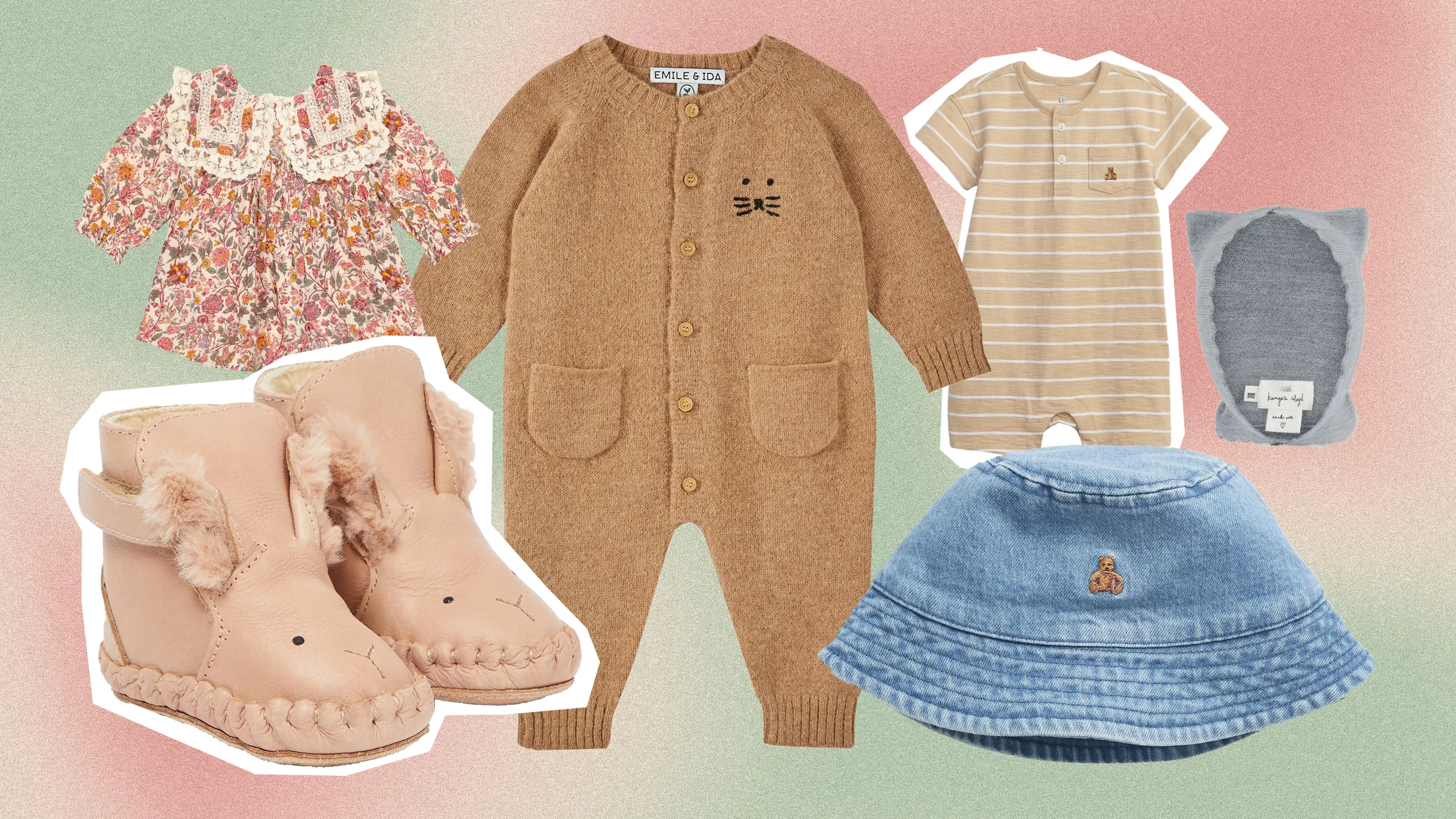
- Intimates: High-end underwear, bras, and undershirts.
- Activewear: Yoga pants and breathable gym tees.
- Sleepwear: Lightweight pajamas and robes.
- Home Textiles: Premium bedsheets and pillowcases.
- Blends: Frequently mixed with Spandex for stretch or Cotton for added structure.
Conclusion
Modal fabric represents the intersection of nature and modern textile innovation. Its ability to stay soft and vibrant over time makes it a smart investment for both brands and consumers. As the industry moves toward more sustainable materials, modal—especially when sourced from certified producers—earns its place as a reliable, high-performance textile. At Mekong Garment, we specialize in sourcing and manufacturing premium modal garments that meet the highest standards of comfort and durability.