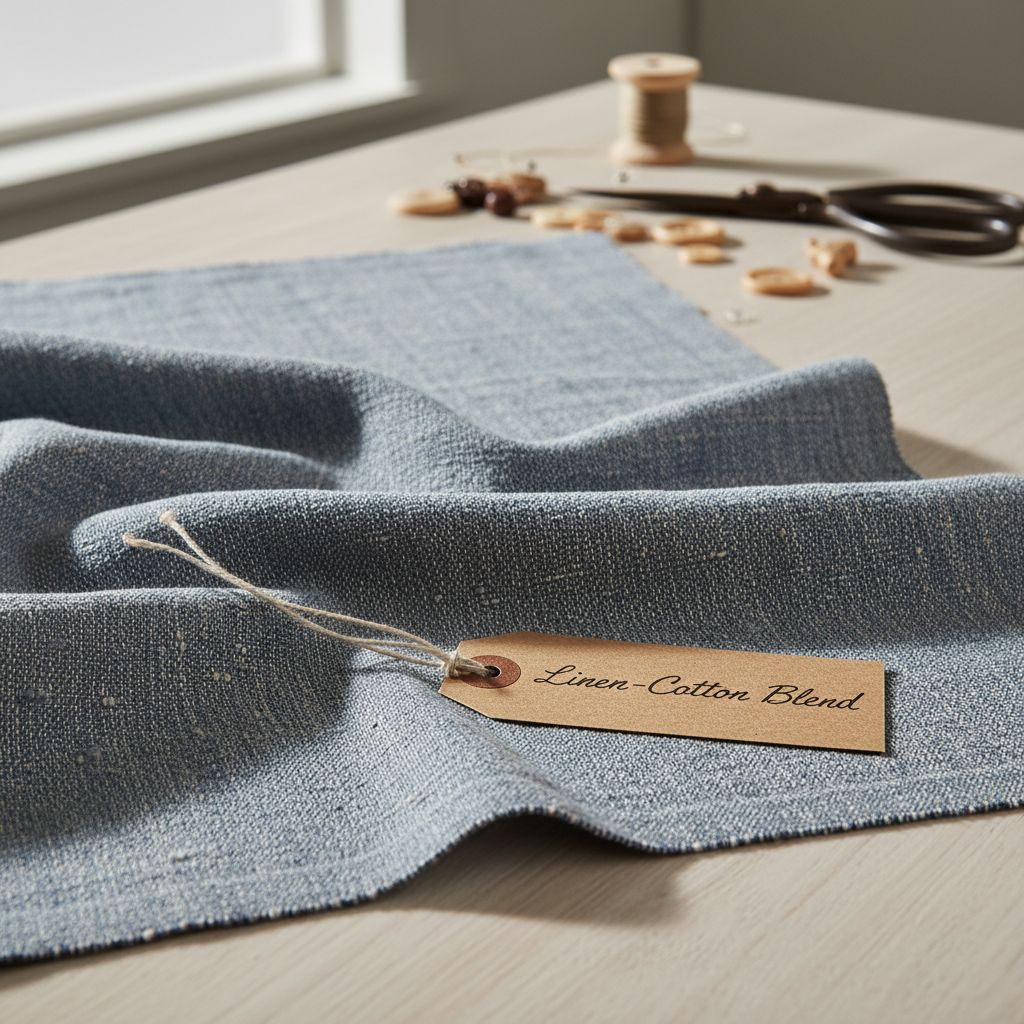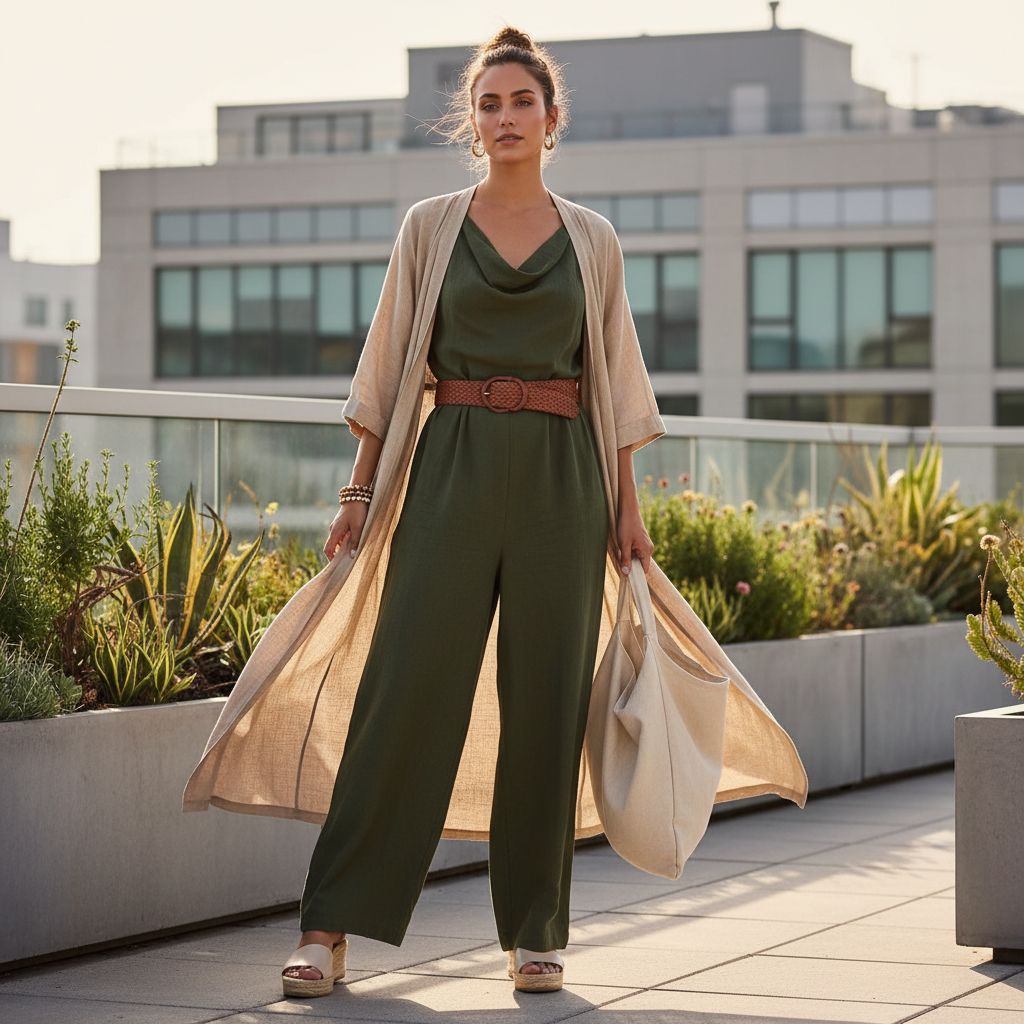

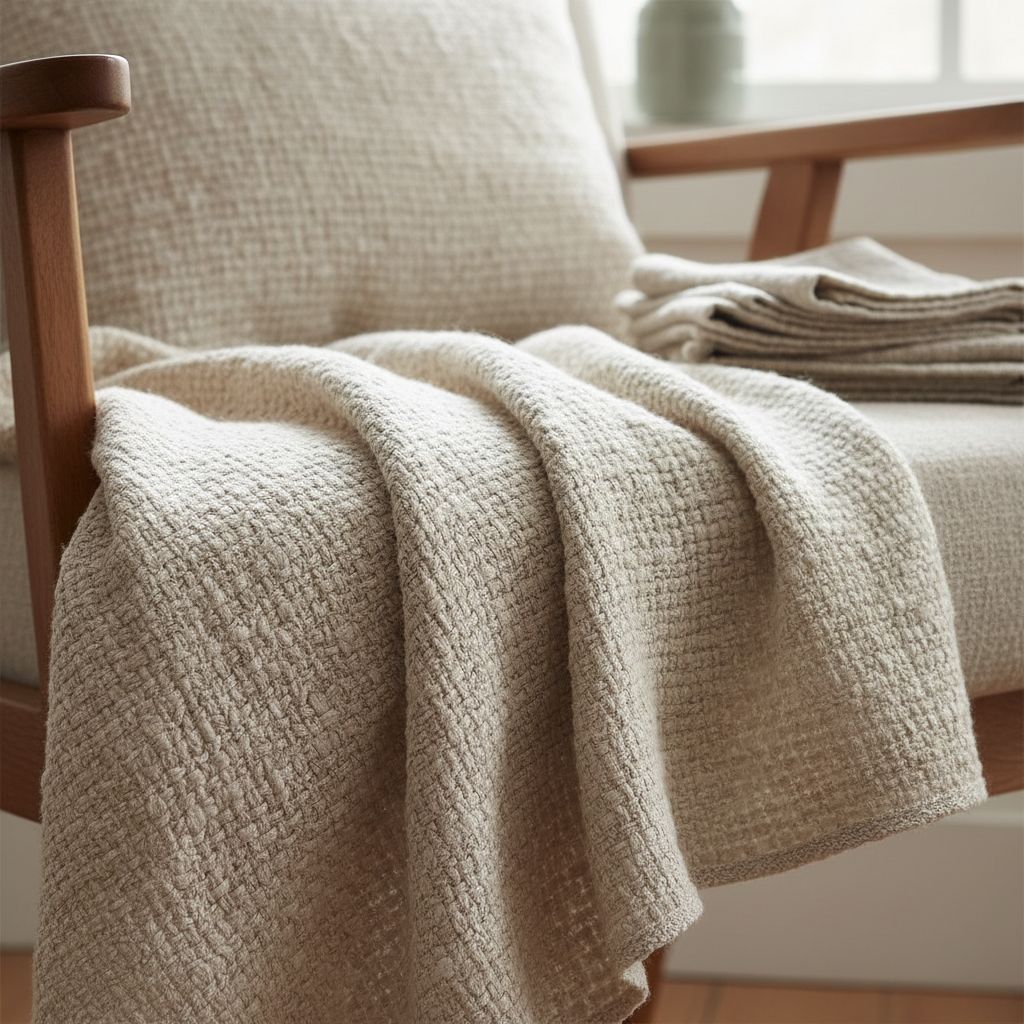
Linen is one of the most respected natural fabrics in the textile world. It is valued for its breathability, strength, crisp texture, and timeless look. But not all linen fabrics are the same. One of the main factors that changes how linen feels and performs is the weave pattern. The weave pattern affects the fabric’s surface, weight, absorbency, durability, and overall appearance. Some weave-based linen fabrics are soft and light for clothing, while others are thick and strong for household or decorative use. Understanding these differences can help buyers, designers, and manufacturers choose the right linen for the right purpose. In this guide, we will explore the most common types of linen fabric by weave pattern, along with their key features and uses.
What Does Weave Pattern Mean in Linen Fabric?
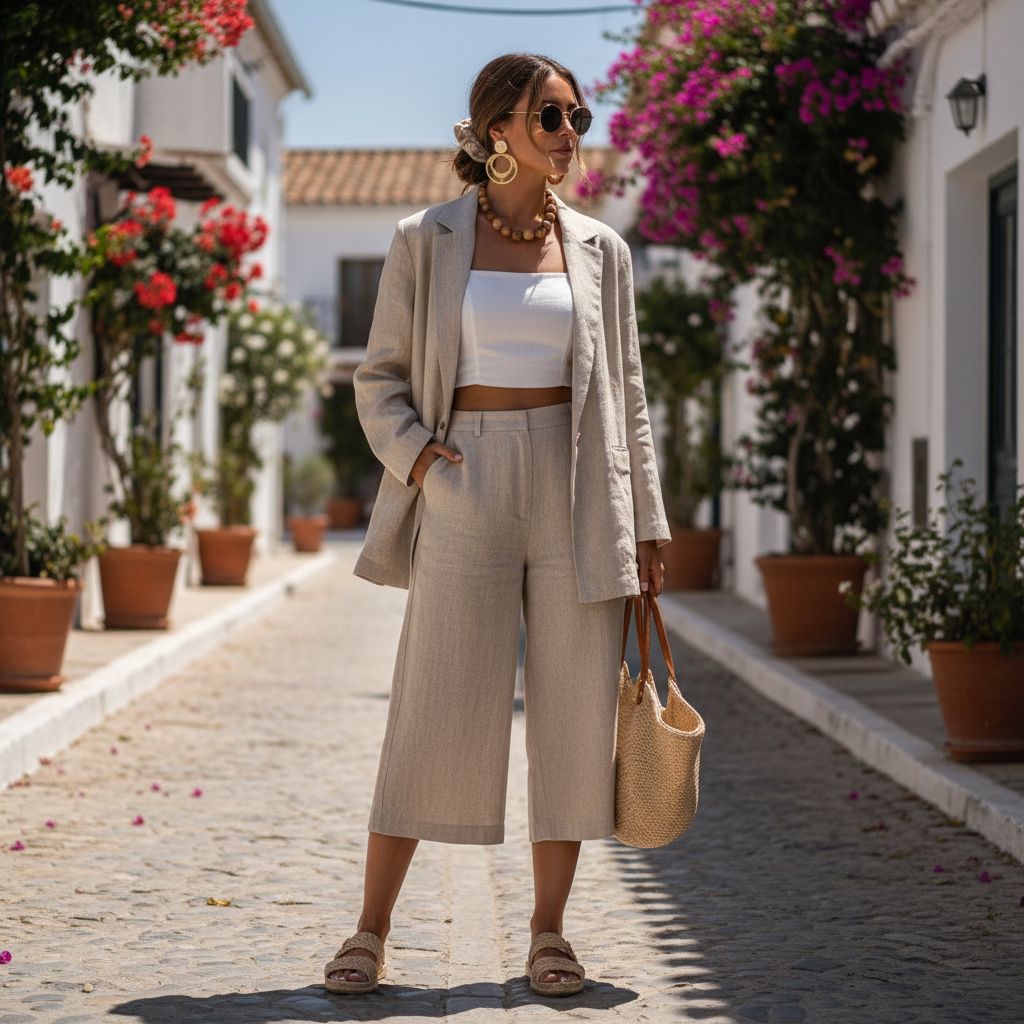
The weave pattern is the way warp and weft yarns cross over each other to form the fabric. Even when the fiber content stays the same, a different weave can completely change the look and feel of linen. For example, one linen fabric may be smooth and crisp, while another may be textured, decorative, or highly absorbent. That is why weave pattern is such an important part of fabric selection, especially in fashion, home textiles, and interior applications.
Why Weave Pattern Matters in Linen
The weave structure of linen can affect many important fabric properties, including:
- Texture and hand feel
- Breathability and airflow
- Weight and thickness
- Strength and durability
- Absorbency
- Visual style and surface pattern
- End-use performance
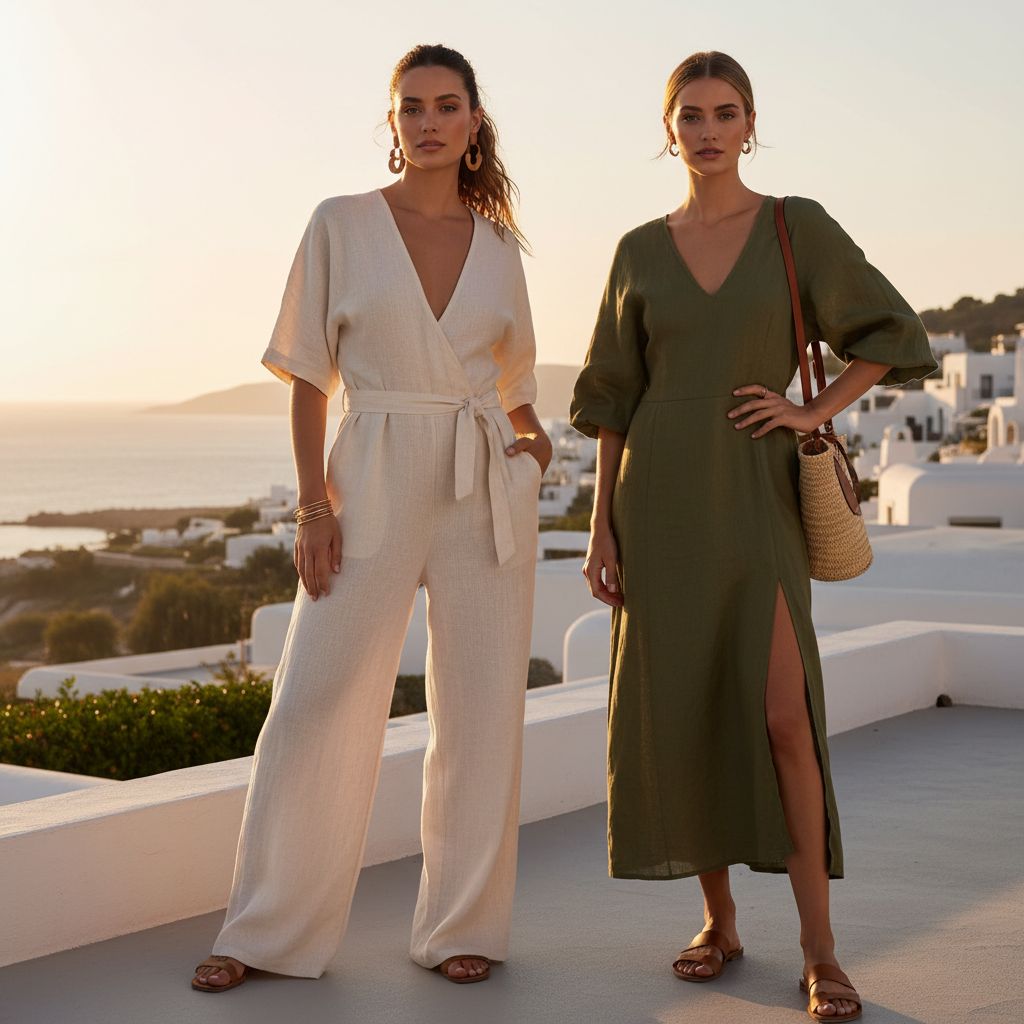
Choosing the correct weave pattern helps ensure that the fabric matches the intended product, whether it is a summer blouse, a luxury tablecloth, or a durable upholstery item.
Common Types of Linen Fabric By Weave Pattern
Plain Weave Linen
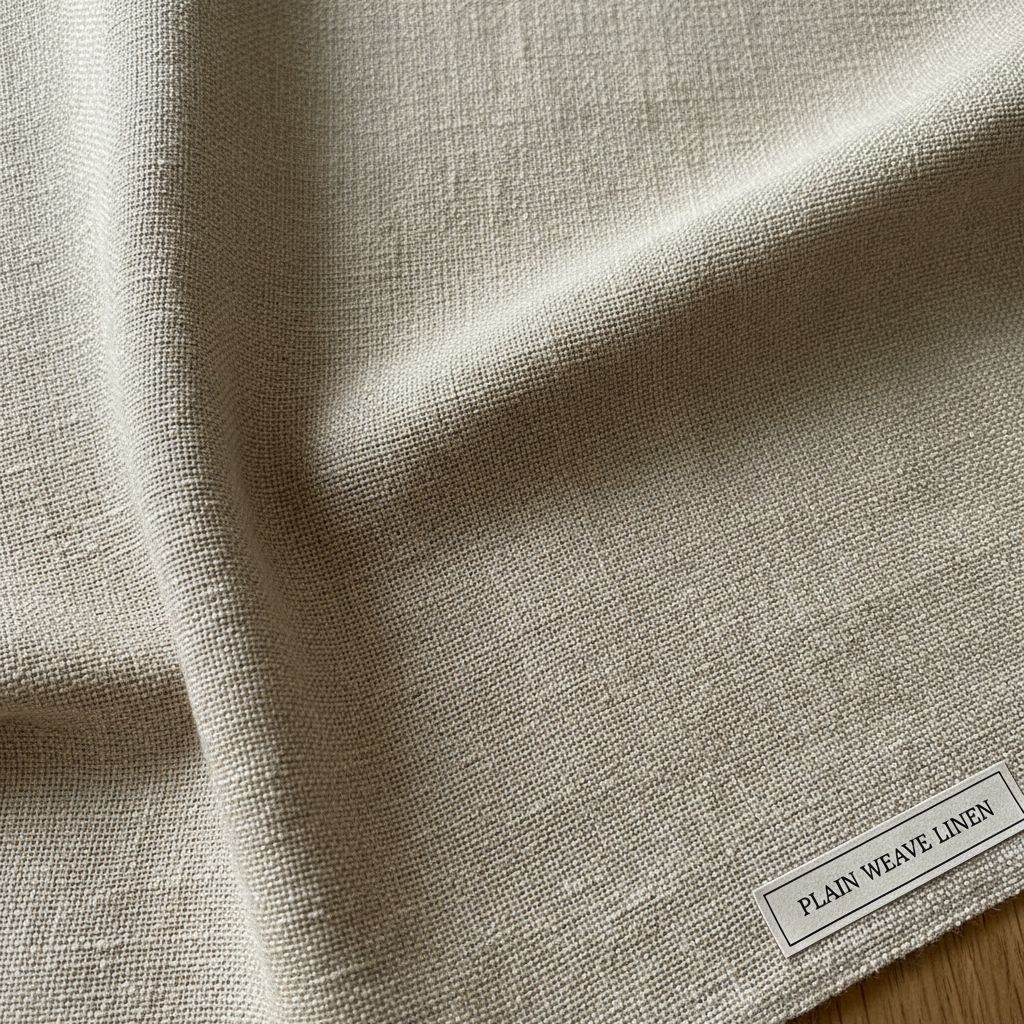
Plain weave linen is one of the most common and widely used types of linen fabric. It is made with a simple over-under weave structure, which creates a balanced and clean surface. Because of this straightforward construction, plain weave linen is practical, breathable, and easy to use in many products. This type of linen usually has a crisp hand feel and a classic natural appearance. It allows good airflow, making it comfortable in warm weather. Plain weave linen is often used for shirts, blouses, dresses, lightweight trousers, curtains, and basic home textiles. It is a reliable choice for anyone looking for a traditional linen fabric with everyday versatility.

Damask Linen
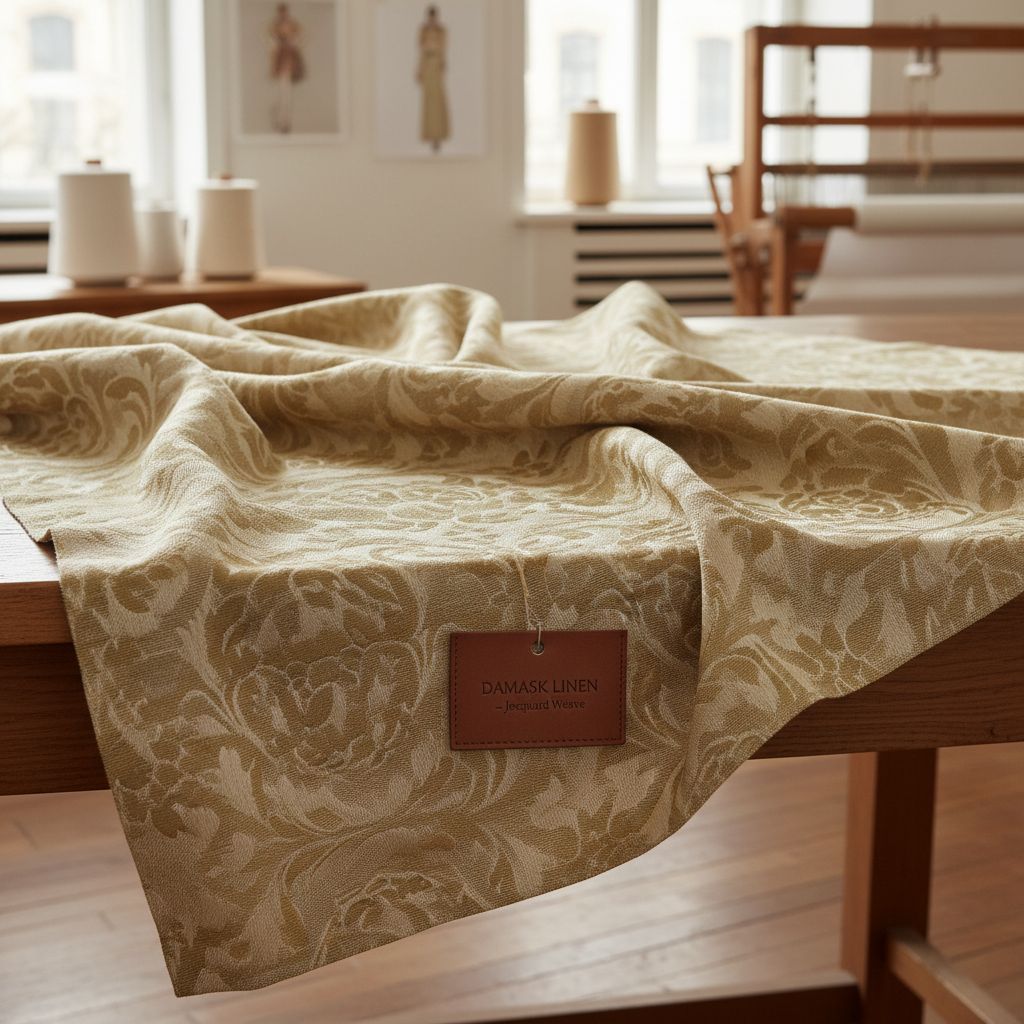
Damask linen is known for its elegant woven patterns and refined appearance. Unlike printed fabrics, the design is created directly through the weaving process. This gives the surface a richer look, often with subtle contrast and a slight sheen. Damask linen is usually chosen for products where beauty and presentation matter. It is commonly used for tablecloths, napkins, decorative runners, and upscale upholstery. In some cases, it is also used for luxury household décor. Because of its decorative effect, damask linen is ideal for formal settings and premium textile products.
Bird’s Eye Linen
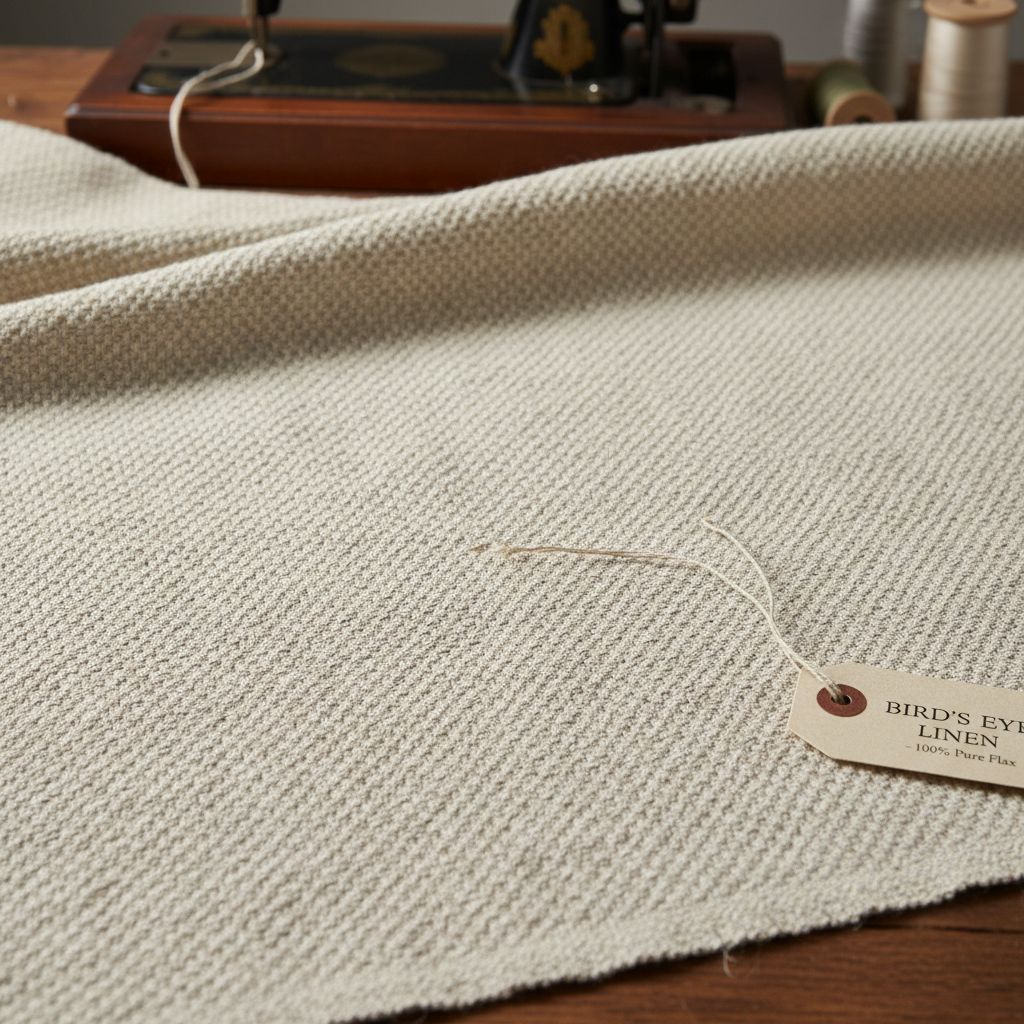
Bird’s eye linen features a small repeated pattern that often looks like tiny dots or diamond shapes. This weave creates a textured surface that improves absorbency, which makes the fabric suitable for practical uses. It is often used for hand towels, cleaning cloths, and baby care items. While it is not usually selected for high-fashion garments, it performs well in products that need to absorb moisture quickly and handle regular use. Bird’s eye linen is appreciated more for function than style, but it remains a useful and dependable fabric in many household applications.
Cambric Linen
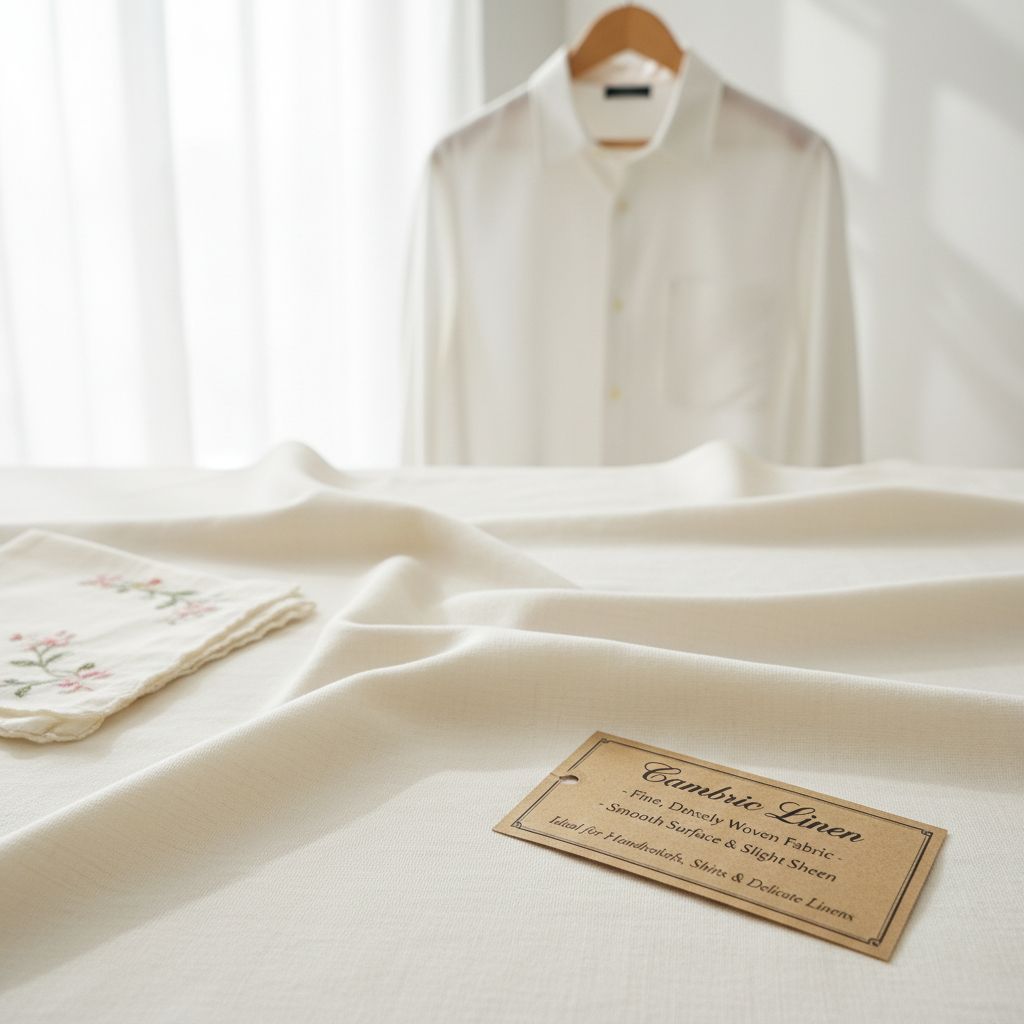
Cambric linen is a lightweight and finely woven linen fabric with a softer and smoother feel than many heavier linen types. It is more delicate in appearance and is often selected for products that need comfort, softness, and a refined touch. This type of linen is commonly used for handkerchiefs, blouses, lightweight dresses, lingerie details, and fine summer garments. Its light structure makes it especially suitable for warm climates and elegant apparel. Cambric linen is a good option when the goal is to create garments or textile items that feel airy, soft, and graceful.
Huckaback Linen

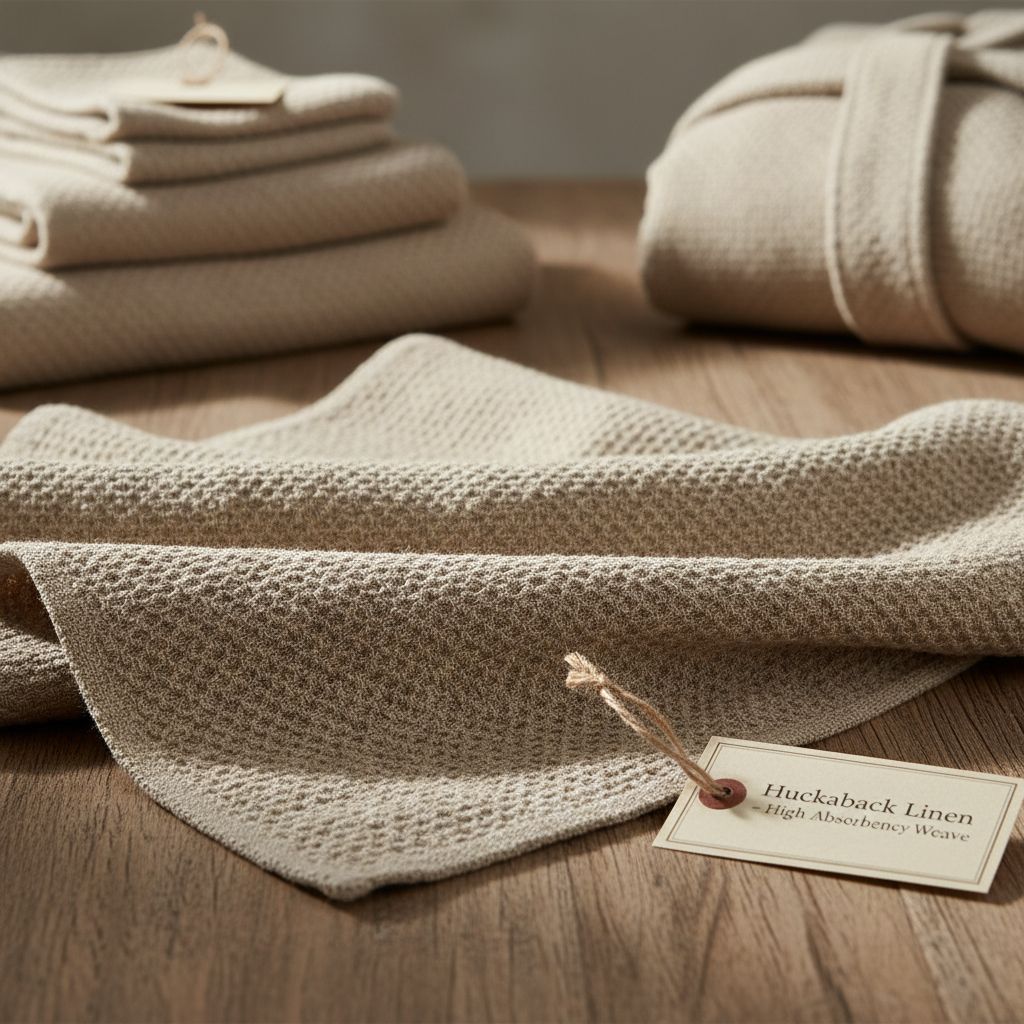
Huckaback linen has a textured weave that gives the fabric strong absorbent qualities. It is practical, durable, and often chosen for household textiles rather than fashion use. This fabric is commonly used for kitchen towels, bathroom towels, and utility cloths. Its texture helps improve performance in daily cleaning and drying tasks. Although it is not the most decorative linen type, it is valued for its usefulness and long-lasting nature. Huckaback linen is a smart choice for products where performance is more important than appearance.
Venice Linen
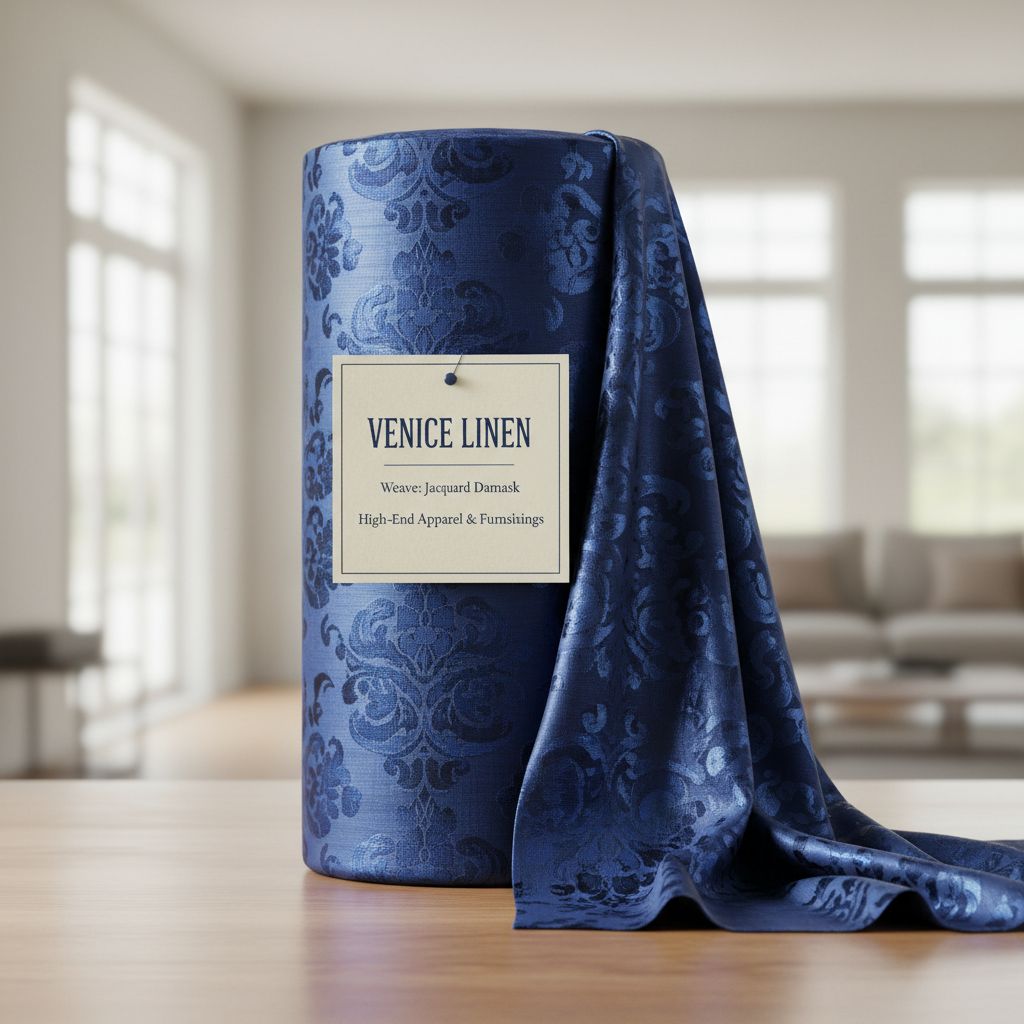
Venice linen is a decorative type of linen fabric that often includes floral or ornamental woven designs. It is usually more refined and visually rich than plain functional linen fabrics. This fabric is mainly used for interior decoration and elegant home textiles. Common applications include luxury table settings, decorative panels, and upscale household items. Venice linen is not typically used for basic everyday products, because its value lies more in its artistic and decorative appeal. It is best suited for spaces or products where visual texture and elegant design are important.
Canvas Linen
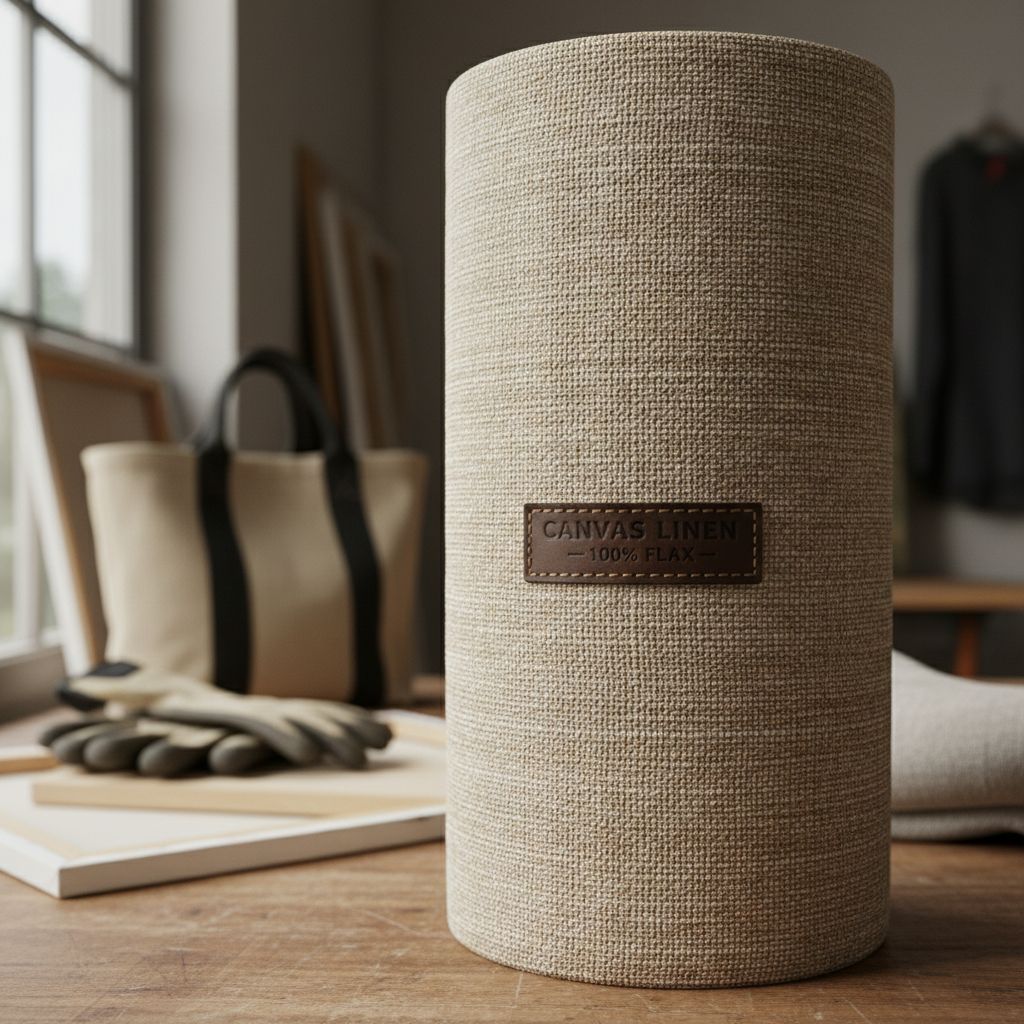
Canvas linen is a heavy, coarse, and highly durable linen fabric. Compared with lighter weave patterns, it is much stronger and better suited for products that require toughness and structure. This type of linen is often used for bags, shoes, upholstery, cushions, and certain outdoor or hard-use items. It is less soft than fine apparel linen, but it offers excellent durability and support. Canvas linen is ideal when strength, resistance, and long-term performance matter more than softness or drape.
How to Choose the Right Linen Weave Pattern
The best linen weave depends on the product you want to make. A lightweight garment needs a very different fabric from a kitchen towel or decorative tablecloth. Here are a few simple guidelines:
- Choose plain weave linen for versatile clothing and basic home textiles
- Choose damask linen for formal and decorative table or interior products
- Choose bird’s eye linen for absorbent utility items
- Choose cambric linen for soft, lightweight apparel
- Choose huckaback linen for towels and household use
- Choose Venice linen for decorative home applications
- Choose canvas linen for durable and structured products
It is important to balance appearance, comfort, durability, and function before making a final fabric decision.
Linen Weave Pattern in Fashion and Home Textiles
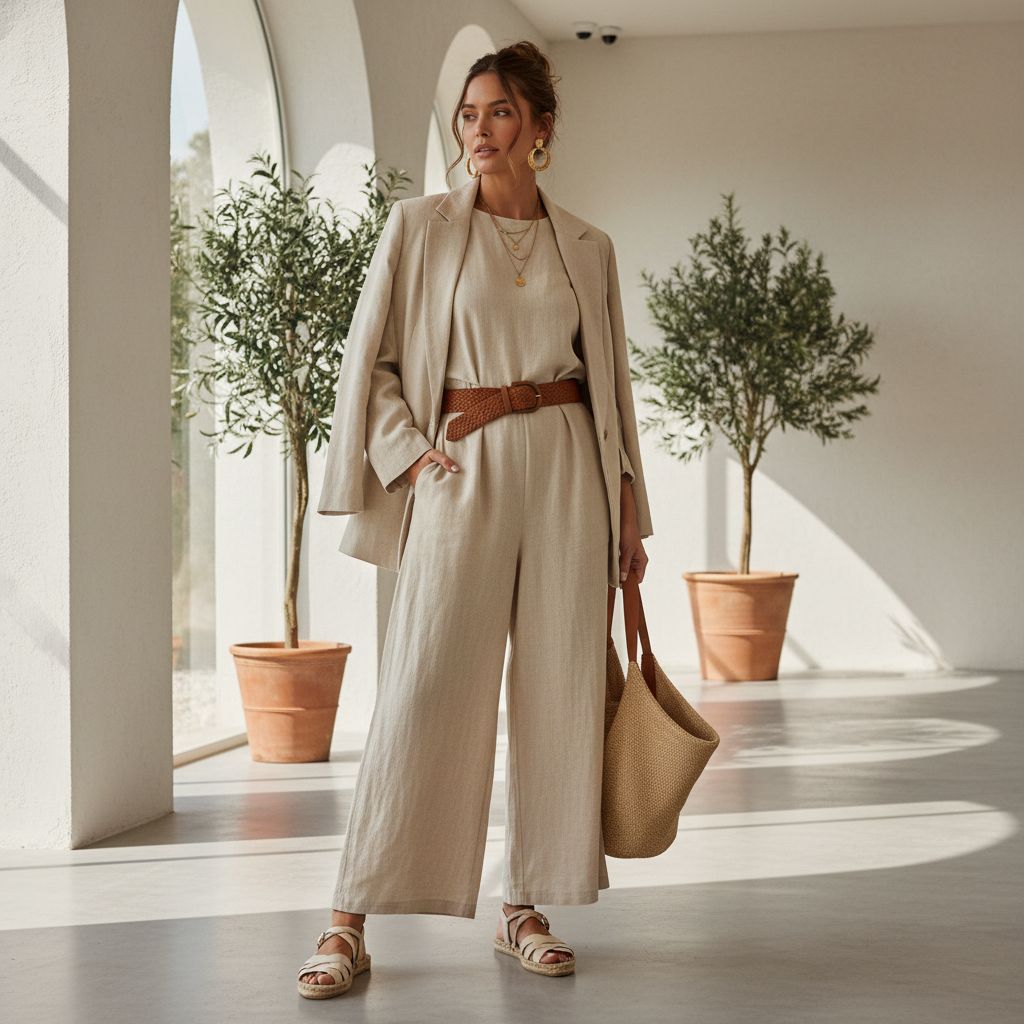
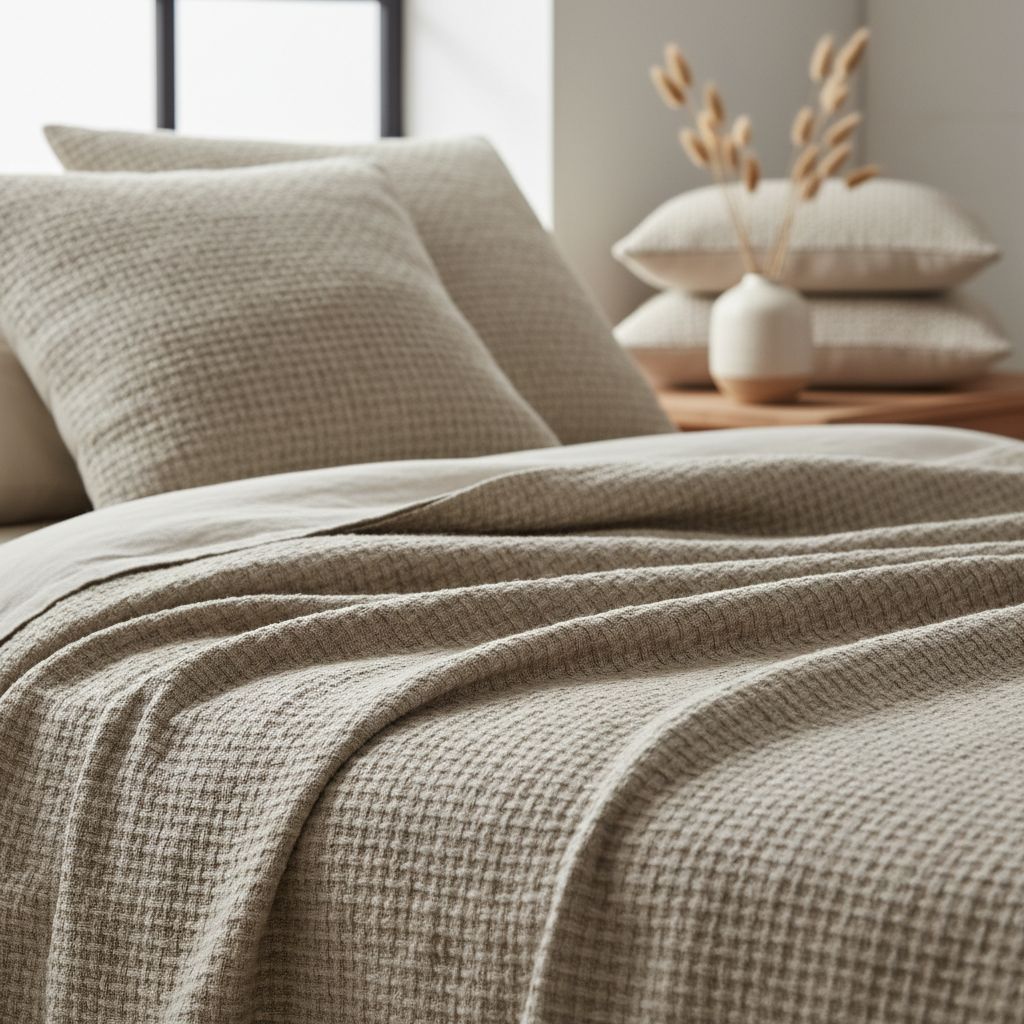
In the fashion industry, weave pattern plays a major role in how a linen garment looks and feels. Fine weaves such as cambric work well for soft and elegant pieces, while plain weave linen remains a favorite for casual summer clothing. In home textiles, weave pattern often determines both performance and style. Damask and Venice linen bring visual beauty to interior products, while bird’s eye and huckaback linen focus more on absorbency and daily function. Canvas linen stands out in applications that require extra strength, such as upholstery and accessories. This variety is one reason linen remains such a valuable fabric across many product categories.
Final Thoughts / Conclusion
Linen is far more diverse than many people realize. When classified by weave pattern, it becomes clear that each type of linen fabric offers different benefits. Some are made for elegance, some for softness, and some for durability or absorbency. Understanding the common types of linen fabric by weave pattern helps manufacturers, designers, and buyers choose materials more confidently. Whether you are working on clothing, home textiles, or decorative products, selecting the right linen weave can improve both product quality and user experience. If you are sourcing linen fabric for your next collection or textile project, always consider not only the fiber itself but also the weave structure behind it. That is often what makes the biggest difference in performance and appearance.