How To GSM Calculation for Woven Fabric in Garment Industry?

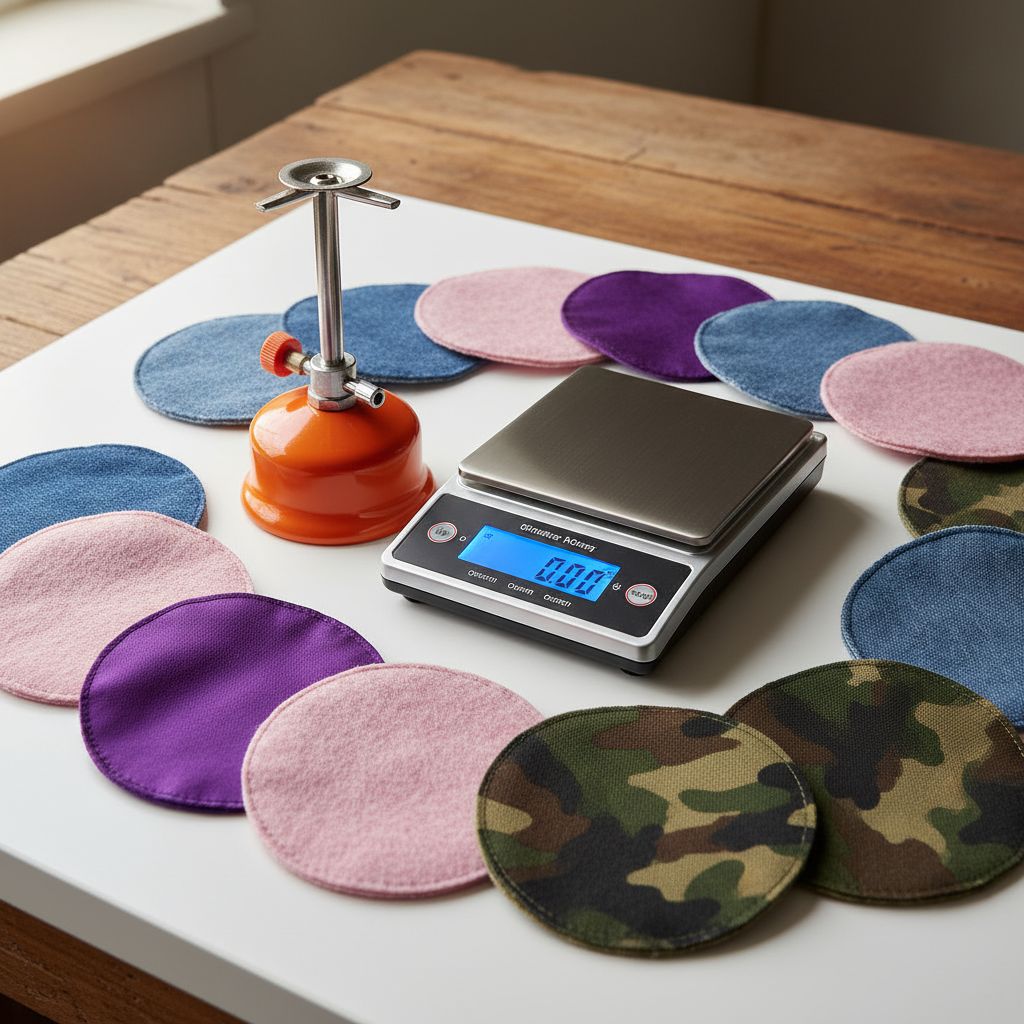
GSM (grams per square meter) is a very important concept in the textile and garment industry. It shows the weight of fabric in one square meter. A fabric with a higher GSM is heavier and usually thicker, while a fabric with a lower GSM is lighter and usually thinner. For woven garment merchandisers, understanding how to calculate GSM is essential. It helps confirm whether the fabric ordered from the supplier matches the buyer’s required specification. Although suppliers usually provide the GSM value, merchandisers should still know how to check and calculate it correctly.
What is Woven Fabric?
Woven fabric is any textile made by crossing two sets of yarns the lengthwise warp and the crosswise weft at right angles on a loom. This grid structure makes the material strong, stable, and resistant to stretching

What is GSM?
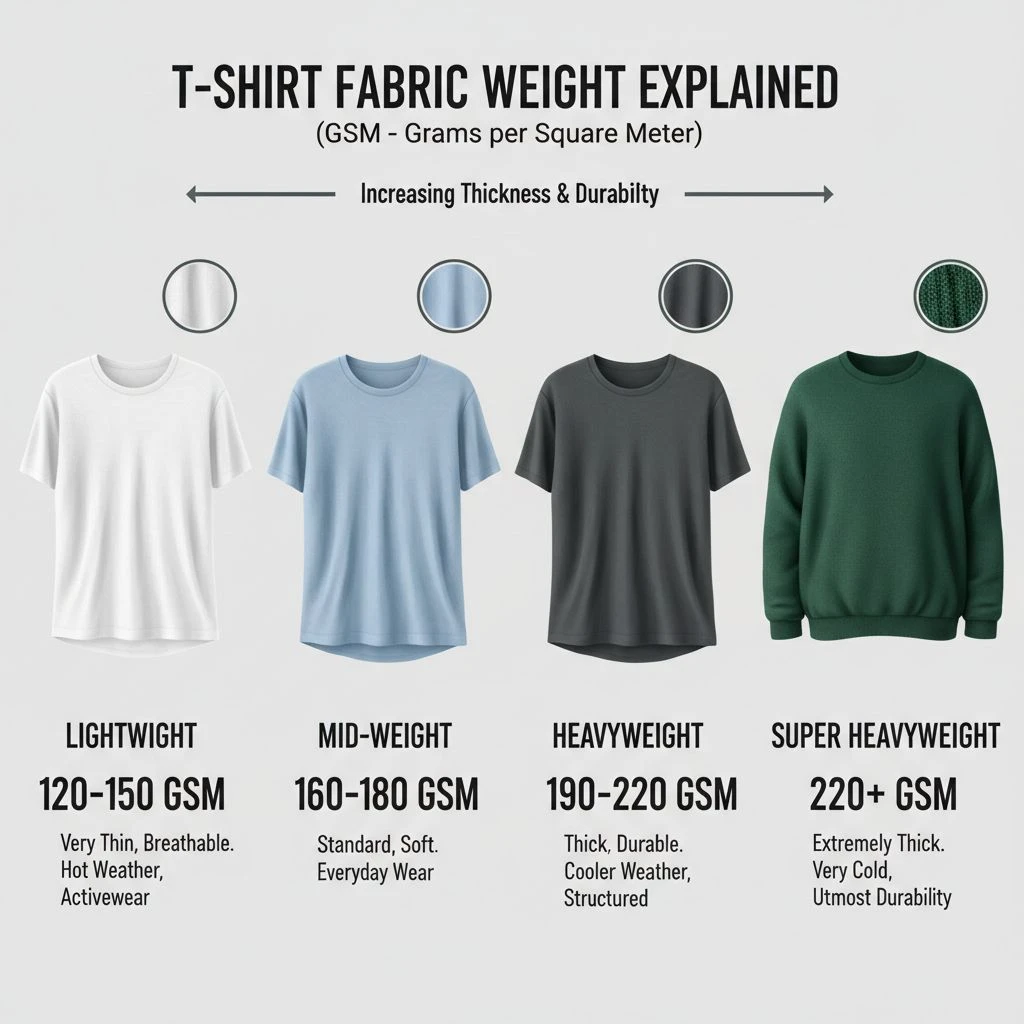
GSM = Grams per Square Meter (g/m²). It measures fabric mass per unit area. For example:
- 100 GSM = one square meter weighs approximately 100 g
- 150 GSM = one square meter weighs approximately 150 g
- 200 GSM = one square meter weighs approximately 200 g
- 300 GSM = one square meter weighs approximately 300 g
A higher GSM means more fabric mass exists within the same surface area. However: Higher GSM does not automatically mean thicker or better fabric.

Thickness also depends on:
- Fiber type
- Yarn diameter
- Yarn structure
- Weave construction
- Thread density
- Crimp
- Finishing
- Brushing
- Coating
GSM should therefore be treated as a weight measurement, not as a complete measurement of fabric quality.
Why Is GSM Important for Woven Garment Merchandisers?
Woven fabric specifications commonly include information such as: Fiber composition, Warp count, Weft count, EPI, PPI, Weave, Width, GSM. For example: 100% Cotton Twill, 40 × 32 / 120 × 70, 130 GSM.
If the actual fabric becomes significantly heavier or lighter than the approved specification, it may affect:
- Garment weight
- Hand feel
- Drape
- Fabric consumption
- Fabric costing
- Sewing performance
- Finished garment appearance
- Buyer approval
A merchandiser who understands GSM calculation can identify whether a proposed fabric construction is reasonably capable of producing the required fabric weight.
How GSM Calculation Helps Fabric Costing
Fabric mills frequently calculate costs partly according to yarn consumption. Because theoretical GSM estimates how much yarn mass exists per square meter, it can support:
- Raw material estimation
- Yarn consumption calculations
- Fabric cost estimation
- Construction comparison
For example, increasing:
- EPI
- PPI
- Yarn coarseness
- Crimp
generally increases yarn mass per square meter. This can increase material consumption and fabric cost.
Information You Need Before Calculating Woven Fabric GSM
Woven Fabric Construction: Warp & Weft
A woven fabric contains two yarn systems:
- Warp: Warp yarns run mainly in the lengthwise direction of the fabric.
- Weft: Weft yarns run mainly in the widthwise direction. The two yarn systems interlace to create the woven structure.
Therefore, woven fabric GSM can be thought of as: Warp yarn weight + Weft yarn weightThis is why warp and weft must be calculated separately.
What Is EPI?
EPI = Ends Per Inch. It tells us how many warp yarns are present across one inch of fabric width.
For example: 120 EPI, means there are approximately 120 warp ends within one inch of fabric width. Generally, if all other factors remain unchanged, increasing EPI adds more warp yarn per unit area and therefore tends to increase fabric weight.
What Is PPI?
PPI = Picks Per Inch. It tells us how many weft yarns occur within one inch along the fabric length.

For example: 70 PPI, means approximately 70 weft picks occur within one inch. If the yarn count and other factors remain the same, increasing PPI generally adds more weft yarn to the fabric and tends to increase GSM.
What is Crimp Factor?
Crimp factor refers to the waviness or bending of yarn inside the woven fabric structure. Because yarn in woven fabric is not perfectly straight, its actual length in the cloth is longer than the straight distance between its two ends. Crimp percentage or crimp factor is defined as the difference between the straightened yarn length and the length of the yarn as it lies in the fabric, expressed as a percentage or factor. This is important because more crimp means more yarn is used in the fabric, which affects fabric weight and GSM.
GSM Calculation Method for Woven Fabric
Standard formula:
To calculate the GSM of woven fabric from fabric construction, the standard formula is: GSM = [(EPI / Warp count × Warp crimp factor) + (PPI / Weft count × Weft crimp factor)] × 23.5
Meaning of the terms:
- EPI = Ends per inch
- PPI = Picks per inch
- Warp count = yarn count in the warp direction
- Weft count = yarn count in the weft direction
- Warp crimp factor = crimp factor of warp yarn
- Weft crimp factor = crimp factor of weft yarn
- 23.5 = conversion constant used in the formula
Example:
Suppose the woven fabric construction is as follows:
- Warp count = 50
- Weft count = 40
- EPI = 130
- PPI = 60
- Warp crimp factor = 1.2
- Weft crimp factor = 1.0
Step by Steps GSM calculation woven fabric:
- Step 1: Calculate warp contribution – (130 / 50) × 1.2 = 3.12
- Step 2: Calculate weft contribution – (60 / 40) × 1.0 = 1.5
- Step 3: Add both parts and multiply by 23.5 – GSM = (3.12 + 1.5) × 23.5 = 108.57

Important Point: Warp and weft must be calculated separately. They should not be combined into one single fraction. Each direction contributes independently to the total fabric weight, so the formula must be followed step by step.
Practical Note:
This formula gives the theoretical GSM based on fabric construction. However, actual GSM in production may still vary because of other factors such as:
- fiber type
- yarn twist
- finishing process
- moisture content
- fabric relaxation
So, in actual factory practice:
- use the formula for estimation and planning
- use physical testing, such as a GSM cutter, for final quality confirmation
Conclusion / Final Words
Woven fabric GSM can be estimated from EPI, PPI, yarn count, and crimp by calculating the warp and weft contributions separately. => For Ne yarn counts: GSM ≈ 23.25 × [(EPI ÷ Warp Ne × Warp Crimp Factor) + (PPI ÷ Weft Ne × Weft Crimp Factor)] This method is useful for fabric development, costing, and production planning. However, calculated GSM is still a theoretical estimate, so actual bulk fabric should be physically tested against the buyer’s approved specification.