

Vietnam has grown into one of the world’s most reliable destinations for textile and garment production. With competitive pricing, skilled workers, and modern infrastructure, the country offers a strategic advantage for brands looking to manufacture quality apparel. This guide breaks down the essential 10 steps to finding and partnering with the right Vietnamese textile manufacturer.
Why Choose Vietnam for Textile Manufacturing?
Vietnam is not just a low-cost hub; it is a sophisticated ecosystem of fabric mills, dye houses, and full-service garment factories. Key reasons include:
- Export Powerhouse: Over $44 billion in annual textile and garment exports.
- Global Market Connectivity: Major trade agreements like EVFTA provide duty-free access to the EU and other key markets.
- Skilled Workforce: Decades of experience in high-volume and high-complexity apparel production.
10 Steps to Find a Textile Manufacturer in Vietnam
Step 1: Define Your Specific Needs
Clarity is the foundation of a successful partnership. Before searching, be specific about your product type, material preferences (e.g., 100% cotton vs. synthetic blends), estimated order volume, and quality standards.

Step 2: Use Online Sourcing Platforms
Start with reputable directories like Alibaba, Global Sources, or Vietnam-specific manufacturer indexes. These help you build an initial shortlist and understand general price ranges.
Step 3: Tap Into Industry Associations
Work with organizations like VITAS (Vietnam Textile and Apparel Association) or VIETRADE. They provide verified lists of manufacturers that meet local and international standards.
Step 4: Attend Trade Shows & Exhibitions
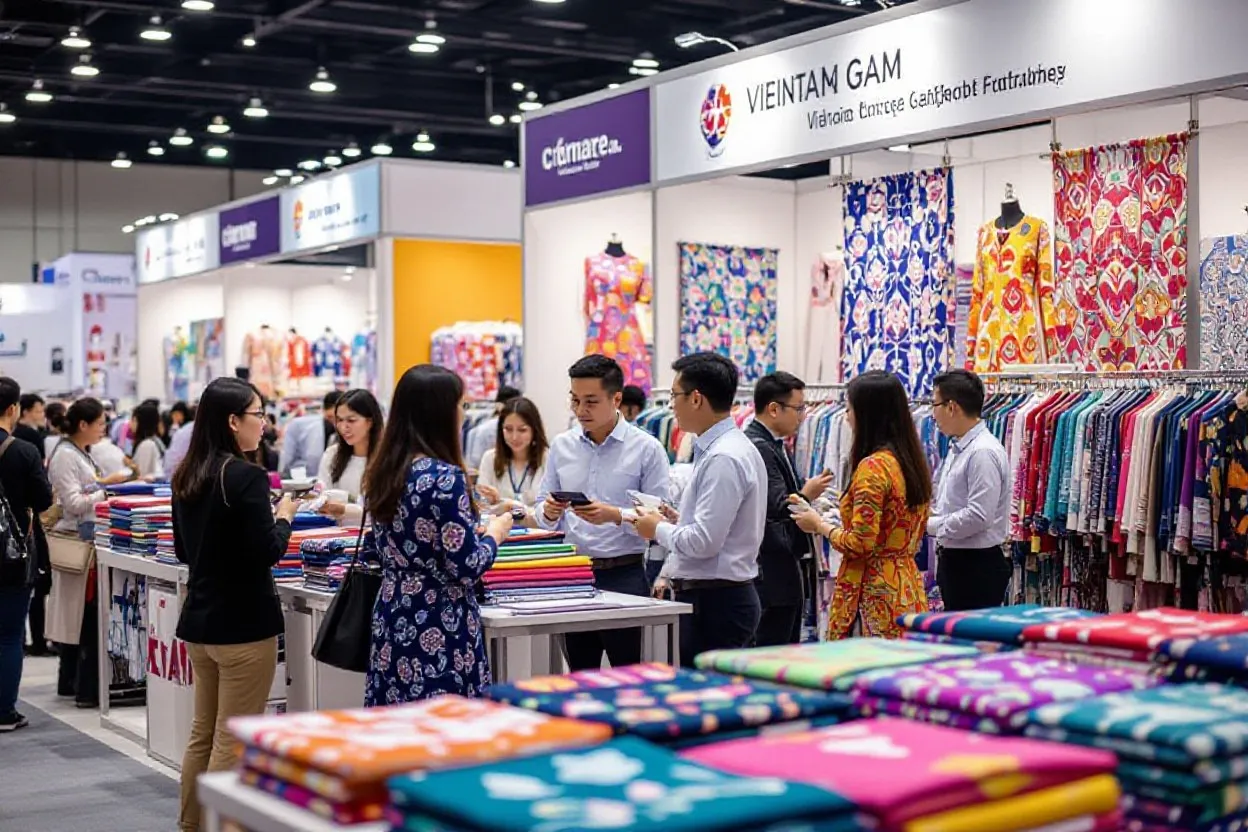
Events like SaigonTex or the Hanoi Fabric Expo allow you to touch samples, talk directly to production managers, and compare multiple factories in a single day.

Step 5: Work with a Local Sourcing Partner
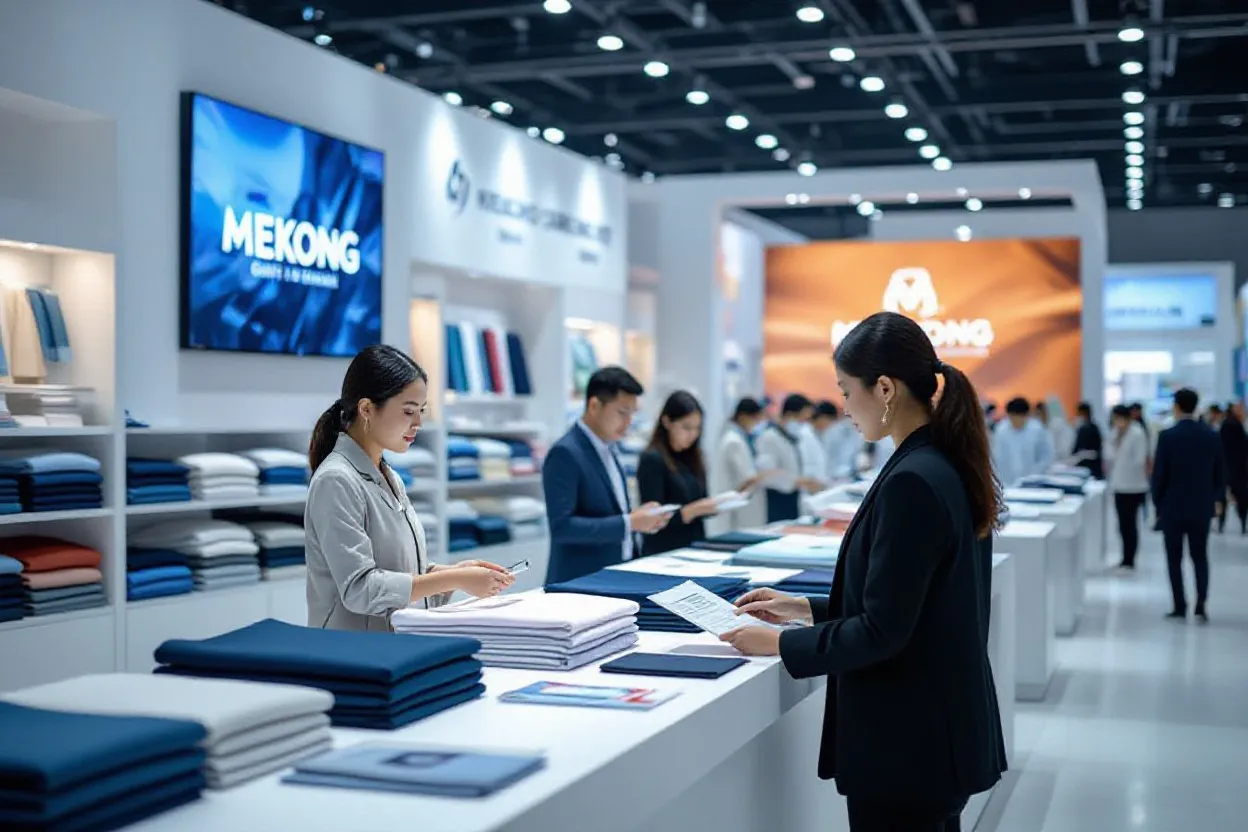
If you are overseas, a local agent can bridge language gaps, conduct pre-qualification, and manage on-site coordination to save you time and reduce risk.
Step 6: Vet Your Shortlisted Factories
Verify certifications (ISO, WRAP, OEKO-TEX), review their production capacity, and check references from previous global clients to ensure they can scale with your brand.

Step 7: Request Quotes & Samples
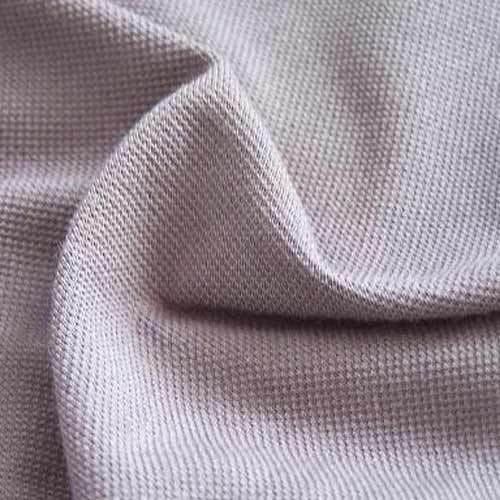
Compare detailed quotes (Price per unit, MOQs, and lead times). Producing samples is the only way to truly assess workmanship and fabric consistency.
Step 8: Conduct Factory Visits and Audits
In-person visits or third-party audits are essential to confirm working conditions, machinery quality, and real-world production flow before placing bulk orders.

Step 9: Negotiate Terms and Seal the Contract
Finalize pricing, payment terms, quality checkpoints, and defect policies. A transparent contract protects both sides and sets clear expectations.
Step 10: Build a Long-Term Partnership
Manufacturing in Vietnam is built on relationships. Regular communication, tracking progress, and mutual collaboration will lead to priority production and better future pricing.
Conclusion
Finding a textile manufacturer in Vietnam is a structured process that rewards thorough research and clear communication. By following these ten steps, you can secure a reliable partner that brings your designs to life with quality and efficiency. At Mekong Garment, we pride ourselves on transparency and long-term collaboration with brands across the globe.
FAQs About Finding Textile Manufacturers in Vietnam
In Short, What is the best way to start looking for a garment manufacturer in Vietnam?
Start by defining exactly what you need — product type, fabrics, order size, quality expectations, and timeline. Then use online directories and sourcing platforms to build a shortlist of potential partners.
Should I attend trade shows to find manufacturers?
Yes. Visiting trade shows like SaigonTex or the Vietnam Textile & Garment Industry Exhibition lets you meet suppliers face to face, compare quality of samples, and ask detailed questions directly
Do I need a local sourcing agent?
A local agent can help you navigate language barriers, verify factories, coordinate visits, and schedule sample production — which can save time and reduce mistakes
How do I check if a factory is reliable?
Ask for references from past clients, check online reviews, look for certifications (like ISO or WRAP), and if possible, request a factory tour or third-party audit before placing a big order.