


How to Control Outsourced Garment Orders: A Complete Guide to Quality and On-Time Delivery

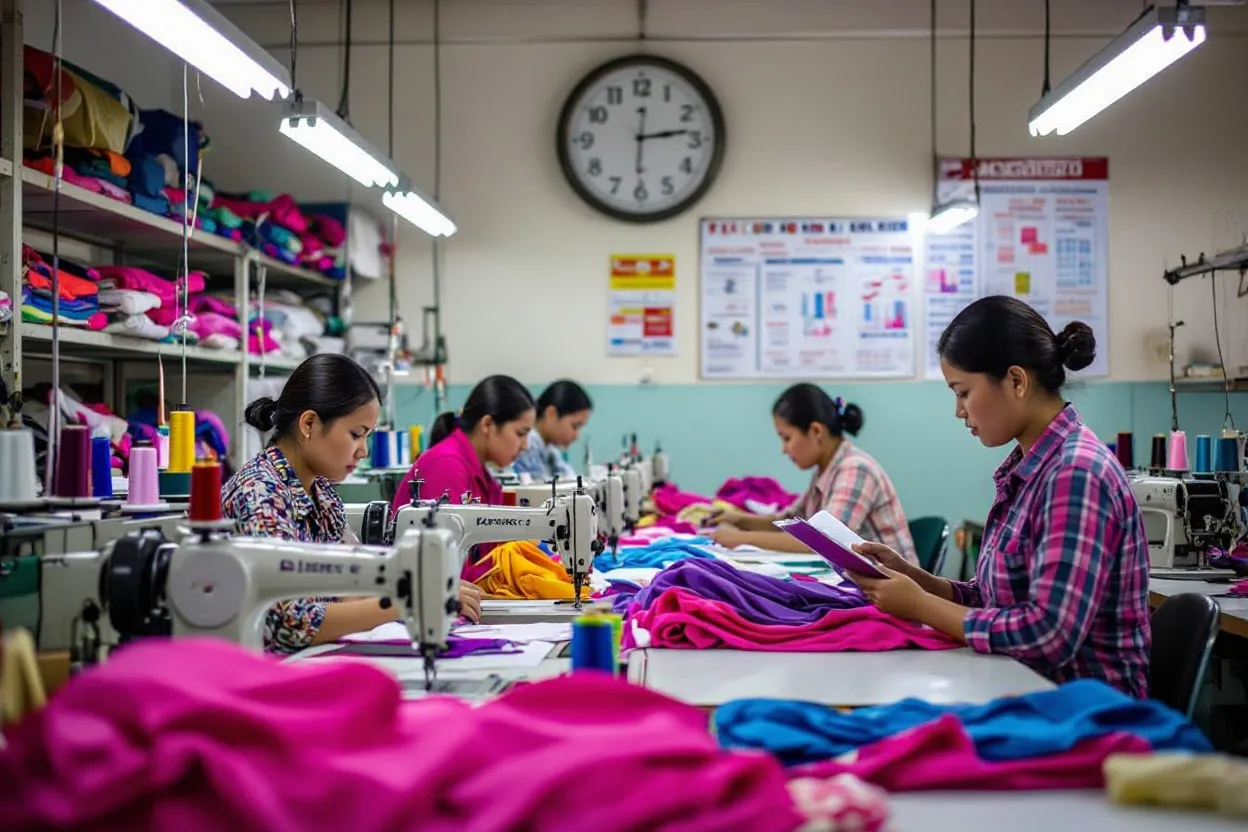
Outsourcing garment production is unavoidable for most clothing brands and manufacturers. As order volumes grow, many companies find that the amount of outsourced processing far exceeds their in-house capacity. While this strategy increases flexibility, it also introduces serious risks. Poorly managed outbound processing often leads to late deliveries, unstable quality, rising costs, and major financial losses. The increase in outsourcing has raised the bar for production and quality management. Success no longer depends on finding a factory willing to take orders, but on building a system that controls execution from start to finish. This article explains how to manage outsourced garment orders in a structured, realistic, and risk-controlled way.
Finding and Selecting an Outsourcing Garment Factory
Set Clear and Uniform Production Standards
Before sending any order out, brands must define their own production standards. Any factory that cannot meet these standards should not receive orders—no matter how attractive their price or promises may sound. However, standards only work if they are measurable and written, not just verbal expectations. Key standards should include:
- Quality level (AQL or defect tolerance)
- Measurement tolerances
- Sewing construction requirements
- Fabric and color consistency rules
- Packaging and labeling specifications
- Responsibility for rework and defects
- Consequences if inspections fail
Many garment factories exaggerate their capabilities when first contacted. If your standards are vague, the factory will fill the gaps with its own “normal practice,” and disputes later become impossible to resolve.
Visit the Garment Factory Personally
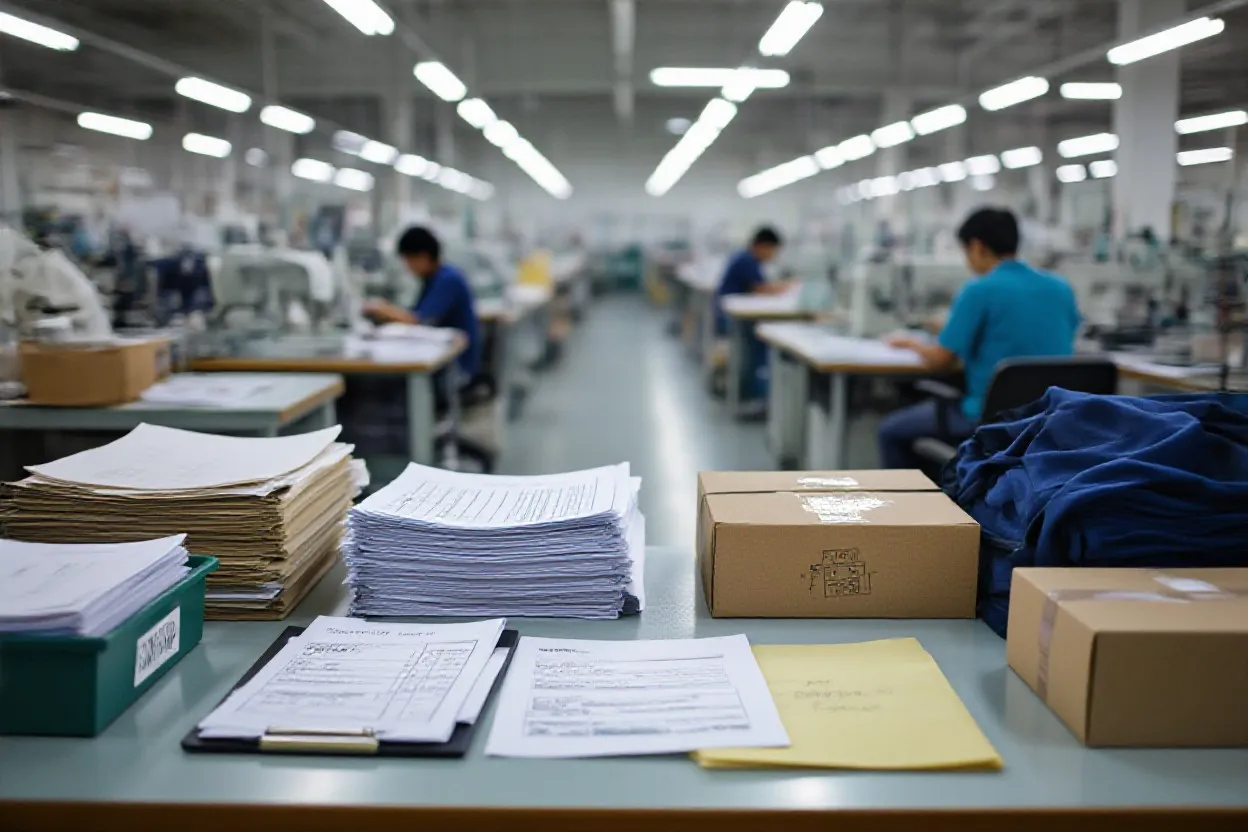
No matter how busy you are, visiting the garment processing factory is essential. This task should not be fully delegated to QC staff. It is not about mistrust it is about reducing risk. Factory visits should:
- Be unannounced or short-notice when possible
- Check actual worker count and active lines
- Observe cutting, sewing, and finishing areas
- Review production planning boards and work-in-progress
- Check machine condition and maintenance practices
If a factory claims workers are “on holiday due to low orders,” take that explanation cautiously. Visiting more than once at different times provides a clearer picture of real capacity.


Avoid Middlemen When Possible
Using middlemen to place outsourcing orders introduces cost pressure and reduces transparency. As processing margins shrink, factories forced to share profits with intermediaries often compensate by cutting corners on quality, materials, or workmanship. If a middleman is unavoidable, ensure:
- The real factory identity is disclosed
- You retain audit and inspection rights
- Quality responsibility is clearly defined
- Communication with the production floor is not blocked
The real risk is not the middleman itself, but loss of control and visibility.
Be Extra Cautious with New Factories
Never place large orders with a newly contacted factory. Start with:
- Small trial orders
- Simple styles
- Limited colors and materials
Only increase volume after the factory proves it can meet quality, delivery, and communication requirements consistently.
Pre-Production Control: Lock the Product Before Bulk
Require Pre-Production Samples
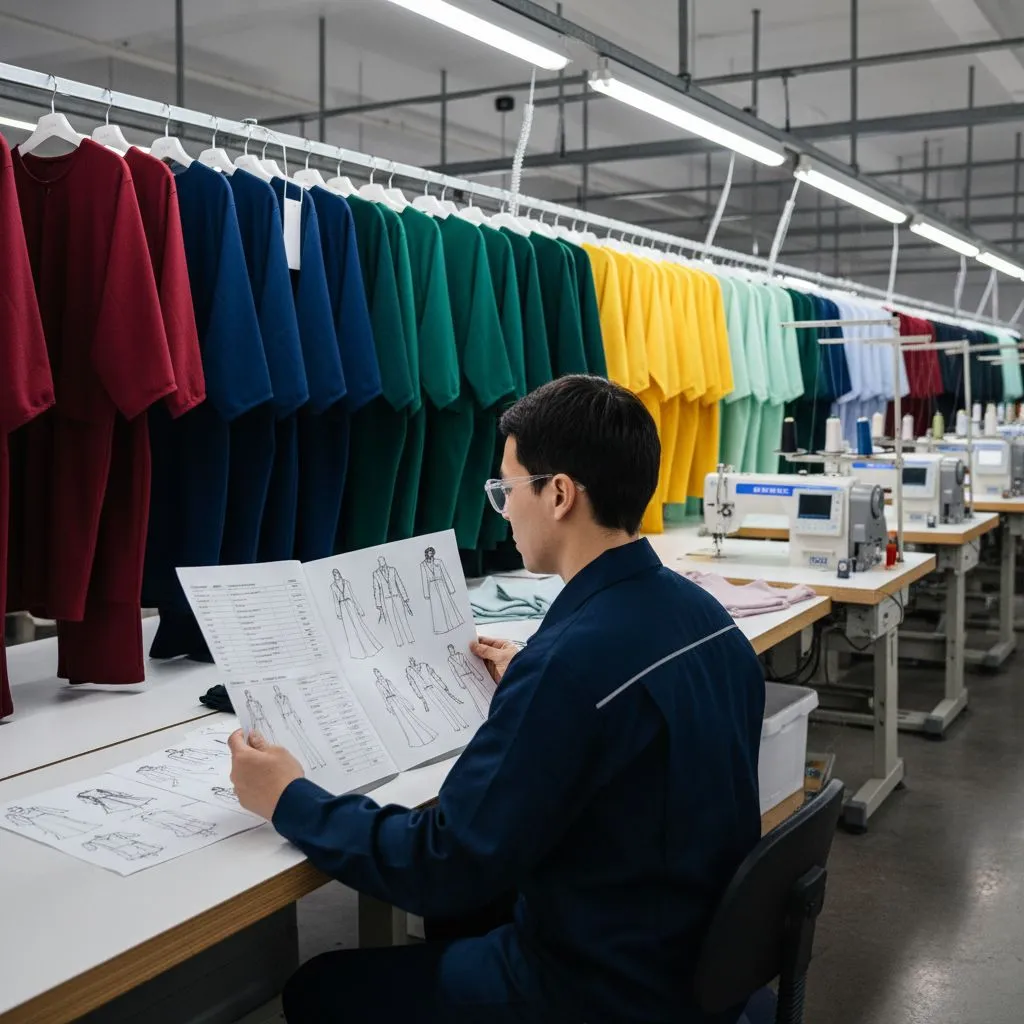
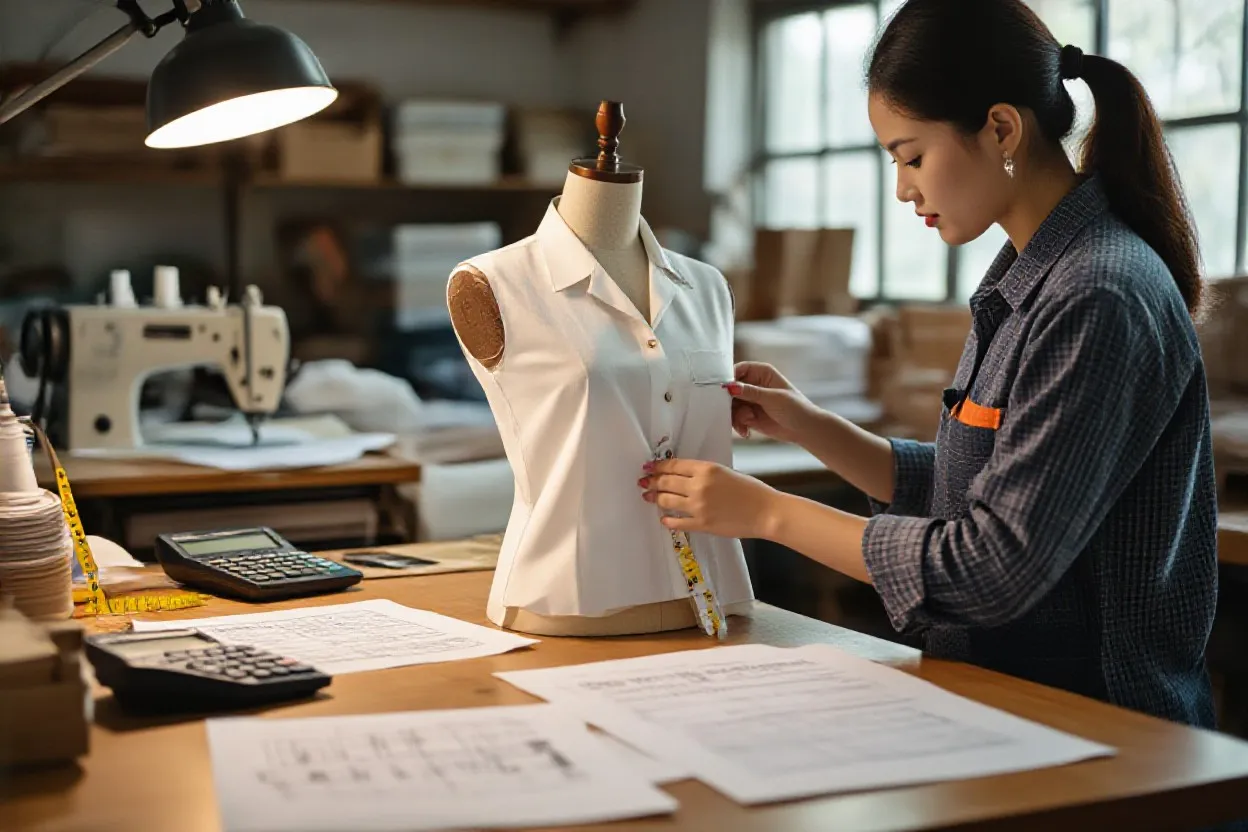
All outsourced garment orders must require pre-production samples. Skipping this step leads to chaos later in bulk production. Required samples should include:
- Fit samples (if applicable)
- Size set samples
- Pre-production (PP) samples
- Top-of-production samples made on the actual production line

Pre-production samples are not just for appearance they confirm construction methods, measurements, workmanship, and process readiness.
Establish a Sealed Sample and Approved Specification
Once approved, the final sample and technical specification must be “sealed.” One copy stays with the factory, one with your QC or production team. This sealed reference becomes the standard for:
- Inline inspections
- Final inspections
- Dispute resolution
Without a sealed standard, quality arguments become subjective.

Quality Control During Production
QC Is Your Eyes on the Factory Floor
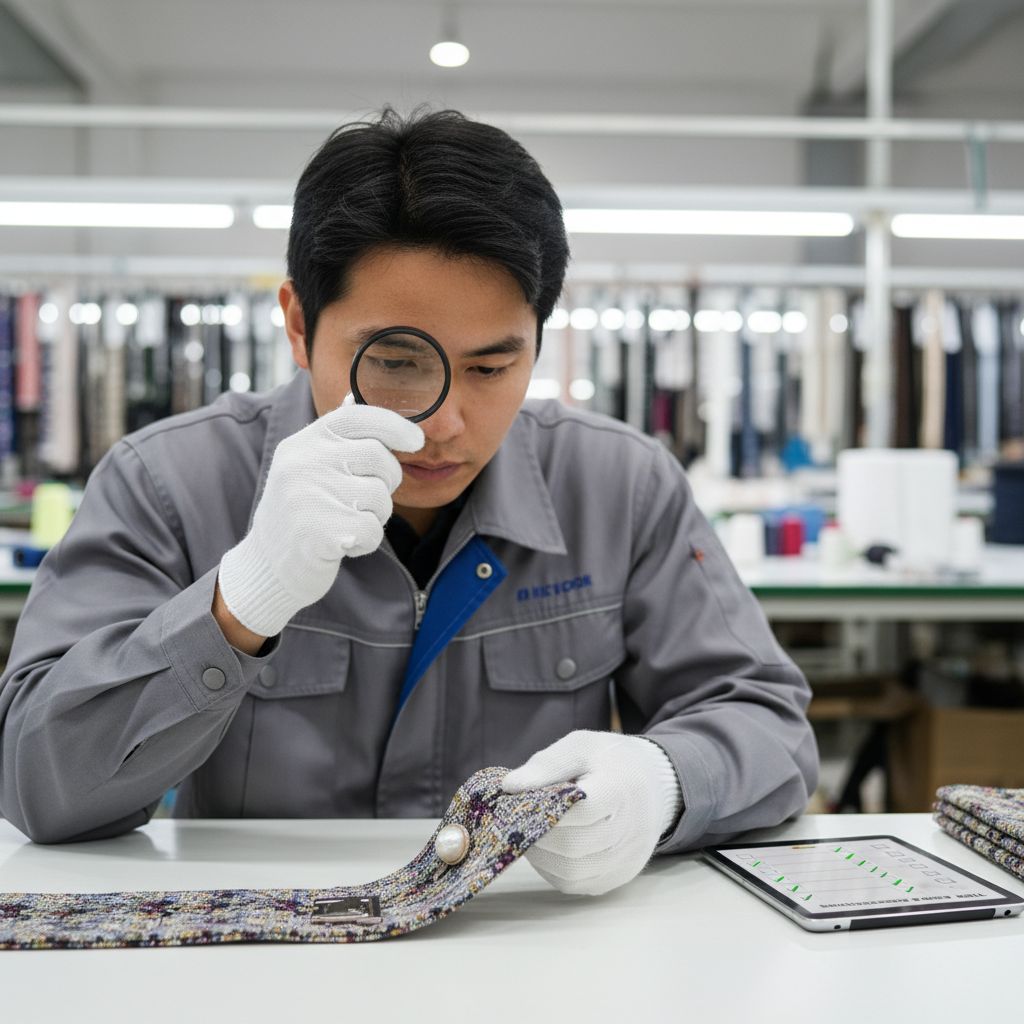
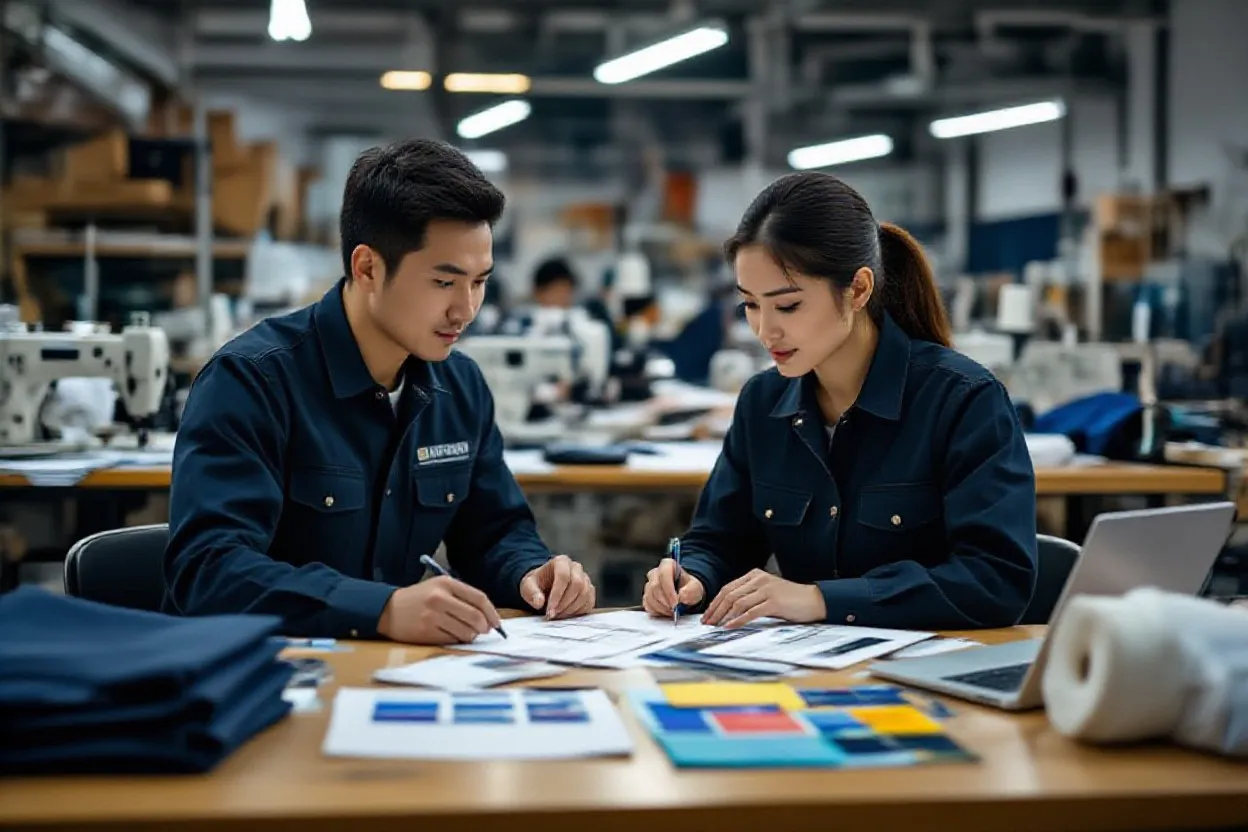
Quality controllers represent your interests inside the factory. Their role is not only to inspect finished goods but to control quality during the process. Effective QC control includes:
- Cutting accuracy checks
- Inline sewing inspections
- Measurement audits
- Defect trend tracking
- Random spot checks
Daily communication with QC is critical, but updates must be structured. Casual “everything is fine” messages are meaningless without data.

Standardize Daily Production Reporting
Factories should provide daily reports including:
- Planned vs actual output
- Defect rate and top defect types
- Rework quantities
- Material shortages
- Production bottlenecks
- Risk forecast for the next 48 hours
This turns QC from a reactive role into an early warning system.
Rotate Oversight Without Losing Continuity
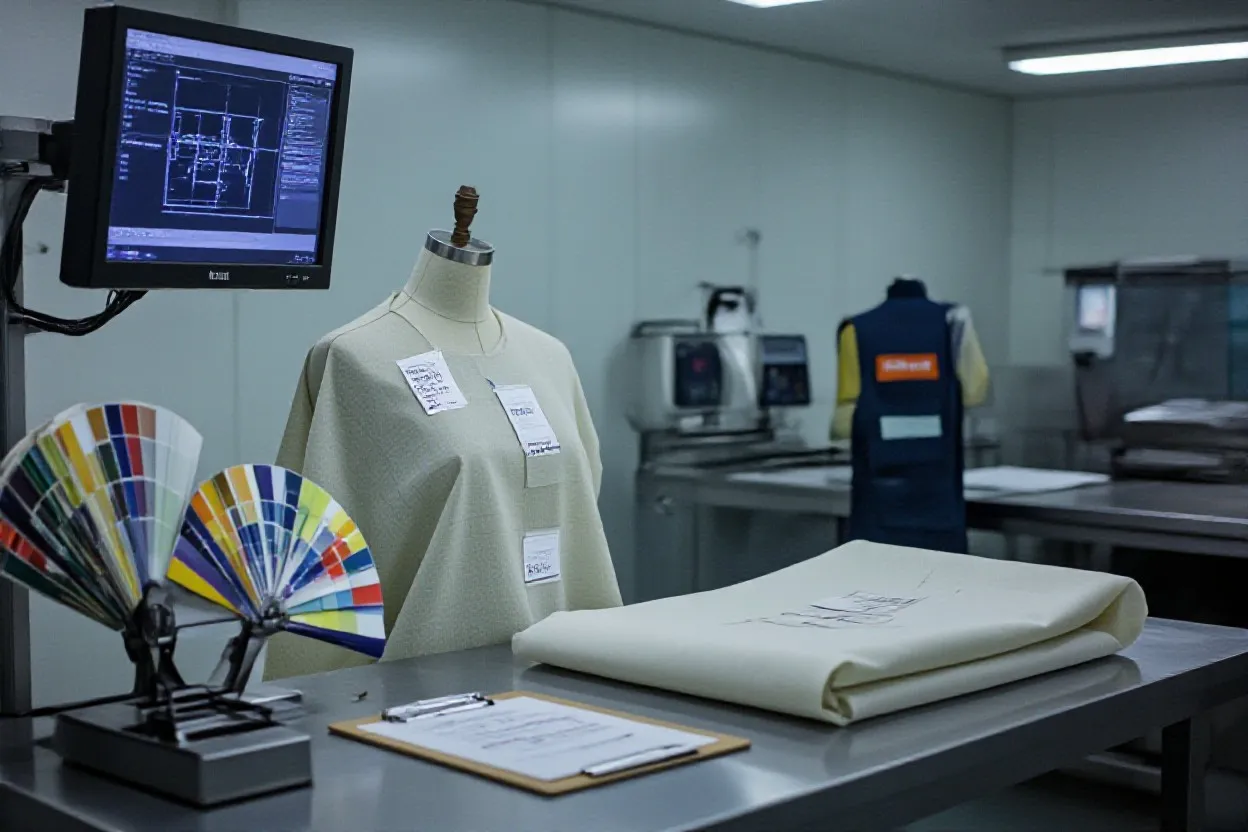
Rotating QC staff periodically can reduce long-term bias or collusion. However, excessive rotation destroys familiarity with styles and processes. A balanced approach is recommended:
- One stable lead QC per factory
- Periodic audits by a secondary inspector or manager
Basic Requirements for Outsourced Garment Production
- On-Time Delivery: Production schedules must align with the agreed delivery date—neither too early nor too late. Early completion without inspection can be as dangerous as delays.
- Delivery According to Quality Standards: Garments must meet all approved quality requirements. Shipping on time means nothing if the product fails inspection or customer acceptance.
Handling Delays and Order Changes
Delivery Delays
If delays are caused by the processing factory:
- Inform the customer immediately
- Provide a realistic recovery plan
- Negotiate partial shipment or cost sharing if needed
- Never hide delays until shipment time
Customer Order Changes
Order changes may involve:
- Quantity increases or reductions
- Packaging changes
- Delivery date adjustments

Each change must be evaluated based on production status. If materials are customized or production is near completion, customers may need to bear part of the cost. Clear change-control procedures prevent conflict and financial loss.
Continuous Follow-Up and Relationship Management
Order follow-up must cover the entire process:
- Fabric cutting
- Inline inspection
- Mid-term inspection
- Final inspection
- Packing and shipment
At the same time, managing relationships with factory production teams is critical. Technical knowledge alone is not enough. Cooperation, communication, and mutual respect are often the difference between smooth execution and constant firefighting.
Conclusion / Final Words
Managing outsourced garment orders is not about trusting factories or increasing inspections at the end. It is about systematic control from the first day to final delivery. Clear standards, early sampling, structured QC, real production tracking, and disciplined change management form the foundation of successful outsourcing. When these elements work together, brands protect quality, control costs, and meet delivery commitments without relying on luck or promises.