

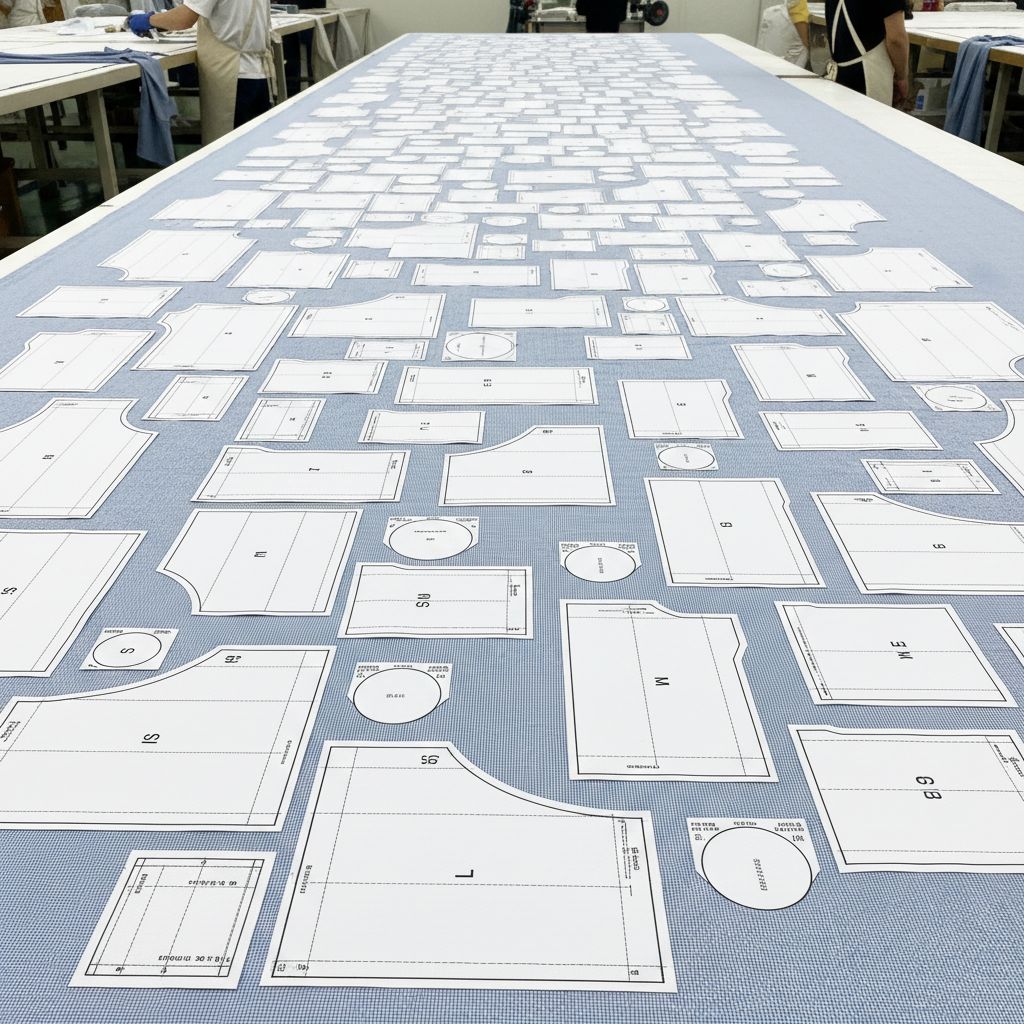
Fabric consumption is one of the most critical elements in garment production. It directly impacts costing, material planning, and overall profitability. Even a small miscalculation can lead to fabric shortages, production delays, or excess inventory. To ensure accurate planning, merchandisers and production teams must consider several key factors during fabric consumption calculation.
Why Accurate Fabric Consumption Matters
Accurate fabric consumption helps to:
- Prevent fabric shortages during production
- Reduce material wastage and extra costs
- Improve pricing accuracy for buyers
- Ensure smooth production flow
Inaccurate estimation can result in serious issues such as delayed shipments, reordering costs, or rejected garments.
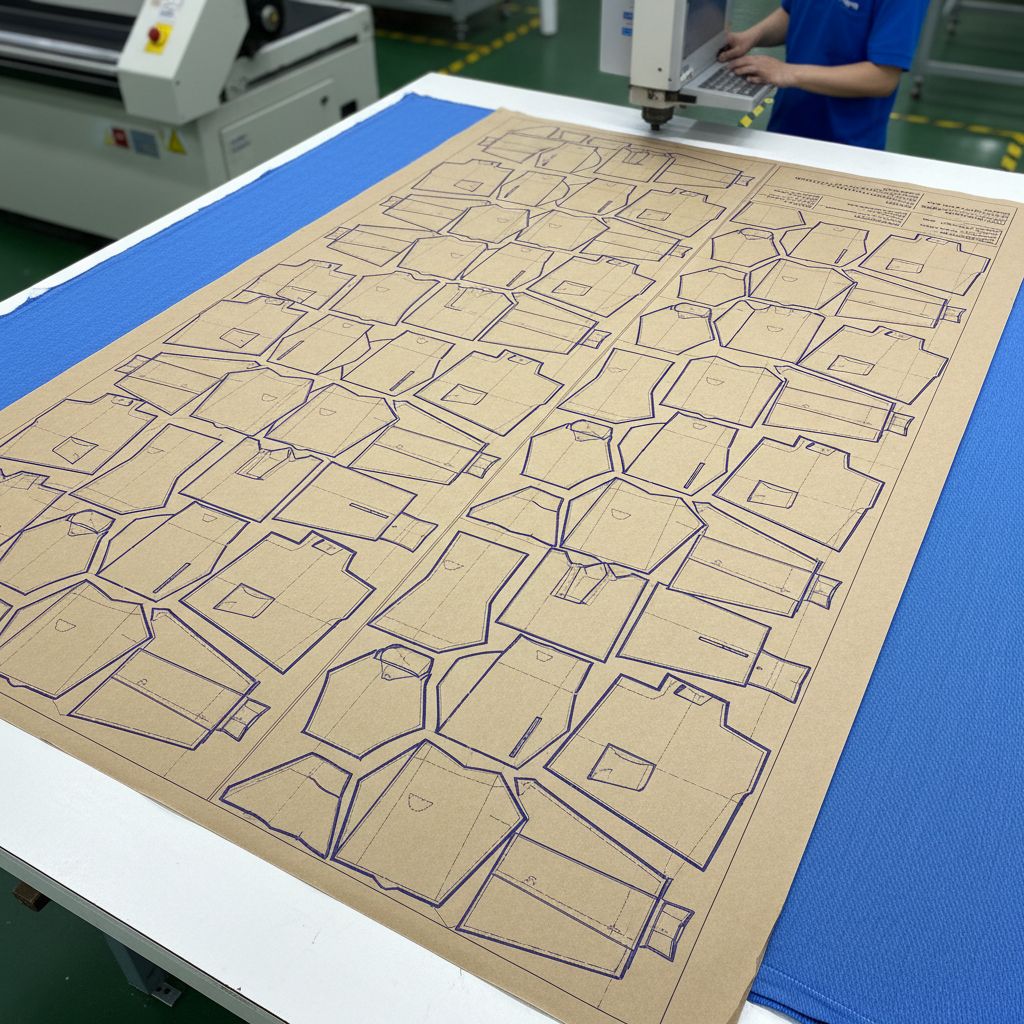
Key Factors Considered During Fabric Consumption
1. Body Fabric Consumption
Body fabric consumption accounts for the largest portion of total fabric usage.
Key considerations:
- Calculation should be done after pattern making
- Actual fabric width must be confirmed (not nominal width)
- Fabric type (knit or woven) affects calculation method

Adjustments:
- Knit fabric: add tolerance to GSM if needed
- Woven fabric: reduce usable width due to selvedge
- Add extra allowance for sewing and finishing
If the garment involves washing processes, shrinkage allowance must be included in the pattern.
2. Rib Consumption
Rib fabric is commonly used in:
- Collar
- Sleeve cuff
- Bottom hem
Although small in quantity, rib consumption must be calculated separately.
=> Risk: Rib is often overlooked, which can cause production delays even when the main fabric is sufficient.
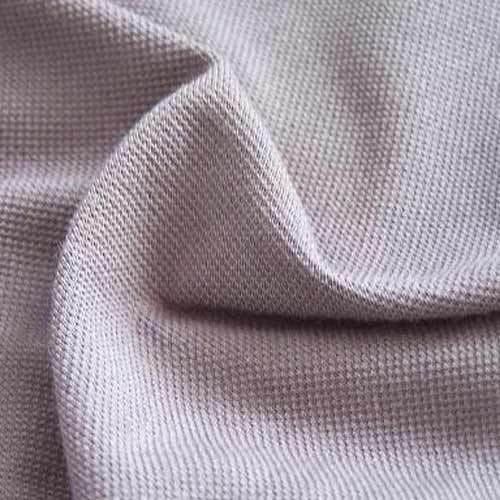
3. Neck Tape
Neck tape is used for:
- Reinforcement
- Comfort
- Maintaining garment shape
It is a small component but should always be included in consumption calculations.
=> Key point: Total neck tape = (neck circumference × quantity) + buffer allowance
4. Appliqué and Additional Fabric Components
Garments may include extra fabric elements such as:
- Pockets
- Embroidery base
- Decorative panels
- Contrast fabrics
These components are not part of the main marker, so they must be calculated separately. Ignoring them can lead to inaccurate total fabric requirements.
5. Wastage and Shrinkage Estimation
Wastage is an unavoidable part of garment production and must be carefully estimated.
Typical wastage ranges:
- Knit garments: 9–10%
- Woven garments: 5–7%
However, wastage varies depending on the production process.
Higher wastage scenarios:
- Heavy washing processes
- All-over printing
- Pigment dyeing (can reach 25–30%)

The more complex the process, the higher the wastage percentage.
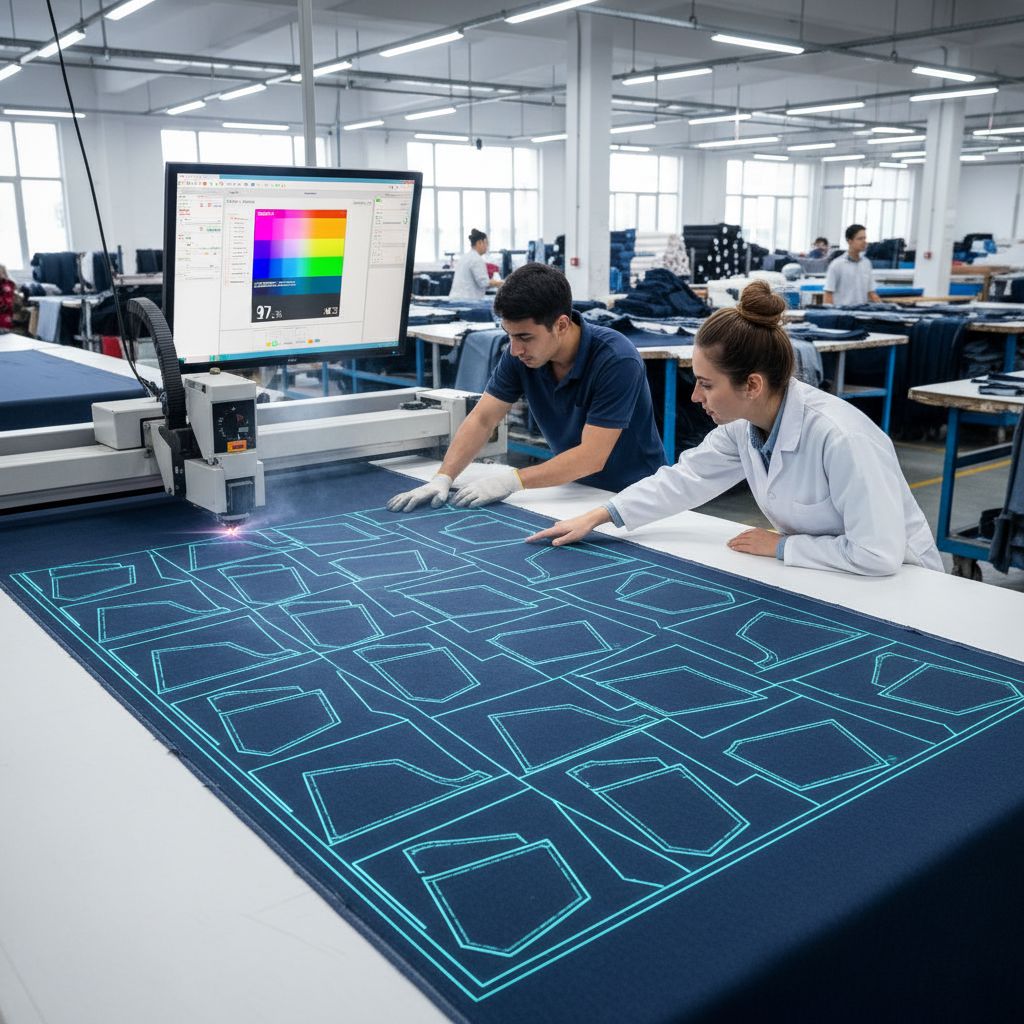
Additional Factors That Influence Fabric Consumption
Fabric Width and Usable Width
Actual usable width may differ from supplier specifications due to:
- Selvedge
- Fabric defects
- Uneven edges
Using incorrect width leads to major consumption errors.
Fabric Shrinkage
Fabric shrinkage occurs during:
- Washing
- Dyeing
- Finishing
Shrinkage must be tested and included in consumption planning.
Marker Efficiency
Marker planning plays a key role in fabric utilization.
- Efficient marker → lower fabric consumption
- Poor marker → higher waste

Optimizing marker layout can significantly reduce material cost.
Fabric Type and Construction
Different fabrics behave differently:
- Knit fabric: more stretch, higher shrinkage
- Woven fabric: more stable, less shrinkage
Fabric structure directly affects consumption calculation.
Common Mistakes in Fabric Consumption Calculation
Many factories face issues due to:
- Using standard values instead of actual data
- Ignoring shrinkage and wastage
- Forgetting trims like rib and neck tape
- Not updating consumption after sample approval
Avoiding these mistakes can greatly improve production efficiency.
Best Practices for Accurate Fabric Consumption
To improve accuracy, follow these practices:
- Use actual bulk fabric data
- Calculate after pattern and marker are finalized
- Separate main fabric and trims
- Adjust wastage based on process complexity
- Include safety buffer for unexpected losses
Conclusion / Final Words

Fabric consumption is more than just a calculation, it is a key control point in garment production. By considering all relevant factors and applying accurate methods, manufacturers can reduce costs, avoid production issues, and improve overall efficiency.