
Whether you’re just starting out or building your first fashion label in the heart of Mekong Garments, having the right toolkit is key. These tools help you work efficiently, get ideas down quickly, and create professional results. Here’s everything you need:
Fashion Design Tools You Should Have:
Draping Essentials
Before anything is stitched, fashion begins with fabric on a form. Draping tools help bring your vision to life by allowing you to experiment with real cloth on a mannequin. These tools are perfect for beginners who want to understand shape, flow, and fit directly from fabric, not just sketches.
- Muslin: Cheap and easy to drape, ideal for test mocks.
- Pins: Dressmaker pins for fixing fabric; glass-head options resist heat.
- Measuring tape: Flexible and precise for taking dimensions and positioning darts.
- Curve tools: French curve, hip curve, styling curve help shape hips, sleeves, necklines.
- Rulers: 18″ transparent rulers, L-squares, yardsticks for crisp lines and markings.
- Cutting tools: Shears and lightweight scissors for both fabric and paper.
- Tape & markers: ¼″ masking tape, pencils (blue/red) for marking, tracing wheels for transferring marks.
- Paper supplies: Sketch paper, tracing paper, pencil sharpener to keep you sketch-ready.
=> Related Article: Effortless Elegance: A Fashionista’s Travel Companion
Dress Forms (Mannequins)
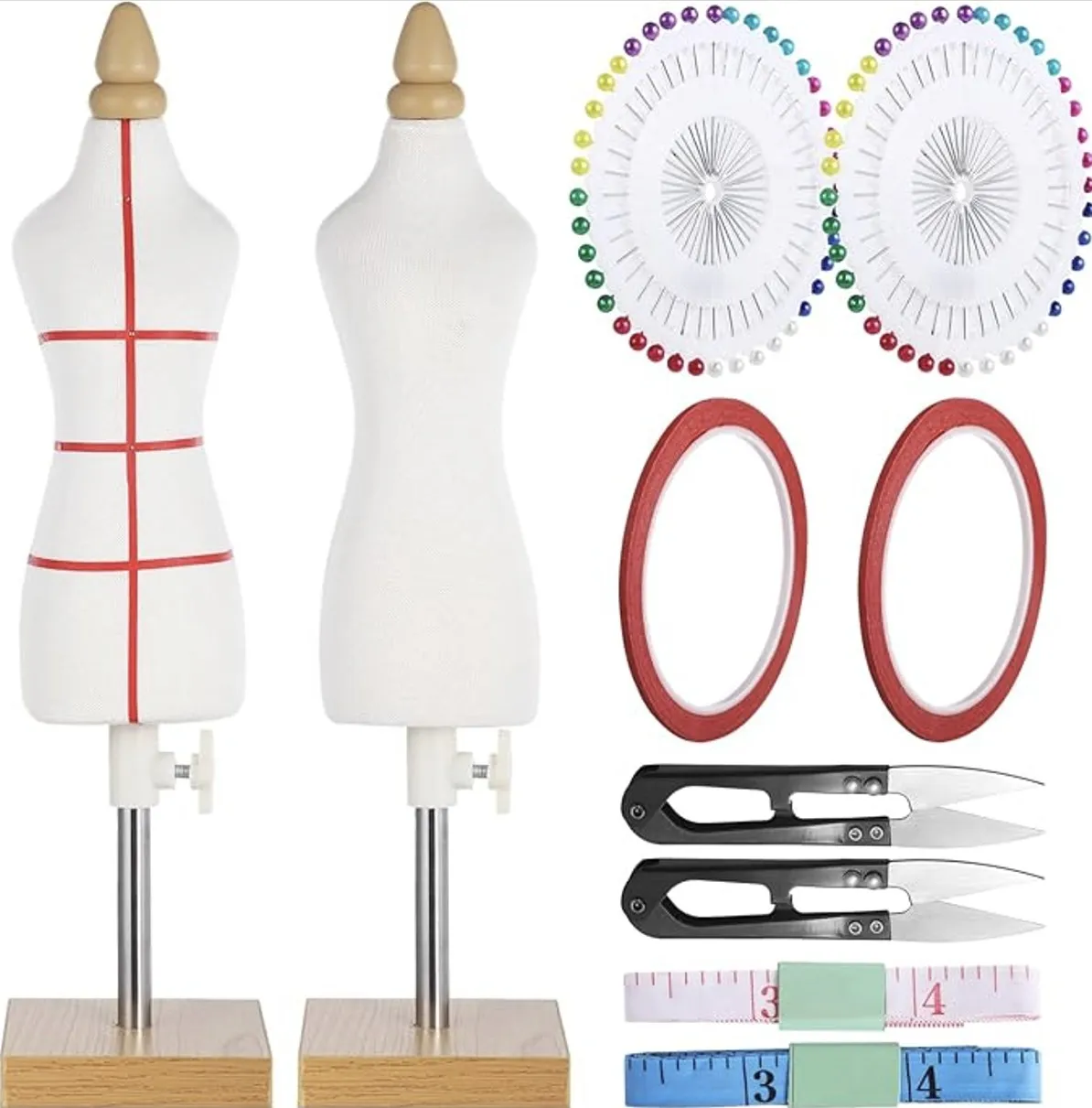
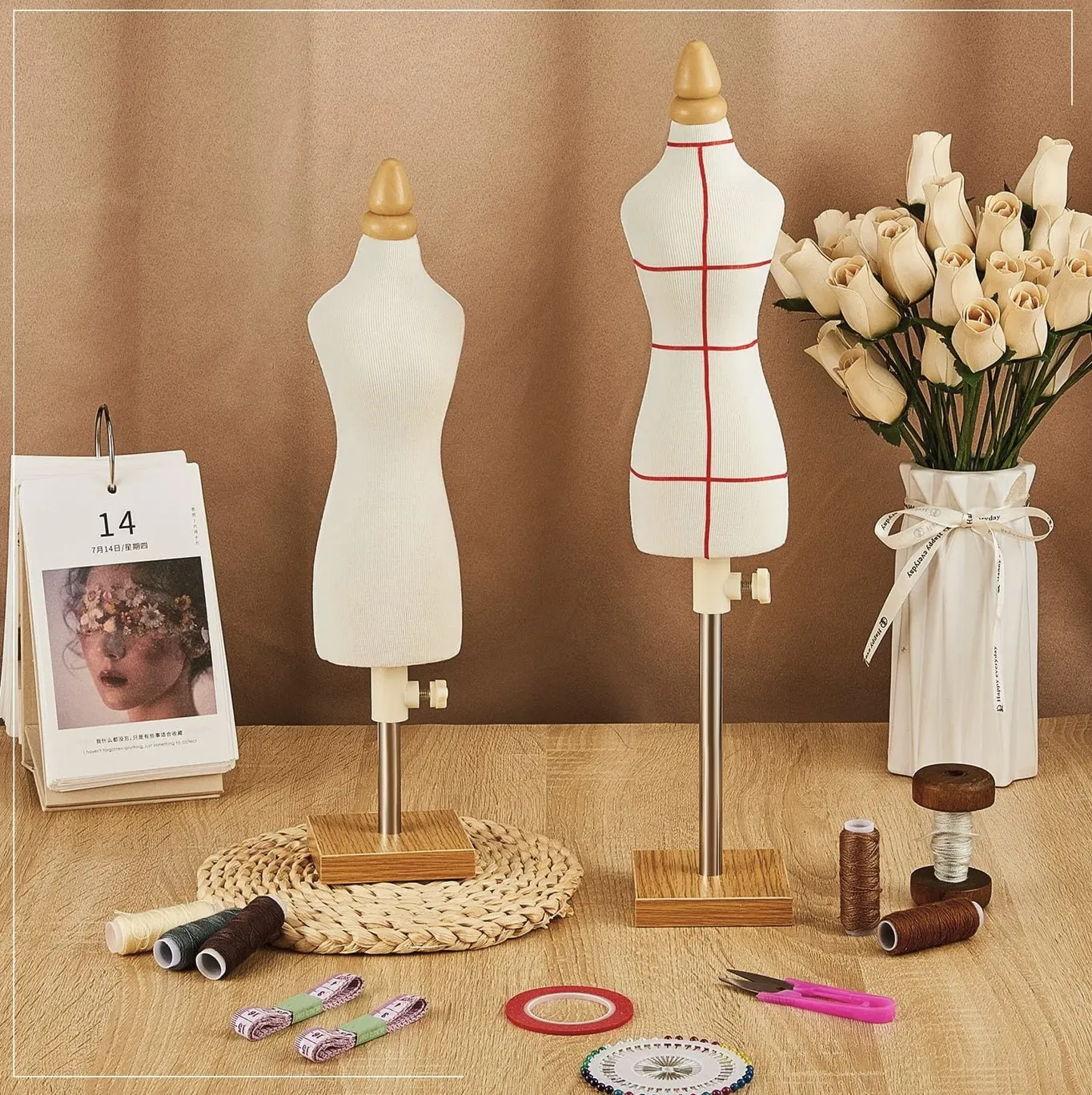
A dress form is like your silent design partner. It helps you see how a garment fits and moves in 3D, making it easier to adjust patterns, pin fabrics, and build balanced silhouettes. Whether you’re designing a dress or a jacket, this tool helps bridge imagination and reality. Indispensable for visualizing how garments will sit in 3D:
- Choose between basic, adjustable, half or full form options available in sizes from XS to XL and for male, female, and plus-size.
- Ideal for draping, fitting, pattern development, and displaying finished pieces.
=> Related Article: Fashion Style Classifications & Trend Insights – Mekong Garment Explains

Fabric Pressing Tools
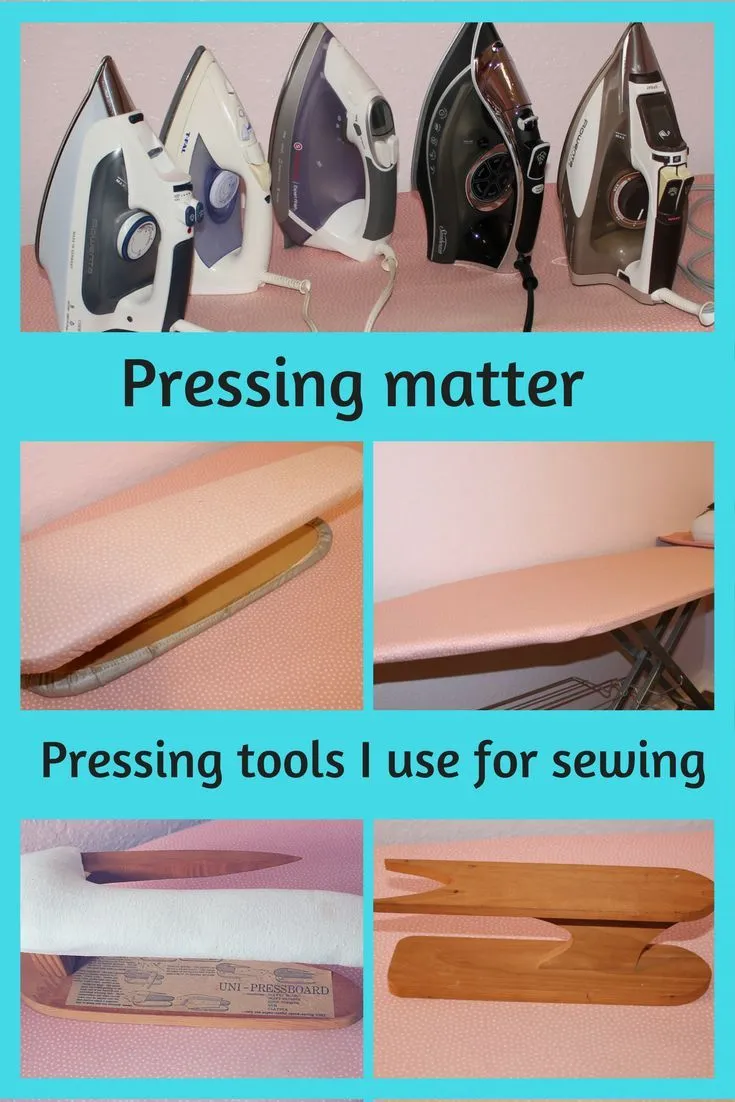
Pressing isn’t just about ironing clothes it’s an essential step in giving garments a polished, professional finish. These tools help smooth seams, set shapes, and keep your fabric looking clean and crisp during construction. Good pressing sets the foundation for professional-looking garments:
- Iron / steam press / steamer: Remove creases and flatten seams.
- Boards: Standard or tabletop ironing boards; a sturdy surface makes a difference.
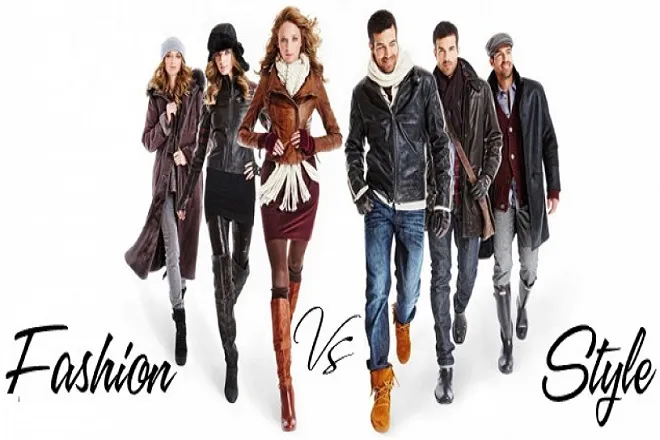
=> Related Article: Fashion vs. Style: What’s the Real Difference?
Fashion Art & Sketch Tools
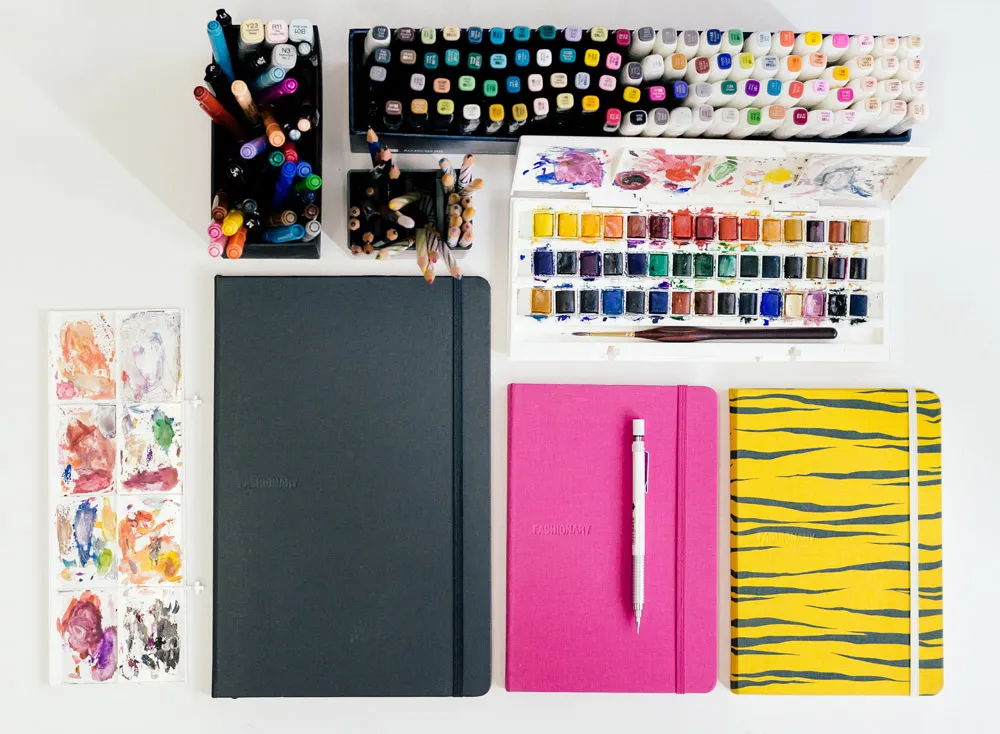
Every great design starts as a simple sketch. From pencils and markers to sketch pads and rulers, your drawing tools help you capture ideas quickly and express them clearly. They turn what’s in your mind into visuals others can understand and produce. Put your creative ideas on paper clearly:
- Sketchbooks: For drawing ideas anytime inspiration strikes.
- Pencils: Ranges like HB, 2B, 4B for shading; erasers for refinement.
- Colored pencils/markers: Add texture and warmth to your sketches.
- Graph/sketch paper: Useful for drafting clean flats and patterns.
- Drafting table or flat work surface: Helps maintain clean lines.
=> Related Article: Skills Needed To Be A Successful Fashion Designer
CAD & Digital Design Software

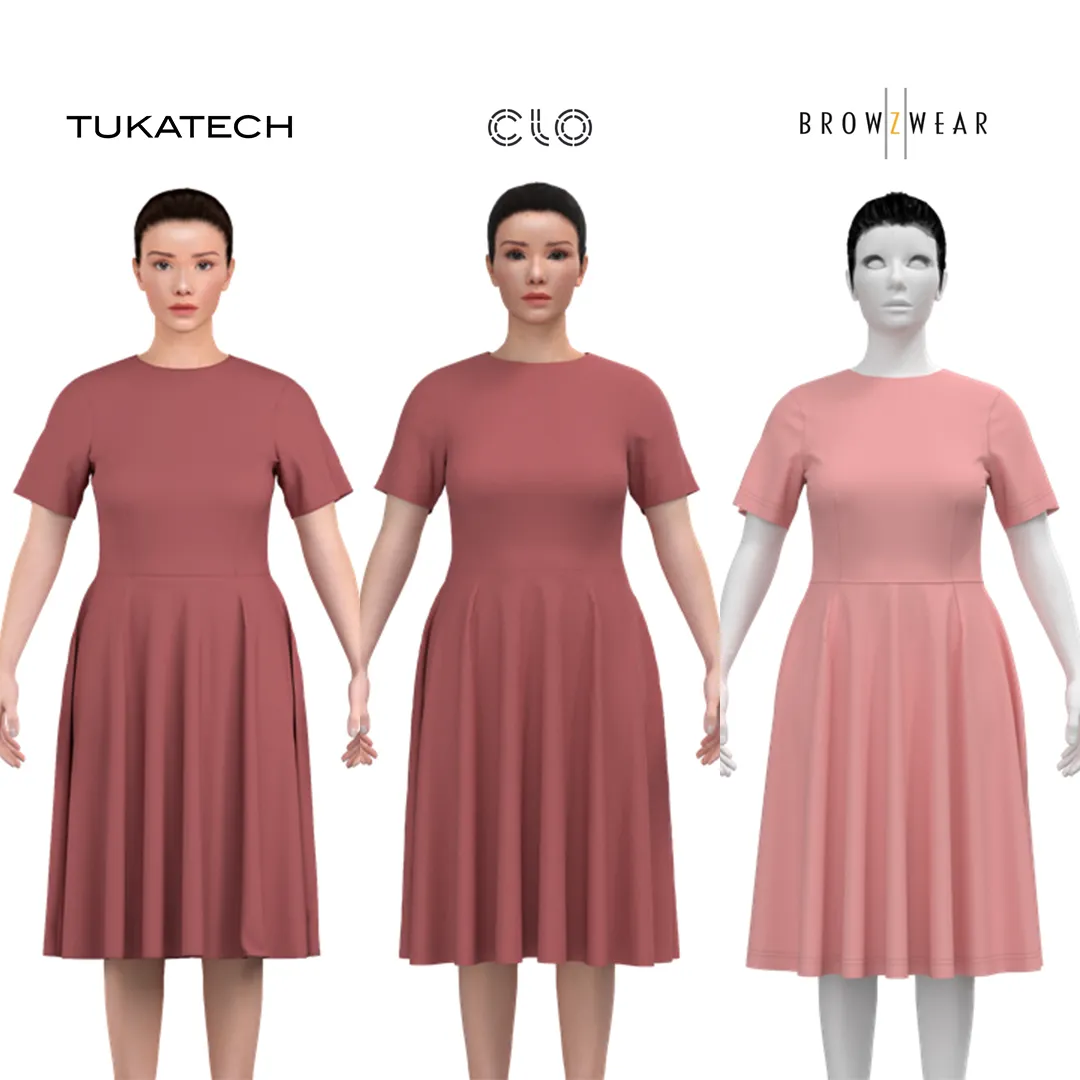
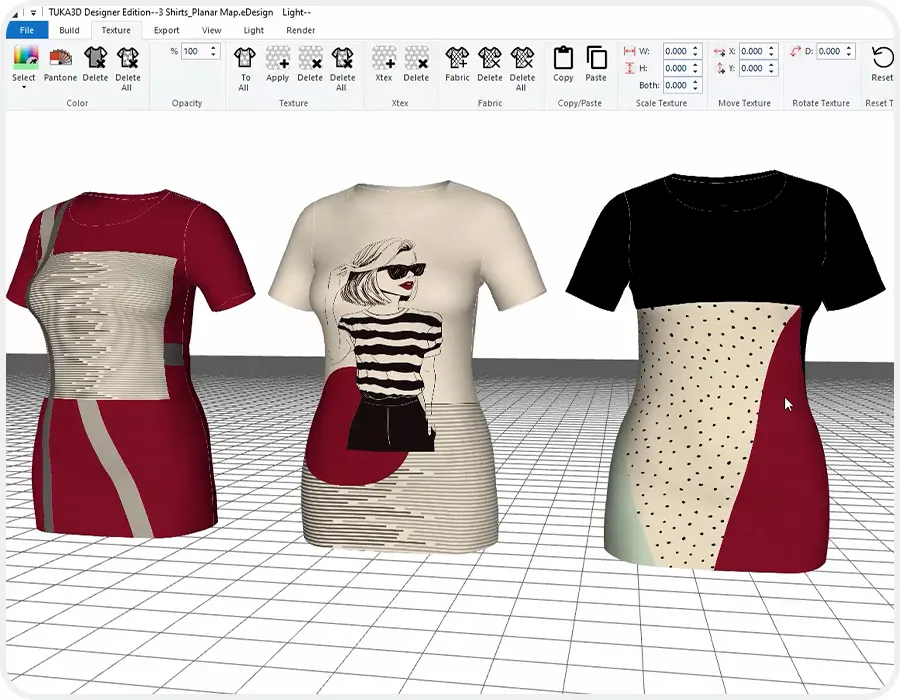
Digital tools have become a game changer in modern fashion design. Whether you’re sketching flat designs or visualizing in 3D, design software speeds up your workflow, improves accuracy, and allows you to edit quickly without starting from scratch. Digitizing your designs boosts precision and streamlines production:
- Adobe Illustrator: Industry standard for vector flats and tech packs.
- CLO, Browzwear, Style3D, Marvelous Designer: 3D garment visualization tools suited to different skill levels.
- Valentina: Free, open-source parametric pattern drafting software.
=> Related Article: List of the Best Fashion Design Software: CLO, Sketch, CorelDraw, Adobe Illustrator, TUKAcad…
Sewing Equipment
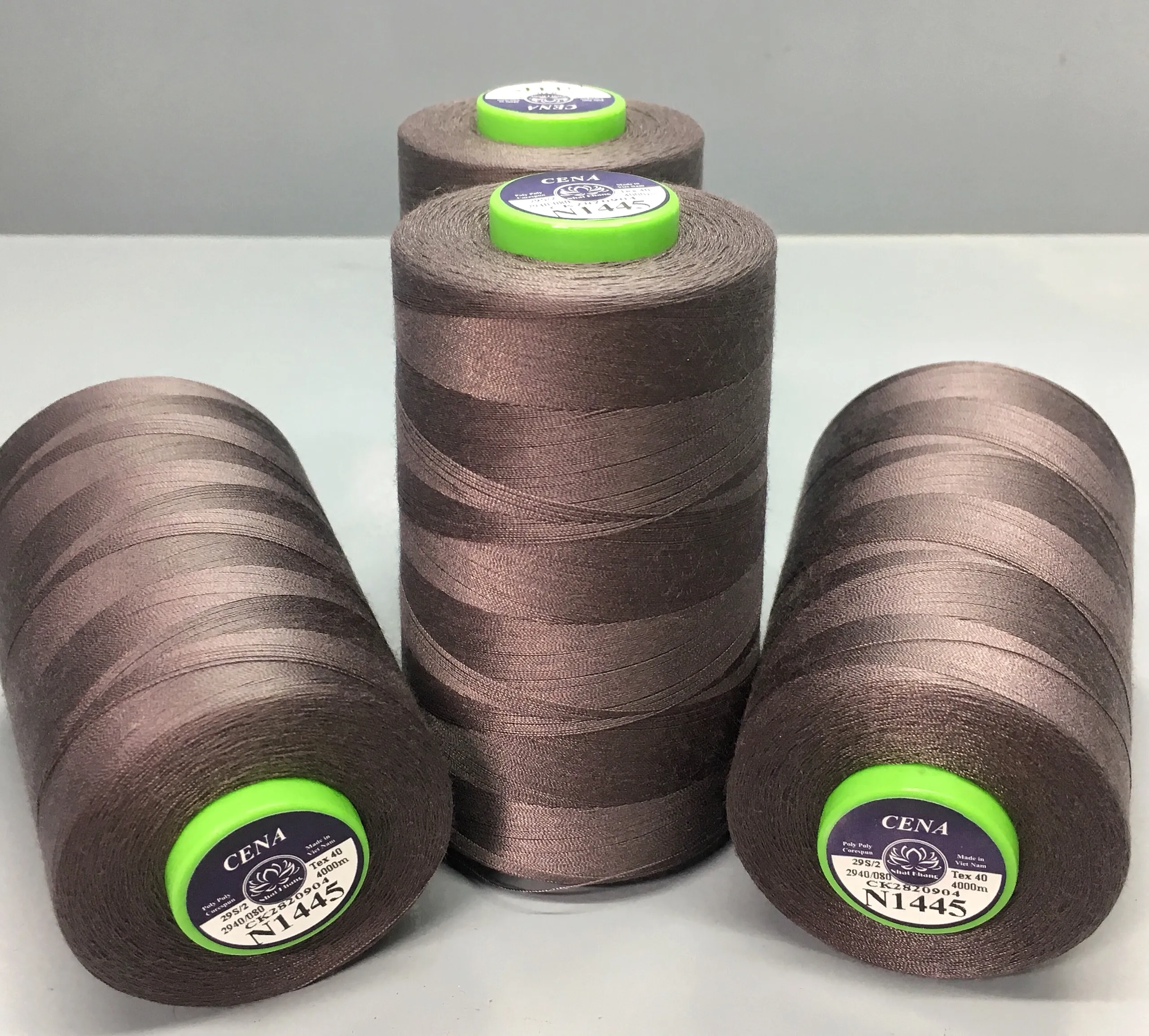
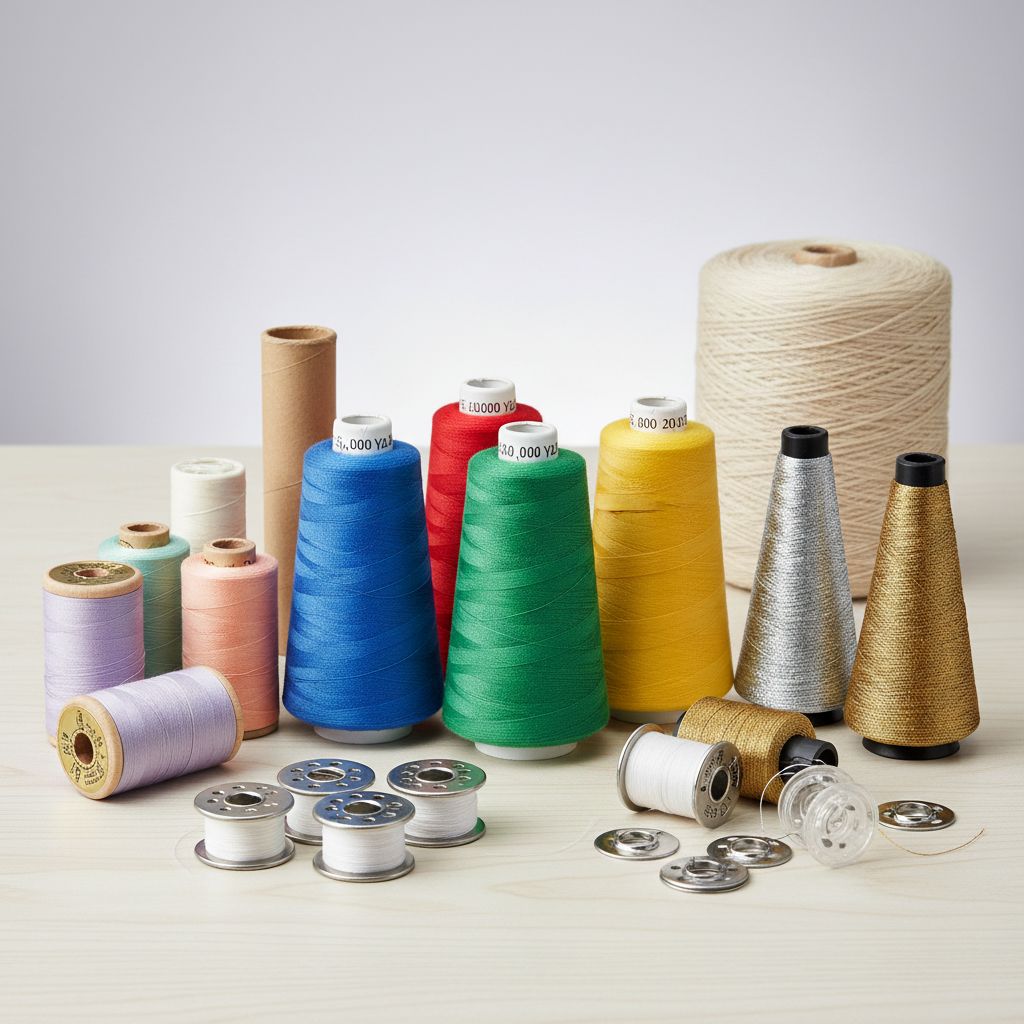
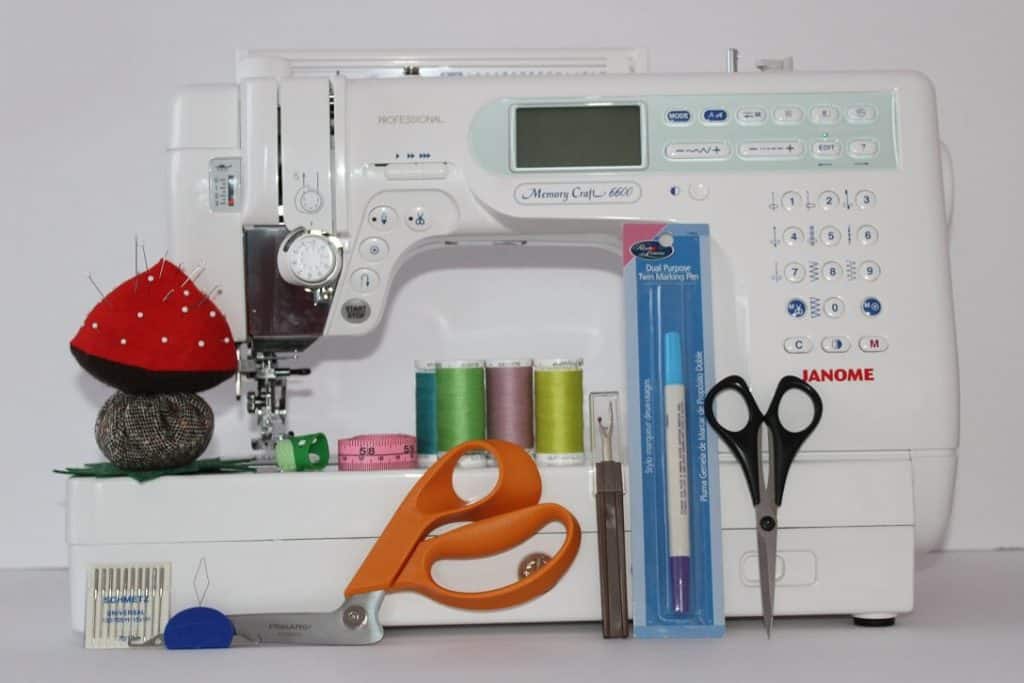
Once the pattern is ready, it’s time to sew. Having reliable sewing tools like machines, needles, and thread is essential for turning your design into a wearable piece. For beginners, starting with the right sewing basics makes learning smoother and more enjoyable.. From machine to hand finishing essentials for garment construction:
- Sewing machine: Choose basic, heavy-duty, serger, or embroidery depending on your needs.
- Needles & threads: Both machine and hand-sewing supplies in various types.
- Small sewing tools: Snip scissors, thread cutters, fabric glue, trimmings.
- Seam ripper: For careful un-stitching; invest in quality for ease and durability.
=> Related Article: Essential Fashion-Design Tools Every Beginner Should Have
Fabric Knowledge
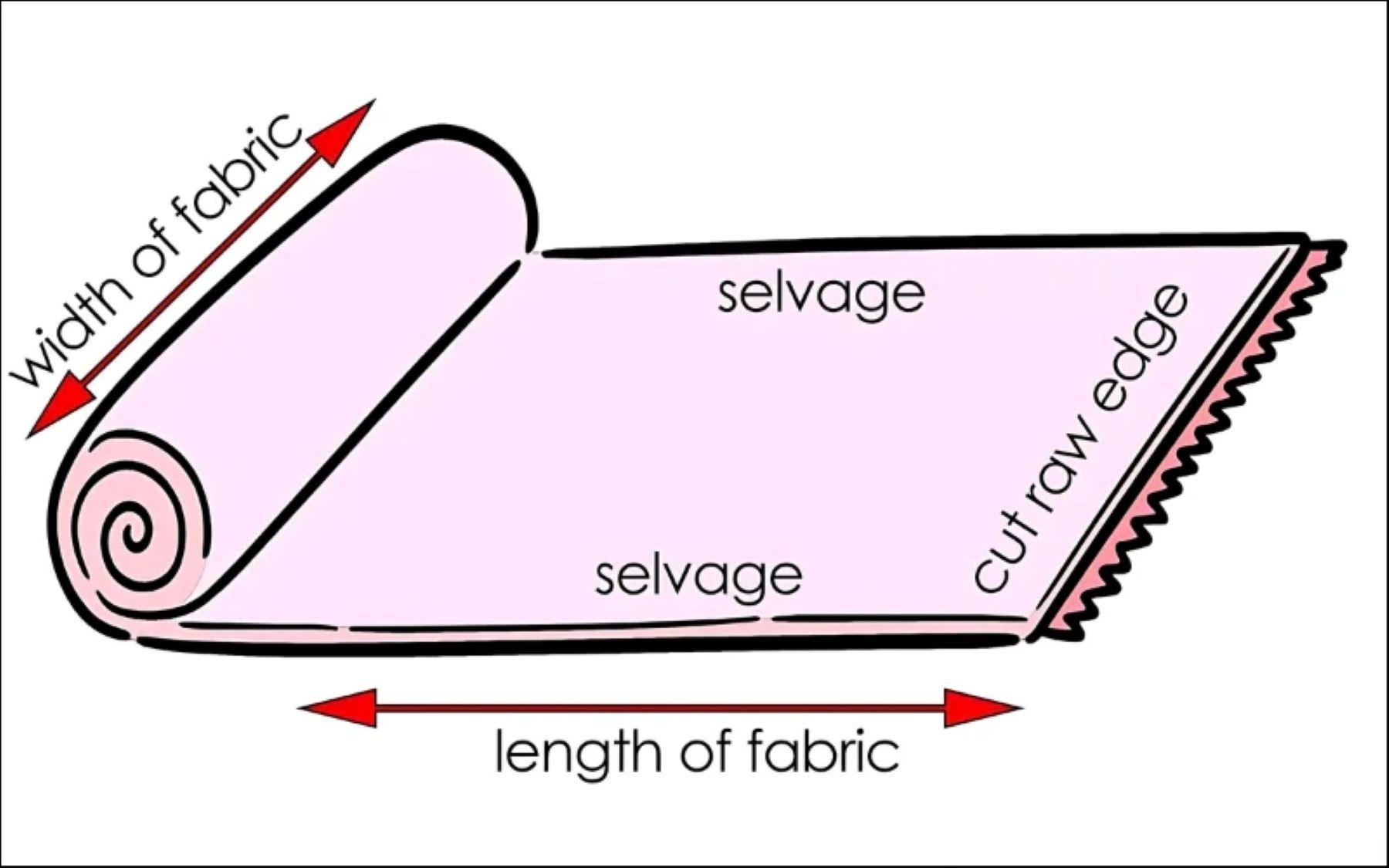
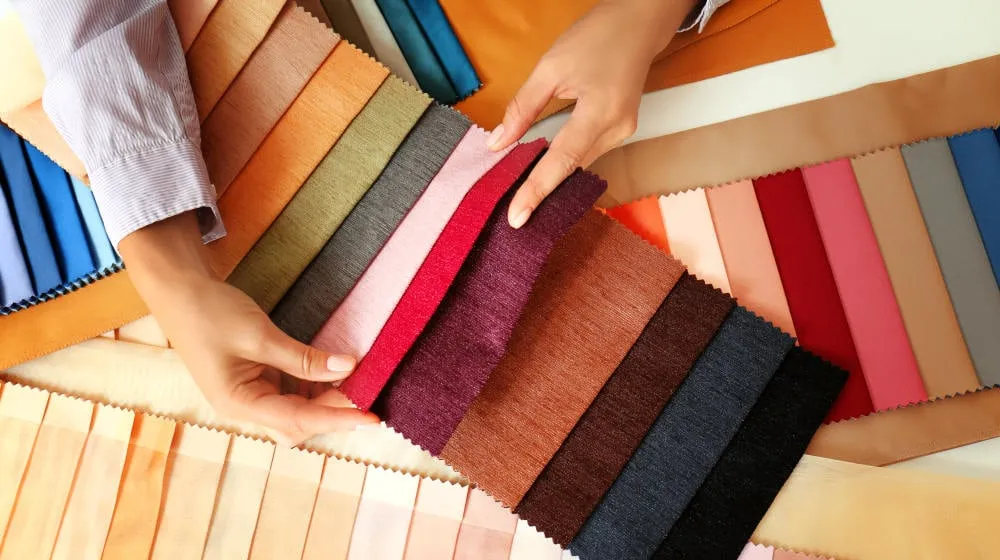
Understanding the fabric you work with is just as important as the design itself. Fabric affects the look, feel, drape, and durability of your garment. Beginners should start by learning the basics of common textiles and how to choose the right fabric for each design. Understanding your material is critical:
-
Learn fabric types woven, knit, specialty for best performance, comfort, and cost-efficiency.
=> Related Article: Fashion Guide: Dressing Right for Your Body Type
Pattern-Making Tools
Patterns are like blueprints for your garment. Pattern-making tools help you shape every part of your design with accuracy from the curve of a sleeve to the angle of a neckline. With these, you can turn ideas into ready-to-sew outlines. Accurate pattern pieces take the guesswork out of construction:
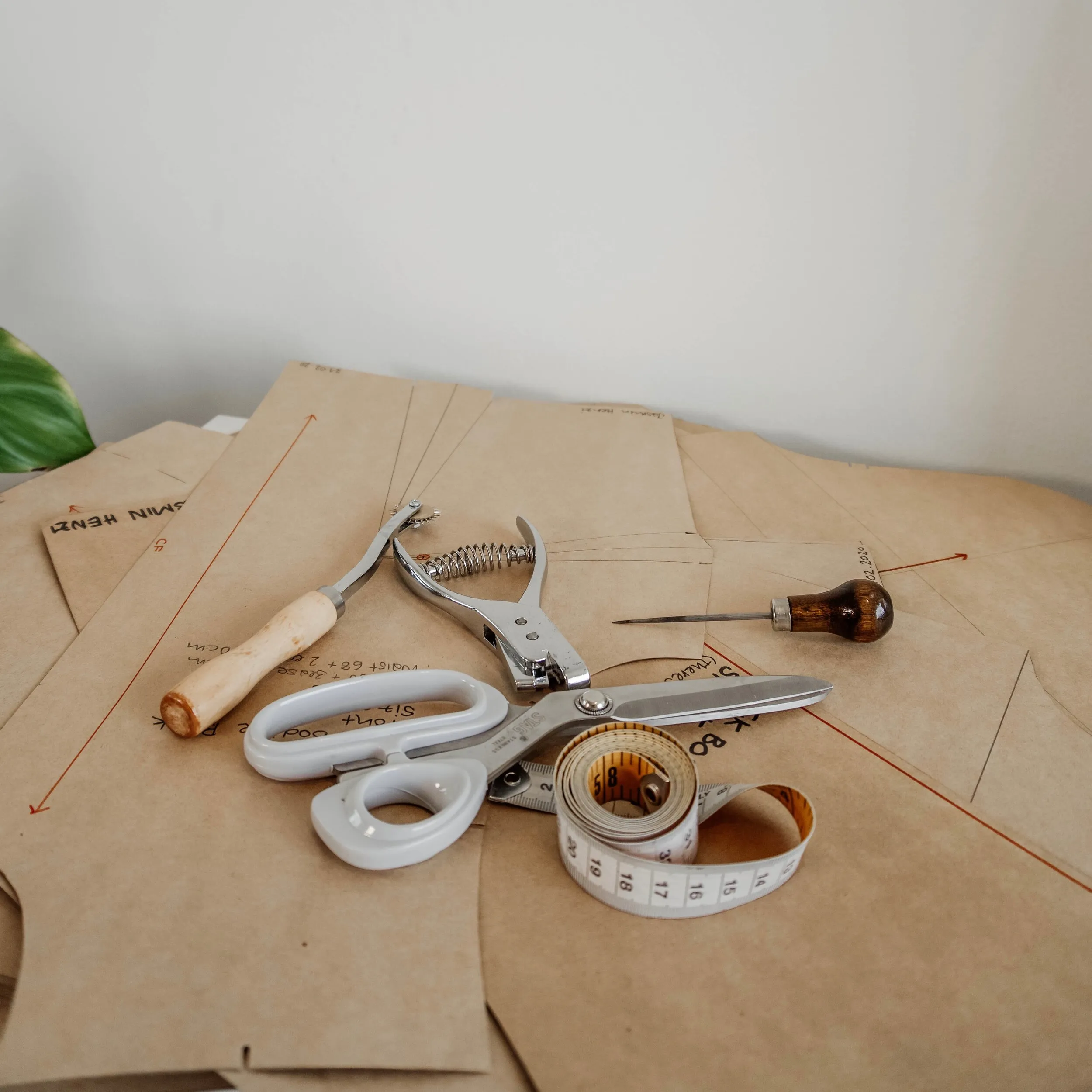
- Pattern paper: White or brown; tracing paper for copying flats.
- Curve rulers & tracing tools: French-curve, hip-curve, tracing wheel.
- Accessories: Awl, weights, notcher, pencils in color-coded (red/blue), erasers.
=> Related Article: Inverted Triangle Body Shape? Here’s How to Dress with Confidence
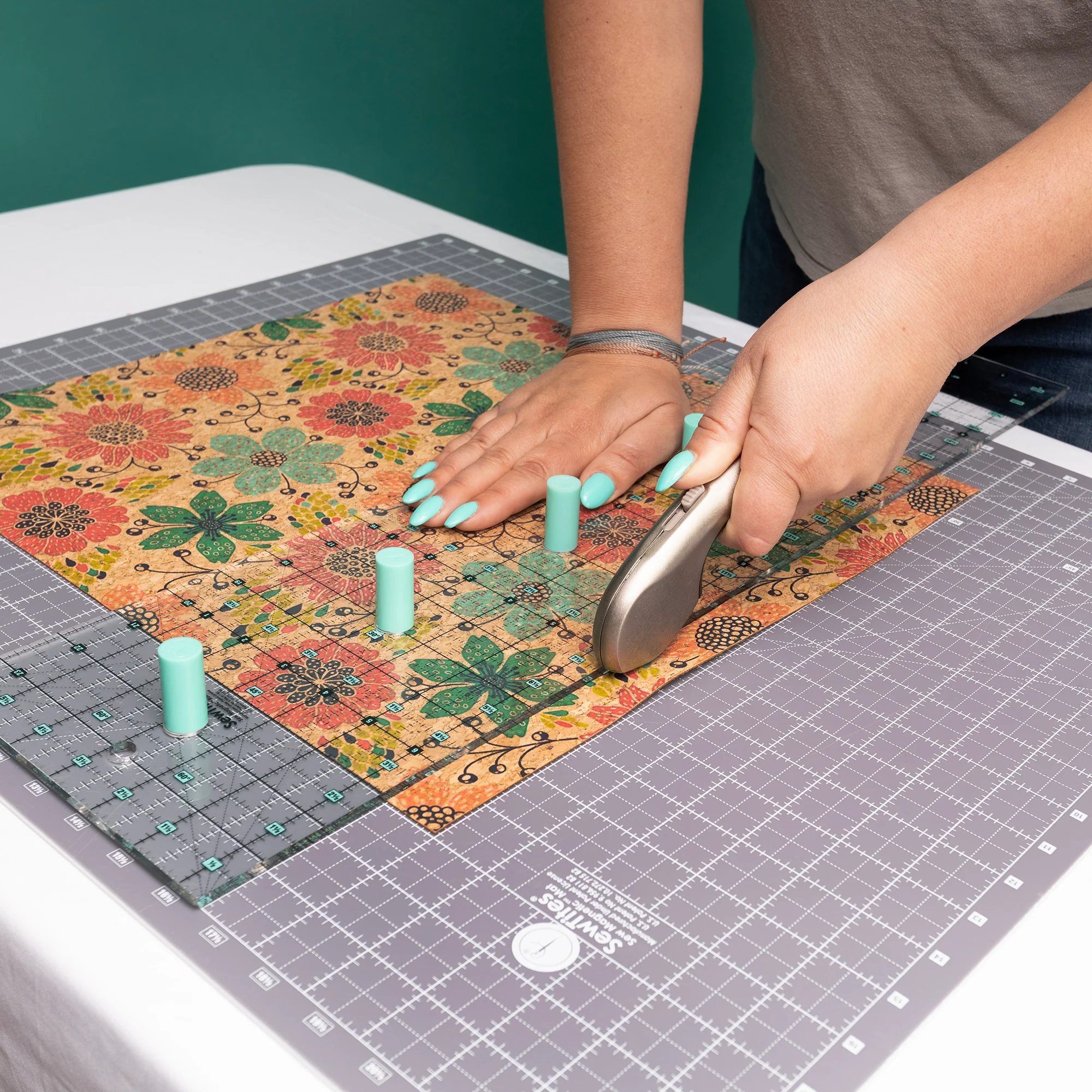
Cutting Mats
A good cutting mat protects your workspace and makes sure your fabric cuts are clean and even. For beginners working on kitchen tables or small desks, these mats are a practical investment that keeps tools sharp and projects neat. Protect your workspace and ensure clean cuts:
-
Self-healing mats come in multiple sizes; choose one that fits your tabletop.

=> Related Article: 10 Different Types of Designers in the Fashion Industry
Product-Development Tools
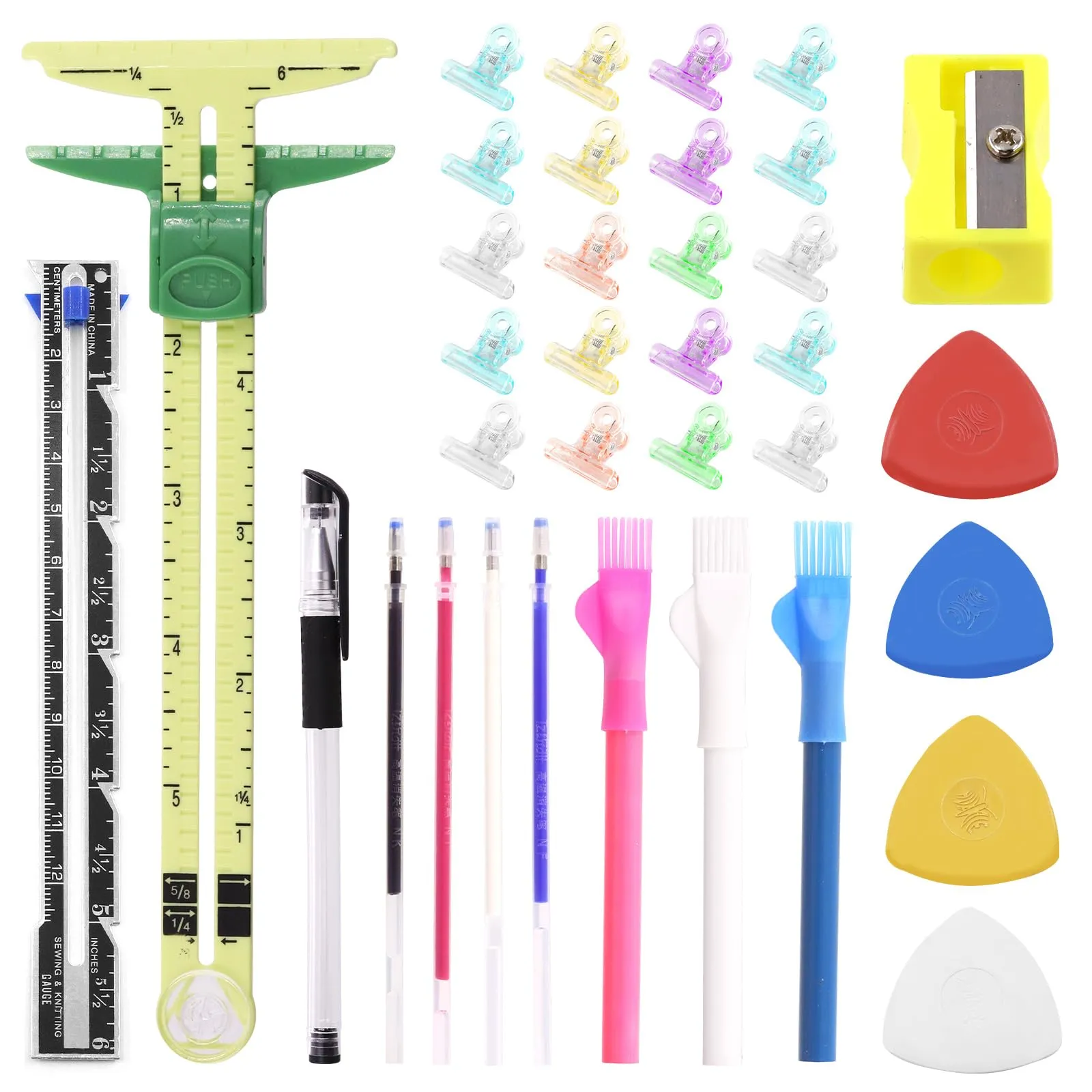
From concept to clothing rack, developing a fashion product requires organization. These tools like chalk, tracing paper, or measuring aids support you in planning, marking, and assembling each part of the process with care and confidence. These help you move from sample to scalable design: Bond and tracing paper, tailor chalk, pushpins, markers, yardsticks, measuring tape: for drafting clean tech packs and sample marking.
=> Related Article: How Colour Defines Your Style: A Mekong Garment Guide
How to Choose What You Need
- Start simple: basic sketching and sewing tools first, then build up.
- Match tools to your style: tailor your kit for draping, CAD design, or hand-made garments.
- Invest smartly: quality curve rulers, scissors, dress forms, and software pay off in efficiency.
- Expand as you grow: add specialized equipment like 3D software or pattern-making kits when you’re ready.
Conclusion / Final Words
Starting your journey in fashion design doesn’t have to feel overwhelming. When you have the right tools by your side, everything becomes easier from sketching your first idea to sewing your first sample. These essentials help you understand shapes, fabrics, and fit in a hands-on way, so your ideas can turn into real garments step by step. As you grow, you can add more advanced tools like digital design software or a full dress form. But for now, having the basics good scissors, reliable rulers, simple sewing tools, and a sketchbook for your ideas is more than enough to build a strong foundation.
FAQS About Essential Fashion Design Tools Every Beginner Should Have
What basic tools do I need to start learning fashion design?
You only need a few simple tools to begin: a sketchbook, pencils, a measuring tape, fabric scissors, pins, and some muslin fabric. These help you draw ideas, measure shapes, test draping, and learn how clothing takes form.
Why is a dress form important for beginners?
A dress form makes learning easier because it lets you see how fabric hangs on a body shape. You can pin, adjust, and test ideas without guessing. It also helps you understand fit, balance, and proportions in a very natural way.
What’s the difference between fabric scissors and regular scissors?
Fabric scissors are made to cut cloth cleanly. They are sharper and smoother, so the fabric doesn’t fray or slip. Regular scissors can pull or damage your fabric, so it’s best to keep one pair only for fabric.
Do I need a sewing machine right away?
Not always. Many beginners start with hand-sewing to understand stitches and fabric behavior. But having a basic sewing machine helps you practice faster and try more projects, even simple ones like skirts or tote bags.
Why do designers use curve rulers?
Curve rulers help draw smooth lines for armholes, necklines, and hip curves. These areas are not straight, so a normal ruler will not work well. Curve tools make your patterns cleaner and more accurate.
What is muslin, and why do designers use it?
Muslin is a soft, inexpensive fabric used for testing ideas. You drape it on a dress form to check shape, fit, and movement before cutting real fabric. It helps you avoid mistakes and saves money.
Do I need digital tools like Adobe Illustrator or CLO 3D as a beginner?
Not right away. But learning digital tools later will help you draw cleaner designs, create technical flats, and work faster. 3D tools are great once you understand basics because they show you how a garment moves before sewing anything.