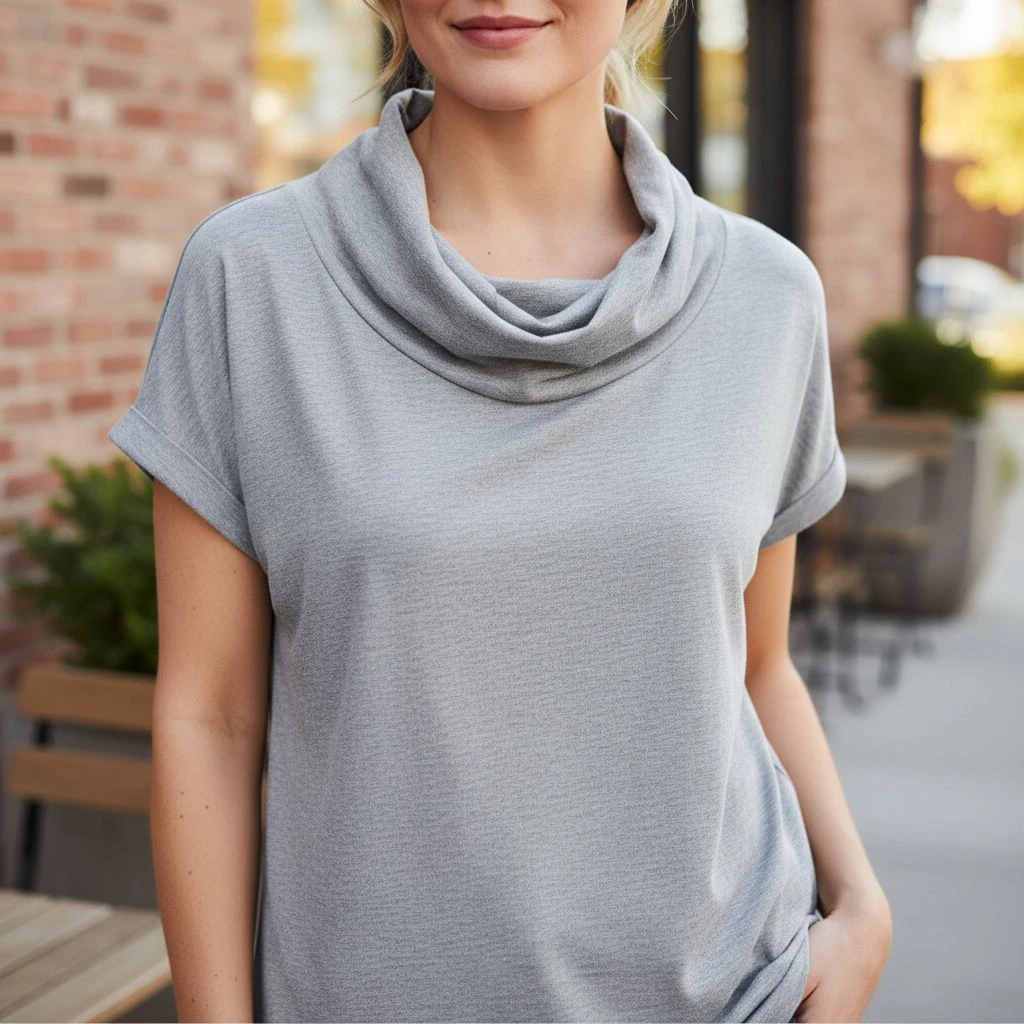
12 Feb Fabrics, Fashion, T Shirts The 21 Most Popular T-Shirt Types: Fit, Neckline, and Style Guide Posted by mekong March 4, 2026 Continue reading
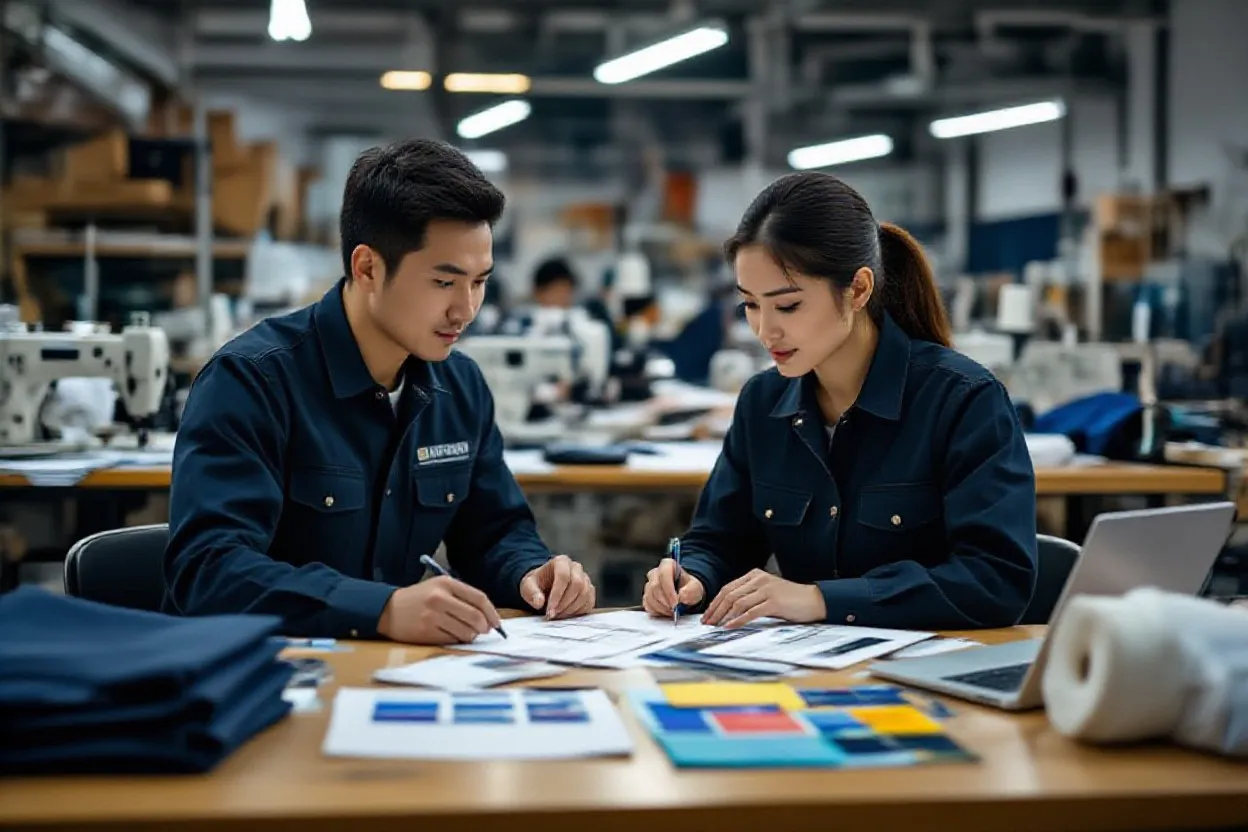
11 Feb Fabrics, Fashion Top 10 Mistakes to Avoid in Your First Tech Pack And How to Fix Them. Posted by mekong February 12, 2026 Continue reading
09 Feb Fabrics, Fashion, Handmade, Manufacturing & Sourcing How to Reduce Waste in the Fashion Manufacturing Process Posted by mekong February 10, 2026 Continue reading
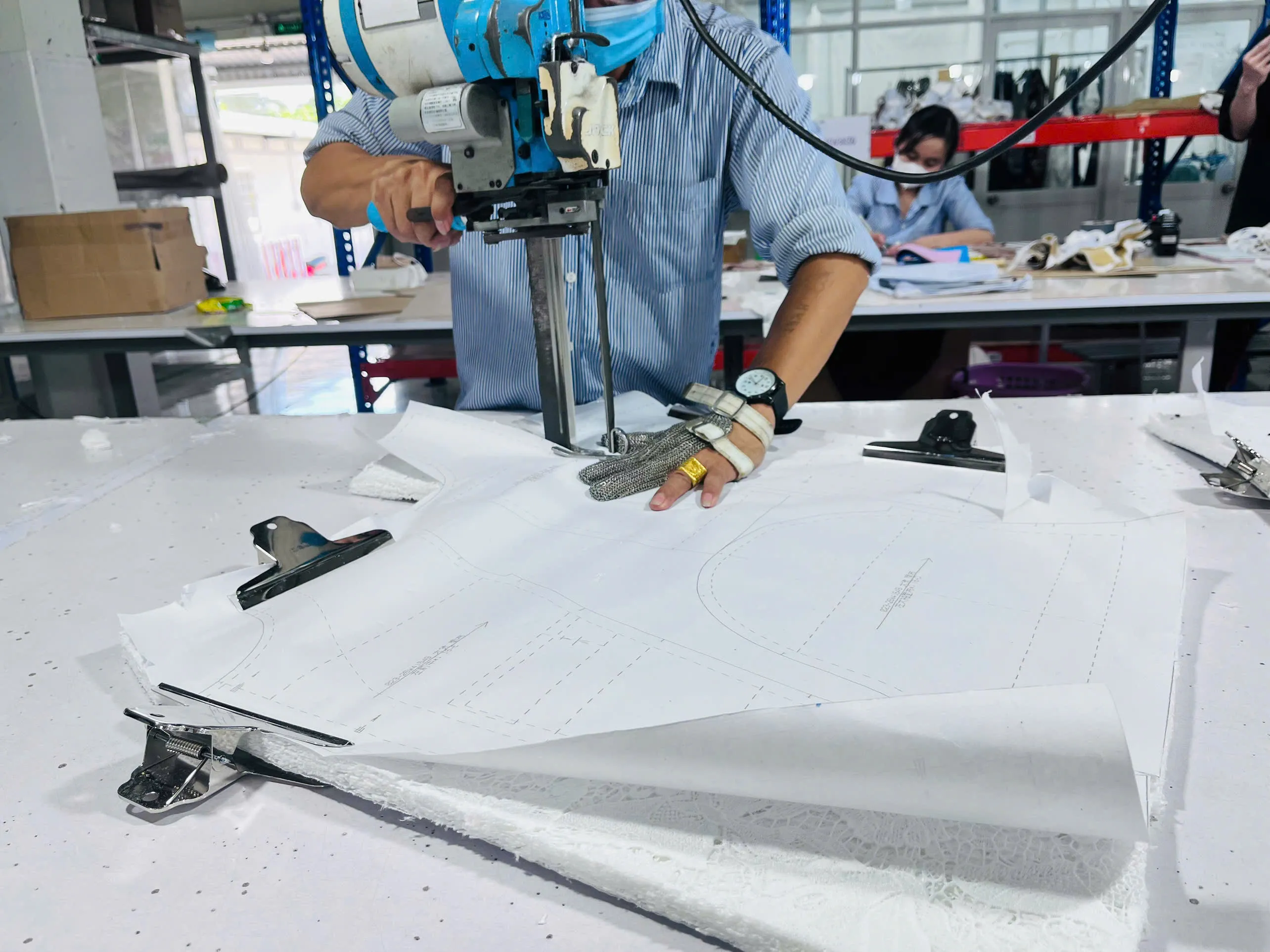
09 Feb Fabrics, Fashion, Manufacturing & Sourcing What Quality Control (QC) mean in Garment Manufacturing: A Full Guide Posted by mekong February 22, 2026 Continue reading
08 Feb Manufacturing & Sourcing What QA (Quality Assurance) Mean In Garment Industry? Posted by mekong February 9, 2026 Continue reading
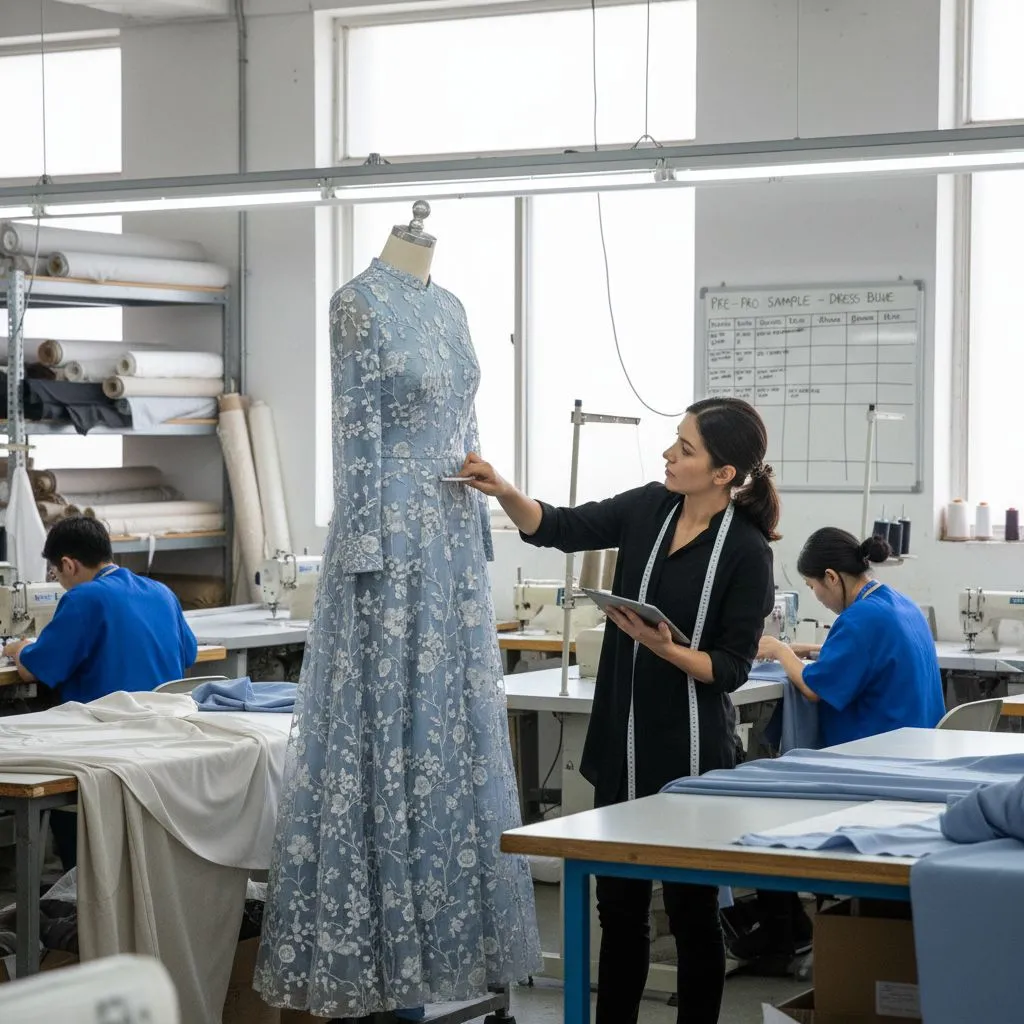
08 Feb Fabrics, Fashion, Manufacturing & Sourcing What Is the Difference Between QA and QC in Garment Manufacturing? Posted by mekong February 9, 2026 Continue reading
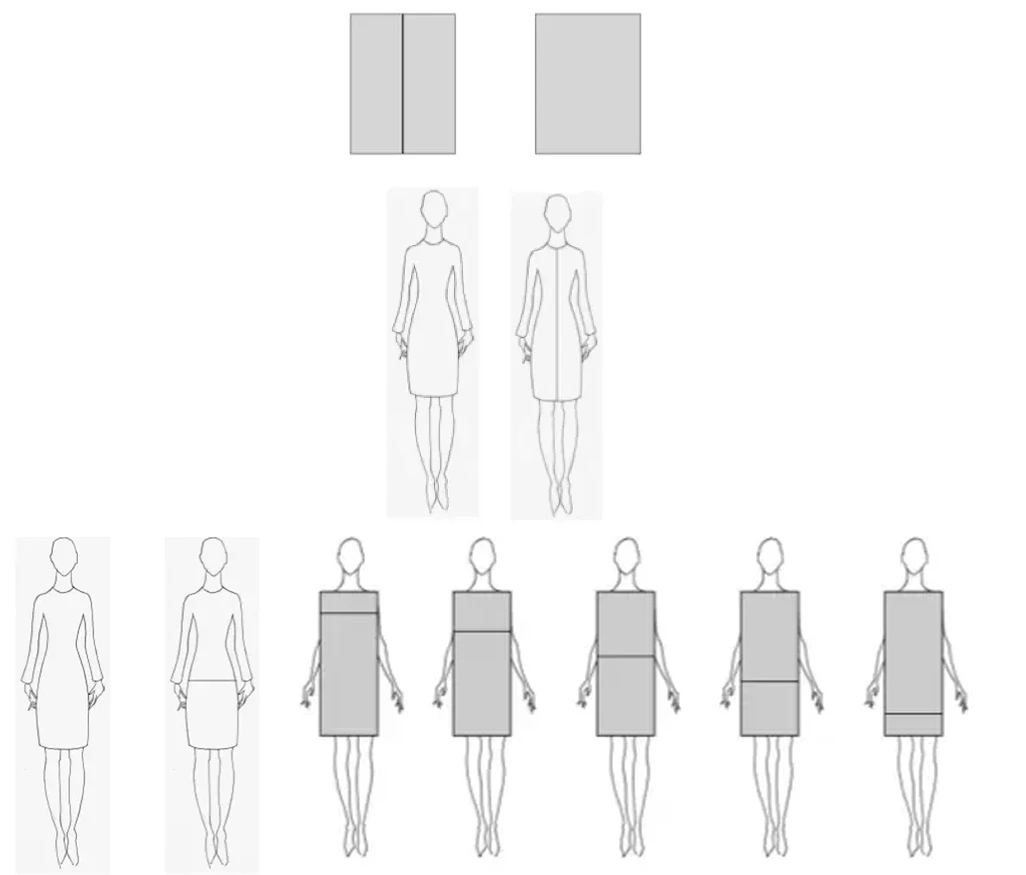
06 Feb Fabrics, Fashion The Art of Style: Shape The Silhouette of Style Posted by mekong February 6, 2026 Continue reading
04 Feb Fabrics, Fashion, Manufacturing & Sourcing, T Shirts How a Brand Should Choose the Right T-Shirt Neckline Without Regrets Posted by mekong February 6, 2026 Continue reading
03 Feb Fabrics, Fashion, T Shirts Which T-Shirt Necklines Work Best in Hot or Humid Climates? Posted by mekong March 31, 2026 Continue reading
03 Feb Fabrics, Fashion, T Shirts Which T Shirts Necklines Are the Most Difficult to Produce? Posted by mekong February 10, 2026 Continue reading
 mekong
mekong
mekong
mekong
mekong
mekong
mekong
mekong
mekong
mekong
mekong
mekong
mekong
mekong
mekong
mekong
mekong
mekong
mekong