

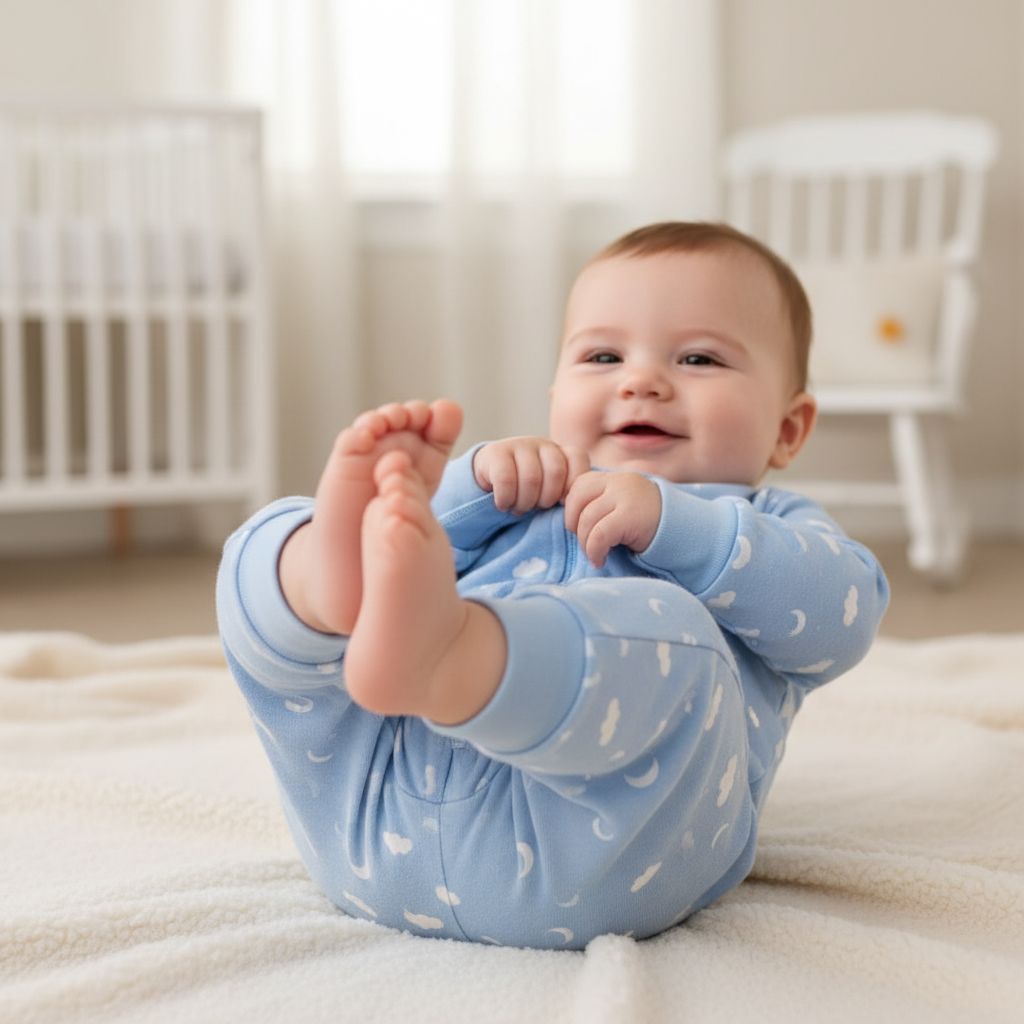

Baby sleepers are one-piece outfits made for sleep (and often for relaxing at home). Many are footed (with covered feet), but plenty are footless, too. In stores, the word “sleeper” is sometimes mixed up with “onesie,” so it helps to focus on the features, not just the name.
What Counts As A “Baby Sleeper”?
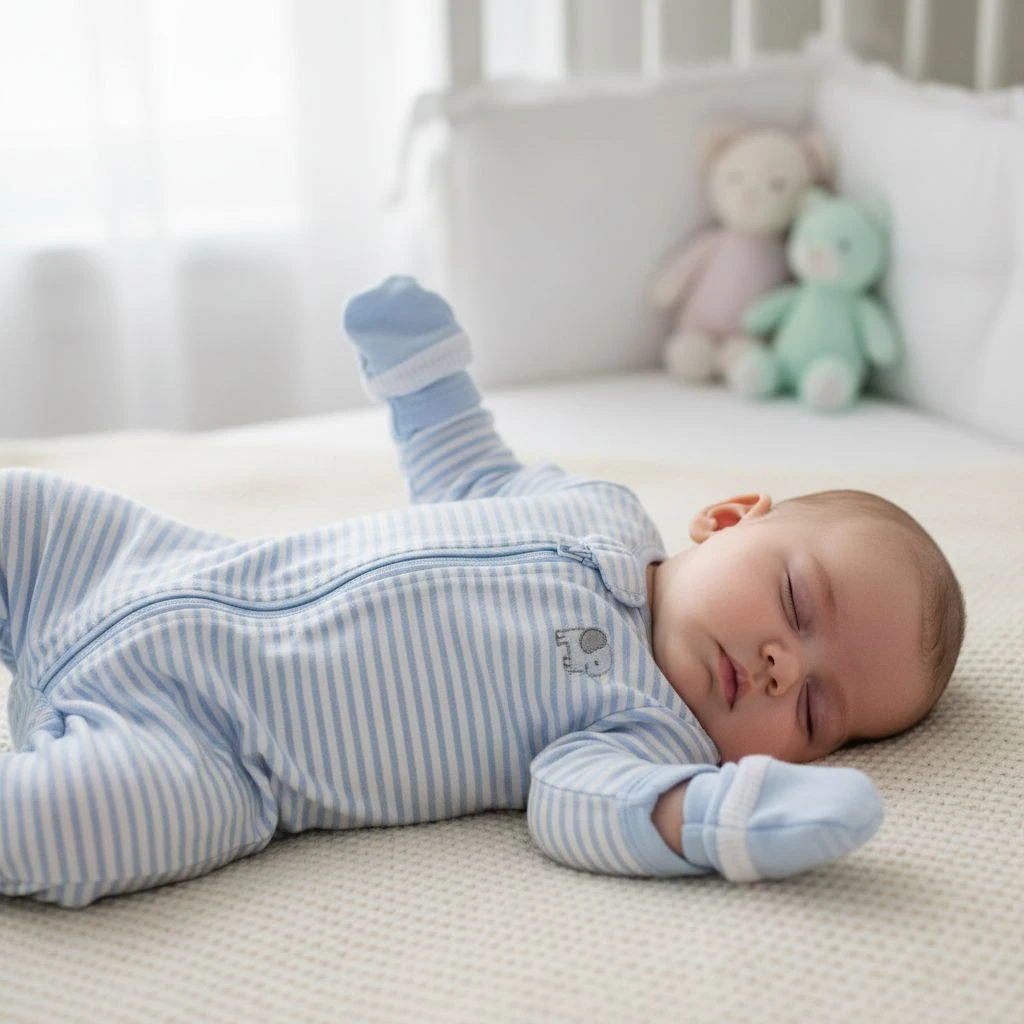
A baby sleeper is a one-piece outfit made mainly for sleep (and often for relaxing at home). It usually covers the arms and legs, and it closes with a zipper or snaps to make diaper changes easier. Some sleepers are footed (the feet are built in), while others are footless (open ankles).
Most people mean a one-piece pajama with:
- long sleeves
- long legs
- a zipper or snaps for easy changes
- Footed versions are also called footie pajamas or blanket sleepers.
=> Important Notes: If you’re selling or writing product specs, don’t assume “sleeper” always means footed. Some brands use “sleeper” for footless styles too. So write: “footed sleeper” or “footless sleeper (sleep suit)” for clarity.
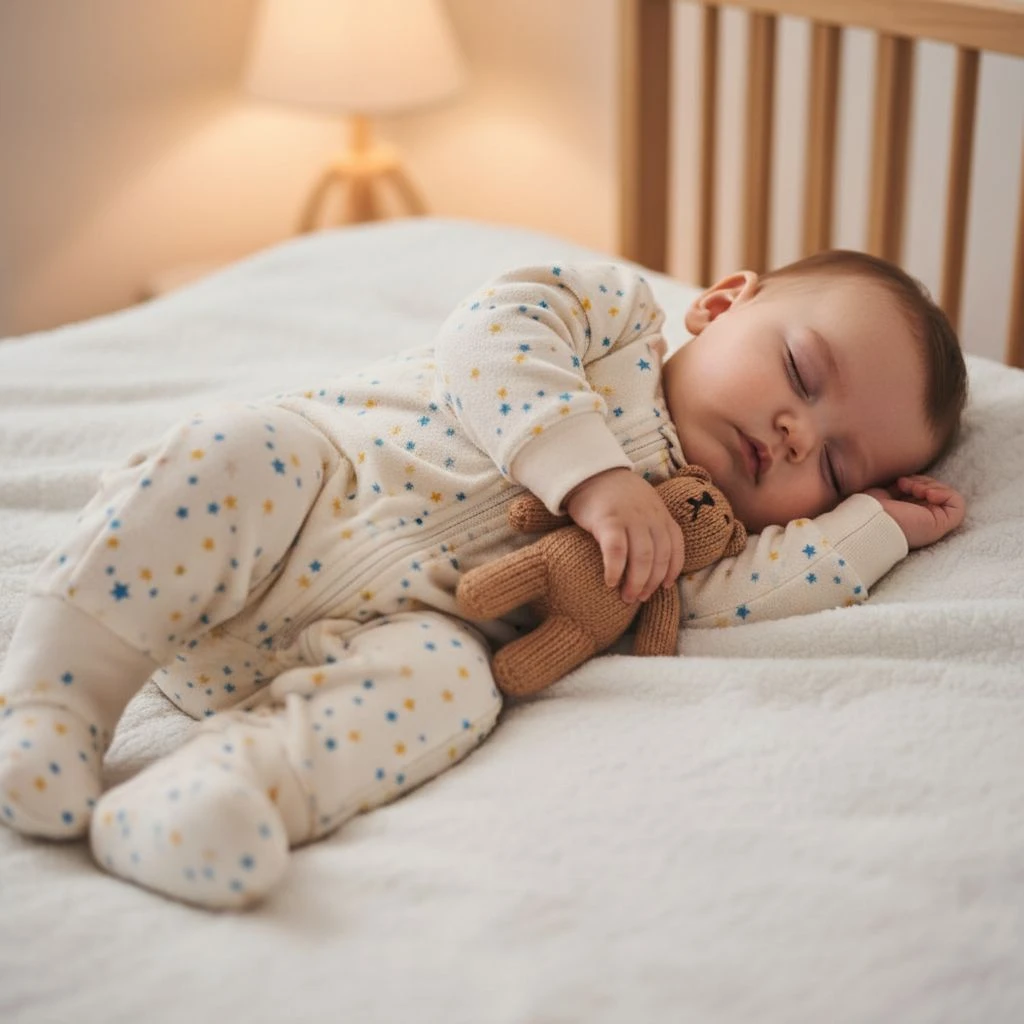
Types of Baby Sleepers
1) Footed sleepers (footies / blanket sleepers)
- What it is: One piece with covered feet.
- Why parents like it: No need for socks at night.
- Best for: Cool rooms or air-conditioned rooms, Babies who kick socks off, Nighttime when you want simple warmth
- Watch out: Feet can feel tight first (baby might outgrow the feet before the body), In hot weather, they can cause overheating if fabric is thick
- Common design details: Non-slip grips on soles (usually for bigger babies who stand/walk), Zipper guard near the neck
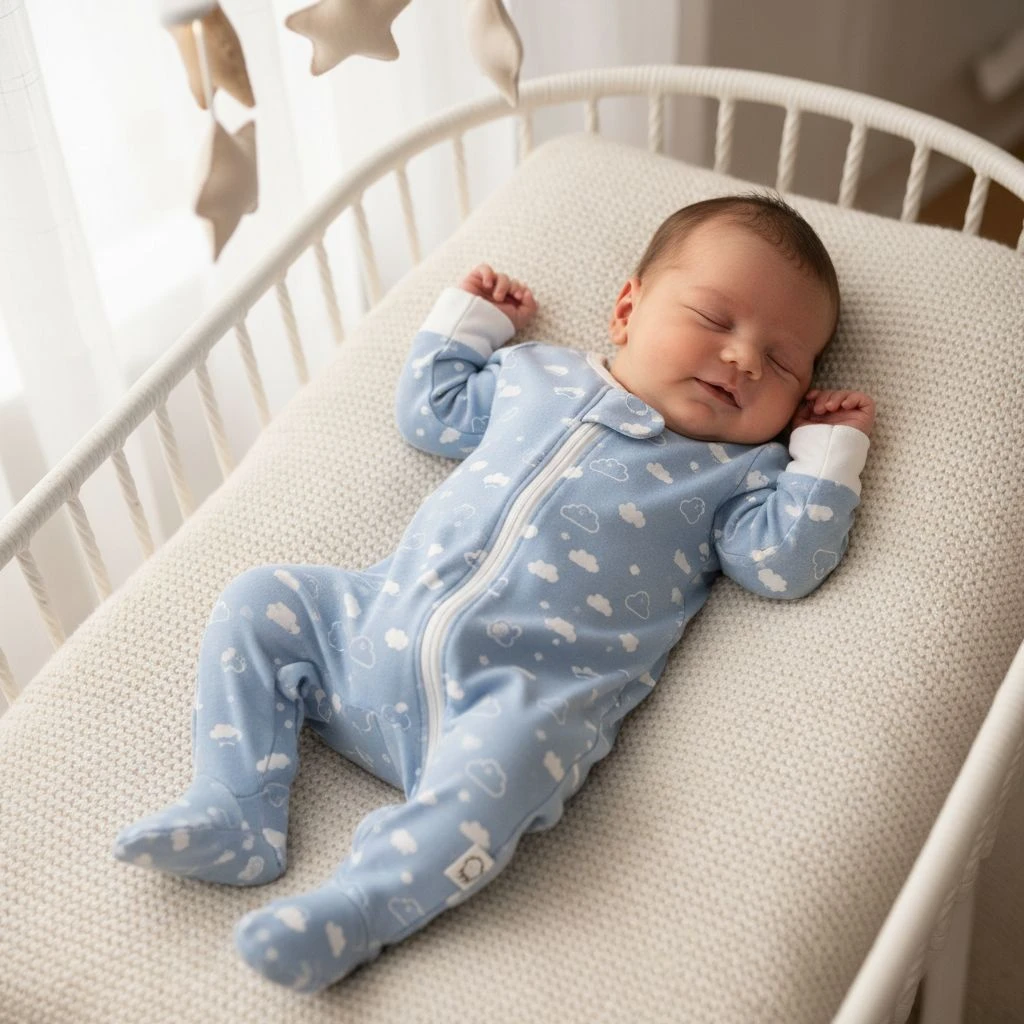
3) Sleep-and-play
- What it is: A sleeper designed to be worn all day, not just bedtime.
- Best for: Babies who nap often, Busy days at home, Travel (one outfit covers many situations)
- Common features: Stronger seams, slightly thicker fabric, Cute prints, more “outfit” look

=> Important Notes: Some “sleep & play” items fit looser for comfort. If you’re selling in strict markets, loose fit can become a labeling/compliance issue depending on how it’s marketed as sleepwear.
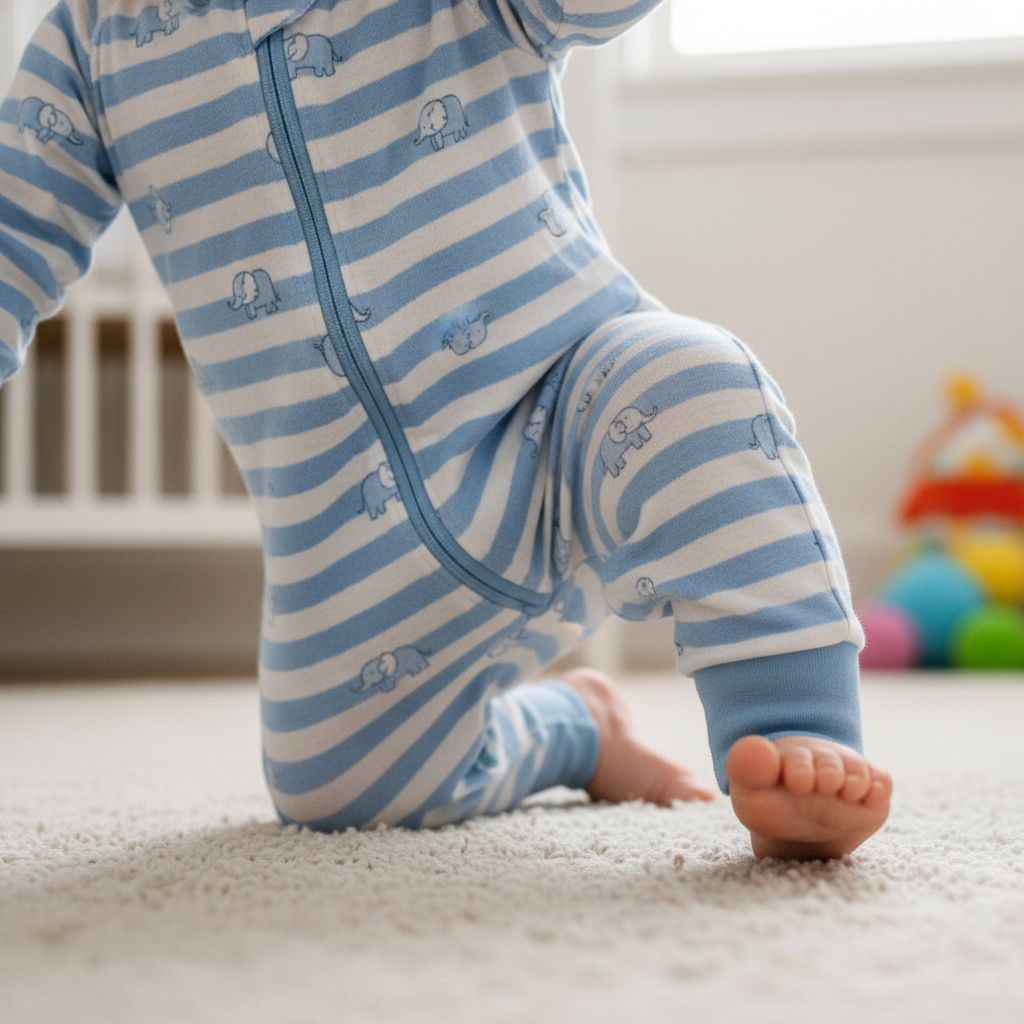
4) Footless Sleepers (Sleep Suits / Romper-Style Pajama)
- What it is: One piece but open ankles (no built-in feet).
- Best for: Warm climates (like Vietnam), Long babies (more sizing flexibility), Babies who sleep better with bare feet
- Good pairing: Add socks only if needed (easy to adjust for temperature)
- Watch out: Socks can fall off at night (especially newborns)
5) Zipper Sleepers (One-Way Zip vs Two-Way Zip)
This is less about “shape” and more about how it opens, but it matters a lot.
- a) One-way zipper: Fast to put on, but diaper changes can be annoying because you may need to unzip more.
- b) Two-way zipper (top + bottom): Parent favorite for diaper changes: unzip from the bottom, change diaper, zip back up.
=> Watch out: If the zipper quality is cheap, it can wave or snag the fabric
Fabrics: What to Pick (and what can go wrong)
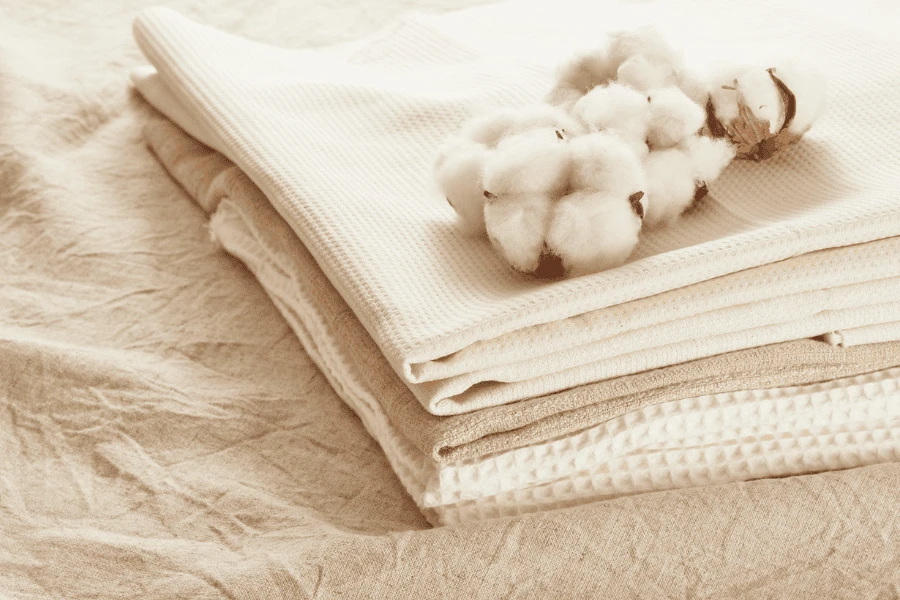
Cotton (jersey or rib)
- breathable
- easy to wash
- good for everyday use
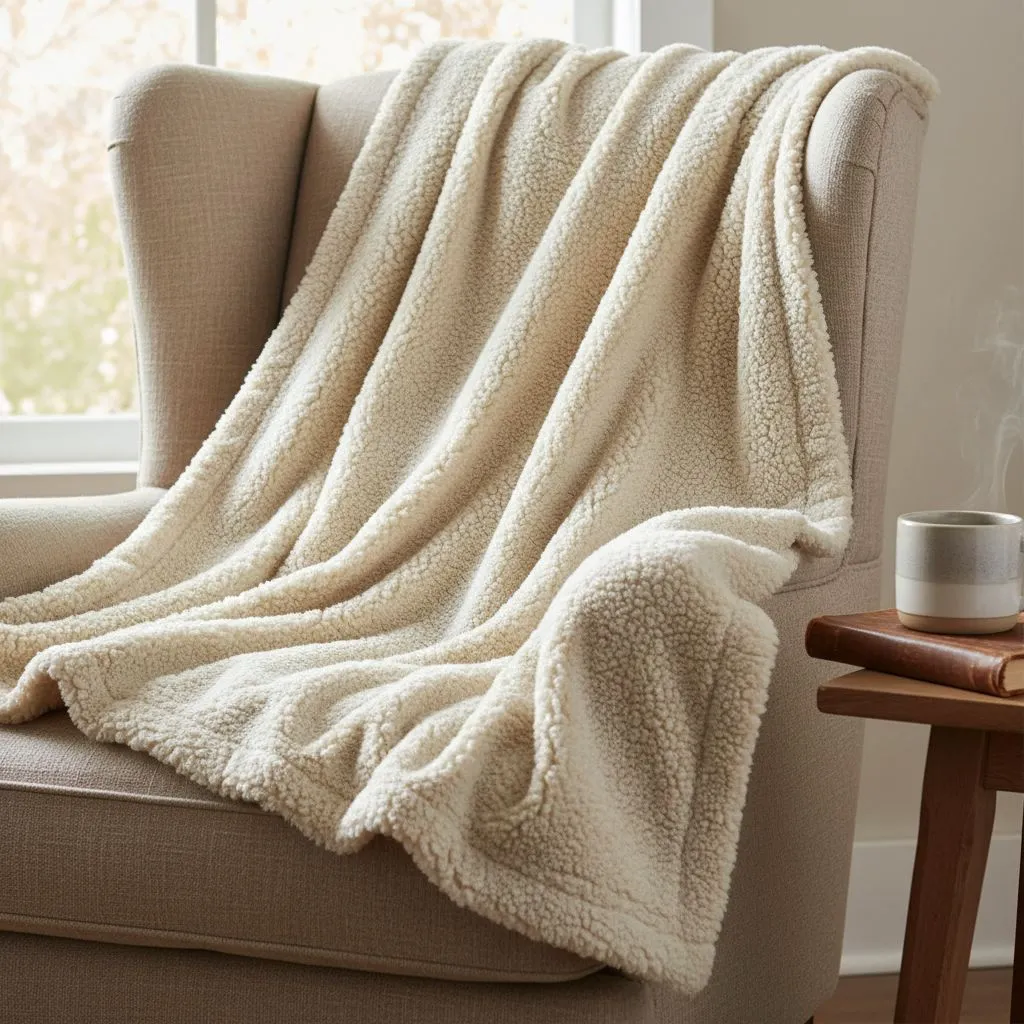
Fleece
- warm and cozy
- great in cold rooms
=> risk: can be too hot if your room is warm or baby runs hot

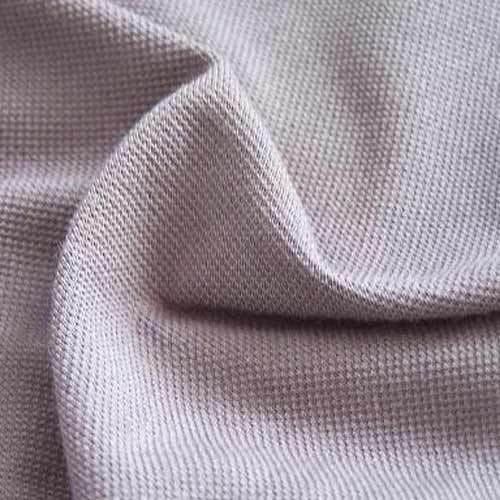
Bamboo/viscose blends
- very soft
- stretchy
=> risk: quality varies a lot; some pill or lose shape faster. Important Notes: “Softest” isn’t always best. Super stretchy fabric can end up looser, and loose sleepwear can be a problem in markets with strict sleepwear rules (more on that below).
Sizing and Fit: what “right” looks like
A sleeper should fit:
- snug but not tight
- easy to move hips and legs
- not tight at neck, wrists, or ankles
Common fit problems:
- Footed sleepers feel tight first (toes get squished even if the body fits)
- Torso too short → zipper pulls and fabric “waves”
- Diaper area too tight → stress at crotch seams
=> Simple rule: If baby is between sizes, size up—especially for footed sleepers.
Safety: the important stuff people skip
- 1) Avoid loose blankets in the sleep space: Safe-sleep guidance warns against loose blankets and soft items near baby during sleep. Instead, baby can wear sleep clothing or a wearable blanket (sleep sack) for warmth.
- 2) Don’t cover the head during sleep: Avoid hats, hoods, or anything that might shift over the face. Guidance also warns against putting items on or over the head while sleeping.
- 3) Prevent overheating: Overheating is a real risk. Dress baby based on room temperature and use breathable layers. Many pediatric resources suggest checking baby’s chest/neck rather than hands/feet. => Notes: People often overdress babies because hands feel cool. Hands can be cool even when baby is fine—don’t let that trick you into adding too many layers.
- 4) Skip weighted sleep products: AAP-linked guidance on HealthyChildren also warns: don’t use weighted blankets, sleepers, swaddles, or weighted objects on or near baby.
Conclusion / Final Words
Baby sleepers look simple, but the “right” one depends on your baby, your room temperature, and your daily routine.
- If you want easy warmth, choose a footed sleeper, but watch that the feet don’t get tight first.
- If you live in a hot climate or your baby runs warm, a footless sleeper in light cotton is often the smarter pick.
- If you do lots of night diaper changes, a two-way zipper can save you real stress.
And if you want one piece that lasts longer through growth, convertible sleepers add flexibility. Most importantly, sleepers should support safe sleep: keep the sleep space clear, avoid anything that covers the head, dress baby to prevent overheating, and use sleep clothing or a wearable blanket instead of loose blankets when possible. => Important notes: don’t buy based on cute prints or the word “sleeper” alone. Look for the details: fit, fabric, closure, and safety—because those are what actually make nights easier and safer.