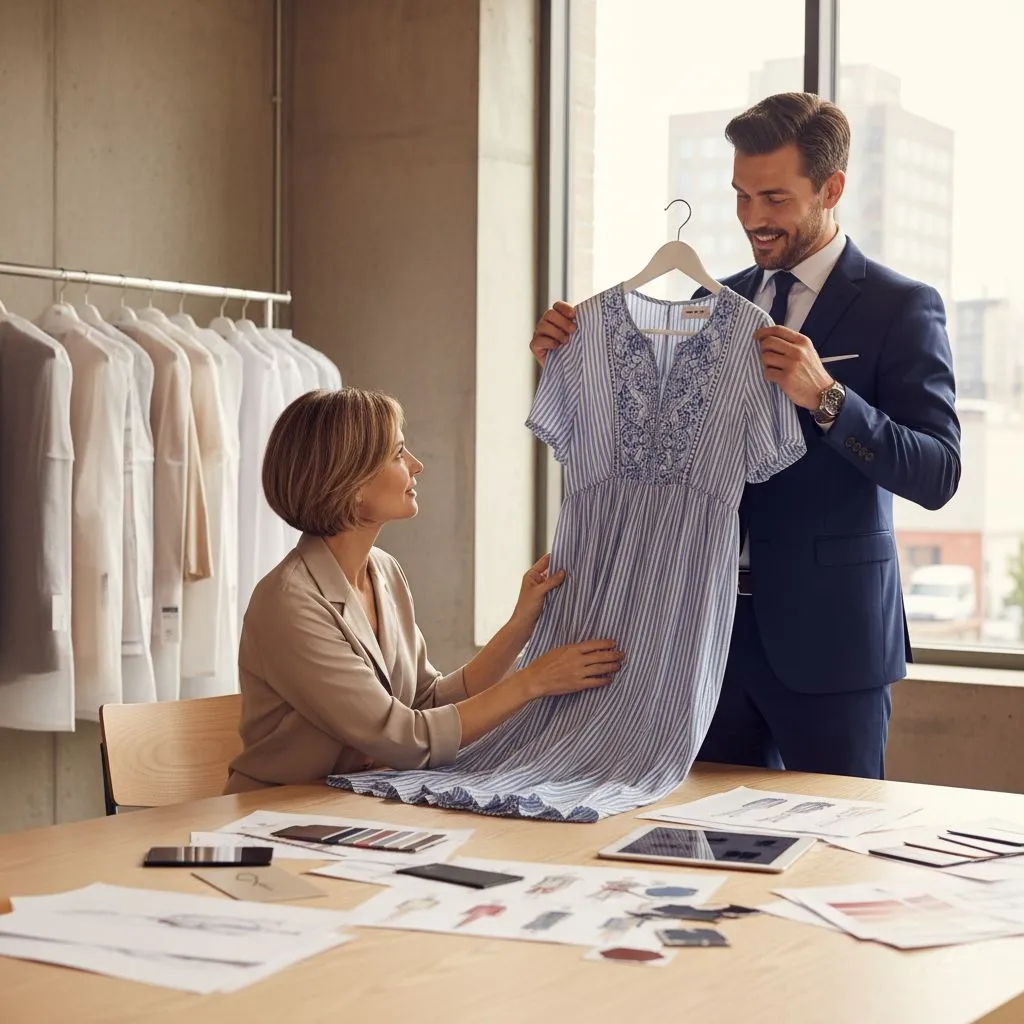
What Is a Salesman Sample, And When Do You Really Need One?

You’re building a fashion or apparel brand, you face the same question every season: “Which styles will customers actually buy and which ones will sit in the warehouse?” A Salesman Sample is one tool that tries to answer that question before you commit to large production. But many brands use it without fully understanding what it is or when it’s actually worth the time, money, and effort. Let’s break this down in a way that focuses on decision-making for brand owners, not just definitions.
=> Related Article: 8 Types of Garment Samples You Need for Bulk Orders
Types of Garment Samples In Garments Factory:
- Prototype Sample in Garment Production? (And How to Make One Step-by-Step)
- Fit Sample and Why You Need It in Garment Production.
- Size Set Sample: What It Is, Why You Need It.
- Counter Sample in Garment Manufacturing? (And Why Brand Owners Need It)
- Salesman Sample, And When Do You Really Need One?
- Pre-Production Sample (PP Sample) in Garment Manufacturing, and Why It Matters More Than You Think
- Top Production Sample (TOP Sample), and Why Brand Owners Actually Need It
- Shipment Sample in Garment Manufacturing?
What Is a Salesman Sample?
A Salesman Sample is a commercial prototype a near-finished product you produce in a small quantity to test customer interest and channel readiness. This sample is different from the technical prototypes you use internally:
| Type of Sample | Purpose | Who Uses It |
|---|---|---|
| Fit Sample | Check fit/size grading | Internal team |
| PP Sample (Pre-Production) | Approve final specs | Designers + factory |
| Salesman Sample | Sell & test demand | Sales teams + customers |
Unlike fit or PP samples, a Salesman Sample isn’t made just to check quality — it’s meant to be worn, marketed, and sold (even if only a few pieces). That’s the key distinction too many brands gloss over.

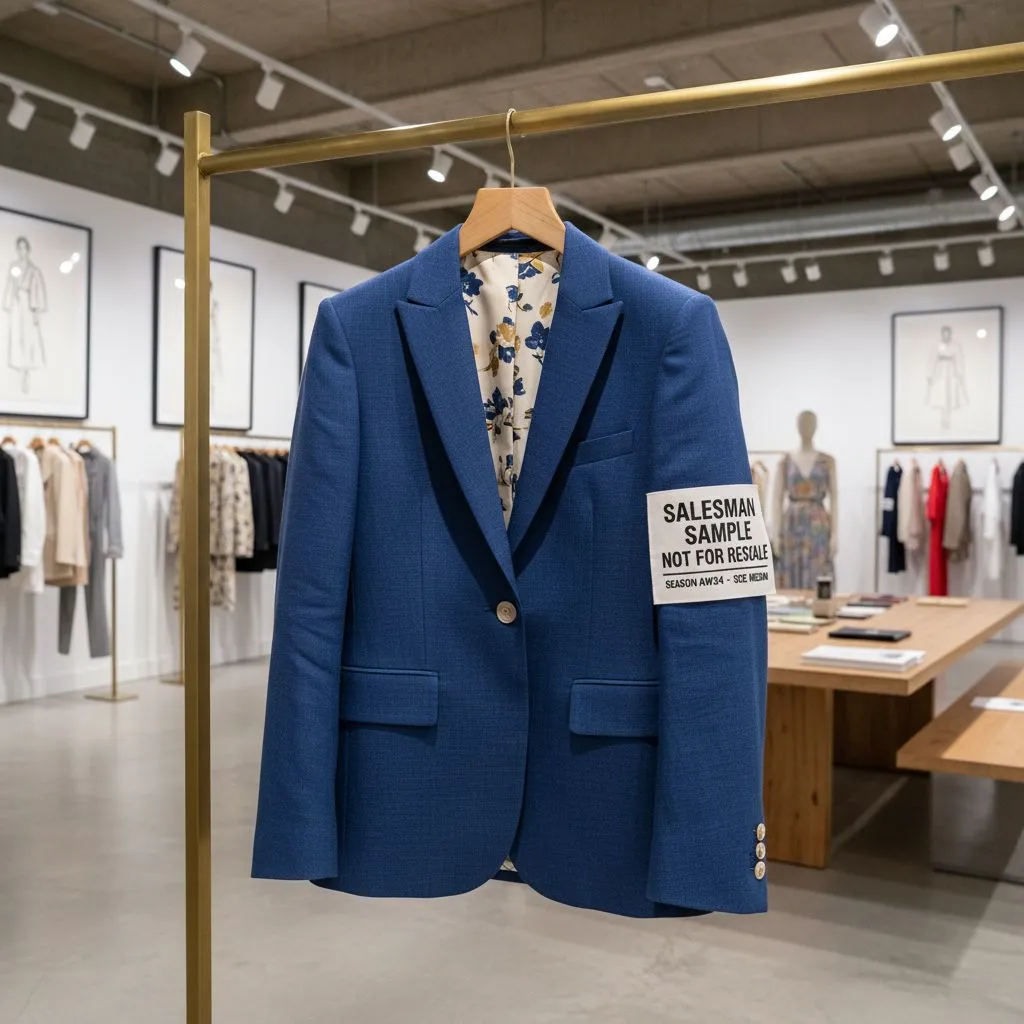
But Wait Do You Always Need One?
Not necessarily, a Salesman Sample sounds like a “must-have,” but it’s not. If your style is already proven, making extra samples can just burn time and cash. The real question is: are you testing a real unknown, or are you doing it because “everyone does”? For many brands, the smarter move is to test demand in cheaper, faster ways first. Here’s where most brands make a strategic mistake:
- Myth: “Every product needs a Salesman Sample.”
- Reality: No. Only products with real uncertainty in demand benefit from it.
If you already have strong data, loyal repeat buyers, or a predictable best seller, producing a Salesman Sample may waste time and money.
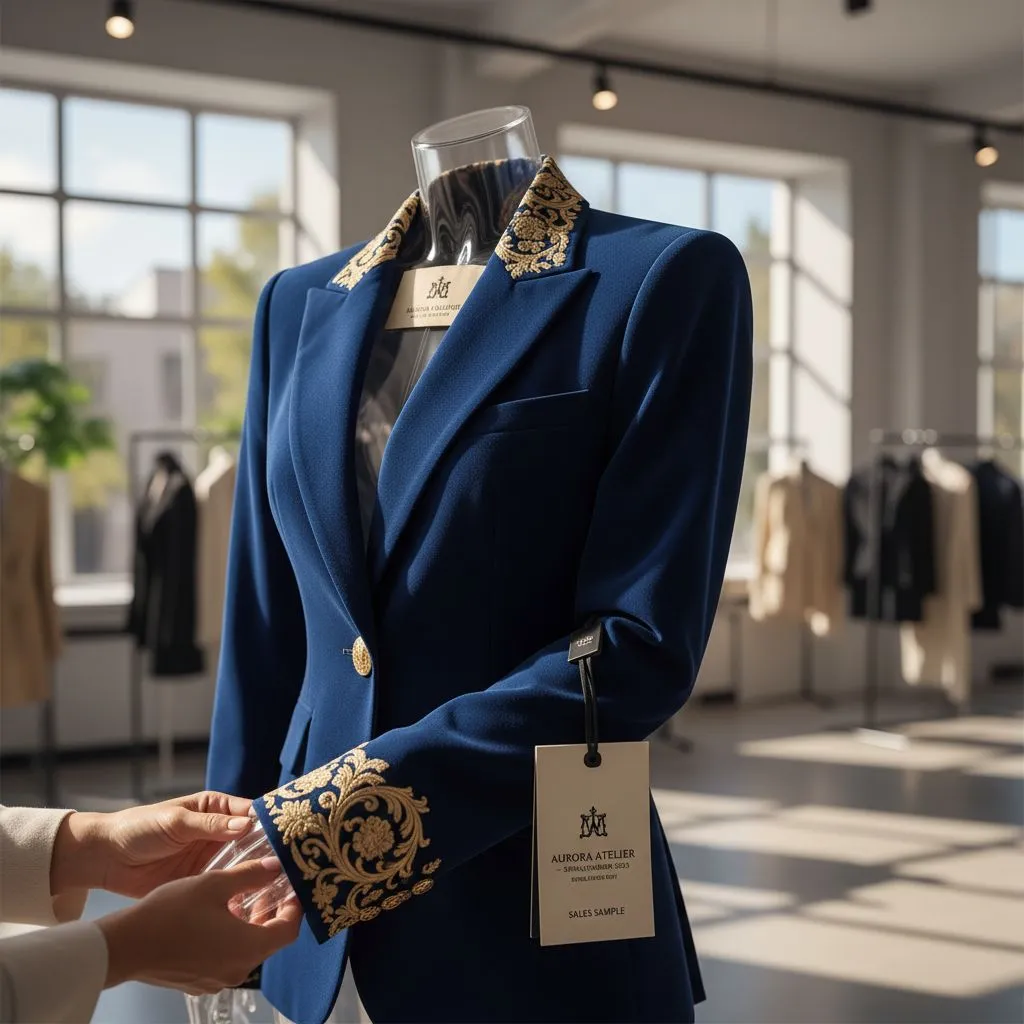
When a Salesman Sample Actually Makes Sense
A Salesman Sample is worth doing when you’re facing a real “unknown” that could cost you money at scale. Think of it as a small, controlled test before you commit to bulk fabric, trims, and full production. If you already have strong sales data, you may not need it. But if you’re guessing this is one of the safest ways to turn guesses into signals. You should consider a Salesman Sample when:
- You are launching a new product type: If it’s never existed in your brand before, e.g., first time doing oversize denim, printed knits, etc. you need real feedback.
- You are testing a new trend: Trends move fast. A Salesman Sample lets you test without committing to a full production run.
- You plan to sell through wholesale or retail partners: Retail buyers often need tangible pieces to place orders. Photos or flat sketches usually aren’t enough.
- Your sales team is unsure how customers will react: If your field team keeps hearing “maybe,” “not sure,” or “depends on price,” that’s a sign you need real market data.
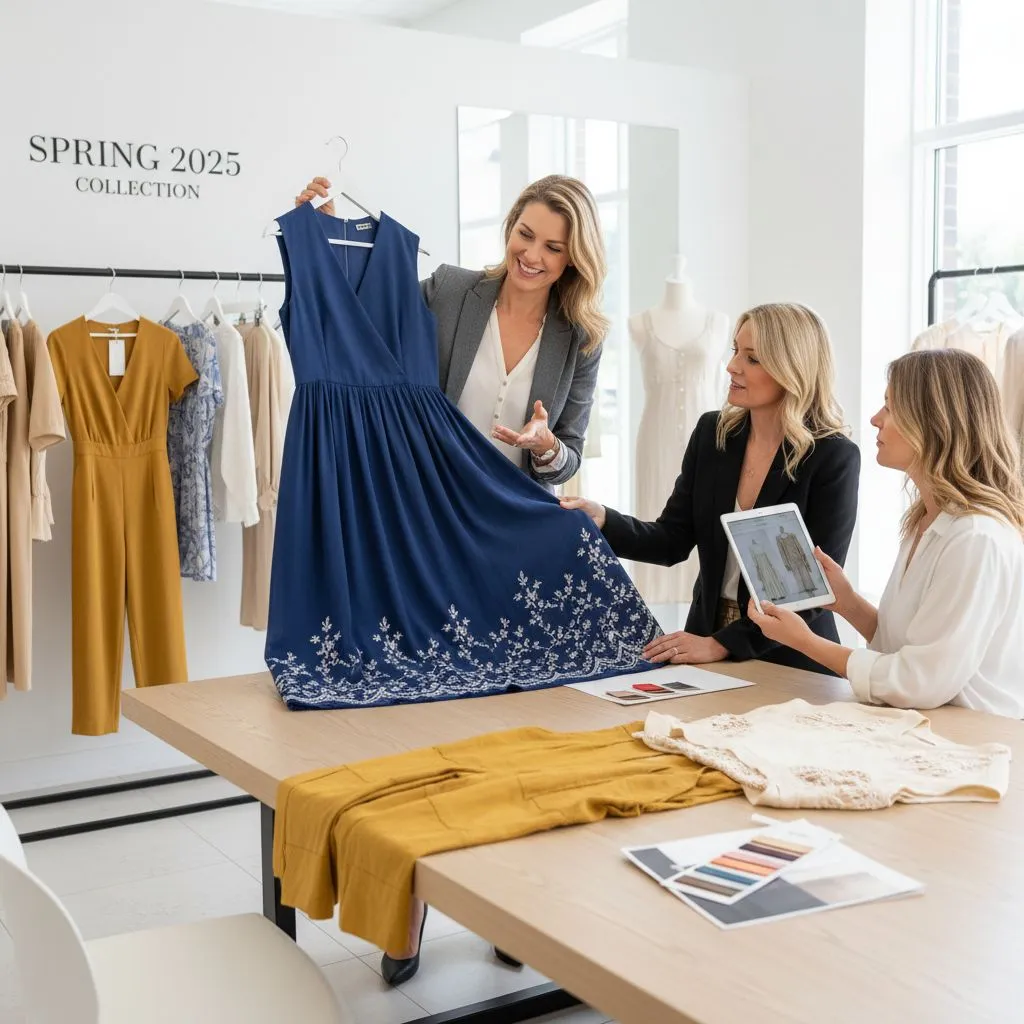
What You Can Test with a Salesman Sample
A Salesman Sample isn’t just for showing off a style, it’s for testing what the market will actually respond to. Done right, it helps you learn what customers like before you spend big on bulk production. But don’t treat opinions as facts. You need to test things you can measure and use to make a real decision. A well-executed Salesman Sample gives you data on:
- Customer reactions in real stores
- Price elasticity what price people are willing to pay
- Colors and fabrics that truly attract buyers
- Which fit or details matter most
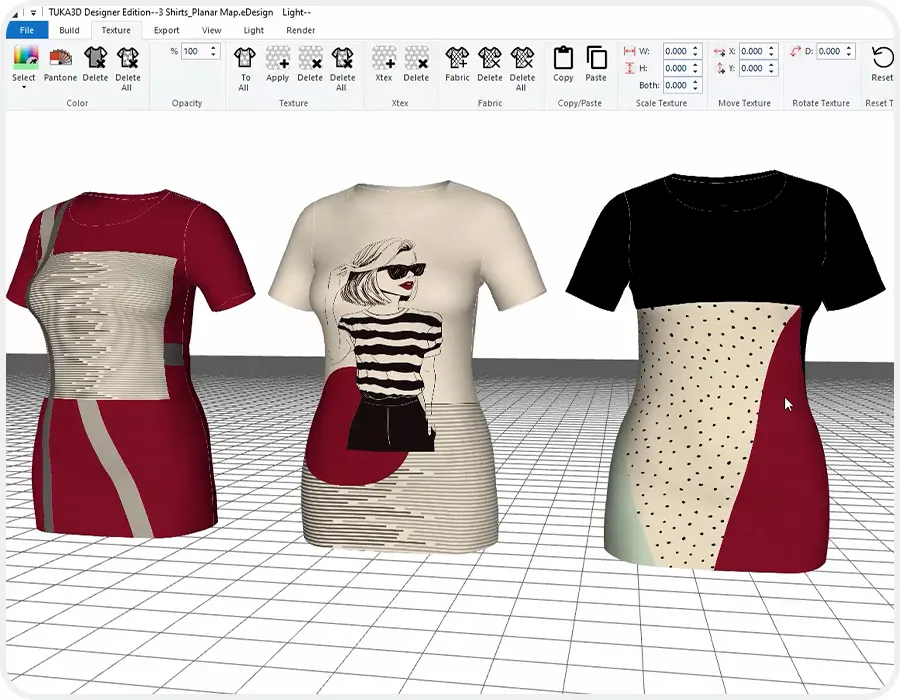
But here’s the part most articles leave out: A Salesman Sample tests demand signals, not absolute certainty. Even if feedback is positive, you still need to analyze whether that means scaleable demand. A sample might sell 5 pieces in a boutique event, but does that scale to 500 or 5,000?
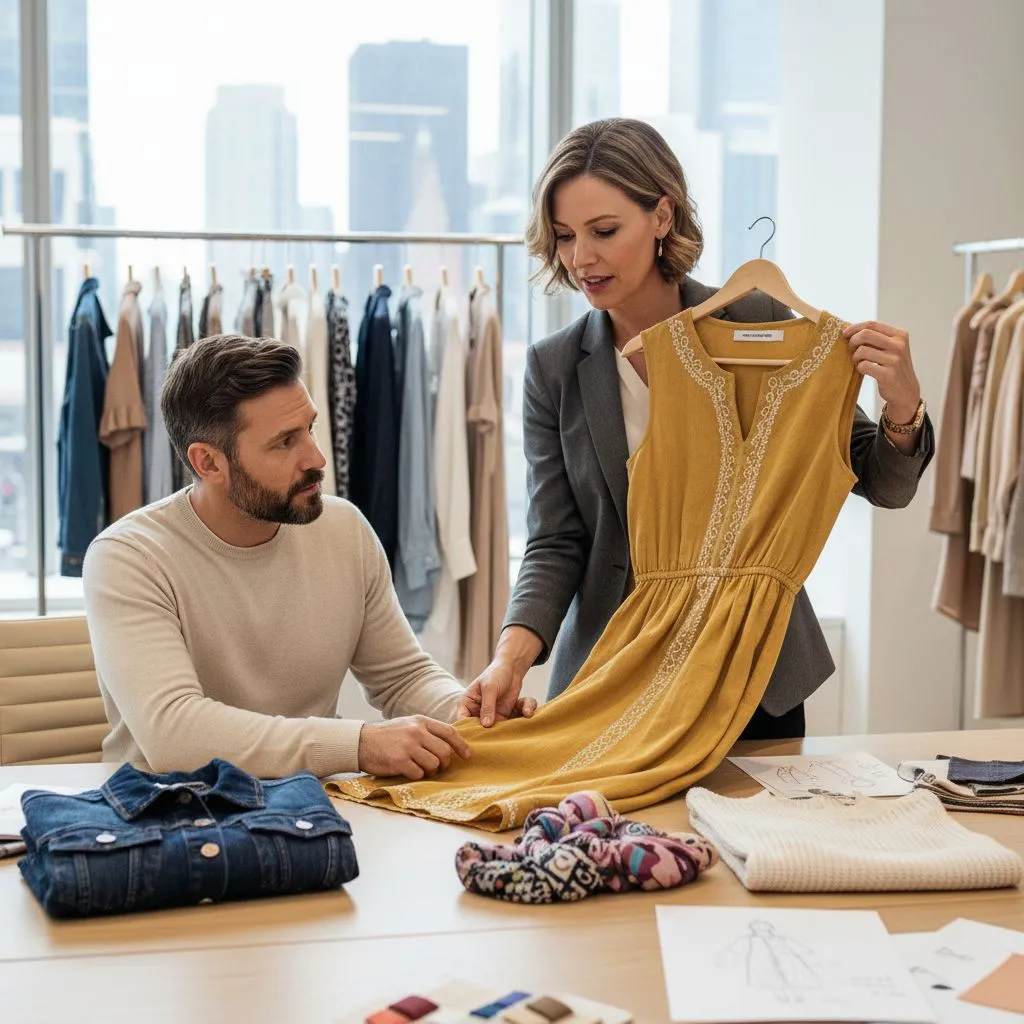
How Many Do You Need? (And Why This Number Isn’t a Rule)
Many sources say 200–600 pieces per style. That range is common — but here’s the critical point: This is not a universal rule. It’s a guideline based on traditional retail, not a hard requirement.
For direct-to-consumer brands:
- You may need fewer pieces if your digital launch gives fast feedback.
- A flash sale of 50–100 units can reveal true demand quickly.
For wholesale:
- Larger quantities might be necessary just to satisfy multiple accounts.
So the question isn’t how many, but:
- “How many pieces do I need to generate reliable demand signals without overspending?”
A Better Way to Use Salesman Samples
Most brands treat Salesman Samples as a routine step. That’s a mistake. The real value comes when you use them as a decision tool, not just a product preview. A better approach is to start with a clear question, test it in the market, and let the result guide your next move. Instead of treating Salesman Samples like a checkbox, use them as part of a decision framework:
1. Hypothesis
Before you cut fabric, you need a clear guess you can test. That’s your hypothesis: a short assumption about what will sell and why. Without it, your Salesman Sample becomes “just feedback,” and feedback is messy. A good hypothesis forces you to define what success looks like. Define what you’re testing. Example: “We think our buyers will prefer slim fit tees in navy and ivory at $29 retail.”
2. Sample Launch
This is where your test becomes real: you put the Salesman Sample in front of the right buyers. A sample launch isn’t “posting a photo and hoping”—it’s a controlled release to gather clean signals. Choose the channel that matches your business (wholesale, pop-up, D2C drop, showroom). If you launch in the wrong place, the feedback will be misleading, even if the product is good. Produce the sample and present it to real customers.
3. Collect Signals
This step is where most brands mess up: they collect opinions, not signals. “It’s cute” or “I like it” doesn’t tell you if people will actually buy. You want actions you can track pre-orders, add-to-cart, try-ons, buyer commitments, repeat questions about price and sizes. The goal is to turn reactions into measurable proof.
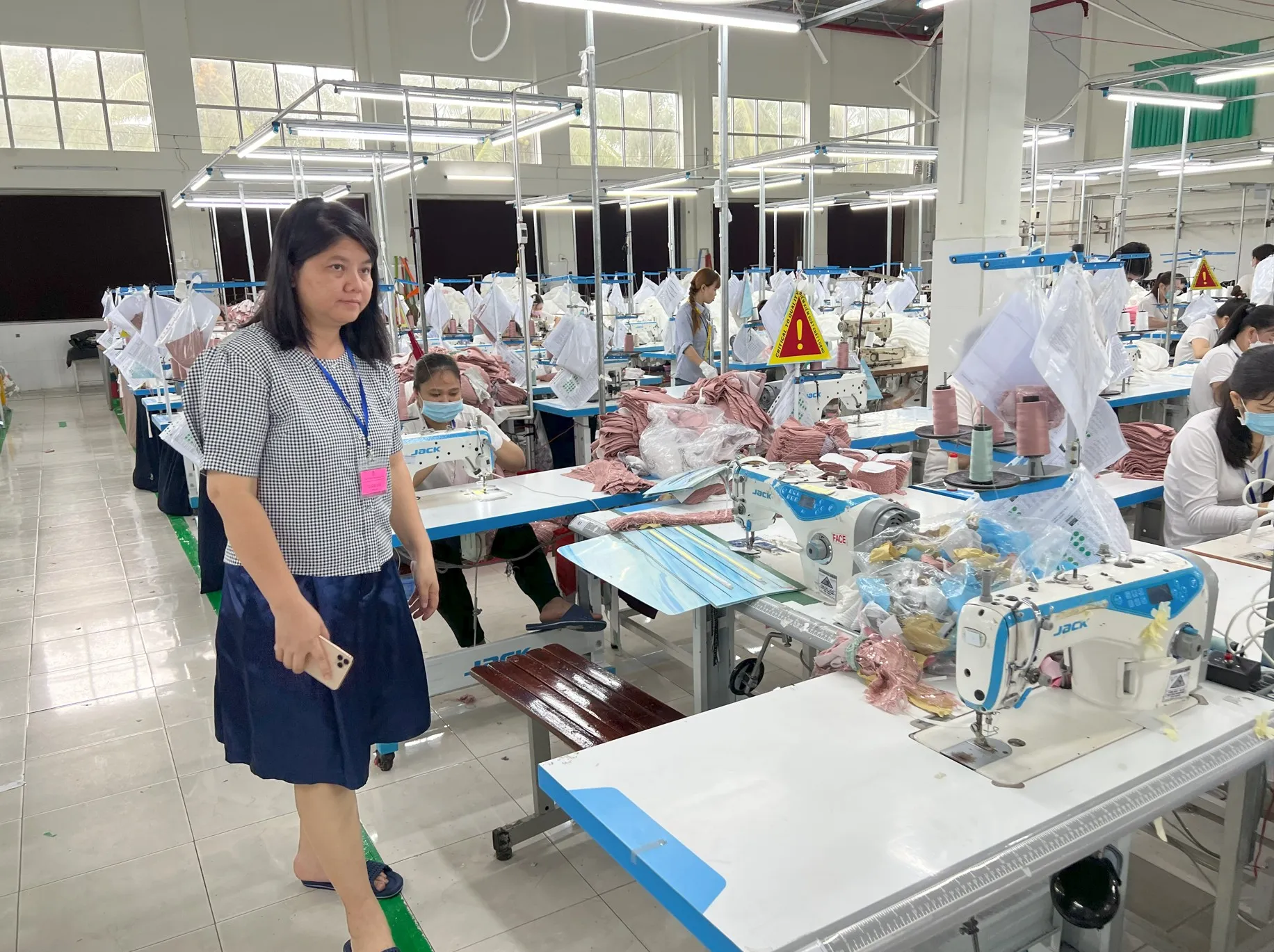
Use real KPIs, such as:
- Sell-through rate
- Waitlist sign-ups
- Customer pre-orders
4. Decision Point
This is the moment where the Salesman Sample proves its value or exposes a mistake. You stop collecting feedback and make a call: go, adjust, or stop. Waiting for “more opinions” only delays the same decision. A clear decision point protects your cash, timeline, and team focus. Decide:
- GO — move to production
- NO-GO — cancel, pivot, adjust
This mindset turns Salesman Samples into data, not feelings.
Common Mistakes to Avoid
Salesman Samples can save you money unless you use them the wrong way. Many brands treat them like a “normal step” and end up wasting time, budget, and momentum. The biggest danger isn’t making a bad sample; it’s making decisions based on messy, misleading feedback. Here are the mistakes that most often turn a Salesman Sample into an expensive distraction.
- Producing samples without a clear testing goal
- Treating one boutique success as a universal trend
- Forgetting to track specific performance metrics
- Using Salesman Samples when you already have reliable sales forecasts
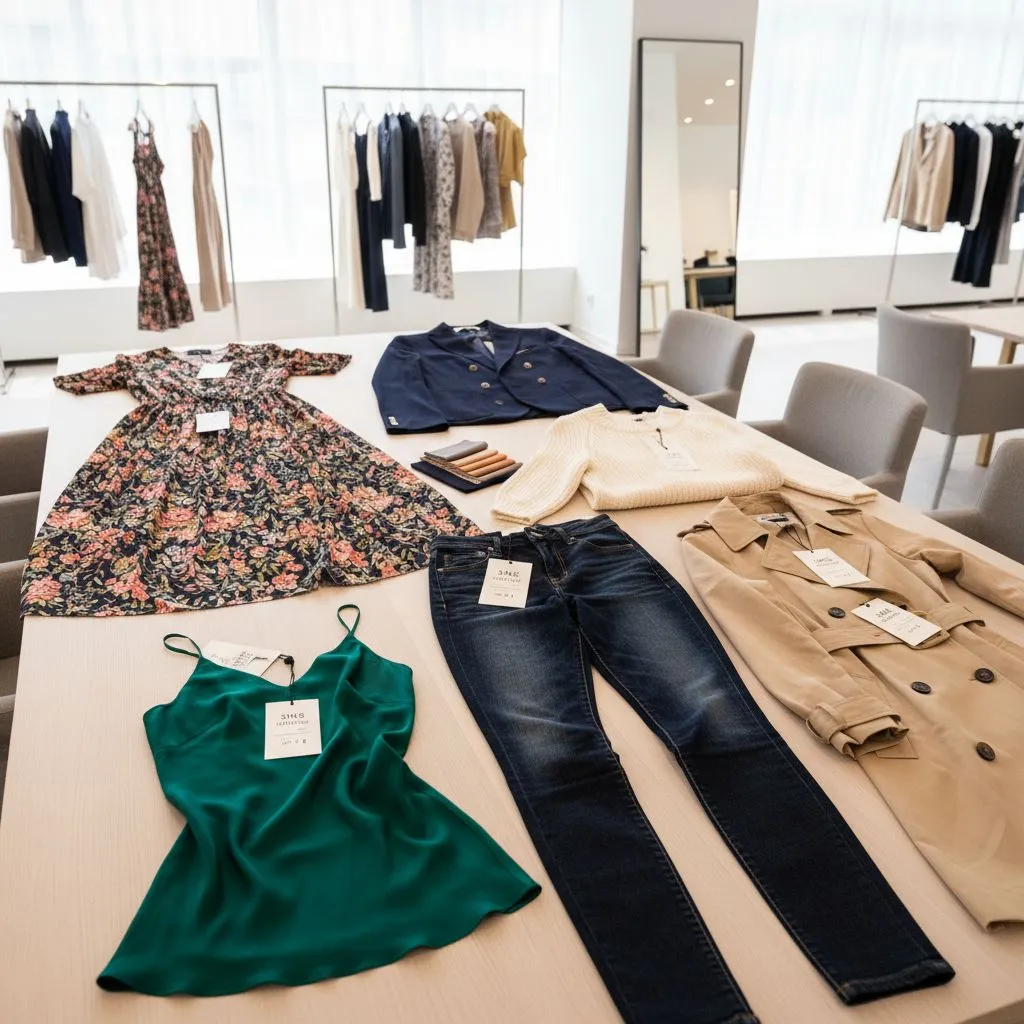
Conclusion: It’s a Tool Not a Silver Bullet
A Salesman Sample can save money and validate demand, but only if used thoughtfully The biggest mistake is turning it into a ritual rather than a strategic test. Ask yourself before you make one:
- What question am I trying to answer?
- What will I measure?
- How will this data change my decision?
When you answer those honestly, Salesman Samples become one of your strongest allies — instead of just another production cost.