Size Set Sample: What It Is, Why You Need It and How to Validate XS to XL Before Bulk Production

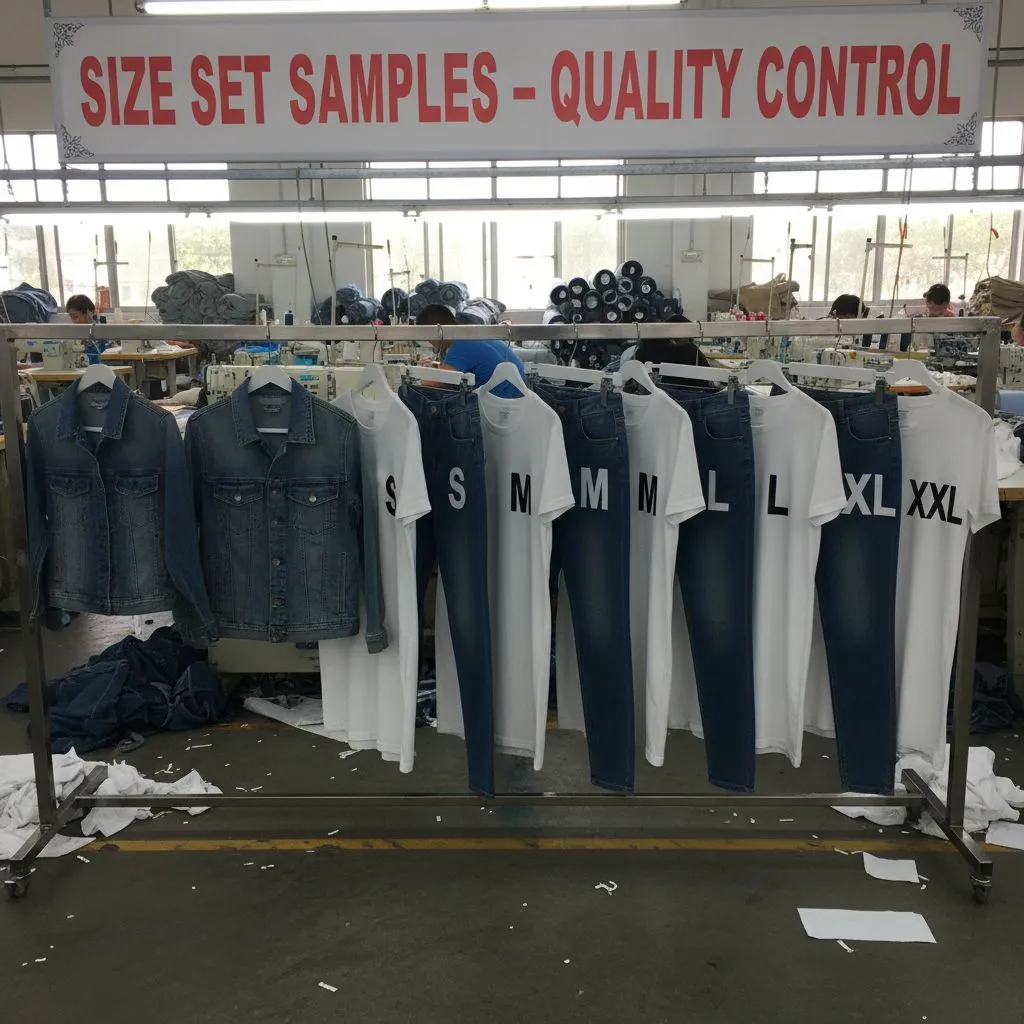
If you’re producing clothing for the first time (or scaling up), sizing can become your biggest headache. A sample that looks perfect in one size can turn into a disaster when you make the full size range. That’s exactly why Size Set Samples exist. A Size Set Sample is a set of samples made in multiple sizes (for example: XS, S, M, L, XL) so you can confirm the sizing is correct before bulk production. It helps you avoid expensive mistakes, refunds, and unhappy customers.
=> Related Article: 8 Types of Garment Samples You Need for Bulk Orders
Types of Garment Samples In Garments Factory:
- Prototype Sample in Garment Production? (And How to Make One Step-by-Step)
- Fit Sample and Why You Need It in Garment Production.
- Size Set Sample: What It Is, Why You Need It.
- Counter Sample in Garment Manufacturing? (And Why Brand Owners Need It)
- Salesman Sample, And When Do You Really Need One?
- Pre-Production Sample (PP Sample) in Garment Manufacturing, and Why It Matters More Than You Think
- Top Production Sample (TOP Sample), and Why Brand Owners Actually Need It
- Shipment Sample in Garment Manufacturing?
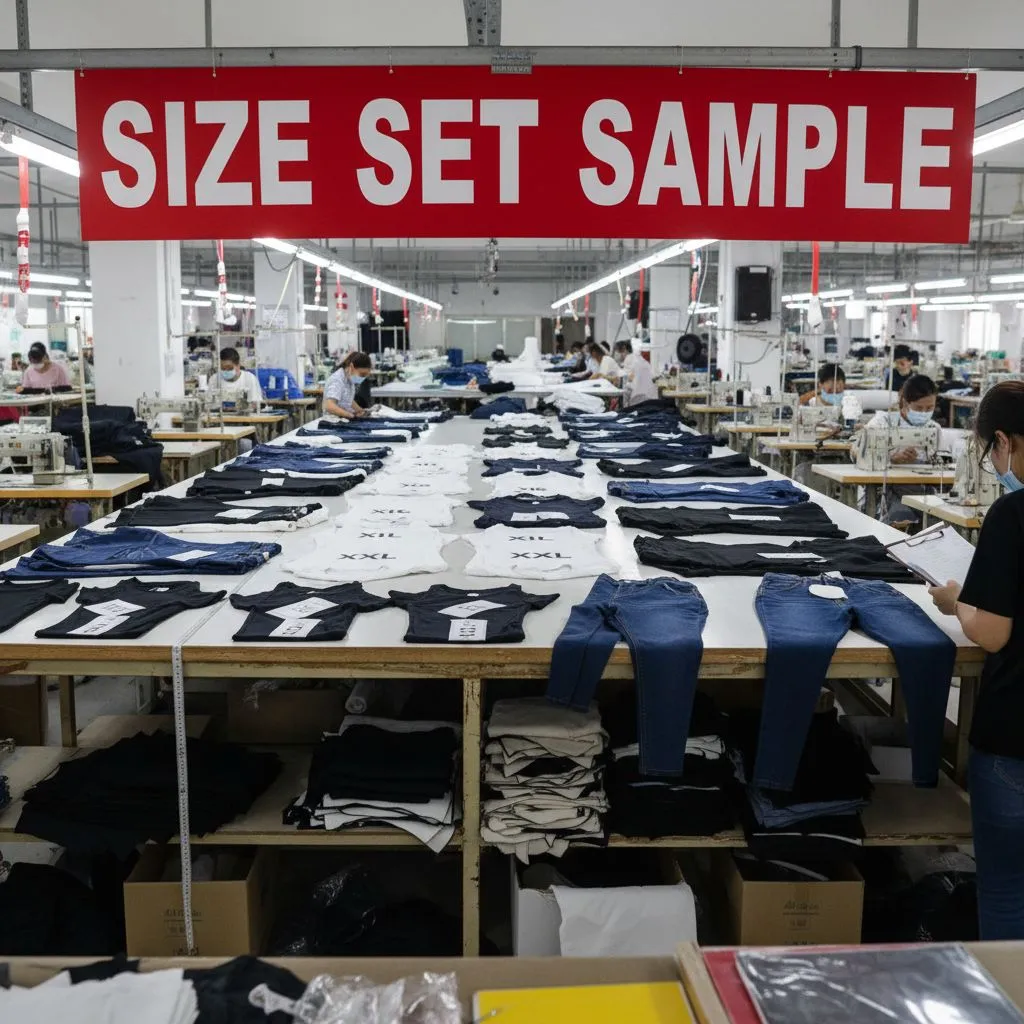
What Is a Size Set Sample?
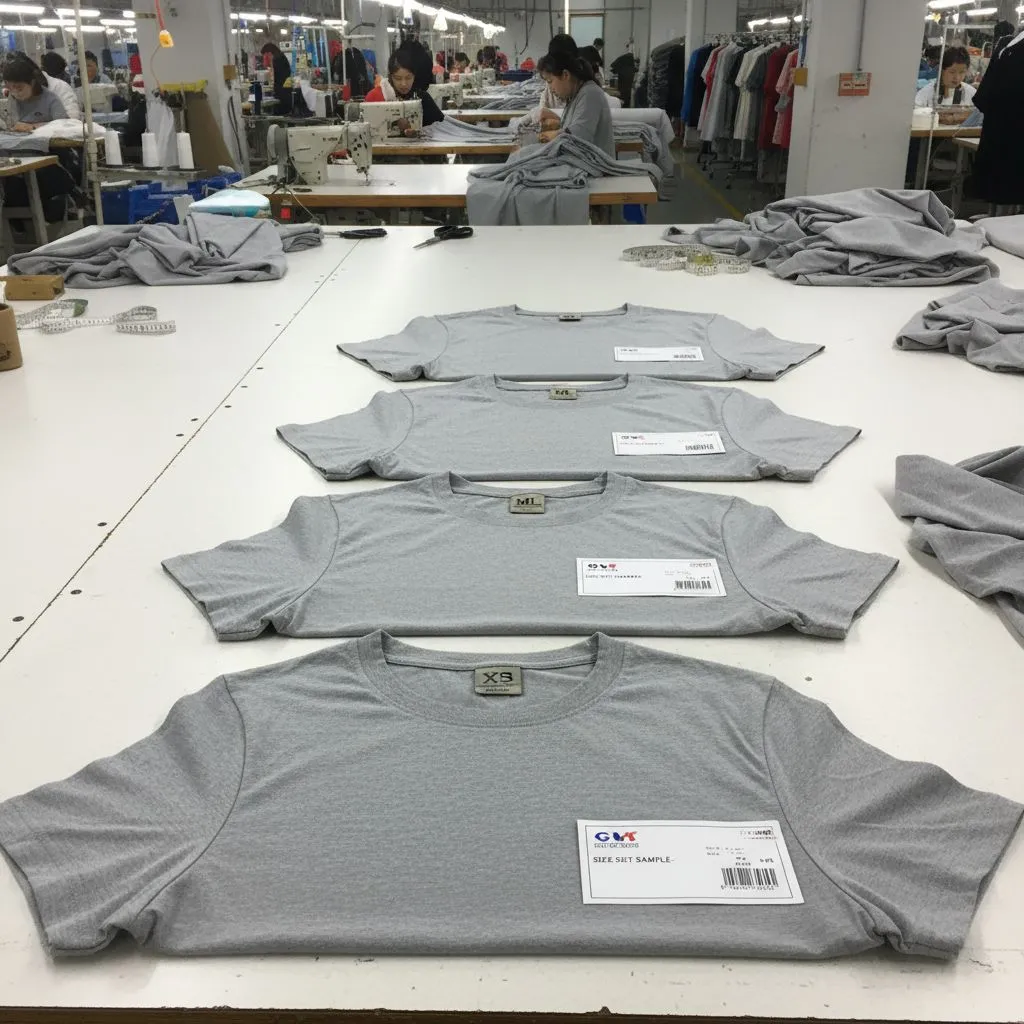
A Size Set Sample is a group of garments sewn in different sizes from your size chart, using the same approved design and construction. Instead of testing only one sample size (like “M”), you test the whole range. This lets you check whether:
- Each size matches the size chart measurements
- The size jumps between sizes are logical and consistent
- The garment keeps the same shape and proportions across sizes
Size Set Sample vs Fit Sample (Don’t Mix These Up)

Many small brands confuse these two:
- Fit Sample = checks how the garment fits in one size (often your base size, like S or M)
- Size Set Sample = checks if sizing is correct across multiple sizes
Key idea:
- Fit Sample answers: “Does this garment fit well in size M?”
- Size Set answers: “Do ALL sizes fit and grade correctly from XS to XL?”
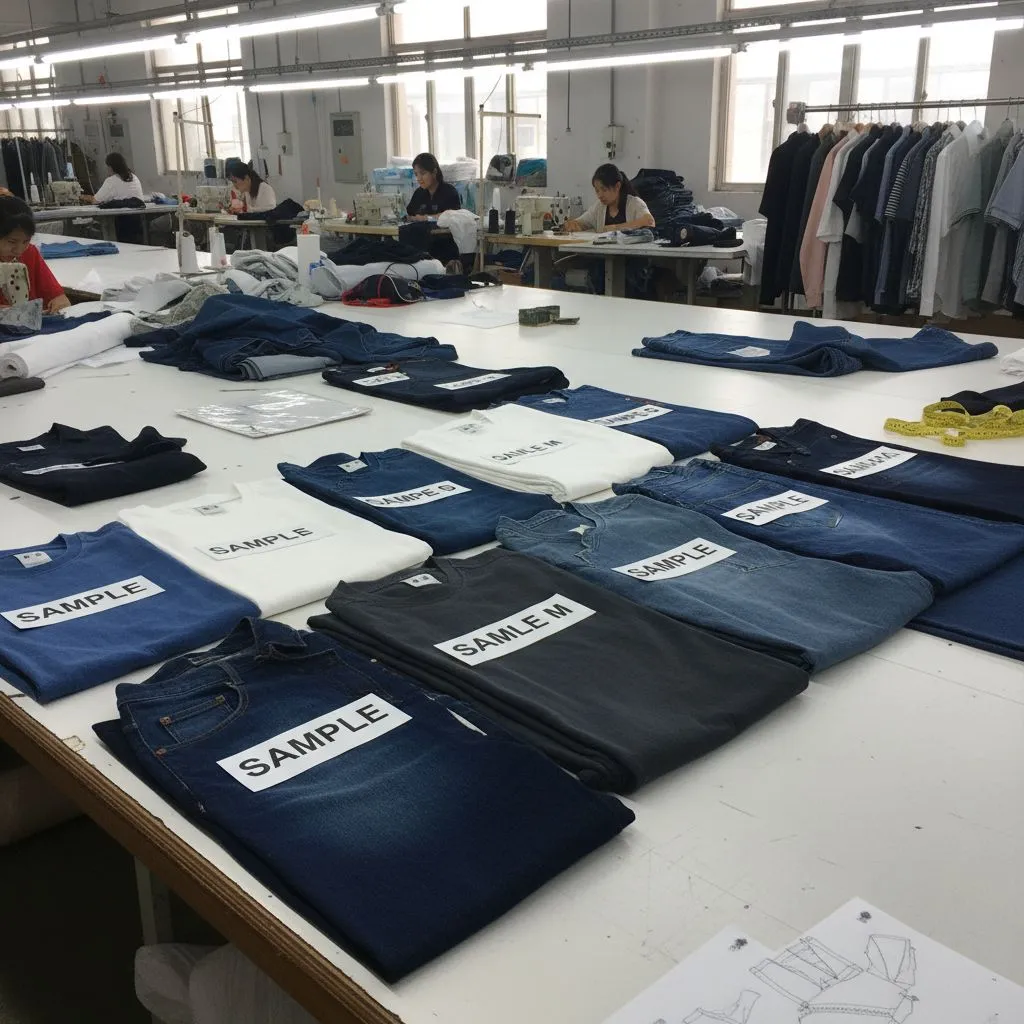
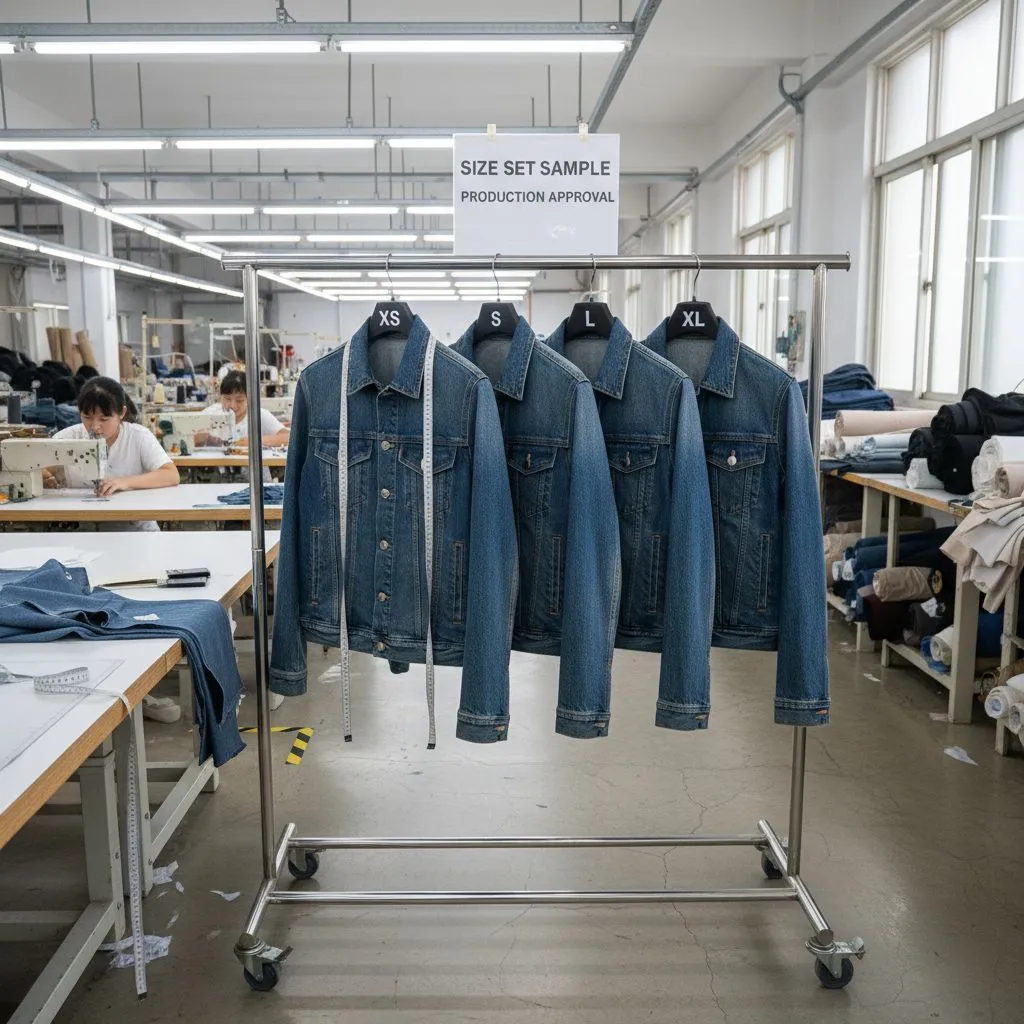
A Size Set Sample is a set of garment samples made in multiple sizes from the approved size chart. For example, a size set may include: XS + S + M + L + XL Instead of evaluating only one base size, the brand checks how the garment behaves across the complete size range.
Why Size Set Samples Matter for Small Brands
1) Sizing mistakes are expensive
If you produce 300–1,000 pcs and discover size problems after bulk, you may face:
- Returns and exchanges
- Bad reviews (“Sizing is inconsistent”)
- Discounts to move unsellable stock
- Rework costs or even canceled orders
A Size Set Sample is cheaper than fixing bulk mistakes.
Avoiding expensive bulk sizing mistakes – Sizing errors can become very expensive once bulk production is completed.
2) Your customers judge your brand by sizing consistency
Even if your product looks great, inconsistent sizing will ruin trust fast. Customers remember:
- “Their small fits like a medium”
- “Their sizes change depending on color/style”
Size Set helps you build a reliable size reputation.
3) It helps you confirm your size chart is realistic
Sometimes the issue is not the factory, it’s the brand’s size chart. Size Set gives you a chance to confirm:
- Are your measurements achievable?
- Do the sizes “step” correctly?
- Do proportions still look good in bigger/smaller sizes?
When Do You Need a Size Set Sample?
You should request a Size Set Sample when:
- You are producing multiple sizes: If your order includes XS–XL or S–XXL, you need it.
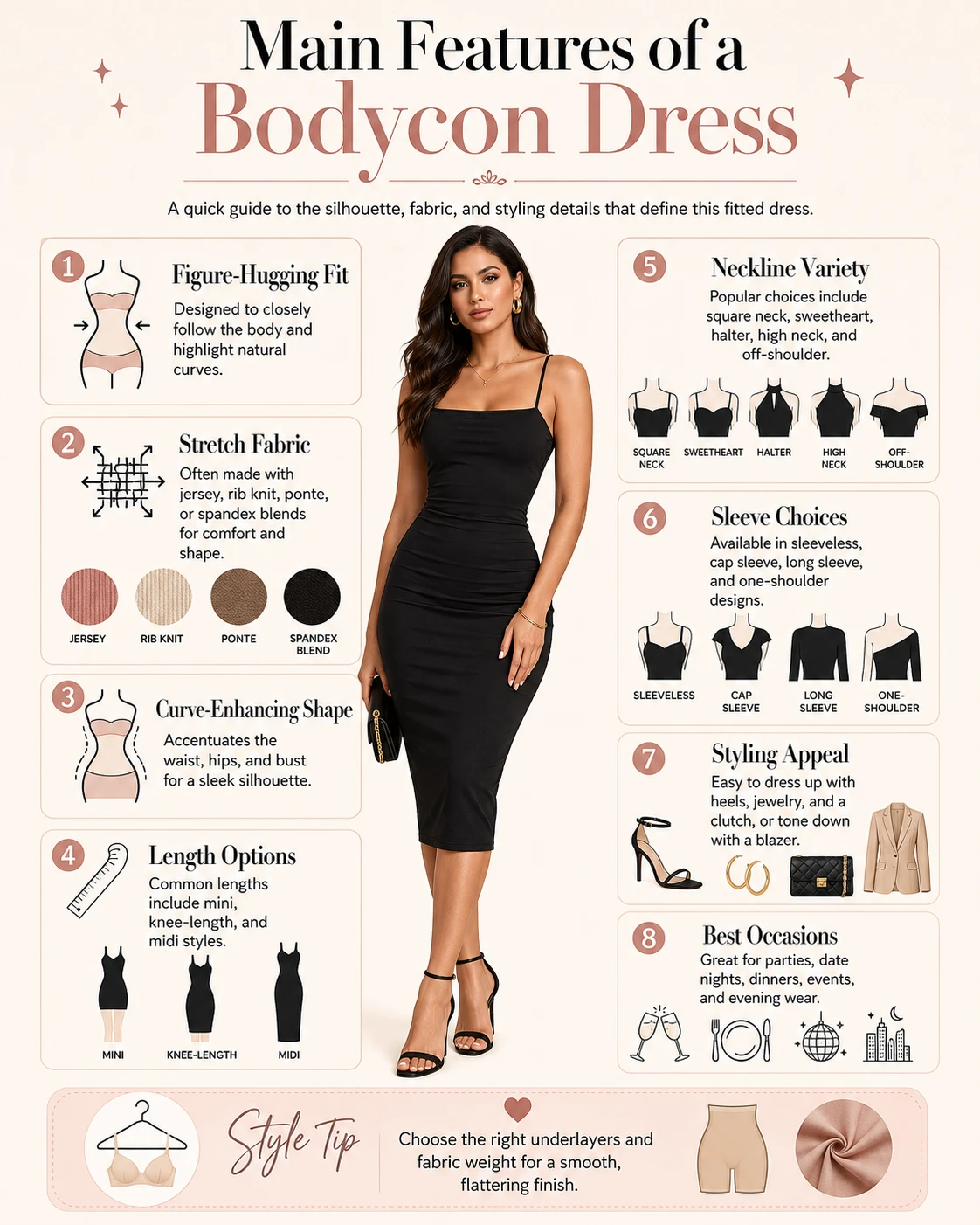
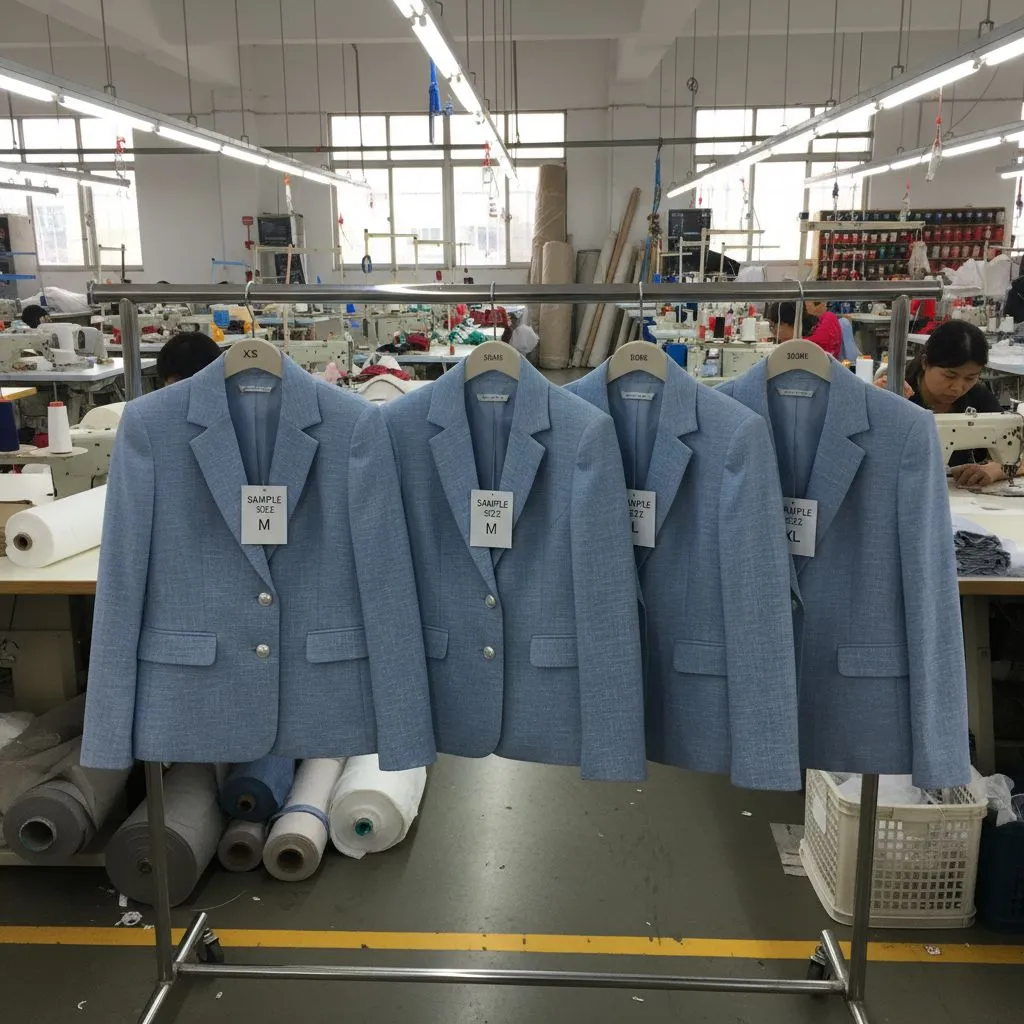
- It’s a fitted style. Examples: Tailored pants, Bodycon dresses, Structured blazers, Shirts with precise shoulder/chest fit. The more fitted the garment, the higher the risk.
- New pattern / new factory / new fabric – Size behavior can change when: Fabric has more stretch, Shrinkage is different after wash, Construction method changes, Pattern maker is different
- You plan to scale production: If you plan to reorder or grow the brand, Size Set becomes your quality “checkpoint.”
The Size Set Sample Process (Step-by-Step)
Size problems in bulk are expensive. A Size Set Sample is your chance to catch grading and measurement issues early, when fixes are still fast and affordable. Here’s the step-by-step process from using the approved Fit Sample as the base, to reviewing measurements and giving clear feedback so you can approve sizes with confidence. Here’s the typical workflow, explained simply.

Step 1: Approve your Fit Sample first
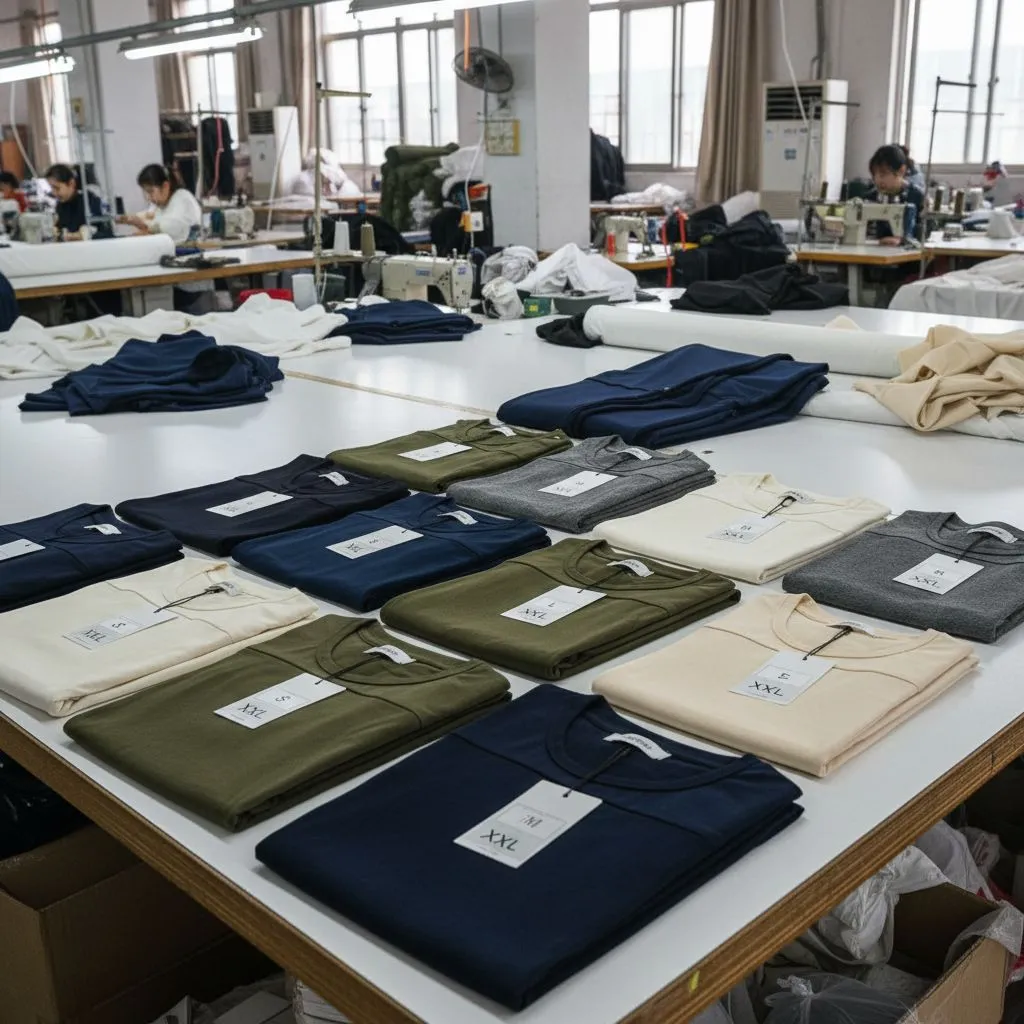
Do not begin the Size Set stage before the Fit Sample has been approved. The reason is simple: The graded sizes are based on the approved base size. If the base fit is wrong, grading will spread that problem into every other size. Therefore: Weak Base Fit mean Weak Graded Size Range The Fit Sample must become the stable foundation first.
Image:”You should not jump into Size Set until your Fit Sample is confirmed. Because Size Set uses the approved fit as the “base.””
Step 2: Confirm your size chart + measurement method
Before making Size Set, make sure everyone measures the same way. Examples of measurement confusion: Chest measured “flat” vs “around”, Waist at natural waist vs garment waistline, Inseam vs outseam mixing. Tip: Ask for a measurement guide or “how to measure” page in your tech pack.
Step 3: Factory grades the pattern (grading)
Grading means scaling the base pattern into different sizes. This is where many problems happen for small brands: Sizes increase too much in width but not length, Armholes become too tight, Shoulder slope changes incorrectly. For example: M → XS, S, L, XL This is a technical stage where many problems can appear. The source identifies examples such as:
- Width increasing too much
- Length not increasing enough
- Armholes becoming too tight
- Shoulder slope changing incorrectly

Pattern grading should therefore be reviewed, not assumed to be correct.
Step 4: Factory sews samples in each size
After grading, the factory sews the actual Size Set Samples. Ideally, the factory should use:
- Correct fabric
- Correct trims
or materials as close as possible if final materials are not yet available. The goal is to make the size samples represent the intended production garment as closely as practical.
This is the actual Size Set Sample. Ideally, they use: Correct fabric (or as close as possible), Correct trims (or close substitutes if not ready).
Step 5: Brand checks measurements + fit logic
This is your job as the brand owner. You should check two things: Measurement accuracy (Does each size match your size chart?) and Grading logic (Does the shape look consistent?).
Step 6: Feedback and correction (if needed)
If something is wrong, the factory should adjust: The pattern grading, The size chart (if the chart is unrealistic), Construction details affecting measurement. Only after Size Set is approved should you move to: PPS (Pre-Production Sample) or bulk production.
What Should You Check on a Size Set Sample?
Once you receive your Size Set Samples, don’t rush to approve them just because the stitching looks nice. This is the stage where you confirm that each size matches your size chart and that the shape stays consistent from the smallest size to the largest.
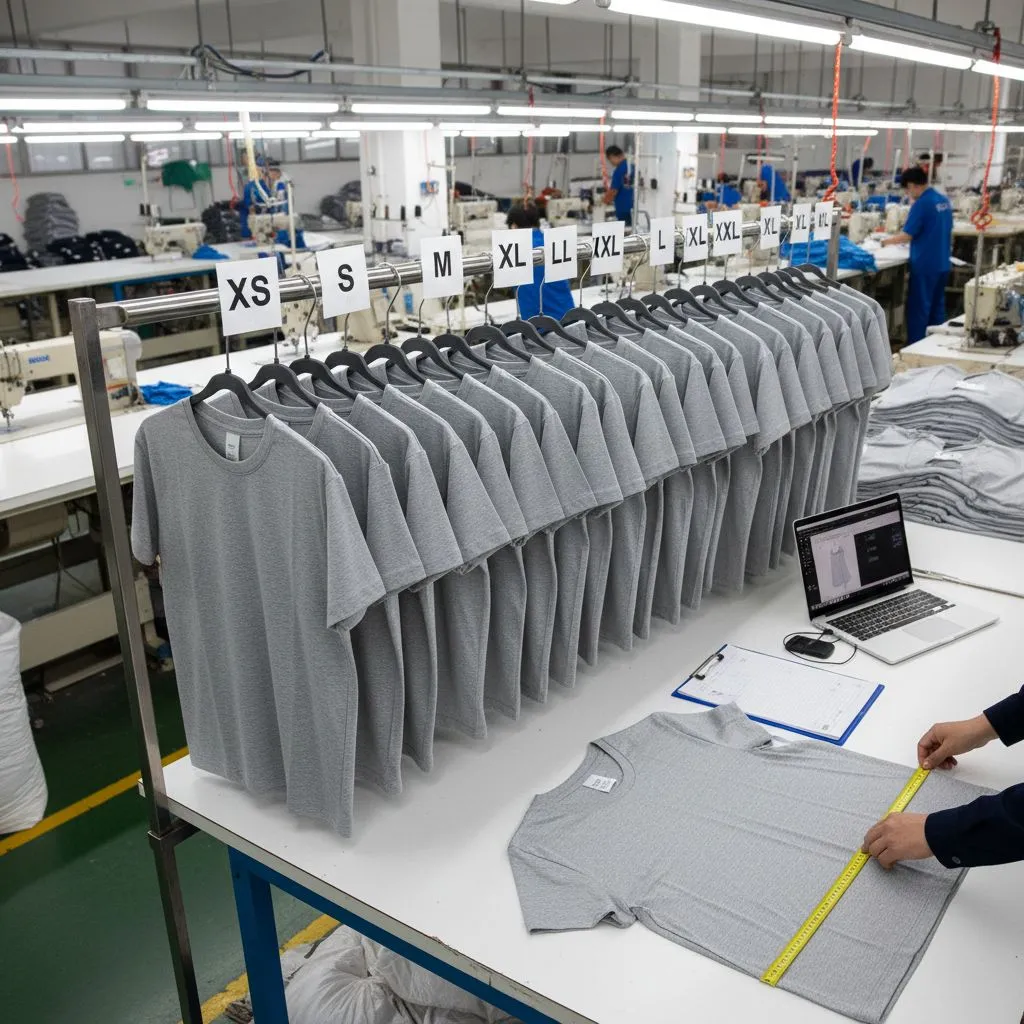
Here’s a simple checklist for small brands:
- Measurement accuracy (Chest, Waist, Hip, Shoulder, Sleeves, Body length)
- Proportion consistency (Neck opening, Armholes balance)
- Fabric behavior (Shrinkage after wash, Stretch recovery)
1. Measurement Accuracy
Check whether each size matches the approved size chart. Important points may include:
- Chest
- Waist
- Hip
- Shoulder
- Sleeve
- Body length
Do not assume one correct measurement means the whole garment is correct.
2. Proportion Consistency
Compare all sizes visually. Check whether important areas remain balanced, including:
- Neck opening
- Armholes
- Shoulder
- Overall silhouette
For example, size XL should not simply look like size M stretched wider. The proportions should remain intentional.
3. Fabric Behavior
The source also recommends considering fabric behavior. Important points include:
- Shrinkage after washing
- Stretch
- Stretch recovery
Fabric behavior can affect final garment measurements and fit.
Common Size Set Mistakes Small Brands Make
- Mistake 1: Skipping Size Set to save money. This often costs more later through returns and rework.
- Mistake 2: Only checking measurements, not proportions. A size can “match the chart” and still look wrong.
- Mistake 3: Using the wrong base size. If your base fit is weak, grading will multiply the problem.
- Mistake 4: Unclear measurement method leading to slow feedback.
What Happens If You Skip the Size Set Sample?
Skipping the Size Set means moving into production without fully confirming the graded size range.
Potential results include:
- Small sizes fitting too tight
- Large sizes becoming too loose
- Incorrect length progression
- Armhole problems
- Shoulder imbalance
- Higher return rates
- Inconsistent customer experience
The problem becomes more expensive because it is repeated across bulk quantities.

Final Thoughts / Conclusion
A Size Set Sample may feel like an “extra step,” especially for small brands trying to save time and budget. But here’s the honest truth: skipping or rushing Size Set is one of the most expensive ways to learn sizing lessons. A Size Set Sample is one of the best “insurance steps” in apparel production. It helps you confirm that:
- Your sizing is consistent
- Grading is correct
- Customers will receive reliable sizes
- Bulk production won’t turn into a costly mistake
If you want your brand to grow, don’t treat Size Set as optional. Treat it as the step that protects your quality and your reputation.
FAQs About Size Set Samples in Garment Production
1. In Short, What Is a Size Set Sample?
A Size Set Sample is a group of garment samples made in several sizes from the approved size chart, such as XS, S, M, L, and XL. Its purpose is to confirm that measurements, grading, and proportions are correct across the size range before bulk production.
2. Why Do Clothing Brands Need a Size Set Sample?
A Size Set Sample helps brands identify sizing problems before producing hundreds or thousands of garments. It can reduce the risk of returns, exchanges, customer complaints, rework, unsellable stock, and inconsistent sizing.
3. Is a Size Set Sample the Same as a Fit Sample?
No. A Fit Sample checks the fit of one base size, often S or M. A Size Set Sample checks whether the approved base size has been graded correctly into multiple sizes. Fit Sample = One Base Size. Size Set Sample = Multiple Sizes
4. Which Comes First: Fit Sample or Size Set Sample?
The Fit Sample should be approved first. The approved Fit Sample becomes the base for pattern grading. The normal sequence is: Fit Sample Approval => Pattern Grading => Size Set Sample => Size Approval
5. What Sizes Are Usually Included in a Size Set Sample?
The exact size range depends on the brand and production order. A common example is XS, S, M, L, and XL. Another range may be S, M, L, XL, and XXL.
6. What Is Pattern Grading?
Pattern grading is the process of increasing or decreasing an approved base pattern into different garment sizes. For example, a size M base pattern may be graded into XS, S, L, and XL.
7. Why Can Pattern Grading Go Wrong?
Problems can happen when garment measurements do not increase or decrease correctly. For example, width may increase too much, length may increase too little, armholes may become too tight, or shoulder proportions may change incorrectly.
8. Can a Garment Match the Size Chart but Still Look Wrong?
Yes. A garment may match the measurement chart but still have poor proportions. The neck opening may be too large, the armhole may be too deep, or the shoulder and sleeve proportions may look unbalanced. Correct Measurements isn’t Automatically Correct Proportions
9. What Measurements Should Be Checked on a Size Set Sample?
Important measurements may include chest, waist, hip, shoulder, sleeve length, and body length. Other garment-specific measurements should also be checked when necessary.
10. Should You Check Proportions as Well as Measurements?
Yes. A proper Size Set review should include both measurement accuracy and visual proportion. The garment should maintain the intended shape and design identity across all sizes.