
Cotton–linen blends are often marketed as the “best of both worlds,” promising the airy texture of linen with the softness and easier care of cotton. While this sounds ideal, understanding how these fibers interact in practice is essential for garment production. This article explains the technical characteristics of cotton–linen blends, how they perform under different conditions, and when they are a better choice than pure fibers.
Why Cotton and Linen Are Blended
Garment manufacturers blend cotton and linen to solve specific performance issues inherent in each fiber. Linen provides unmatched breathability but can be rigid and prone to severe wrinkling. Cotton adds softness and improves elasticity. By combining them, we create a fabric that is easier to wear and maintain while retaining a premium, natural aesthetic.
- Improved Comfort: Pure linen can feel coarse initially. Cotton softens the hand-feel, making the fabric gentler on sensitive skin.
- Reduced Wrinkling: Linen fibers are rigid and crease easily. Cotton helps the fabric “recover” more quickly from folds.
- Increased Versatility: Cotton adds density and body, making the blend suitable for transitional seasons like spring and fall.
Key Characteristics of Cotton–Linen Blends
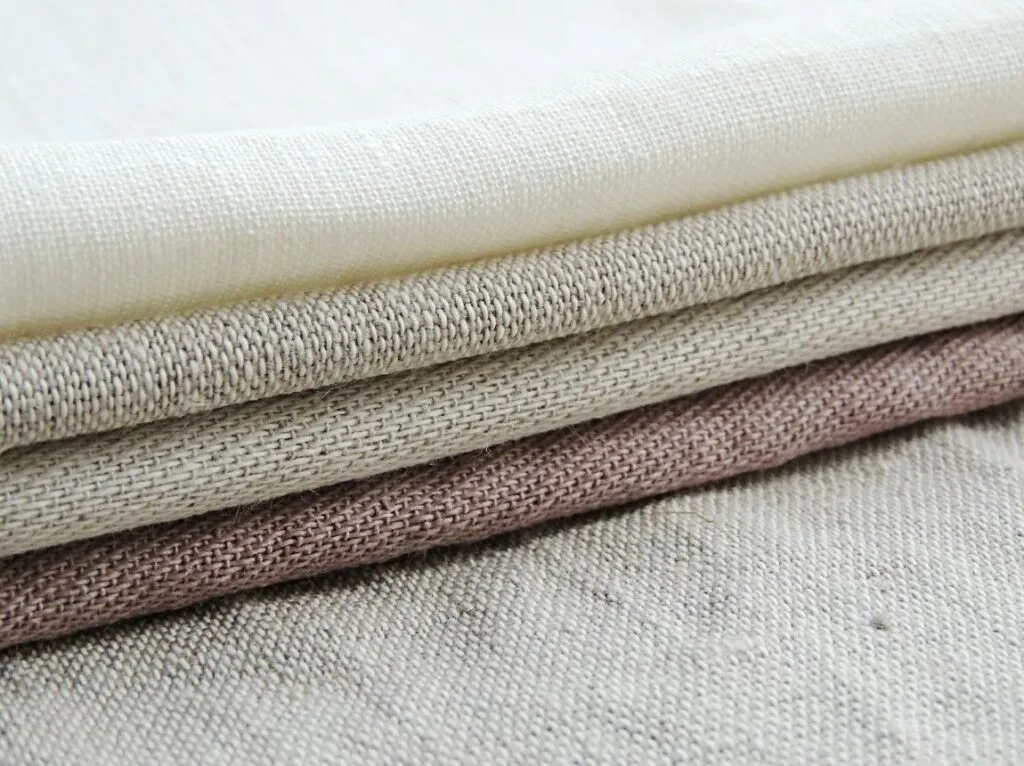
Cotton–linen blends sit in the “sweet spot” of natural textiles. However, the exact performance depends on the blend ratio (e.g., 55/45 or 70/30), the weave structure, and the finishing processes used during manufacturing.
- Breathability vs. Cooling: While highly breathable, a blend is generally warmer than pure linen. In extreme tropical humidity, pure linen remains the technical winner for cooling.
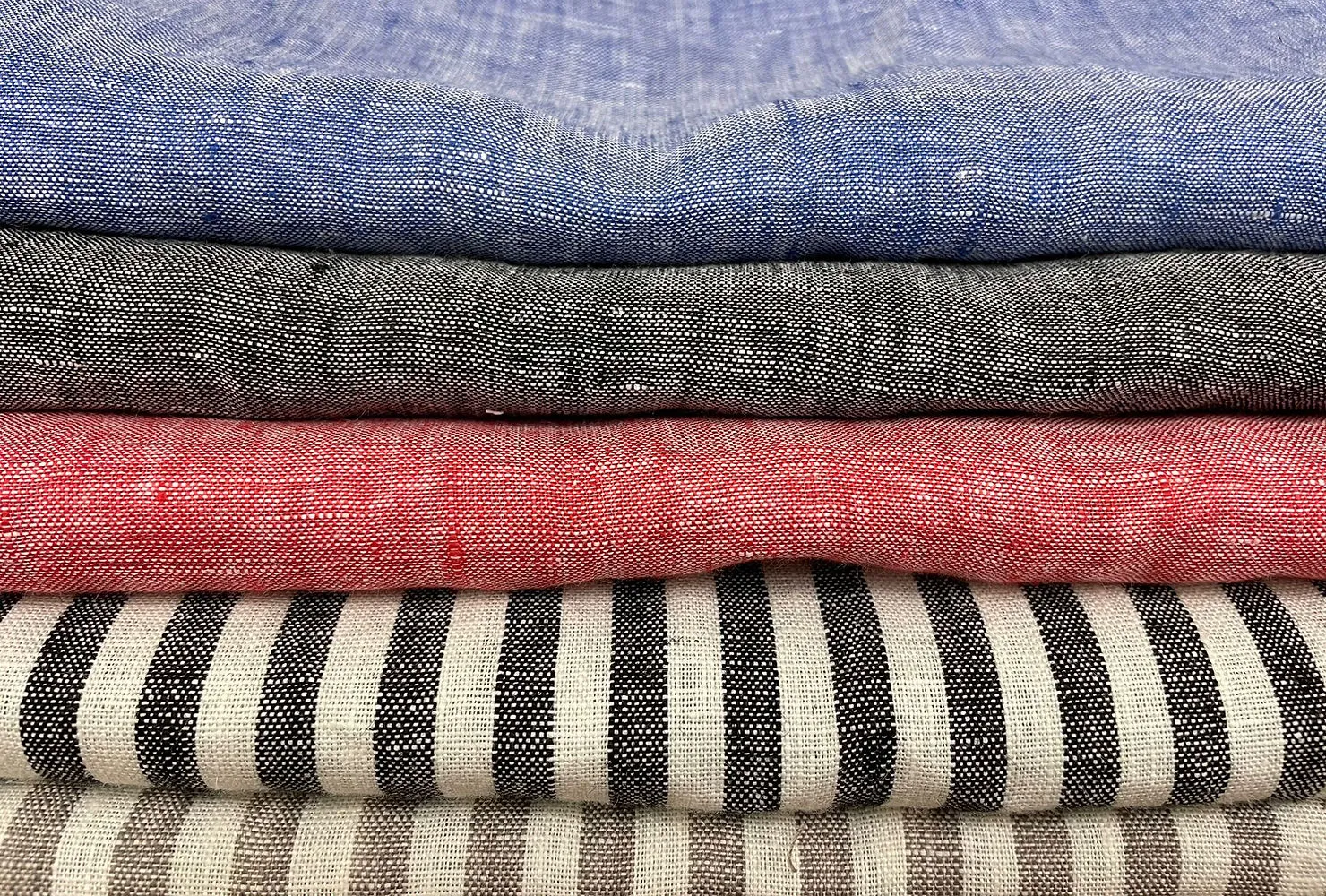
- Texture: Blends retain the characteristic “slubby” look of linen but appear more polished and less rustic than 100% linen.
- Durability: Linen is one of the strongest natural fibers. Blending it with cotton increases the fabric’s overall tensile strength and resistance to thinning over time.
- Weight and Drape: Blends are often denser than pure linen, providing a superior drape for trousers, structured shirts, and tailored dresses.
Comparison: Cotton–Linen vs. Pure Cotton vs. Pure Linen
Choosing the right fabric depends on the intended use and the target market’s lifestyle. Use this technical comparison to guide your sourcing decisions:
| Feature | Cotton–Linen Blend | Pure Cotton | Pure Linen |
|---|---|---|---|
| Softness | Medium–High | High | Low initially |
| Breathability | High | Medium | Very High |
| Wrinkling | Medium | Low | High |
| Durability | High | Medium | Very High |

When to Choose a Cotton–Linen Blend
At Mekong Garment, we recommend cotton–linen blends for specific applications where performance and style must be balanced:
- Casual-Smart Apparel: Perfect for shirts, relaxed blazers, and summer trousers.
- Resort Wear: Provides the look of luxury without the high-maintenance care of pure linen.
- Home Textiles: Ideal for bedding, curtains, and table linens where durability and a natural look are required.
Conclusion
Cotton–linen blends are a strategic choice when you want a fabric that combines comfort, natural texture, and durability. They offer a more stable production route for brands that want to avoid the extreme wrinkling of pure linen while offering more character than basic cotton. For successful garment manufacturing, always match the blend ratio and fabric weight to the specific climate and end-use of your collection.
FAQs: Common Questions About Cotton–Linen Blends
Inshort, What is a cotton–linen blend?
A cotton–linen blend is a fabric made by combining cotton fibers with linen fibers in one fabric. The purpose is to balance cotton’s softness with linen’s breathability and texture. It is not a new fiber, just a blend of two natural ones.
Why are cotton and linen blended together?
They are blended to reduce some downsides of pure linen, such as stiffness and heavy wrinkling, while keeping better airflow than cotton alone. However, blending always involves trade-offs, not upgrades in every area.
Are cotton–linen blends breathable?
Yes, they are breathable, but they are usually less breathable than 100% linen. Breathability depends on fabric weight, weave, and blend ratio, not just the fiber names.
Is a cotton–linen blend better than pure linen?
Not always. Cotton–linen blends are easier to wear and softer, but pure linen still performs better in extreme heat. “Better” depends on comfort preference, climate, and garment use.
Do cotton–linen blends wrinkle less than pure linen?
They wrinkle less sharply than pure linen, but they still wrinkle. Many people expect blends to be wrinkle-free, which is incorrect. The wrinkles are simply softer and less dramatic.
Are cotton–linen blends softer than linen?
Usually yes, because cotton softens the hand feel. That said, softness varies based on fiber quality, weave, and finishing. A high-linen blend can still feel rough.