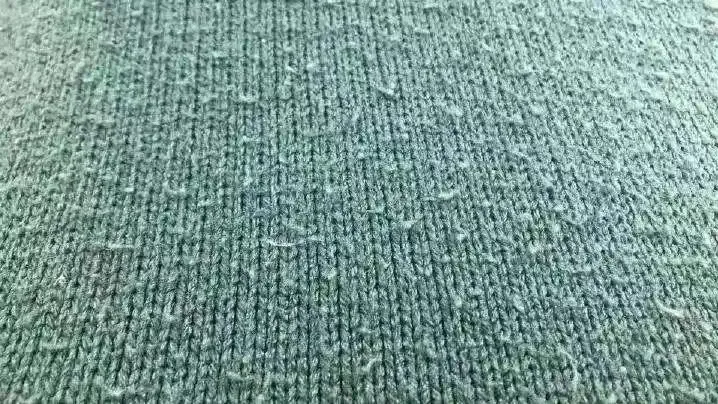

Yes, often. Cotton blends, especially cotton-polyester, frequently appear to pill more than 100% cotton. This is primarily because strong synthetic fibers act as “anchors,” preventing pills from breaking off and disappearing. However, fiber composition is not the only factor; 100% cotton can also pill significantly if it utilizes low-quality short-staple fibers, low yarn twist, or a loose knit construction. Understanding the mechanics of pilling is essential for making informed fabric sourcing decisions.
=> Related Article: How to Remove Pilling from Fabric: The 5 Methods for Every Type of Clothing
What is Fabric Pilling? (The 4-Stage Process)
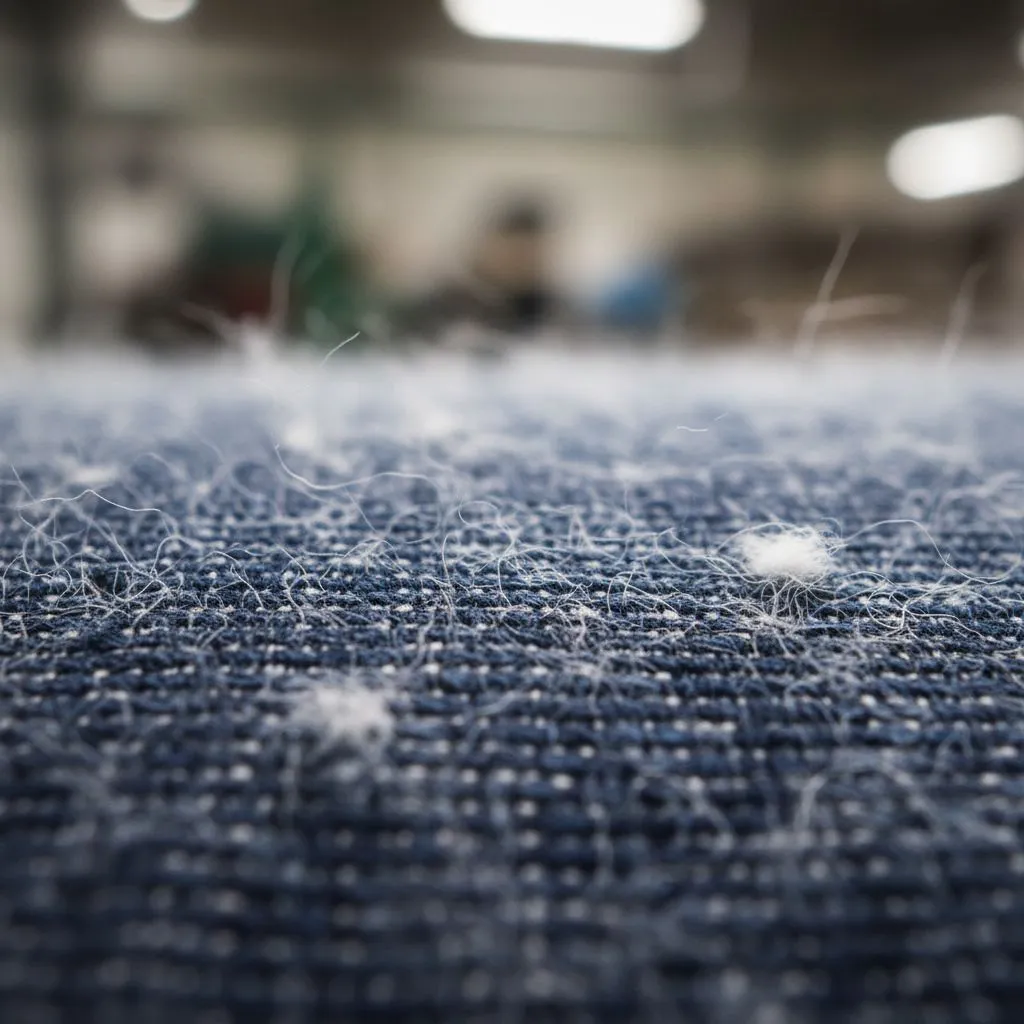
Pilling is a technical phenomenon that occurs on the fabric surface through a predictable four-stage cycle. The visibility of pilling depends not just on how many balls form, but on the fiber’s ability to shed them.
- Fuzz Formation: Fiber ends work loose from the yarn and rise to the surface.
- Entanglement: These loose fiber ends tangle into small, spherical balls (pills).
- Growth: The pills grow in size as more rubbing occurs, attracting more loose fibers.
- Attrition or Persistence: Pills either fall off (common in natural fibers) or stay anchored (common in synthetics).
The final stage is where cotton and cotton blends begin to behave differently.
=> Related Article: Polyamide Pilling: Why It Happens, Causes, Care,… and How to Reduce It
Do Cotton Blends Pill More Than Pure Cotton?
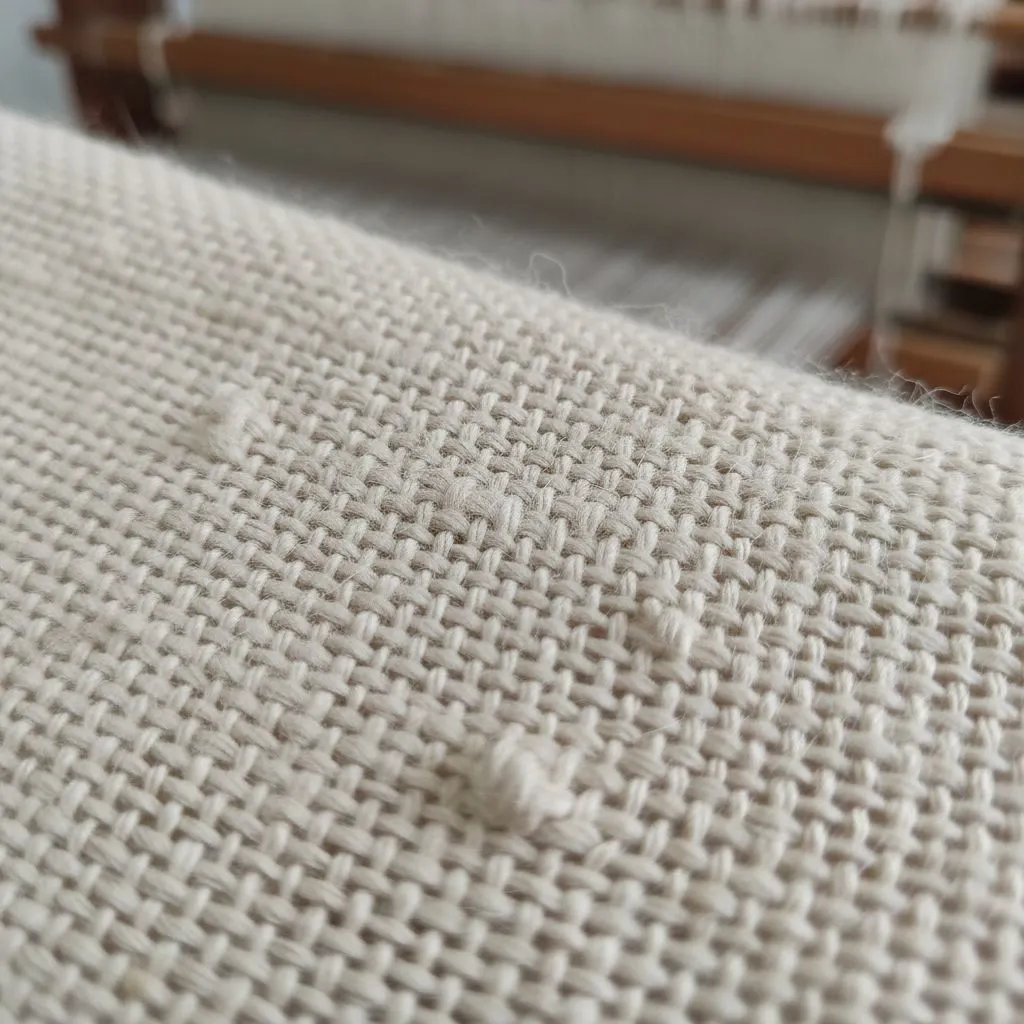
In many situations, they do. Cotton-polyester blends often appear to pill more than 100% cotton because polyester fibers are extremely strong. When pills form, these synthetic fibers hold the tangled fibers firmly in place instead of allowing them to break away. As a result, the pills remain visible for much longer, making the garment appear older even though the fabric itself remains durable. This is why cotton blends are often described as having more noticeable pilling, even though both pure cotton and blended fabrics can develop surface fuzz.
=> Related Article: Do Cotton Blends Pill More Than Pure Cotton?
Can 100% Cotton Pill Too?
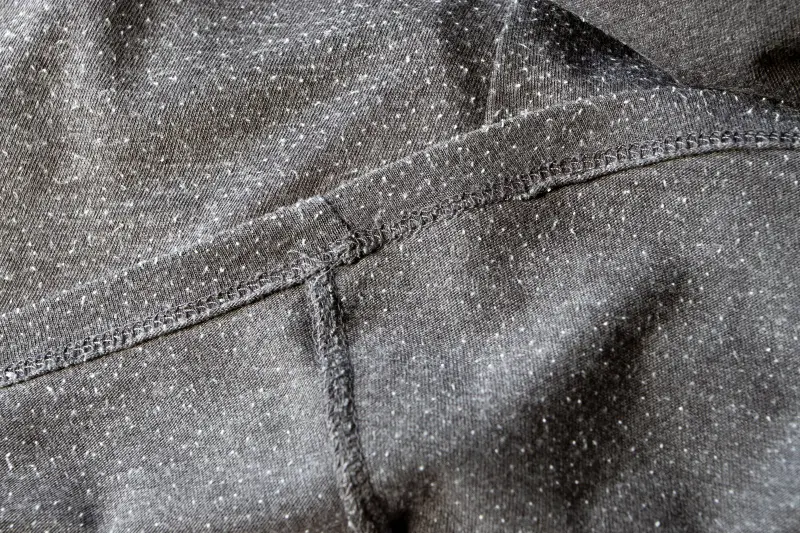
Absolutely. Many people assume that pure cotton never pills, but this is a common misconception. Several factors can cause even 100% cotton garments to develop pills. 100% Cotton vs. Cotton Blend:
| Feature | 100% Cotton | Cotton-Polyester Blend |
|---|---|---|
| Comfort | Excellent breathability and softness. | Comfort depends on the blend ratio. |
| Durability | Good with quality cotton fibers. | Generally stronger and more durable. |
| Pill Formation | Can occur depending on fiber quality. | Often more visible because pills remain attached. |
| Pill Persistence | Pills often break away naturally. | Polyester anchors pills to the surface. |
| Wrinkle Resistance | Wrinkles more easily. | Better wrinkle recovery. |
=> Related Article: Does Cotton Fabric Tend to Pill or Not? Causes, Prevention, and Fabric Quality
Why Cotton Polyester Blends Pill More Easily
While both pure and blended fabrics experience friction, the presence of polyester changes how the fabric ages visually.
1. Polyester “Anchors” the Pills
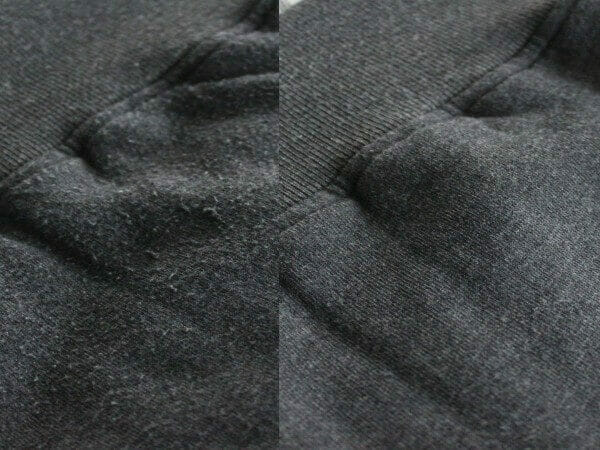
Polyester is a high-tenacity fiber. When a pill forms, the strong synthetic strands hold it firmly to the surface instead of letting it wear away. This results in stubborn, visible pilling that gives the garment an “old” appearance quickly. In technical terms, the pill persistence is higher in blends.
2. Fiber Mismatch and Friction
Blending different fibers increases “fiber mismatch” on the surface. Because cotton and polyester have different friction behaviors, their loose ends tangle more readily under mechanical action, especially in soft knit structures.
3. The Myth of “Pill-Proof” 100% Cotton
100% cotton is not immune to pilling. Pure cotton can pill heavily under the following conditions:
- Short-Staple Fibers: More fiber ends are available to poke out and tangle.
- Low Yarn Twist: A hairier surface allows fibers to escape the yarn structure easily.
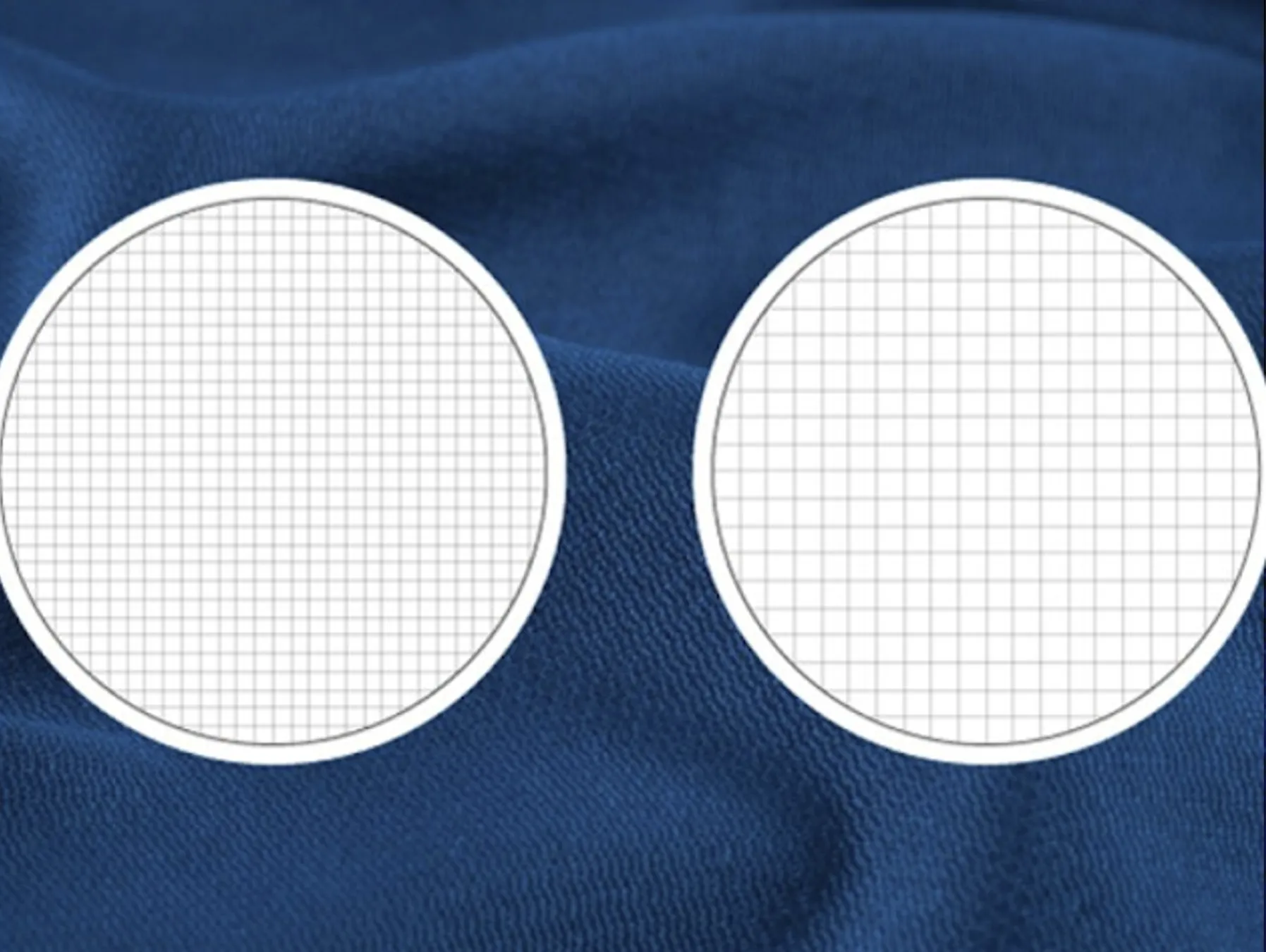
- Loose Construction: High fiber movement within the weave or knit increases internal rubbing.
- Brushed Finishes: Napped surfaces are essentially “pre-fuzzed,” making pill initiation easier.
How to Reduce Pilling at Home
Proper garment care helps extend the life of both cotton and cotton-blend clothing. To minimize pilling:
- Wash garments inside out.
- Use cold water and gentle wash cycles.
- Separate delicate garments from rough fabrics.
- Avoid overloading the washing machine.
- Air dry whenever possible.
- Use a fabric shaver to remove existing pills safely.

These simple habits reduce friction and help garments maintain a smoother appearance.
Conclusion / Final Words
So, do cotton blends pill more than pure cotton? In many cases, yes, but mainly because polyester fibers hold pills on the fabric surface instead of allowing them to wear away naturally. However, fiber composition tells only part of the story. Cotton quality, yarn twist, fabric construction, and finishing processes all have a significant influence on long-term fabric performance. For fashion brands and sourcing teams, evaluating fabric quality requires looking beyond the fiber label. A well-engineered cotton blend may outperform a poorly constructed 100% cotton fabric, proving that successful textile performance depends on the entire manufacturing process—not just the raw materials.