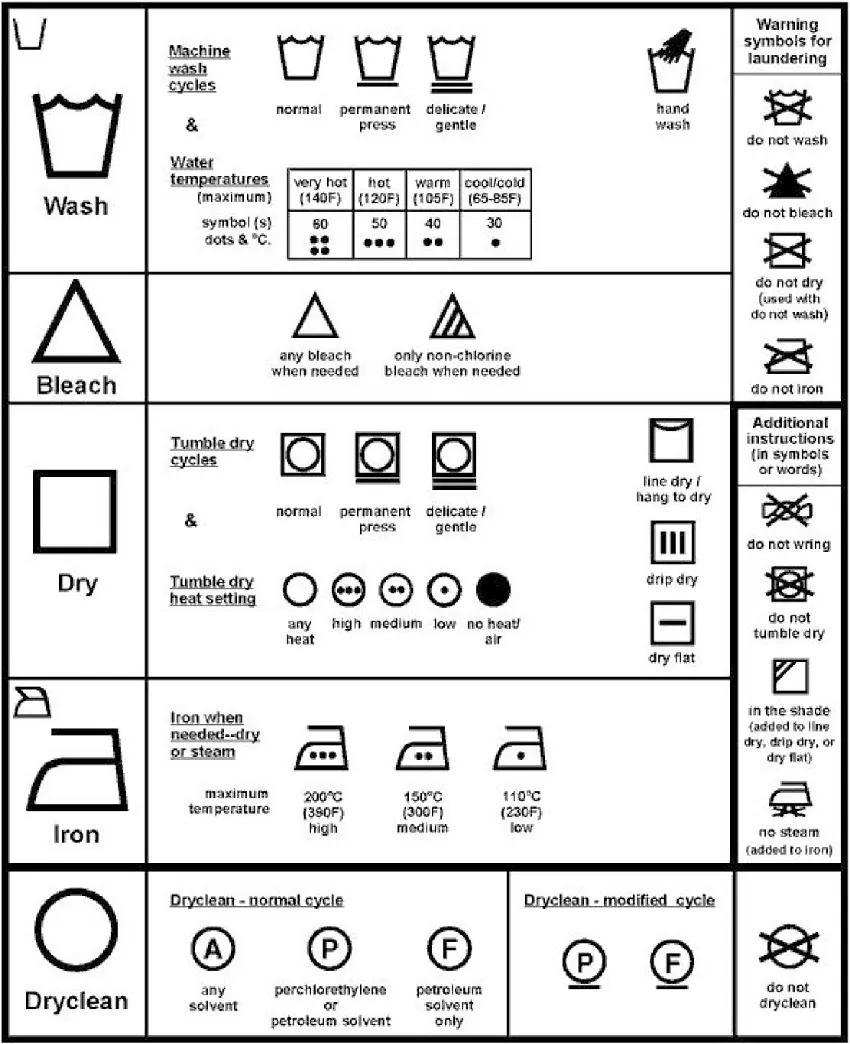

Care labels might look small, but their impact on your brand’s success is massive. One incorrect symbol can lead to irreversible fabric damage, customer returns, or even legal rejection at international borders. Accurate care labeling requires a disciplined approach: identifying the correct market standard, verifying fabric behavior through lab testing, and securing final approval before bulk production begins.
Globally Recognized Care Symbol Systems
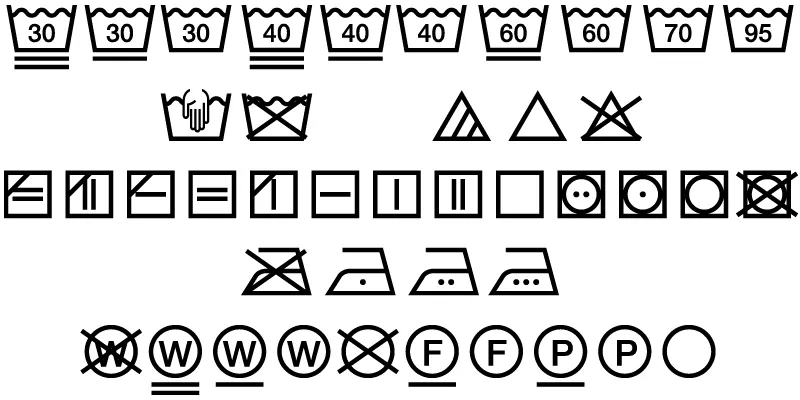
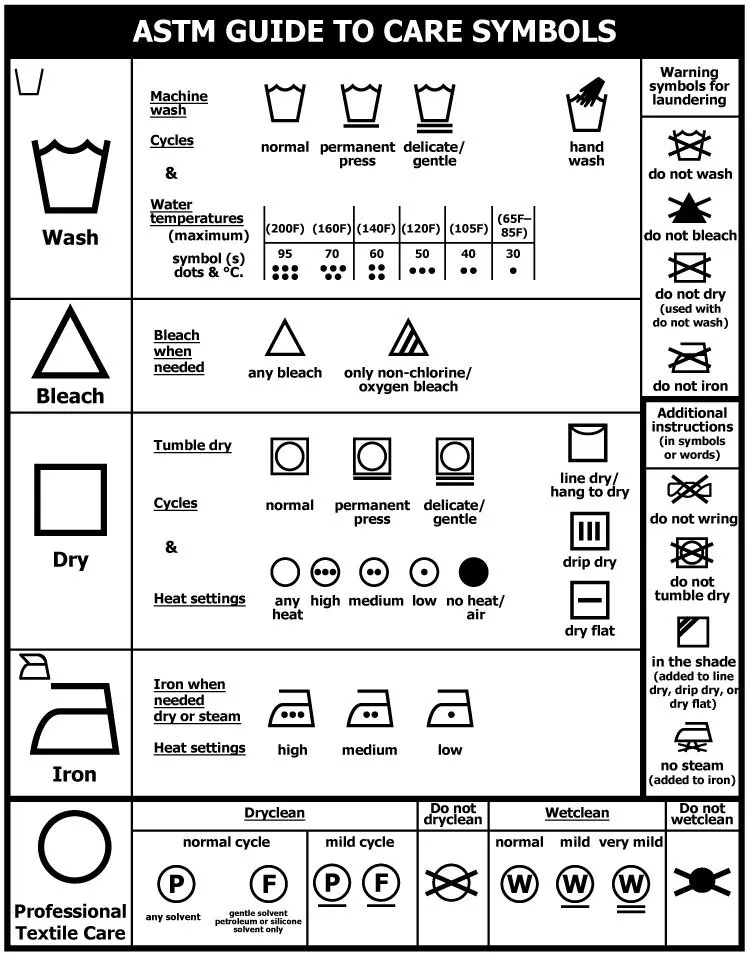
Care symbols are not universal. Each global market enforces its own specific system, and using the wrong one creates significant legal risk. ISO, GINETEX, and ASTM standards are not interchangeable; compliance must be established at the design phase of the label.
- ISO 3758: The international framework for care labeling.
- GINETEX: The Europe-based system (requires licensing for commercial use in the EU).
- ASTM D5489: The United States standard for care symbols.
Market-Specific Care Label Rules
Localization is mandatory for international trade. Your labels must match the legal requirements of the destination country:
- United States (ASTM D5489): Requires symbols often paired with written English instructions. Fiber content and Country of Origin (COO) are strictly mandatory.
- European Union (GINETEX/ISO): Prefers pictogram-only labels. Use of GINETEX icons requires specific licensing in European markets.
- Asia (Japan/Korea): Specific national standards apply (e.g., JIS for Japan) which differ from ISO.
Required Fabric Tests Before Label Approval
Correct symbols are derived from evidence, not guesswork. At Mekong Garment, we recommend the following minimum test set from accredited labs like SGS or Intertek before assigning symbols:
- Dimensional Stability: To check for shrinkage after washing.
- Colorfastness: To verify resistance to bleeding during washing and ironing.
- Abrasion Resistance: To ensure the fabric maintains integrity during wear.
- Dry-Clean Compatibility: Essential for tailored and delicate garments.

Common Compliance Mistakes to Avoid
Failures in execution can lead to costly recalls and retailer penalties. Ensure your tech pack is updated to prevent these frequent errors:
- Mixing Systems: Combining ASTM and ISO symbols on a single label.
- Inconsistent Behavior: Using “Warm Wash” symbols on fabric that shrinks at high temperatures.
- Non-Permanent Labels: Using detachable tags for care instructions instead of permanent sewn-in labels.
- Missing Disclosures: Forgetting fiber content or origin in regulated markets like the U.S.
Conclusion
Care labels are vital regulatory instruments that protect the brand, the product, and the entire supply chain. By controlling the standard, proving fabric behavior through testing, and locking approval in the tech pack before bulk production, you eliminate the risk of measurable and costly failures. At Mekong Garment, we help our partners navigate these technical requirements to ensure every garment is fully compliant and market-ready.
Contact Mekong Garment Factory
- VN Phone/WhatsApp/WeChat: +84 947 729 829
- Email: hanh@kimmy.vn