
When you buy clothes online, you often see this note under the size chart: “Size is manually measured. A difference of 1–3 cm may occur. Returns are not accepted for this reason.” This is not an excuse—it is a reality based on international garment tolerance standards. Small size differences are normal and expected in the apparel industry because clothing, unlike metal parts, cannot be manufactured with mathematical precision.
Why Clothing Sizes Always Have Tolerances
1. Fabric Instability and Natural Behavior
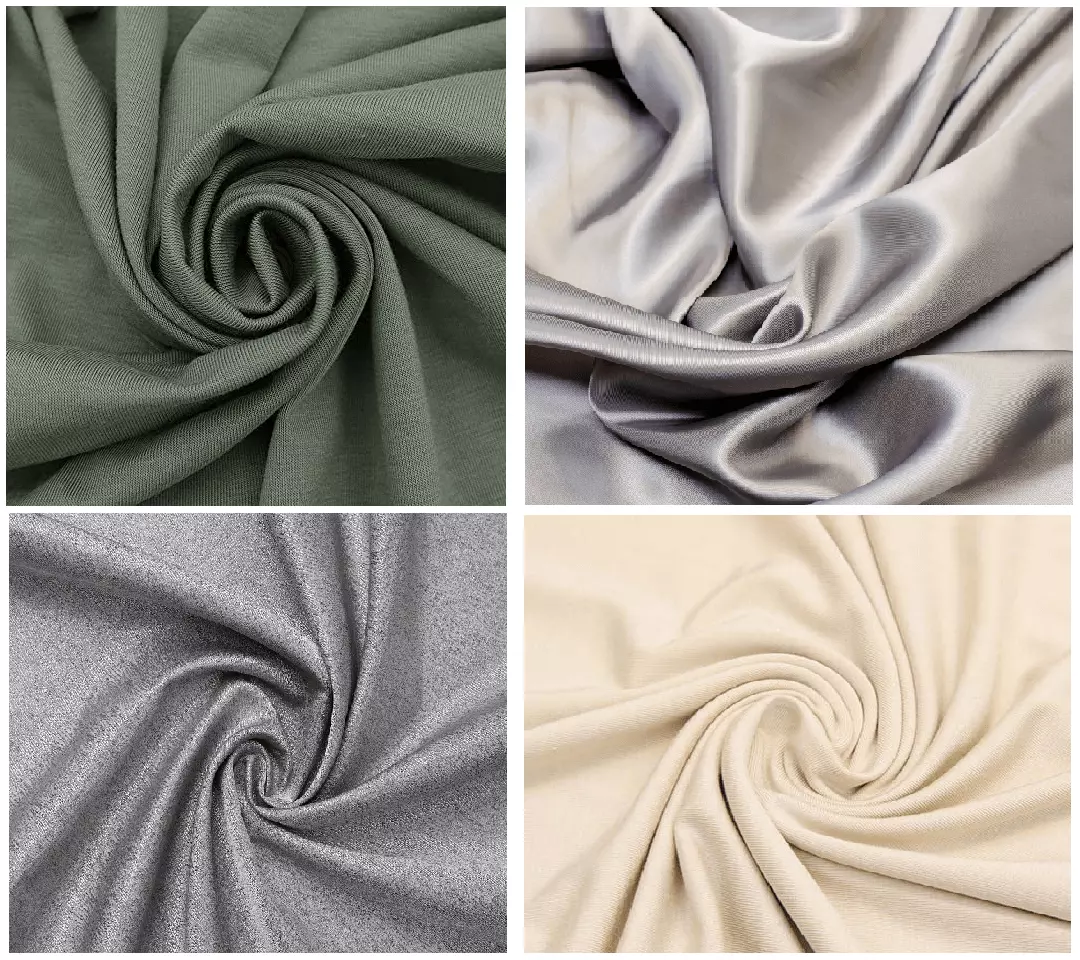
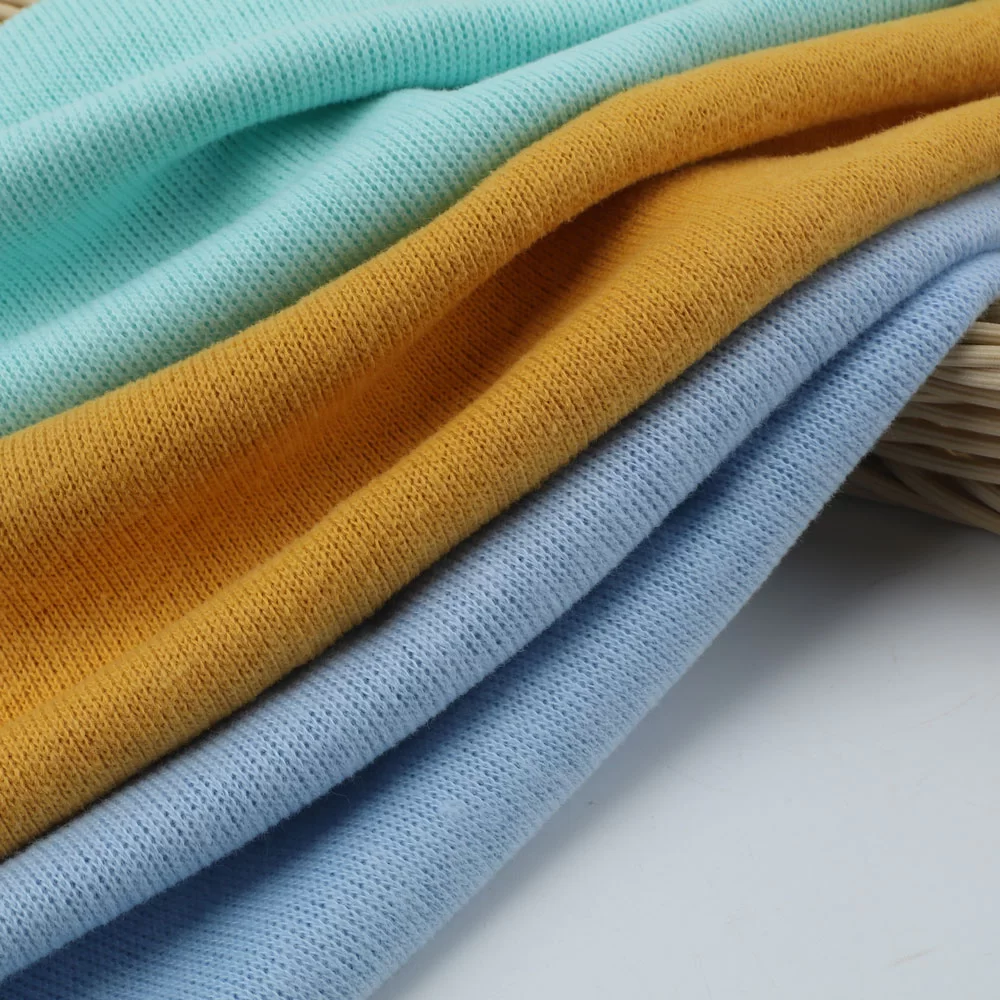
Fabric is “alive” in a way machines are not. Different materials stretch, relax, and shrink differently depending on heat, steam, and humidity. Cotton, wool, and viscose react to ironing or washing by either expanding or contracting. This natural behavior makes an exact, fixed measurement nearly impossible to maintain from the cutting table to the retail shelf.

2. The Reality of Manual Cutting
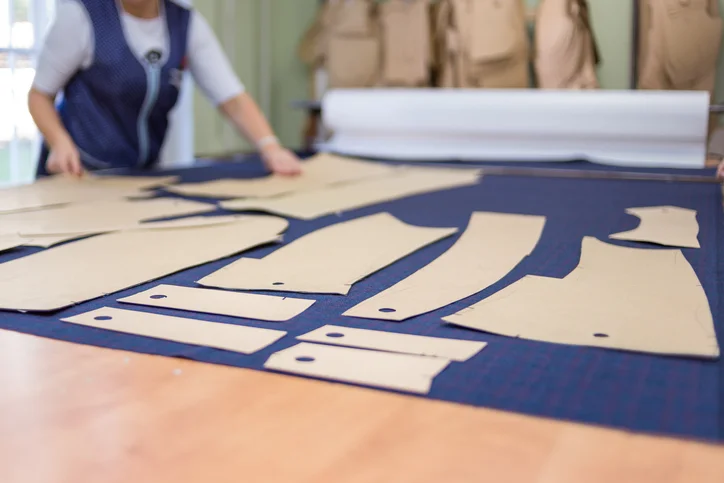
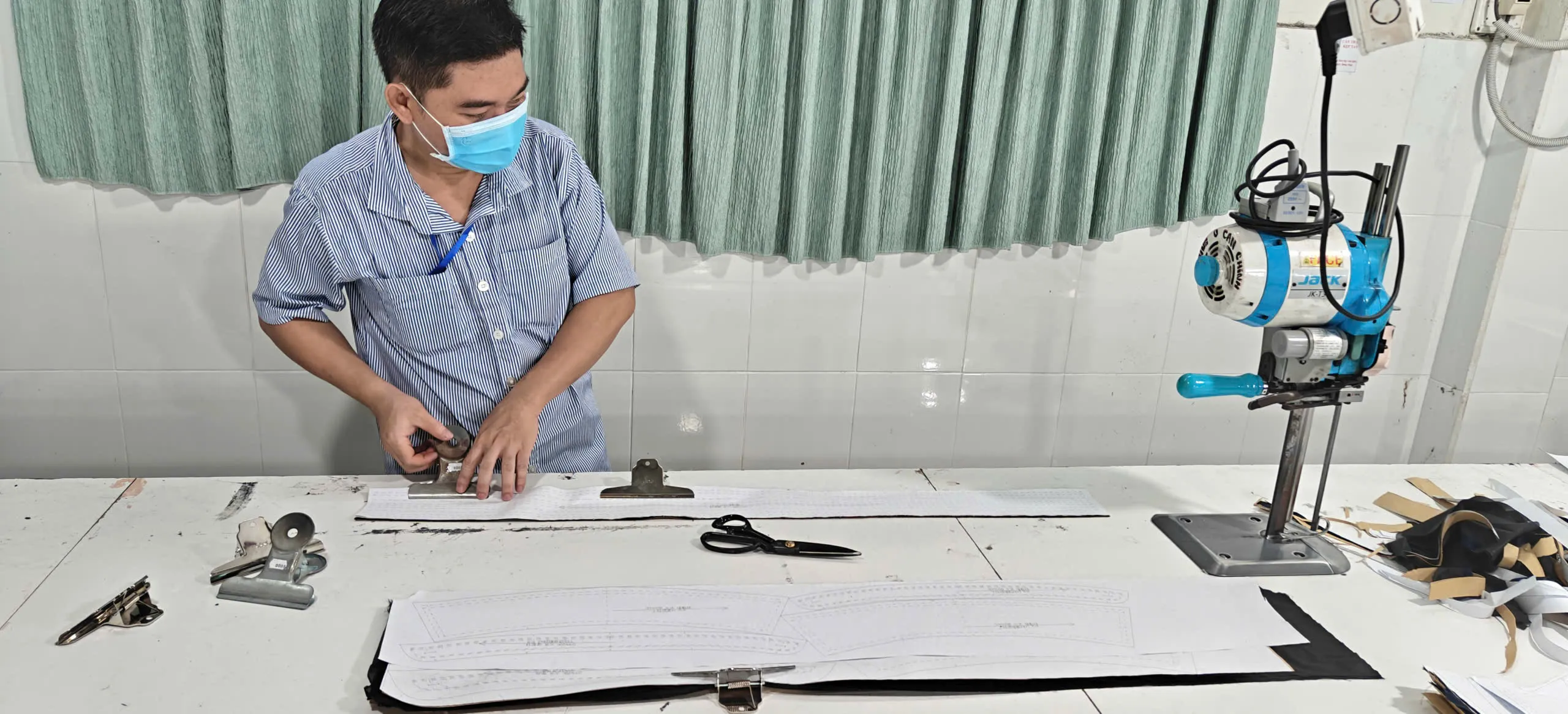
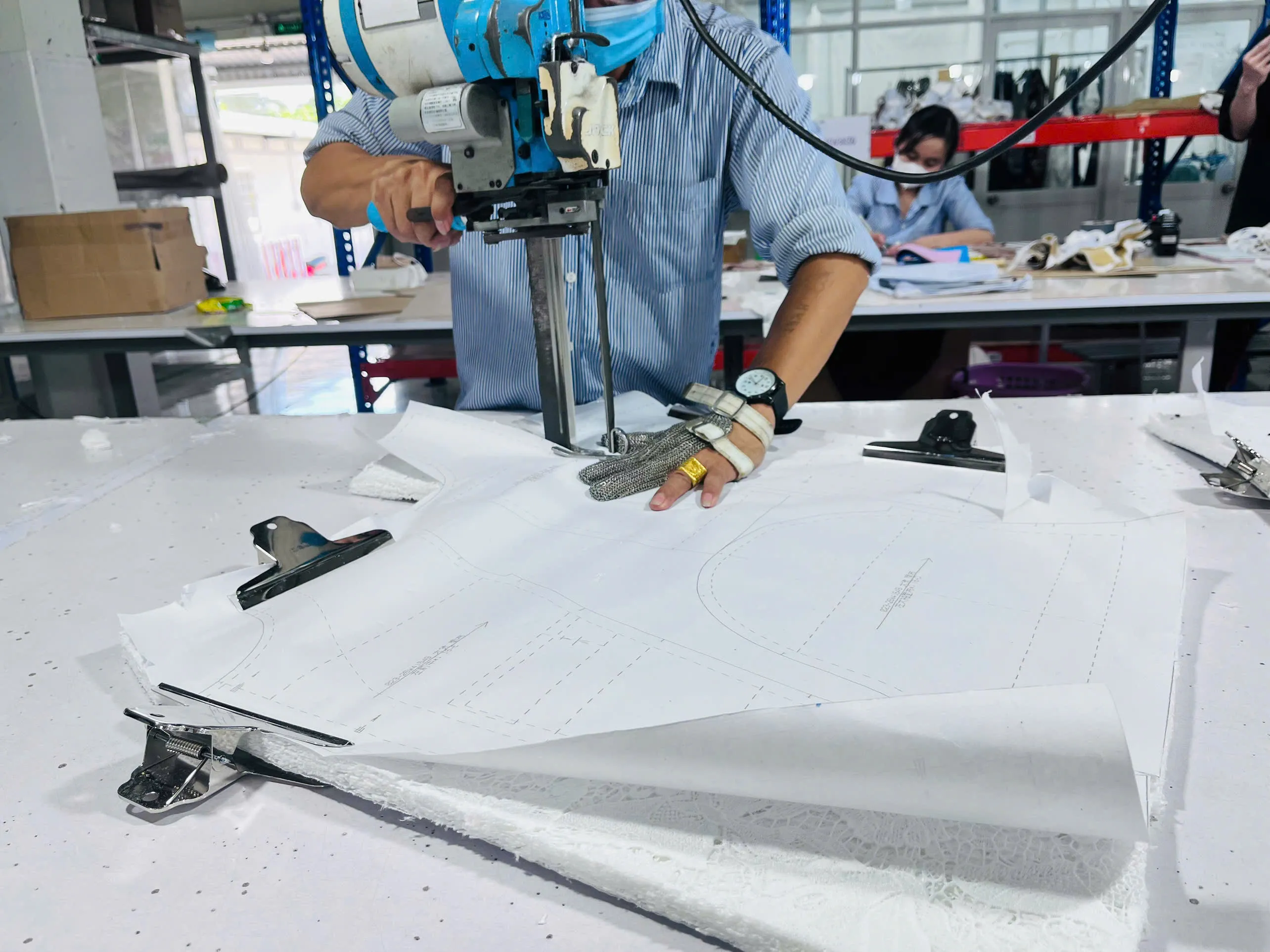
Before sewing, fabric must be cut. In most garment factories, even with digital markers, the actual cutting is a manual or semi-automated process. A deviation of just a few millimeters during the cutting of a thick fabric stack can lead to a noticeable difference in the final garment’s dimensions.
3. Hand-Operated Sewing Processes
Garment assembly is labor-intensive. The final size of a shirt or pair of trousers depends on the seam allowance (usually 1cm), stitch tension, and the individual operator’s skill. Different sewing techniques or a slight change in how a worker feeds fabric into the machine can create minor variations across the same size run.
- Seam Allowance: Small shifts in seam width.
- Stitch Tension: Affects how much the fabric “gathers.”
- Operator Variation: Human hands produce unique results every time.


4. Variations in Measurement Methods
How a garment is measured strongly influences the result. Measuring a garment while it is flat on a table versus on a mannequin will yield different numbers. Even the amount of “pull” or tension applied to the measuring tape by an inspector can change the result by 0.5cm to 1cm.
What Tolerance Range Is Considered Acceptable?
In the international apparel industry, a standard tolerance of ±2 cm is generally accepted. Depending on the product category, brands typically follow these guidelines:
| Product Category | Acceptable Tolerance |
|---|---|
| Small items (Underwear, Baby clothes) | ±1 cm |
| Standard garments (T-shirts, Shirts, Pants) | ±2 cm |
| Heavy or Loose styles (Jackets, Oversized hoodies) | Up to ±3 cm |

Conclusion
Garment tolerances are not defects—they are an inherent part of the textile manufacturing process. From fabric behavior to manual sewing and measurement techniques, multiple factors contribute to these slight variations. For retailers and buyers, understanding these international standards helps set realistic expectations and prevents unnecessary disputes. At Mekong Garment, we maintain strict quality control to keep all variations within the industry-standard 2 cm limit, ensuring your brand delivers consistent quality to every customer.