
Rayon has become one of the most talked-about fabrics today. It feels soft, looks elegant, breathes well in the heat, and comes at a price most people can afford. Rayon sits perfectly between natural and synthetic textiles, offering the breathability of cotton and the luxurious drape of silk. This guide walks you through everything—from its origin as wood pulp to why it remains a global favorite in apparel manufacturing.
What Exactly Is Rayon?
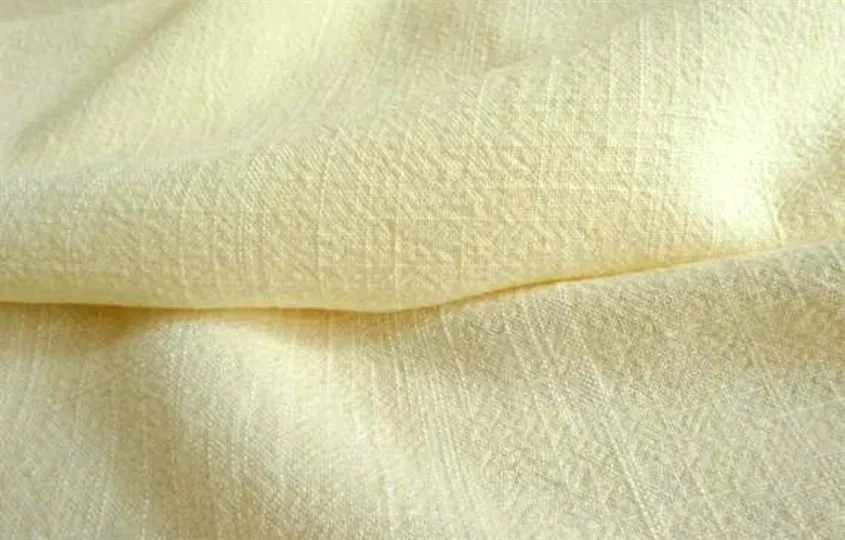
Rayon is a regenerated cellulose fiber. It is unique because it is made from natural materials (wood pulp) but transformed through modern chemical technology. This chemical “rebirth” allows Rayon to mimic the textures of cotton, silk, linen, or even wool depending on the production method used.
How Rayon Is Made: The Transformation Process
Rayon begins with wood from pine, beech, eucalyptus, or bamboo. The journey from tree to textile follows these critical steps:
- Wood Pulp Extraction: Wood is broken down into high-purity cellulose pulp.
- Chemical Processing: The pulp is dissolved in chemicals (like carbon disulfide) to create a thick liquid.
- Extrusion: This liquid is pushed through tiny holes called spinnerets, forming long filaments.
- Hardening & Spinning: Filaments are hardened in an acid bath, washed, stretched, and spun into yarn.
- Fabric Construction: The yarn is finally woven or knitted into finished fabric.
Key Properties: Why Rayon Feels So Good
Manufacturers choose Rayon for specific technical advantages that enhance wearer comfort:
- Superior Breathability: Allows air to move freely, making it ideal for summer outfits and tropical climates.
- High Absorbency: Rayon has a moisture regain of ~11%, which is higher than cotton, keeping the skin dry.
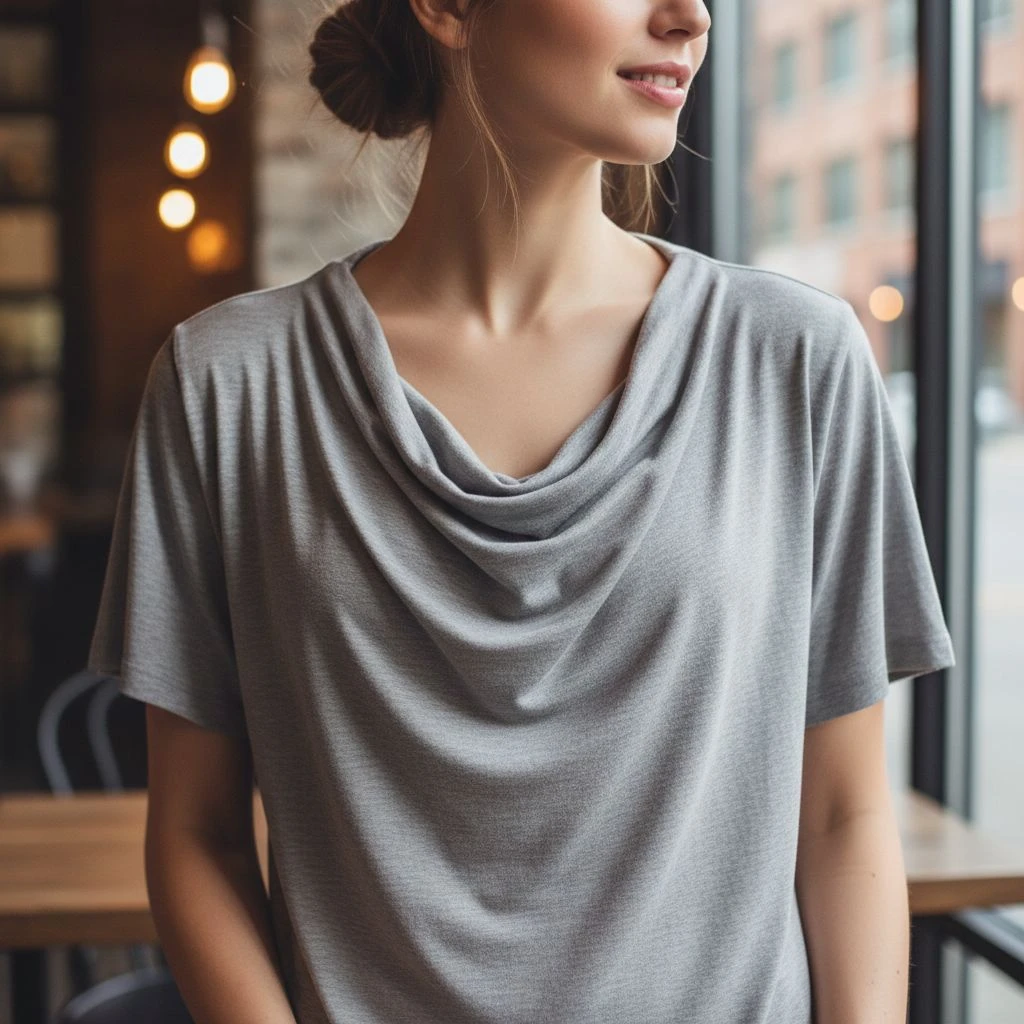
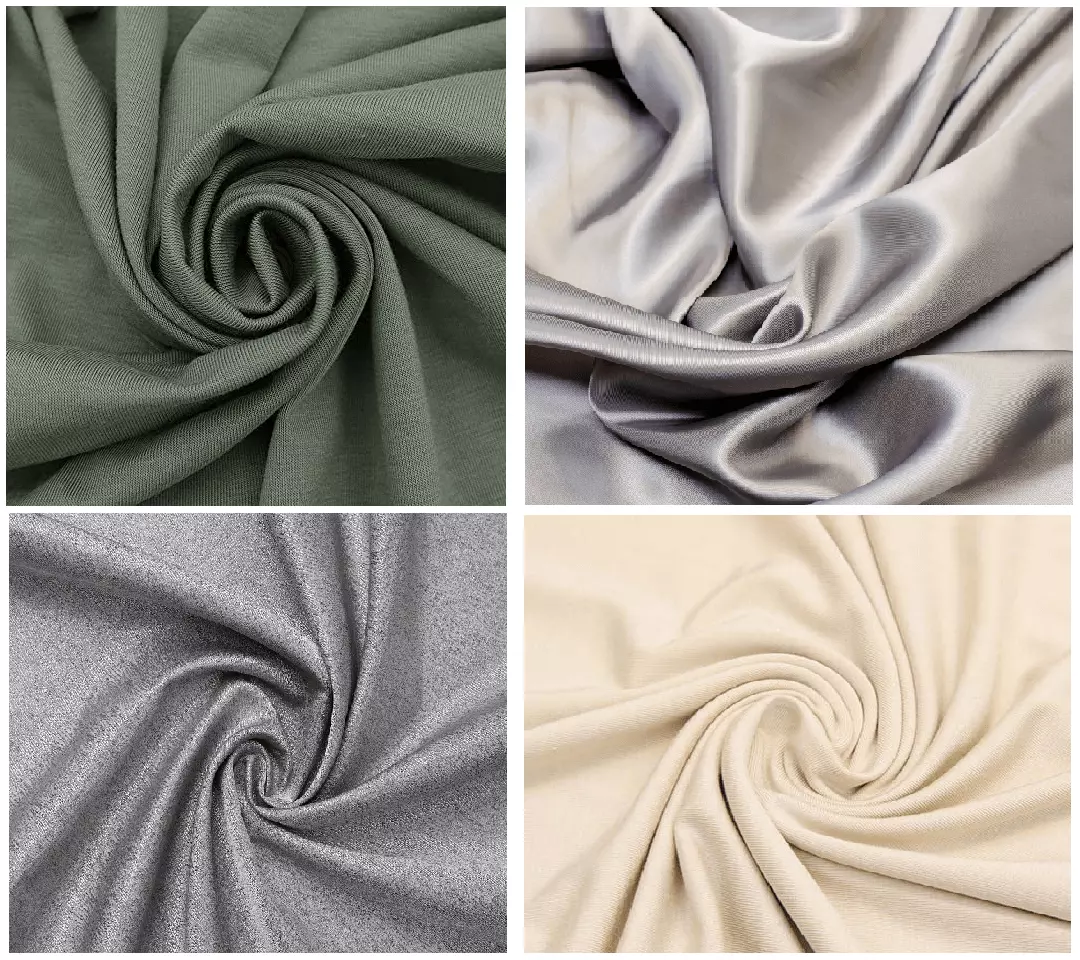
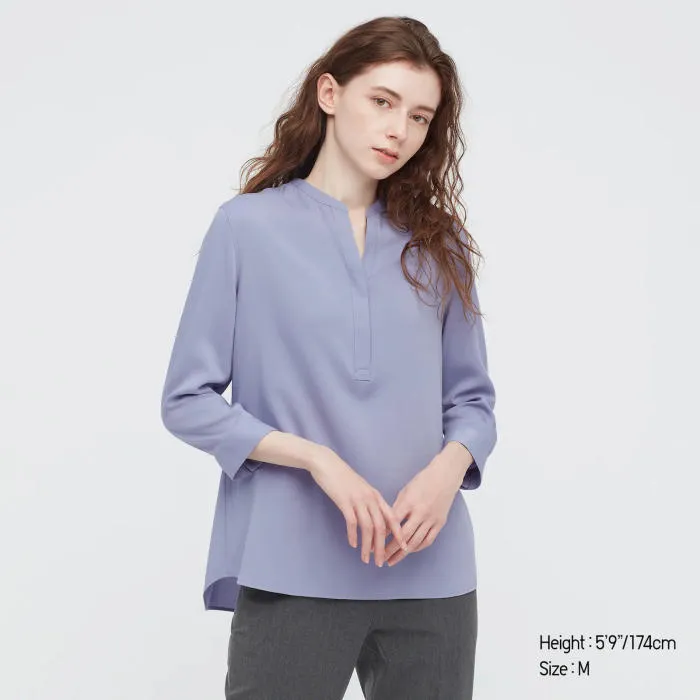
- Fluid Drape: It flows with the body lines, providing a flattering silhouette for dresses and blouses.
- Color Vibrancy: The fiber absorbs dyes deeply and evenly for long-lasting, bright colors.
The Different Types of Rayon
Not all Rayon is the same. Modern technology has created variants to solve traditional weaknesses like shrinkage or low wet strength.
| Type | Key Characteristic | Best For |
|---|---|---|
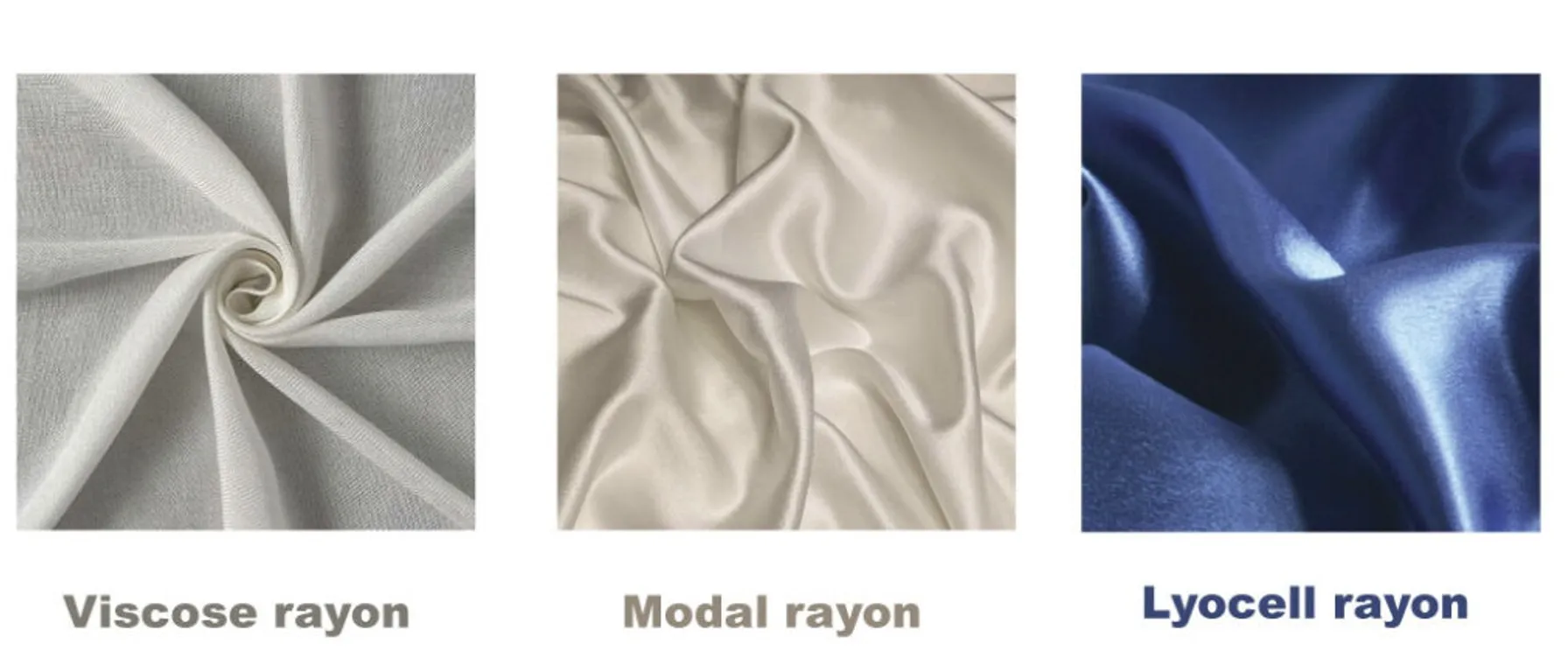
| Viscose | The most common type; silk-like hand and high shine. | Dresses, blouses, garment linings. |
| Modal | Higher wet strength and reduced pilling. | Underwear, loungewear, high-end towels. |
| Lyocell (TENCEL™) | Eco-friendly closed-loop process; very strong. | Activewear, premium bedding, denim blends. |
| Cupro | Fine, silk-like filaments from cotton waste. | Luxury evening wear and professional linings. |
Pros and Cons of Rayon
Pros:
- Soft, smooth, and cooling on the skin.
- Excellent moisture management.
- Accessible price point for luxury-feel garments.
Cons:
- Weak when wet: Loses 40-50% of its strength during washing.
- Prone to wrinkling and shrinkage if not treated correctly.
- Traditional production requires careful chemical management.
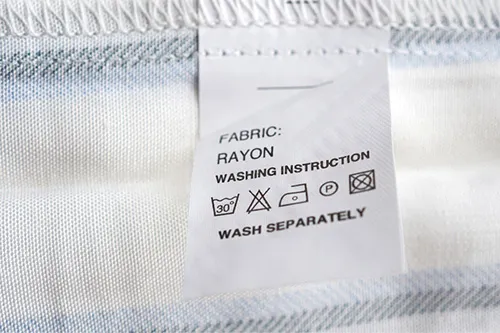
Care and Maintenance
To ensure your Rayon garments last longer, follow these professional tips:
- Wash: Hand wash or gentle cycle in cold water.
- Dry: Air dry only; never wring the fabric as it may stretch.
- Iron: Use low heat and iron while the garment is slightly damp.
- Store: Fold heavy Rayon items instead of hanging to prevent sagging over time.
Conclusion
Rayon is more than just another fabric. It combines natural comfort with modern innovation to create clothing that feels as good as it looks. Whether you are producing summer collections, elegant evening wear, or soft home linens, Rayon offers a unique balance of beauty and affordability. At Mekong Garment, we utilize high-quality Rayon variants—including Modal and Lyocell—to deliver polished, high-performance collections for global brands.
FAQs About Rayon Fabric
In Short, What is rayon and how does it compare to natural and synthetic fabrics?
Rayon is a semi-synthetic textile made from natural cellulose (usually wood pulp) that is chemically processed into fibers. It combines natural-origin raw material with industrial transformation, so it can mimic cotton, silk, or linen in feel and drape while being more affordable than many pure natural or synthetic alternatives. Unlike fully synthetic fibers (polyester, nylon), rayon breathes and absorbs moisture well; unlike pure natural fibers, its properties can be engineered through production methods to enhance softness, strength, or luster.
How is rayon produced from wood pulp – what are the main steps?
Production starts with harvested wood converted into purified cellulose pulp. The pulp is dissolved or chemically converted into a viscous solution, extruded through spinnerets to form continuous filaments, then regenerated into solid fibers and spun into yarn. Common routes include the viscose method (chemical conversion and regeneration), modal (a treated-viscose variant with higher wet strength), and lyocell (a direct solvent spinning process with solvent recovery). Each step – pulping, chemical treatment, spinning, washing, and finishing – affects fabric handle and environmental footprint.
What are the different types of rayon and what distinguishes them?
Viscose is the traditional, widely used form with a soft hand and good drape but can be weaker when wet. Modal is a refined viscose with higher tensile strength, better dimensional stability, and improved softness, often used for underwear and loungewear. Lyocell (branded forms include TENCEL) uses a closed-loop solvent process that recovers and reuses most chemicals, producing a strong, absorbent, and smooth fiber favored for higher-end apparel and eco-conscious products. Choice depends on desired handle, durability, and sustainability priorities.
In Short, What are the main advantages and drawbacks of rayon fabrics?
Advantages: excellent softness and drape, high moisture absorption and breathability, ability to mimic other fabrics (silk, cotton, linen), and cost-effectiveness. Drawbacks: many rayon types weaken when wet and can stretch or shrink if washed roughly, some manufacturing routes use harsh chemicals and require careful waste management, and lightweight rayon can wrinkle easily. Proper laundering and selecting better production methods (e.g., lyocell) help mitigate many downsides.
How should I care for rayon garments to keep them looking their best?
Follow garment labels, but general care is: hand wash or use a gentle machine cycle in cold water with mild detergent; avoid bleach and fabric softeners; do not twist or wring – press water out gently; reshape while damp and lay flat or hang to air dry away from direct sun; iron on a low setting with steam if needed or use a pressing cloth. For structured or delicate pieces, professional dry cleaning is often the safest option. Avoid tumble drying to prevent shrinkage and distortion.
What are common uses of rayon in clothing and home textiles?
Rayon appears in dresses, blouses, linings, skirts, and summer wear because of its fluid drape and cooling feel. Modal and lyocell are popular for underwear, activewear blends, and premium casual wear due to softness and moisture management. Rayon is also used in home textiles such as bedding, curtains, and upholstery where a soft hand and elegant drape are desired. Its versatility lets designers target both affordable fashion and higher-end, comfortable garments.