Fabric Width in Garment Manufacturing: Meaning, Types, and Calculation

Fabric width is one of the most important factors in garment manufacturing, yet many people misunderstand it. If you only know the garment measurement but ignore the fabric width, your fabric consumption estimate can be completely wrong.
In apparel production, terms like fabric width, marker width, and selvage width are often used together. They are closely related, but they do not mean the same thing. Understanding the difference helps merchandisers, pattern makers, and factory owners estimate fabric more accurately, reduce waste, and control production cost. In this article, you will learn what these terms mean, how they affect fabric consumption, and how to calculate fabric more effectively for clothing production.
What Is Fabric Width?
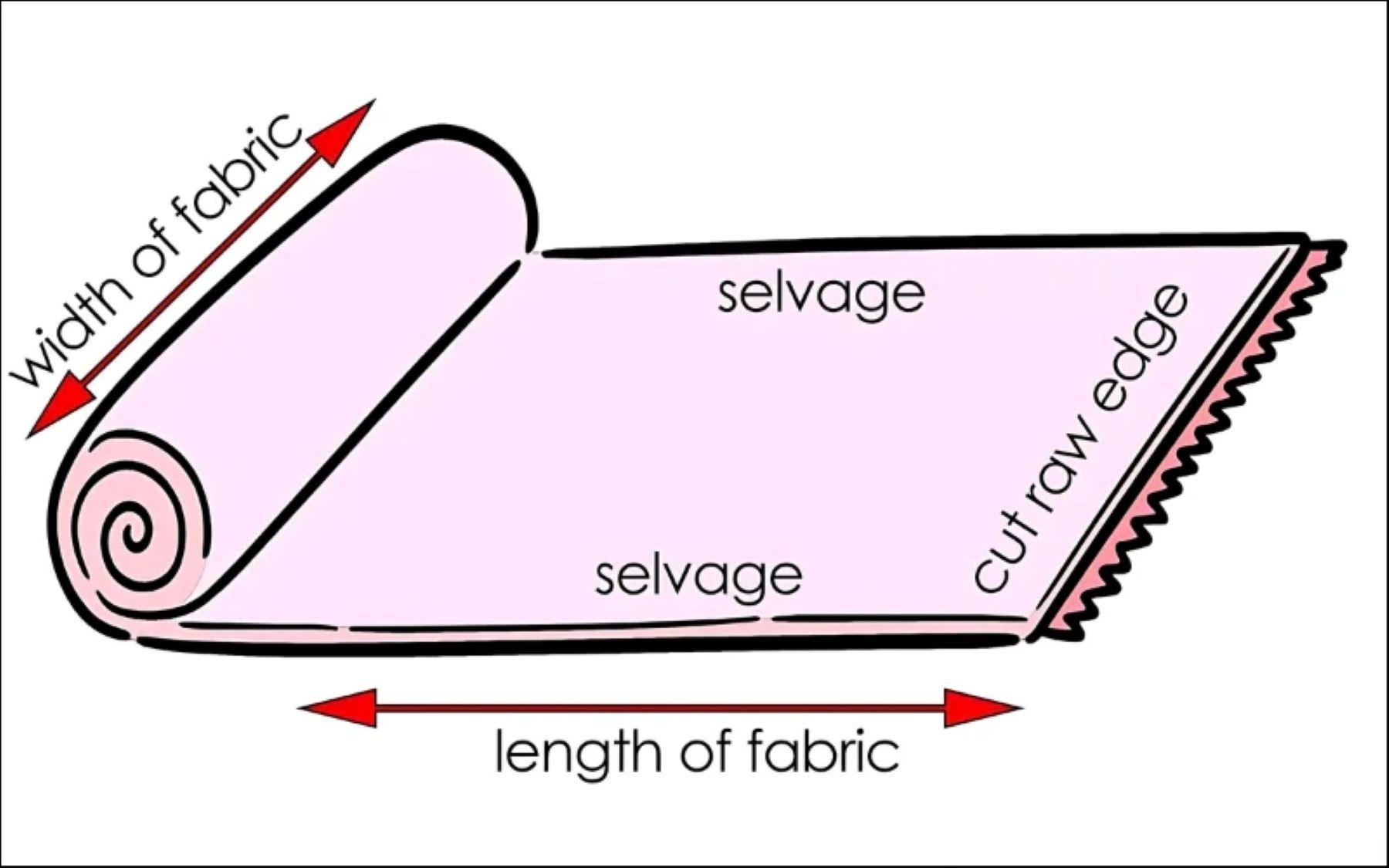
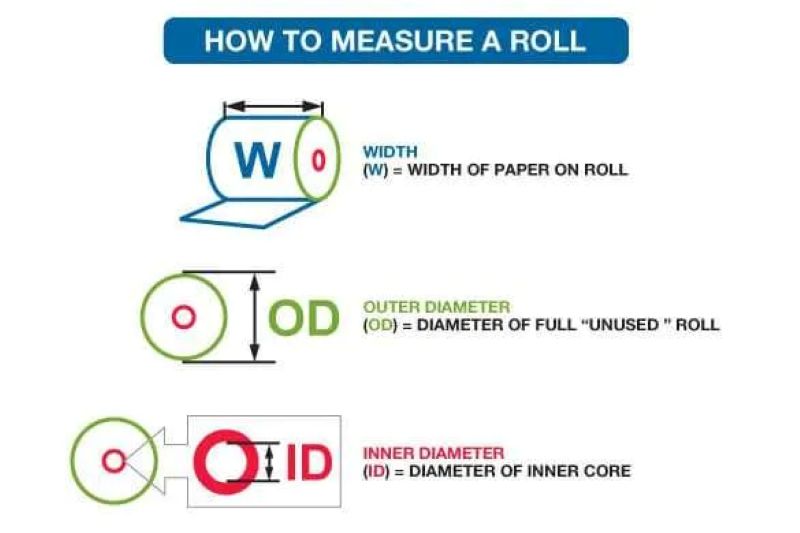
Fabric width is the total width of the fabric measured from one side to the other side. It is one of the first specifications you need to check before making a marker or calculating fabric consumption. Fabric width is usually measured in centimeters or inches.
In the market, common widths may include:
- 90 cm
- 110 cm
- 120 cm
- 140 cm
- 150 cm
- 160 cm
- Wider than 160 cm for some special fabrics
A wider fabric usually allows more pattern pieces to be placed across the width, which can reduce the required fabric length. A narrower fabric often increases fabric usage because fewer garment parts can fit side by side.
Why Fabric Width Matters
Fabric width affects:
- marker planning
- fabric consumption
- cutting efficiency
- production cost
- material waste

For the same garment, changing the fabric width can change the total fabric requirement significantly.
What Is Marker Width?
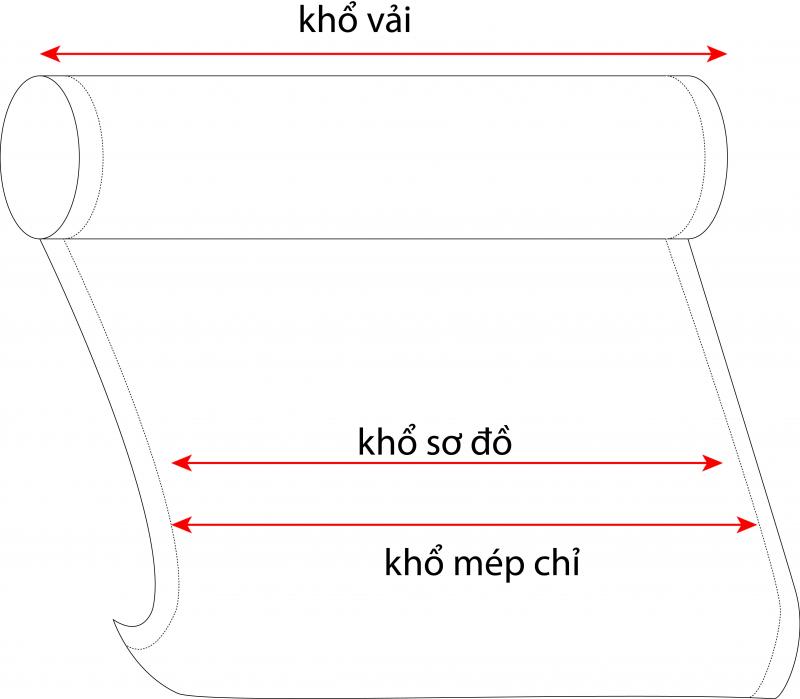
Marker width is the usable width of the fabric for arranging pattern pieces in the marker. It is not always equal to the full fabric width. In simple words, marker width is the actual width available for cutting after excluding the unusable edge areas.
Why Marker Width Is Smaller Than Fabric Width
Although the fabric roll may have a full width of 150 cm, the factory usually cannot use all 150 cm for marker making. Some space must be left near the edges because of:
- selvage
- uneven edges
- distortion near the sides
- printing or weaving defects at the edge
- safety allowance during spreading and cutting
So, the marker width is normally less than the total fabric width.
Example of Marker Width
If the full fabric width is 150 cm, and each side has 2 cm of unusable edge, then:
- Marker Width = 150 cm – 2 cm – 2 cm = 146 cm
This 146 cm is the width that can actually be used for marker planning.
What Is Selvage Width?
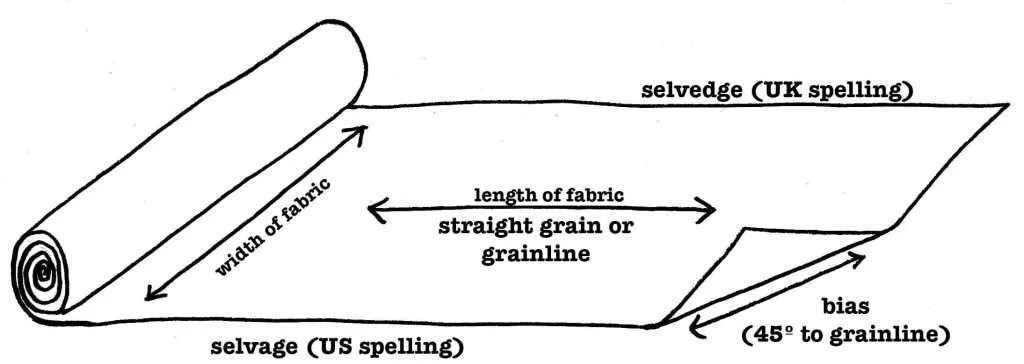
Selvage is the self-finished edge of the fabric that prevents fraying. It runs along both sides of the fabric lengthwise. Selvage width refers to the edge portion that is usually not used in the garment cutting area.
Why Selvage Is Important
The selvage area may:
- be tighter than the body of the fabric
- contain printing marks or weaving marks
- have different shrinkage behavior
- create cutting or shape problems if included in garment parts
Because of this, the selvage area is often excluded from the usable marker width.
Selvage Width vs Usable Width
This is where many people get confused.
- Fabric width = total width of the fabric
- Selvage width = unusable edge width on both sides
- Marker width = usable width after removing the selvage allowance
That means:
- Marker Width = Fabric Width – Left Selvage – Right Selvage
Common Fabric Width Ranges in the Market

Different types of fabric come in different widths. Below are some general categories.
Narrow Width Fabric (90–110 cm)
This width is often seen in certain woven fabrics, lining fabrics, or special materials. It gives less room for marker placement and often leads to higher fabric consumption.
Medium Width Fabric (120–140 cm)
This range is common for many garment fabrics and can work well for shirts, dresses, and casual wear, depending on the style and size range.
Wide Width Fabric (150–160 cm)
This is one of the most practical ranges for garment manufacturing. It often helps improve marker efficiency and reduce fabric length consumption.
Extra Wide Fabric (Above 160 cm)
Some knit or special-purpose fabrics may come in extra wide widths. These can be useful for bulk production, but the actual benefit still depends on garment style and marker planning.
How Fabric Width Affects Fabric Consumption
Fabric consumption is not determined by garment size alone. Fabric width can make a big difference. A wider fabric usually allows better placement of garment panels, sleeves, collars, and other components. That means you may need fewer meters of fabric. A narrower fabric may force the pattern pieces to be placed in a longer layout, so more fabric length is needed.
Simple Example:
Suppose you are making the same men’s shirt in the same size and style.
- With 150 cm width fabric, you may need around 1.6 to 1.8 meters
- With 110 cm width fabric, you may need around 2.2 to 2.5 meters
This is not a fixed rule for every shirt, but it clearly shows how fabric width changes consumption.
How to Calculate Fabric Based on Fabric Width
There is no single formula that works for every garment, because fabric consumption depends on many factors. Still, the general method is simple.
Step 1: Check the Full Fabric Width
Start with the supplier’s fabric width specification.
- Example: Fabric width = 150 cm
Step 2: Deduct the Selvage or Unusable Edge
If each edge has 2 cm that cannot be used:
- Usable marker width = 150 – 2 – 2 = 146 cm
Step 3: Prepare or Review the Marker
The pattern pieces must be arranged within the usable width. The total marker length will depend on:
- garment style
- garment size
- number of pieces
- direction of fabric grain
- stripe or check matching
- one-way or two-way fabric
- shrinkage allowance
Step 4: Determine Fabric Length per Garment
After the marker is made, divide the total marker length by the number of garments in that marker.
For example:
- Marker length = 8 meters
- Number of garments in marker = 5 pieces
Then:
- Fabric consumption per garment = 8 ÷ 5 = 1.6 meters
Step 5: Add Allowance
In actual production, extra allowance may be needed for:
- shrinkage
- end loss
- spreading loss
- fabric defects
- cutting loss
- shade grouping
- re-cutting
So the final fabric requirement should not rely only on the marker result.
Factors That Influence Fabric Calculation Besides Width
Here is where many simple articles fall short: fabric width matters, but it is not the only factor. If you ignore the following points, your estimate may still be wrong.
- Garment Style: A basic T-shirt and a long trench coat cannot be calculated the same way. More panels and design details usually increase fabric usage.
- Size Range: Larger sizes need more area, and mixed-size markers affect efficiency.
- Fabric Type: Knitted and woven fabrics behave differently. Stretch fabrics, slippery fabrics, or directional fabrics may reduce marker efficiency.
- Stripe or Check Matching: If the fabric has stripes or checks, extra fabric is often required to match patterns correctly.
- Shrinkage: Fabric shrinkage must be considered before finalizing the marker and consumption.
- Cutting Method and Production Control: Spreading quality, marker planning, and cutting discipline all affect real fabric usage in the factory.
Practical Tips for Buying Fabric Based on Width
When purchasing fabric, do not only ask for color and price. You should also confirm the actual usable width.
Ask the Supplier These Questions
- What is the full fabric width?
- What is the usable width?
- Is the width consistent from roll to roll?
- Does the fabric have large selvage or edge defects?
- Does the fabric shrink after washing or finishing?
Buy Extra Fabric When Needed
If the order is small, or if the style is not fully tested, it is wise to buy some extra fabric to avoid shortage. This is especially important when:
- the fabric is expensive or hard to reorder
- the style has many pattern pieces
- the fabric has checks, stripes, or directional prints
- the production team has not yet finalized the marker
Common Mistakes When Calculating Fabric by Width
Many beginners make these mistakes:
- using full fabric width instead of usable width
- ignoring selvage allowance
- estimating without a proper marker
- forgetting shrinkage
- not considering size ratio
- assuming all fabrics of the same width behave the same way
These mistakes can lead to fabric shortage, higher wastage, and unexpected cost increases.
Conclusion / Final Words
Fabric width, marker width, and selvage width are basic but essential concepts in garment production. They directly affect marker planning and fabric consumption.
To estimate fabric correctly:
- start with the full fabric width
- deduct the unusable edge area
- calculate the usable marker width
- prepare the marker based on the actual garment design
- add practical production allowances
A simple width difference can change the total fabric requirement by a large amount. That is why fabric calculation should always be based on actual usable width, not just the width written on the fabric roll. If you want accurate garment costing and better production control, understanding these width-related terms is a must.