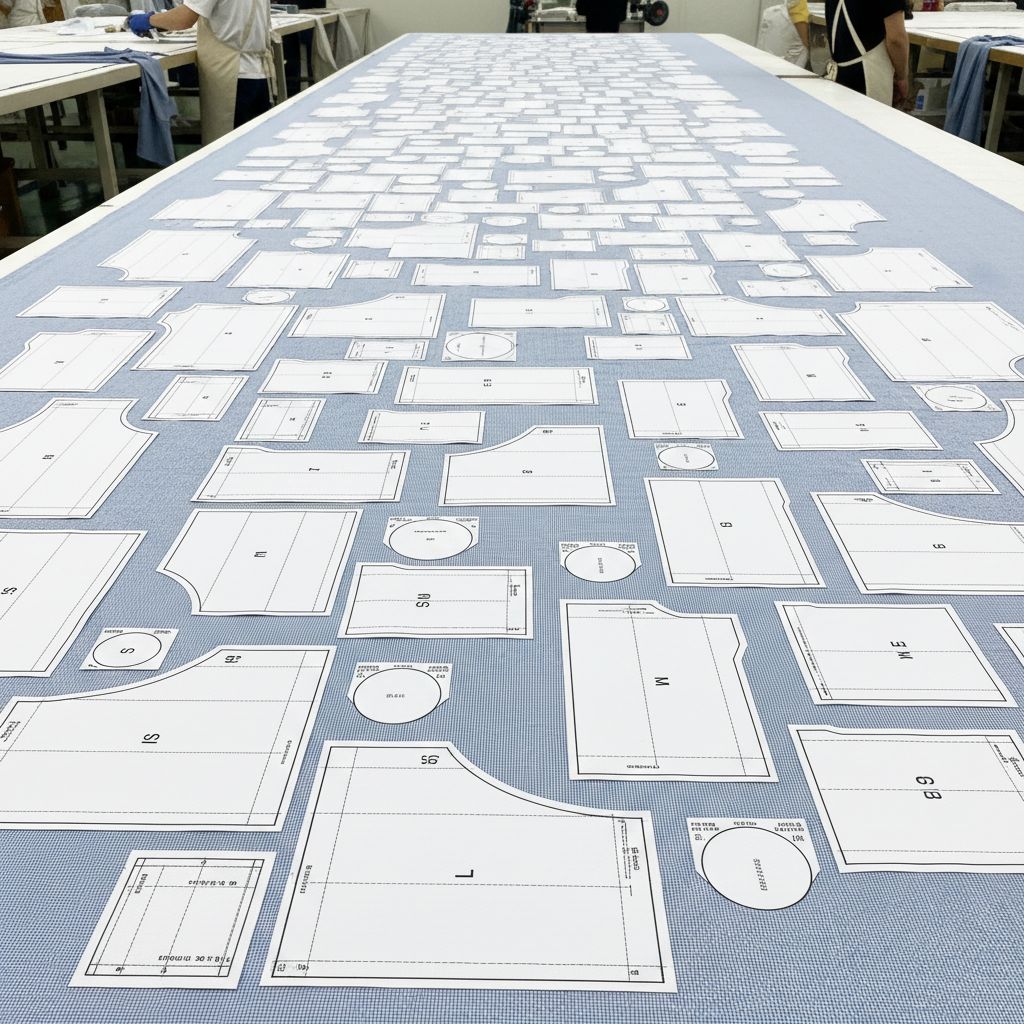
Factors Considered During Fabric Consumption in Garment Manufacturing

Fabric consumption is one of the most critical elements in garment production. It directly impacts costing, material planning, and overall profitability. Even a small miscalculation can lead to fabric shortages, production delays, or excess inventory. To ensure accurate planning, merchandisers and production teams must consider several key factors during fabric consumption calculation.
Why Accurate Fabric Consumption Matters
Accurate fabric consumption helps to:
- Prevent fabric shortages during production
- Reduce material wastage and extra costs
- Improve pricing accuracy for buyers
- Ensure smooth production flow
Inaccurate estimation can result in serious issues such as delayed shipments, reordering costs, or rejected garments.
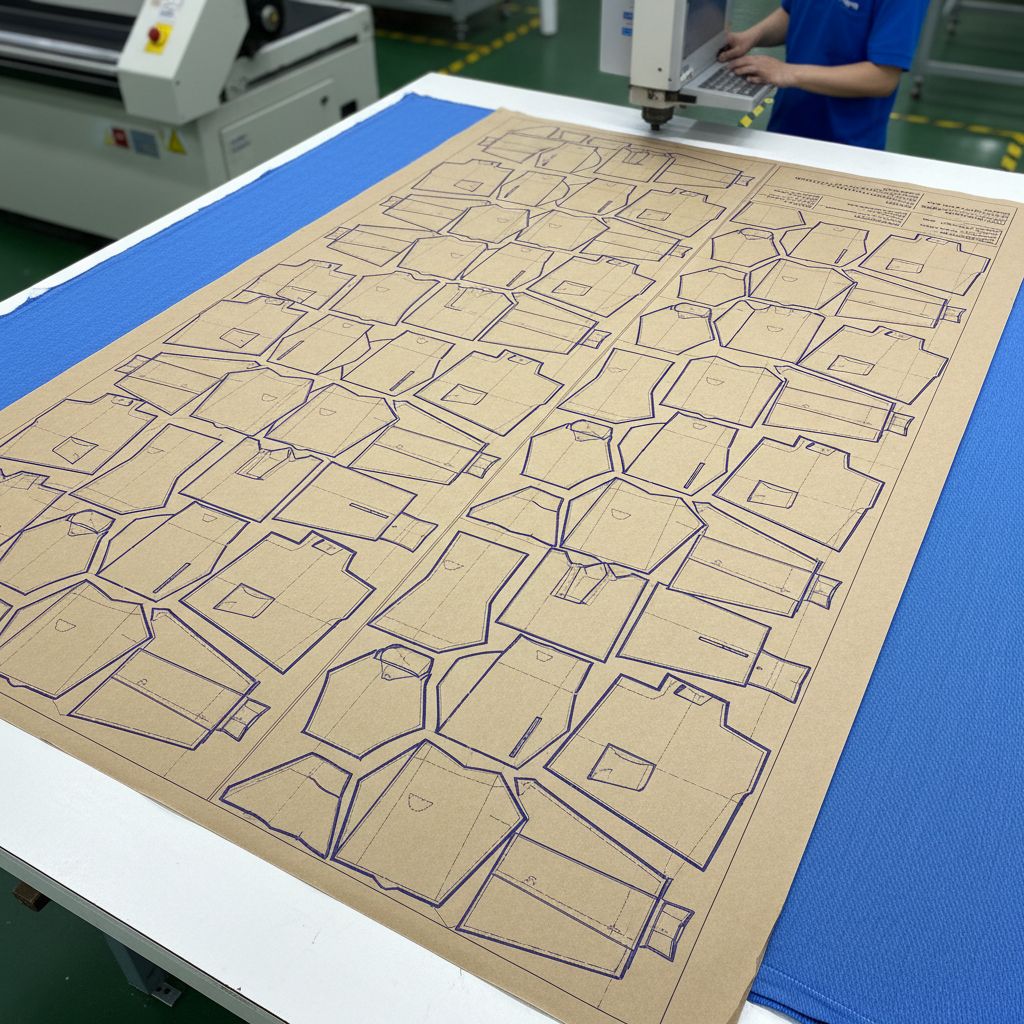
Key Factors Considered During Fabric Consumption
1. Body Fabric Consumption
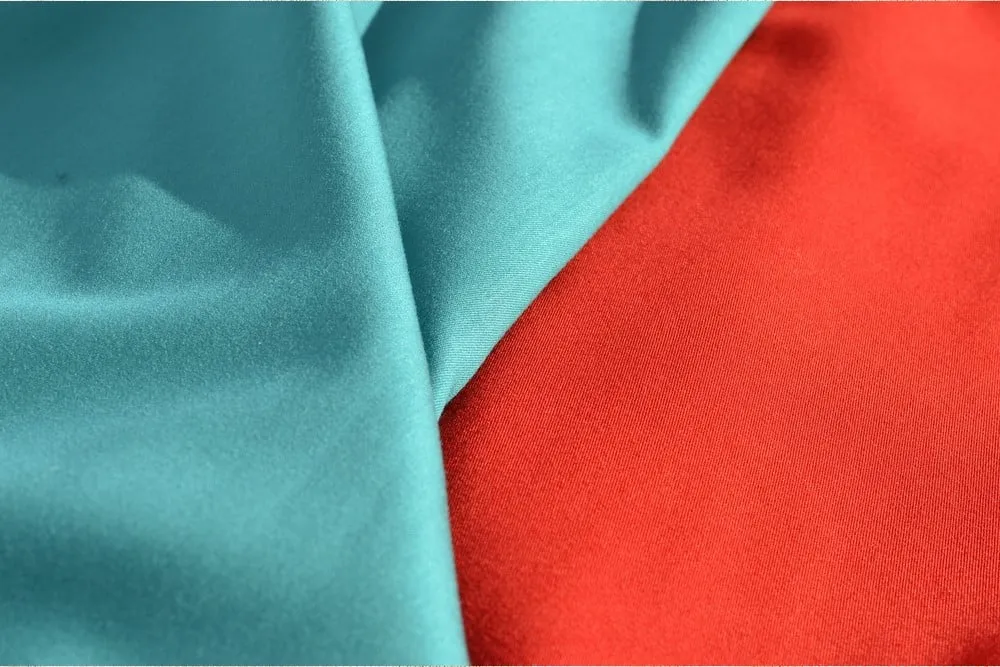
Body fabric consumption accounts for the largest portion of total fabric usage. Calculation should be done after pattern making, and actual usable width (not nominal) must be confirmed. For knit fabrics, add tolerance to GSM, while for woven fabrics, reduce usable width due to selvedge. If the garment involves washing, shrinkage allowance must be included in the pattern.
2. Rib Consumption and Trims
Rib fabric used in collars, cuffs, or hems must be calculated separately. Rib is often overlooked, which can cause production delays even when the main fabric is sufficient. Similarly, neck tape—used for reinforcement and comfort—should always be included: Total neck tape = (neck circumference × quantity) + buffer allowance.
3. Appliqué and Contrast Components
Additional elements like pockets, embroidery bases, or decorative panels are not part of the main marker. Ignoring these contrast components can lead to inaccurate total fabric requirements.
Wastage and Shrinkage Estimation
Wastage is an unavoidable part of production. Typical ranges include 9–10% for knits and 5–7% for wovens. However, scenarios involving heavy washing, all-over printing, or pigment dyeing can see wastage climb to 25–30%. The more complex the process, the higher the wastage percentage must be.

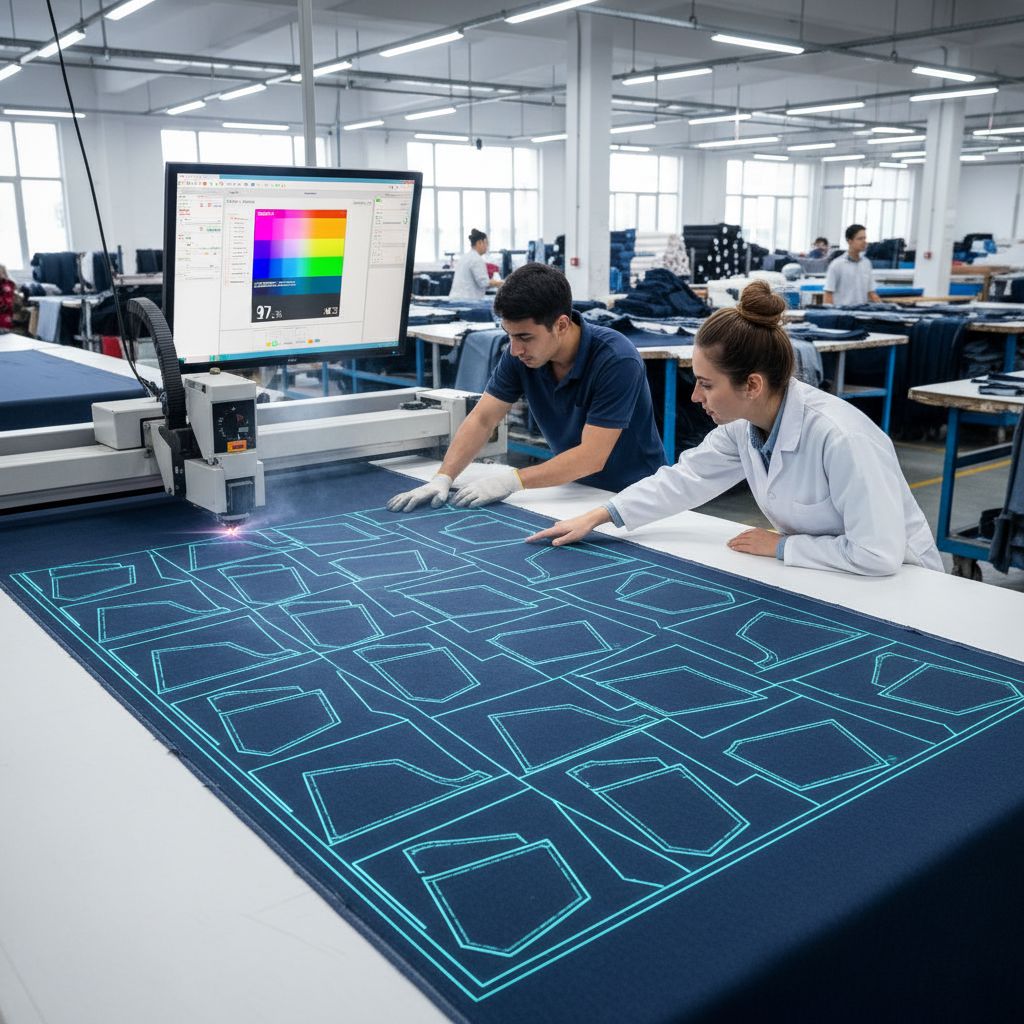
Additional Influencing Factors
- Usable Width: Must account for defects, selvedge, and uneven edges.
- Fabric Construction: Knit fabrics offer more stretch but higher shrinkage compared to stable wovens.
- Marker Efficiency: Layout optimization is the key to reducing material cost.
Best Practices for Accurate Consumption
- Use actual bulk fabric data instead of standard values.
- Calculate after pattern and marker are finalized.
- Separate main fabric and trims in your BOM (Bill of Materials).
- Update consumption immediately after sample approval.
- Include a safety buffer for unexpected production losses.
Conclusion
Fabric consumption is more than just a calculation; it is a key control point in garment production. By considering all relevant factors and applying accurate methods, manufacturers can reduce costs, avoid production issues, and improve overall efficiency.