Embroidery Thread Consumption Calculation in Garment Manufacturing

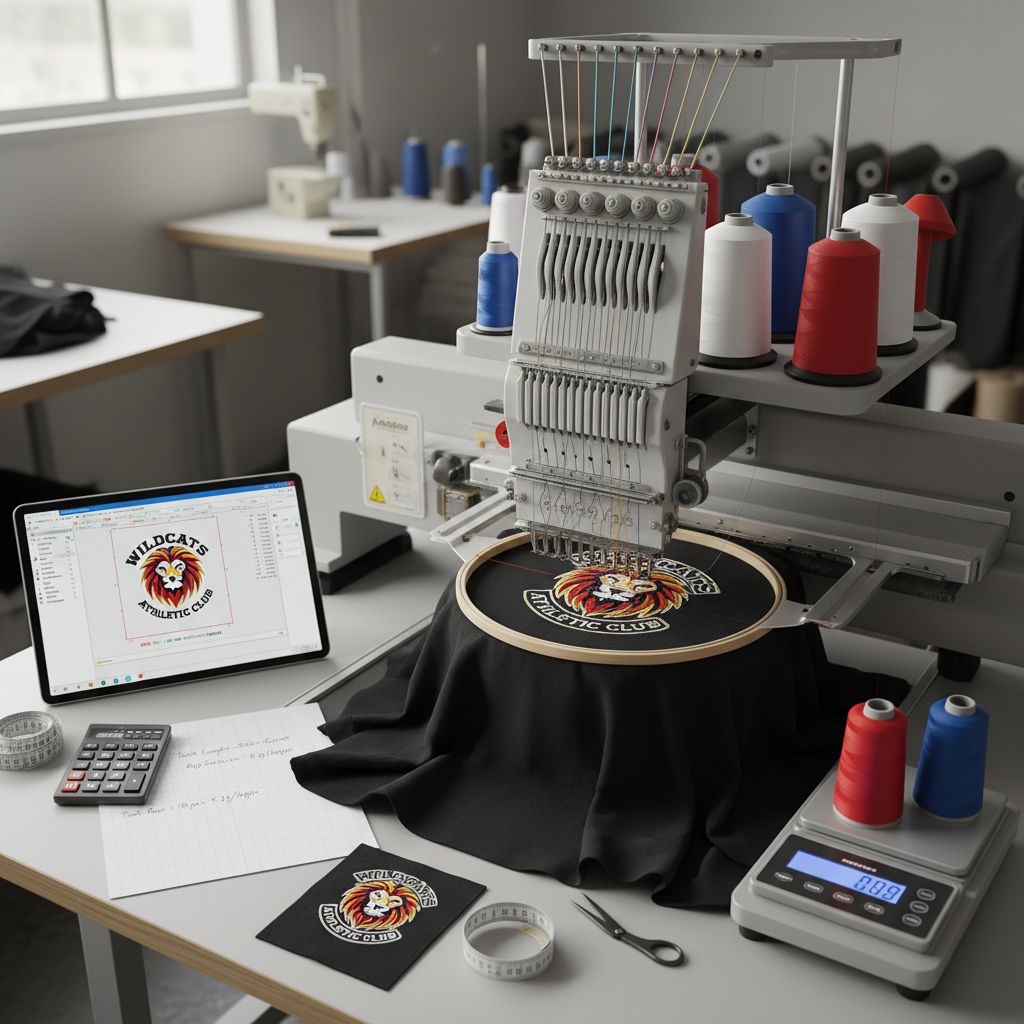
Embroidery thread consumption is an important part of garment costing and production planning in the apparel industry. Although the calculation is not very difficult, many garment merchandisers still find it confusing when they need to estimate thread usage for embroidered garments.
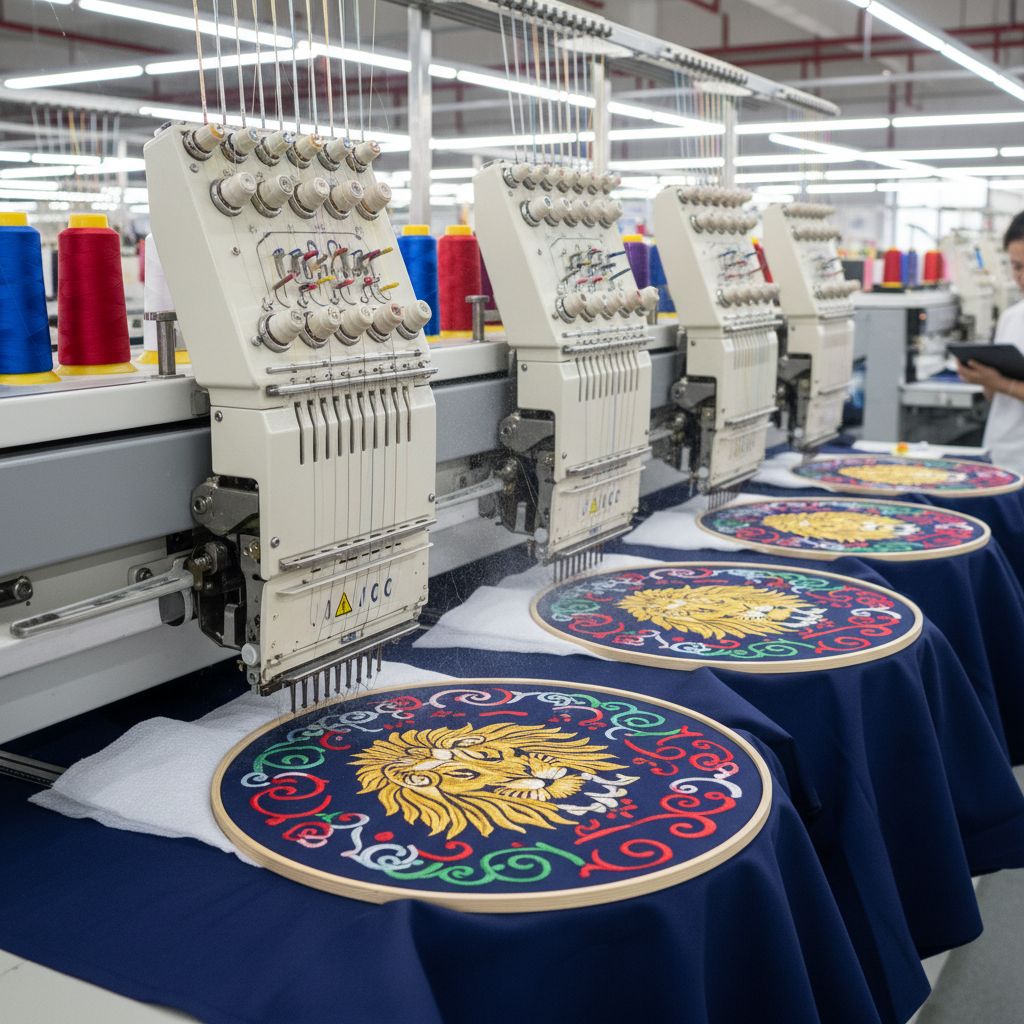
A clear understanding of embroidery thread consumption helps merchandisers prepare more accurate cost sheets, plan material requirements, and avoid shortages during production. This is especially important in bulk orders, where even a small error in thread estimation can lead to unnecessary cost differences. In this article, we explain an easy method for calculating embroidery thread consumption in the apparel industry, along with a practical example that can be used in real merchandising work.
Why Embroidery Thread Consumption Calculation Matters
Embroidery is a decorative process, but it also adds direct cost to the garment. If embroidery thread usage is estimated incorrectly, it can affect both material planning and final garment costing.
Accurate embroidery thread consumption calculation helps:
- improve costing accuracy
- estimate thread requirements before bulk production
- reduce the risk of material shortages
- support purchase planning
- control wastage during embroidery production
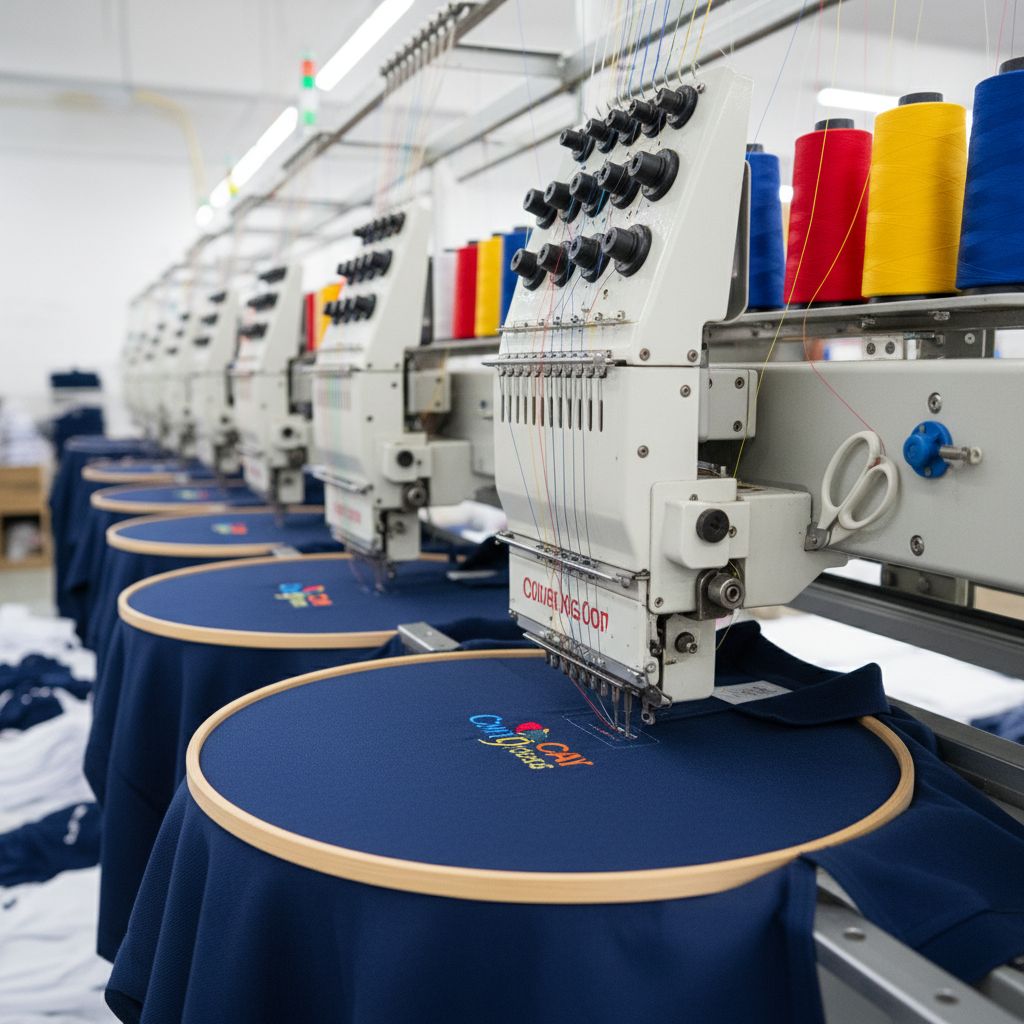
Data Required Before Calculating Embroidery Thread Consumption
Before calculating embroidery thread consumption, a garment merchandiser should collect the following information:
- 1. Stitch Quantity in the Embroidery Design: This means the total number of stitches in the embroidery artwork. Normally, this information is provided by the embroidery design file or embroidery supplier.
- 2. Stitch Length in the Embroidery Design: This is the average length of each stitch in the design, usually measured in millimeters. Stitch length depends on the embroidery style, stitch type, and design structure.
- 3. Length of Thread in One Cone: This refers to the total length of embroidery thread available in one cone, usually measured in meters.

Formula for Embroidery Thread Consumption Calculation
The following formula can be used to calculate embroidery thread consumption for one garment in cone units:
- Embroidery Thread Consumption Formula for 1 Piece – Embroidery thread consumption (cone per piece) = (Stitch quantity × Stitch length in mm) ÷ (Length of thread in one cone in meters × 1000)
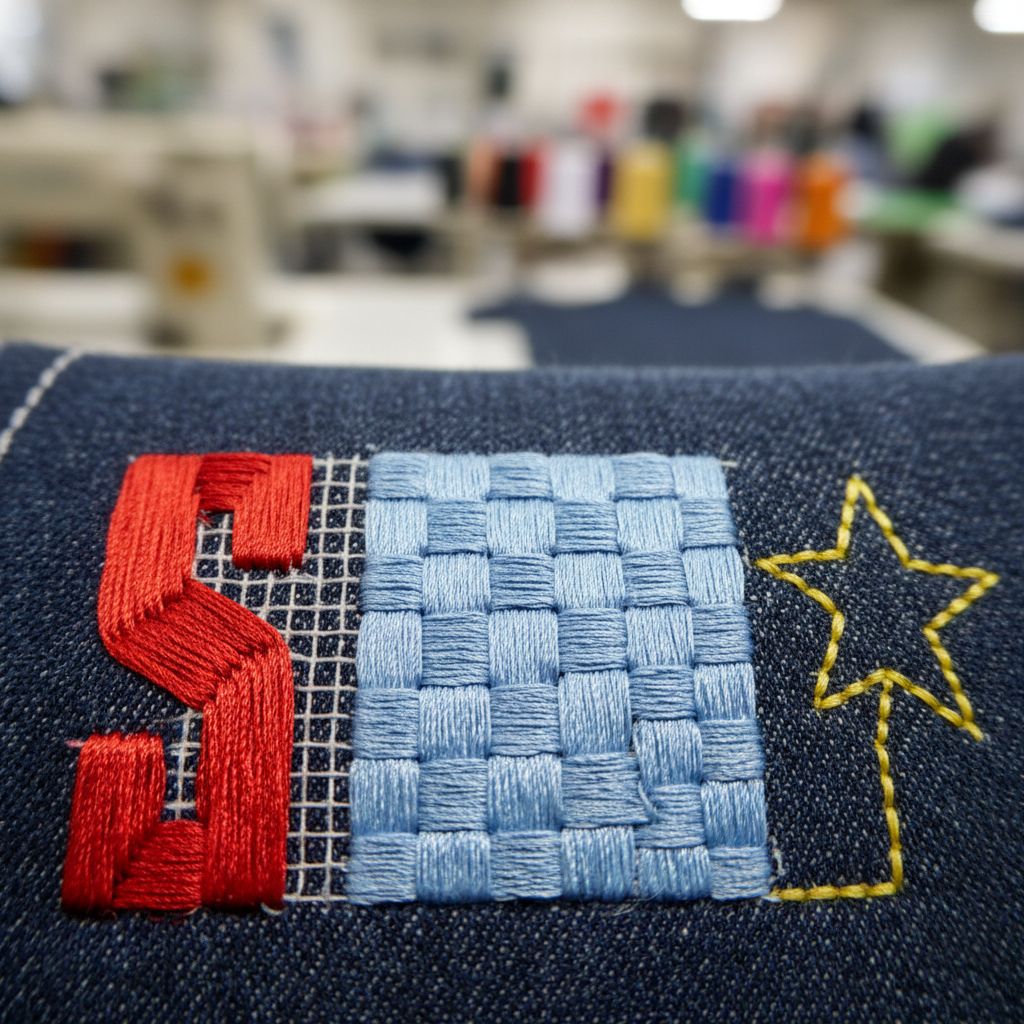
Step-by-Step Example of Embroidery Thread Consumption Calculation
Let us take a simple example from garment production. Suppose a buyer places an order for 10,000 knitted polo shirts, and each shirt has an embroidery design with the following details:
- Stitch quantity in the embroidery design = 5,000
- Stitch length in the embroidery design = 5 mm
- Length of thread in one cone = 5,000 meters
Step 1: Calculate Thread Consumption for 1 Piece
Using the formula: Embroidery thread consumption (cone per piece) = (5000 × 5) ÷ (5000 × 1000) = 25000 ÷ 5000000 = 0.005 cone per piece.
Step 2: Calculate Total Thread Consumption for the Full Order
For an order of 10,000 pieces: Total cone requirement = 0.005 × 10000 = 50 cones.
Embroidery Thread Consumption in Meter per Piece
Some merchandisers prefer to calculate thread usage in meters before converting it into cone quantity.
Formula in Meter per Piece: Embroidery thread consumption (meter per piece) = (Stitch quantity × Stitch length in mm) ÷ 1000
Using the same example: (5000 × 5) ÷ 1000 = 25 meters per piece. Then: 25 ÷ 5000 = 0.005 cone per piece. This gives the same result.
Important Factors That Can Affect Actual Consumption
- Design Complexity: Dense embroidery designs usually consume more thread.
- Stitch Type: Different stitch types (satin, fill, running) affect actual usage.
- Thread Breakage: Frequent breakage increases actual consumption.
- Machine Settings: Tension, speed, and trimming settings influence thread usage.
- Wastage Allowance: Factories often add a small wastage percentage.
Should You Add Wastage to the Calculation?
Yes, in practical factory planning, it is better to add an allowance for wastage.
Formula with Wastage: Required cones = Net cones × (1 + Wastage%)
Example: 50 cones × 1.10 (for 10% wastage) = 55 cones.
Common Mistakes to Avoid
- Using the wrong units (mixing mm and m without conversion).
- Ignoring wastage during bulk planning.
- Using incorrect cone lengths without supplier confirmation.
- Treating all embroidery designs the same.
Conclusion
Embroidery thread consumption calculation is not difficult when the correct data and formula are used. Knowing the stitch quantity, stitch length, and cone length allows a garment merchandiser to quickly estimate thread needs for costing and material planning. However, always consider factors like wastage and design complexity for real factory accuracy. In the apparel industry, small details drive big cost impacts—calculate carefully before production begins.