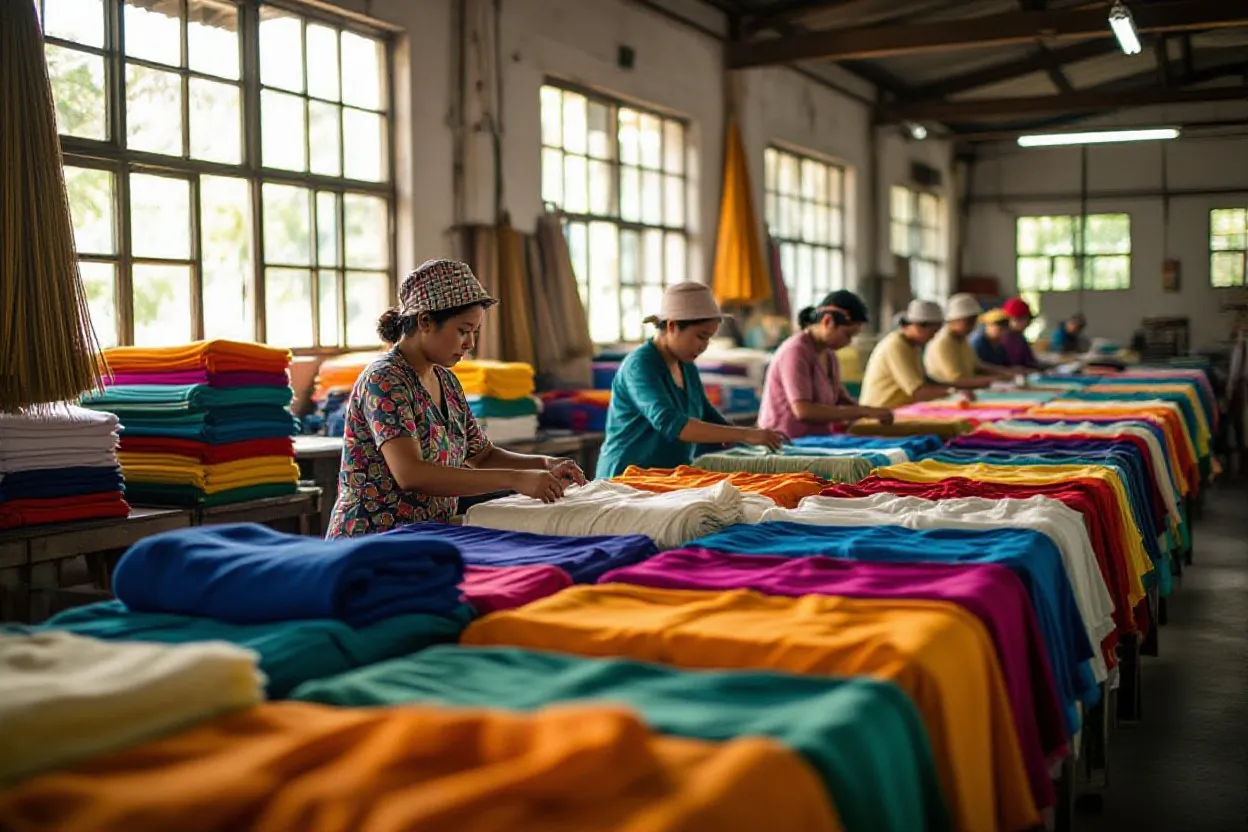


A polo shirt can look simple, but the fabric changes everything. It affects comfort, breathability, shape, and durability across work, sports, or travel. While cotton is valued for softness, polyester excels in moisture management. The best fabric is not always the most expensive; it is the one that fits how and where you plan to wear the shirt.
=> Our Service: Polo Shirts Manufacturing Vietnam | Mekong Garment Factory
Why Fabric Matters in a Polo Shirt
Fabric controls most of the wearing experience. The right material helps a polo stay breathable, wick sweat, resist wrinkles, and hold its shape. Understanding the knit and finish is crucial for performance and aesthetic goals.
=> Related Article: How to Maintain and Care for Polo Shirts
The right fabric can help a polo shirt:
- Feel soft against the skin
- Allow air to move through the material
- Manage sweat and moisture
- Keep its shape after washing
- Resist wrinkles
- Dry quickly
- Stretch with the body
- Maintain its color
- Last through frequent wear


A fabric that works well for a company uniform may not be suitable for golf, travel, or casual fashion. For example, pure cotton is soft and breathable, but it can hold moisture. Polyester dries faster, but some people may prefer the natural feel of cotton. This is why fabric should be chosen based on the polo shirt’s purpose rather than appearance alone.
Top Fabric for a Polo Shirt
1. Cotton: Best for Softness and Everyday Comfort
Cotton feels comfortable against the skin and is a top choice for comfort. It is naturally breathable, making it ideal for daily casual wear. However, pure cotton can wrinkle and stay damp longer during intense physical activity.
Why Choose Cotton?
- Soft against the skin
- Naturally breathable
- Comfortable for long periods
- Suitable for sensitive skin
- Easy to dye
- Offers a clean, natural look
What Should You Consider?
Pure cotton can wrinkle more easily than synthetic materials. It also absorbs moisture, which means it may remain damp longer during sports or heavy physical activity. Cotton may also shrink when washed or dried at high temperatures.
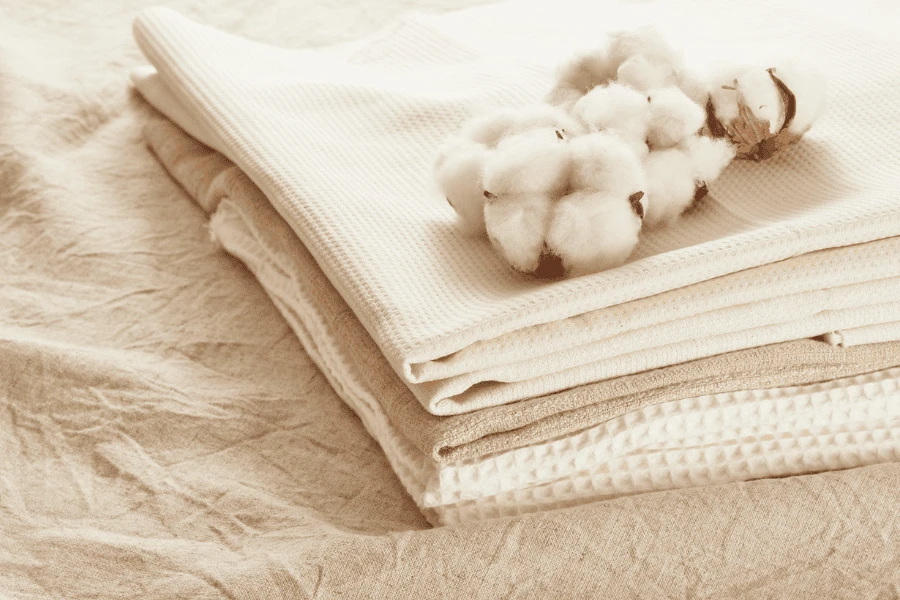
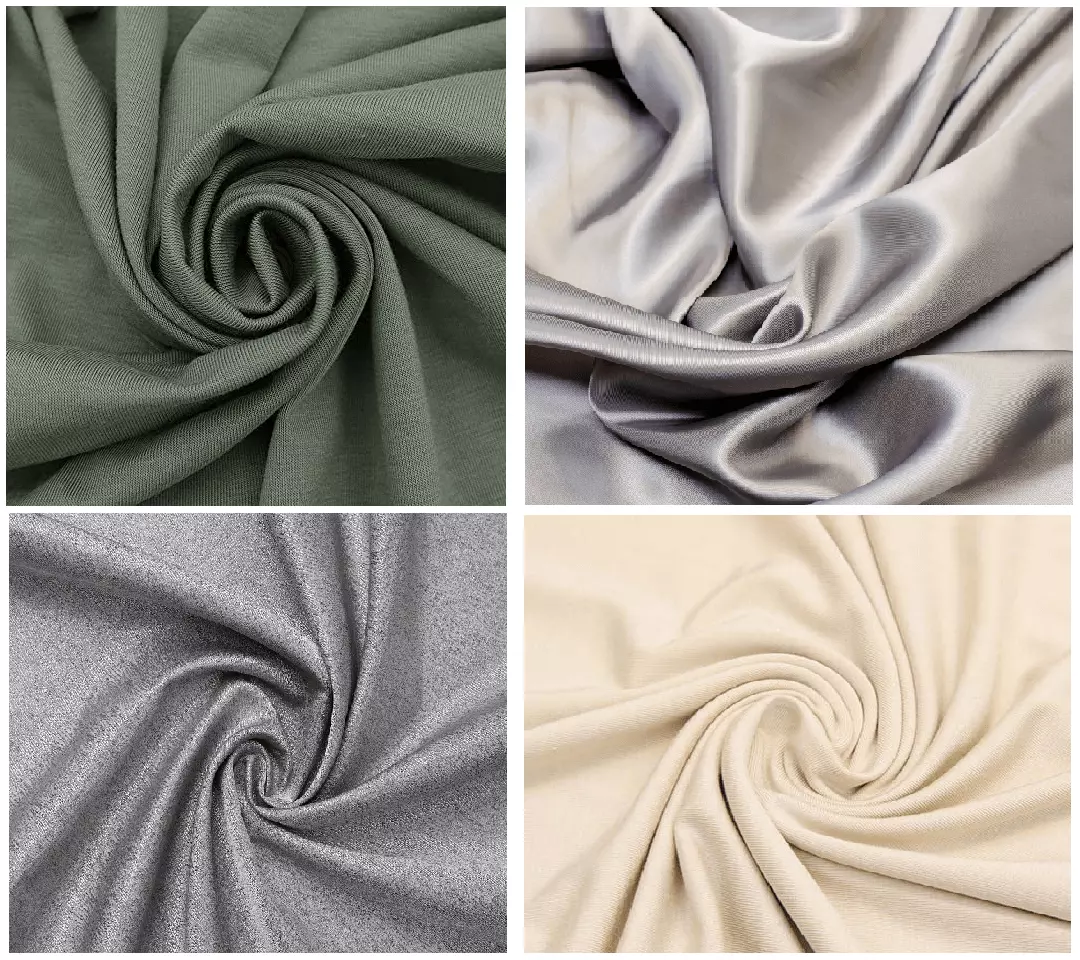
Cotton is one of the most popular materials for polo shirts – High-quality cotton for premium polo shirts. Cotton is a good choice when comfort matters more than fast drying. Best Uses Everyday casualwear, Lifestyle polo shirts, Fashion collections, Indoor uniforms, Warm-weather clothing.
2. Cotton Piqué: The Classic Polo Fabric
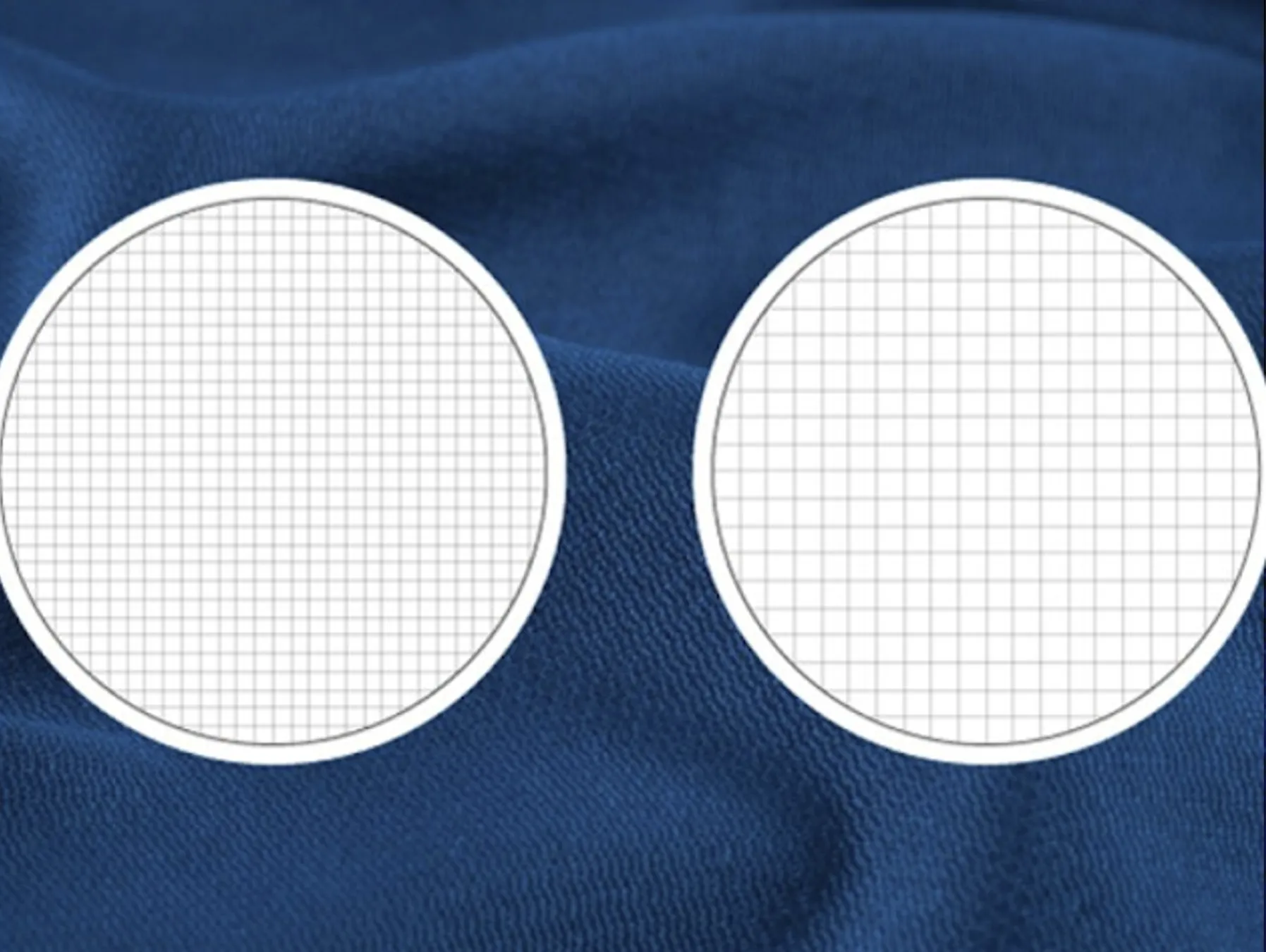
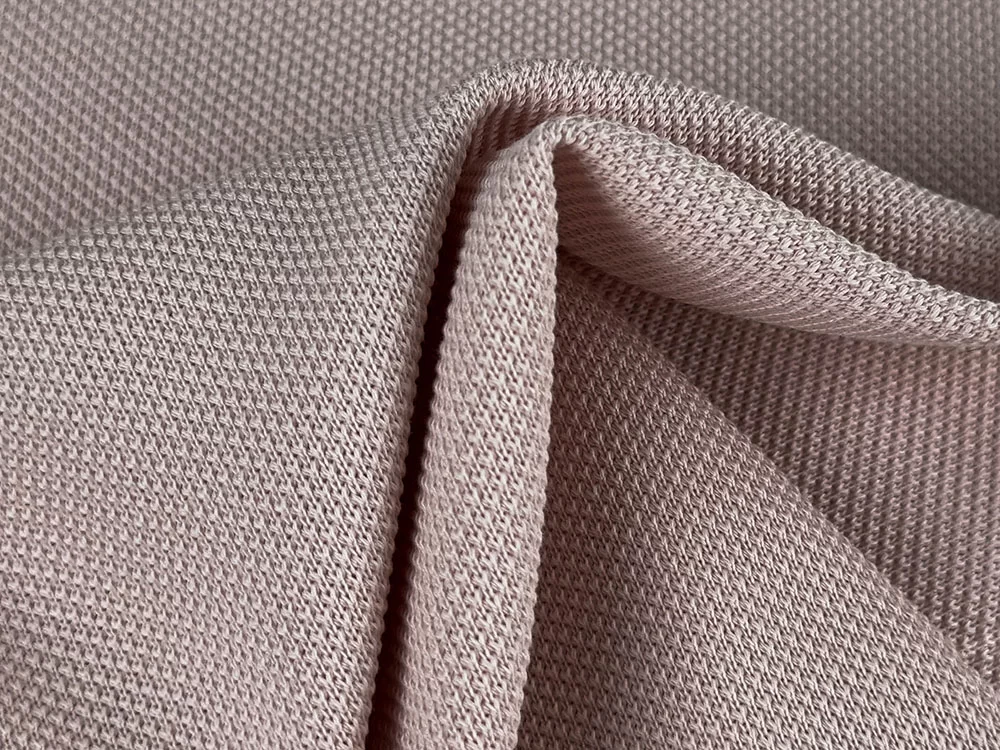
If you imagine a traditional polo, you are thinking of cotton piqué. This knit structure features a raised texture—waffle or honeycomb—that helps the shirt hold its shape and feel less clingy. It is a strong choice for smart casual workwear and golf polos.
Why Choose Cotton Piqué?
- Creates a classic polo appearance
- Feels breathable
- Holds its shape well
- Looks more structured than jersey
- Provides a stable surface for embroidery
- Works for both casualwear and uniforms
What Should You Consider?
Cotton piqué may feel firmer than smooth jersey fabric. Heavy piqué can also feel warm in hot and humid climates. The final comfort depends on the yarn, fabric weight, knitting quality, and finishing process.
3. Cotton Jersey for a Softer Feel
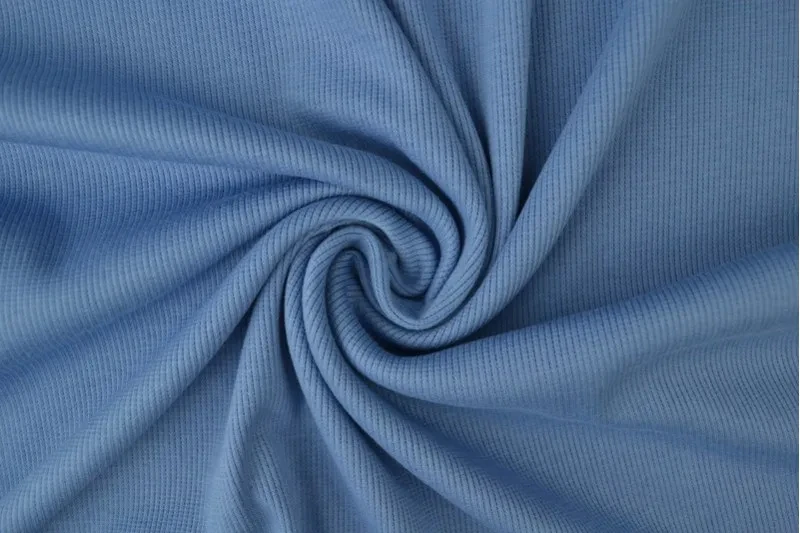
Cotton jersey has a smooth surface and usually feels softer than piqué. It is similar to the fabric commonly used for T-shirts. Jersey polo shirts often drape closer to the body and create a more relaxed appearance.
Why Choose Cotton Jersey?
- Soft and smooth
- Lightweight
- Comfortable against the skin
- Flexible
- Suitable for warm weather
- Creates a relaxed style
What Should You Consider?
Jersey may not hold the collar and placket as firmly as piqué. Very thin jersey can also show body lines and lose its shape more easily. Good construction is important to prevent the neckline, collar, and hem from stretching.

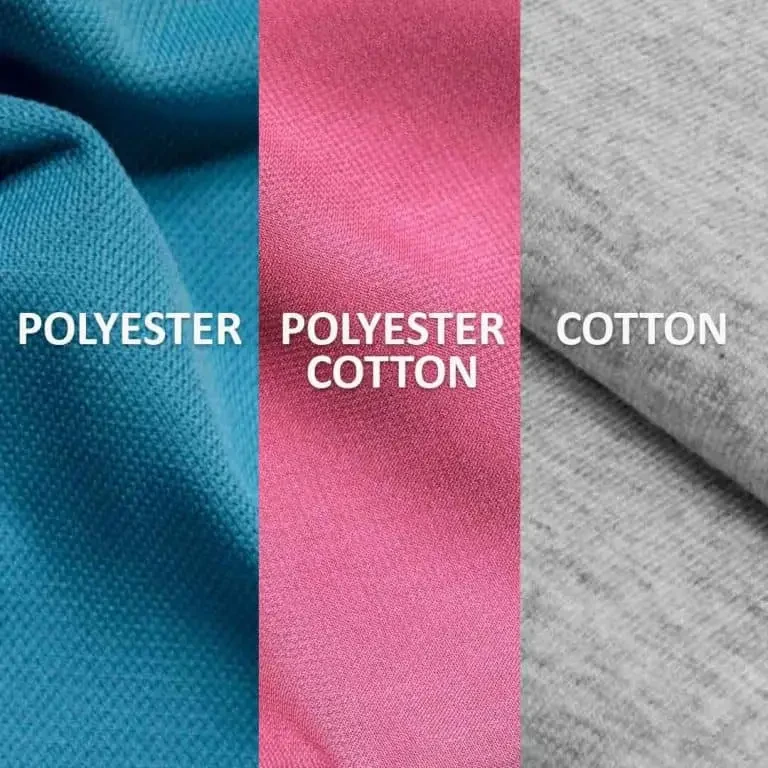
4. Polyester For Quick-drying
Polyester is durable, quick-drying, and wrinkle-resistant, making it ideal for active use. Modern tech fabrics often include elastane for stretch and anti-odor finishes. These performance materials are best for outdoor work and sports like golf or tennis. Possible features include:
- Moisture-wicking
- Quick-drying
- Four-way stretch
- UV protection
- Anti-odor treatment
- Cooling technology
- Mesh ventilation
- Wrinkle resistance
5. Tech Fabrics for Active Performance
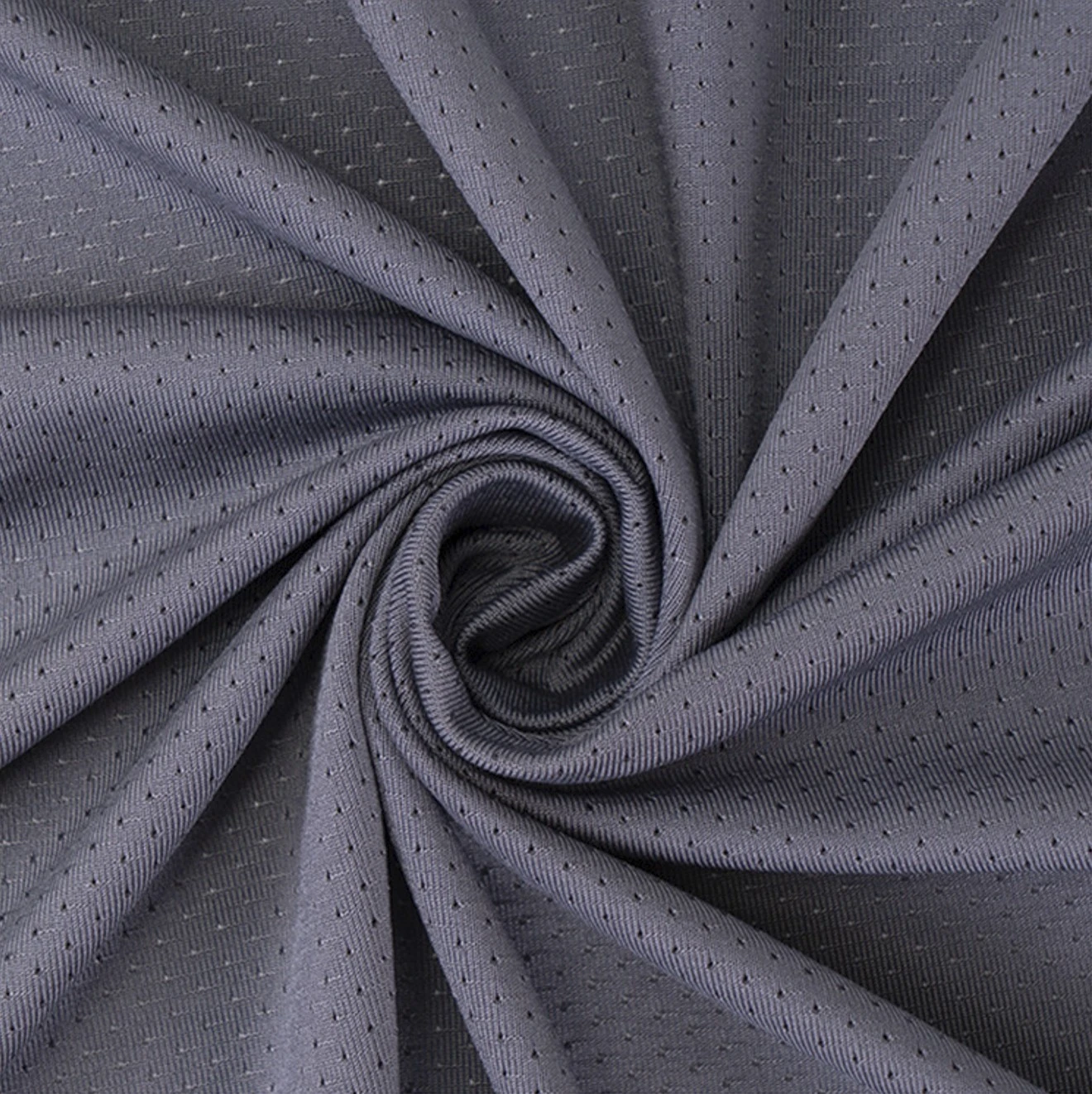
Technical fabrics are designed to provide features beyond basic comfort. They are often made from polyester, nylon, elastane, or blended fibers. Some use special knit structures or chemical finishes to improve performance.
Possible features include:
- Moisture wicking
- Quick drying
- Four-way stretch
- UV protection
- Anti odor treatment
- Cooling technology
- Mesh ventilation
- Wrinkle resistance
Why Choose Technical Fabric?
Performance fabrics can help the wearer stay more comfortable during sports, outdoor work, or long periods of movement. They may also offer better stretch and shape recovery than basic fabrics.
6. Poly-Cotton Blends: The Balanced Choice
Poly-cotton blends combine the softness of pure cotton with the durability of polyester. They are a smart choice for buyers wanting comfort with low maintenance. These blends are commonly used in retail and office uniforms.
Why Choose a Cotton-Polyester Blend?
- Softer than basic polyester
- More durable than pure cotton
- Dries faster than cotton
- Resists wrinkles
- Keeps its shape well
- Suitable for frequent washing
- Offers good value
What Should You Consider?
The fabric’s performance depends on the fiber ratio. A cotton-rich blend normally feels softer and more breathable. A polyester-rich blend usually dries faster and resists wrinkles better.
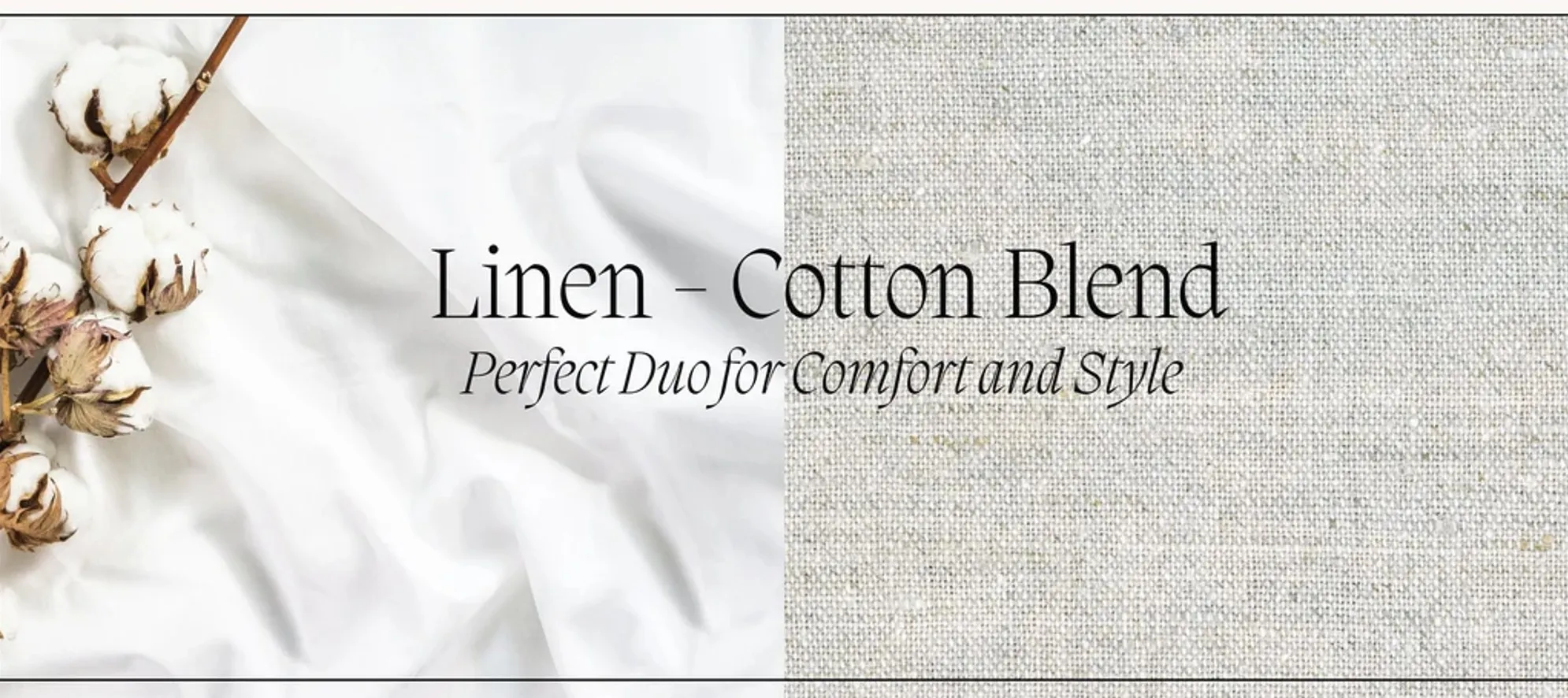

Balanced poly-cotton blend fabric for durable uniforms. Best Uses: Office uniforms, Retail uniforms, Hospitality clothing, Schoolwear, Promotional polo shirts, Everyday workwear, …
Conclusion / Final Words
Choosing the right fabric for a polo shirt is about function first. Cotton excels in comfort, while piqué works well for a classic look. Polyester and tech fabrics deliver performance, and blends offer a practical balance. Stop asking which fabric is best and start asking which is best for your specific use case.