How to Protect Your T-Shirt Brand: Trademarks, Copyright,… and What Actually Works

If you’re building a T-shirt brand, you’re not just selling fabric. You’re selling trust. Your logo, name, and key phrases are how people spot you fast and how copycats try to ride your wave. But here’s the hard truth (devil’s advocate moment): most “cool shirt graphics” are not trademarks. They’re decoration. And the law treats decoration very differently from a brand sign. This guide explains what you can trademark, what usually fails, how the process works (especially in the U.S.), and how to avoid painful infringement mistakes. This is info, not legal advice.

What “Trademarking a T-shirt design” Really Means

A trademark protects a brand identifier something that helps customers know who made it. So the real question is not: “Can I trademark this design?” – It’s:  “Does this design act like a brand label in real life?”

  • If buyers see it and think “nice graphic,” that’s ornamental.
  • If buyers see it and think “that’s that brand,” that’s closer to a real trademark.

Before you file anything, make sure you’re using the right type of protection. A T-shirt can include your brand identity (logo/name), artwork (graphics), or even a new functional feature and each one is protected differently. This section explains the difference between trademark, copyright, and patent so you protect the right thing and avoid wasting time and fees.

Protection What it covers T-shirt examples What it doesn’t cover
Trademark Brand identifiers (source) Brand name, logo, tagline used as a brand Random art that’s just decorative
Copyright Original artwork Your illustration printed on the shirt Brand names/short phrases (usually)
Patent Inventions / functional ideas Rare for tees; maybe a new functional garment feature A slogan or typical print design

=> In plain terms: trademark = “this comes from my brand.” copyright = “I made this art.” Patents are usually not the tool for standard T-shirts.

What Actually Counts as a Trademark on Clothing?

On clothing, a trademark isn’t just “anything you print.” It has to work like a brand signal—something that tells shoppers the shirt comes from your company, not just that it looks cool. In this section, you’ll learn what types of logos, names, and slogans usually qualify, why many big front designs get treated as “decorative,” and how to use your mark (placement and consistency) so it’s more likely to be seen as a real trademark. A trademark has to function as a source identifier a sign that tells buyers “this is from that brand.”

Usually good trademark targets:

  • Brand name (word mark)
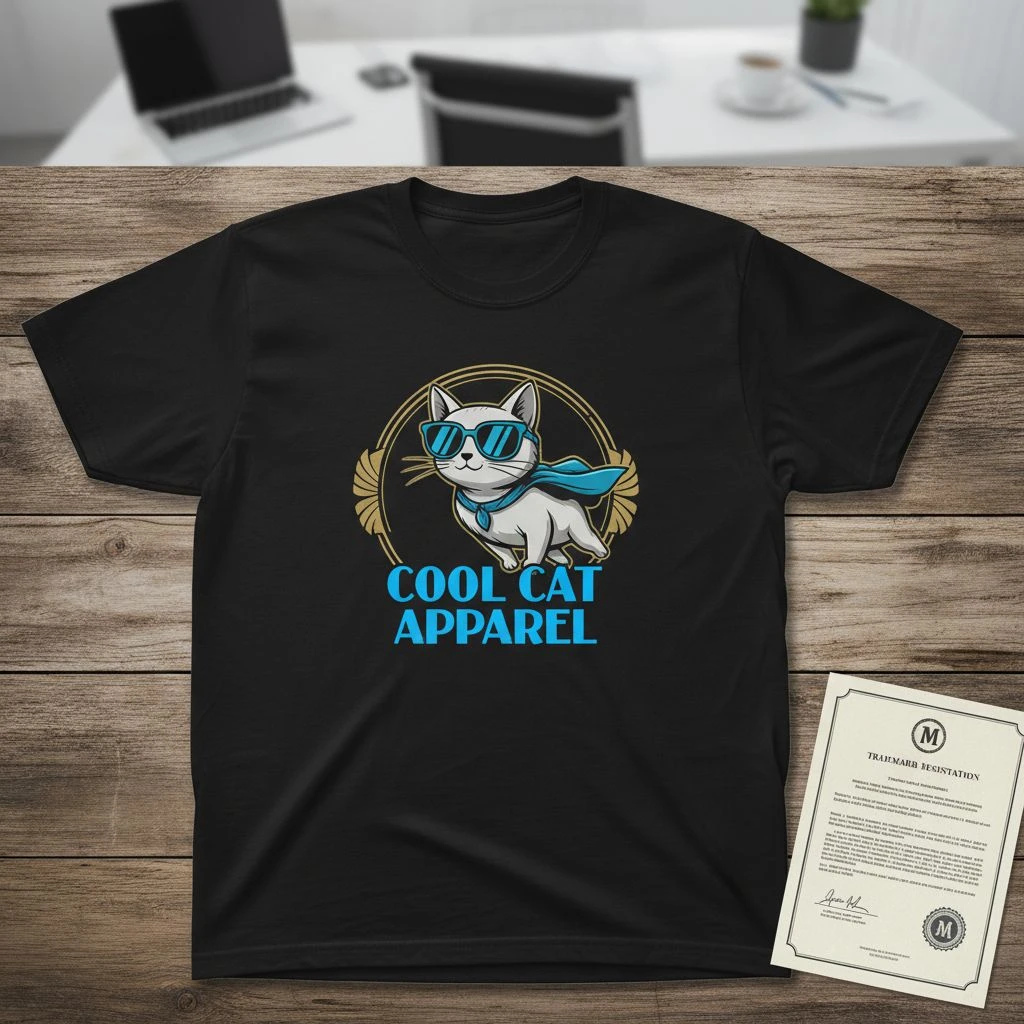
  • Logo (design mark)
  • Short slogan that buyers connect to your brand (not just a quote)
  • Recurring brand symbol (like a small icon you always use)

Usually not good trademark targets (common trap):

  • A big graphic that’s mainly there to look cool
  • A common phrase (even if it sells well)
  • A design that buyers see as “shirt art,” not “brand”

High-risk / commonly denied targets:

  • A big quote across the front (looks decorative)
  • A common phrase (“NO PAIN NO GAIN” type stuff)
  • A one-off graphic that changes each drop

The USPTO (U.S.) often refuses marks on apparel as ornamental when the design looks decorative like a large slogan across the chest.

Step 0 (before filing): choose a mark that can actually win

Before you spend money filing, make sure your mark is strong enough to survive real-world scrutiny. Most T-shirt trademark problems happen before the application even starts because the name is too generic, too similar to another brand, or used in a way that looks decorative. This step helps you pick a mark that’s distinctive, searchable, and more likely to get approved (and defended later).

A lot of brands lose because the mark is:

  • too close to an existing mark (confusion), or
  • too generic/descriptive, or
  • used in the wrong way (ornamental)
  • The most common refusal reason is likelihood of confusion.

Ask yourself:

  • Would a random buyer confuse my brand with another one?
  • Does my name sound like a popular brand name?
  • Is my logo shape “too familiar”?
  • If yes, fix it now. Don’t pay fees to learn that lesson later.

How to Trademark Your T-shirt Designs in the U.S.

Trademarking a T-shirt design in the U.S. isn’t just filling out a form it’s proving your logo, name, or slogan is being used as a real brand identifier, not just decoration. In this section, you’ll learn the full USPTO process in simple steps: how to check eligibility, search for conflicts, choose the right class, prepare a strong specimen (the part most apparel brands mess up), and what to expect during review and approval.

Step by step: 

This is the typical path with the U.S. Patent and Trademark Office (USPTO)

  • 1) Confirm it’s a trademark, not just decoration: If it’s mainly artwork, you may want copyright (and maybe a brand trademark separately). If it’s your logo/name/slogan used like a brand, you’re in trademark territory.
  • 2) Search for conflicts (do this seriously): The USPTO retired the old TESS system and replaced it with a new cloud-based Trademark Search system. Search for: exact matches, similar spelling, similar sound, similar meaning, similar logos (not just identical). Why? Because even “close enough” marks can trigger confusion refusals.
  • 3) Pick the right class (usually Class 25): Most clothing (including T-shirts) is Class 25. If you also run a retail store brand, you may need other classes too (that’s where advice gets more case-specific).
  • 4) Decide your filing basis – Most brands file as either: Already selling (use in commerce), or Not launched yet (intent to use) Either way is normal. The “right” choice depends on what you’re actually doing now.
  • 5) File the application: You’ll file the mark, owner info, goods description, and class.
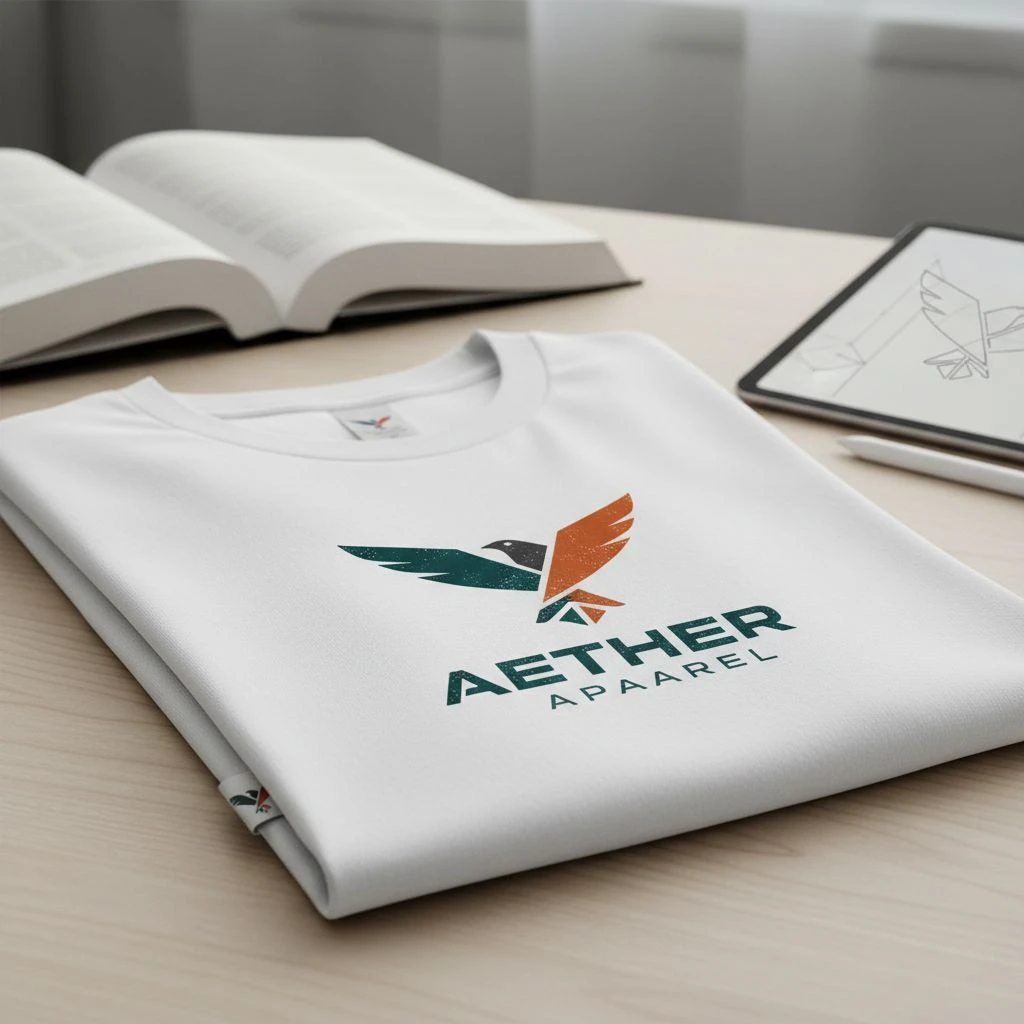
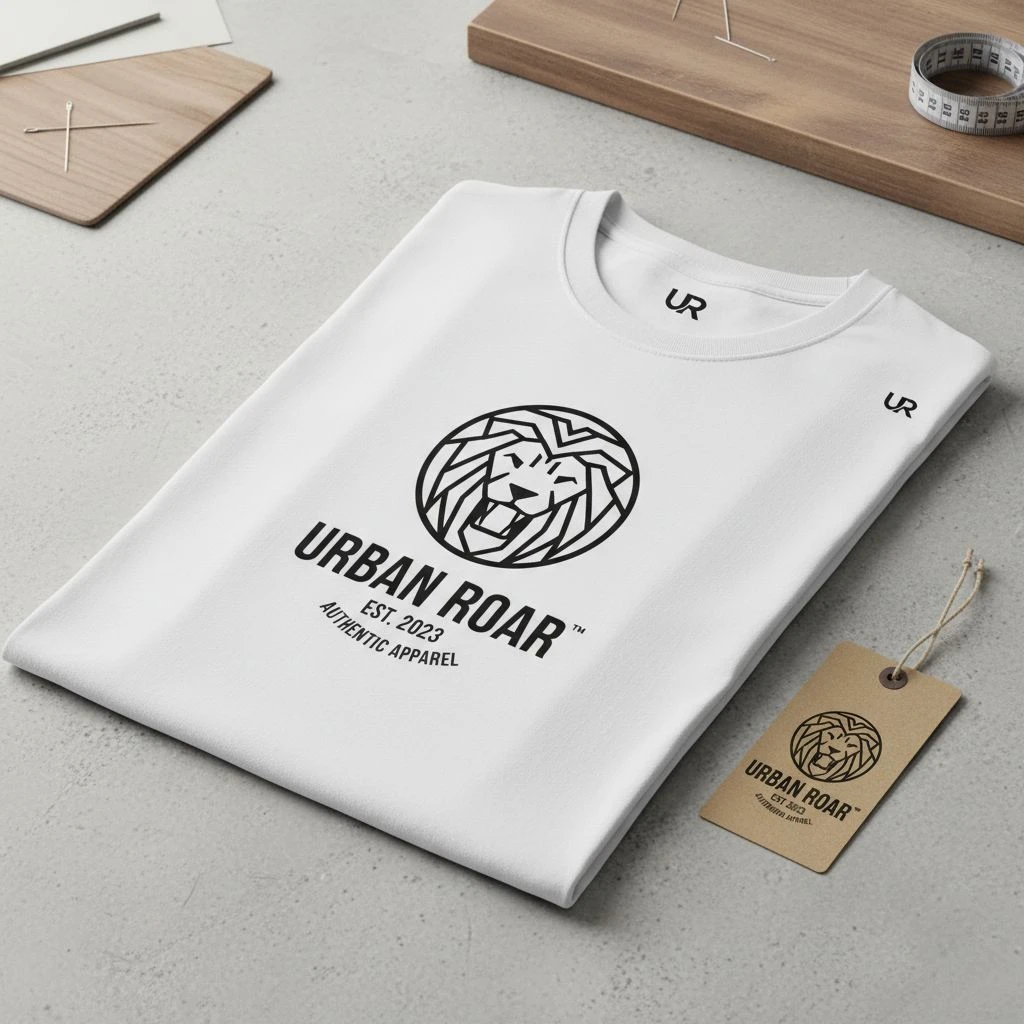
  • 6) Provide a “specimen” that matches real use: A drawing shows what the mark is. A specimen shows how you use it in real life. For apparel, specimens that often work include: hangtags / labels showing the mark, packaging tied to the product, webpages that show the mark + the goods + a way to buy (with proper details), Bad specimens are a common reason for refusal.
  • 7) Respond to USPTO review (office actions are common) – If you get questions or refusals, you must respond on time. The big ones for tees are: ornamental refusal, likelihood of confusion, specimen problems.
  • 8) Publication + possible opposition: If approved, your mark is published, and others can oppose it. That can add time.
  • 9) Registration (if everything clears): Then you get federal protection in the U.S.

How long does it take? How much does it cost?

  • Timin: The USPTO says registration usually takes 12–18 months, but it can be shorter or longer based on issues and delays.
  • Fees: USPTO’s base filing fee is commonly $350 per class if you meet the base requirements. There were also trademark fee rule changes effective in 2025, including added fees in certain situations.

=> Important Notes: If your application is messy (wrong ID, weak specimen, unclear goods), the “cheap filing” can become “expensive fixes.”

TM vs ® (don’t mess this up)

  • You can use even if you haven’t registered.
  • You should use ® only after federal registration.

After You Register: keep it alive (many brands forget this)

Getting a trademark registered isn’t the finish line—it’s the start of maintenance. Many apparel brands lose their trademarks not because they did anything “wrong,” but because they stop using the mark consistently or miss required filings and deadlines. This section explains what you must do after registration to keep your trademark active, enforceable, and worth the money you spent. In the U.S., you must file maintenance documents:

  • between the 5th and 6th year
  • then every 10 years after that (with required filings and fees)

If you miss deadlines, your registration can be canceled.

When You Should Hire a Trademark Attorney

You can file a trademark yourself, but a lawyer is worth considering when the risk of getting rejected or boxed into a weak filing is high. Apparel trademarks are tricky because many designs look “decorative,” and one bad specimen or a confusingly similar mark can delay you for months. This section helps you spot the situations where an attorney can save you time, money, and headaches (and when you can likely DIY safely).

You can file on your own. But it’s often worth help if:

  • your mark is a slogan (ornamental risk)
  • your logo is complex
  • you plan to expand fast
  • you find similar brands during searching
  • you get a refusal (office action)

A short consult can cost less than re-filing and losing a year.

Final Words / Conclusion

Trademarking your T-shirt “designs” is really about trademarking what customers use to recognize your brand—not every graphic that looks cool. If your logo, name, or slogan isn’t used like a real brand label (think neck tag, hangtag, packaging, or consistent brand placement), you risk getting rejected as “decorative” and wasting time and filing fees.

So be strategic: lock down your brand name and logo first, use them consistently across products, and document your real-world use from day one. Before you print big batches, do a serious search, avoid anything that smells like someone else’s characters or logos, and don’t trust myths like “small changes make it original.” The goal isn’t to trademark everything. The goal is to build a brand identity that’s hard to copy—and easy to defend when it matters.

FAQs: Trademarking Your T-Shirt Designs

Can I trademark a T-shirt design?

Yes, if it works as a brand identifier, not just decoration. Logos, brand names, and certain slogans can qualify. A big front graphic usually gets treated as “ornamental” unless you also use it like a brand (label, hangtag, packaging).

What’s the difference between trademark and copyright for T-shirts?

Trademark protects brand identity (name, logo, slogan that points to your brand). Copyright protects original artwork (illustrations, graphics). A single shirt can involve both: the art may be copyrighted, while your logo/slogan may be trademarked.

Can I trademark a slogan on a T-shirt?

Sometimes, yes. The slogan must act like a brand sign, not just a funny quote. A good sign it’s trademark-ready: you use it consistently across products and marketing, and you place it in a branding spot (hangtag/label) instead of only as giant chest text.

Why do so many T-shirt trademarks get rejected?

Most rejections happen because of: Ornamental use (looks decorative), Likelihood of confusion (too similar to an existing brand), Weak specimen (your proof of use isn’t acceptable), Too generic/too descriptive wording.

What counts as “ornamental” on clothing?

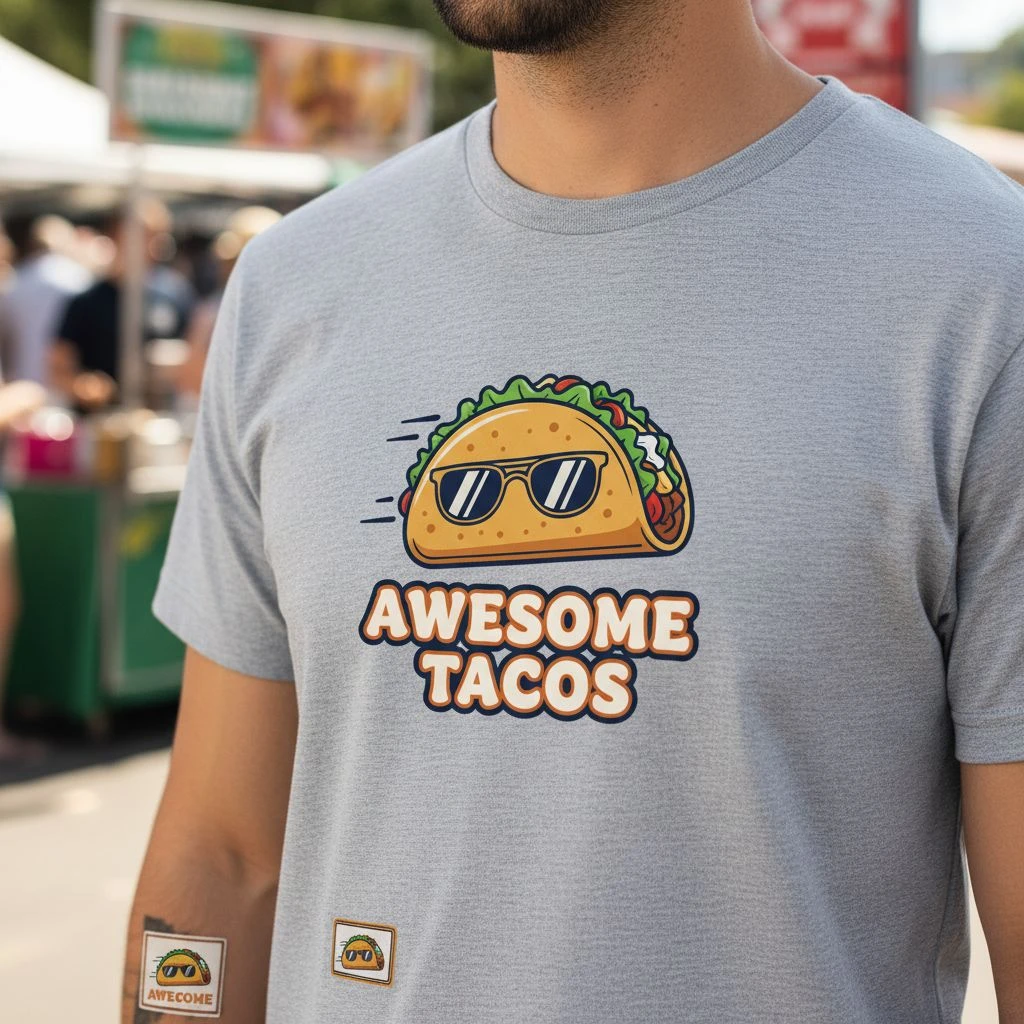
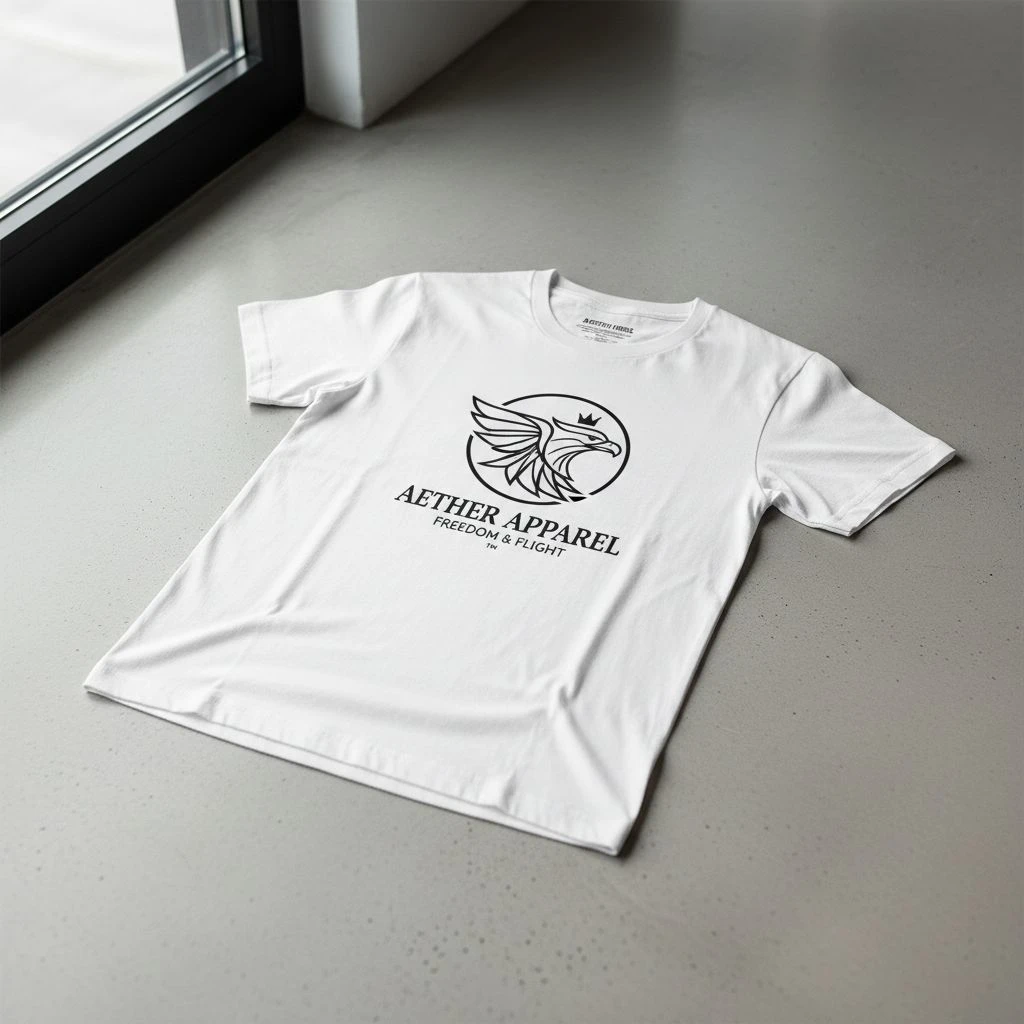
Usually: large designs centered on the chest that look like decoration. If the mark appears only as the main artwork, it’s harder to prove it’s a trademark. Brands reduce risk by also showing the mark on labels, hangtags, or packaging.

Where should my logo/mark appear to be “strong” for trademarks?

Best places (because buyers expect branding there): Neck label, Hangtag, Small chest logo, Packaging label/sticker. These placements help prove the mark is identifying your brand.

Do I need to be selling already to apply?

Not always. In the U.S., you can often file as intent to use if you haven’t launched yet, then submit proof later. If you’re already selling, you typically file based on use in commerce.

What is a “specimen,” and why does it matter?

A specimen is your real-world proof showing how the mark is used on the product. For apparel, strong specimens include: tags/labels attached to the shirt, packaging showing the mark, a product page that clearly shows the mark + the item + a way to buy. Bad specimens are a common reason for rejection.

Related posts