6 Types Of Tag Printing Techniques For Your Apparel Brands

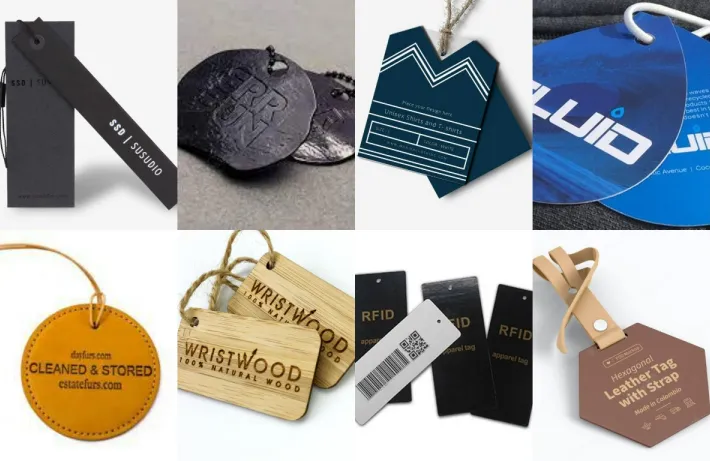
A hang tag is much more than a price label; it is a vital part of your brand’s identity. Attached directly to the garment, it showcases key details such as size, fabric content, and brand story. Choosing the right material—from eco-friendly paper to premium leather or RFID loop tags—is the first step in attracting customers. Below are the six most popular hang tag printing techniques used in modern apparel branding.
Overview of Hang Tag Functions
Serving both functional and marketing roles, hang tags act as a visual cue during shelf browsing or online unboxing. Premium labels often utilize foil stamping, embossing, or lamination to signal high value, while activewear brands favor durable plastics and RFID for logistics. When designing, you must also consider eyelet sizes (0.25, 0.375, or 0.4375 in) to ensure the tag remains securely attached without tearing.
=> Related Article: Common Materials for Swing Tags
6 Essential Tag Printing Techniques
1. Ink Printing (Digital & Offset)
Digital and offset ink printing are the standard for paper tags. Digital is ideal for short runs (50-5,000 units), while offset is cost-efficient for bulk production. Using 300-600 dpi ensures that barcodes and QR codes remain crisp and machine-readable.
- Common Uses: Size charts, care instructions, and complex multi-color logos.
- Quality Tip: Add a varnish layer to prevent ink smudging during transport.
2. UV Coating & Spot Gloss
UV coating cures instantly under ultraviolet lamps, giving tags a high-shine finish. Spot UV is particularly effective for creating tactile contrast—making your logo pop against a matte background without adding bulk.
- Benefit: Dries in seconds, speeding up finishing runs.
- Best Stock: Use 250-350 GSM cardstock to prevent the coating from cracking on folds.
3. Film Lamination (Matte & Gloss)
Lamination covers the tag in a thin transparent plastic film (12-25 µm). This makes the tag resistant to moisture, tearing, and scuffs. Brands choose lamination for outerwear or technical gear that faces heavy handling in long distribution chains.

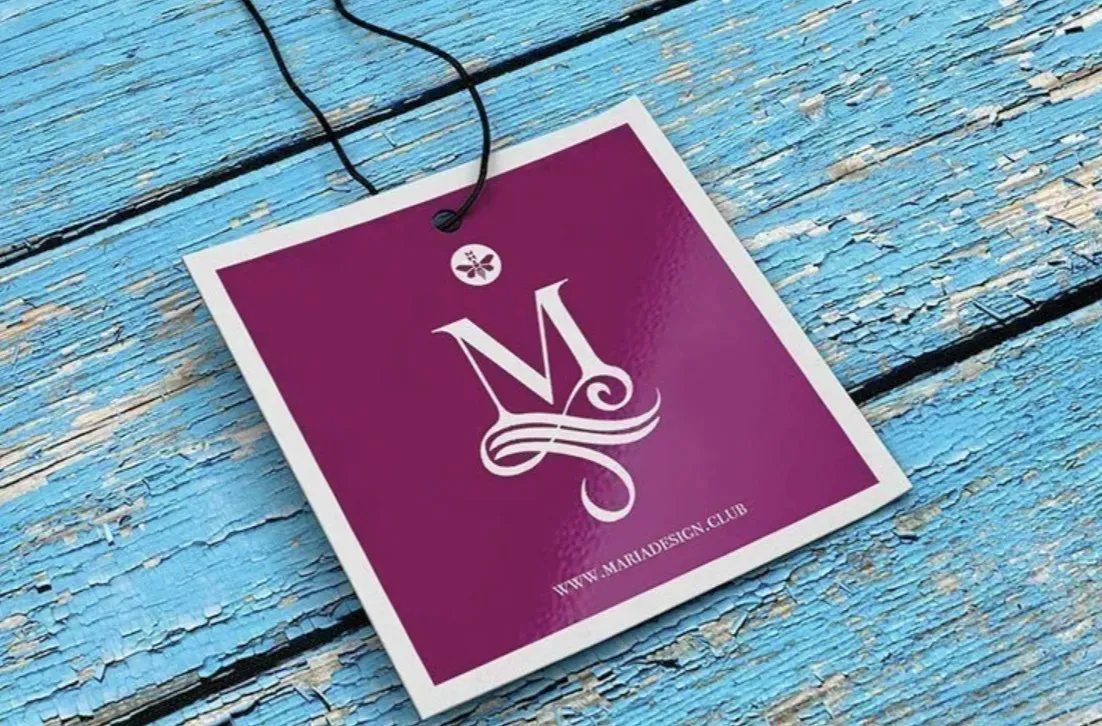
4. Foil Printing (Hot & Cold)
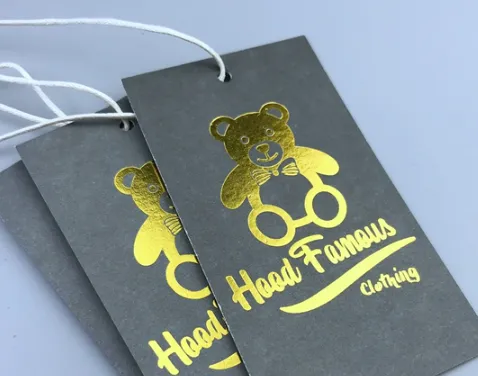
Foil printing uses heat and pressure to transfer metallic film (Gold, Silver, Copper) onto the stock. It instantly elevates the perceived value of premium SKUs or limited-edition capsules. For best results, use at least 0.3mm stroke width for foiled text to maintain legibility.
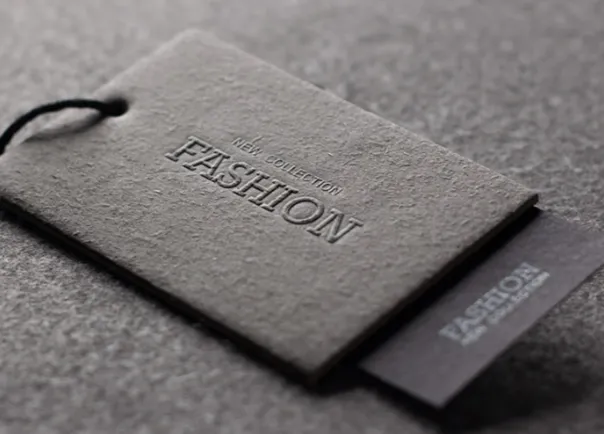
5. Embossing & Debossing
Embossing raises the design above the surface, while debossing presses it into the material. These 3D effects provide a luxurious “tactile signature” that customers can feel. Combining these with foil delivers the highest impact for high-end fashion labels.
6. Reinforcing with Eyelets
Finished tags require eyelets—metal or plastic rings that reinforce the attachment hole. This prevents the tag from being ripped off easily and provides a professional finish that matches the garment’s hardware (zippers/buttons).
Conclusion
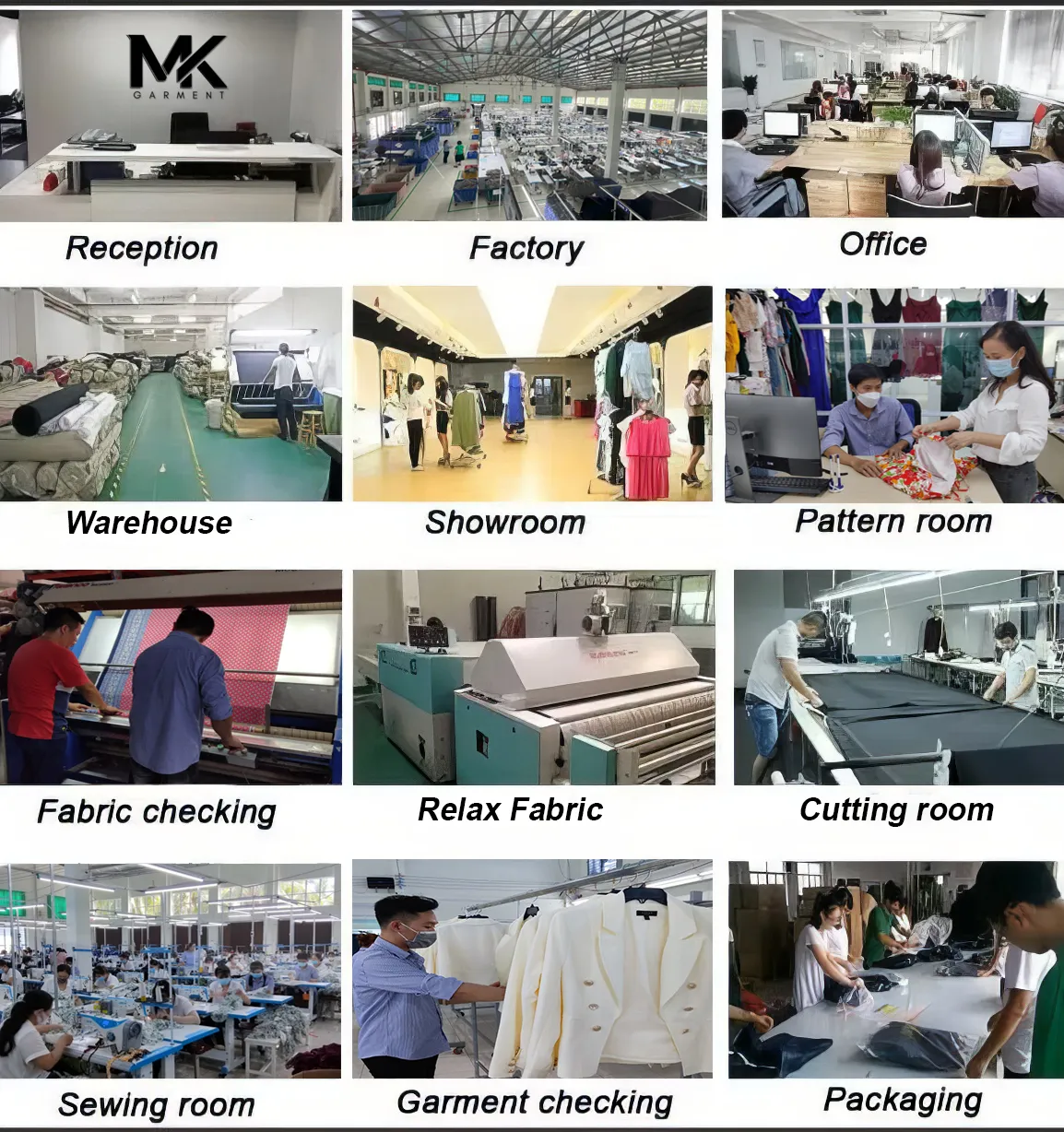
Combining the right printing technique with high-quality materials ensures your hang tags reflect the excellence of your apparel. Whether you need the durability of lamination or the luxury of gold foil, your tag is a silent salesman for your brand. At Mekong Garment, we help brands select the perfect combination of finish, eyelet, and stock to enhance perceived value while meeting global shipping demands.
Contact Mekong Garment Factory
- VN Phone/WhatsApp/WeChat: +84 947 729 829
- Email: hanh@kimmy.vn

FAQs About Tag Printing Techniques
What information should a clothing hang tag include?
A clothing hang tag should clearly communicate the most important details a customer needs before buying. This usually includes the brand name, size, color, fabric composition, and price. Many brands also add care instructions, sustainability claims, or QR codes that link to websites or product stories. A good hang tag helps customers feel informed and confident about their purchase.
What is the most common material for hang tags?
Paper is the most popular hang tag material because it is affordable, easy to print, and flexible in design. It works well for most fashion products, from casual wear to mid-range apparel. For premium or luxury garments, brands often choose leather, plastic, metal, or fabric tags to signal higher quality and exclusivity.
Which printing method is best for basic hang tags?
Ink printing is ideal for basic hang tags because it is cost-effective and efficient for large production runs. It allows clear text and simple graphics to be printed quickly. When combined with oiling or light coating, ink printing also helps prevent smudging and keeps the tag looking clean throughout shipping and retail handling.
What is the difference between embossing and debossing?
Embossing creates a raised design that customers can feel with their fingers, adding texture and visual depth. Debossing, on the other hand, presses the design into the surface, giving a more subtle and elegant look. Brands often choose embossing for bold logos and debossing for minimal, refined branding.
When should UV coating be used on hang tags?
UV coating is used when a brand wants its hang tag to look bright, smooth, and eye-catching. This coating enhances colors and protects the surface from scratches and dirt. It is especially useful for fashion brands that rely on strong visual appeal in retail environments.
Are laminated hang tags better than regular paper tags?
Laminated hang tags are more durable because the plastic film protects them from water, tearing, and bending. They are ideal for garments that travel long distances or are handled frequently. However, regular paper tags may still be preferred for eco-friendly collections or minimalist designs.
What is foil printing used for on hang tags?
Foil printing is mainly used to add luxury and visual impact. Metallic finishes like gold or silver draw attention to logos or brand names and make the tag stand out. This technique is commonly used by high-end and designer brands that want to create a premium feel.
Can hang tags be made eco-friendly?
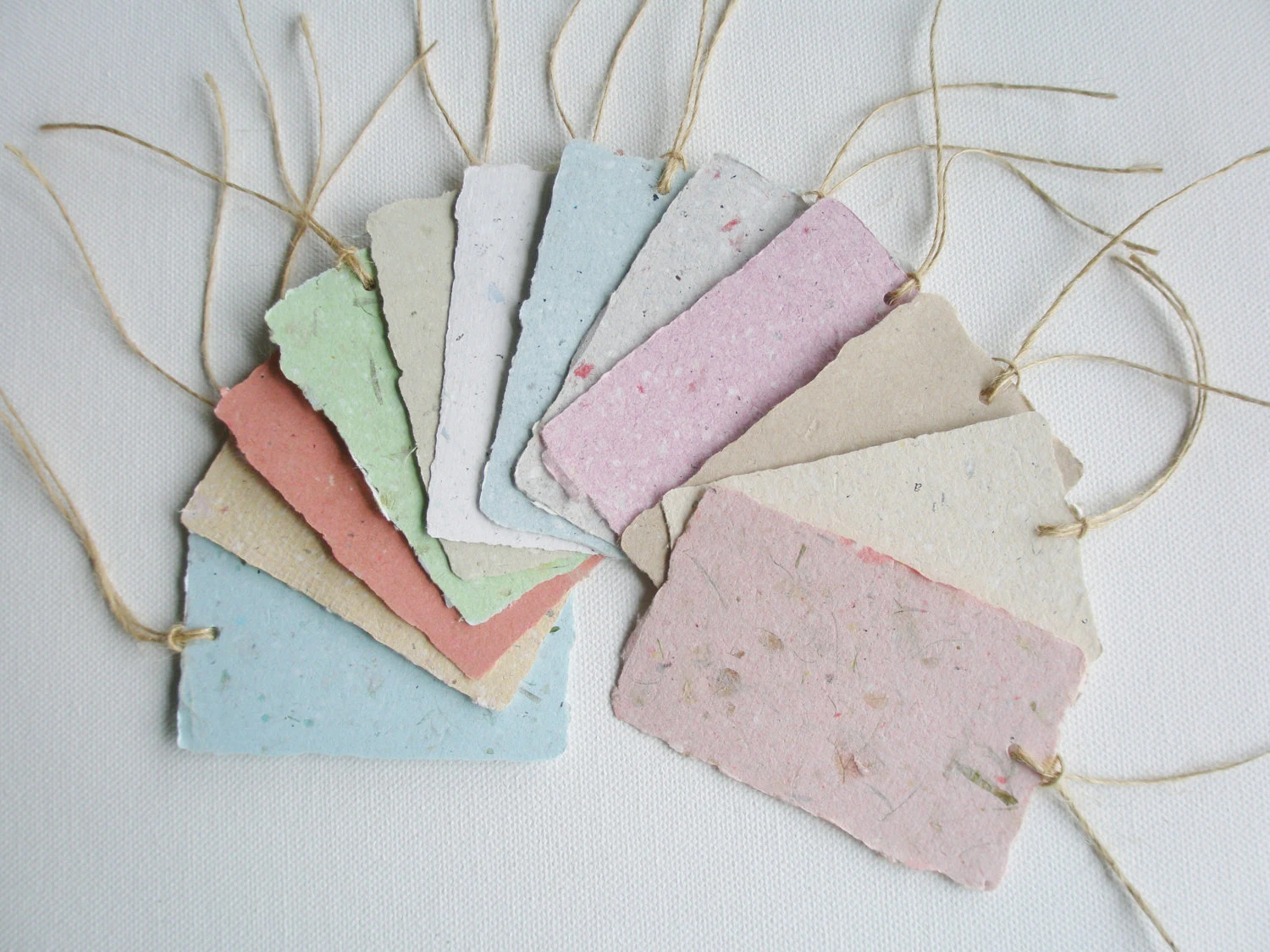
Yes, many brands now produce eco-friendly hang tags using recycled or biodegradable paper, soy-based inks, and minimal coatings. Some brands also reduce tag size or avoid plastic finishes to lower environmental impact. These choices help communicate sustainability values to customers.
Do premium hang tags really affect sales?
Yes, premium hang tags can strongly influence customer perception. A high-quality tag makes the garment feel more valuable and trustworthy, even before the customer tries it on. This emotional response can increase perceived value and support higher pricing.