

Why Fabric Sourcing Is the Biggest Threat to Apparel Lead Times

There is a hidden danger lurking in your production schedule that often goes unnoticed until it is too late. Even with perfect tech packs, fabric sourcing remains the single biggest bottleneck in apparel manufacturing. Because material procurement happens at the very beginning, any delay here creates a domino effect that disrupts cutting, sewing, and shipping. Understanding why this process is so volatile is the first step to regaining control over your production calendar and avoiding costly setbacks.
Missed fabric arrivals cause:
- A 1-week delay in fabric often compounding into a 3-week delay overall.
- Factories losing your reserved production slots to other clients.
- Expensive last-minute shifts to air freight to hit retail launch windows.

The Critical Role of Fabric Sourcing
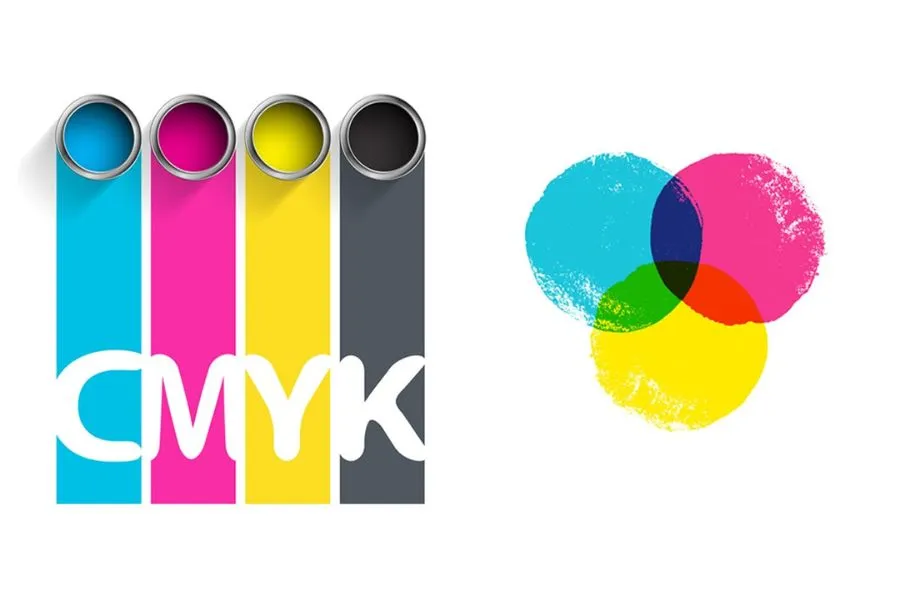
Sourcing is rarely as simple as selecting a swatch from a catalog. You are effectively engineering a raw material from scratch, coordinating a complex chain that includes yarn spinners, knitting or weaving mills, and specialized dye houses. If you require a custom Pantone color or a specific performance finish, you trigger a development cycle that can instantly add 10 to 14 days for lab dip approvals alone.
Why Fabric Sourcing Dominates the Lead Time
Fabric production typically consumes 40% to 60% of the total lead time. Standard materials often take 45 to 60 days, while technical textiles can require up to 90 days. Until the bulk fabric arrives, is inspected, and allowed to relax (to prevent shrinkage), not a single cutting machine can start. This makes fabric the absolute gatekeeper of your timeline.
The Multi-Stage Manufacturing Chain:
- Fiber Preparation: Natural crops or synthetic polymers.
- Yarn Spinning: Converting fibers into threads.
- Fabric Formation: Weaving or knitting the structure.
- Finishing: Dyeing, printing, and performance treatments.
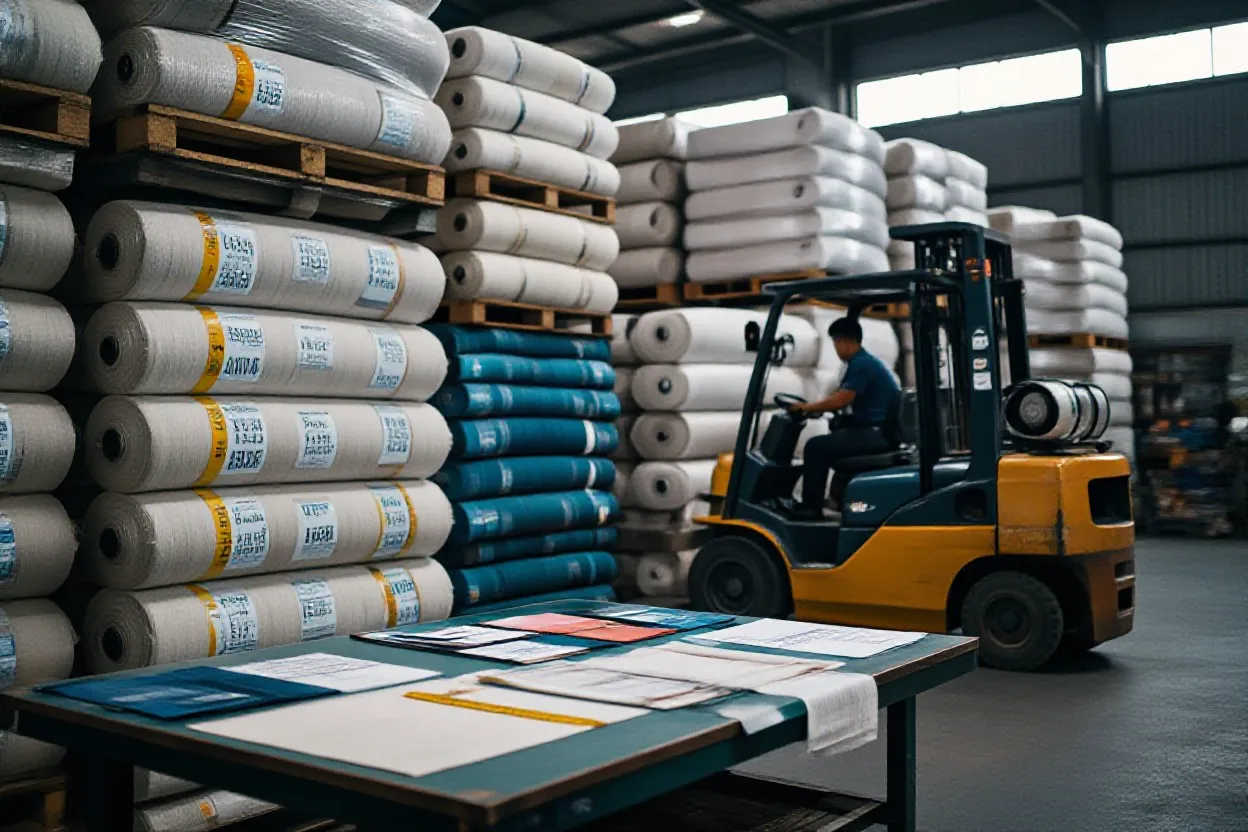
Non-Negotiable Constraints: Why Fabric Cannot Be Rushed
Unlike sewing, which can sometimes be accelerated with more lines, fabric processes have physical limits. Dyes must cure, and fibers must stabilize. Rushing mill production invariably leads to:
- Shade Variance: Inconsistent colors within the same batch.
- Shrinkage Issues: Fabric that fails to meet fit specs after the first wash.
- Performance Failure: Weakening of moisture-wicking or DWR treatments.
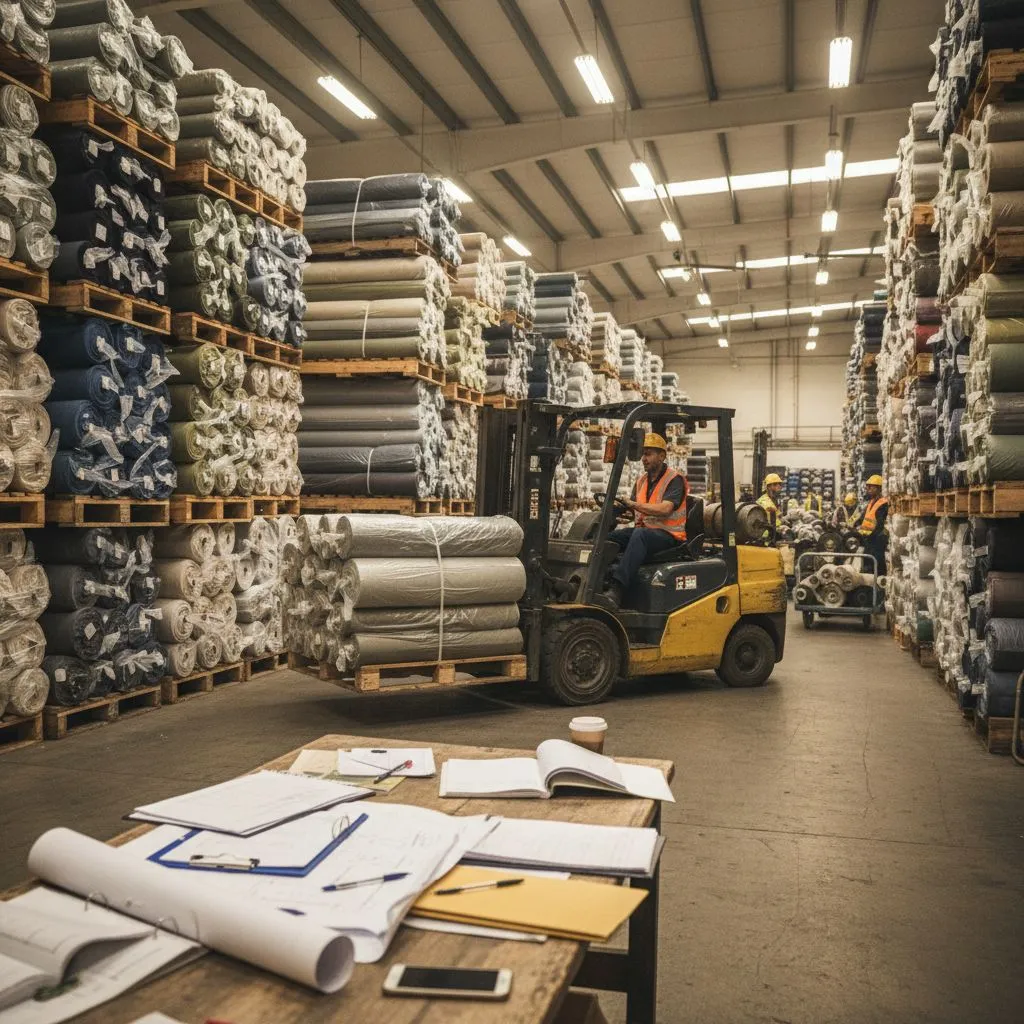
Strategic Sourcing: How to Reduce Your Risk
While fabric risk is always present, successful brands treat sourcing as a strategic asset rather than a last-minute task. You can shorten your lead times by 30–40% through:
- Fabric Libraries: Choosing pre-approved stock materials for faster turnaround.
- Strong Mill Partnerships: Securing priority production slots through consistent seasonal volume.
- Early Lab Dips: Starting color and finish approvals weeks before the bulk order is finalized.

Conclusion
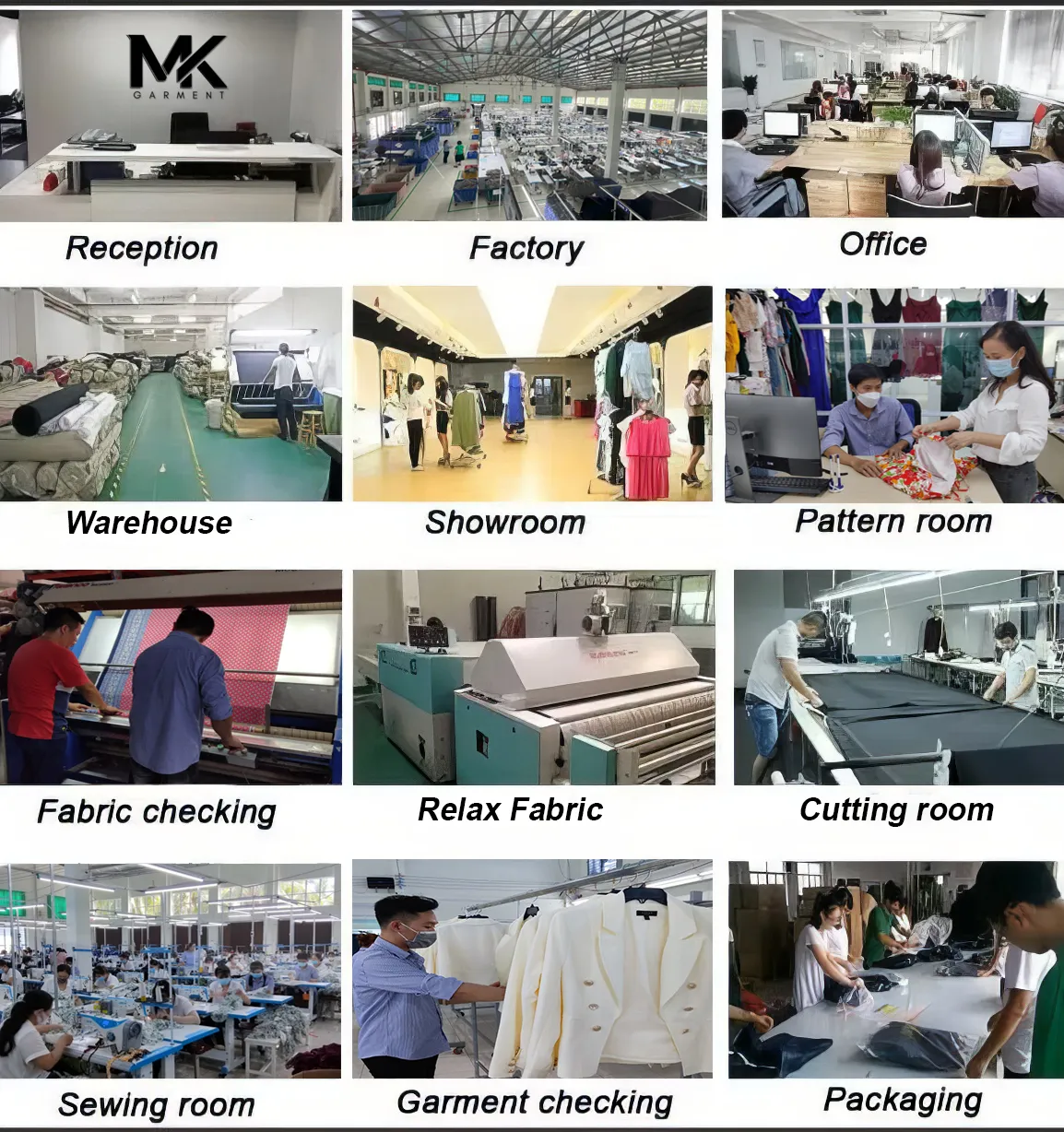
Fabric sourcing is the most complex hurdle in apparel manufacturing because it is global, highly regulated, and positioned at the very start of the cycle. Treating it as a strategic priority is the most powerful way to protect your brand’s reputation and bottom line. At Mekong Garment, we work closely with our certified mills to navigate these complexities, ensuring your raw materials arrive on spec and on schedule.
Contact Mekong Garment Factory
- VN Phone/WhatsApp/WeChat: +84 947 729 829
- Email: hanh@kimmy.vn