
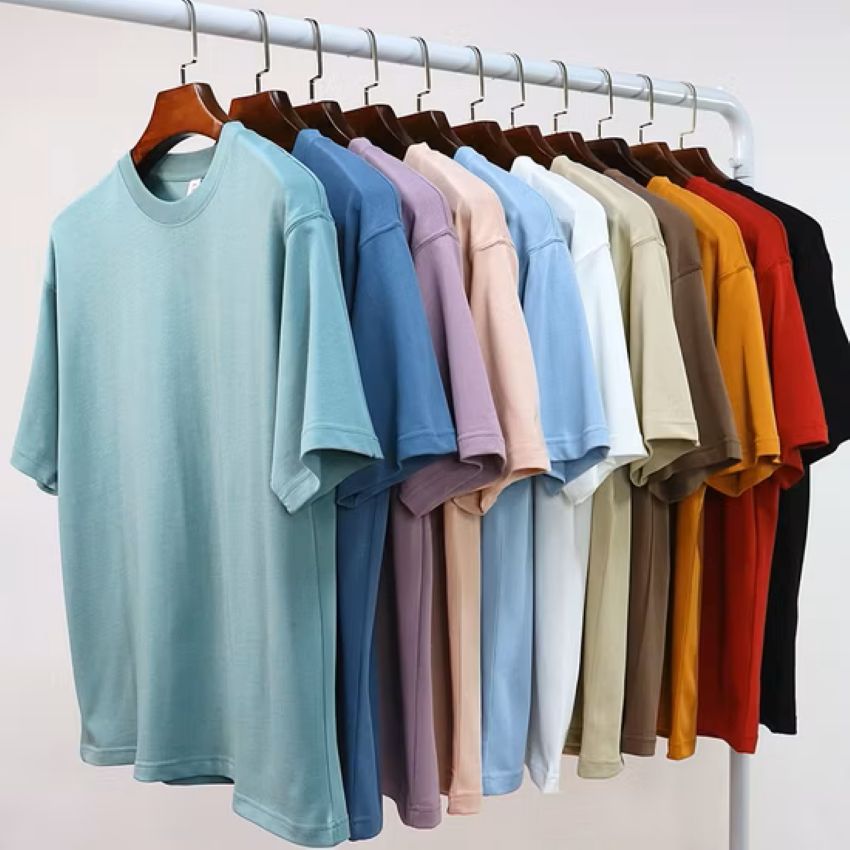
Brand owners talk about T-shirts being “too thin,” “too stiff,” or “not premium enough,” they’re often pointing to one technical factor: GSM. But here’s the uncomfortable truth many factories won’t tell you upfront: “GSM alone does not define quality. It defines weight — not feel, drape, durability, or customer satisfaction.” This article explains what GSM really means, how it affects T-shirt performance, and — most importantly how to choose the right GSM without falling into common sourcing traps.
=> Read More: T Shirts Manufacturing Vietnam | Mekong Garment Factory
What Is GSM in Clothing?
GSM stands for Grams per Square Meter. It is a standard measurement that tells you how much one square meter of fabric weighs. In clothing manufacturing, GSM is mainly used to describe the weight of fabric, especially for: T-shirts, Polo shirts, Hoodies, Sweatshirts. Simply put:
- Lower GSM = lighter fabric
- Higher GSM = heavier fabric
But here’s the part many people misunderstand: GSM measures weight, not quality.
Common GSM Ranges for T-Shirts
Fabric weight is one of the first technical details discussed during T-shirt development. GSM directly influences how a T-shirt feels, fits, and performs after repeated wear and washing. Different GSM ranges serve different purposes, from lightweight everyday tees to structured heavyweight styles. Understanding these ranges helps brand owners choose fabric that matches their product positioning, climate, and customer expectations. Here’s a realistic breakdown — not marketing theory.
Under 160 GSM – Ultra Lightweight
This GSM range represents the lightest T-shirt fabrics available in commercial production. Fabrics under 160 GSM prioritize breathability and softness, making them suitable for hot climates and low-cost applications. However, this weight comes with trade-offs in durability, opacity, and shape retention that brand owners must carefully consider.
- Very breathable
- Often semi-sheer
- Used for: Summer promos, Innerwear, Cheap giveaways
- Risk: Shrinks easily, loses shape fast, feels “cheap” after a few washes.

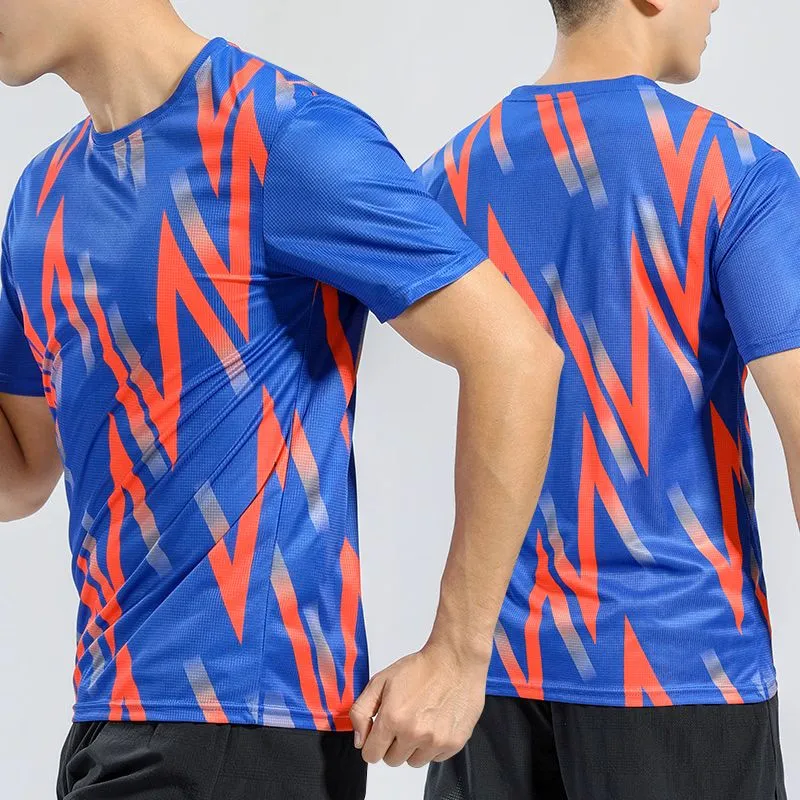
160–180 GSM – Commercial Standard
This range is the most commonly used fabric weight for everyday T-shirts in many markets. It offers a balanced feel—light enough for comfort, yet substantial enough to avoid looking cheap in most colors. For brand owners, 160–180 GSM is a reliable starting point for retail basics, merch tees, and uniform programs, especially if yarn quality and finishing are controlled.
- The most common global range
- Balanced weight and comfort
- Used by mass-market brands
- Best for: Retail basics, Merch T-shirts, Corporate uniforms
- Notes: Two 180gsm tees can feel completely different depending on yarn quality and finishing.
190–220 GSM – Premium Everyday Tees
This GSM range adds noticeable substance compared to standard tees, creating a more premium handfeel and better opacity. Fabrics around 190–220 GSM tend to hold shape better, making them a strong choice for retail “upgrade basics” and slightly boxy fits. For brand owners, the key benefit is a higher perceived value without jumping all the way into true heavyweight streetwear.
- Noticeably thicker
- Better opacity
- Improved structure
- Best for: DTC brands, Slightly boxy fits, “Premium basic” positioning
- Watch out: If not compacted, this range can shrink more than expected.
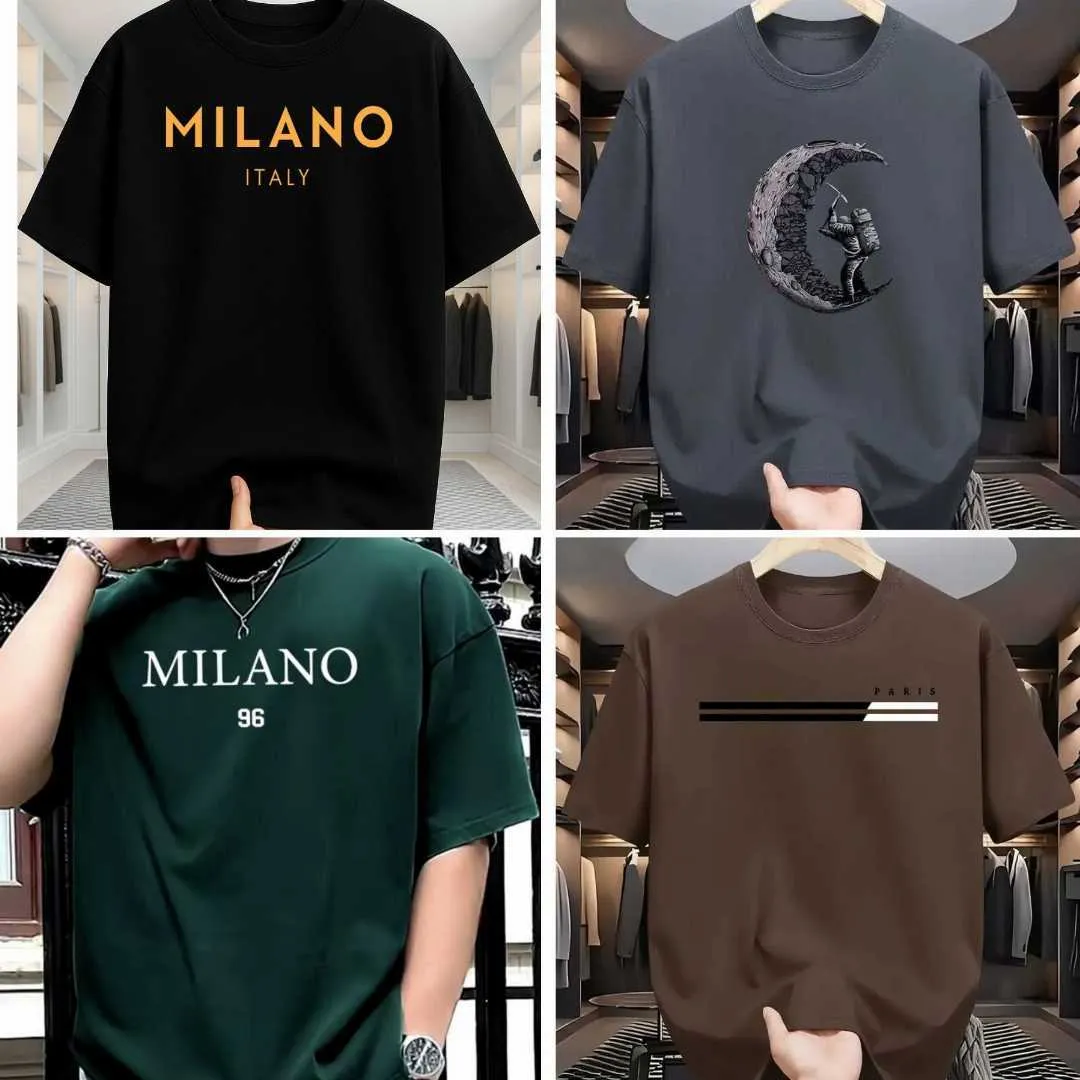
220–260 GSM – Heavyweight / Streetwear
This GSM range is commonly associated with modern streetwear and boxy or oversized T-shirt silhouettes. Fabrics at 220–260 GSM feel thick and substantial, helping the garment hold its shape and deliver a strong visual presence. For brand owners, this weight signals “premium” at first touch, but it requires careful pattern design and finishing to avoid stiffness or reduced comfort in warm climates.
- Thick handfeel
- Strong silhouette
- Feels “luxury” on first touch
- Best for: Boxy or oversized fits, Blankwear, Streetwear brands
- Common mistake: Many brands jump here too early and hurt wearability in hot climates.

GSM vs Quality: The Myth Brand Owners Need to Unlearn

Many brand owners assume that a higher GSM automatically means a better T-shirt, but this is a common misconception. GSM only measures fabric weight, not yarn quality, knit structure, or finishing processes that actually determine softness, durability, and comfort. Two T-shirts with the same GSM can perform very differently after washing and wear. Treat GSM as a reference point—not a quality guarantee while evaluating fabric samples in real use conditions.
A hard truth: Higher GSM does NOT automatically mean better quality. Why? – Because GSM ignores:
- Yarn count (Ne 20 vs Ne 30)
- Yarn type (carded, combed, compact)
- Knit structure (single jersey, interlock)
- Finishing (enzyme wash, silicone, compacting)
Real factory example:
- 220gsm compact cotton can feel softer and more premium
- than a 260gsm open-end cotton tee
- If you only chase GSM, you risk paying more for worse fabric.
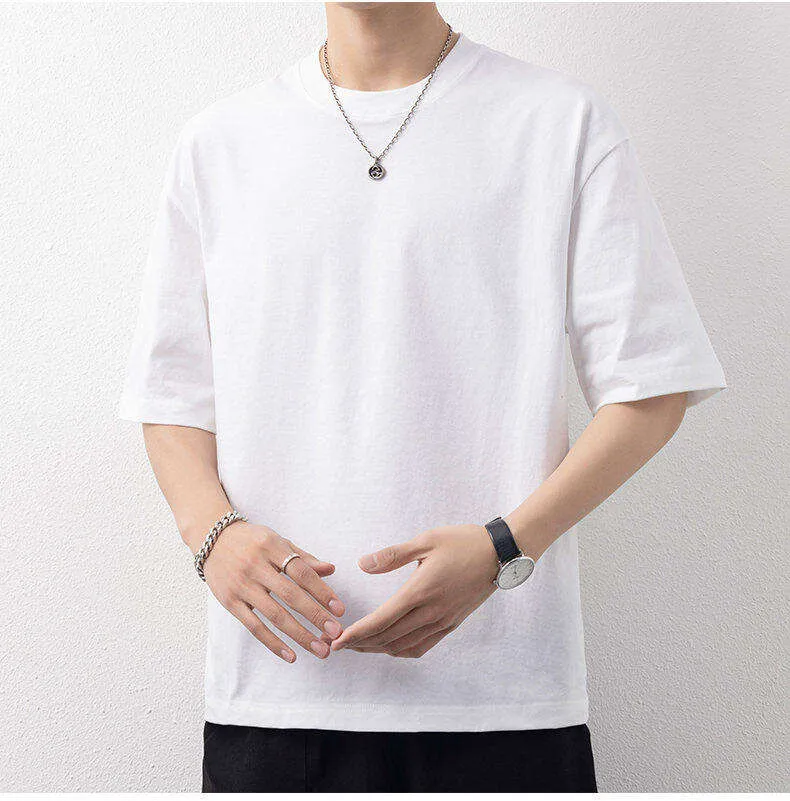
GSM and Fit: Why Weight Changes Silhouette
Fabric weight plays a direct role in how a T-shirt sits and moves on the body. Lighter GSM fabrics drape closer to the torso, creating a softer and more relaxed look, while higher GSM fabrics provide structure and hold sharper lines. This difference affects everything from shoulder shape to sleeve drop and overall proportion. For brand owners, matching GSM with the intended fit is essential to achieving the right silhouette.
| Fit Type | Recommended GSM | Why |
|---|---|---|
| Slim / Fitted | 160–180 | Drapes closer, less stiffness |
| Regular Fit | 180–200 | Balanced structure |
| Boxy Fit | 220–240 | Holds shape |
| Oversized | 240–260 | Prevents collapse |
=> Important: Heavy GSM without the right pattern = stiff, awkward fit.

GSM and Climate: A Costly Oversightc

Many brands copy U.S. or Korean streetwear specs without adapting to climate. For Vietnam, ASEAN, and tropical markets:
- 260gsm+ tees often feel too hot
- Returns increase
- Repeat purchases drop
=> Smart brands ask: “Will my customer actually wear this — or just post it once on Instagram?” Sometimes 200–220gsm wins over heavier options.

GSM vs Oz (For U.S. Buyers)
Some buyers still use oz/yd². Approximate conversions:
- 5.3 oz ≈ 180 gsm
- 6.5 oz ≈ 220 gsm
- 7.5 oz ≈ 255–270 gsm
- 9 oz ≈ 310–320 gsm
These are estimates, not exact values. Shrinkage and knit structure affect final weight.
How Brand Owners Should Choose GSM (Step-by-Step)
Instead of asking “What GSM is best?”, ask these first:
- Who is my customer? Streetwear fan or everyday wearer?
- Where will they wear it? Hot city, air-conditioned office, winter climate?
- What fit am I selling? Slim, regular, boxy, oversized?
- What is my target price? Higher GSM = higher cost + higher shipping.
- Am I sampling or scaling? Some GSM levels require custom knitting and higher MOQ.
Final Takeaway for Brand Owners.
GSM is a useful number for setting a fabric direction, but it should never be treated as a shortcut for quality. The right T-shirt weight depends on your customer, climate, fit intention, and price point not the highest GSM you can find. Always judge fabric by real samples, wash performance, and how it supports your pattern and silhouette. Use GSM to guide decisions, then let testing confirm the best choice for your product line.
- GSM is a tool, not a guarantee
- Higher GSM ≠ better T-shirt
- Climate, fit, yarn, and finishing matter just as much
- The “right” GSM is the one your customer actually enjoys wearing

If you choose fabric weight based only on trends or numbers, you’re guessing. If you choose it based on use, market, and testing, you’re building a brand.