
What Extra Services Does CMT Provide Compared to CM?

When sourcing garments, buyers frequently encounter two core terms: CM (Cut & Make) and CMT (Cut, Make & Trim). While they sound nearly identical, the technical differences are vast, impacting your total cost, operational control, and retail readiness. Many brands mistakenly assume CMT means “ready for sale,” but this assumption can lead to unexpected handling costs. Understanding exactly what CMT adds beyond basic CM is the key to choosing the right manufacturing model for your brand’s growth.
Understanding CM: Cut & Make
CM is the most fundamental form of garment production. In this model, the factory’s scope is strictly limited to cutting the fabric and sewing the components together. The buyer retains 100% control—and 100% responsibility—for fabric sourcing, trims, labels, and final finishing. If a zipper is missing or a label is delayed, the factory has no obligation to solve the issue. CM is ideal for cost-sensitive brands with robust logistics teams who manage their own finishing houses.
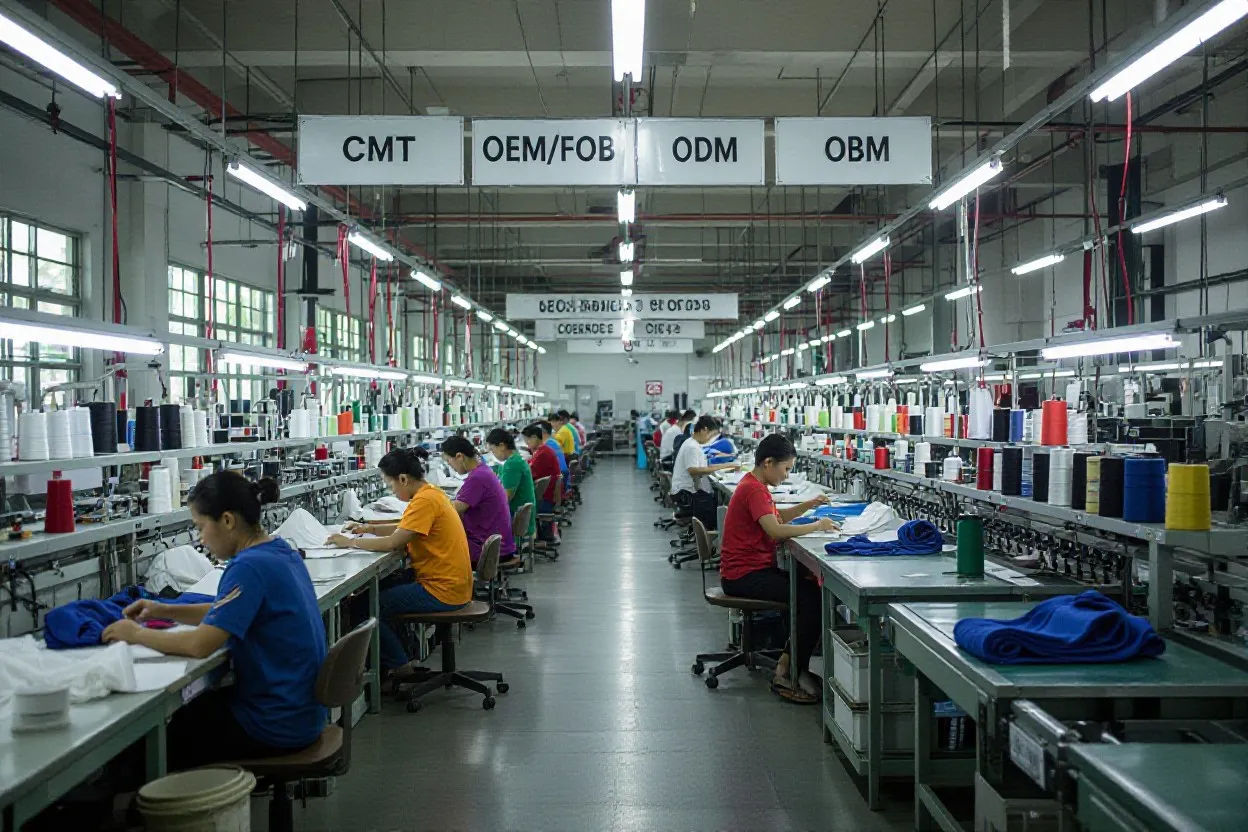
The Reality of a CM Output:
- The garment is structurally complete but unfinished.
- No pressing or steaming is applied.
- No brand or care labels are attached.
- The product is not folded or packed for shipment.
What CMT Adds Beyond CM?
CMT (Cut, Make, Trim) builds on the foundation of CM by adding critical finishing steps. Instead of receiving a raw, unfinished garment, the brand receives a product that is cleaner, pressed, and more presentable for inspection. This significantly reduces the brand’s workload after production. However, it is vital to remember: CMT improves appearance, not ownership of the supply chain.
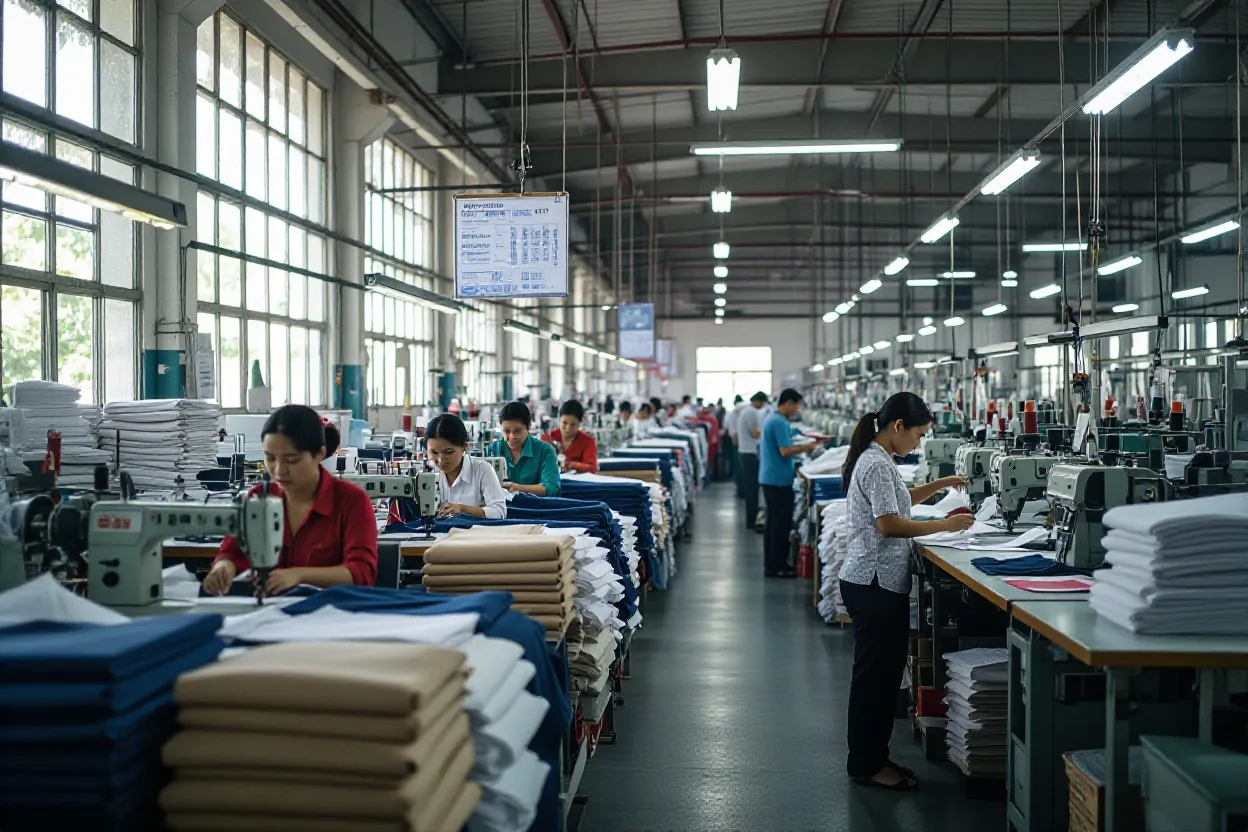
Extra Services Provided in a CMT Setup:
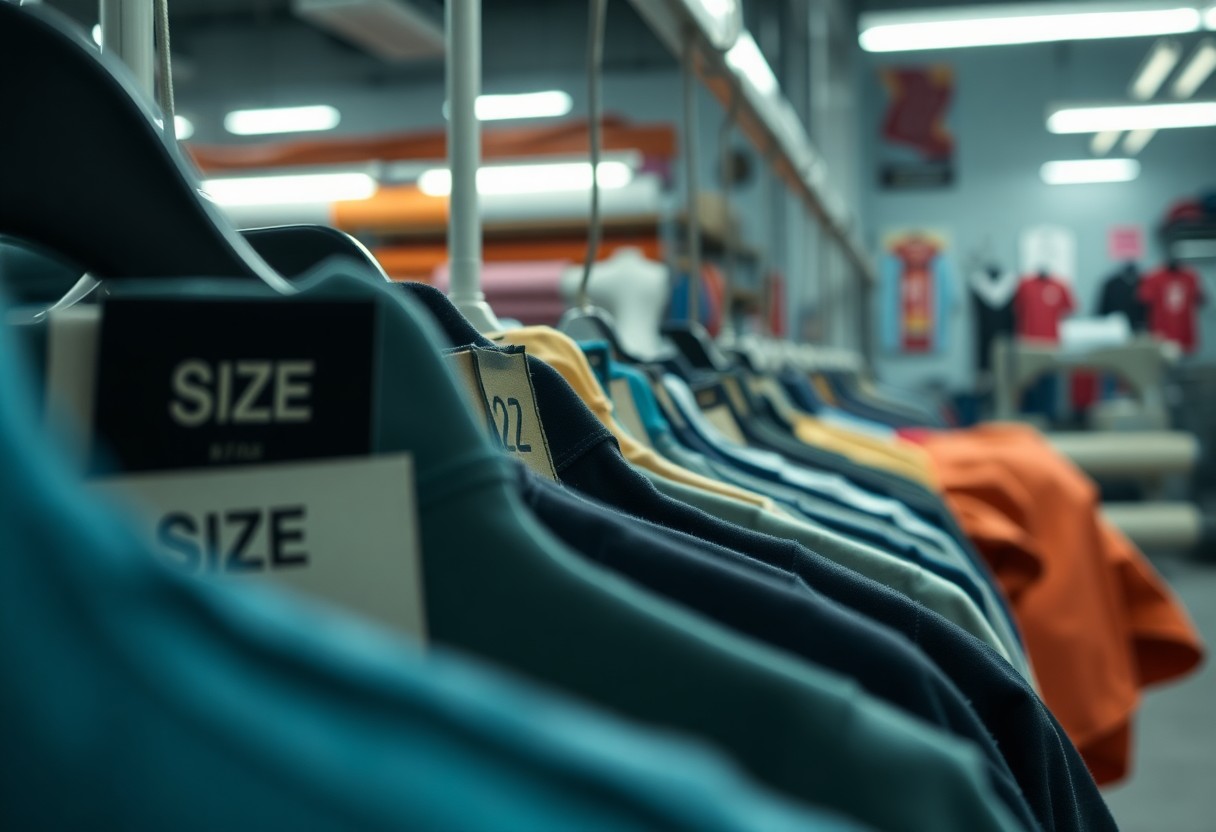
- Label Application: Attaching main brand, size, and care labels provided by the buyer.
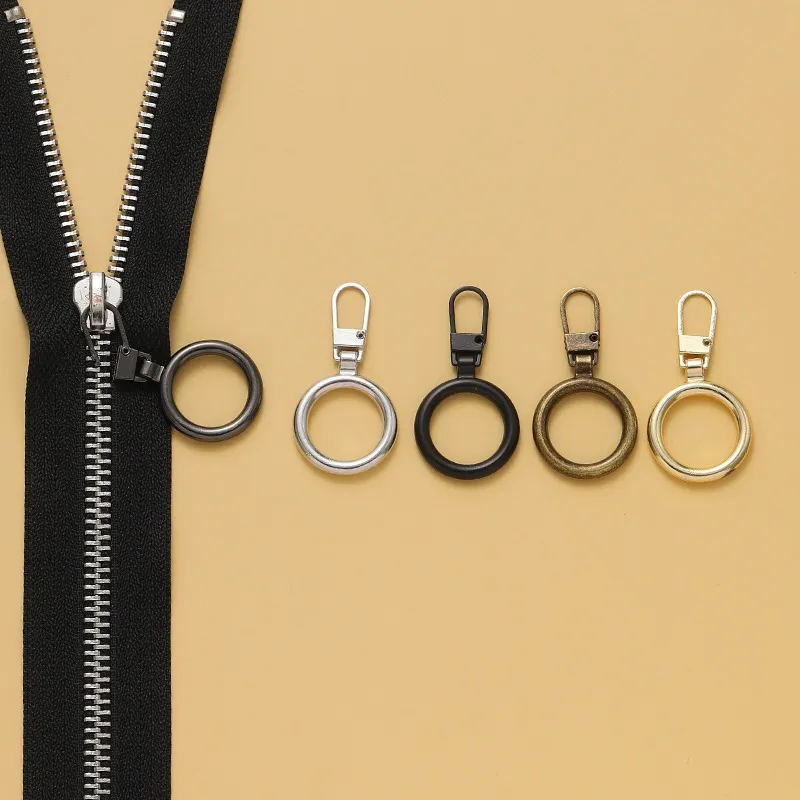
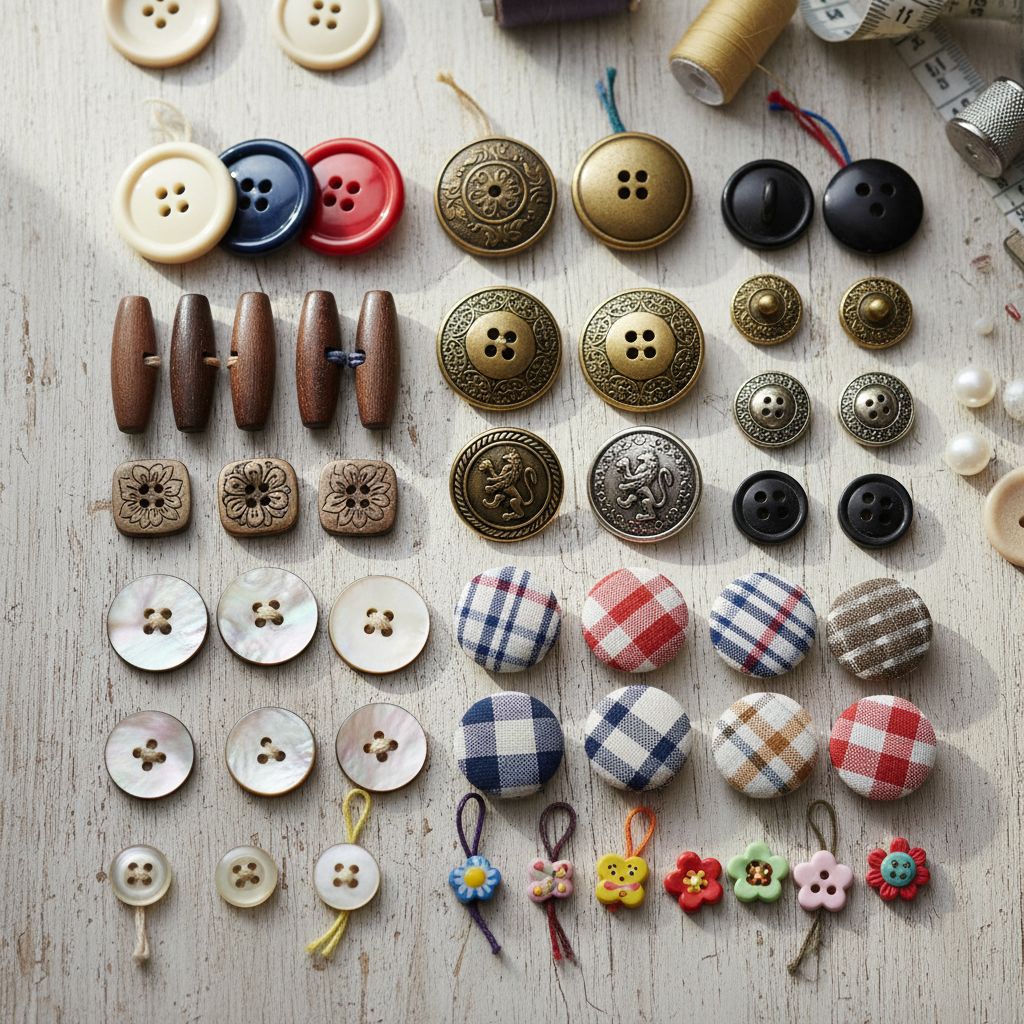
- Buttonholes & Hardware: Professional button attachment and hole reinforcement.
- Trimming & Cleaning: Removing loose threads and visual debris for a professional look.
- Ironing & Pressing: Steaming and folding garments so they are shelf-ready for inspection.

The Responsibility Spectrum: CM vs. CMT vs. CMPT
To avoid production delays, you must understand that these models are responsibility models. The more letters you add, the more technical burden you shift to the factory.
| Category | CM | CMT | CMPT |
|---|---|---|---|
| Scope | Cut + Sew | CM + Finish | Full Ready-to-Ship |
| Labeling | None | Sewn-in labels | Labels + Hangtags |
| Packing | Bulk Loose | Basic Polybag | Carton + Ratio |
| Buyer Workload | Very High | Medium | Low |
| Cost Level | Lowest | Moderate | Market Standard |
The “FOB/OEM” Misconception
It is important to note that CMT is NOT the same as FOB or OEM. In CMT, if your trim supplier sends the wrong buttons, the factory stops and waits for you to fix it. In an FOB/OEM model, the factory manages the sourcing risk. CMT improves convenience but the buyer still carries the weight of the supply chain management.
Conclusion
Choosing between CM, CMT, and CMPT depends on your internal capacity. If you have the team to manage every button and label, CM/CMT offers a lower price point. However, if you need a seamless “hands-off” experience, moving toward CMPT or FOB is the safer investment. At Mekong Garment, we consult with our partners to ensure they choose the model that protects their margins while ensuring their garments are retail-ready. Precision in roles leads to perfection in products.
Contact Information – Mekong Garment Factory
- VN Phone/WhatsApp/WeChat: +84 947 729 829
- Email: hanh@kimmy.vn