
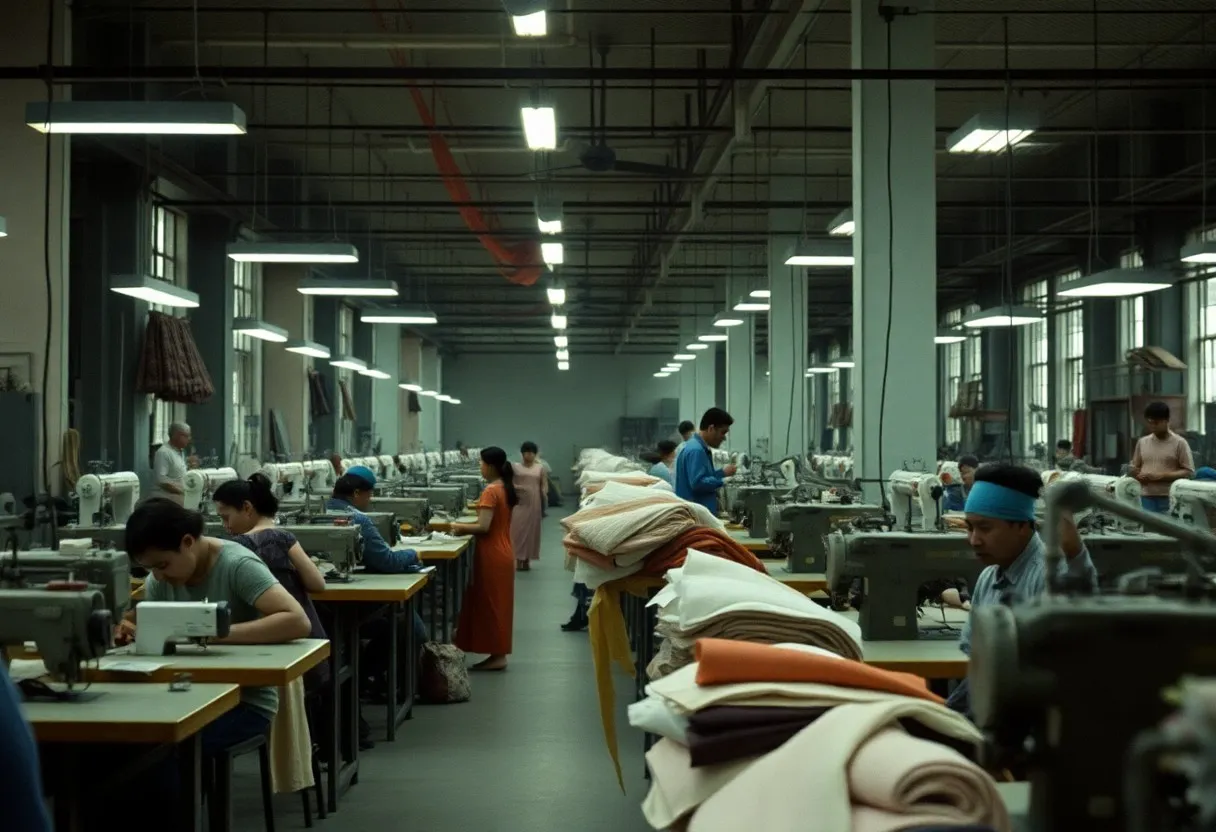
What Different Between CM, CMT and CMPT in the Garment Industry

In the garment industry, service models vary significantly between factories. Some focus only on cutting and sewing, while others manage the entire flow including finishing and packaging. Understanding the differences between CM, CMT, and CMPT helps clothing brands choose the right partnership, saving time and costs. This article explains what each model really means and when to choose them for your project.
Quick Comparison Table:
| Aspect | CM | CMT | CMPT |
|---|---|---|---|
| Scope | Cut + Sew | Cut + Sew + Trim | Cut + Sew + Trim + Pack |
| Factory Role | Only sewing labor | Sewing + Trimming | Full-package finishing |
| Cost | Lowest | Medium | Highest |
| Ready State | Semi-finished | Nearly finished | Ready for shipment |
1. CM (Cut & Make) – The Basic Model
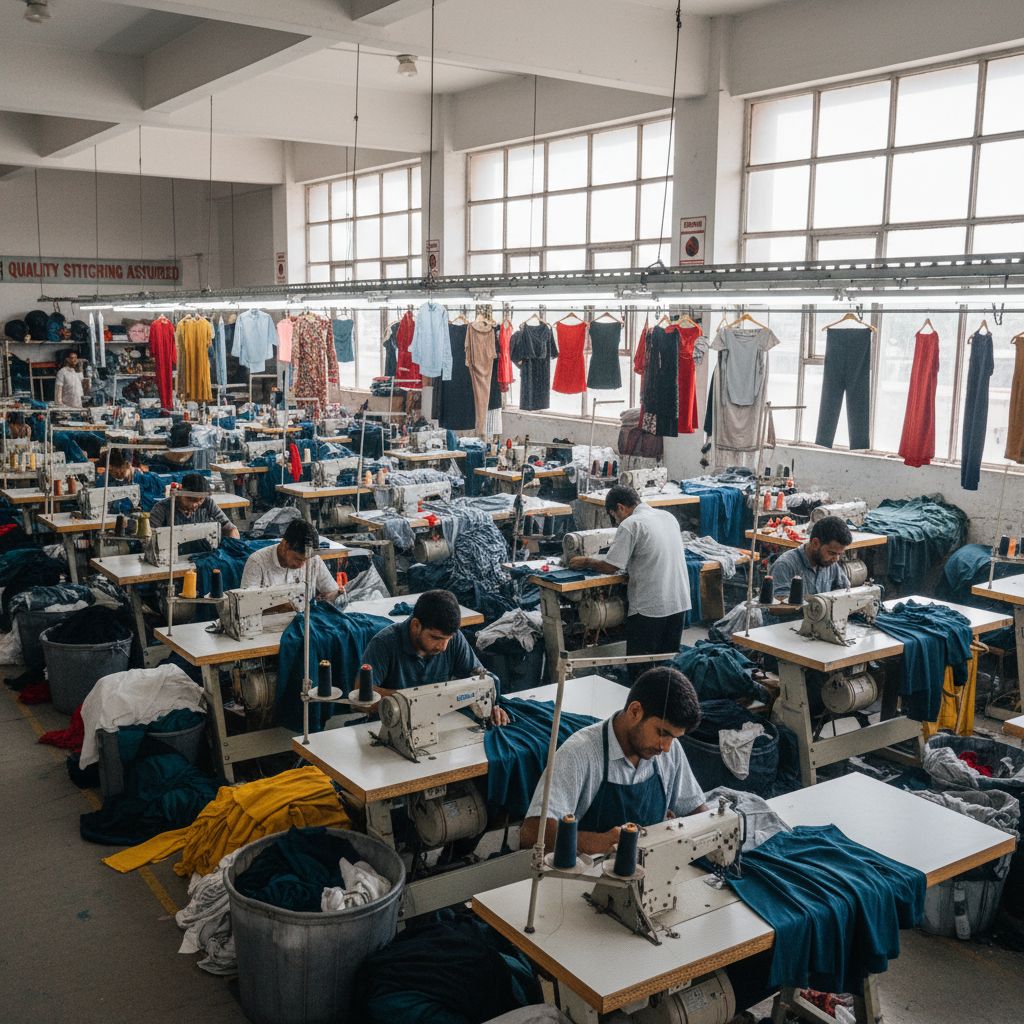
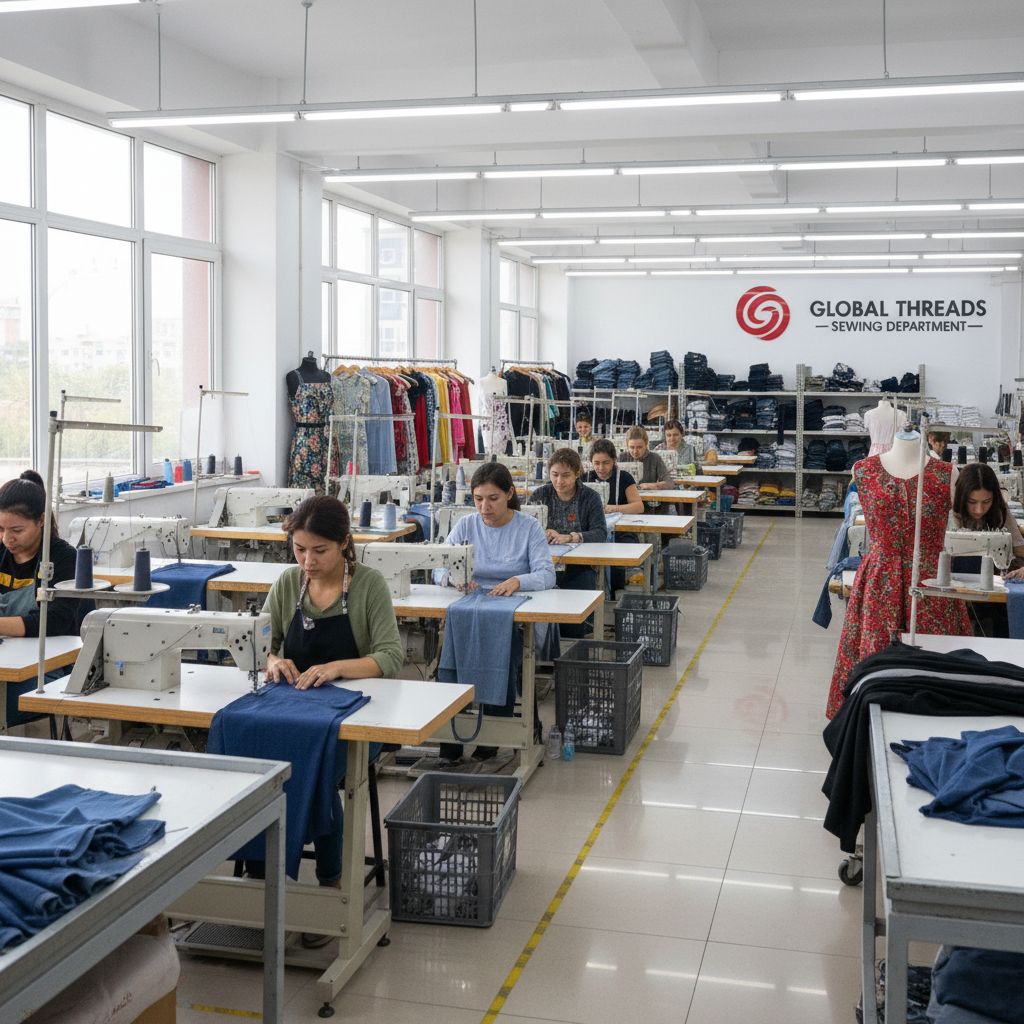
In the CM model, the factory is only responsible for cutting the fabric and sewing the product based on samples you provide. The buyer must supply all raw materials including fabric, thread, buttons, and zippers. This is often chosen by brands with established material supply chains.
- Pros: Lowest service cost; full control over material quality.
- Cons: High coordination effort; factory does not manage finishing.
- Best For: Start-ups or brands that want to control every detail and only need skilled labor.
2. CMT (Cut, Make, Trim) – The Standard Model
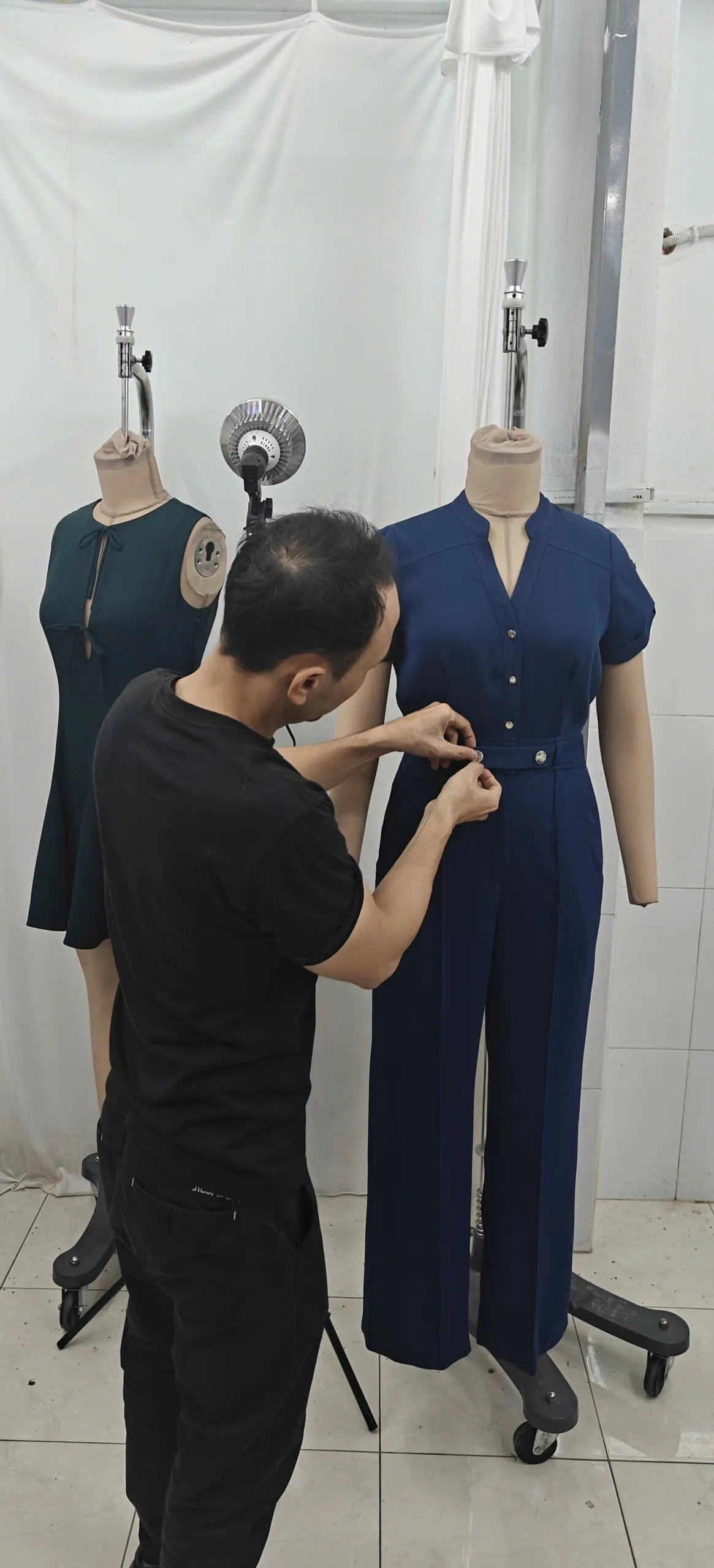
CMT adds finishing services to the production line. The factory cuts, sews, and handles the “trimming” phase—attaching labels, ironing, and basic folding. While the buyer still provides the raw materials, the factory ensures the product is closer to market-ready.
- Pros: Better visual quality than CM; saves buyer time on re-handling garments.
- Cons: Buyer still manages the complex sourcing timeline.
- Best For: Medium-sized brands that want professional finishing while retaining control of branding materials.
3. CMPT (Cut, Make, Pack & Trim) – The Full-Service Model
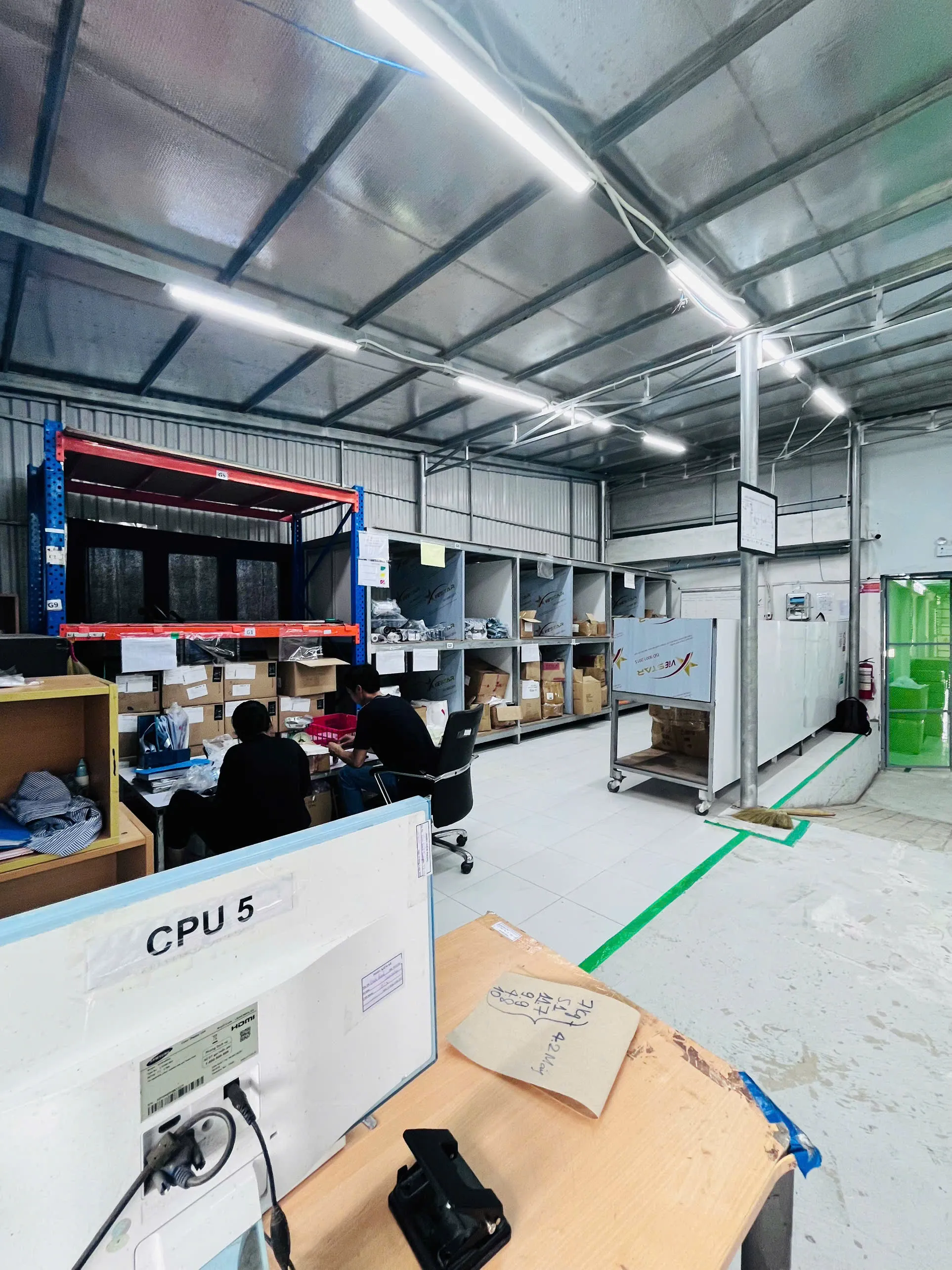
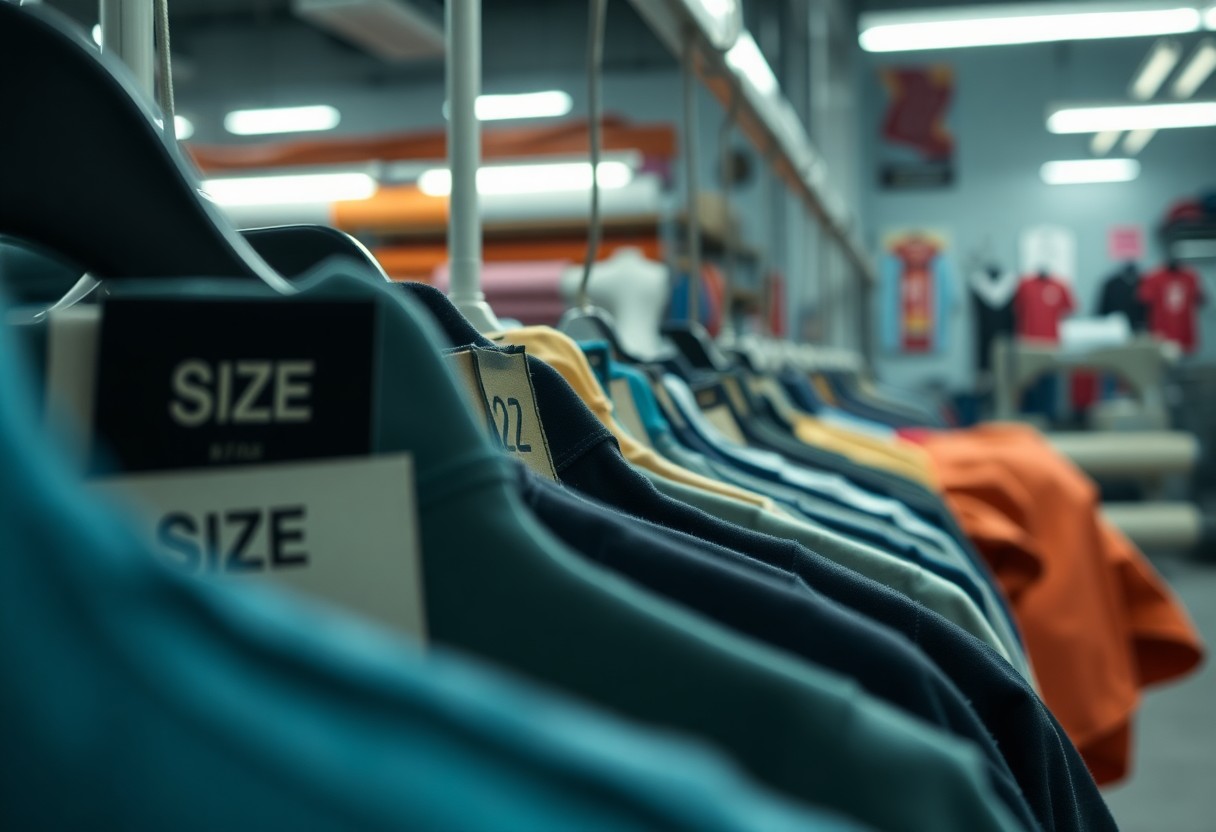
CMPT is a full-package service covering the entire sequence from cutting to individual retail packaging. The factory handles the full finishing process, including quality control, tagging, and packing into cartons ready for export. This minimizes the brand’s workload significantly.
- Pros: Streamlined logistics; factory ensures consistent quality across all final steps.
- Cons: Highest cost per piece; requires a highly capable factory with strong QA systems.
- Best For: Large retailers or brands with high-volume orders needing a single partner to manage the entire chain.

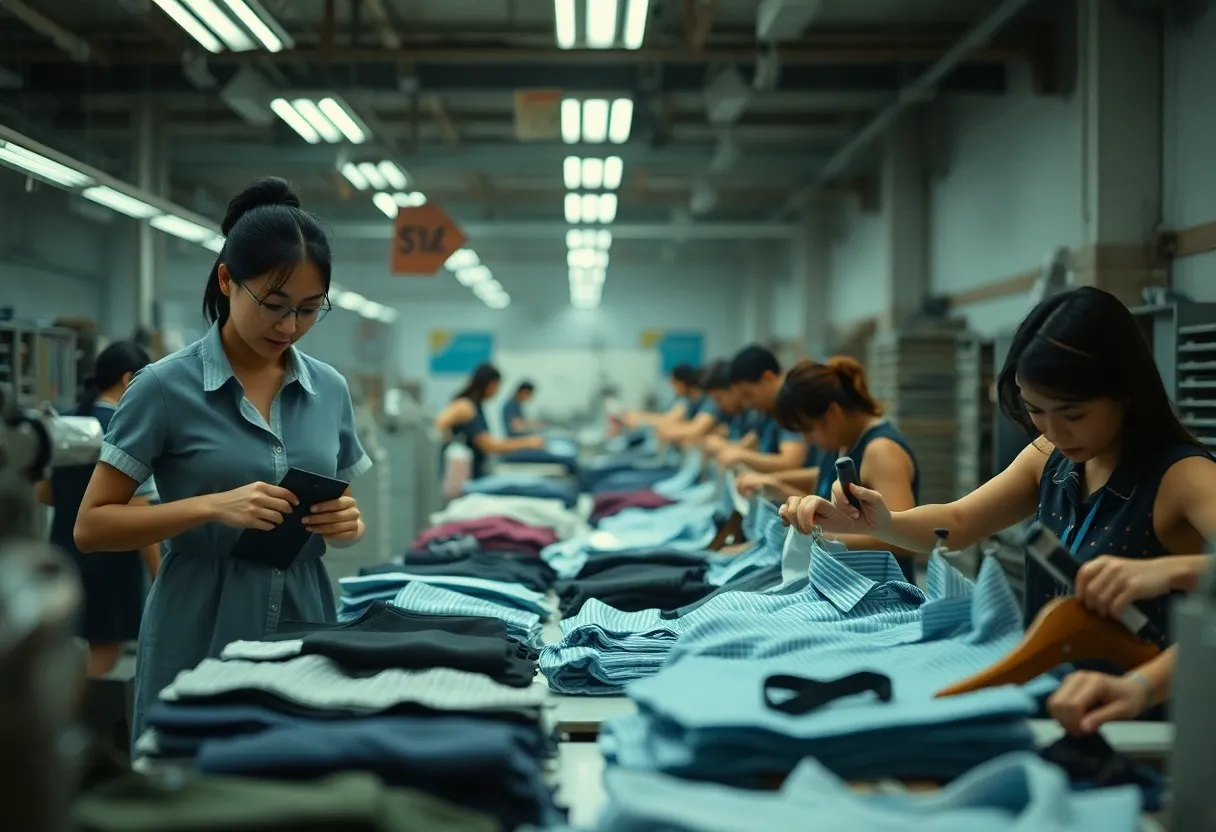
Detailed Feature Comparison
| Criteria | CM | CMT | CMPT |
|---|---|---|---|
| Client Provides | Fabric, Trims, Technical Pack | Fabric, Trims, Labels | Technical Pack & Specs |
| Quality Control | Sewing process only | Sewing & Trim attachment | Full process to Packing |
| Production Time | Fastest | Moderate | Longest (includes packing) |
Conclusion
Choosing between CM, CMT, and CMPT depends on your brand’s scale and sourcing capability. If you have your materials ready, CM or CMT offers cost-efficiency. If you need an all-in-one solution to save time and focus on marketing, CMPT is the ideal path. At Mekong Garment, we offer flexible models to ensure your collection meets global standards with professional precision.
FAQs About CM, CMT, and CMPT Models
What do CM, CMT, CMPT mean in the garment industry?
CM (Cut & Make) means the factory cuts fabric and sews garments to your samples. CMT (Cut, Make, Trim) adds finishing steps like attaching labels, ironing and basic packing while you still supply fabric and trims. CMPT (Cut, Make, Pack & Trim) is a full-package service covering cutting, sewing, finishing, packing and often export-ready packing and documentation.
In the CM model, what does the factory do and what does the buyer supply?
In CM the factory is responsible only for cutting and sewing. The buyer supplies all raw materials fabric, thread, buttons, zippers, trims, hangtags and often primary packing plus any technical specs, samples and QC instructions.
What extra services does CMT provide compared to CM?
CMT includes the cut-and-sew work plus trimming and finishing: label application, buttonholes, ironing/pressing, hangtags and minimal packing. The buyer still supplies fabrics and most trims, but the product leaving the factory is closer to market-ready than with CM. => Read More: https://mekonggarment.com/what-extra-services-does-cmt-provide-compared-to-cm/
What is included in CMPT and when should a brand choose it?
CMPT covers the whole chain cutting, sewing, finishing, packing to buyer specifications and often export cartonization and documentation. Brands should choose CMPT when they want a turnkey solution, need fast, large-volume handling, or lack in-house sourcing and finishing capacity; Mekong Garment Vietnam offers full-package services to handle these needs.
How do costs, lead times and responsibilities differ among CM, CMT and CMPT?
CM usually has lower factory fees but the buyer bears material costs, sourcing time and coordination. CMT increases factory charges for finishing but reduces the buyer’s finishing workload. CMPT carries the highest service fee because the factory manages sourcing, packing and logistics, saving the buyer time; lead times can be shorter with CMPT if the factory sources efficiently, but initial setup and approvals may add time.
Which model is best for small brands, private-label designers, or large retailers?

Small brands or designers with tight control over materials may prefer CM to limit factory scope and cost. Brands that want less hands-on finishing but still control materials often choose CMT. Large retailers or brands seeking a turnkey, scalable solution typically pick CMPT to outsource sourcing, finishing and packing.
What questions should you ask a factory (like Mekong Garment Vietnam) before selecting CM, CMT or CMPT?
Ask about minimum order quantities, lead times, whether they can source or recommend trims and fabrics, cost breakdown by service, sample and approval workflow, QC procedures, packing specifications, export/documentation support and any additional services (storage, drop-shipping). Ensure their capabilities match the model you select.