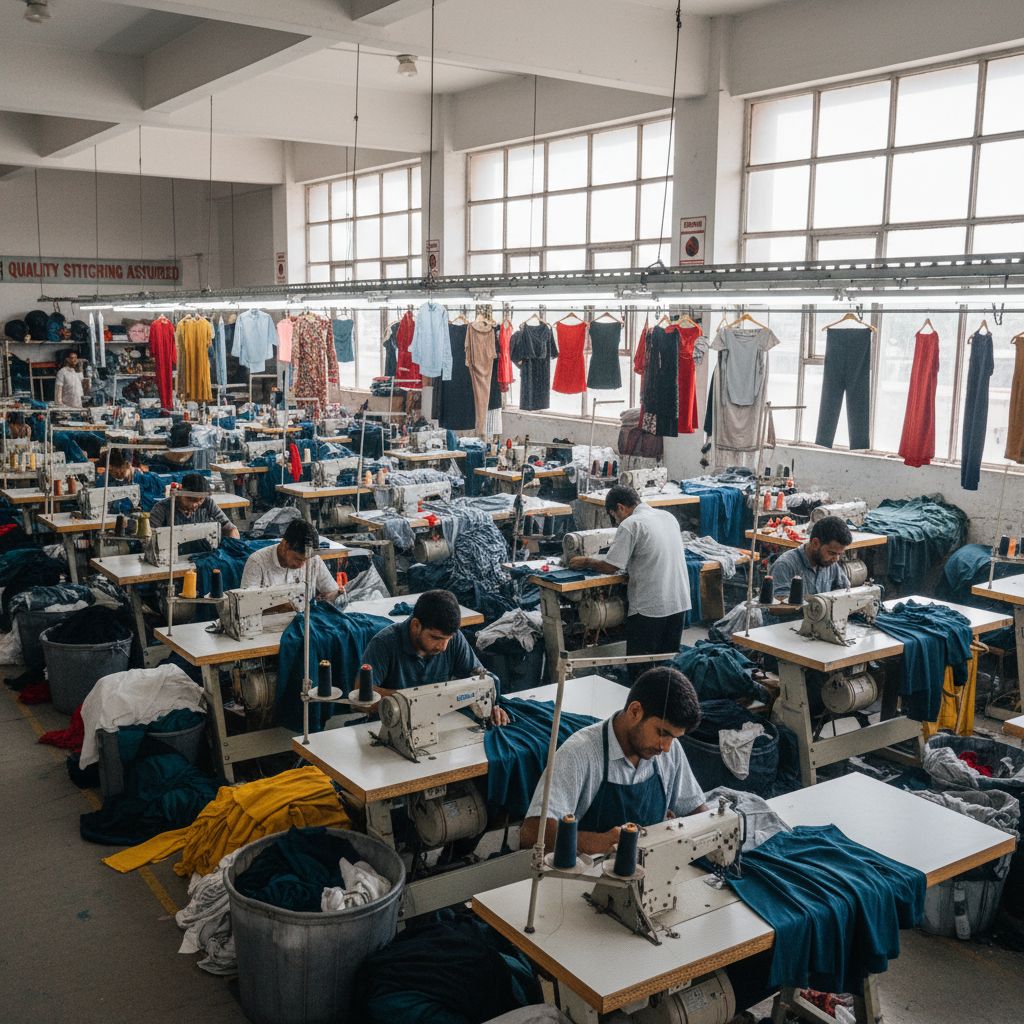



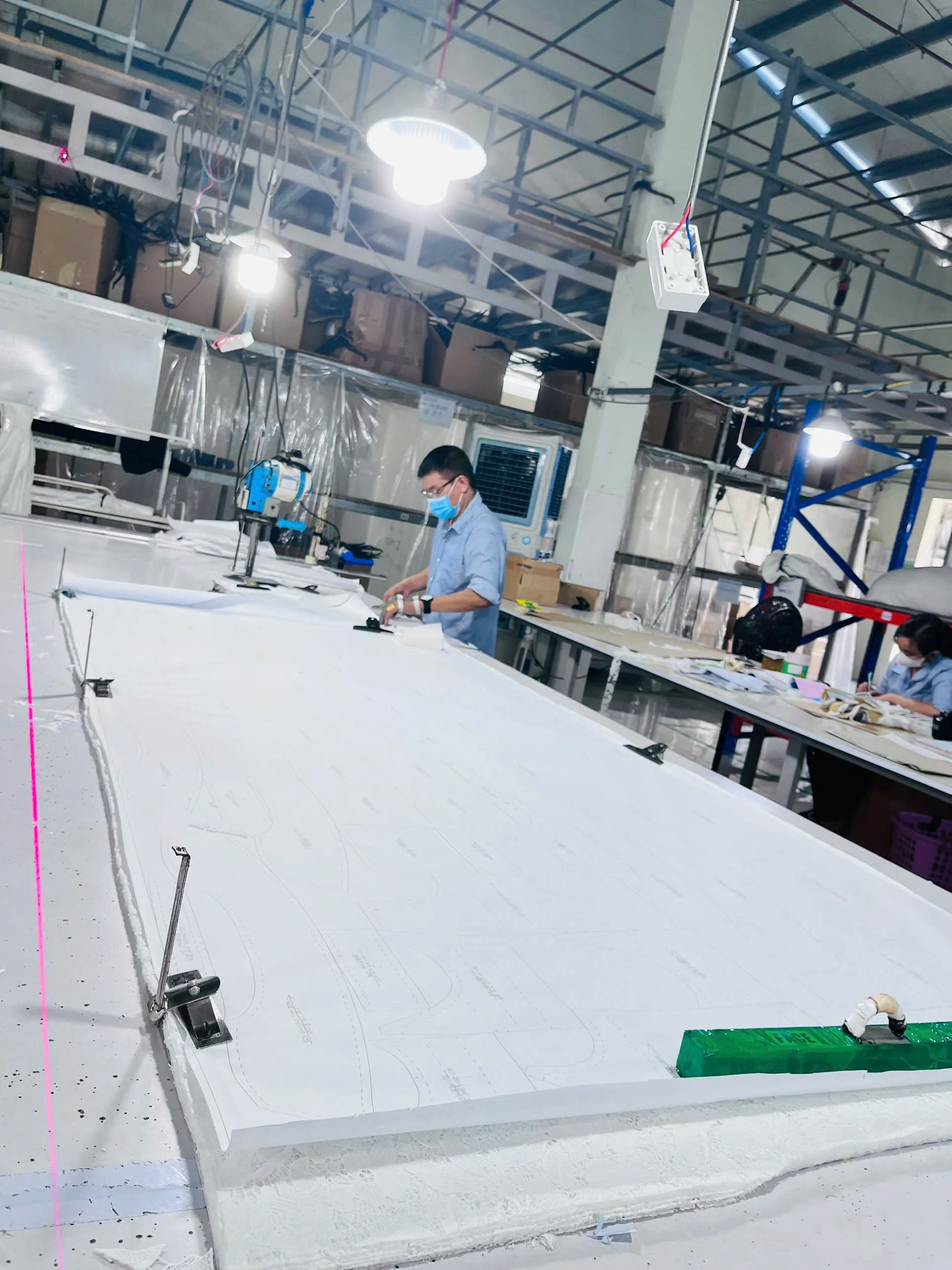

Fabric relaxing sounds like a small step, but it protects your entire production line. During shipping and storage, fabric is often stretched and compressed, holding “hidden tension” even if it looks flat. If you cut it immediately, the fabric will relax later, leading to size drift, twisting seams, and grain misalignment. This guide explains why a little patience upfront can save significant time and money by preventing costly rework.
=> Related Article: Factors Considered During Garment Design
What Can Go Wrong If You Skip Fabric Relaxing?
1. Shrinkage and Unpredictable Size Drift
When fabric is cut while under tension, the individual panels will “pull back” as they rest. Even if your pattern is 100% accurate, the resulting pieces will be shorter or narrower than intended. This leads to collars that don’t fit necklines and inconsistent sleeve lengths across the size set.
- Garment panels measuring shorter than the tech pack.
- Inconsistent lengths between the left and right sleeves.
- Waistbands failing to match the body panels during assembly.

2. Twisting Seams (Critical in Knits)
Twisting is the most common consumer complaint, especially in T-shirts and leggings. When tension is released after sewing, the fabric rotates, causing side seams to swing forward and pant legs to twist. Knits carry more tension than wovens, making relaxing mandatory to ensure the garment hangs level and feels balanced on the body.

3. Skew, Bow, and Grain Misalignment
Transporting rolls often shifts the grain. If the grain isn’t stabilized through relaxing, cut panels will look slanted. This becomes highly visible with stripes, checks, and prints, which will fail to line up cleanly at the seams, creating a low-quality aesthetic that is impossible to correct after the fabric is cut.
4. Marker and Width Mismatch
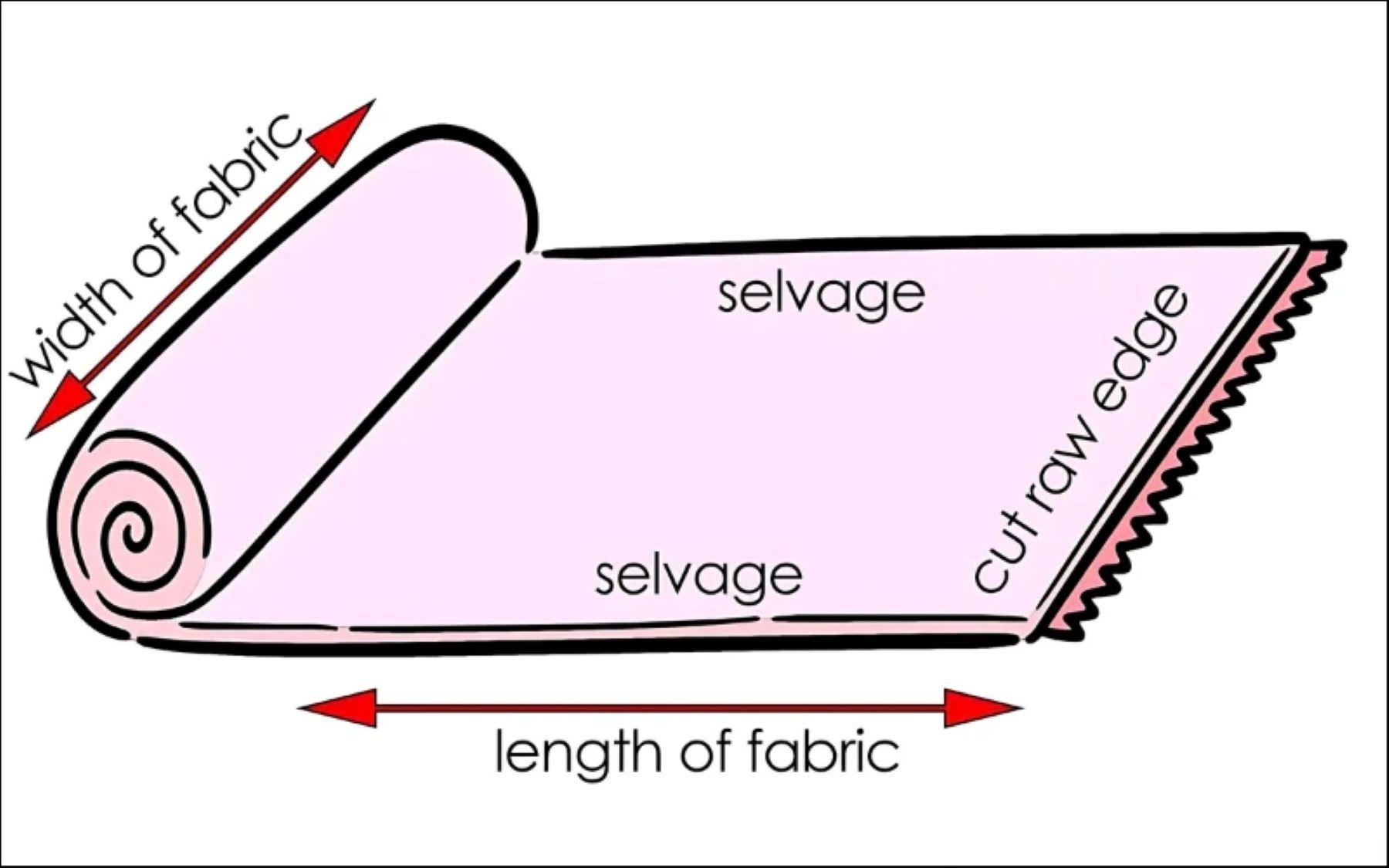
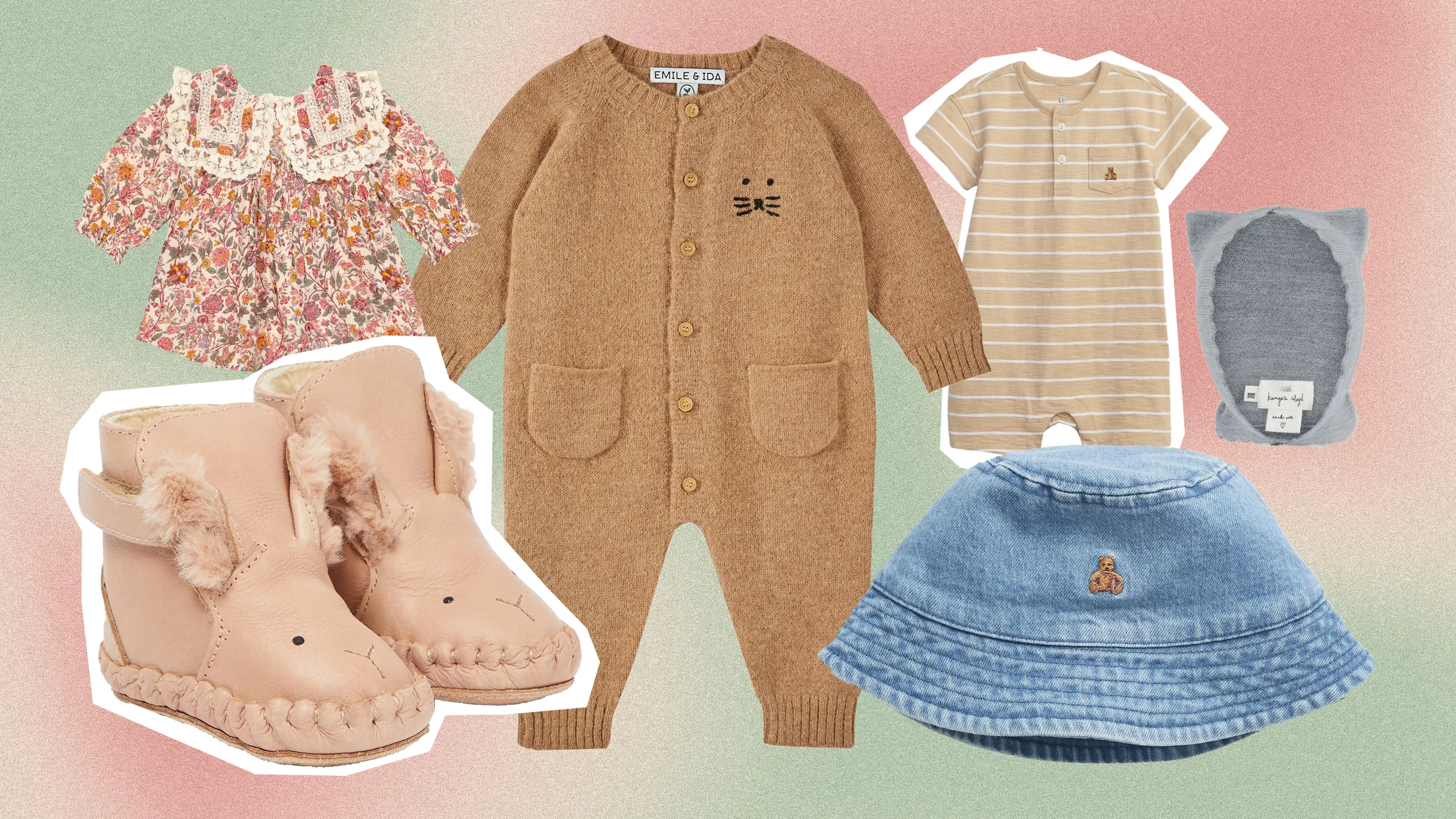
Fabric width often changes after resting. If a marker is built based on “arrival width” rather than “relaxed width,” you may lose edge parts during spreading. This leads to wasted fabric, missing pieces, and forced adjustments that disrupt the production flow.

5. Sewing Inefficiency and Excessive Rework
When pieces don’t match due to shrinkage or distortion, sewing becomes a struggle. Operators are forced to pull or stretch seams to make them meet, causing puckering and bubbling. This slows down the line and leads to higher defect rates during final AQL inspections.
Conclusion
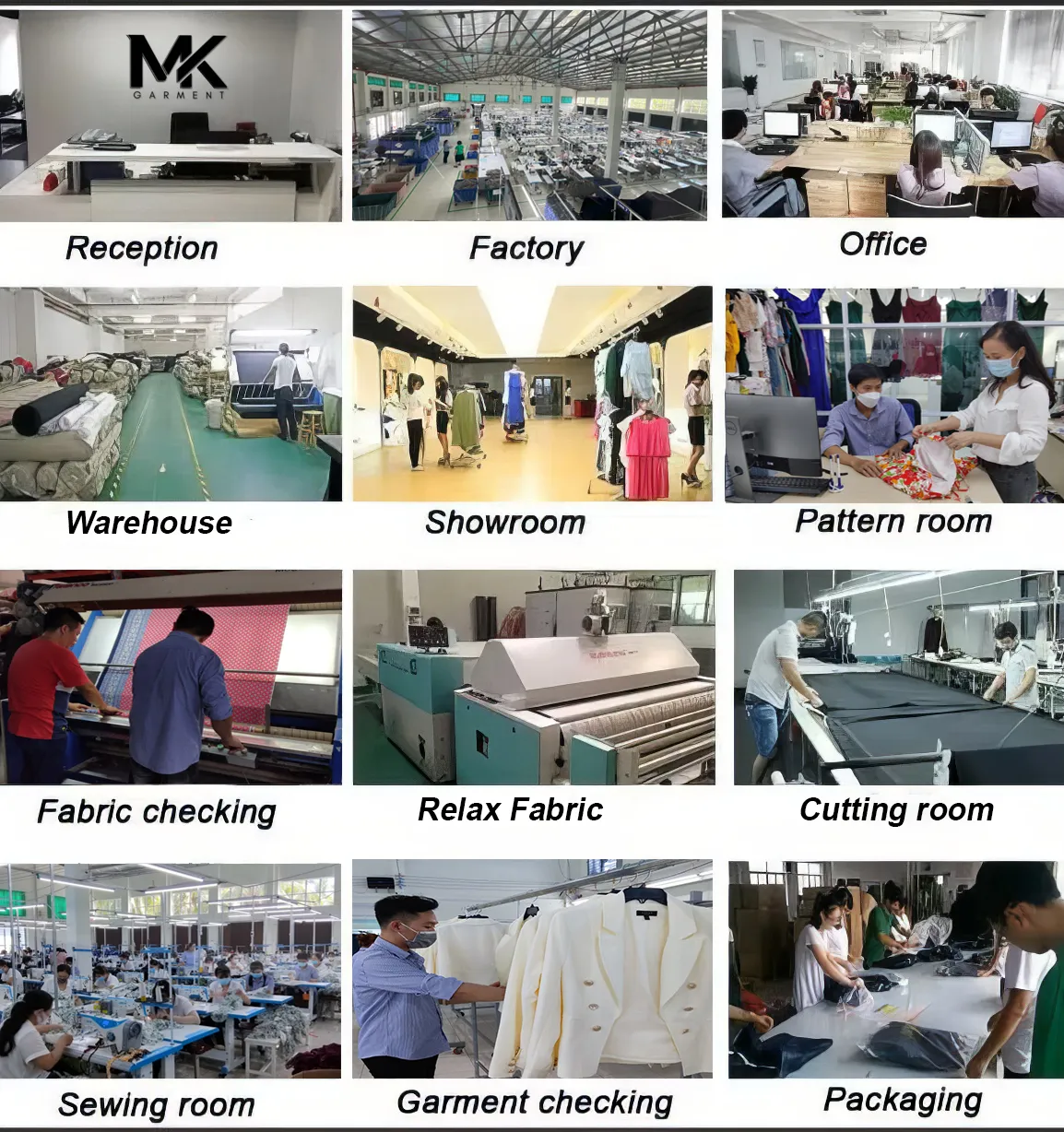
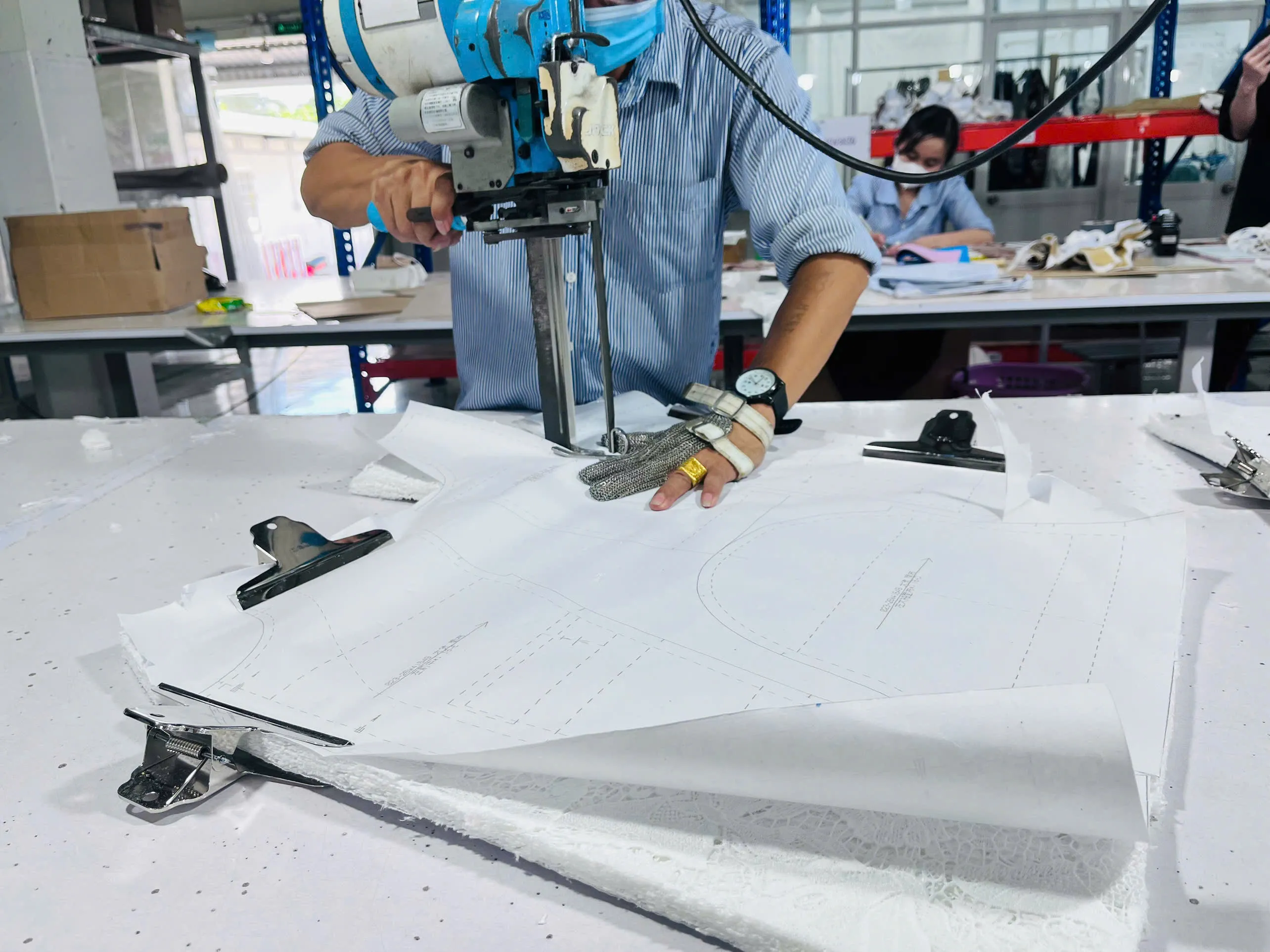
Fabric relaxing is the foundation of quality control in the cutting room. By giving the material time to settle, you ensure accurate cutting, smoother sewing, and consistent sizing. A little patience at the start prevents twisting seams and costly re-cuts at the finish. At Mekong Garment, we prioritize the relaxing stage for every roll to ensure your brand delivers the precision your customers expect.
Contact Mekong Garment Factory
- VN Phone/WhatsApp/WeChat: +84 947 729 829
- Email: hanh@kimmy.vn