

What Are the Typical Lead Times for Women’s Fashion Wholesale?

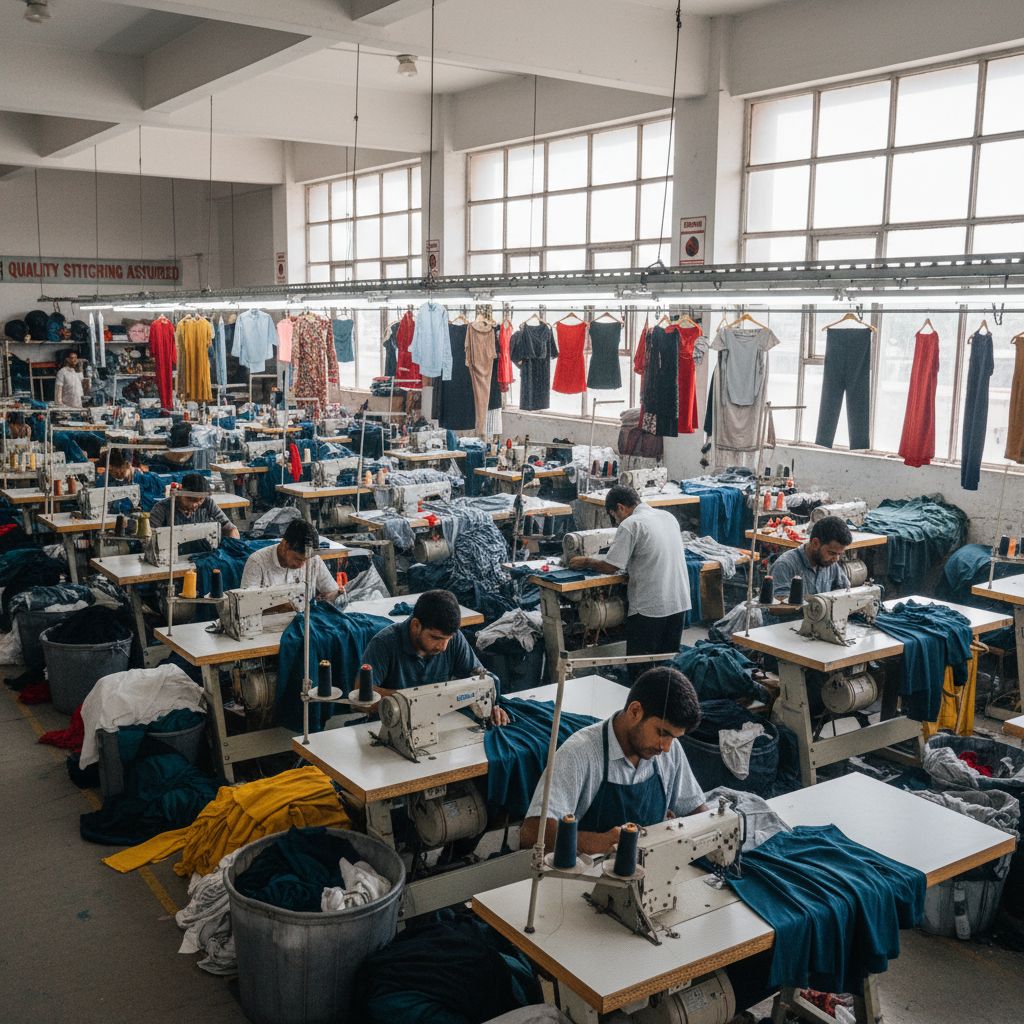
Planning a women’s fashion collection is a race against time. Missing a delivery window means losing the seasonal value of your product. Understanding wholesale lead times is the competitive edge brands need to stay ahead. In general, women’s fashion production takes 6 to 16 weeks, shaped by design complexity, fabric availability, and order volume. This guide breaks down these timelines to help you set realistic launch dates.
Average Lead Times in Women’s Fashion Wholesale
Lead times are not random; they follow predictable patterns based on the product category. These timelines typically start after order confirmation and deposit, not from the initial design phase.
| Product Type | Typical Lead Time | Notes |
|---|---|---|
| Fast Fashion | 4–6 weeks | Trend-driven, stock fabrics |
| Basics & Staples | 6–8 weeks | T-shirts, tanks, simple woven tops |
| Core Seasonal | 8–10 weeks | Small-medium runs (500-3,000 pcs) |
| Tailored & Detailed | 12–16 weeks | Blazers, structured dresses, outerwear |
How Design Complexity Shapes Your Timeline
Lead Times for Basic Women’s Wear (6–8 Weeks)
Basics move faster because factories can rely on existing patterns and familiar construction methods. Since standard fabrics are usually easy to source, these items require fewer fitting rounds, making them ideal for quick restocks.
- Standardized patterns are readily available.
- Familiar sewing techniques reduce operator learning curves.
- Stock fabrics allow for immediate cutting.
Lead Times for Complex Designs (12–16 Weeks)
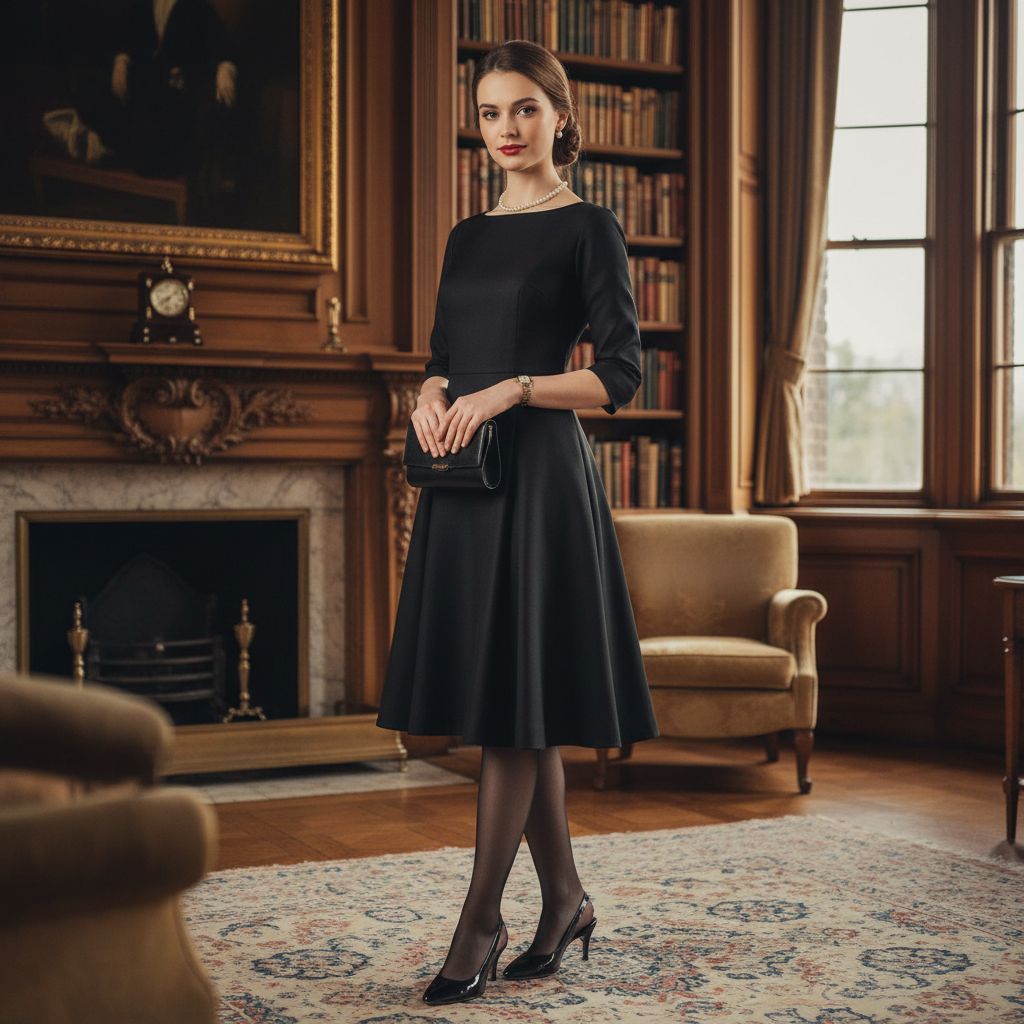
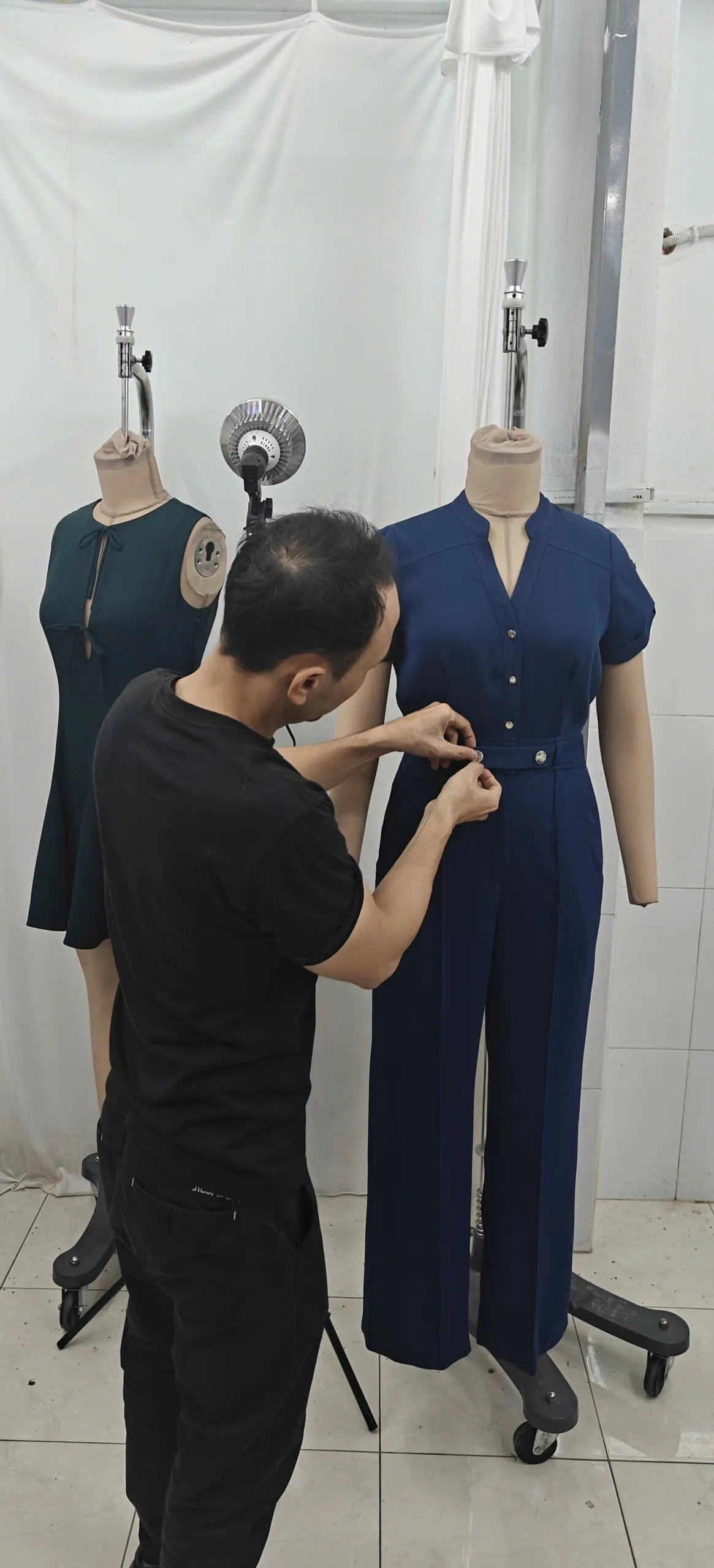
Tailored blazers, structured dresses, and embellished garments demand extra steps. These designs often require multiple sampling rounds, custom trims, and advanced quality inspections to meet brand standards. Every added detail introduces a new approval step, naturally extending the timeline.
The Impact of Fabric Sourcing on Delivery
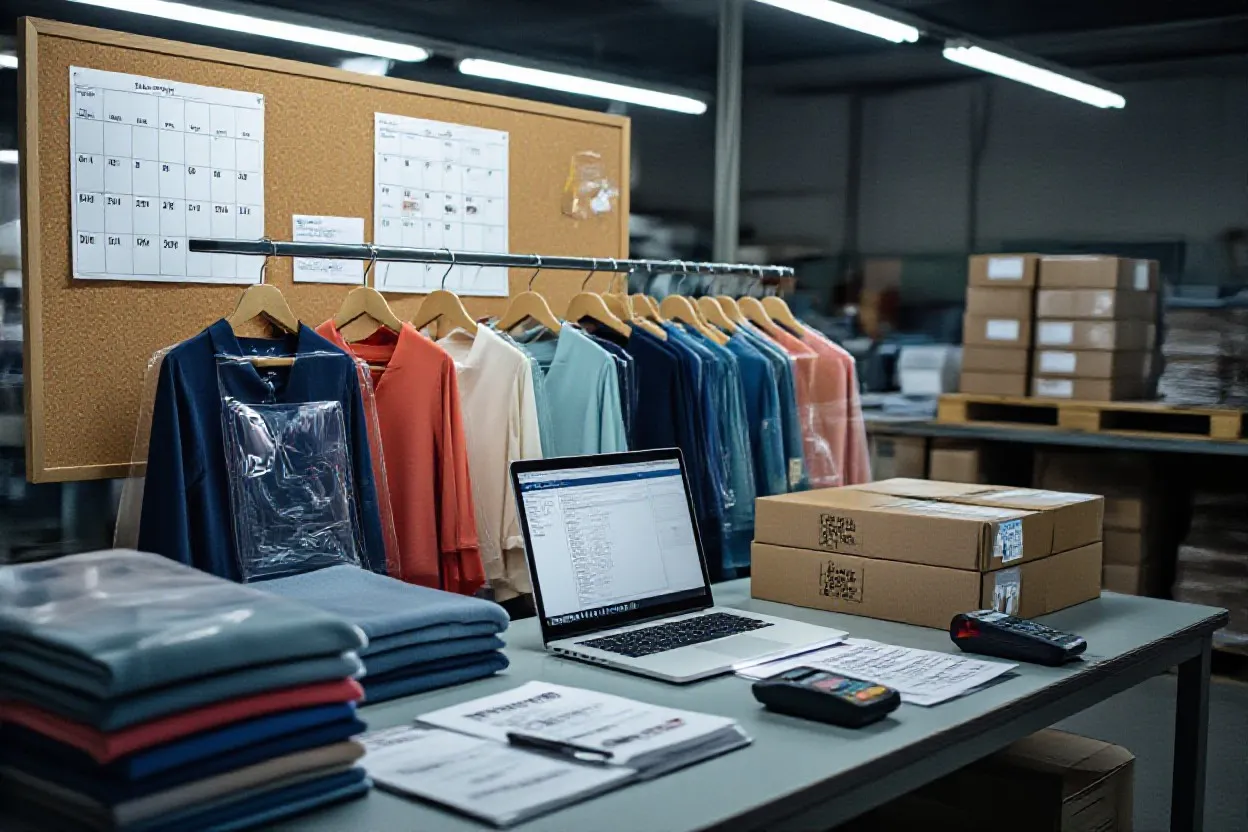
Fabric choice is the single fastest way to shorten or lengthen a production run. Using Stock Fabrics can reduce lead times by 2–3 weeks as they bypass development and color testing. Conversely, Specialty Fabrics (custom dyeing, weaving, or performance testing) can add 4–8 extra weeks before bulk production even begins.
Seasonal Capacity and Peak Periods
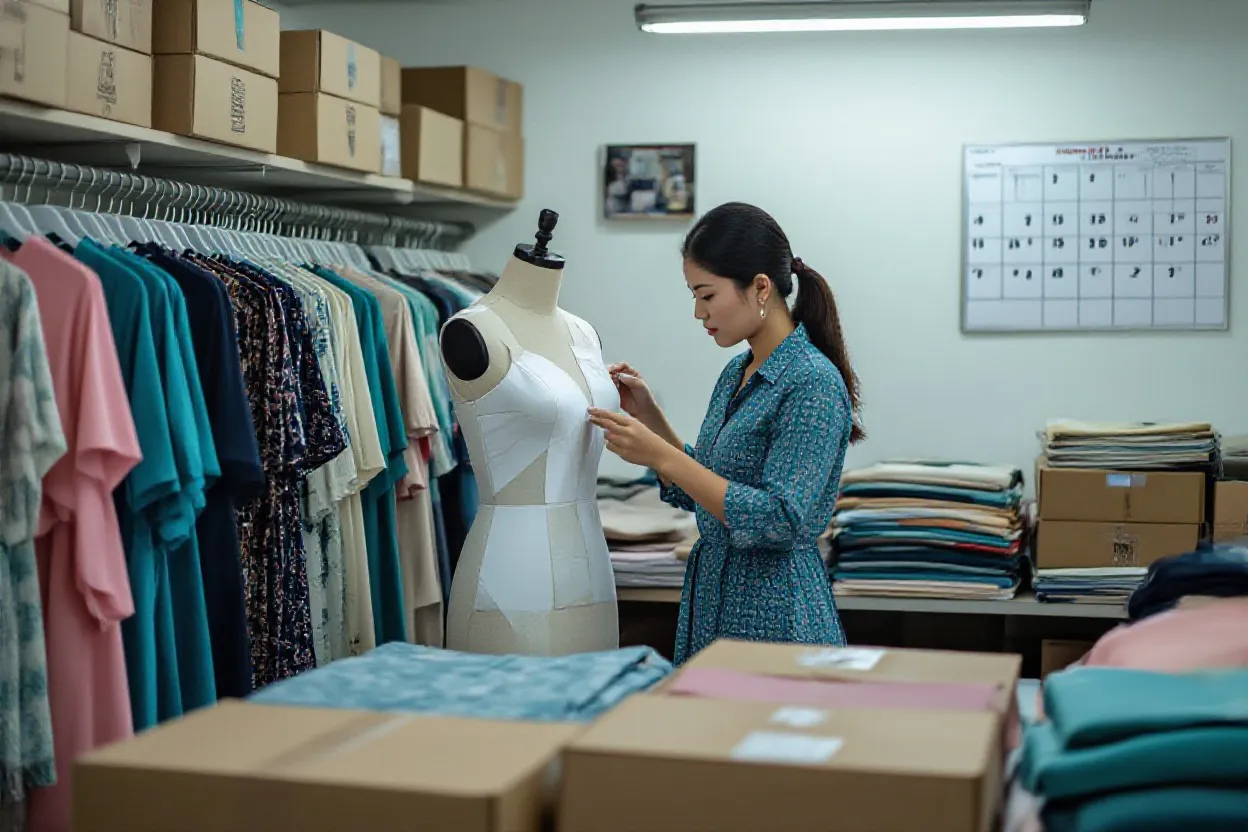
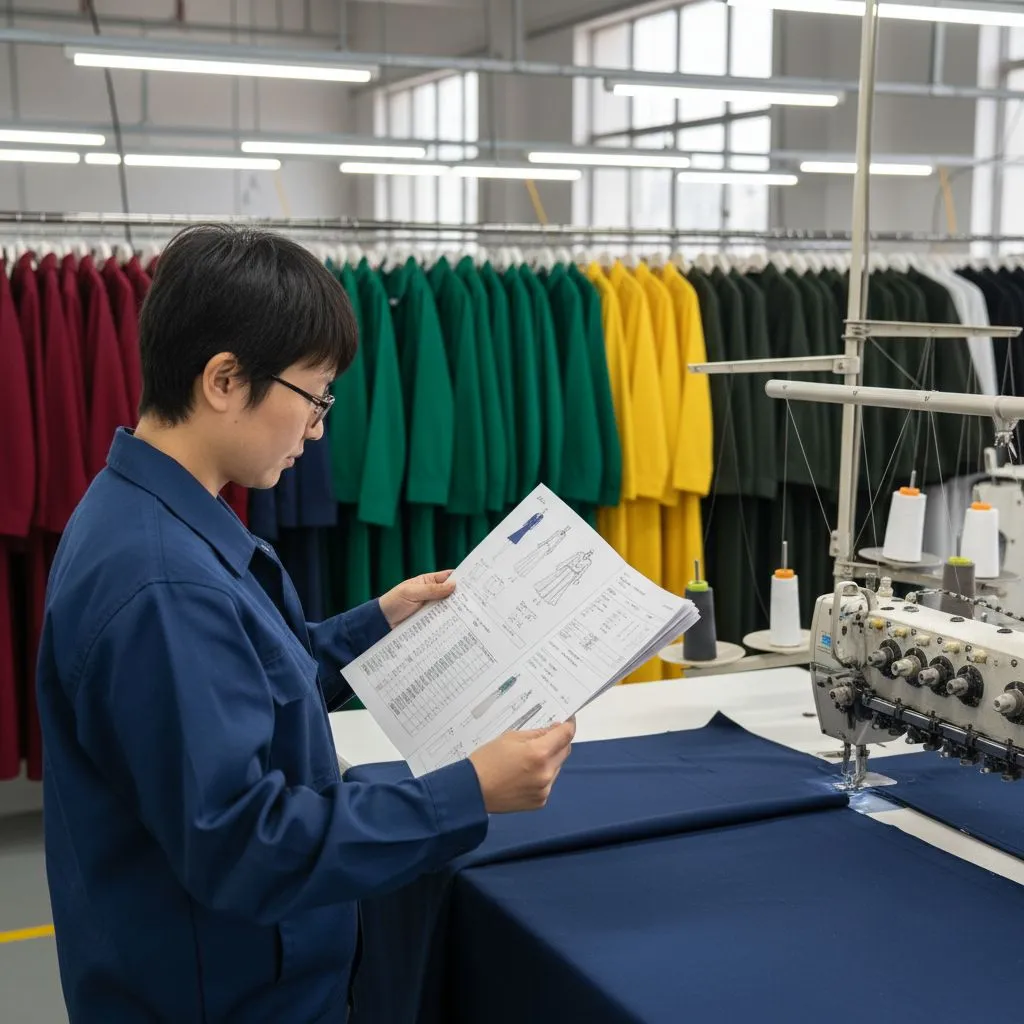
Fashion production follows a rhythm. Factories are usually at 100% capacity during January–March (Summer collections) and June–August (Holiday/Fall deliveries). Scheduling production during quieter windows like April–May or September–October can shorten lead times by 10–15% and offer more flexibility.
Conclusion
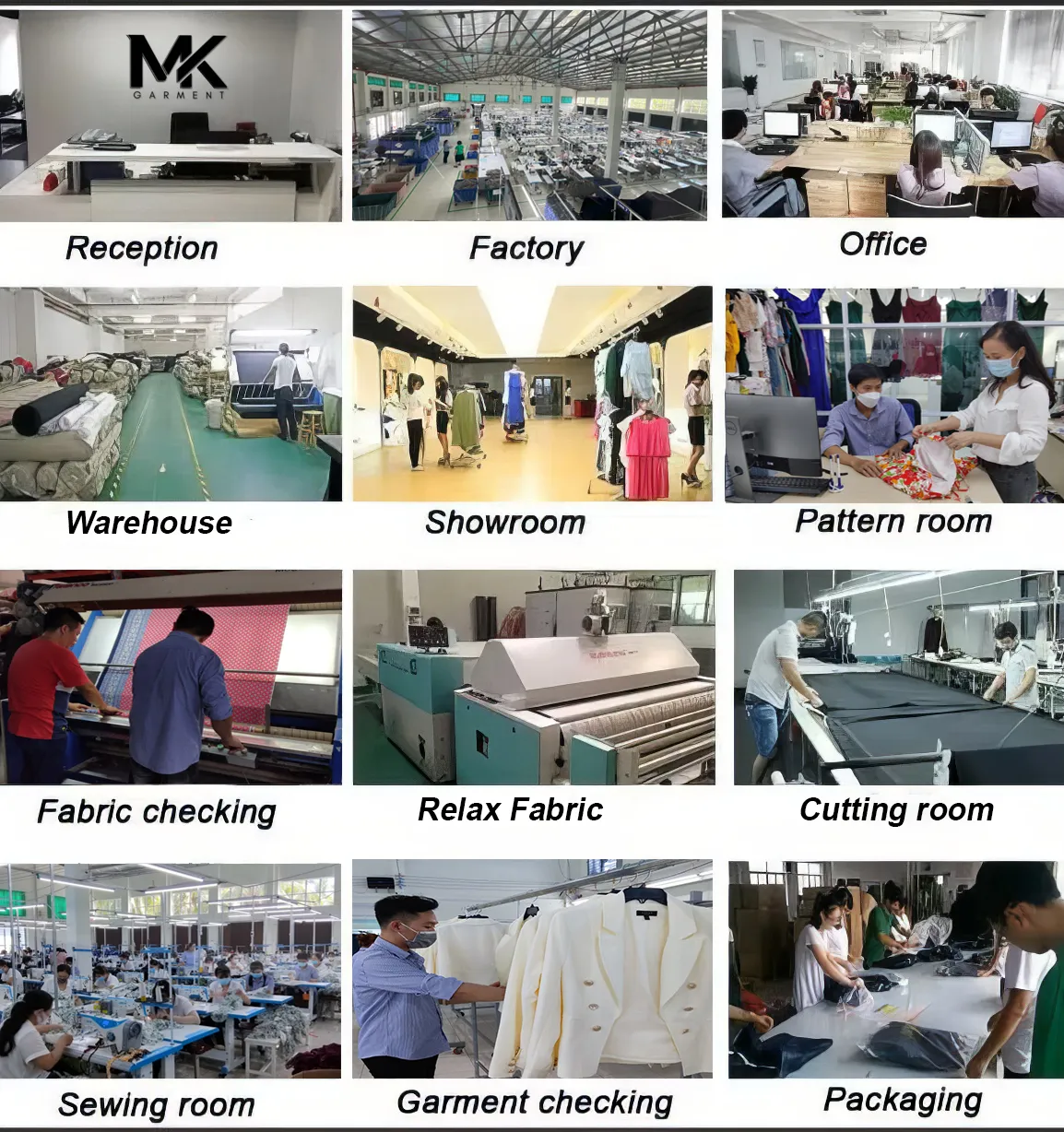
Successful women’s fashion wholesale is a balance of great design and intentional timing. By choosing fabrics early, keeping designs stable before production, and understanding seasonal capacity, brands can gain massive control over their supply chain. At Mekong Garment, we work closely with our partners to optimize every week of the production cycle, ensuring your collection reaches the market exactly when the trends are at their peak.
Contact Mekong Garment Factory
- VN Phone/WhatsApp/WeChat: +84 947 729 829
- Email: hanh@kimmy.vn