


What Are the Typical Lead Times for Men’s Wear Manufacturing?

In men’s wear manufacturing, timing is just as critical as fit and fabric. A well-designed collection can fail if production timelines are misjudged, affecting retail launches and inventory planning. Based on our extensive experience with global brands, men’s wear manufacturing typically takes 8 to 16 weeks. This guide breaks down the factors shaping these schedules—from garment complexity to seasonal capacity—to help you plan with precision.
Average Lead Times in Men’s Wear Manufacturing
Before diving into specific factors, it helps to understand the general industry benchmarks. These timelines usually begin after order confirmation and deposit, covering everything from material procurement to final packing.
| Men’s Wear Category | Typical Lead Time | Key Characteristics |
|---|---|---|
| Basic Knits/Wovens | 6–8 weeks | T-shirts, Polos, simple shorts |
| Core Seasonal Items | 8–10 weeks | Chinos, casual button-downs |
| Tailored & Structured | 12–14 weeks | Suits, structured blazers |
| Technical/Complex | 12–16 weeks | Outerwear, multi-layer performance gear |

How Design Complexity Influences Your Schedule
Basics and Repeat Programs (6–8 Weeks)
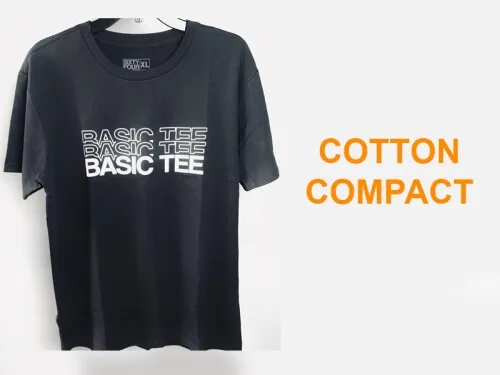
Basics move faster because they benefit from established workflows and standardized patterns. Since these construction methods are familiar to the factory floor, the learning curve is minimal, making them ideal for quick replenishment and high-volume consistency.
- Standardized patterns reduce pre-production time.
- Familiar sewing operations increase daily output.
- Widely available fabrics allow for immediate bulk ordering.
Tailored and Technical Garments (12–16 Weeks)
Precision tailoring and performance features demand extra time for development. These styles often require specialized machinery, multiple fitting rounds, and rigorous wear-testing to ensure they meet durability standards. Every technical requirement—like seam sealing or internal canvas structure—adds specific steps to the timeline.
The Critical Role of Fabric Sourcing
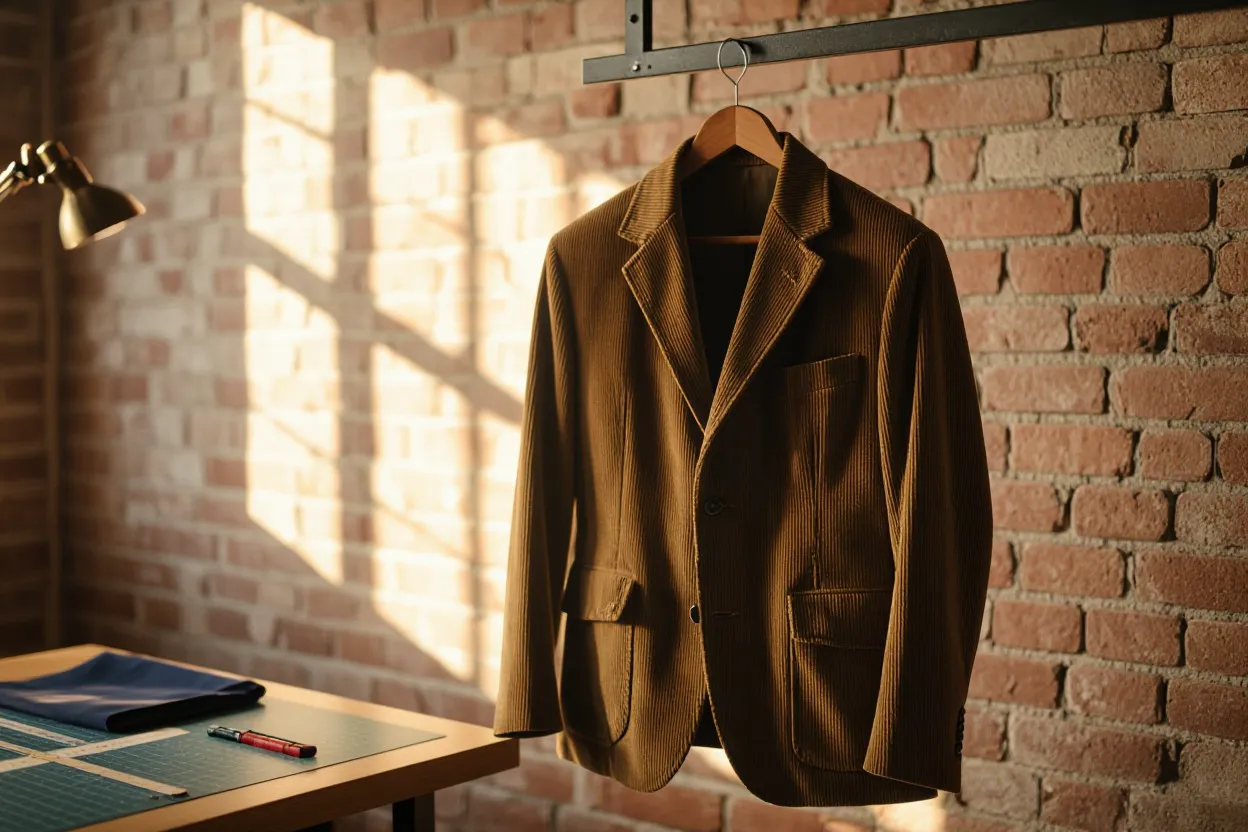
Fabric choice is often the single biggest driver of production speed. Stock Fabrics can shorten lead times by 2–3 weeks because colors and specs are already approved. However, Custom Mill Development (special weaves, custom dyeing, or performance finishes) typically adds 4–6 extra weeks before bulk cutting can even begin.

Seasonal Demand and Strategic Planning
Factory capacity fluctuates based on the retail calendar. Peak seasons—January to March and June to August—often see lead times stretch by 2–3 weeks due to high global demand. Conversely, producing during quieter windows like April–May or September–October can reduce lead times by 10–15% and offer more flexibility in scheduling.

Conclusion
Managing men’s wear lead times requires a balance of strategic sourcing and design stability. By choosing fabrics early and respecting the technical needs of structured garments, brands can deliver collections exactly when the market demands them. At Mekong Garment, we specialize in optimizing these timelines to ensure your brand remains competitive without ever compromising on the durability and fit your customers expect.
Contact Mekong Garment Factory
- VN Phone/WhatsApp/WeChat: +84 947 729 829
- Email: hanh@kimmy.vn